A strong production base, experienced people and quality suppliers give Central Europe good conditions for the further development of the automotive industry. But they are not enough on their own. How to maintain investments, manage price pressure and turn technological changes into new orders in an environment of uncertainty? The ninth year of CEE Automotive Supply Chain in Žilina showed that in addition to predictable rules and competitive costs, the ability of companies to quickly change their own products, processes and supplier relationships is also decisive.
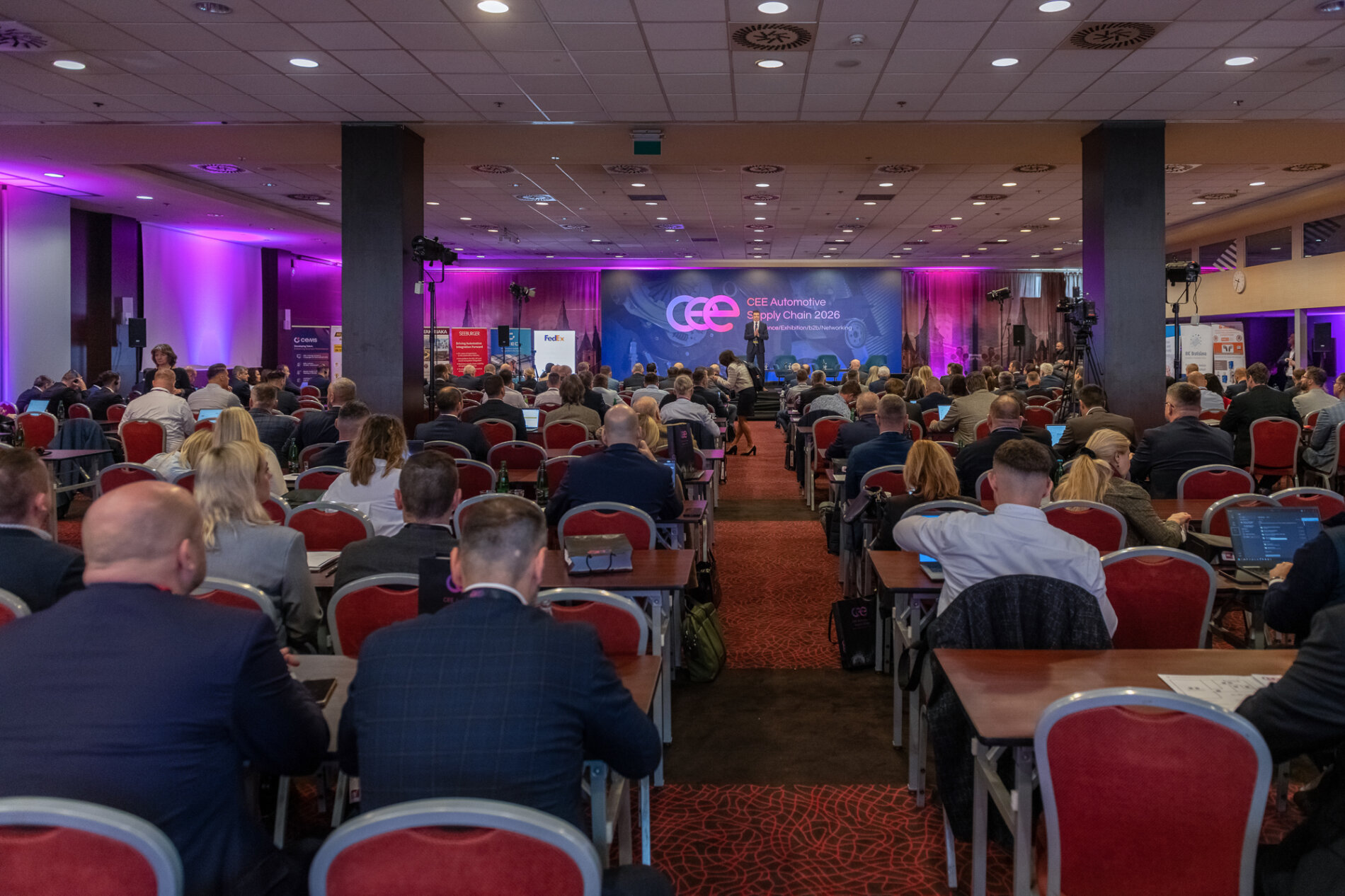
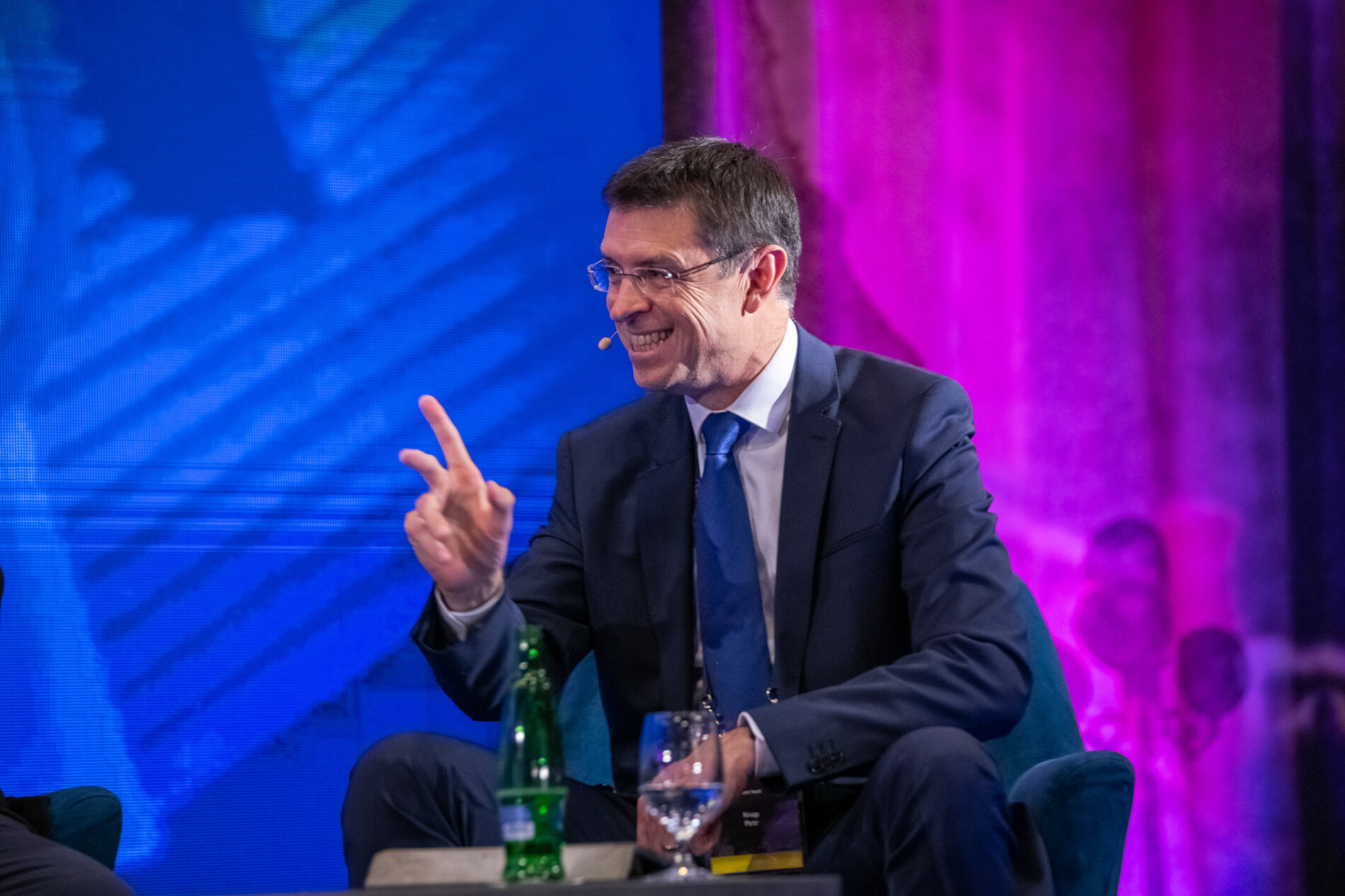
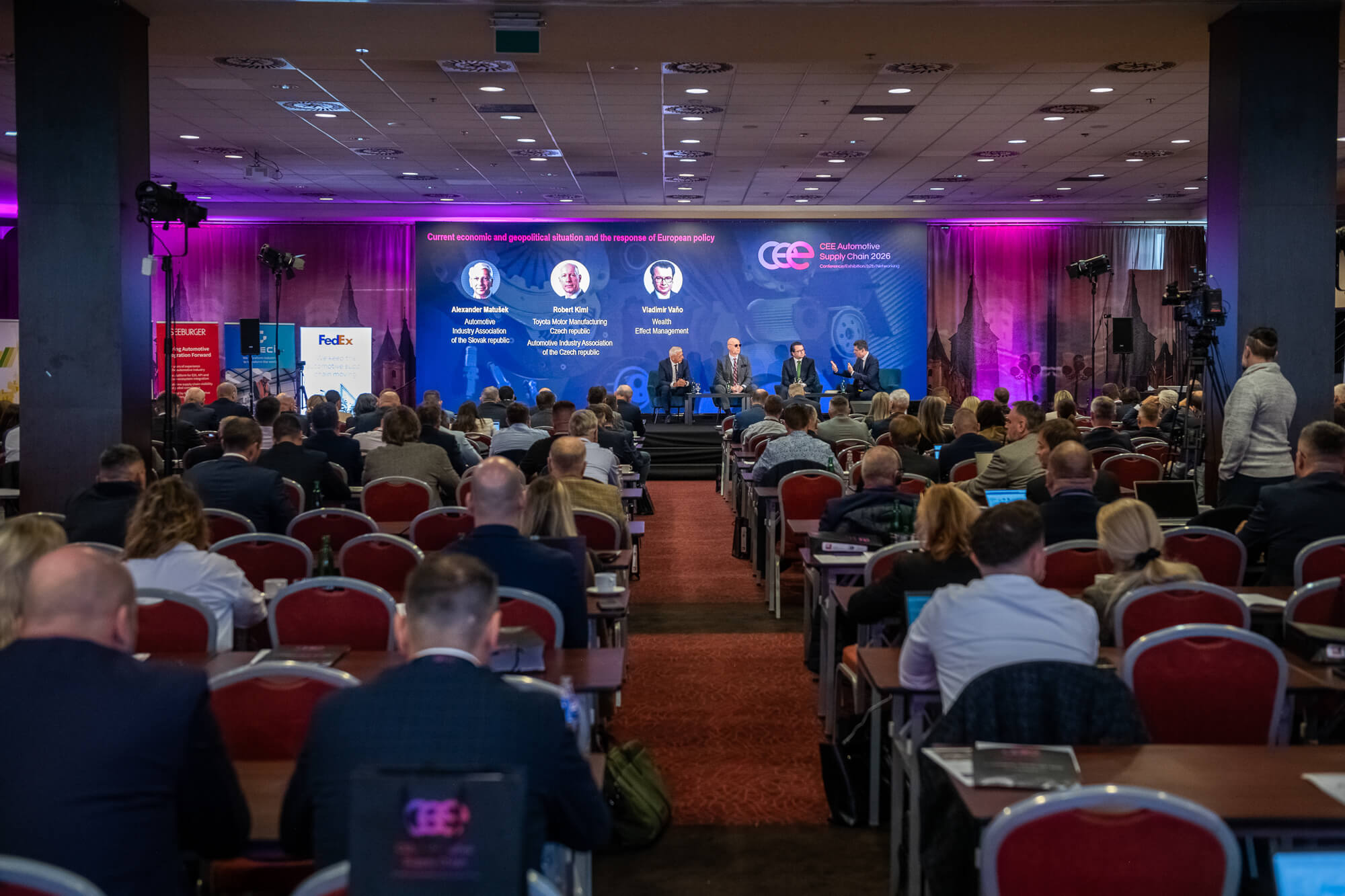
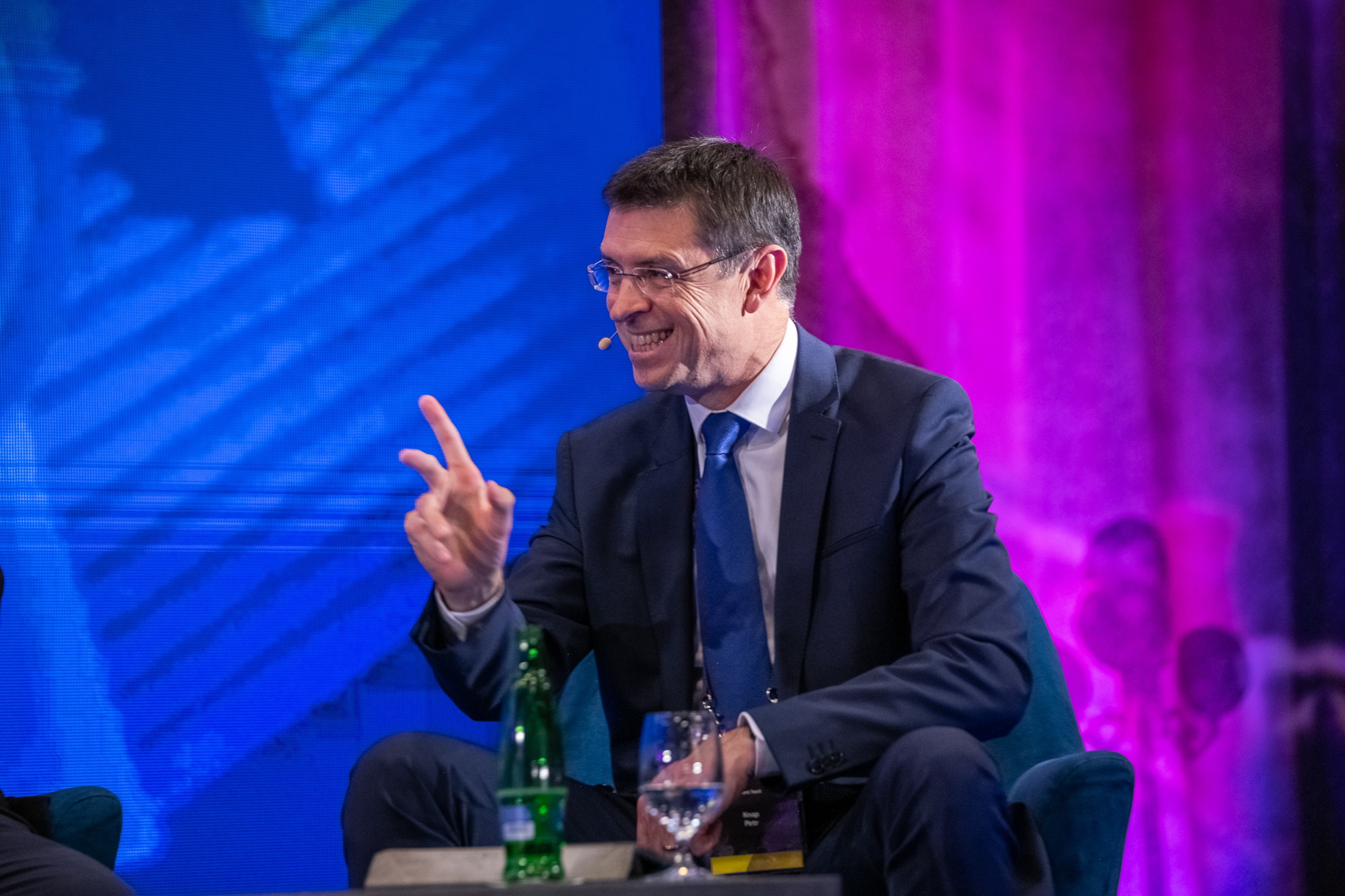
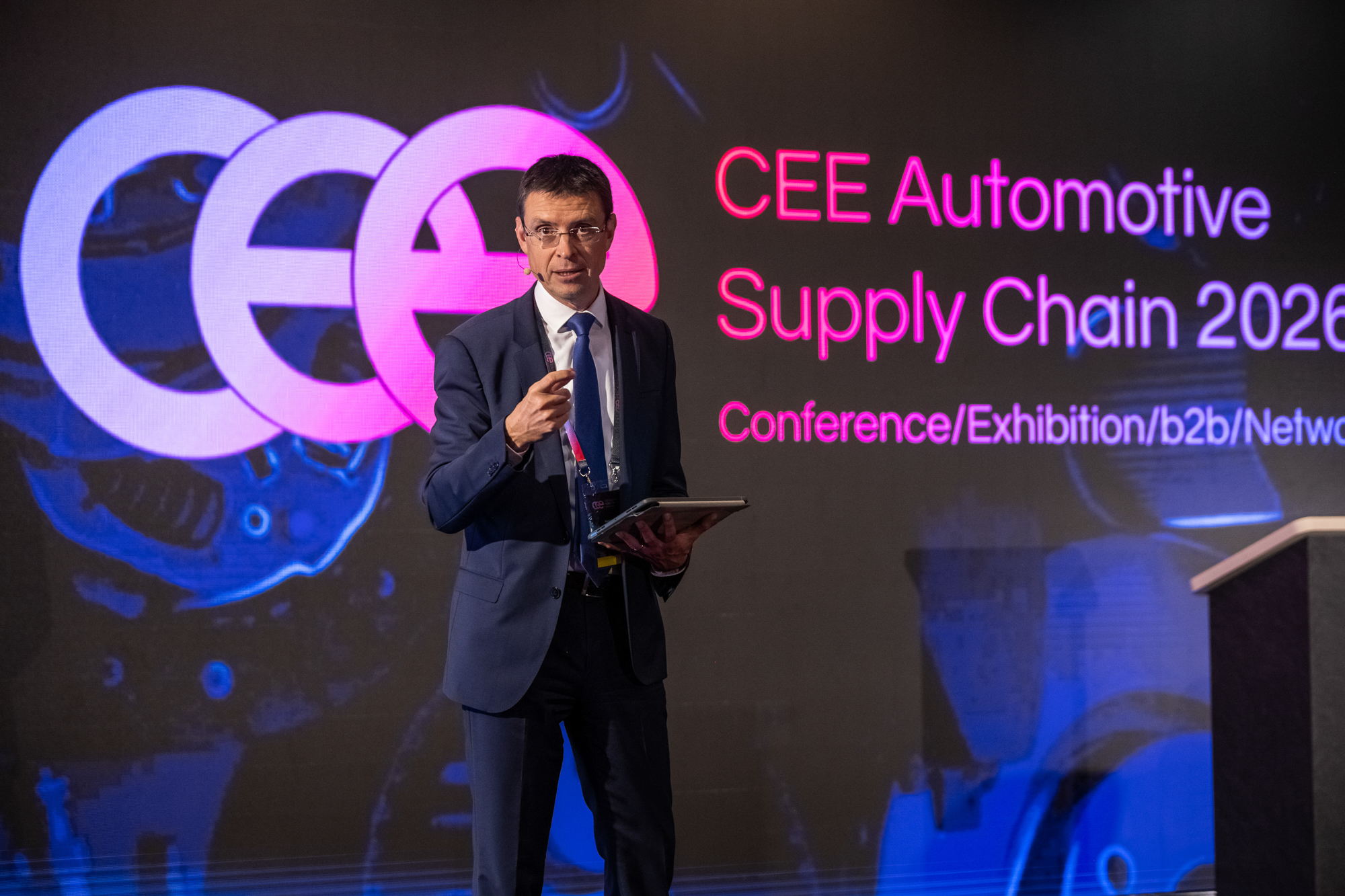
The conference, jointly organized by the Automotive Industry Association of the Czech Republic and the Automotive Industry Association of the Slovak Republic on November 11-12, brought 280 participants from 14 countries to Žilina. The discussions, moderated by Petr Knap, linked the perspective on European industrial policy with the everyday experience of car manufacturers and their suppliers. This was the one that showed how decisions on regulation, energy, and trade relations are reflected in specific orders, investments, and production programs.
Today’s results are based on past investments
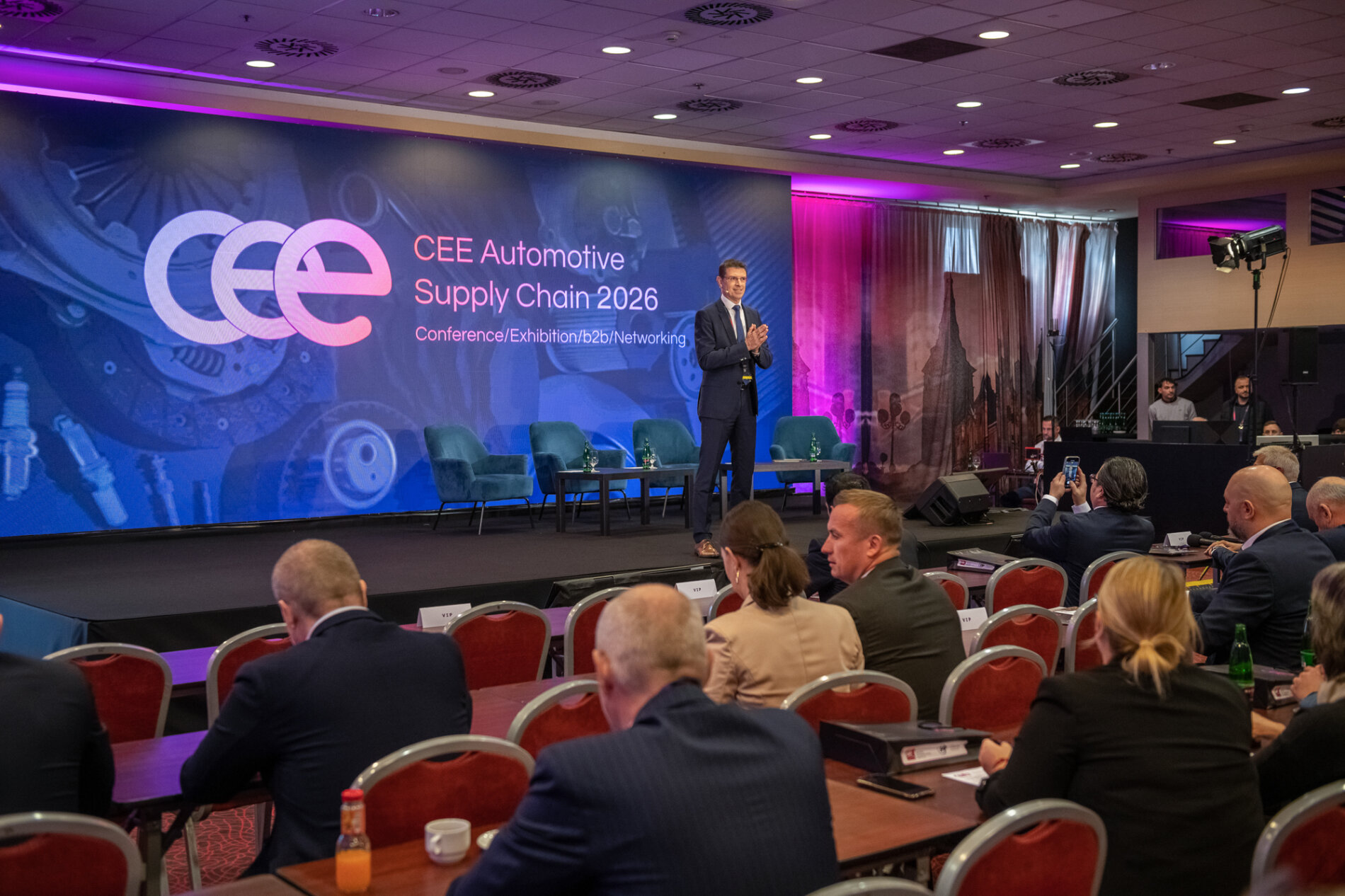
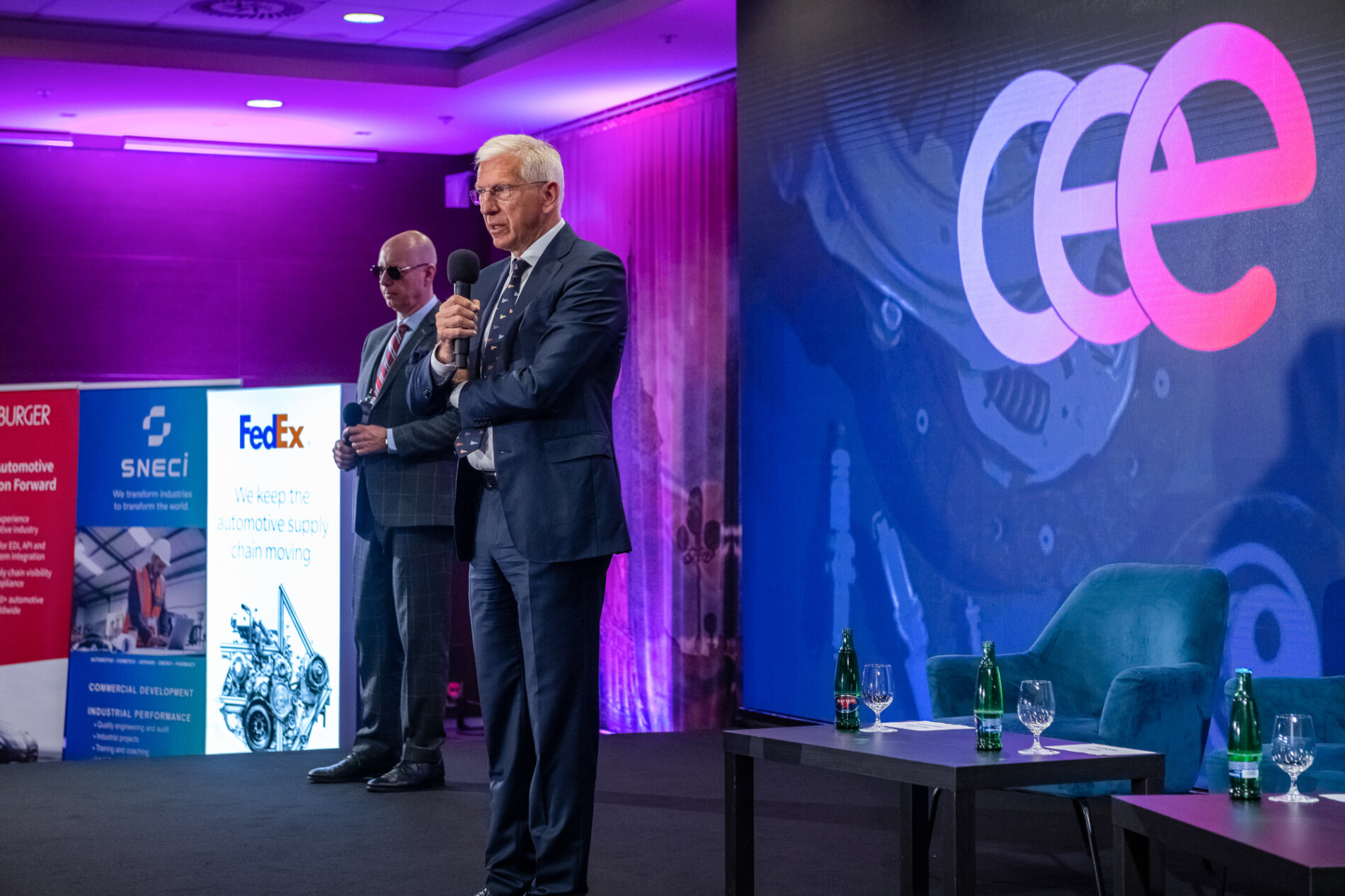
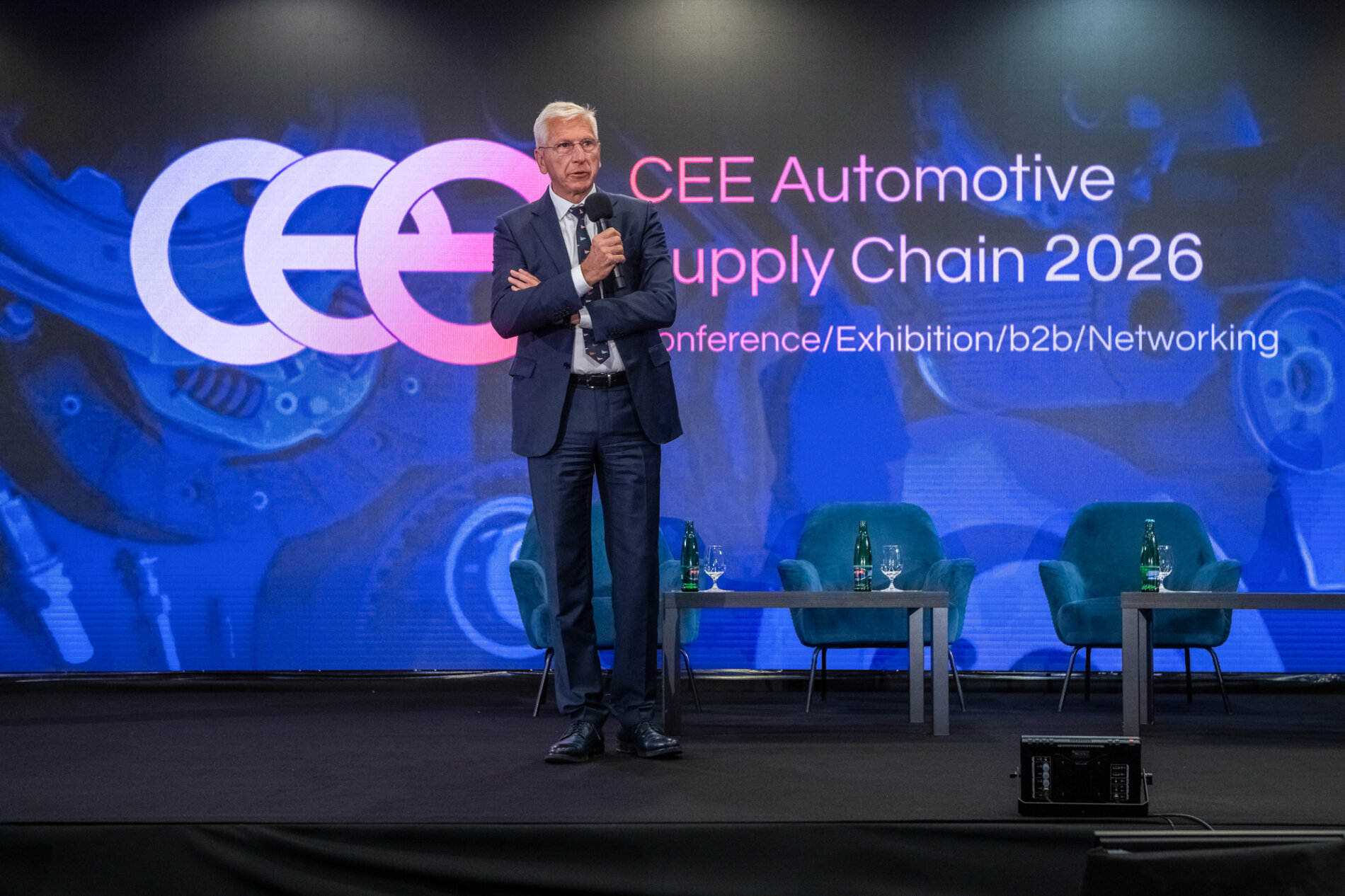
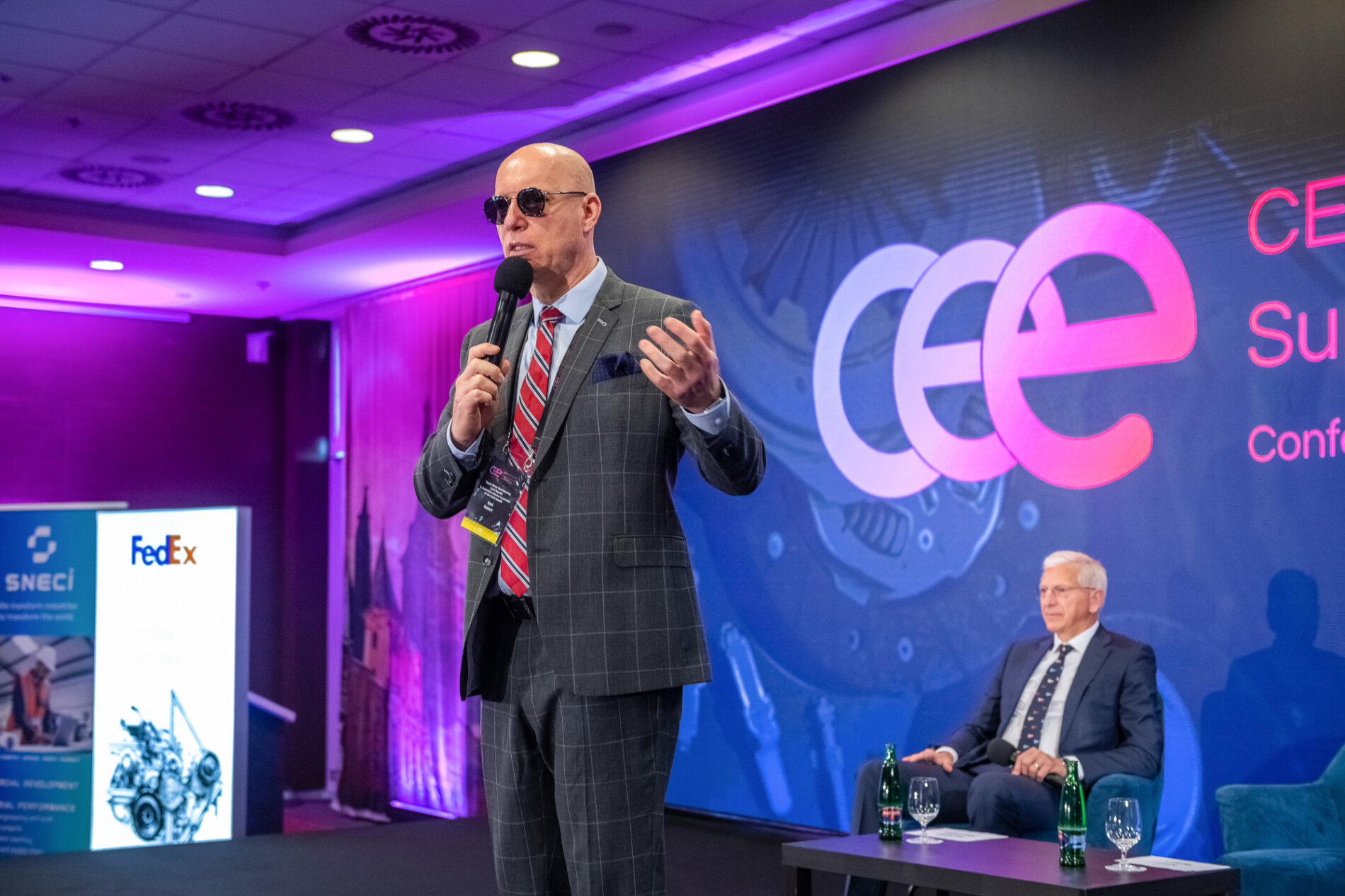
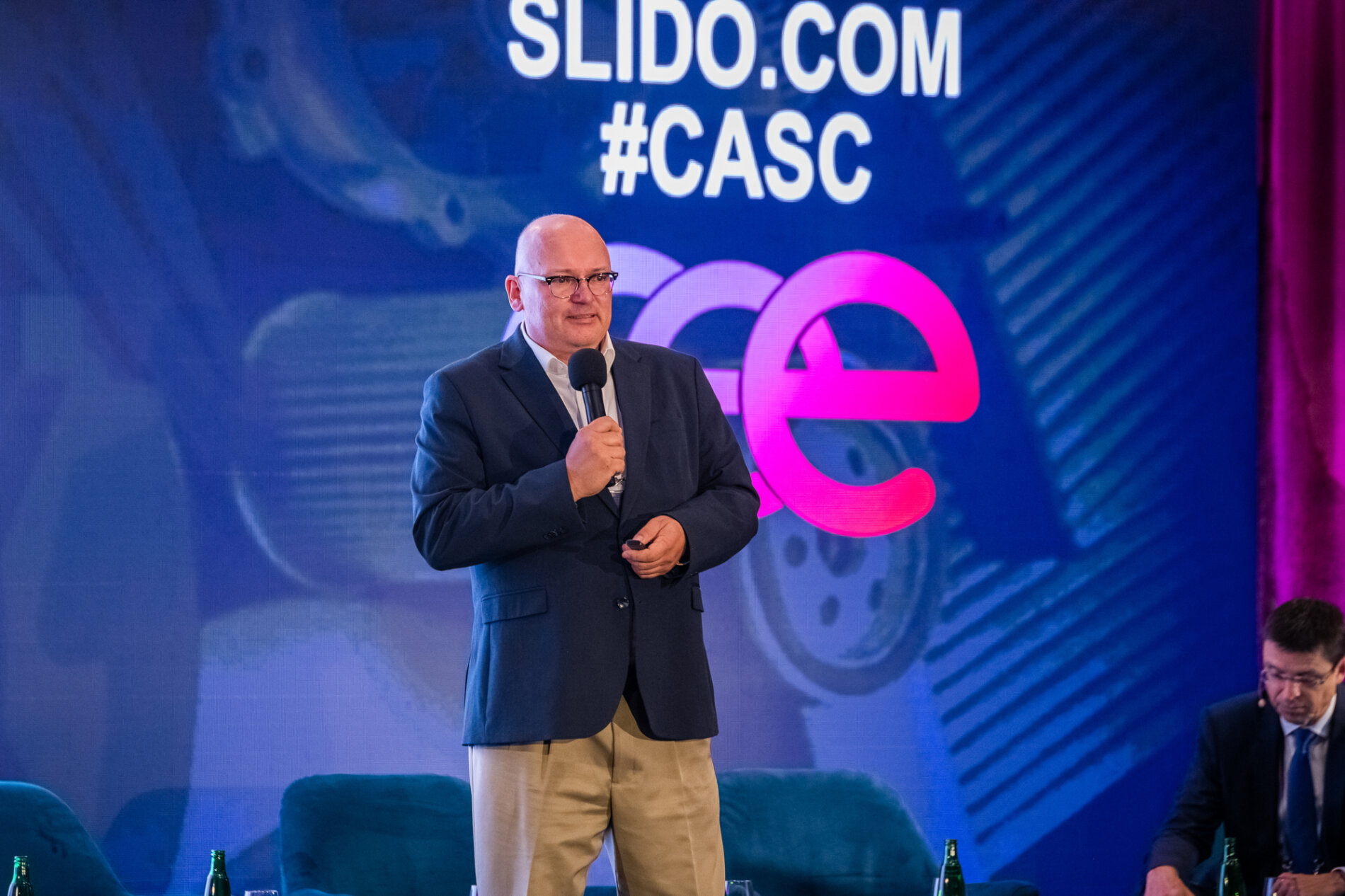
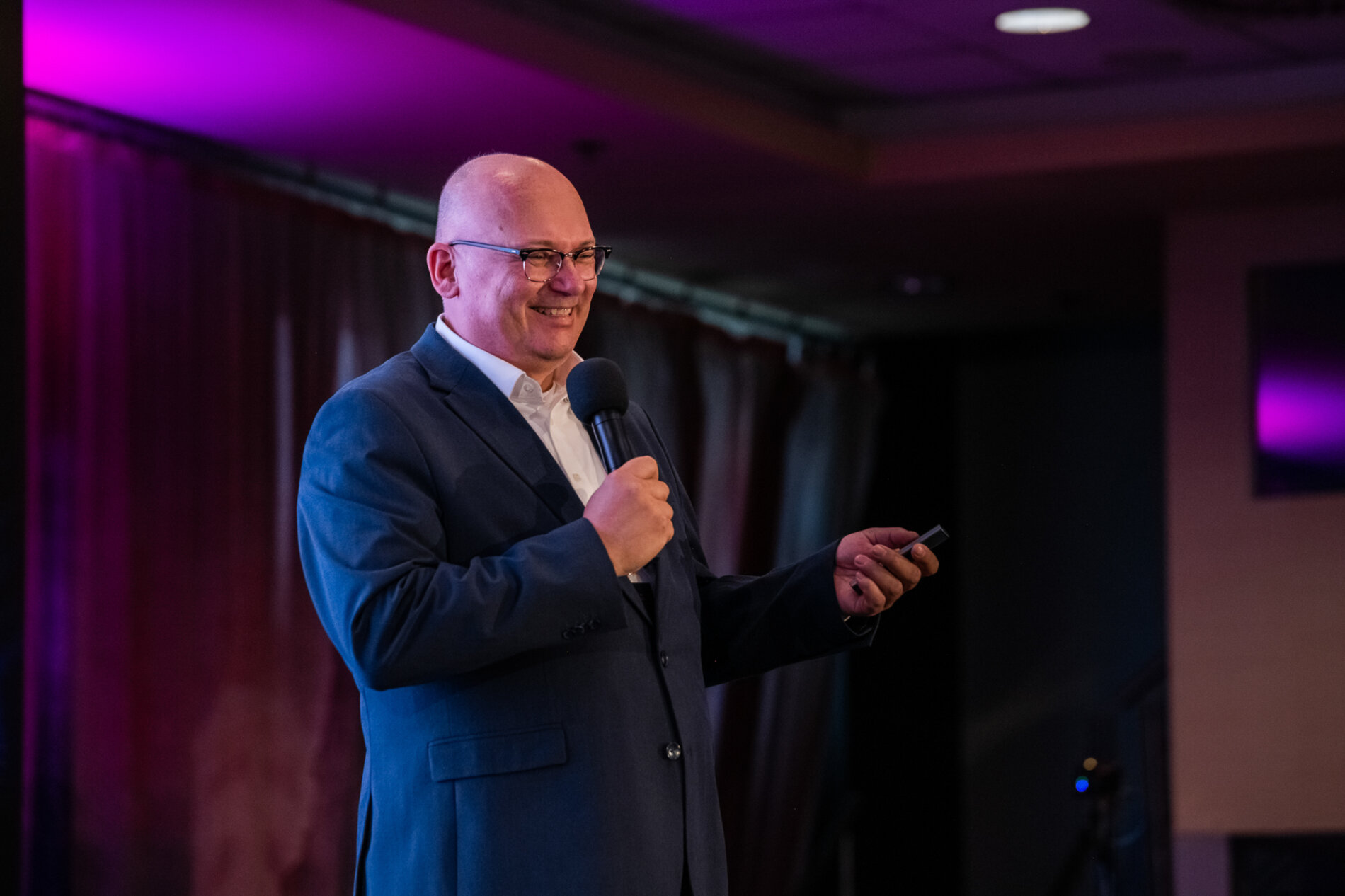
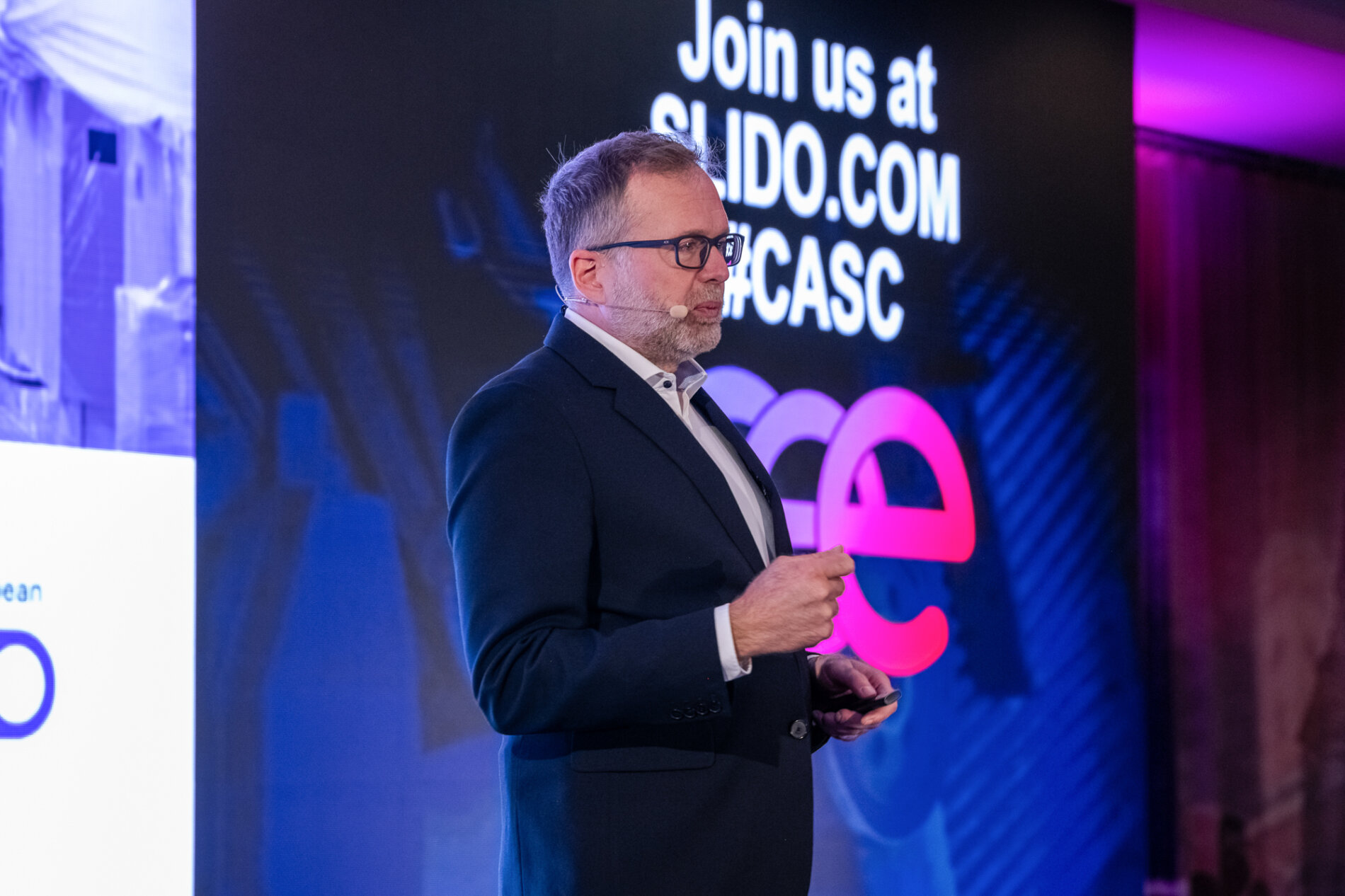
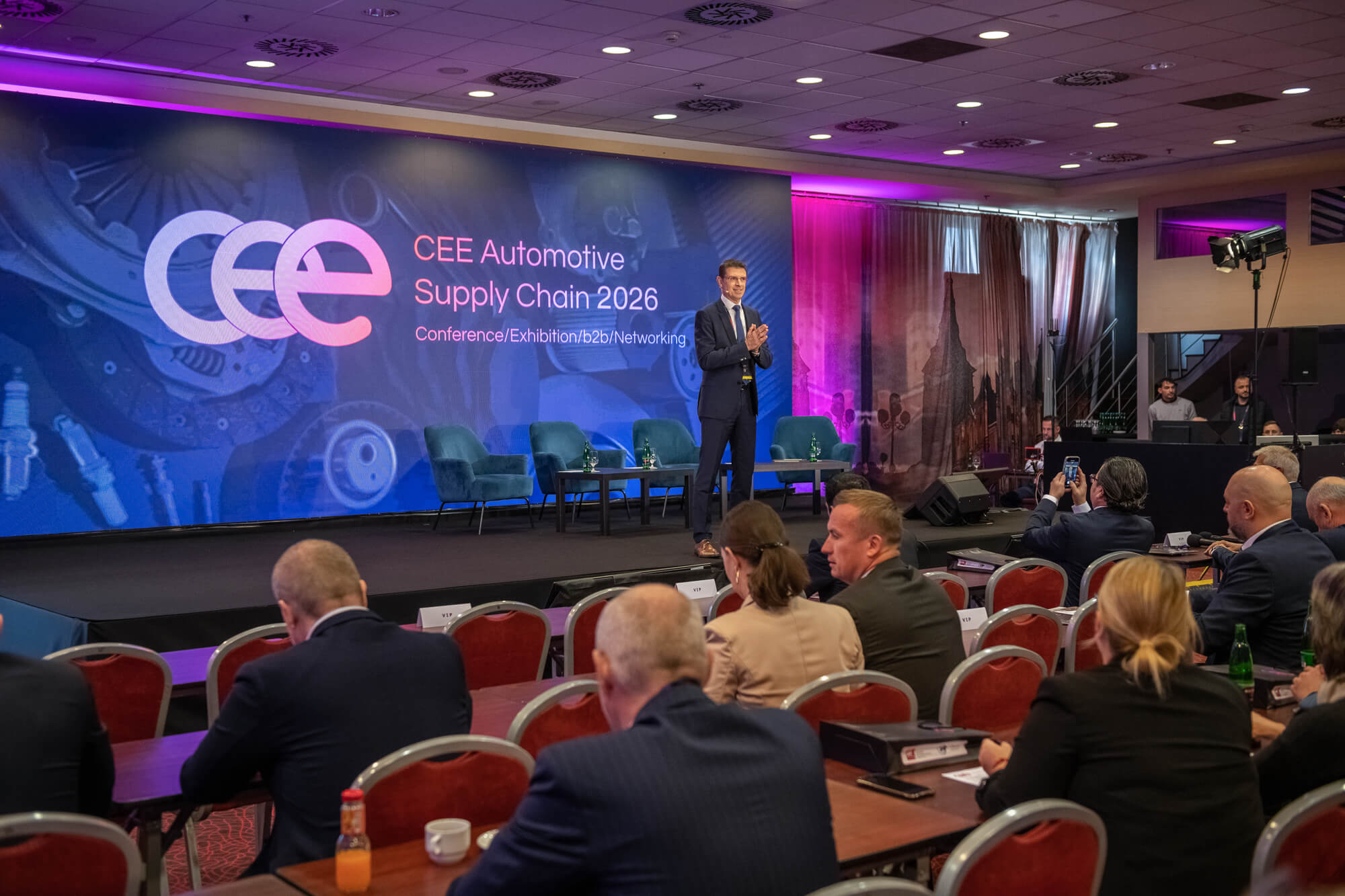
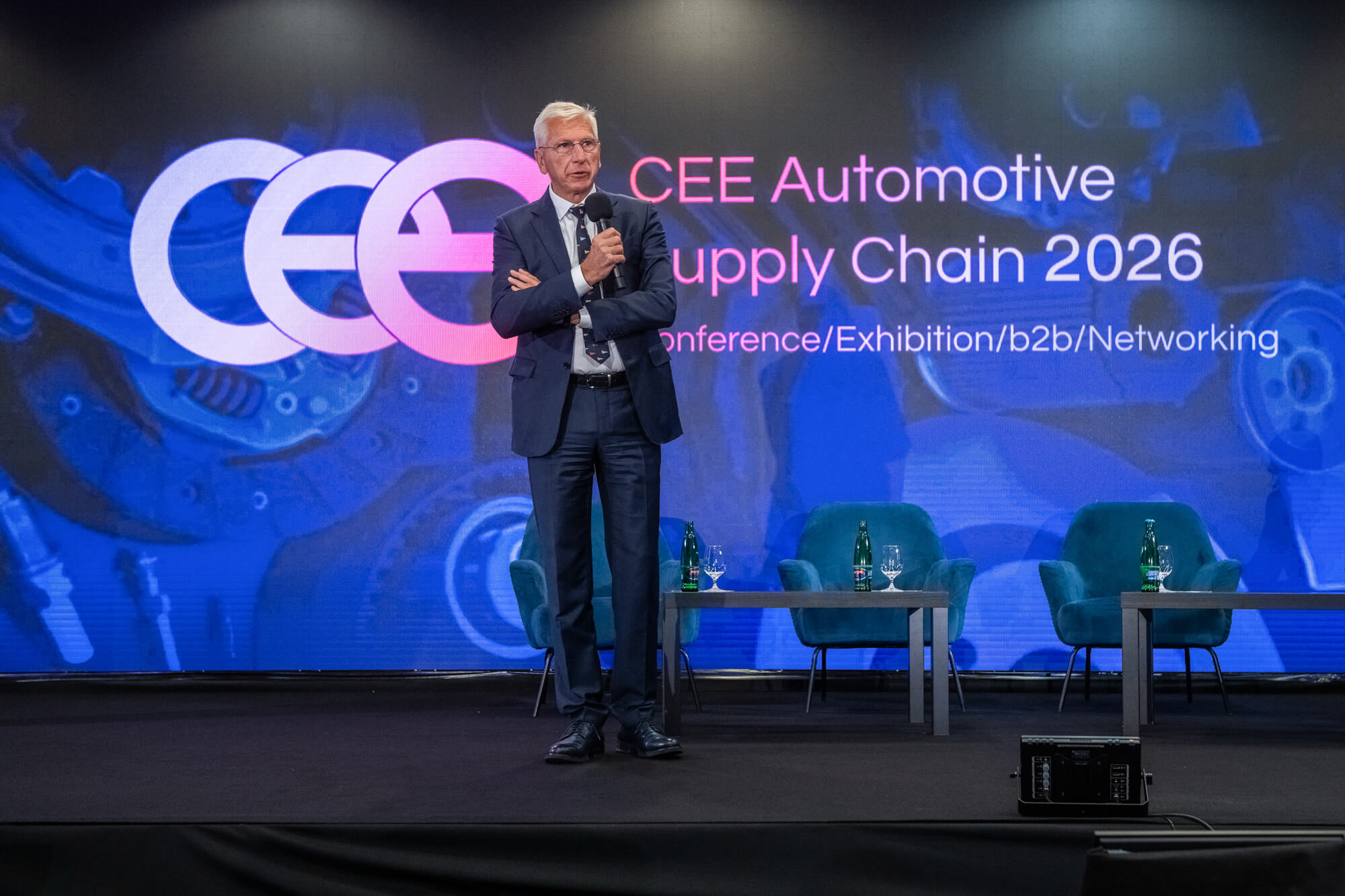
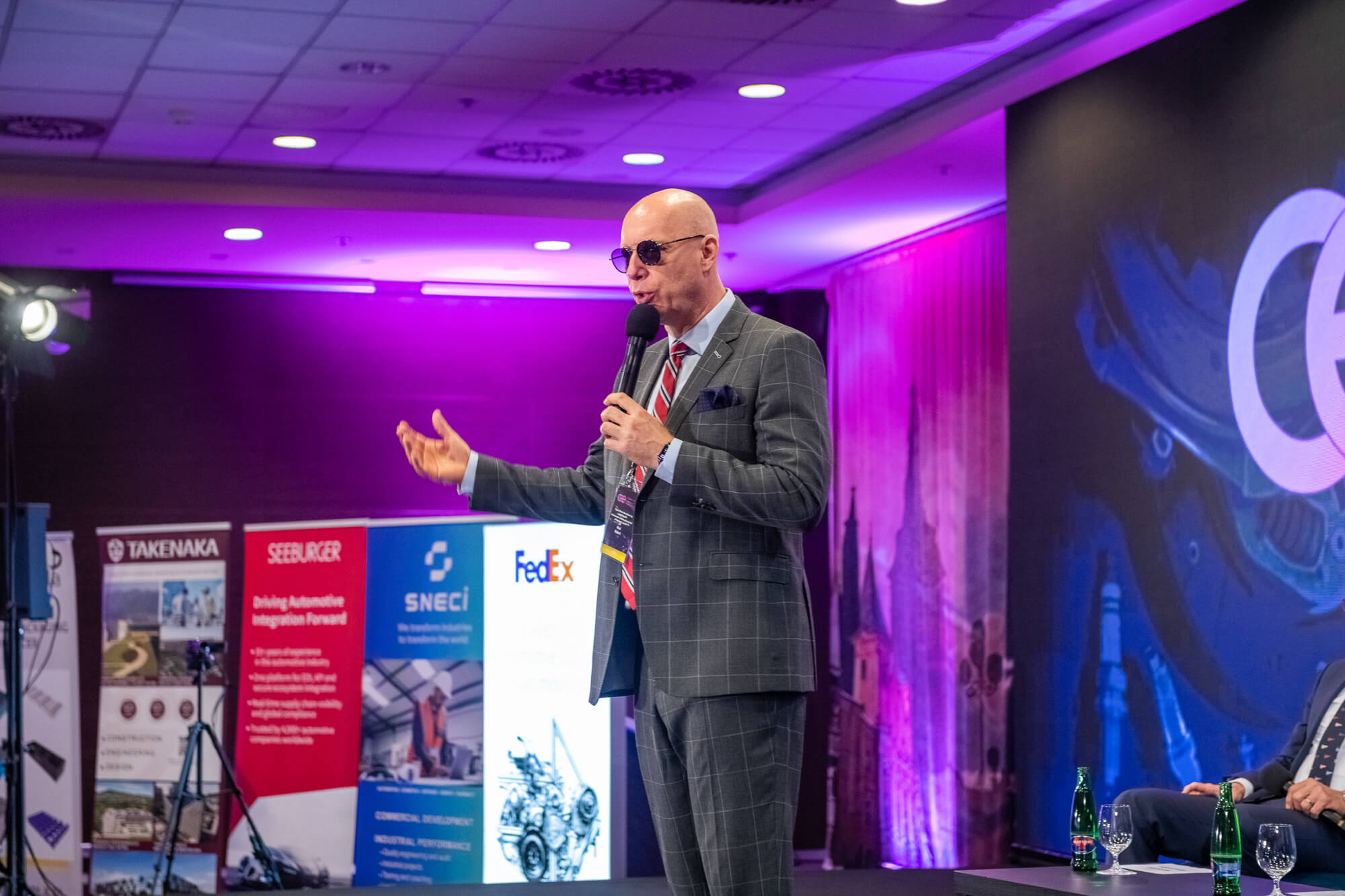
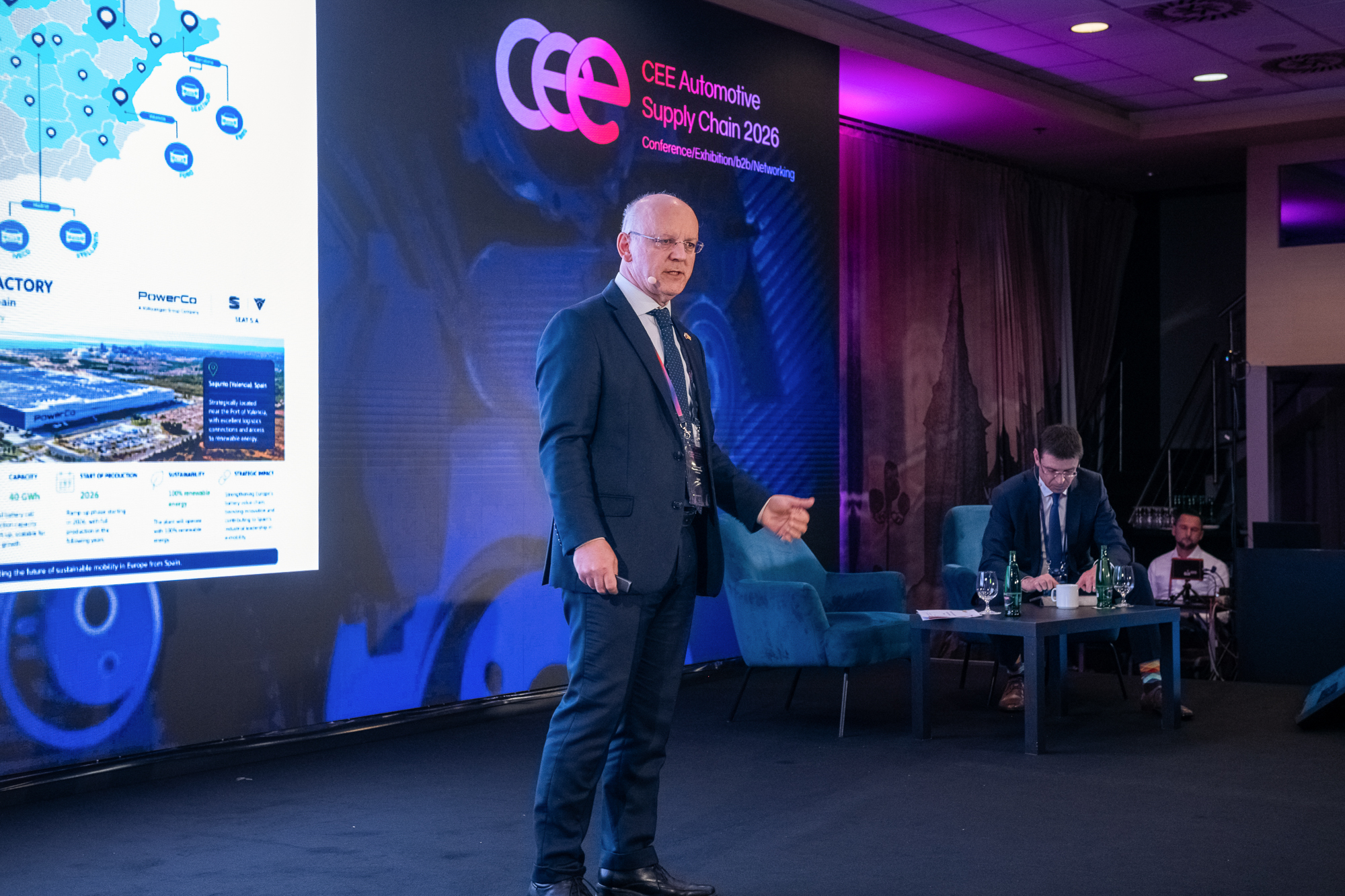
The opening speech by Robert Kiml, Vice President of AutoSAP and President of Toyota Motor Manufacturing Czech Republic, brought an important distinction: the current position of Central and Eastern Europe is good, but its continuation is not a given. The region benefits from investments and work done five, ten, or fifteen years ago. Now it is being decided what role it will play in the next decade.
“We are creating the future and what it will look like here in five and ten years,” emphasized Kiml. Describing the experience of acquiring a new project for Toyota in Cologne, he highlighted the qualified people who have already managed a number of demanding projects, the quality supply network and the location in the heart of Europe. On the other hand, uncertainty is brought by the development of demand and regulatory conditions. Without their predictability, it is difficult to draw up a business plan and defend the return on investment.
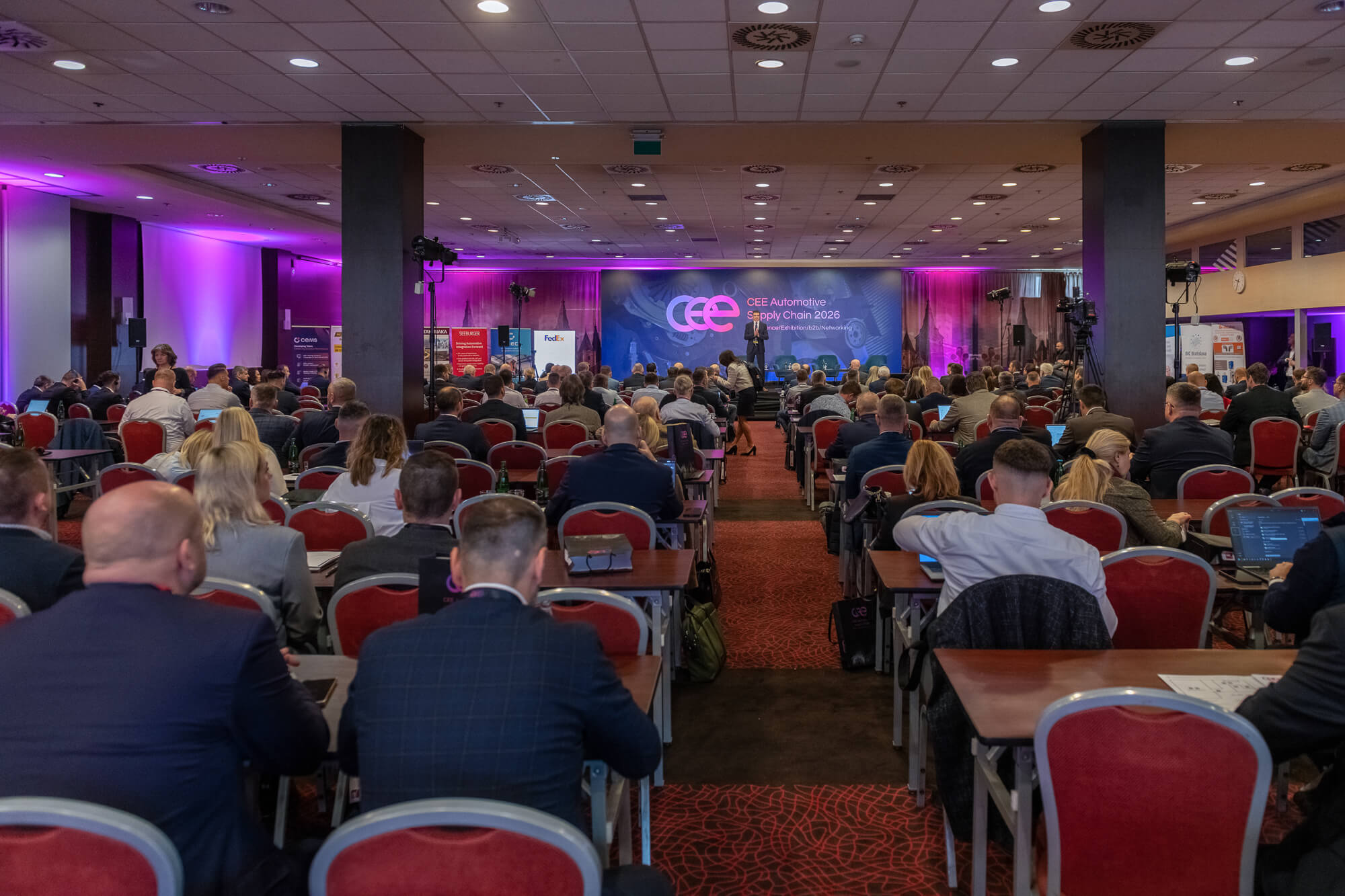
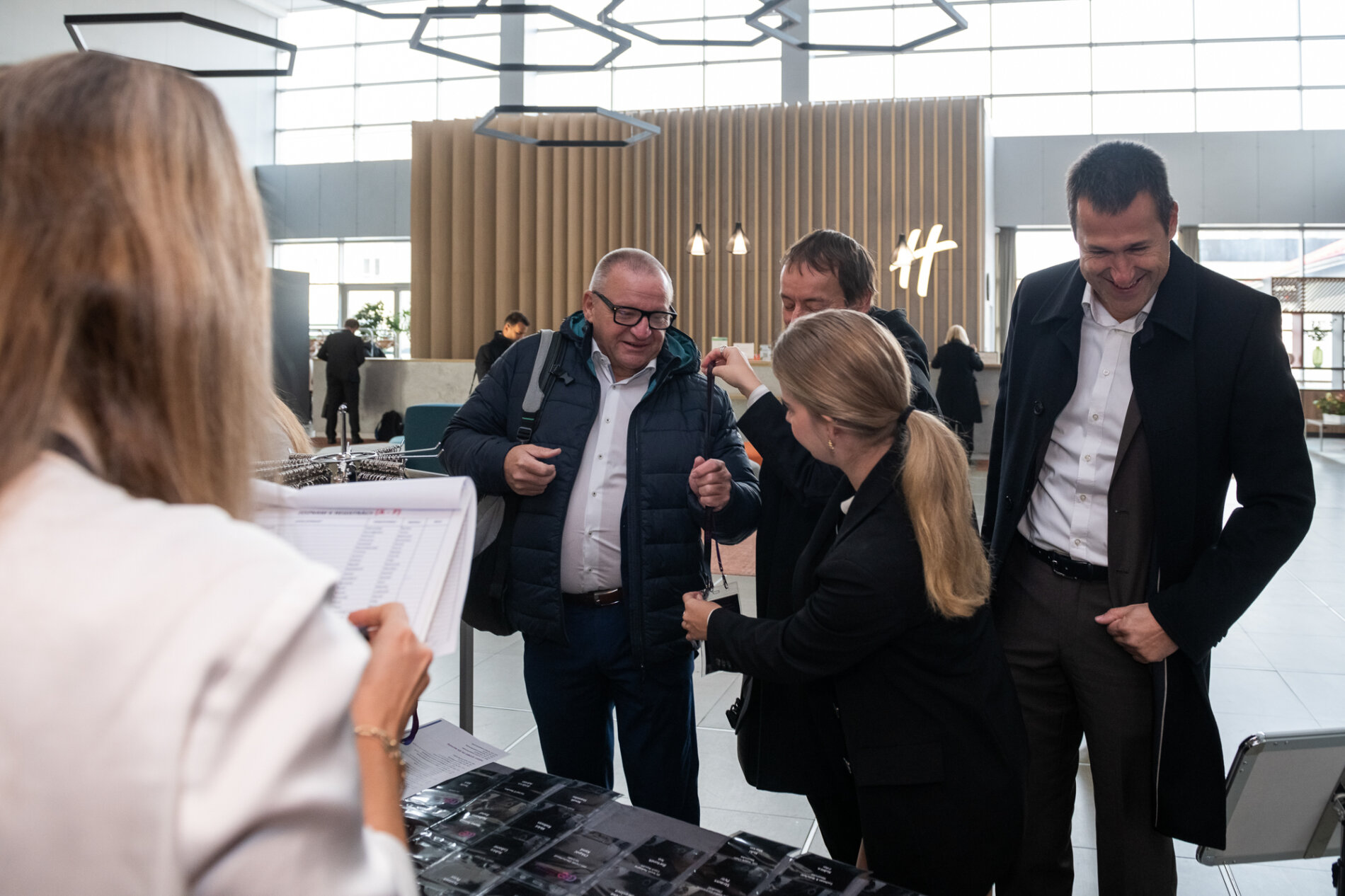
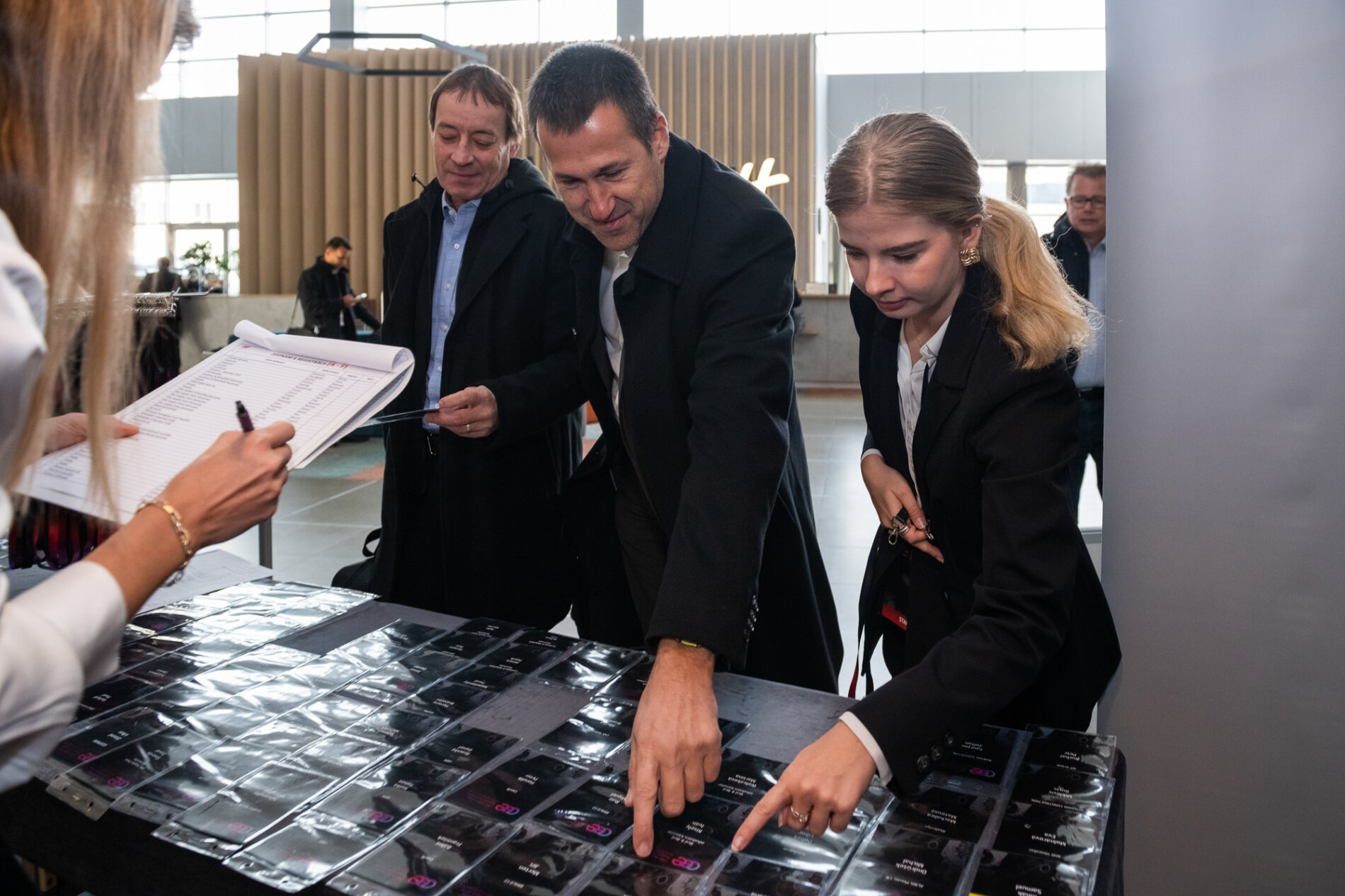
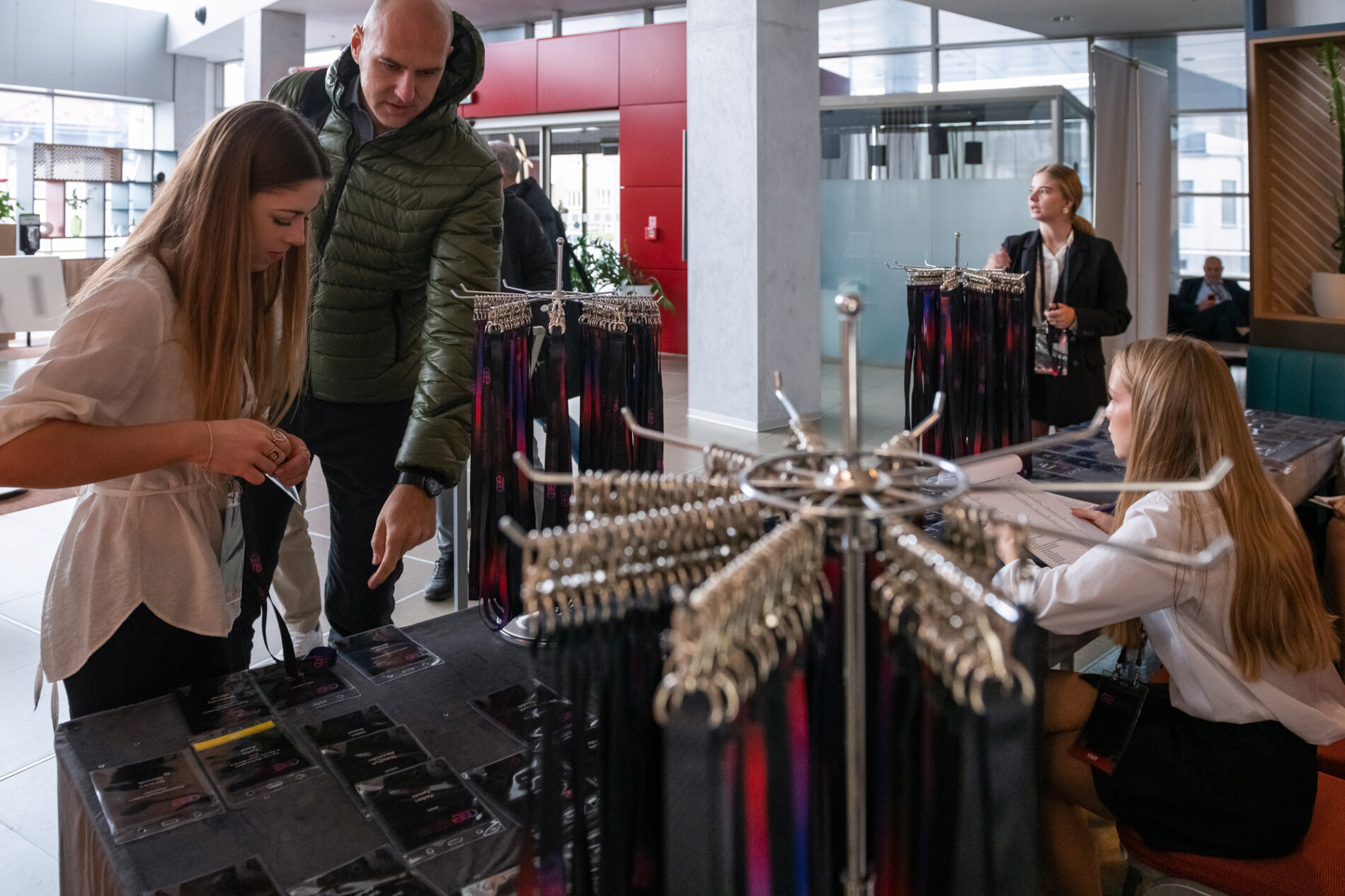
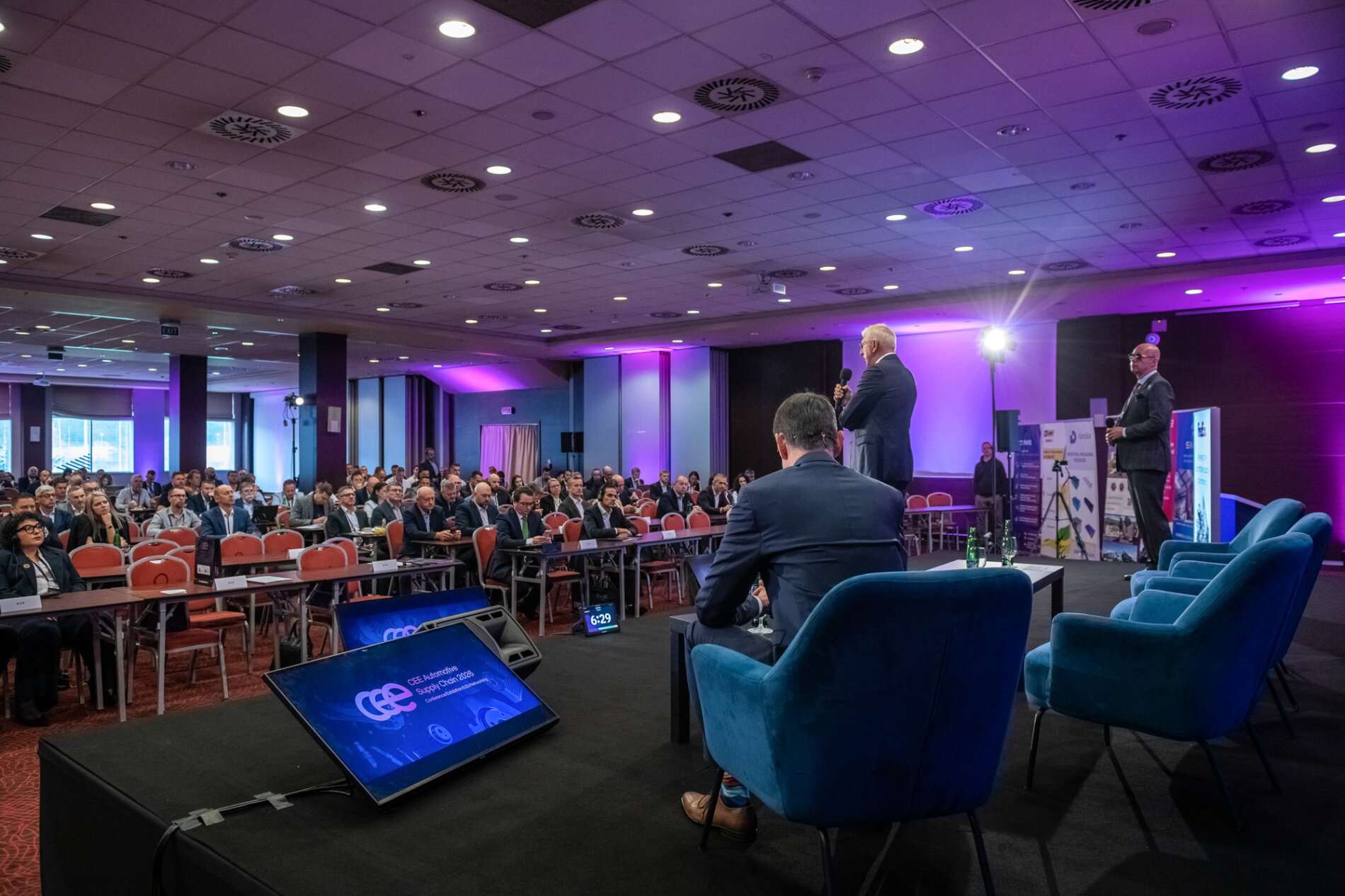
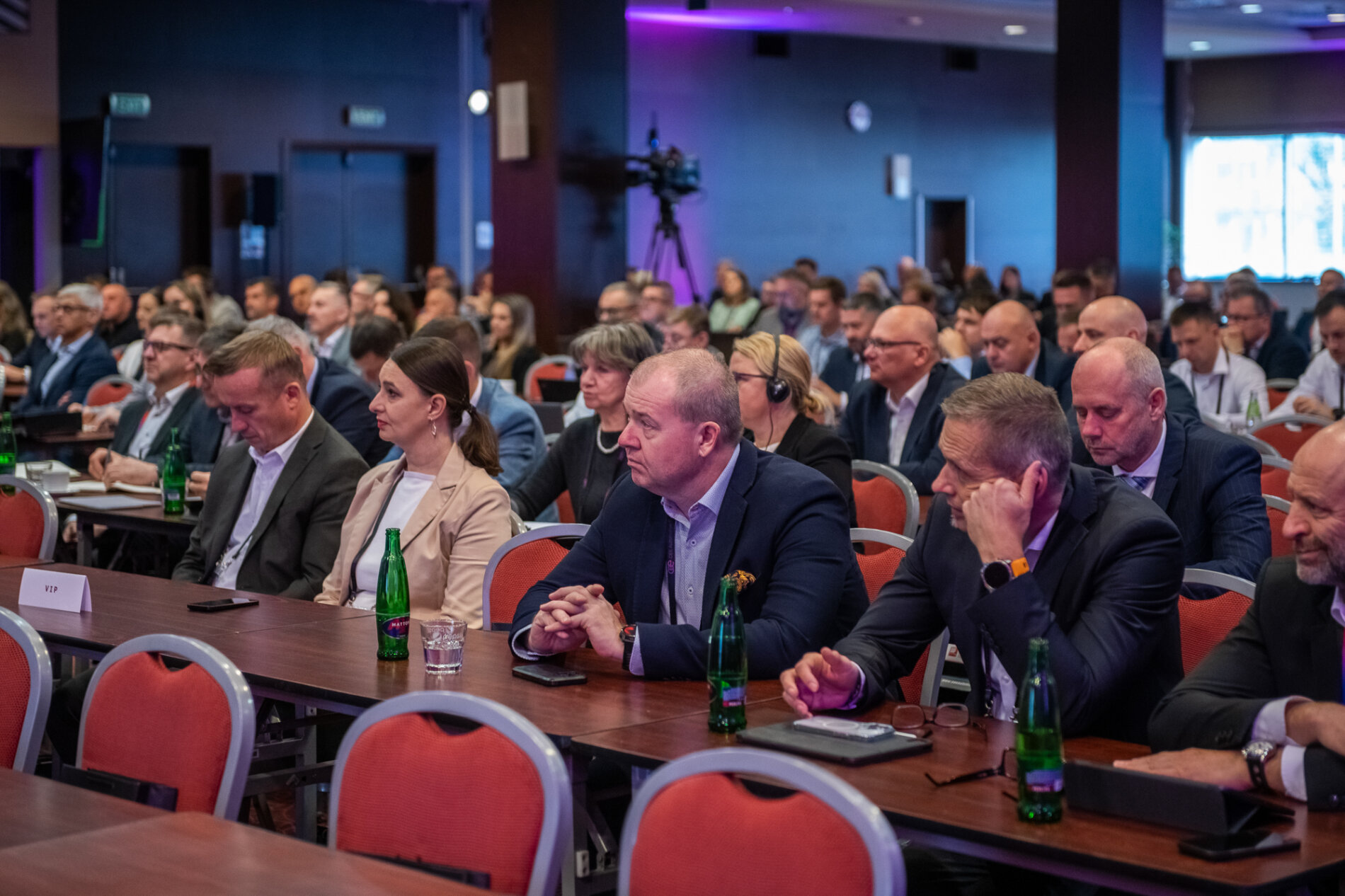
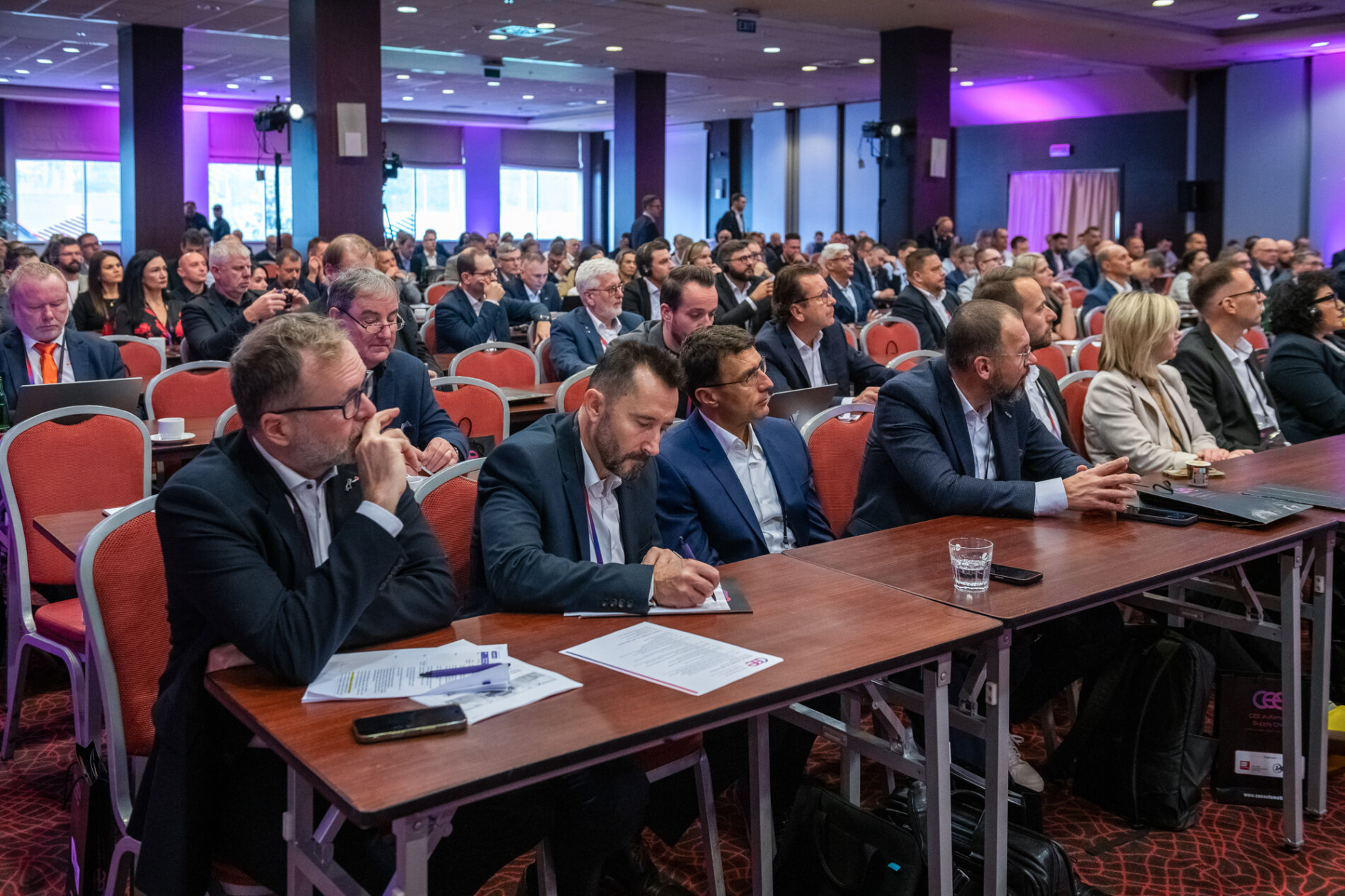
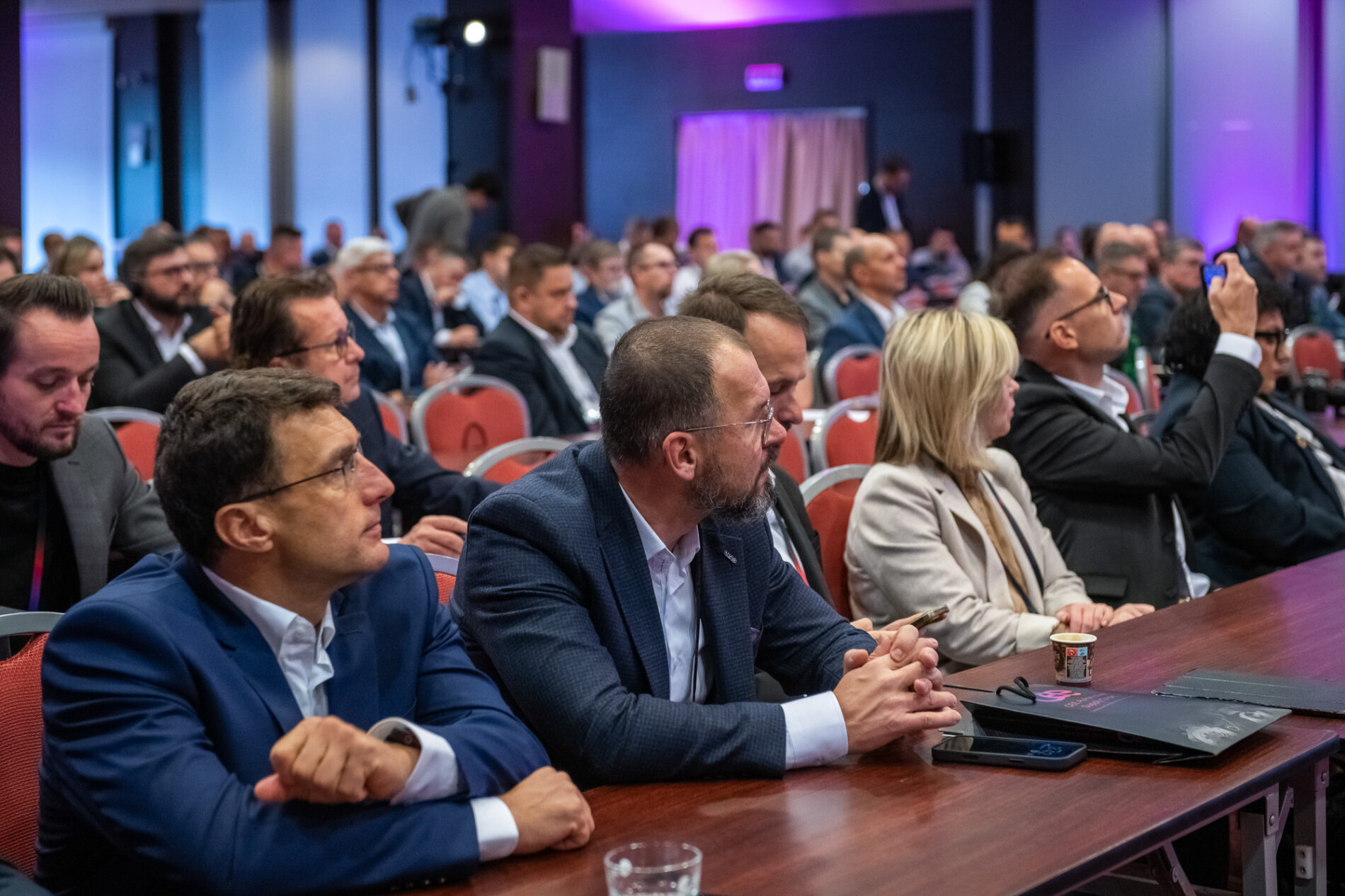
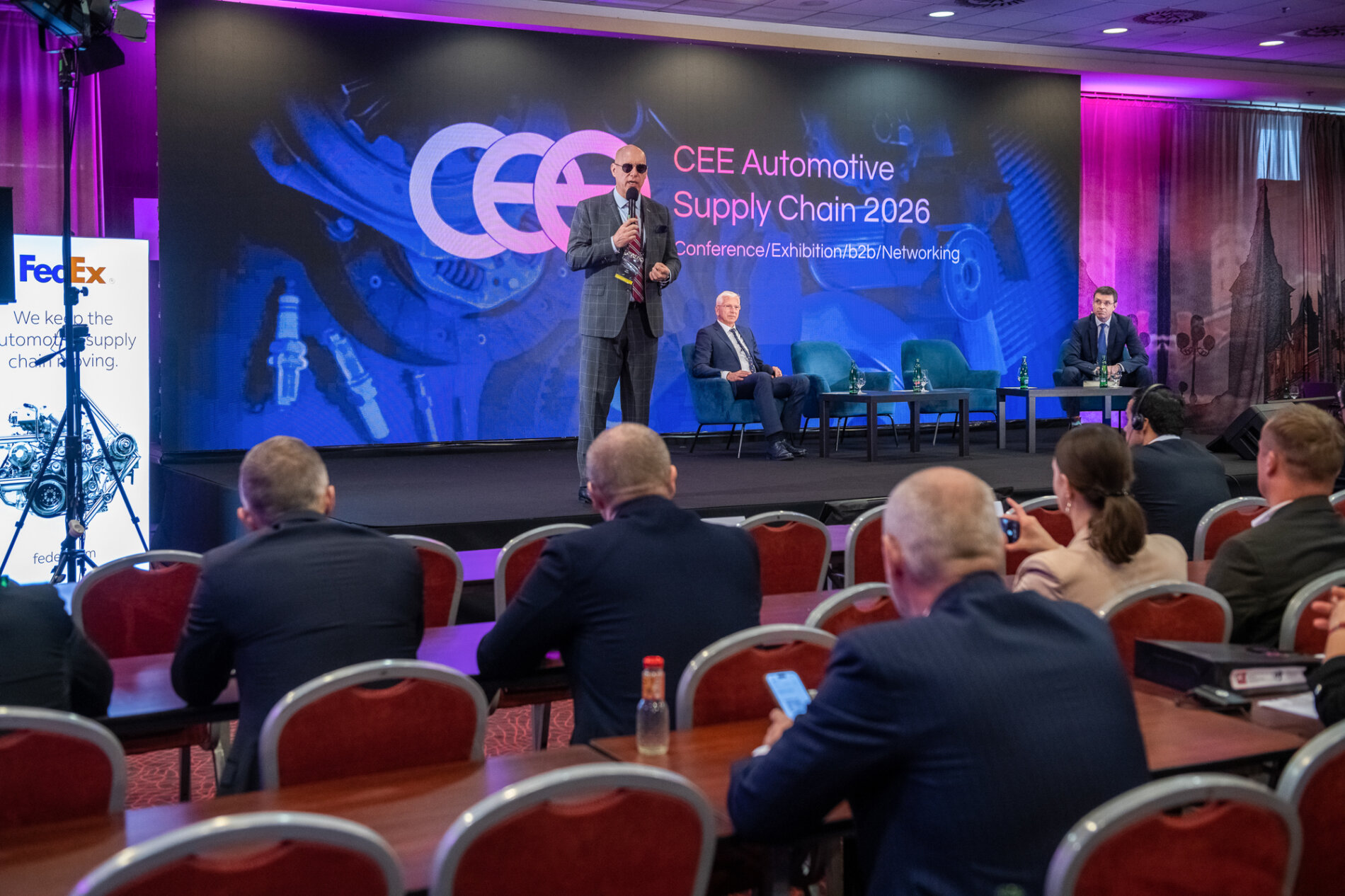
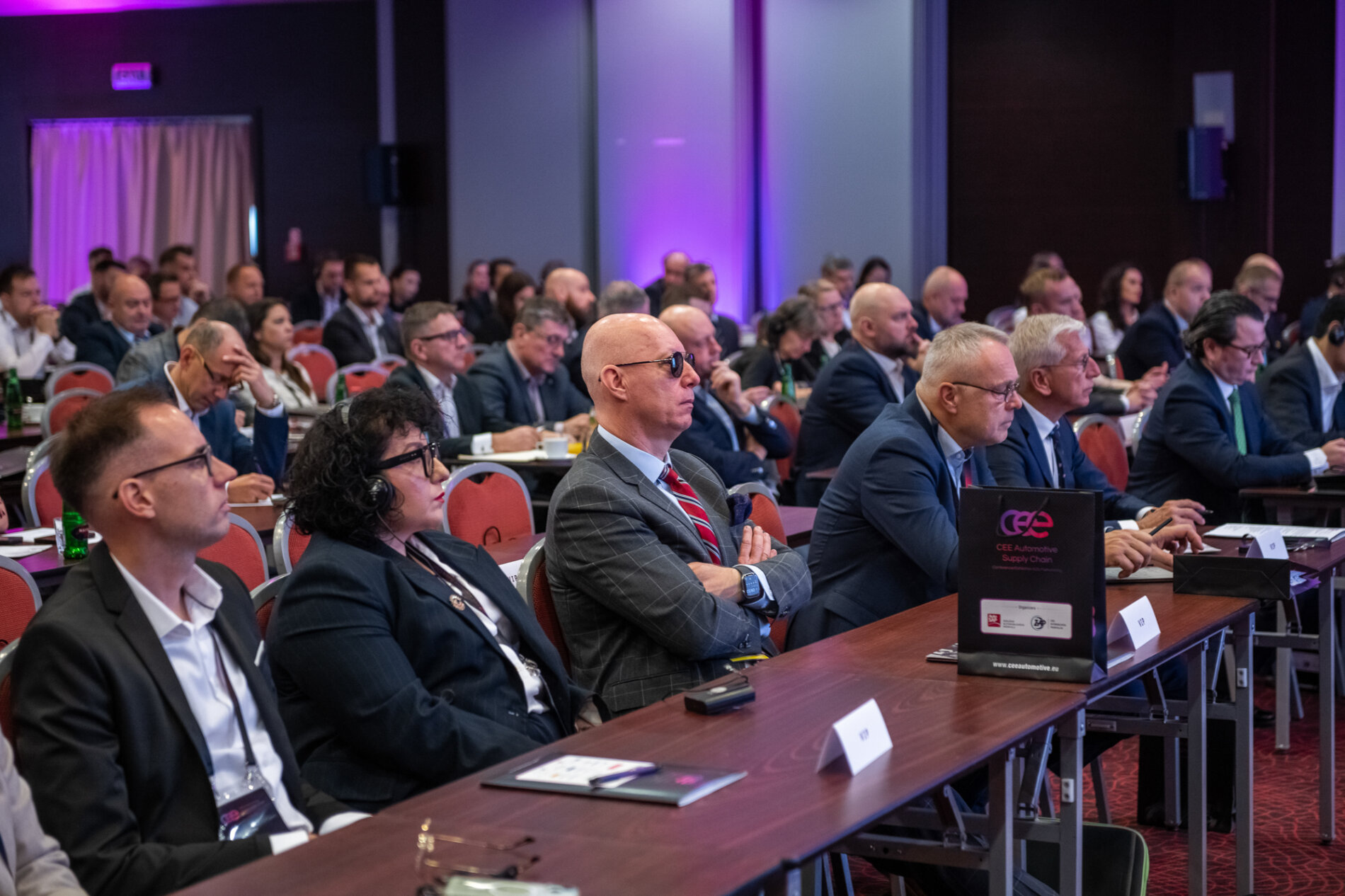
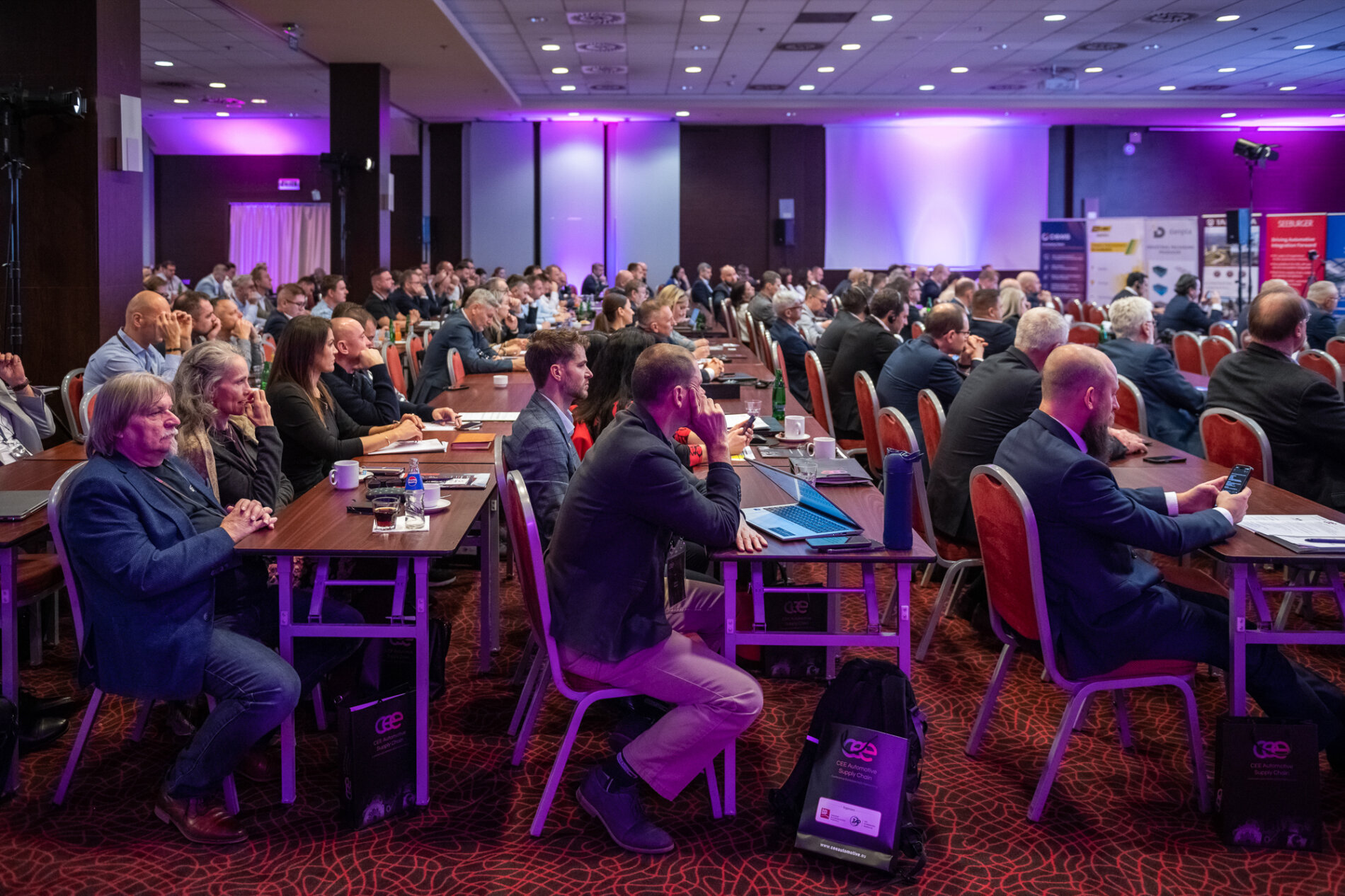
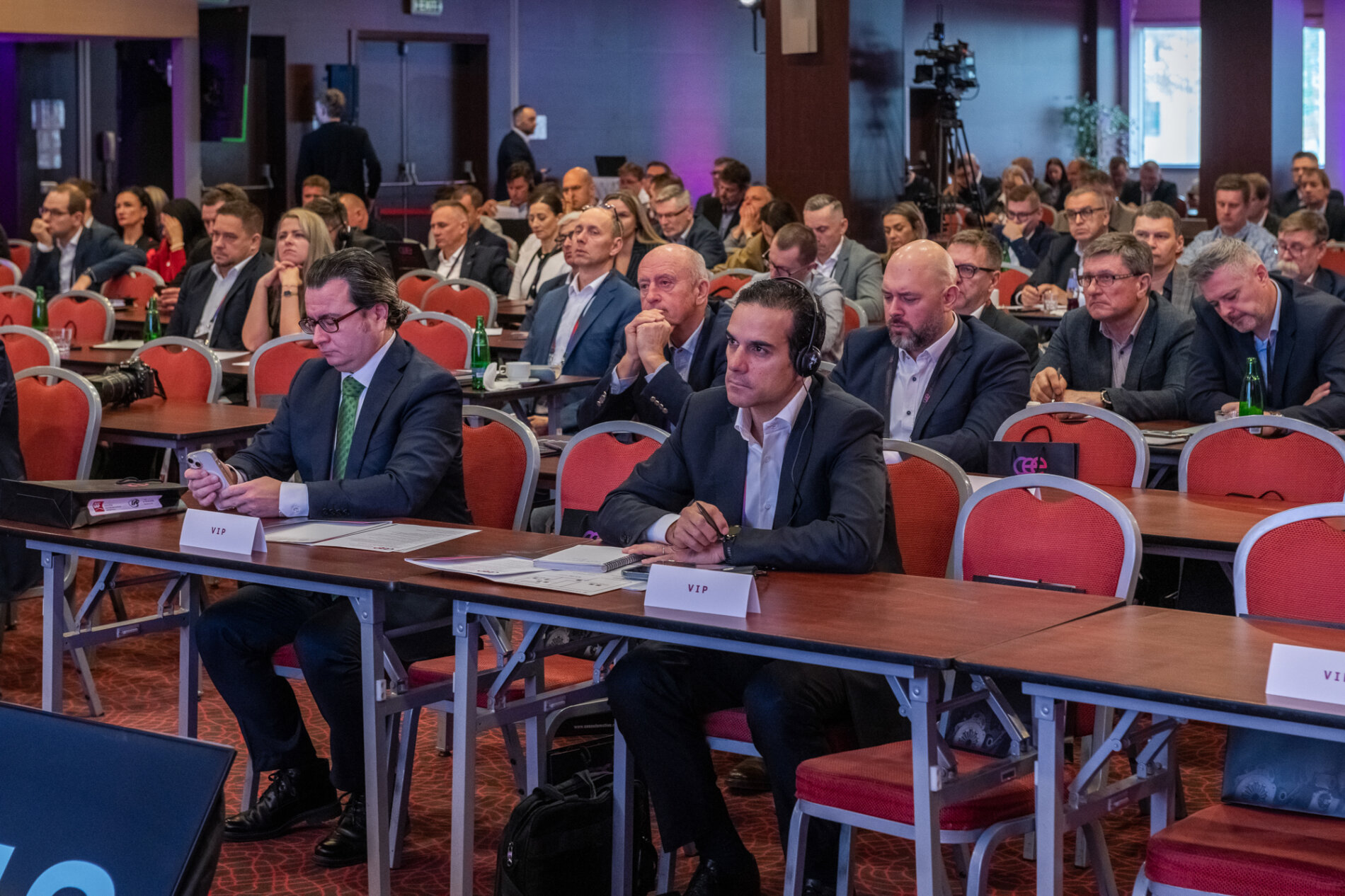
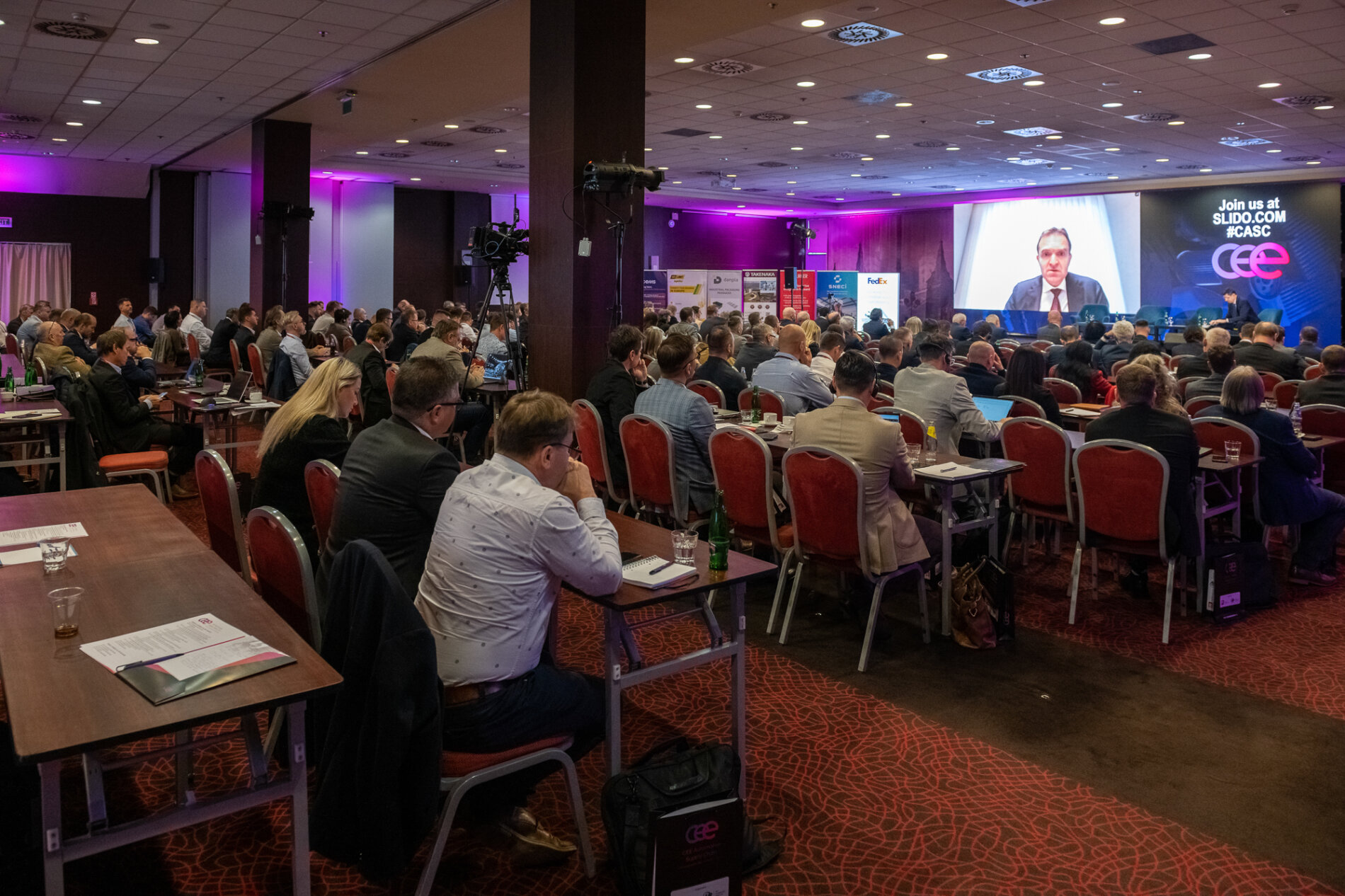
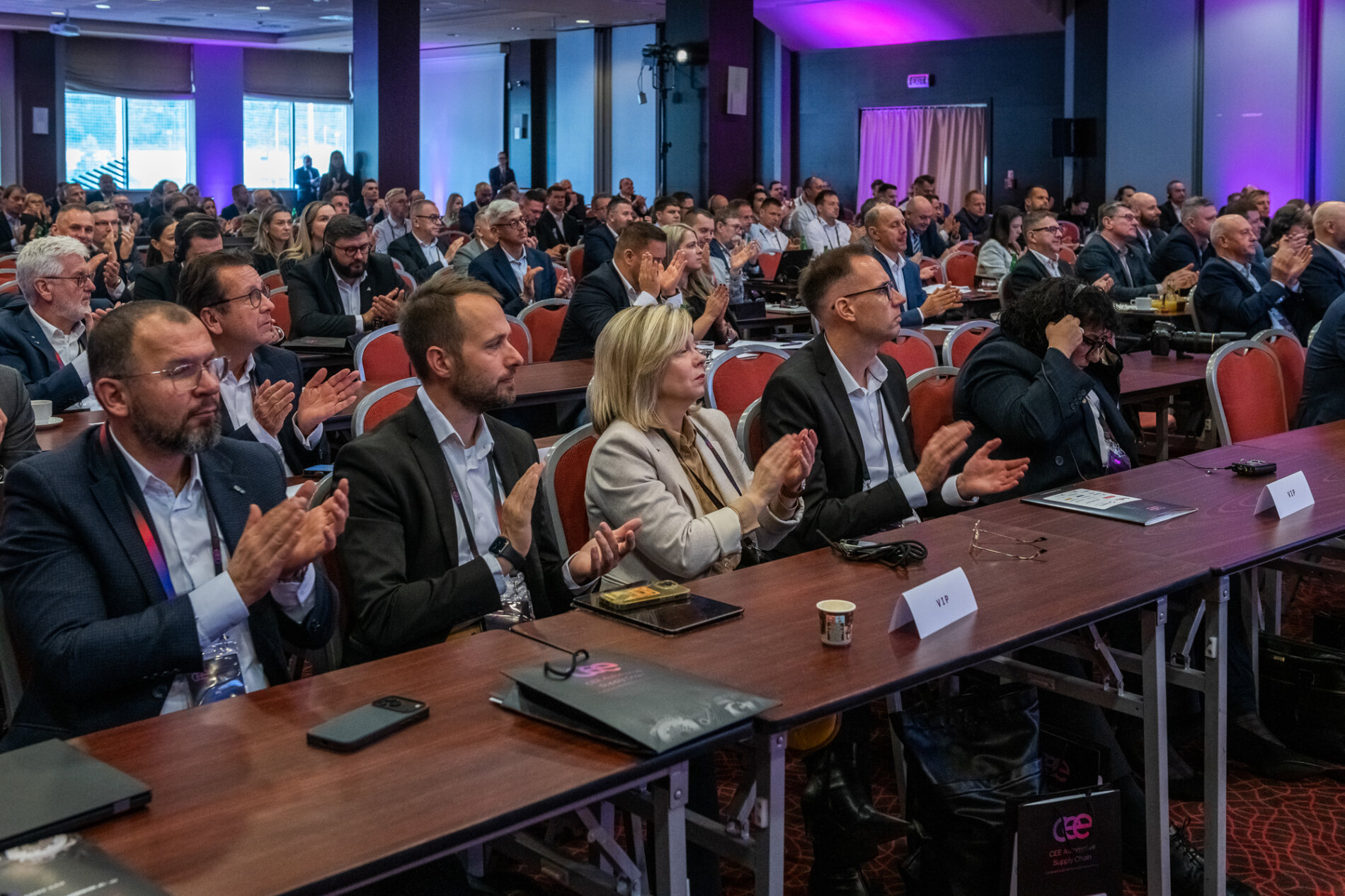
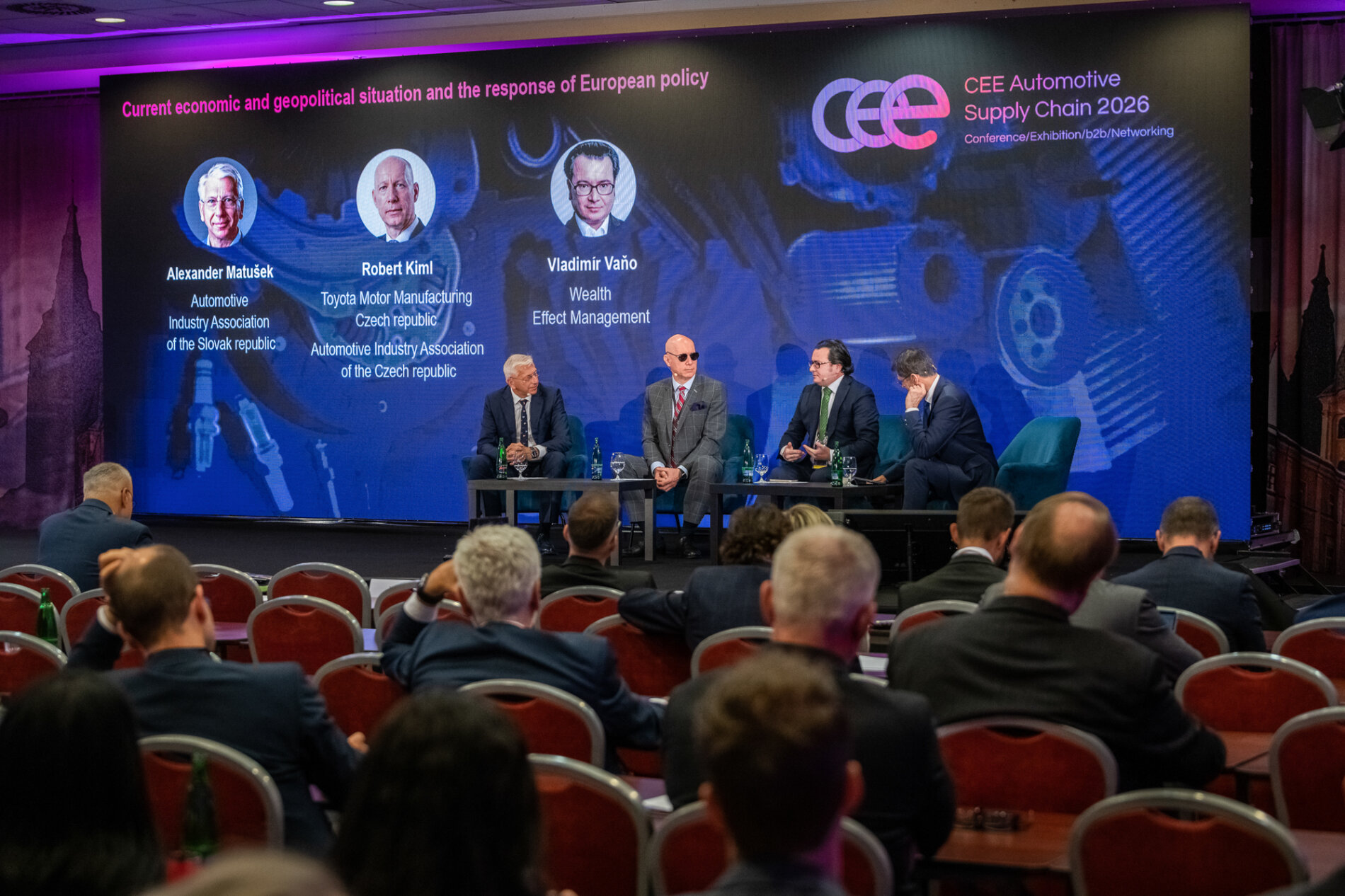
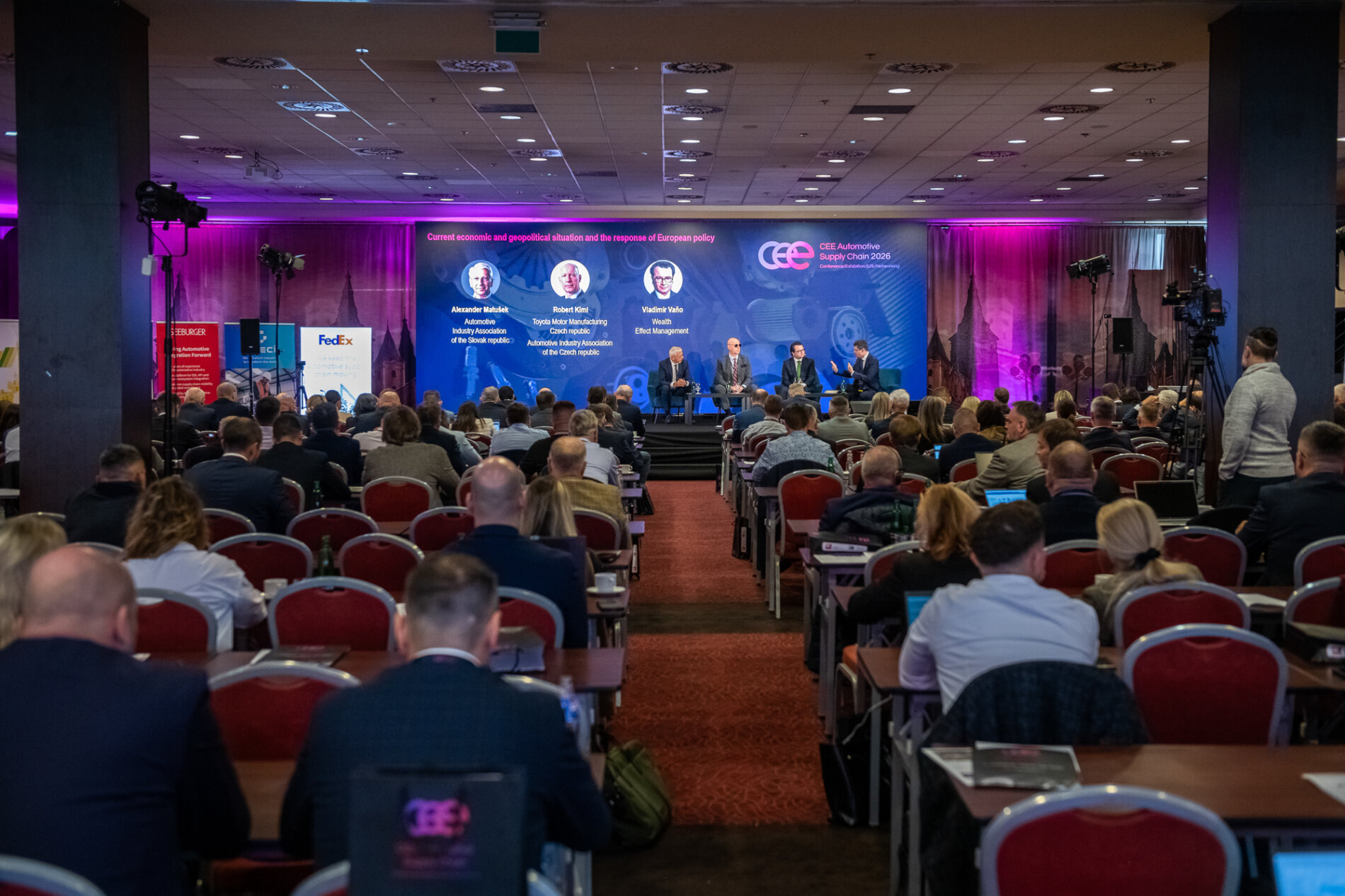
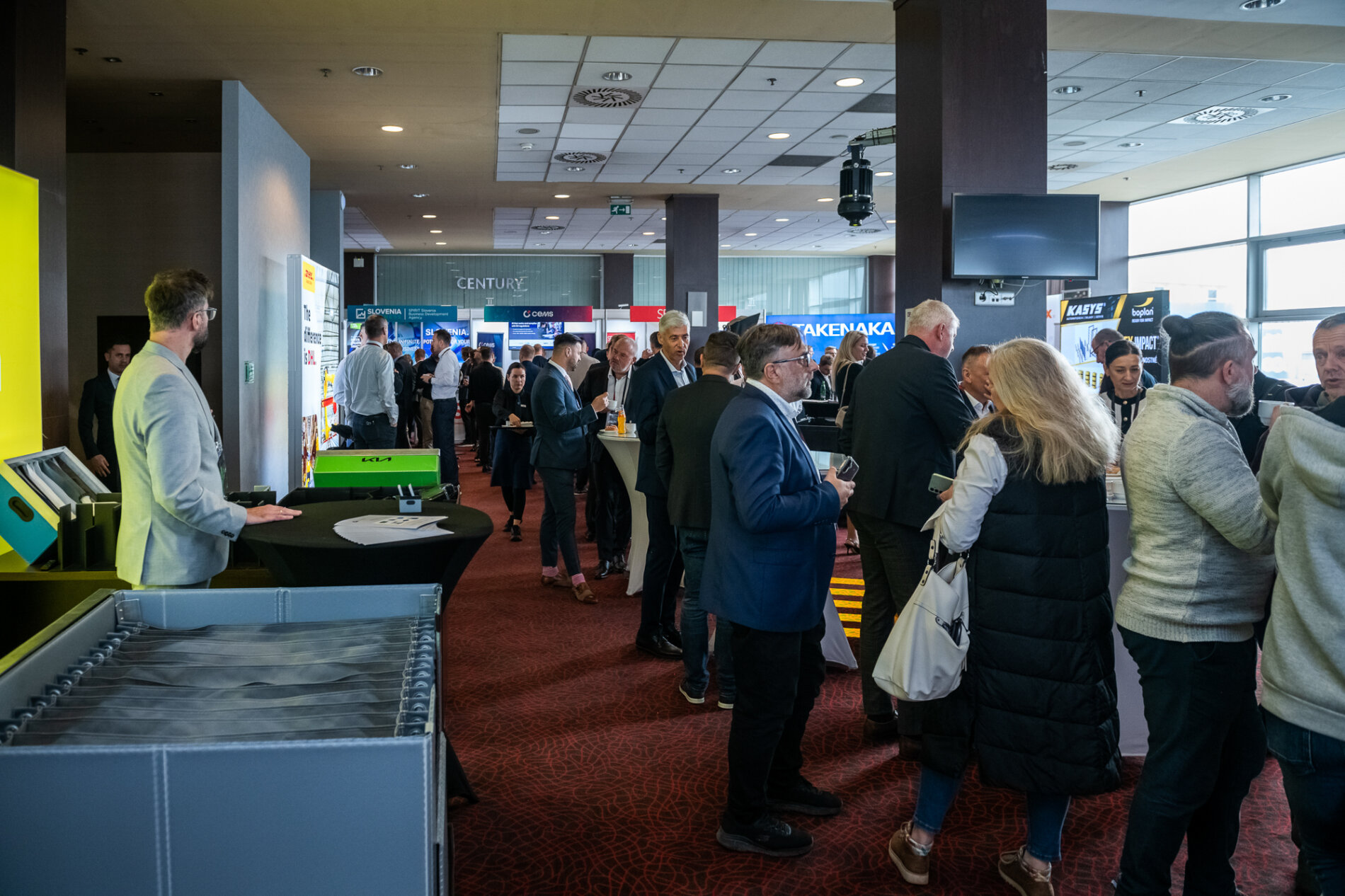
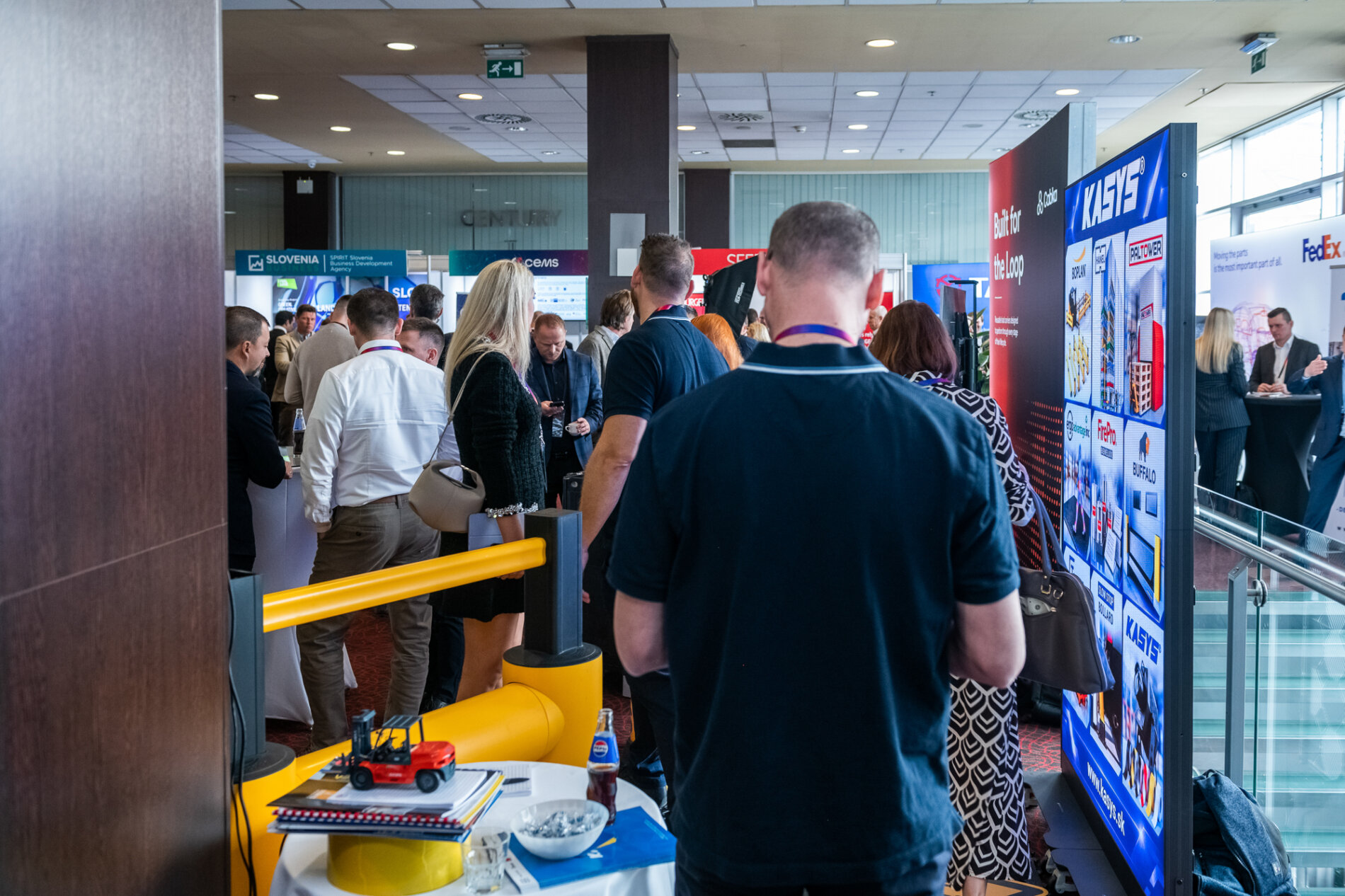
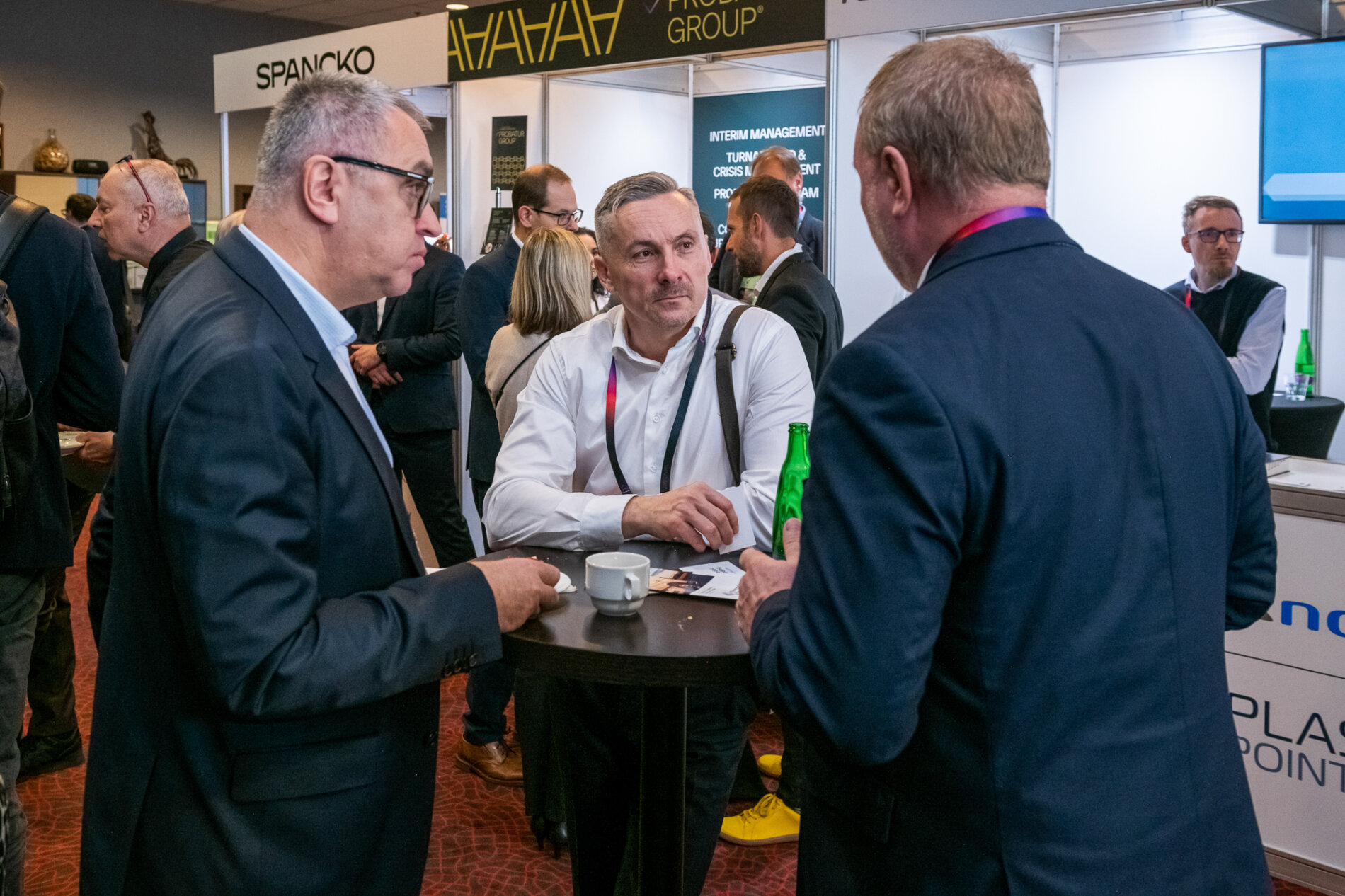
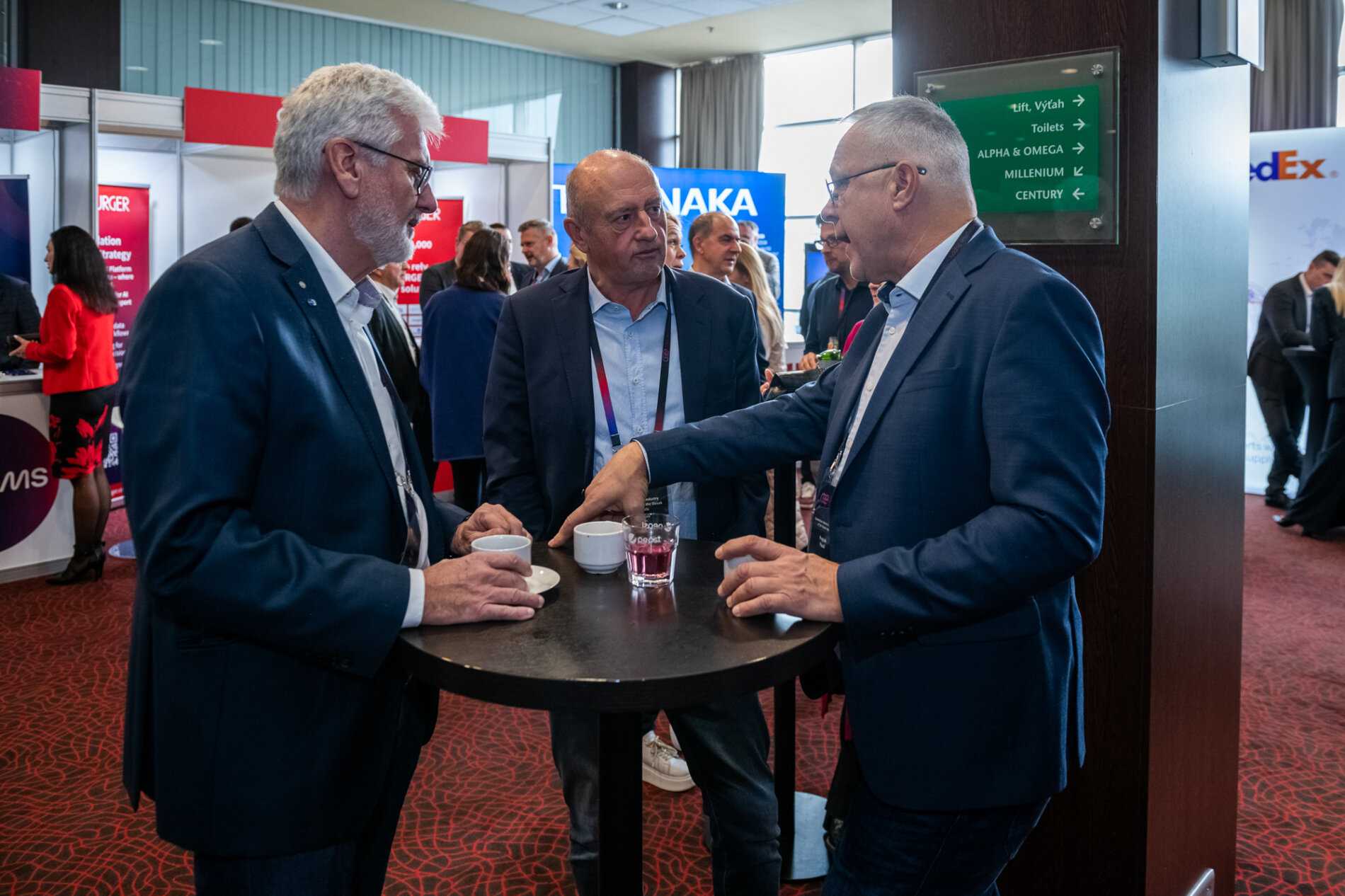
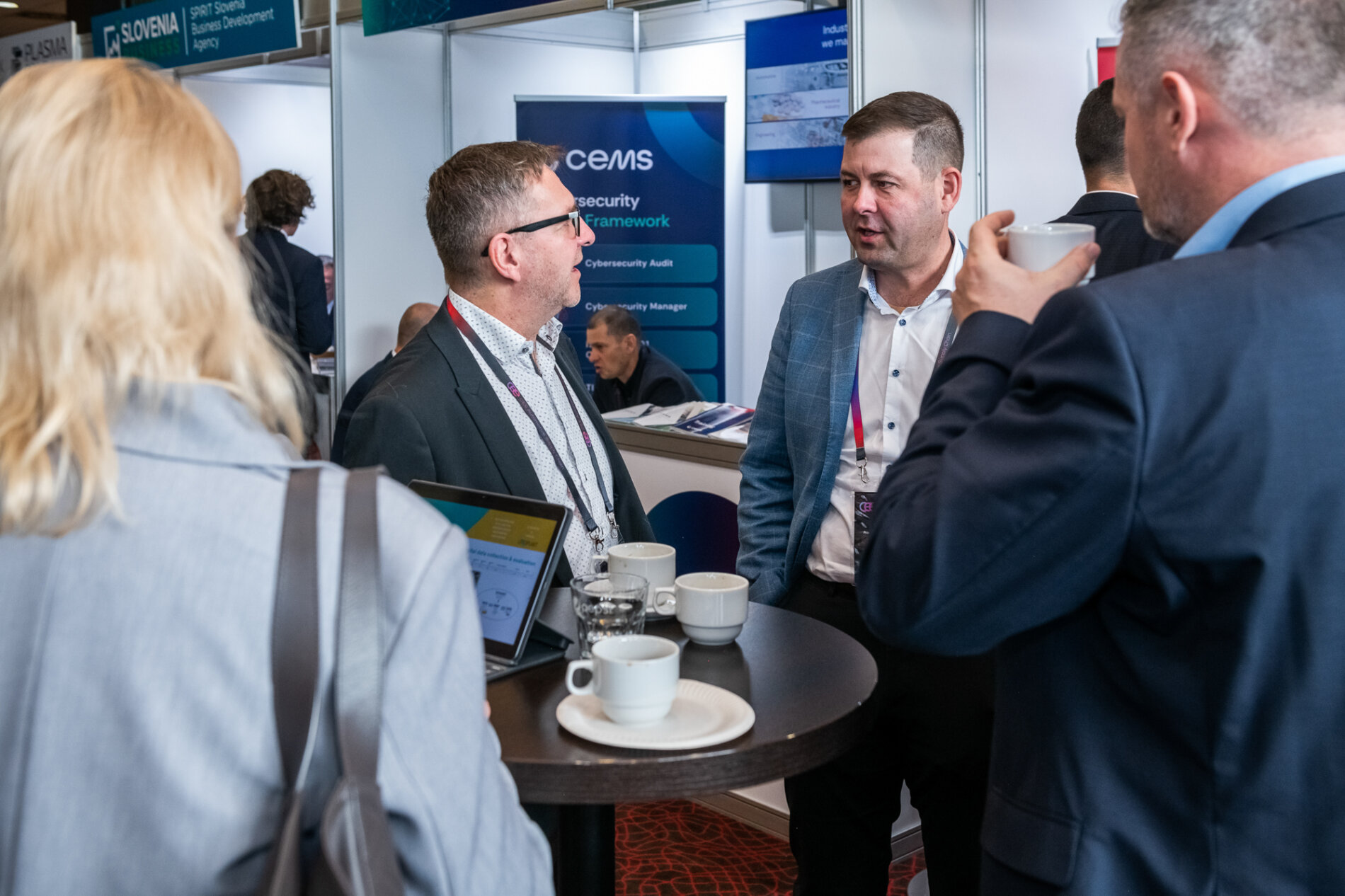
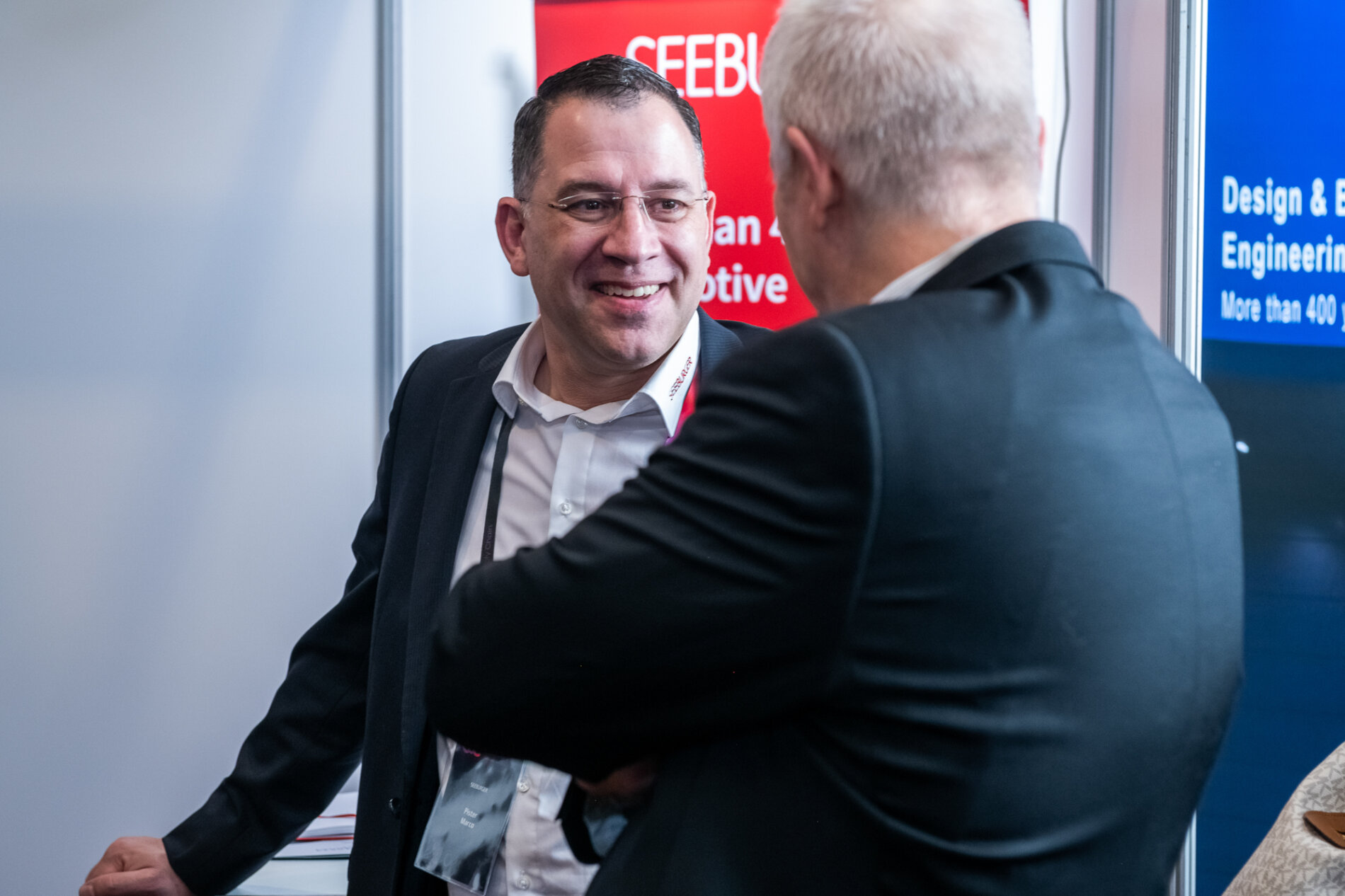
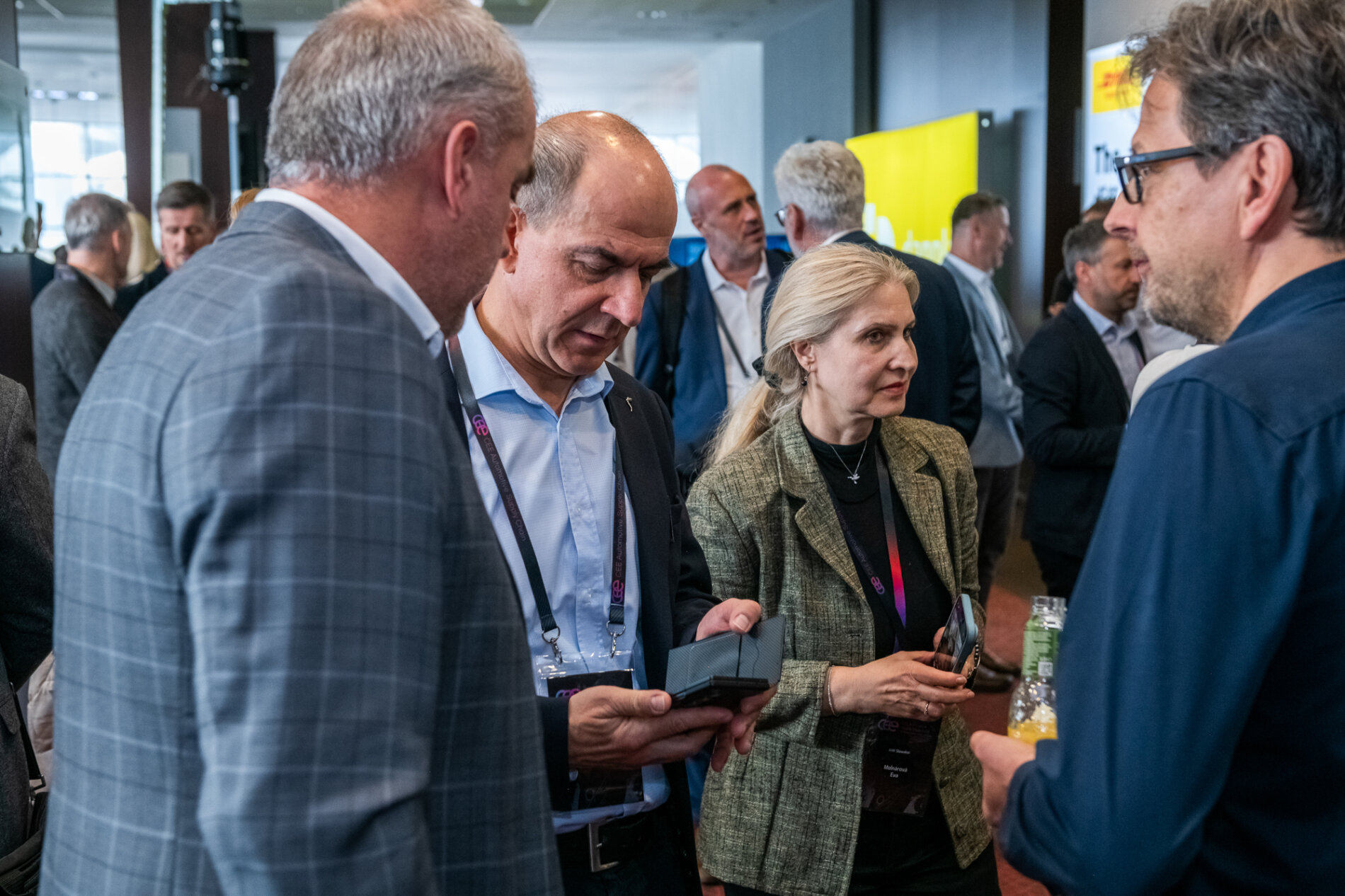
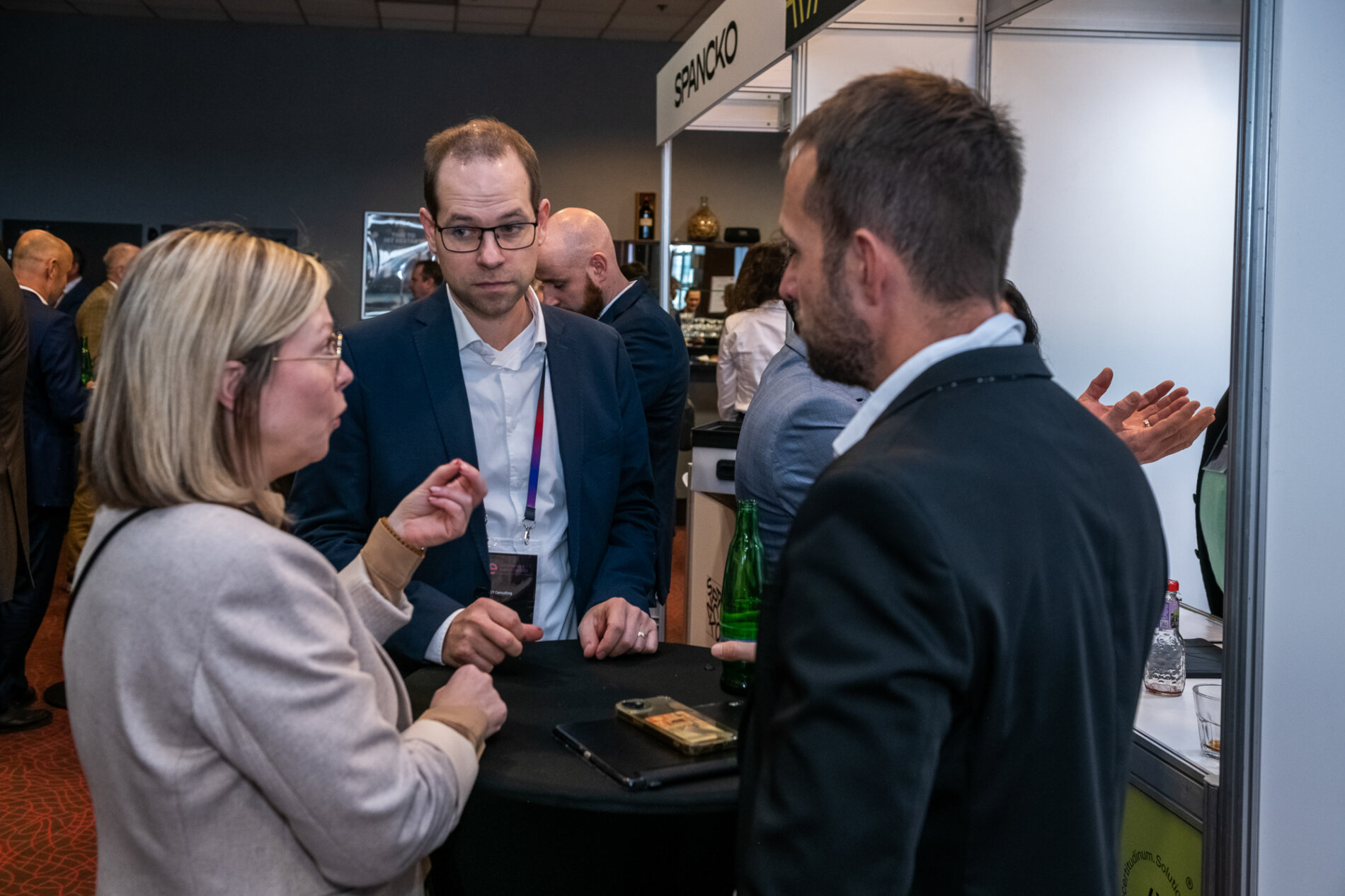
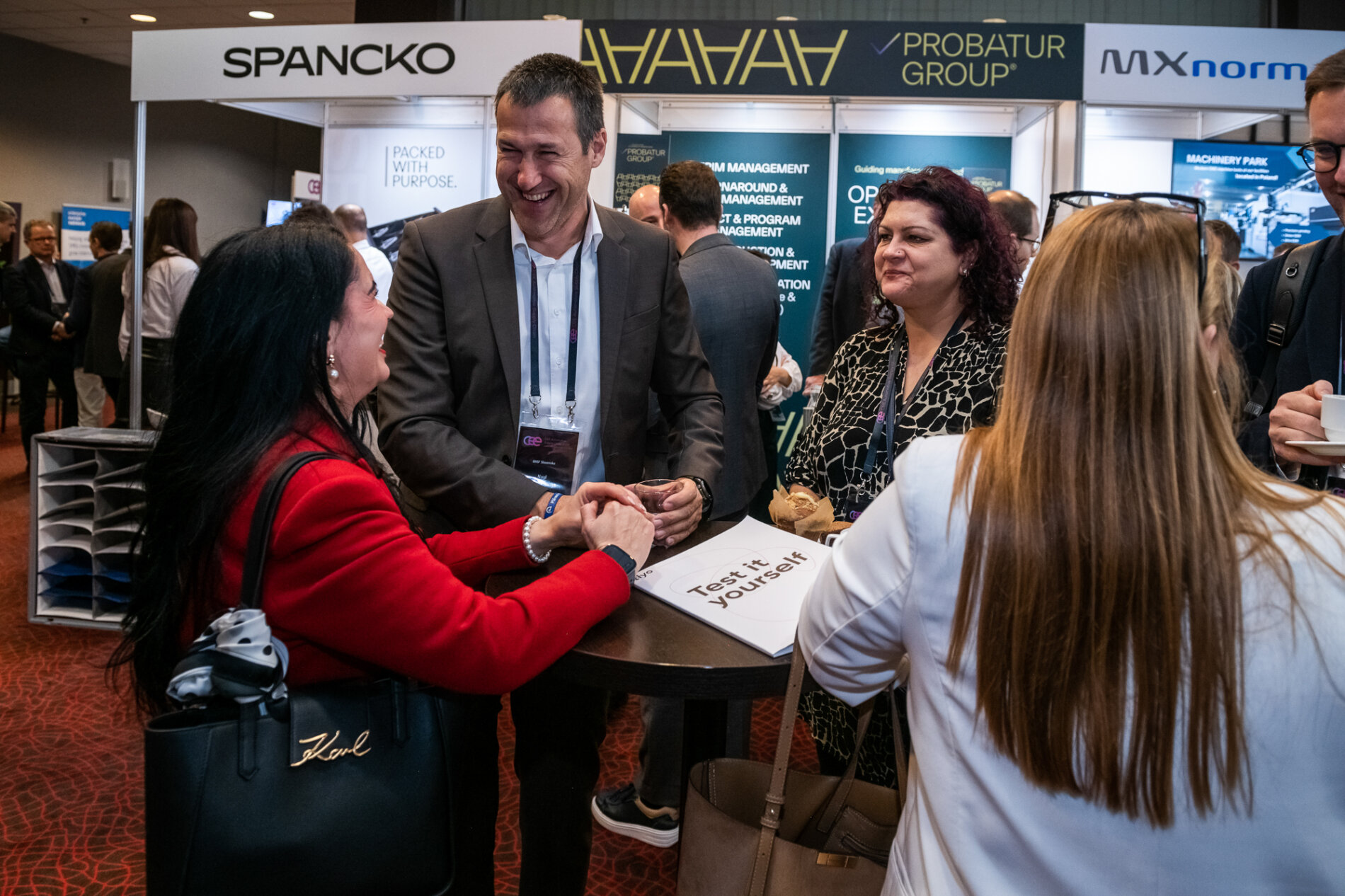
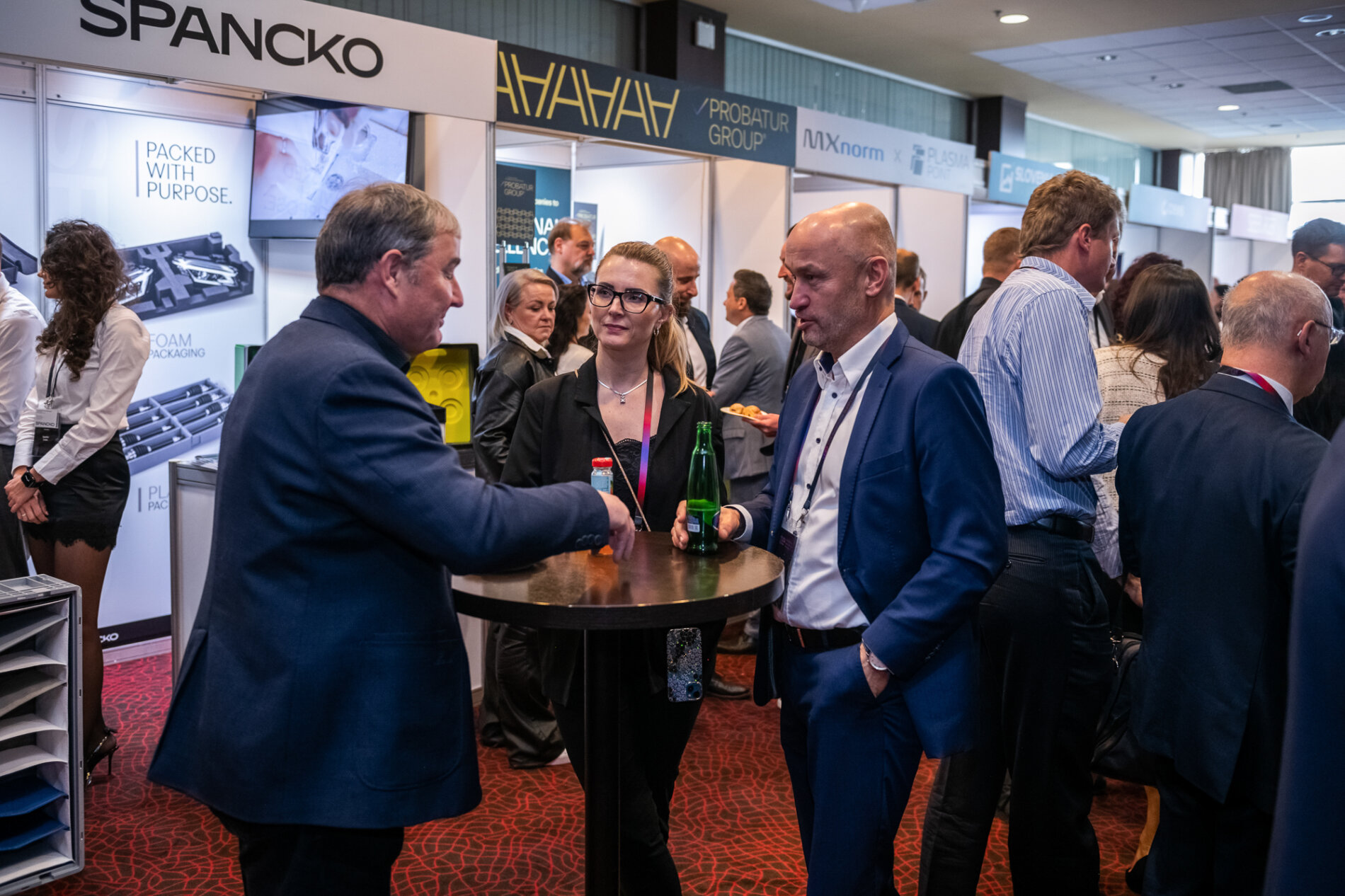
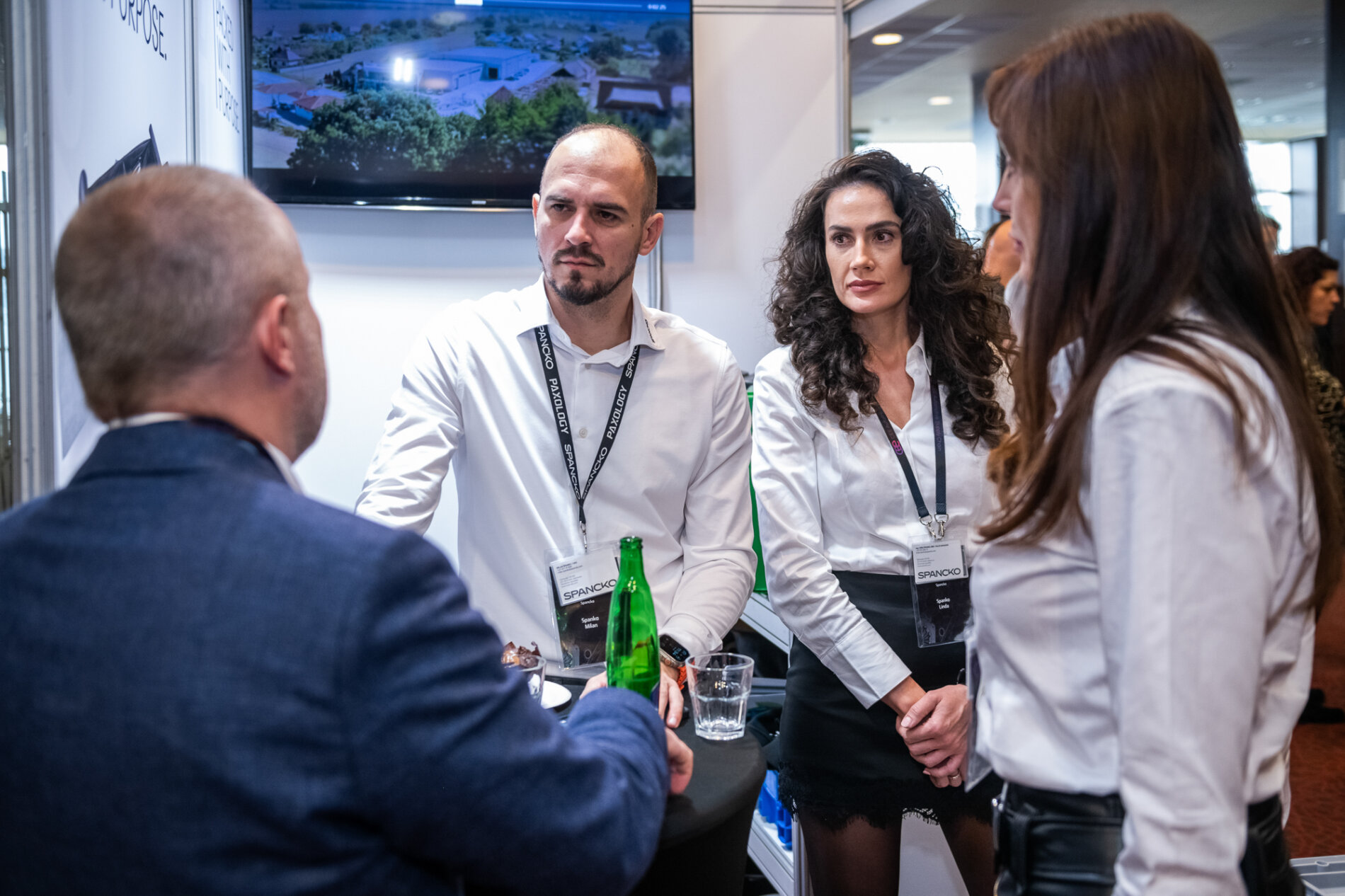
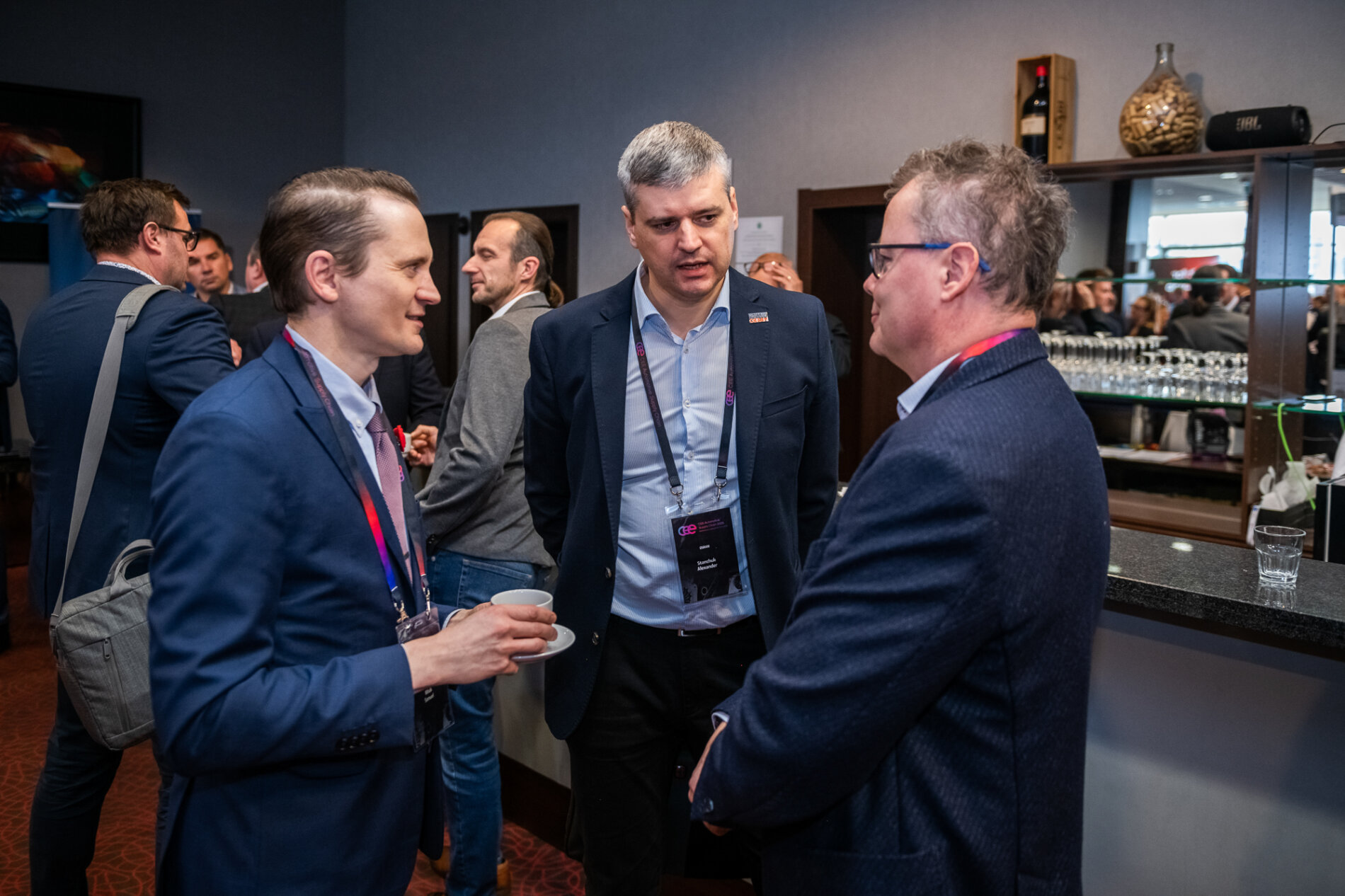
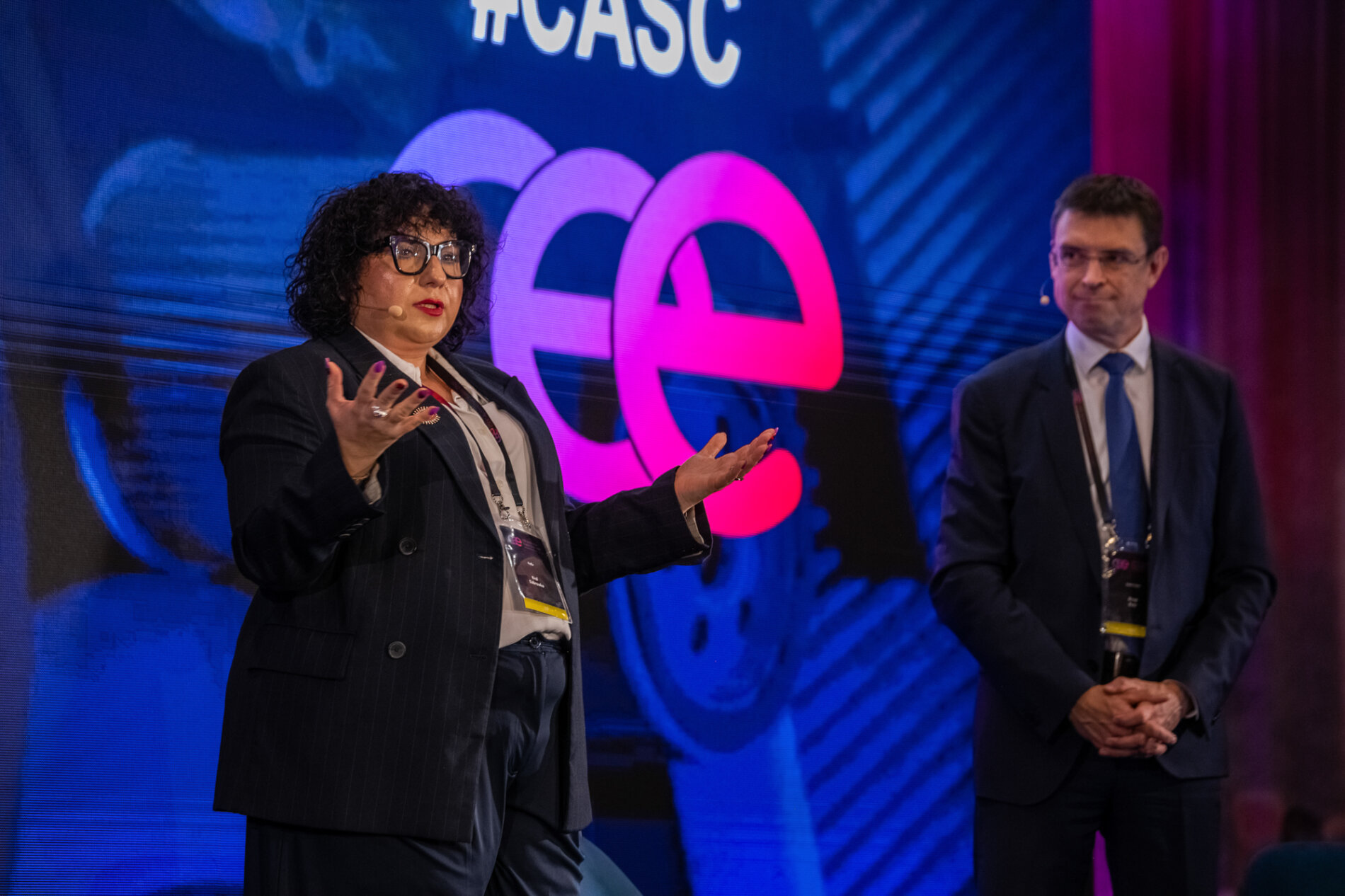
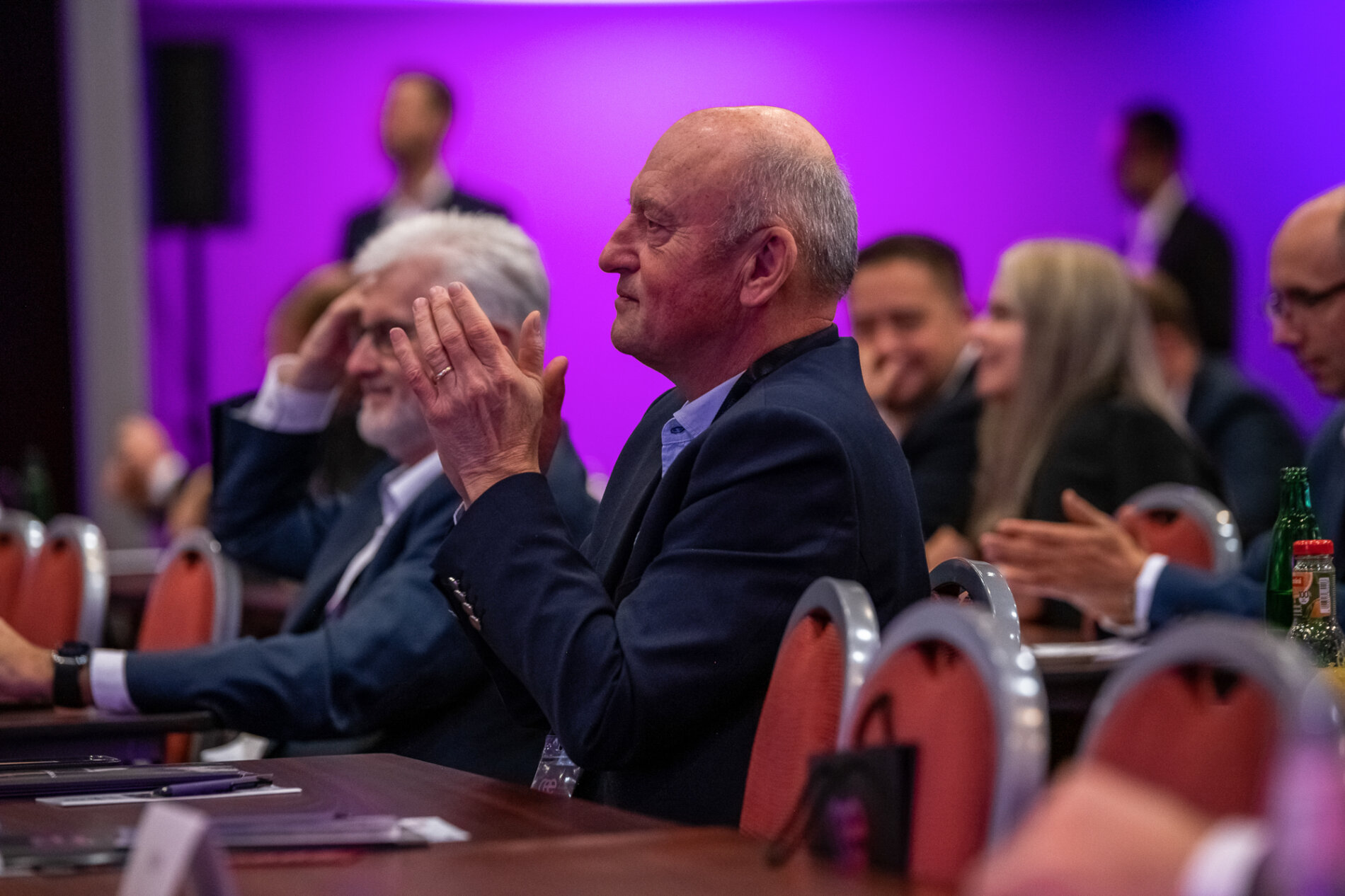
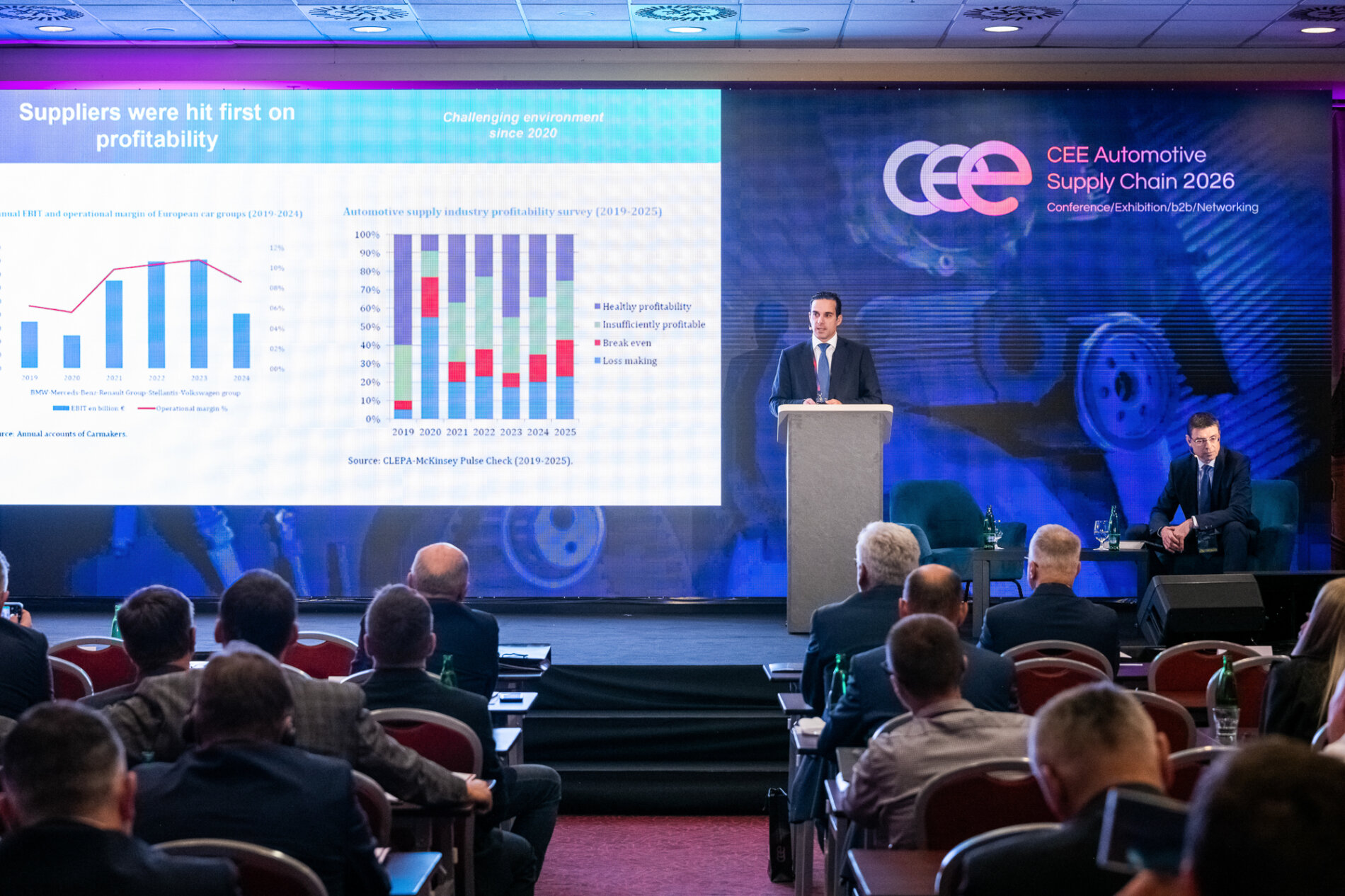
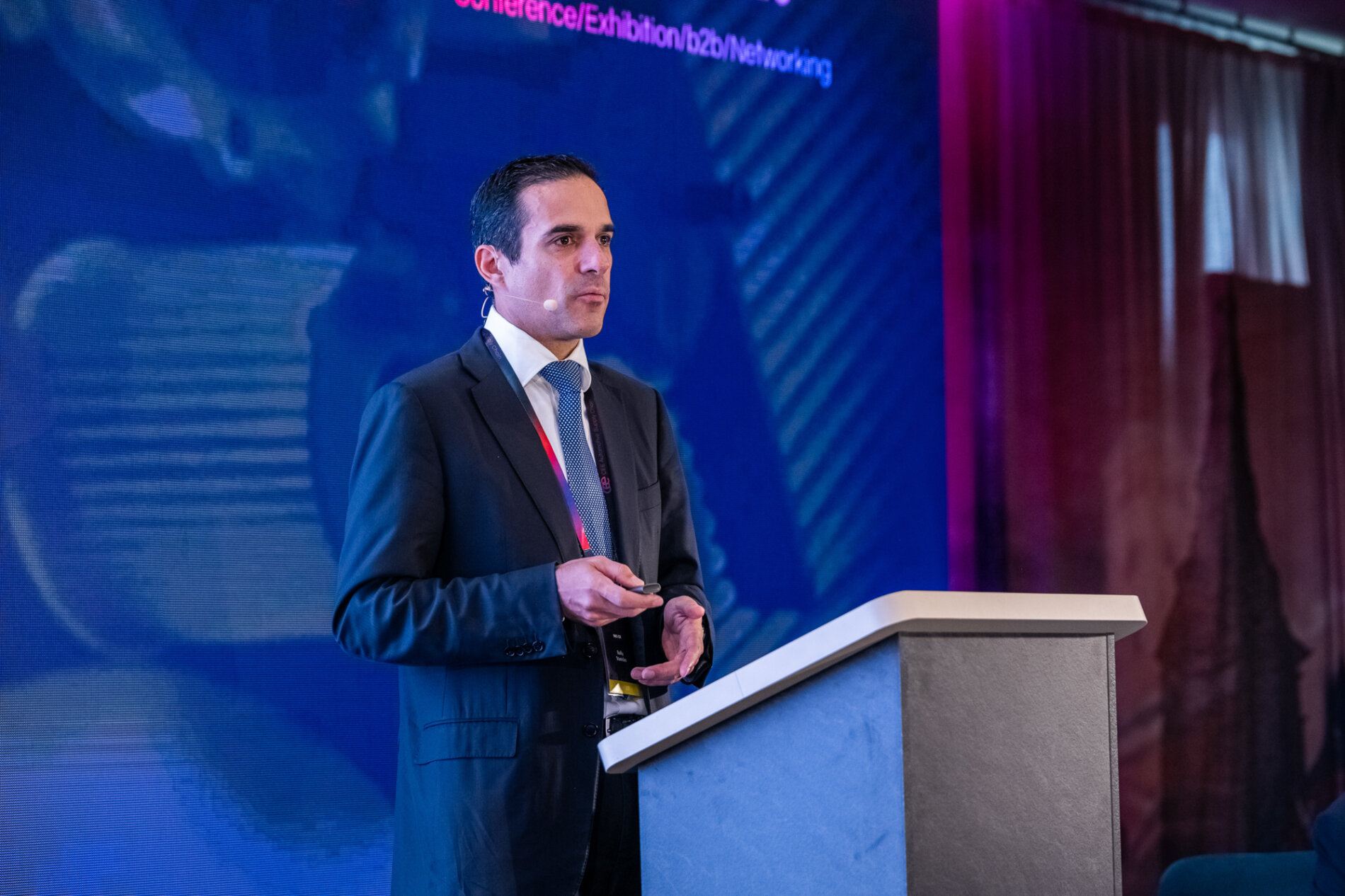
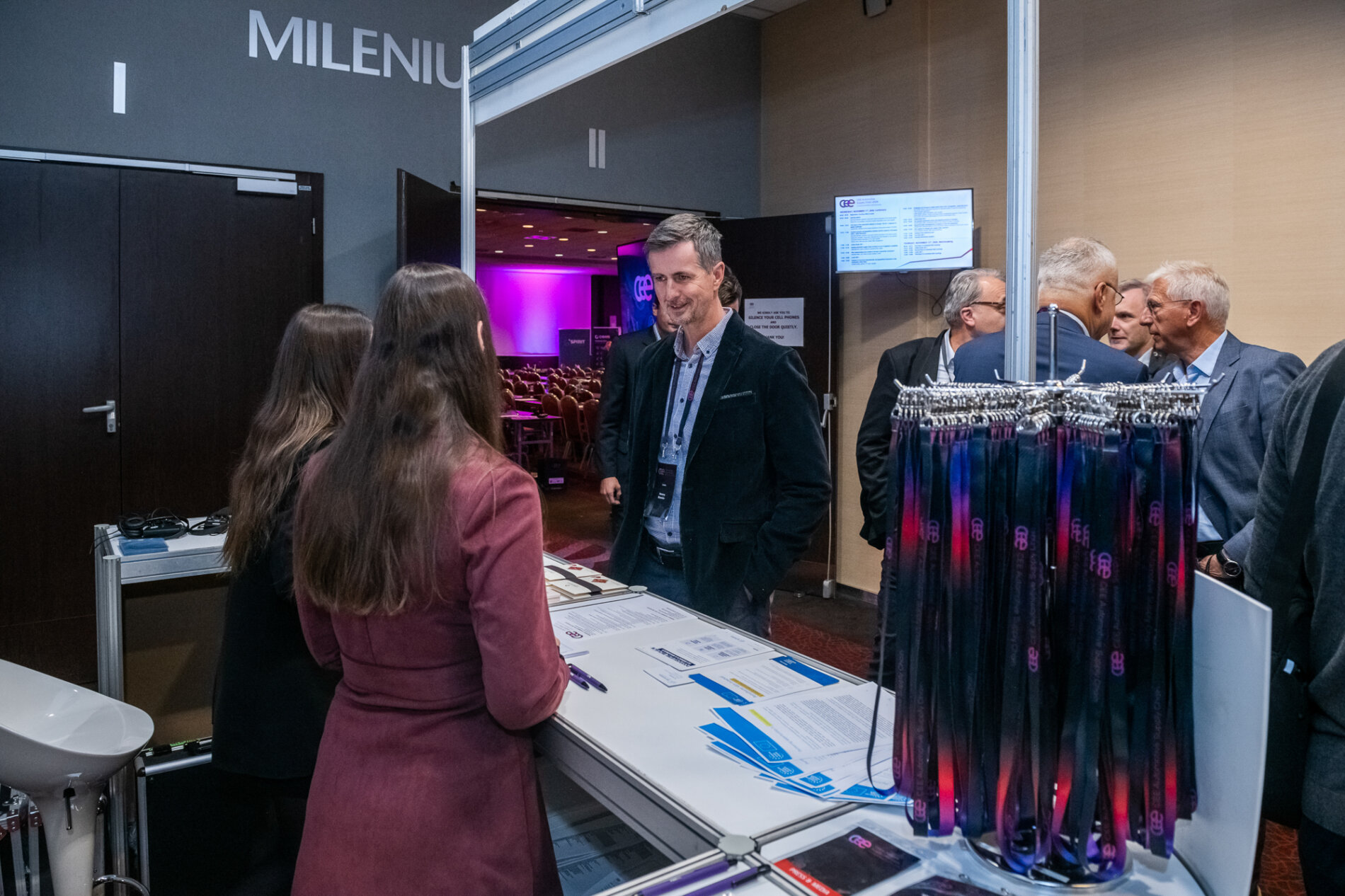
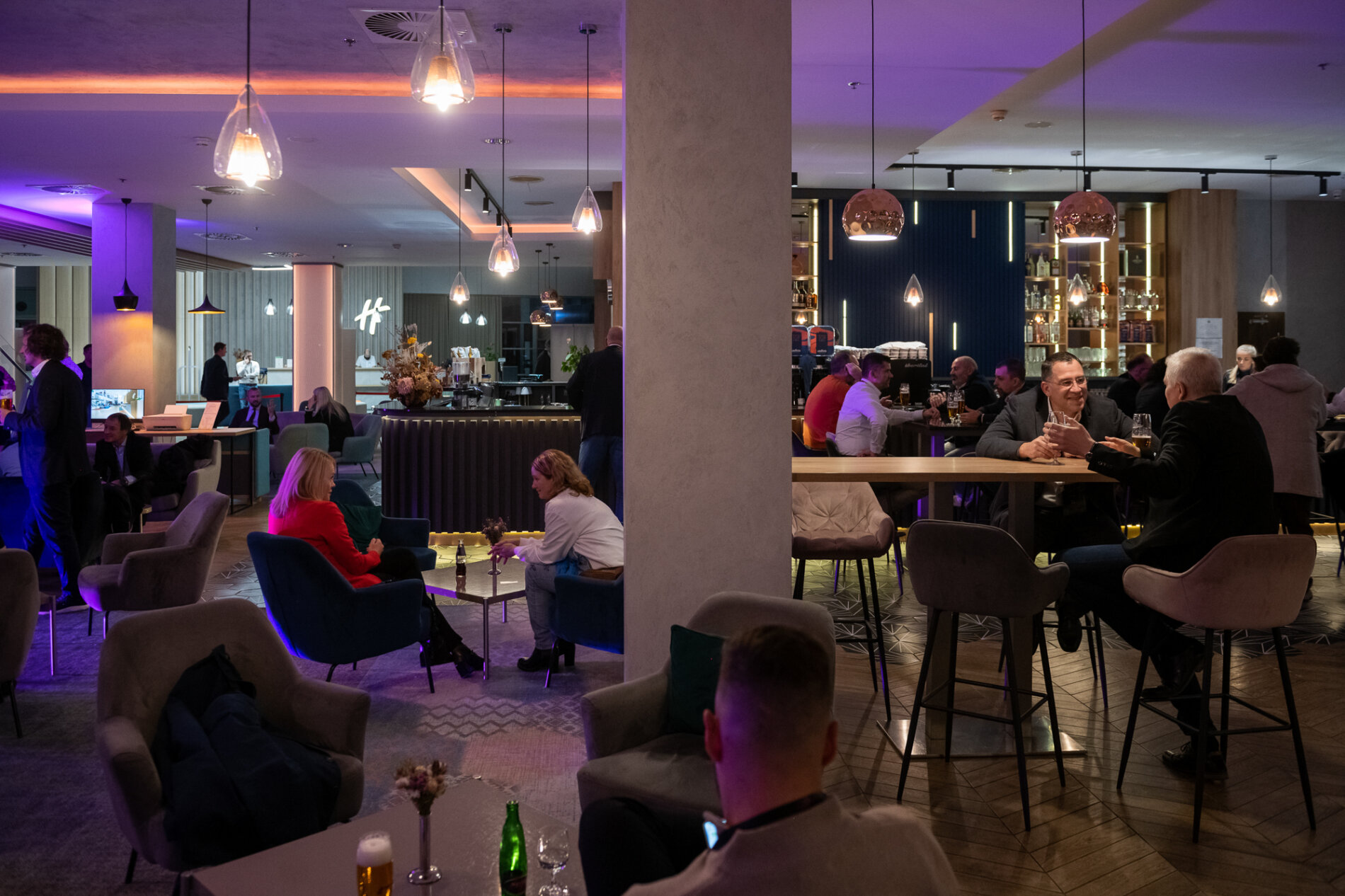
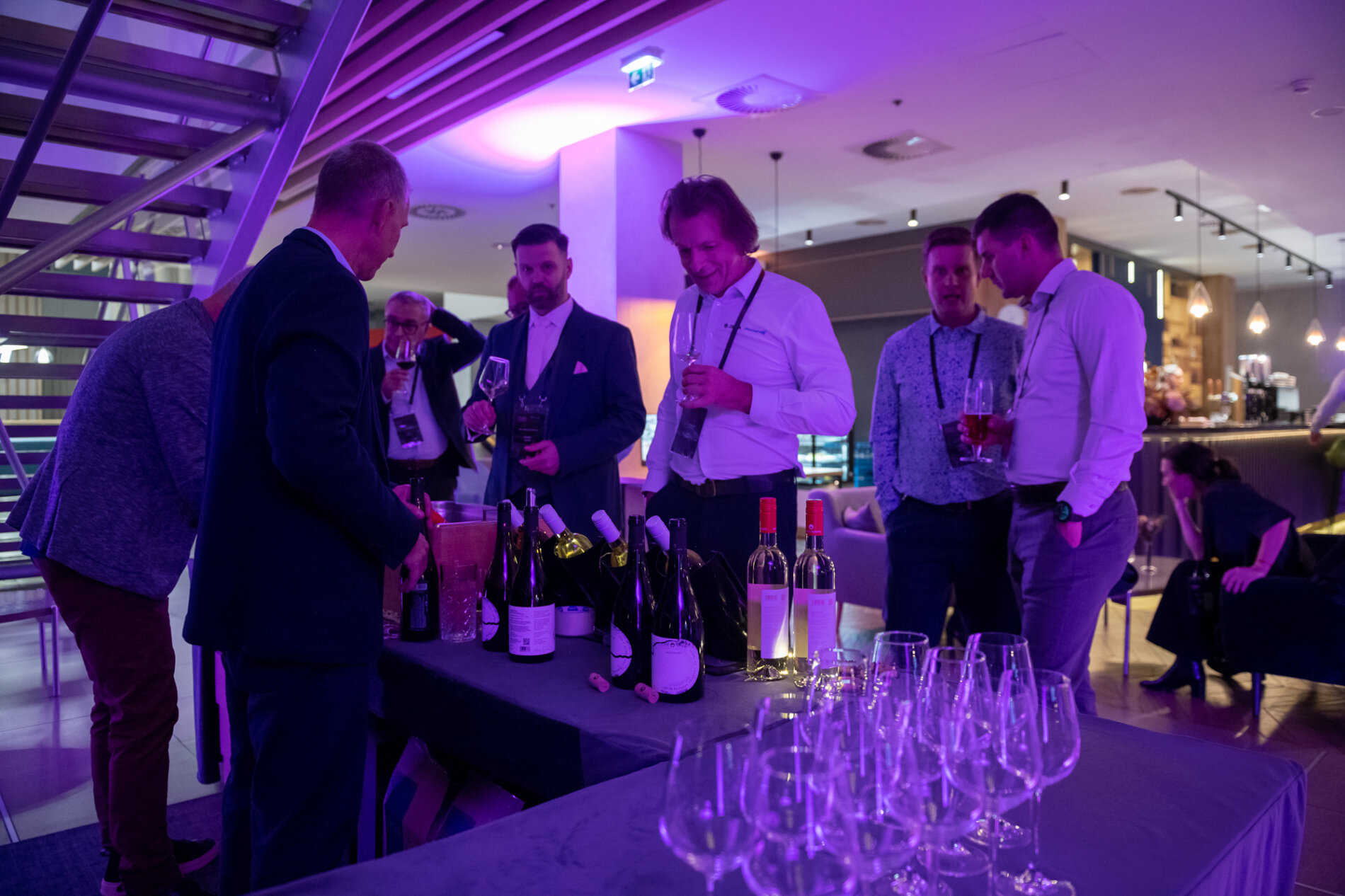
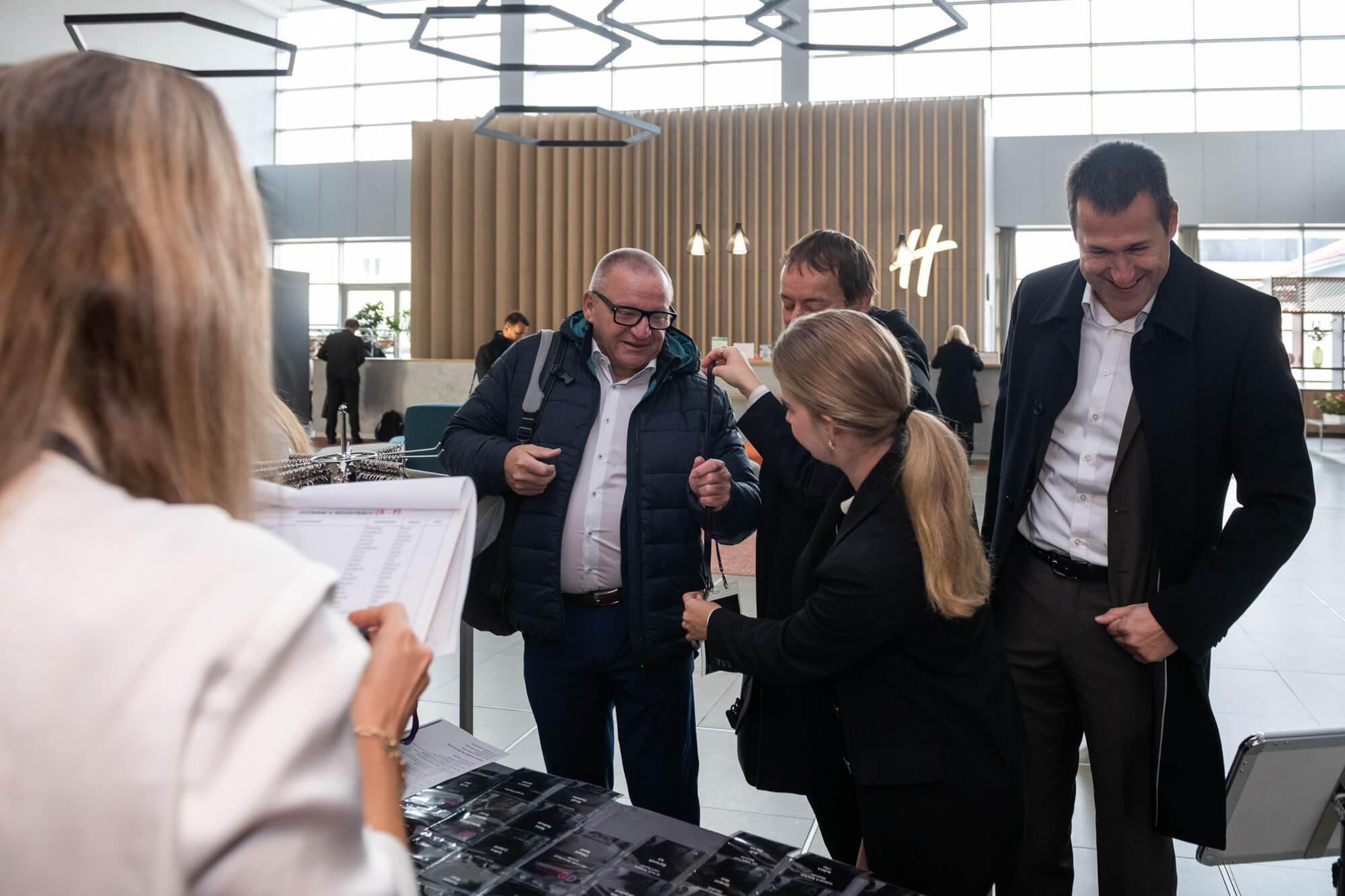
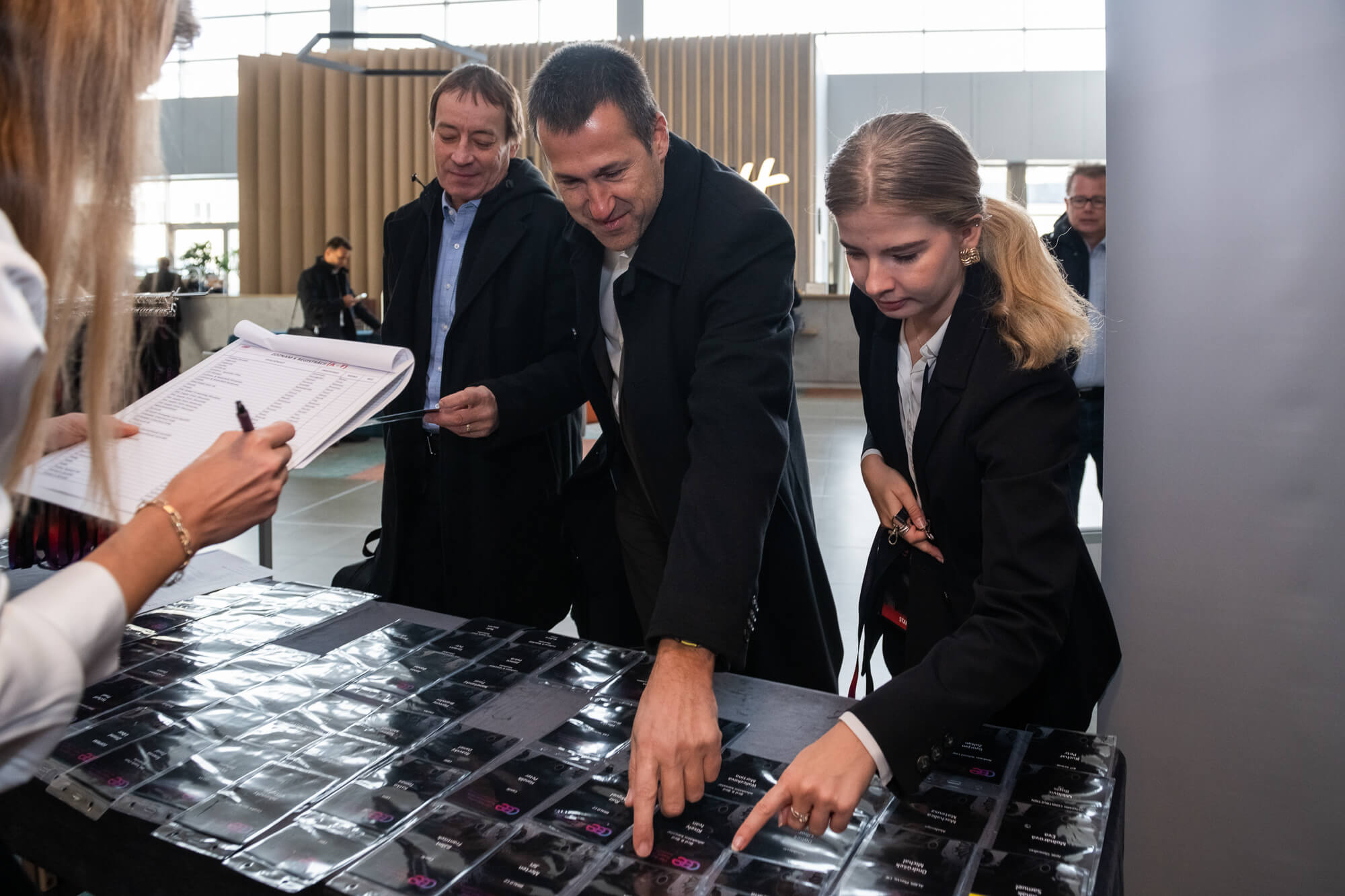
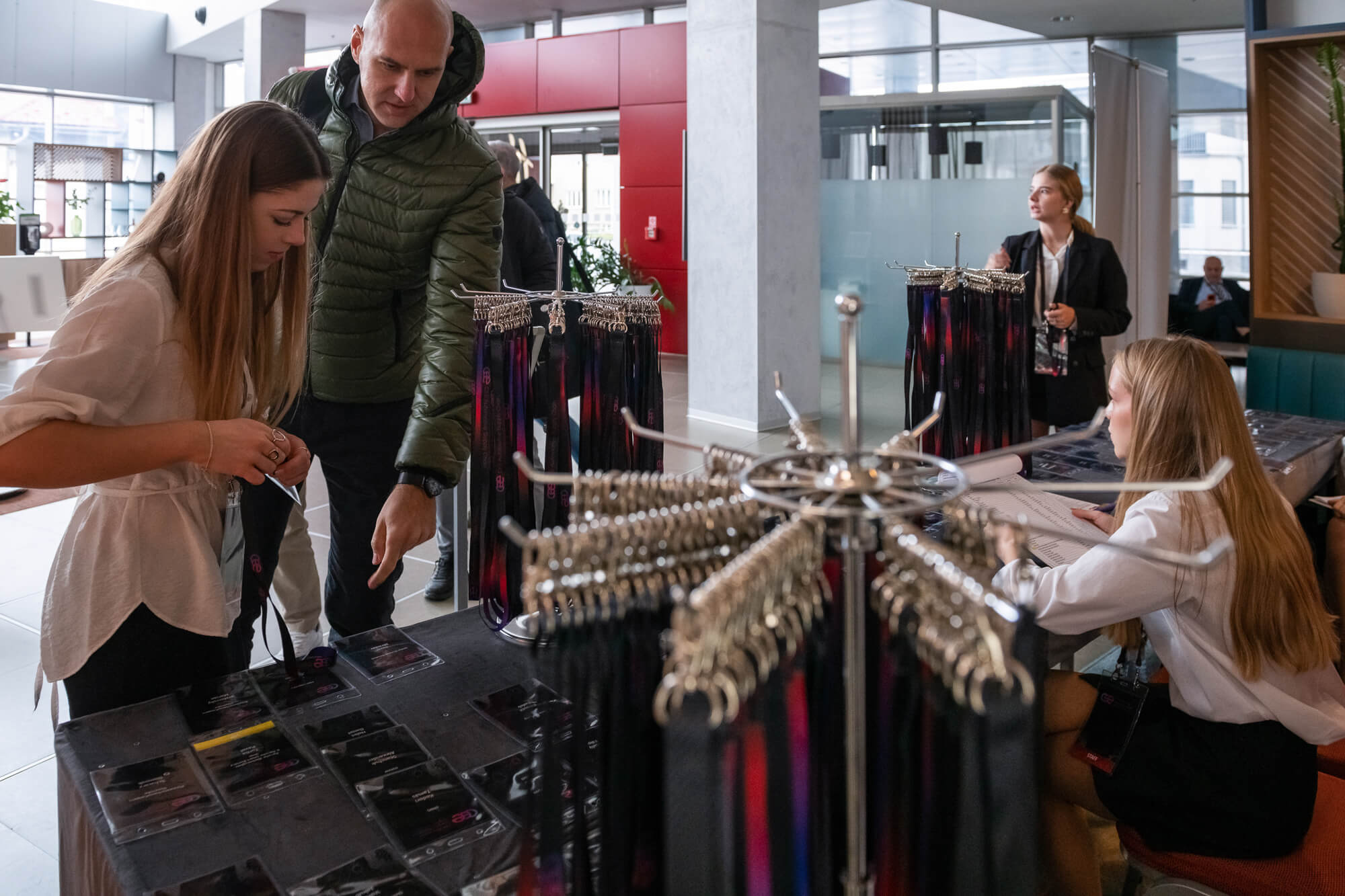
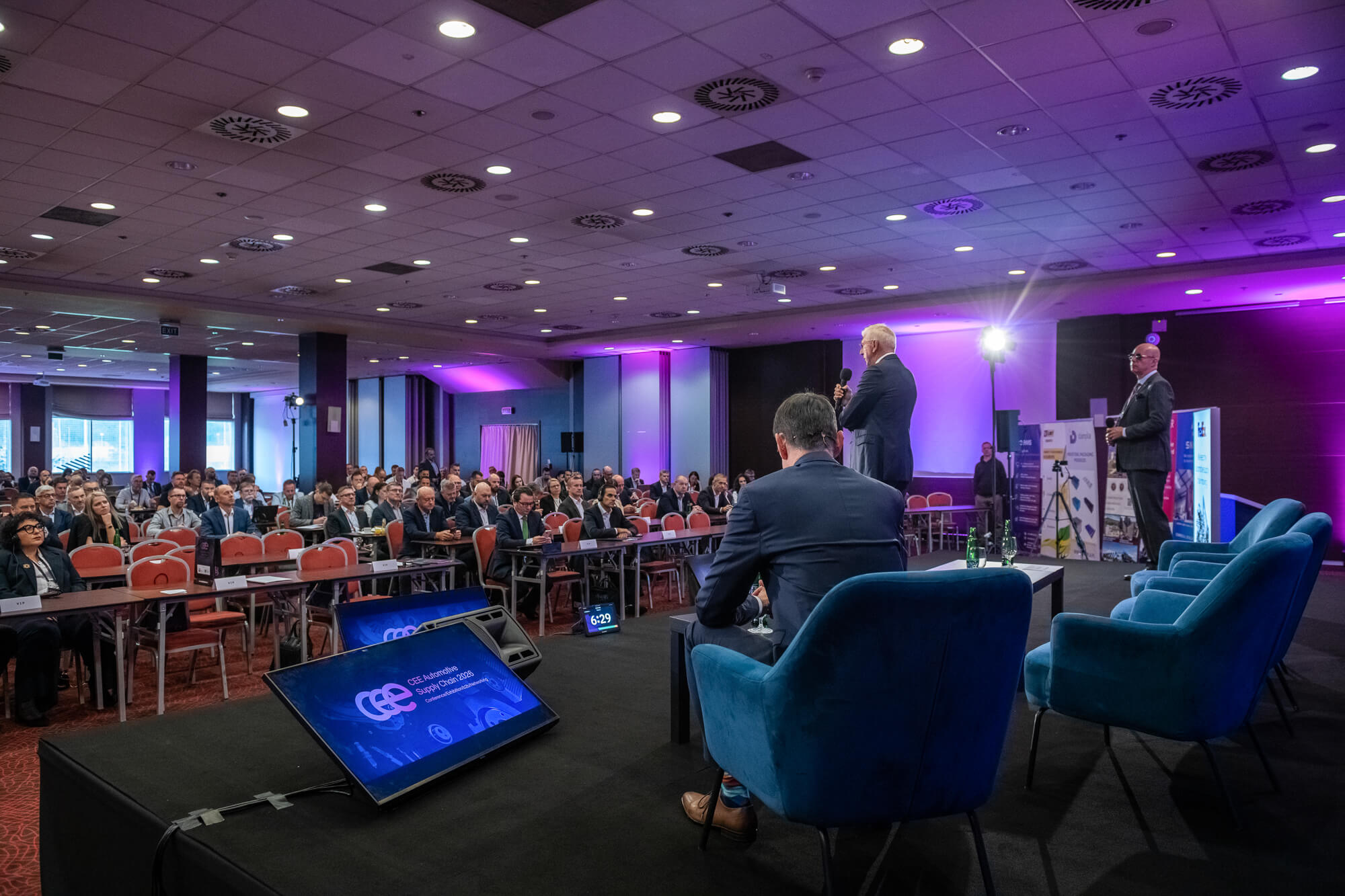
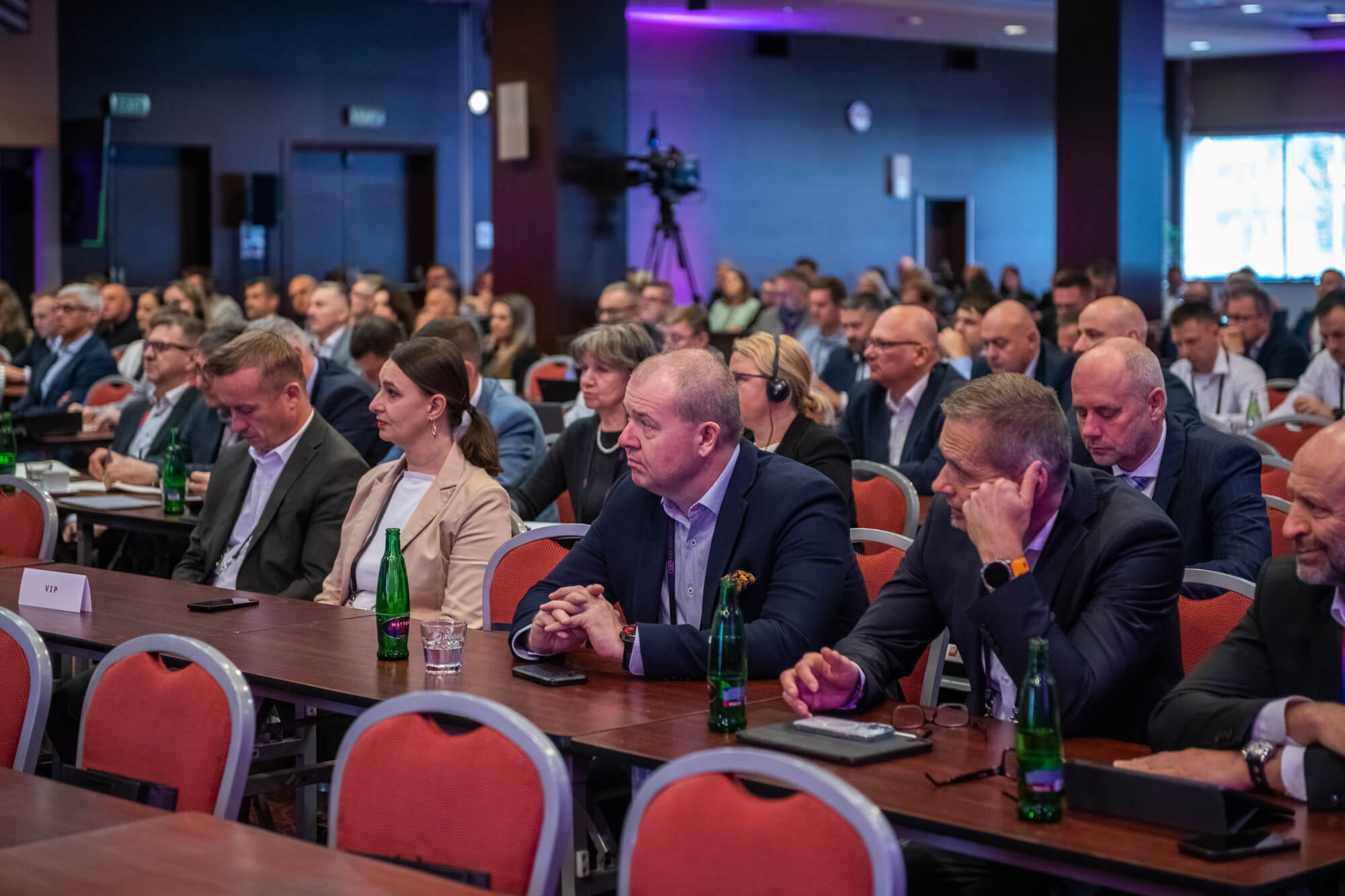
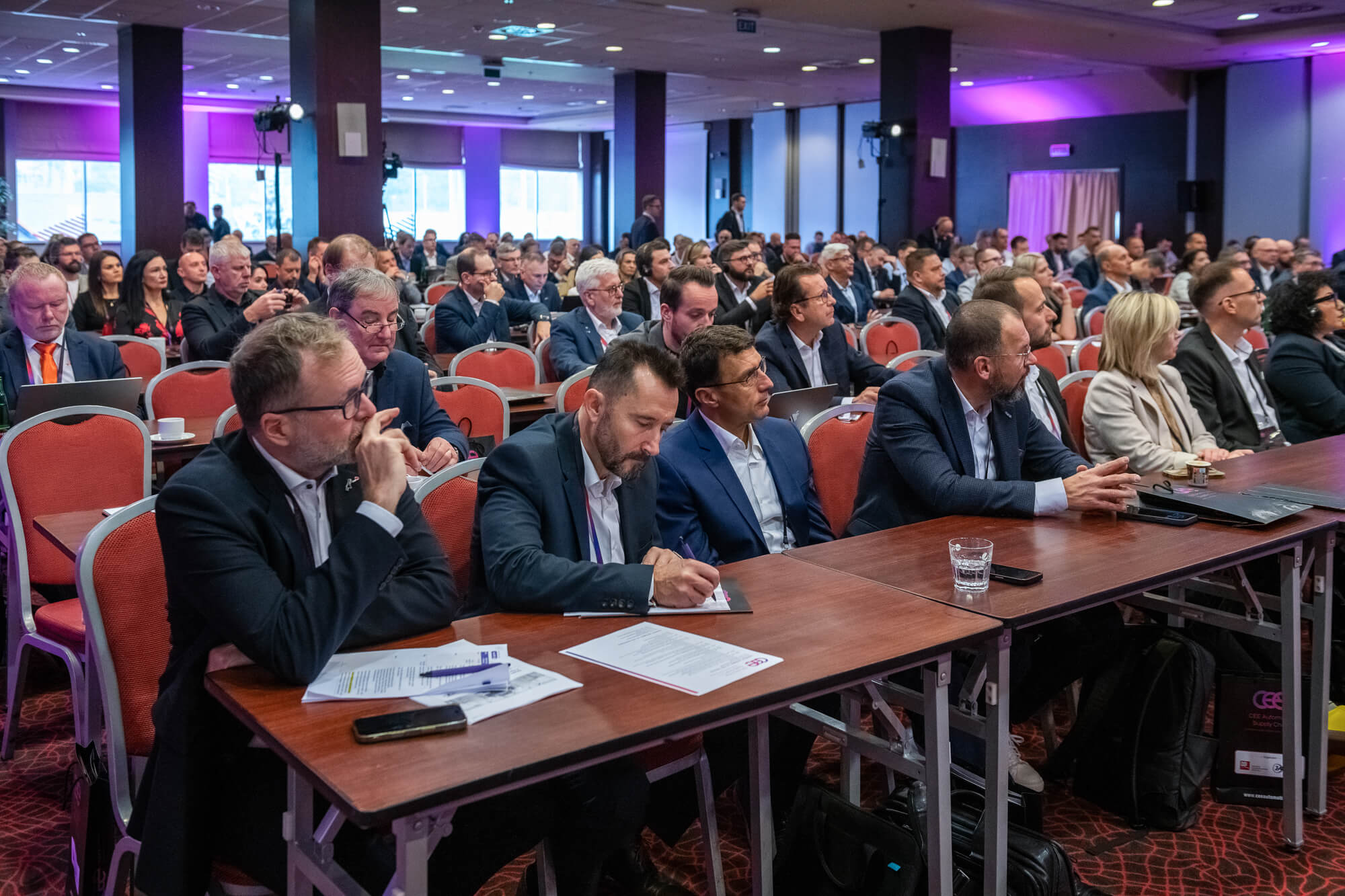
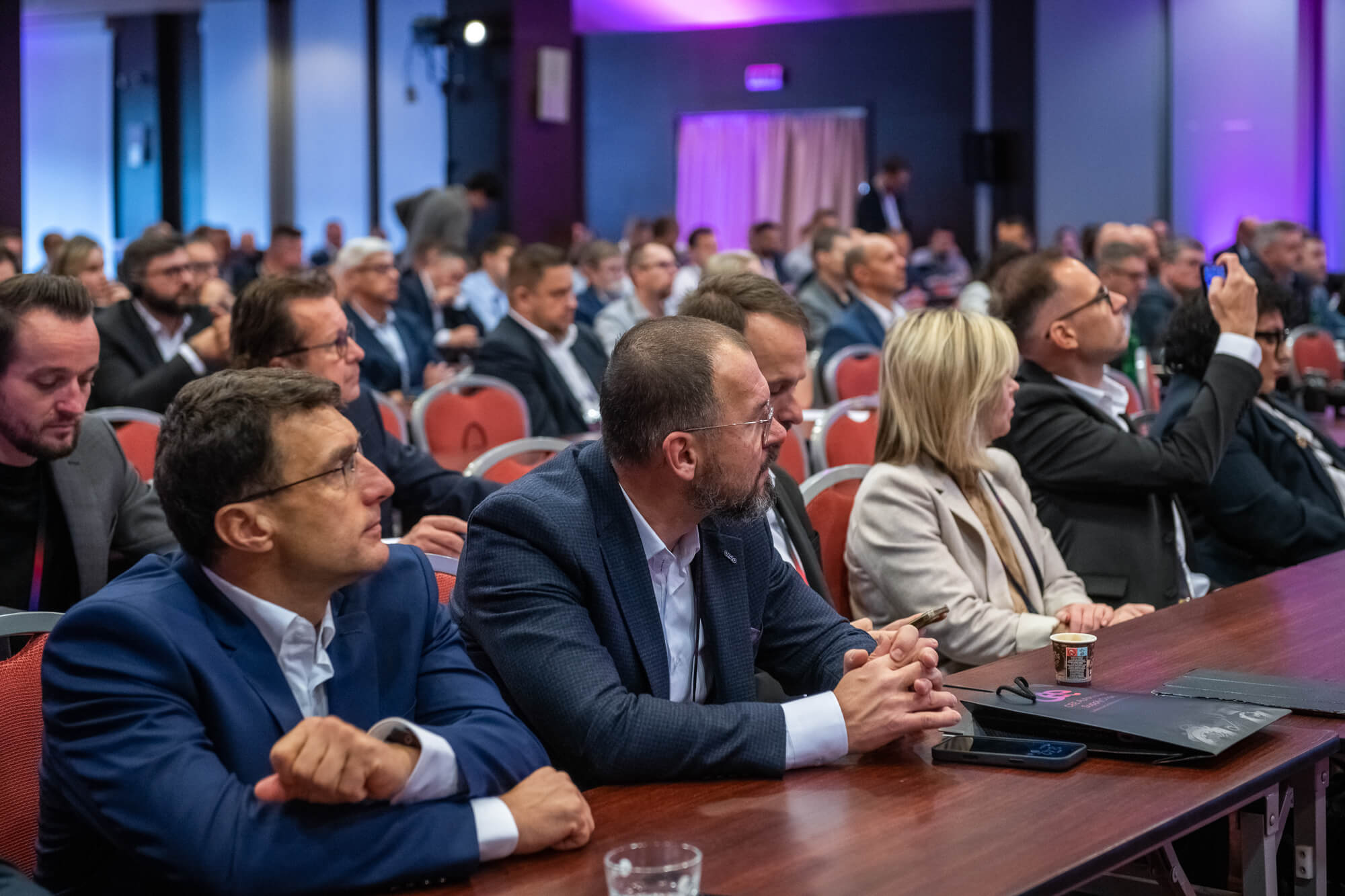
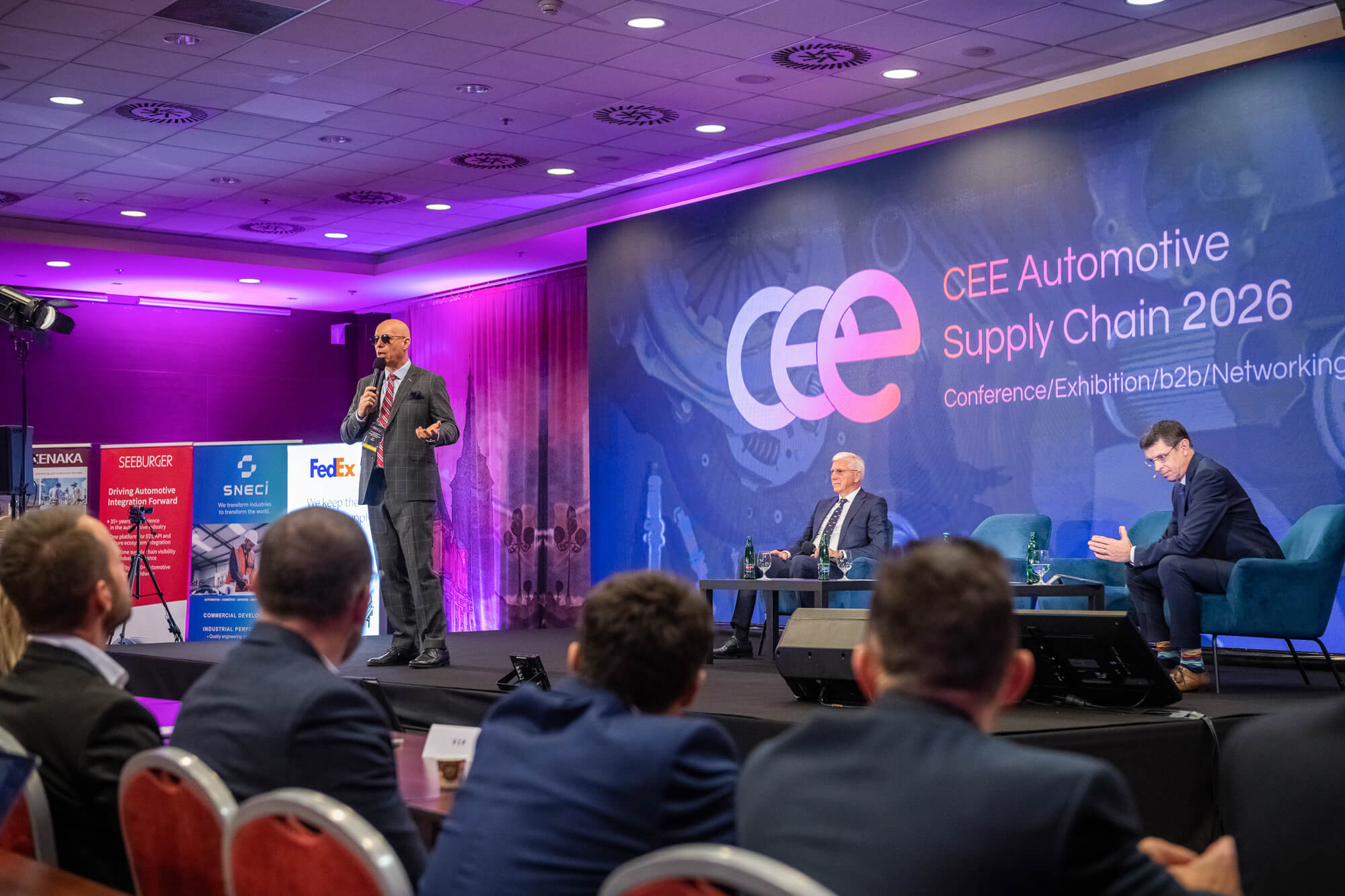
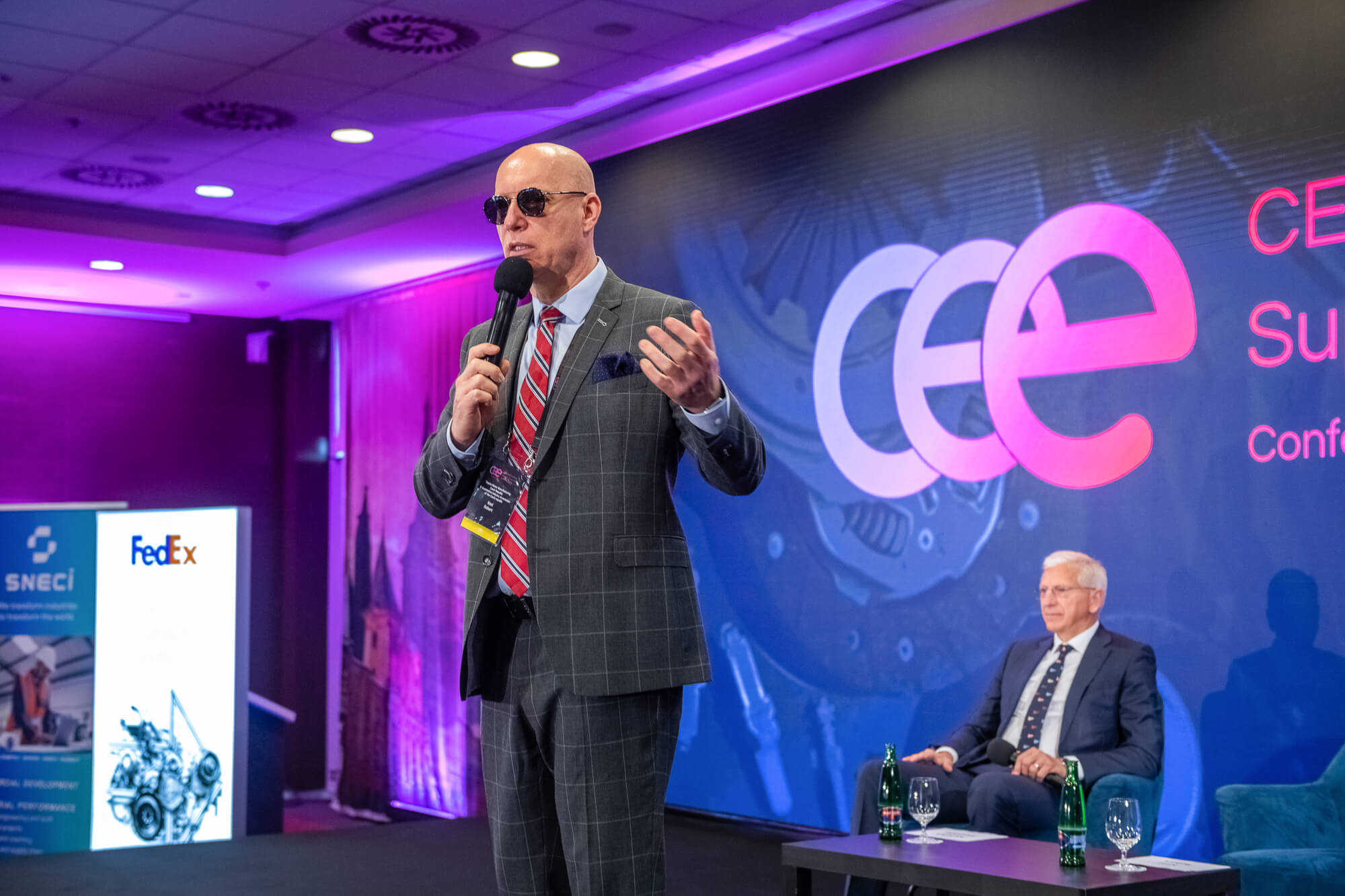
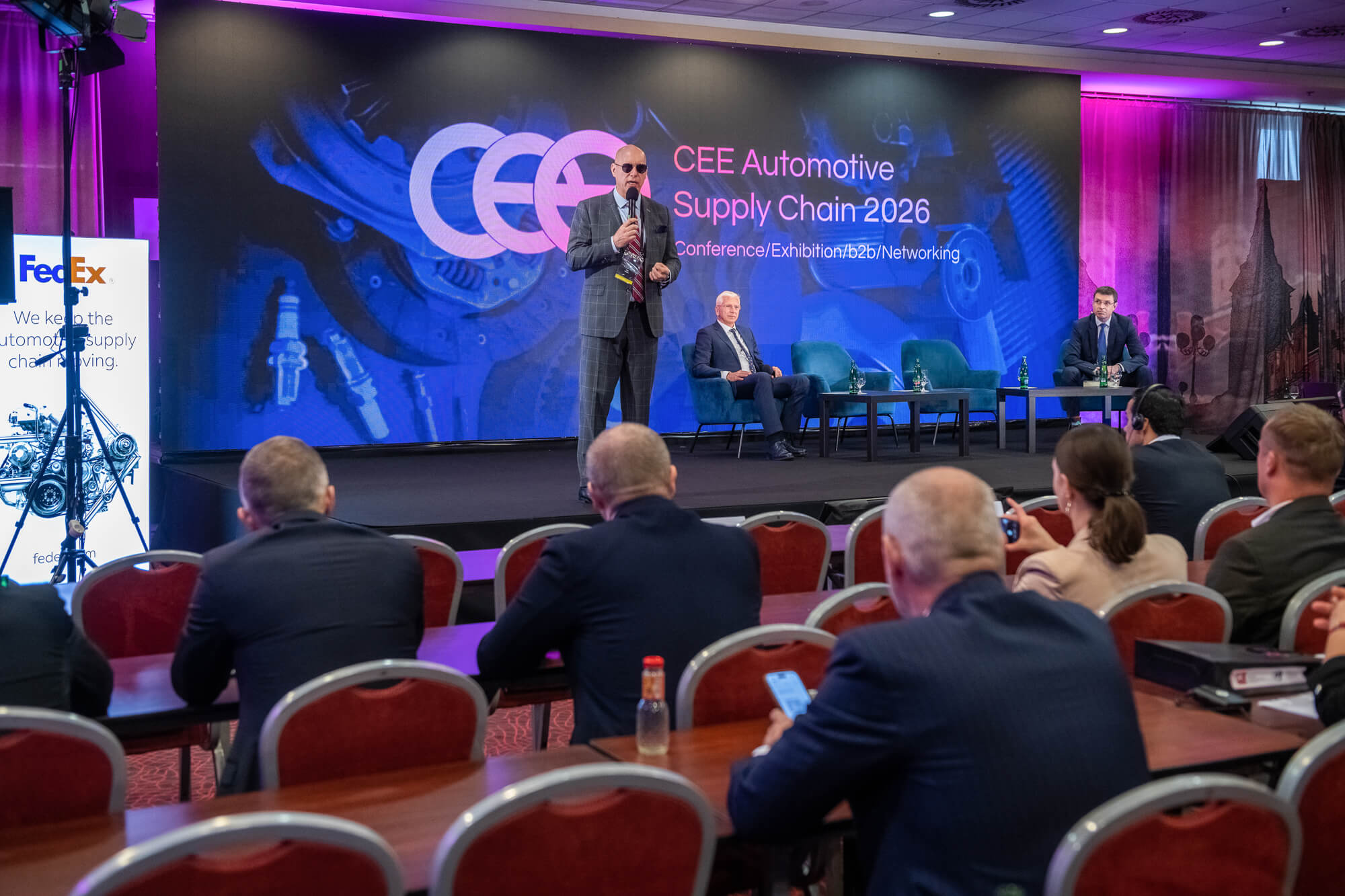
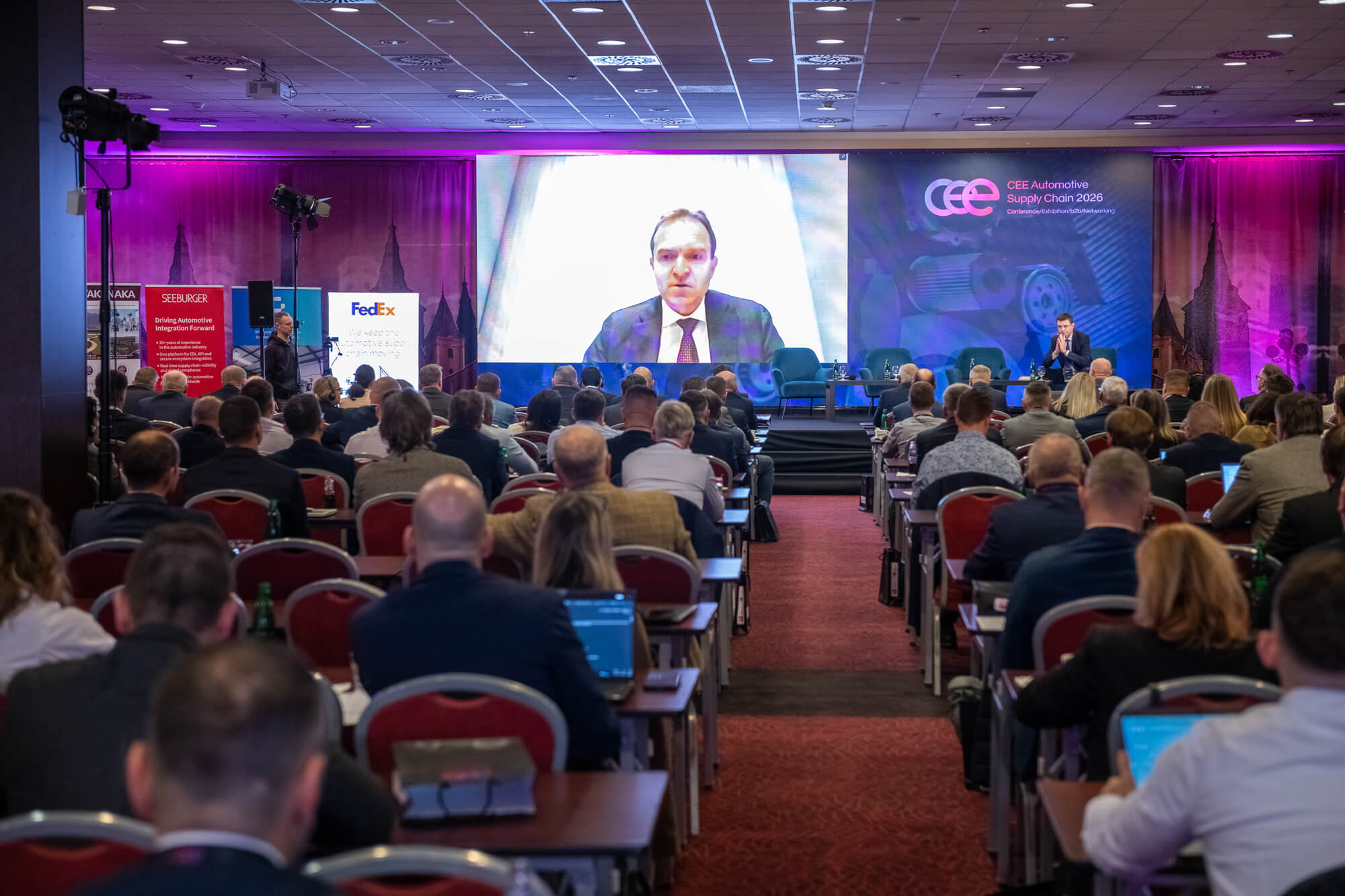
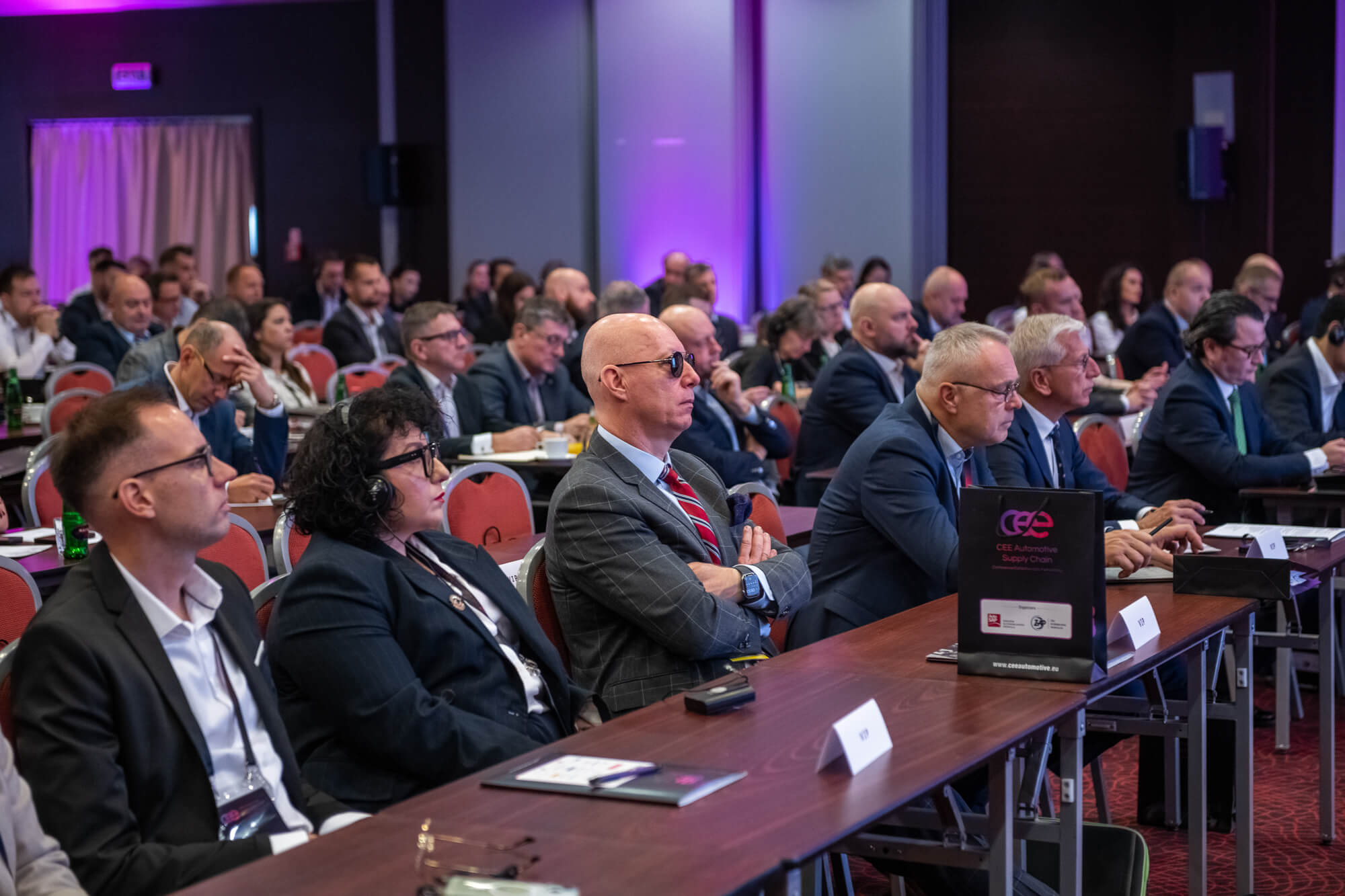
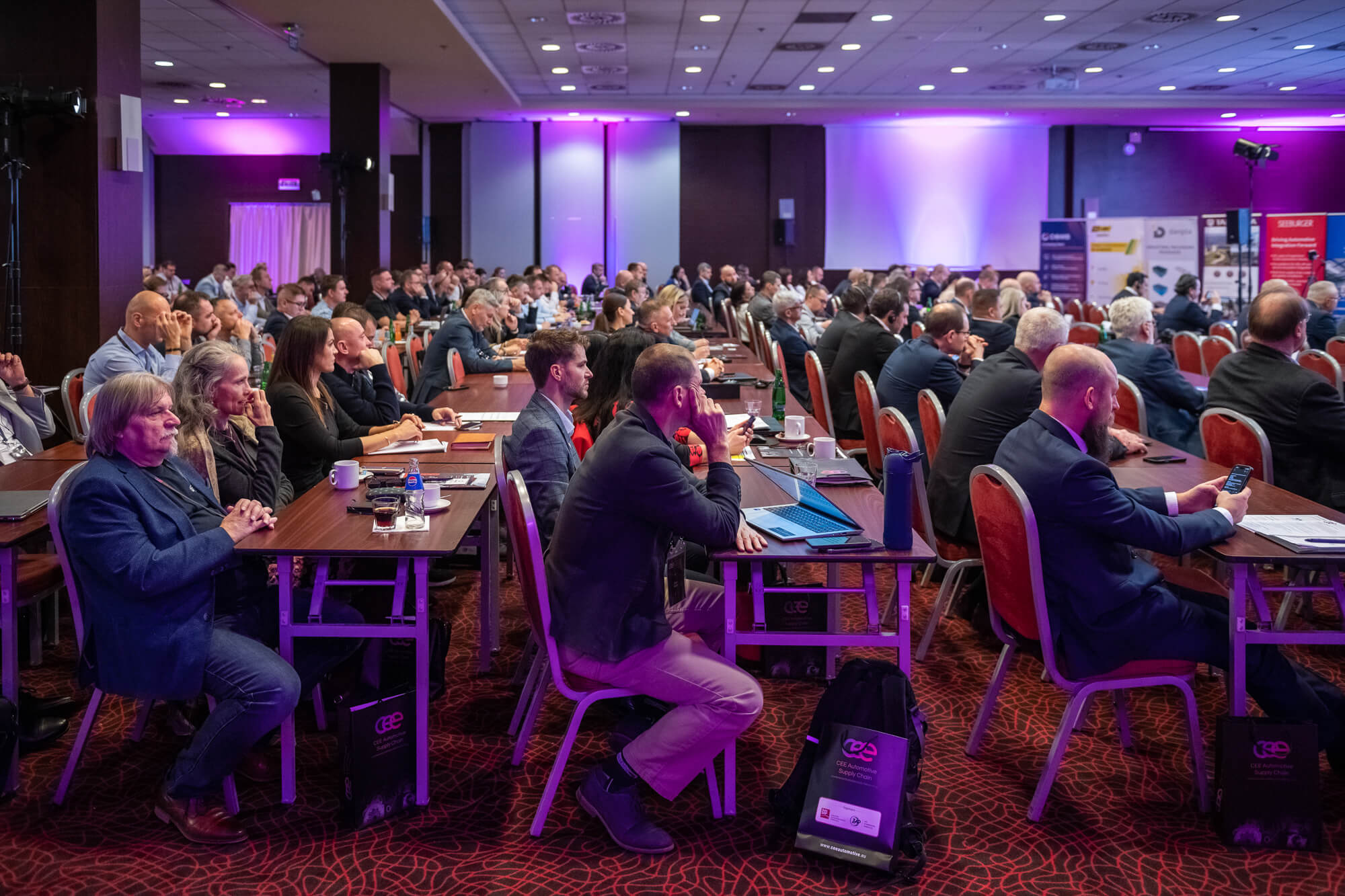
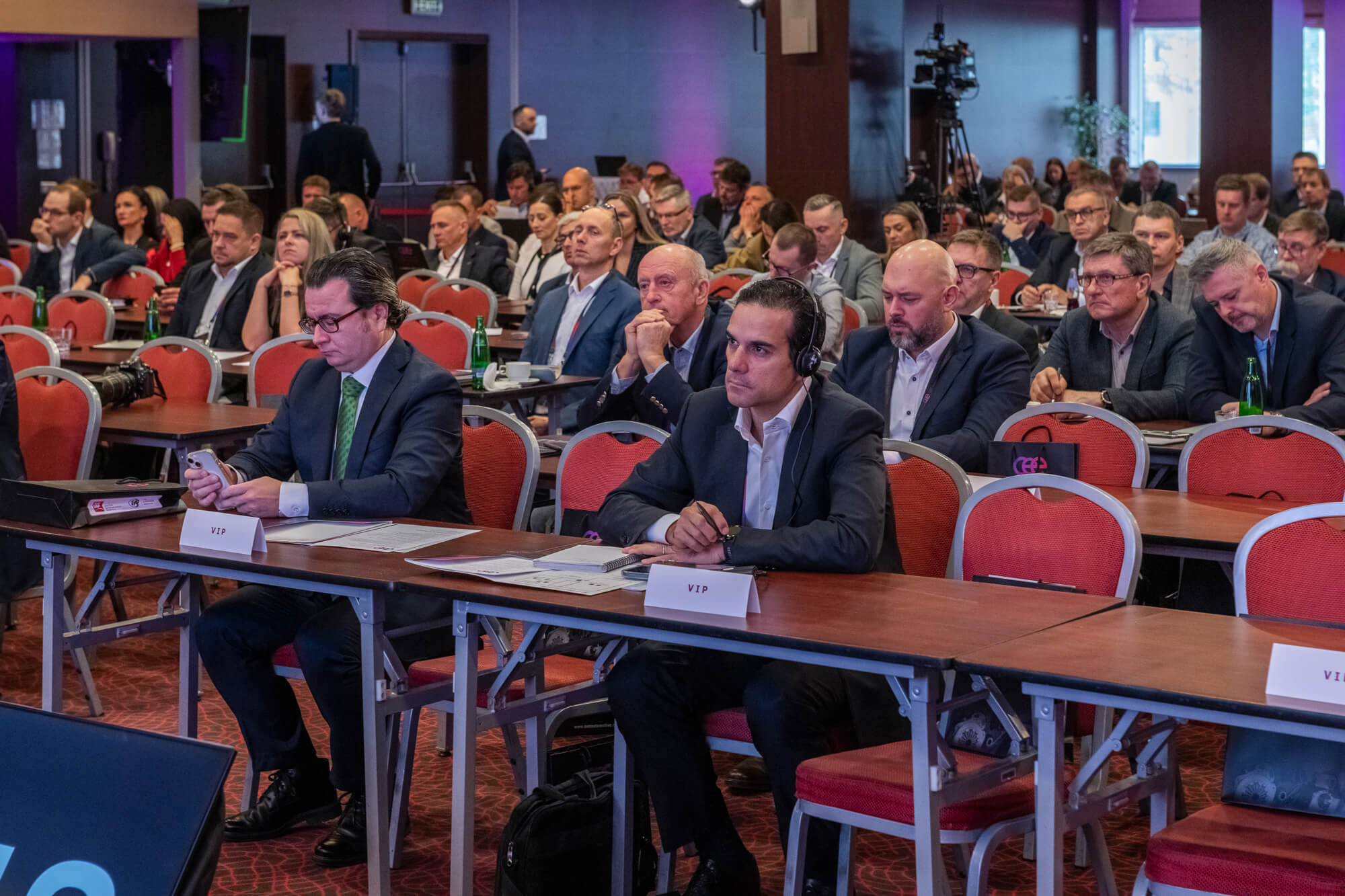
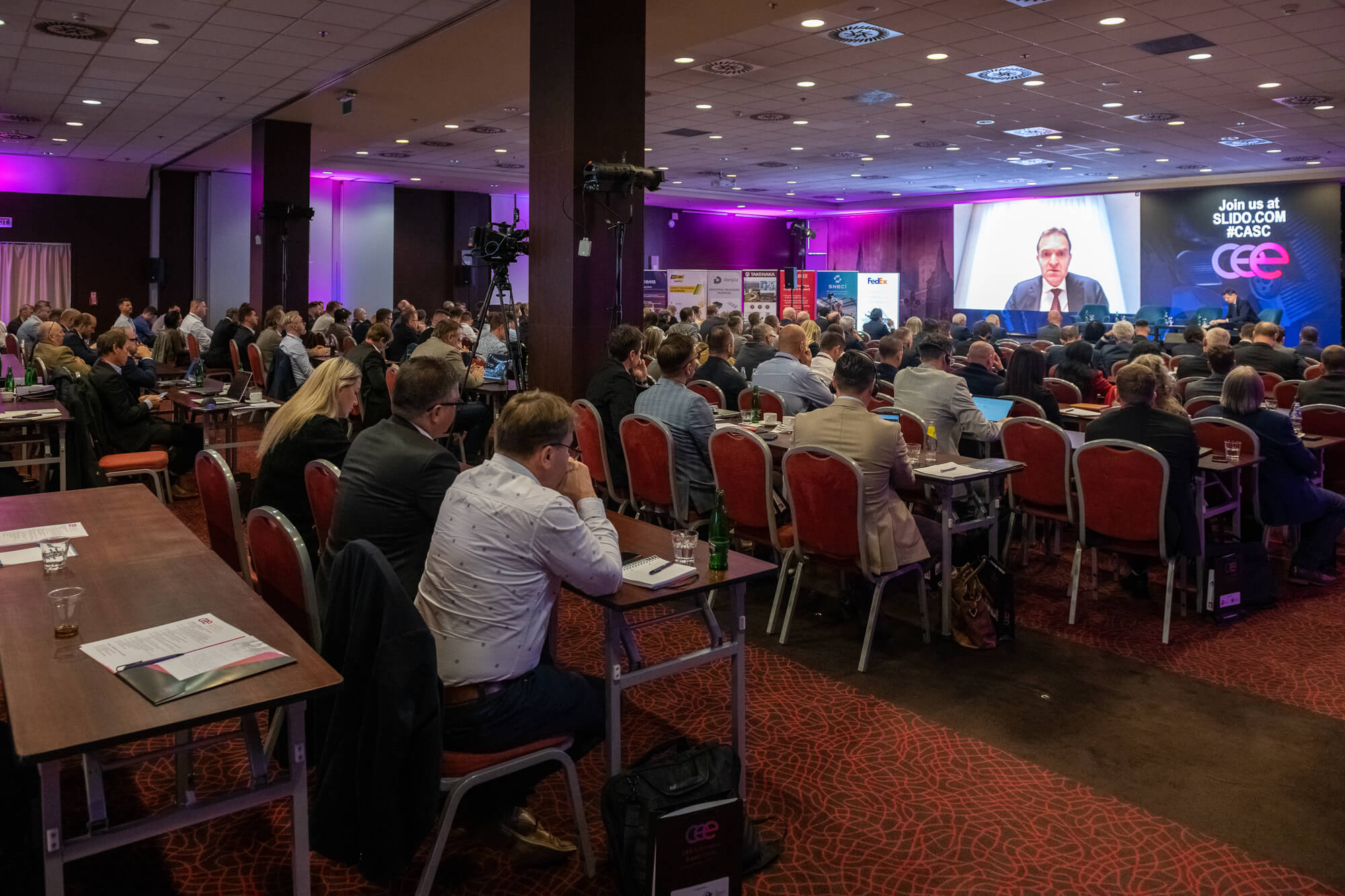
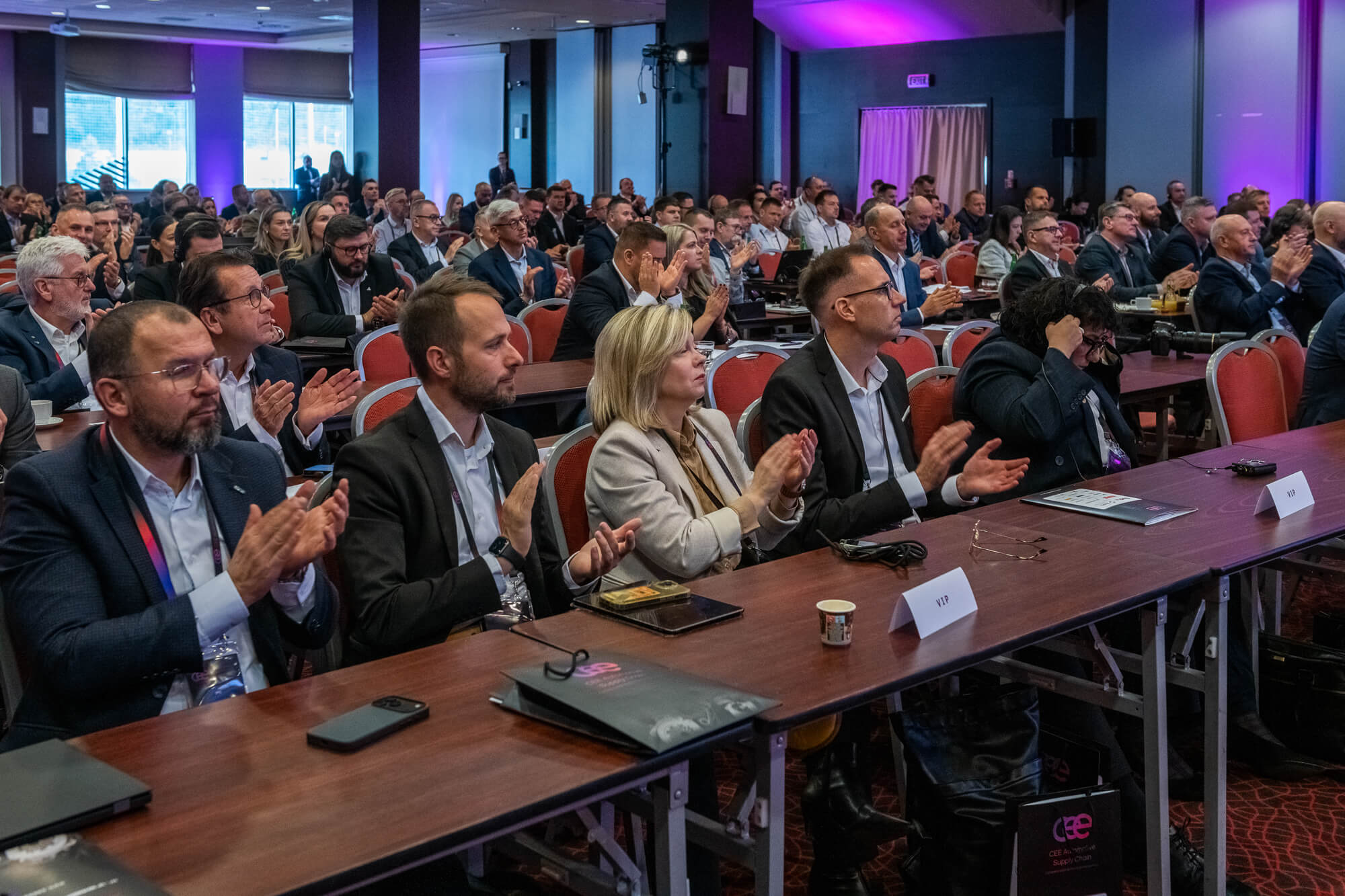
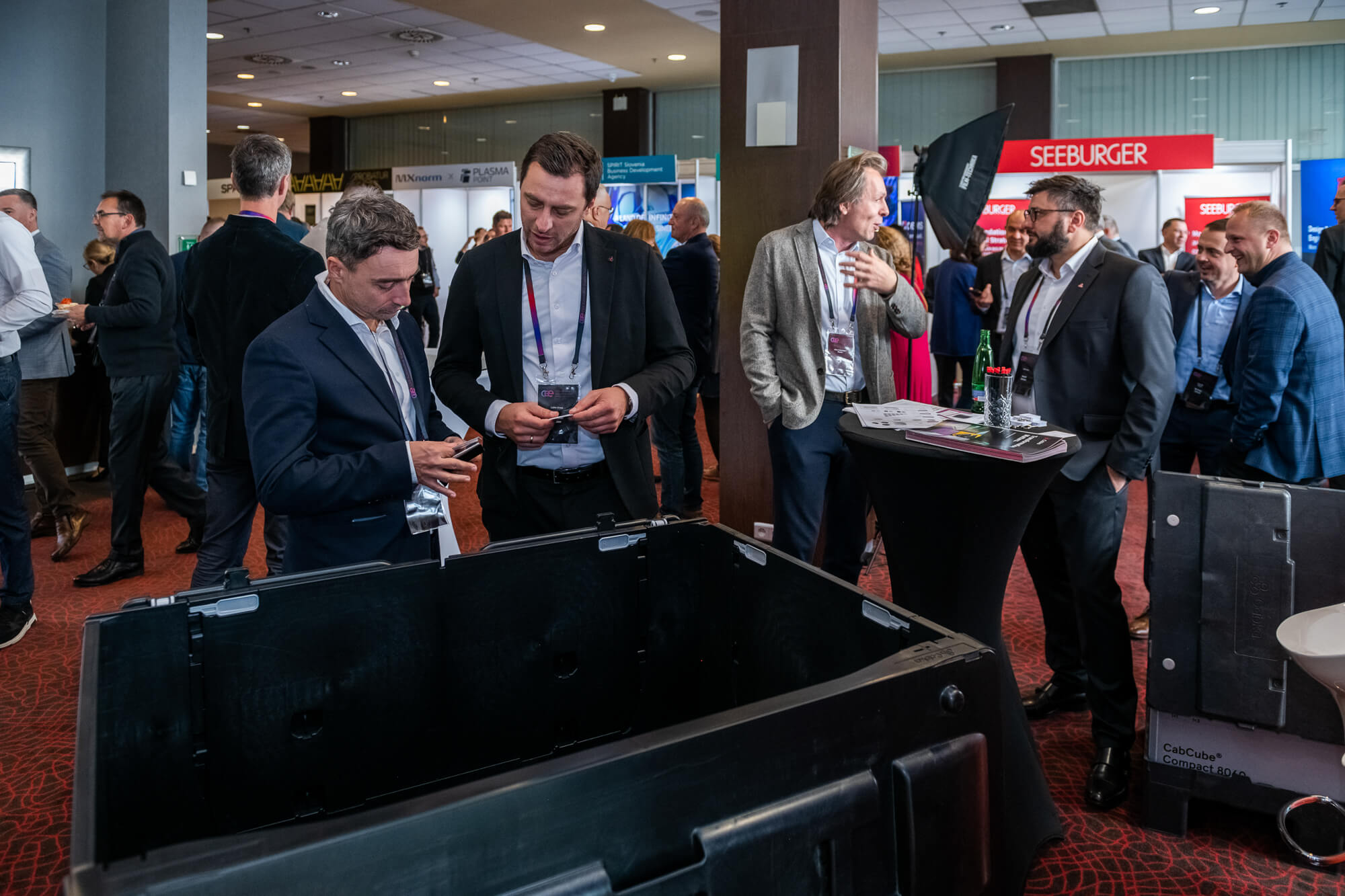
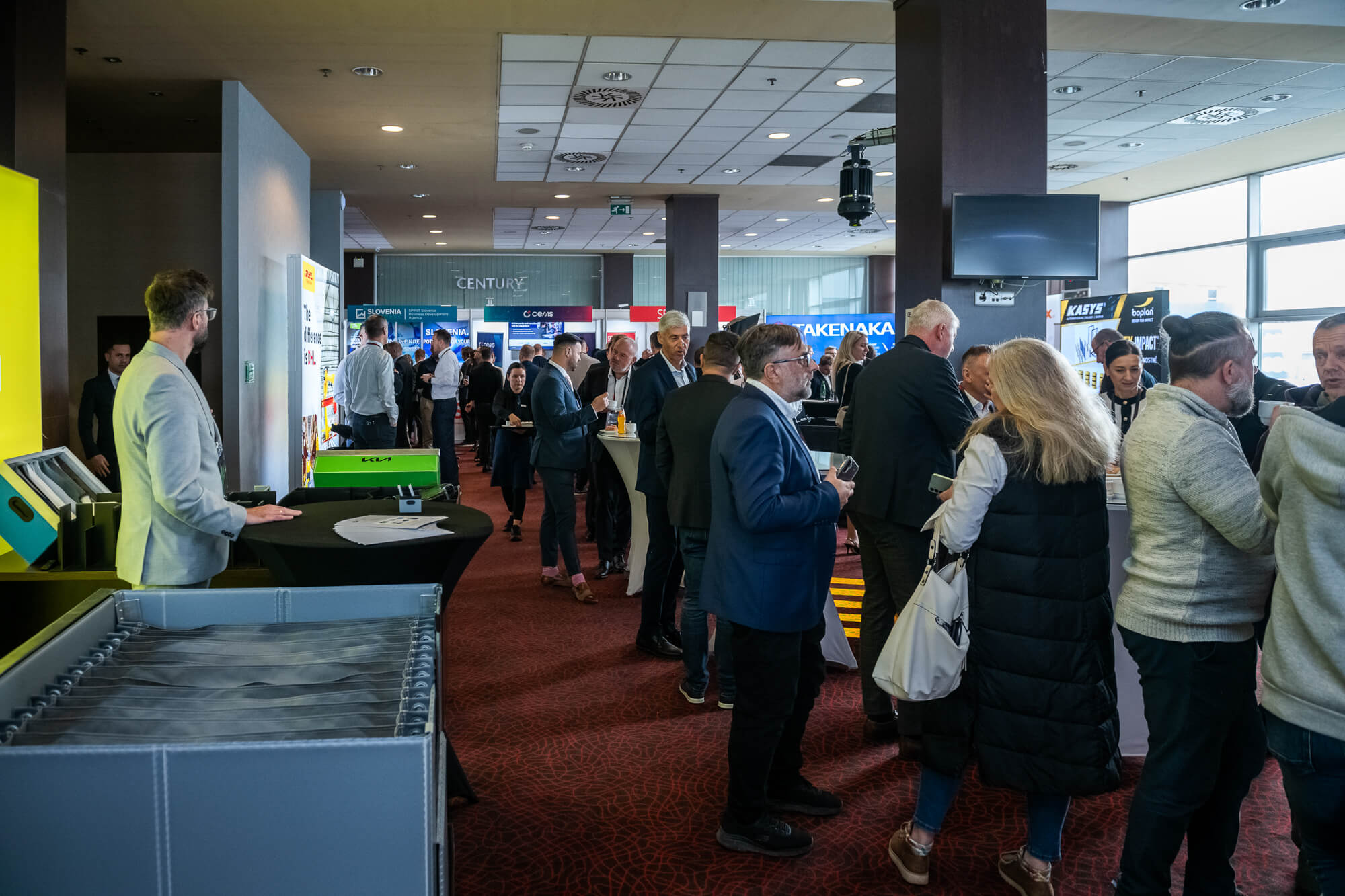
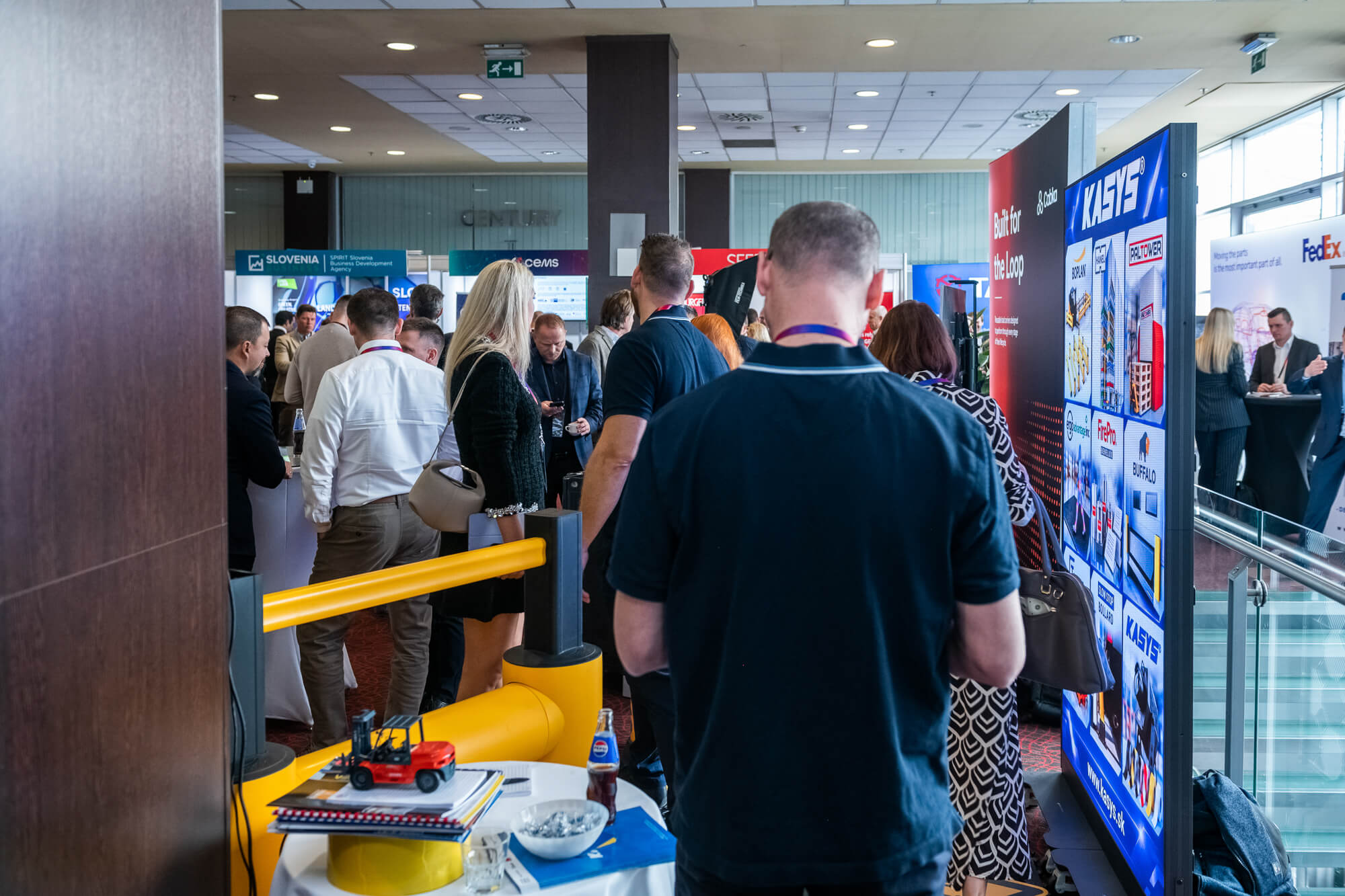
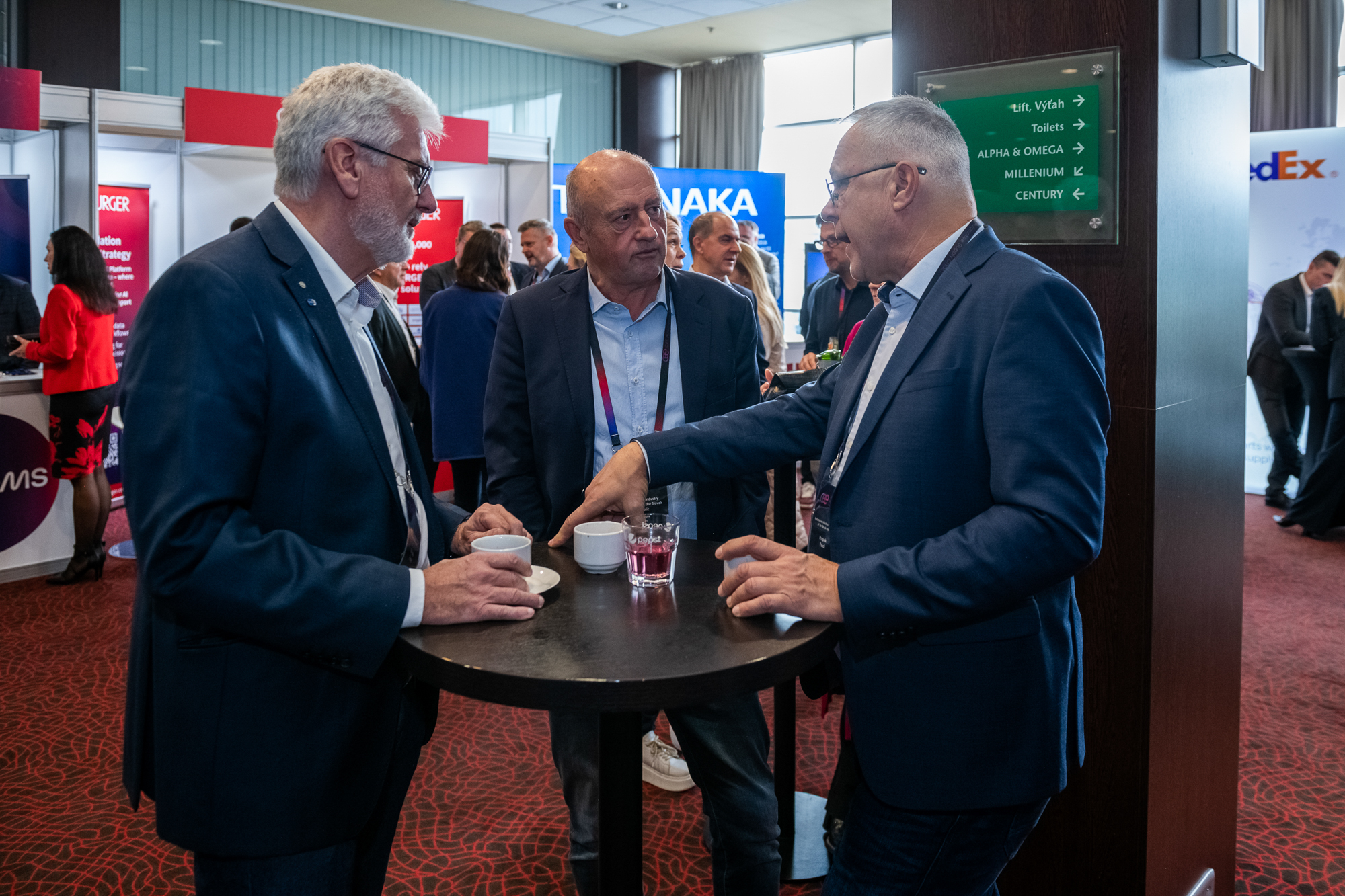
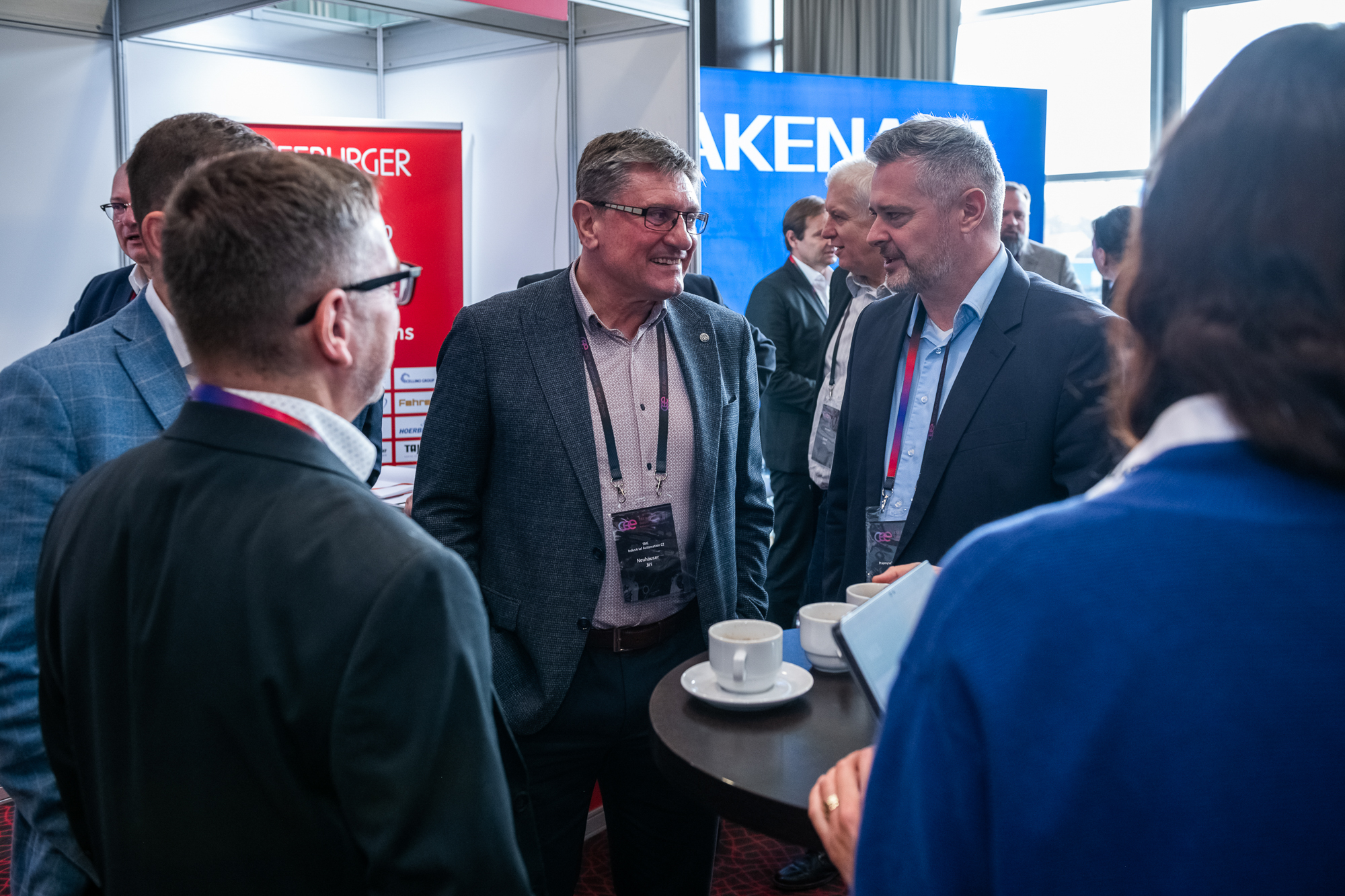
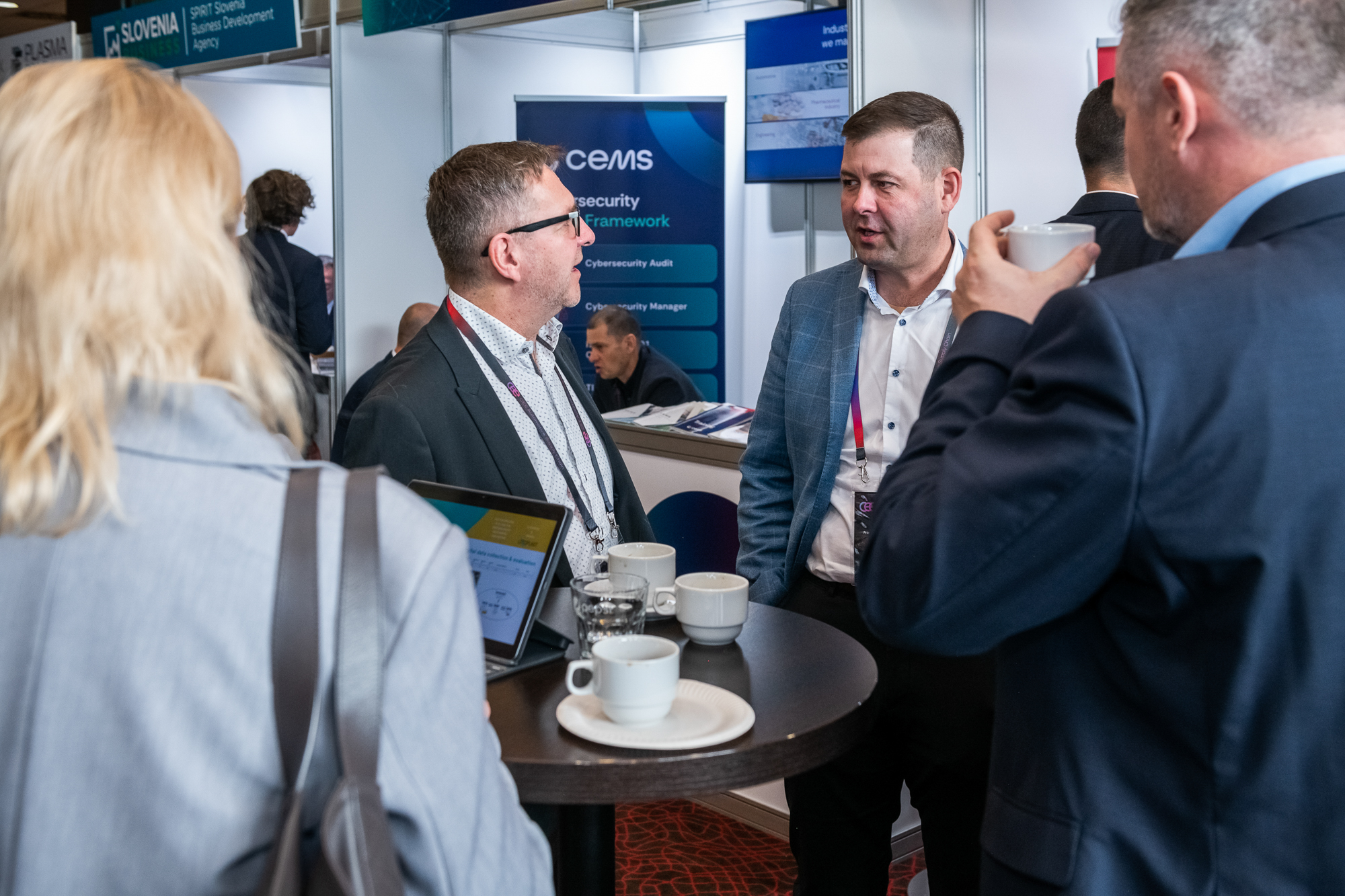
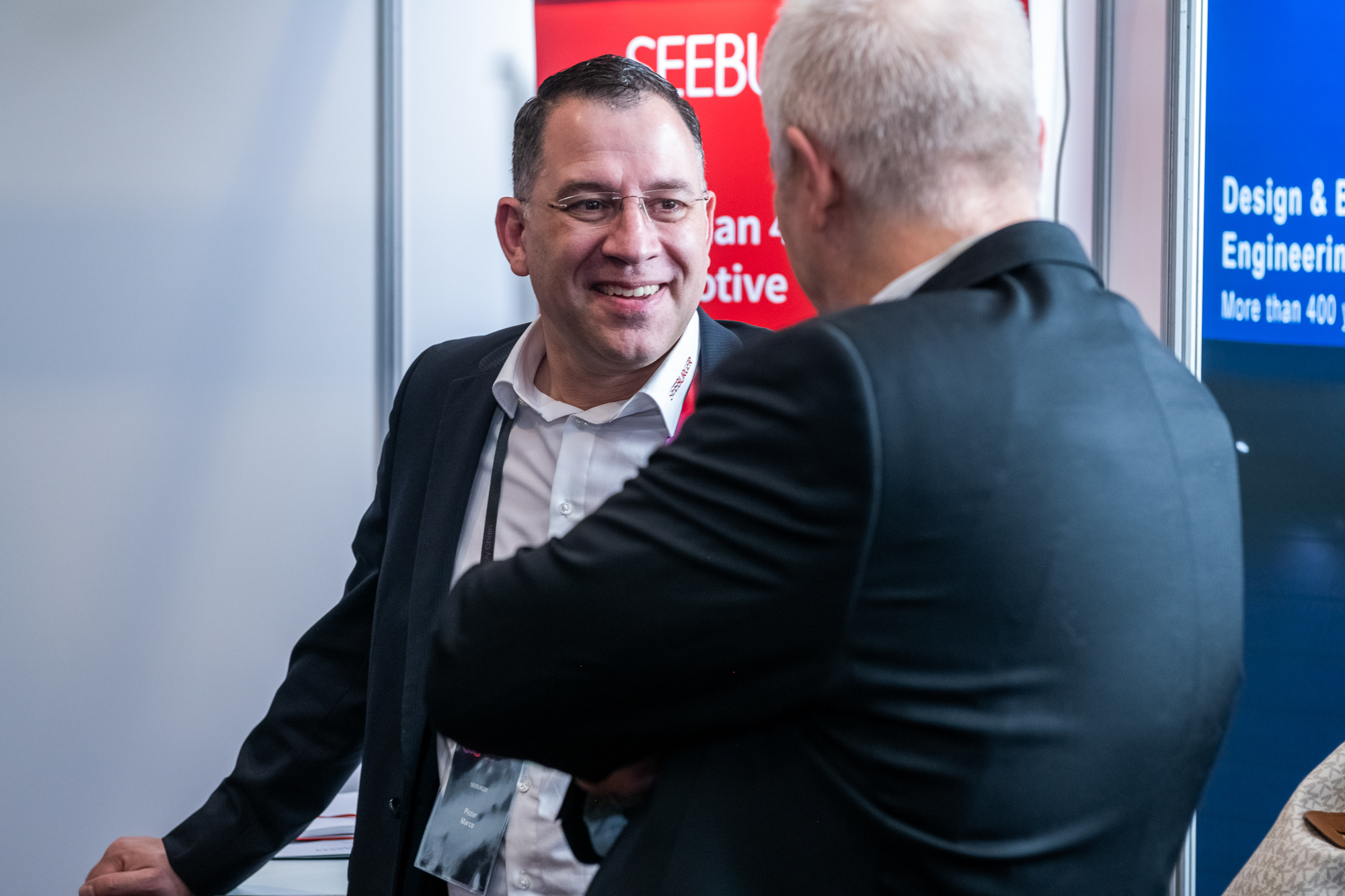
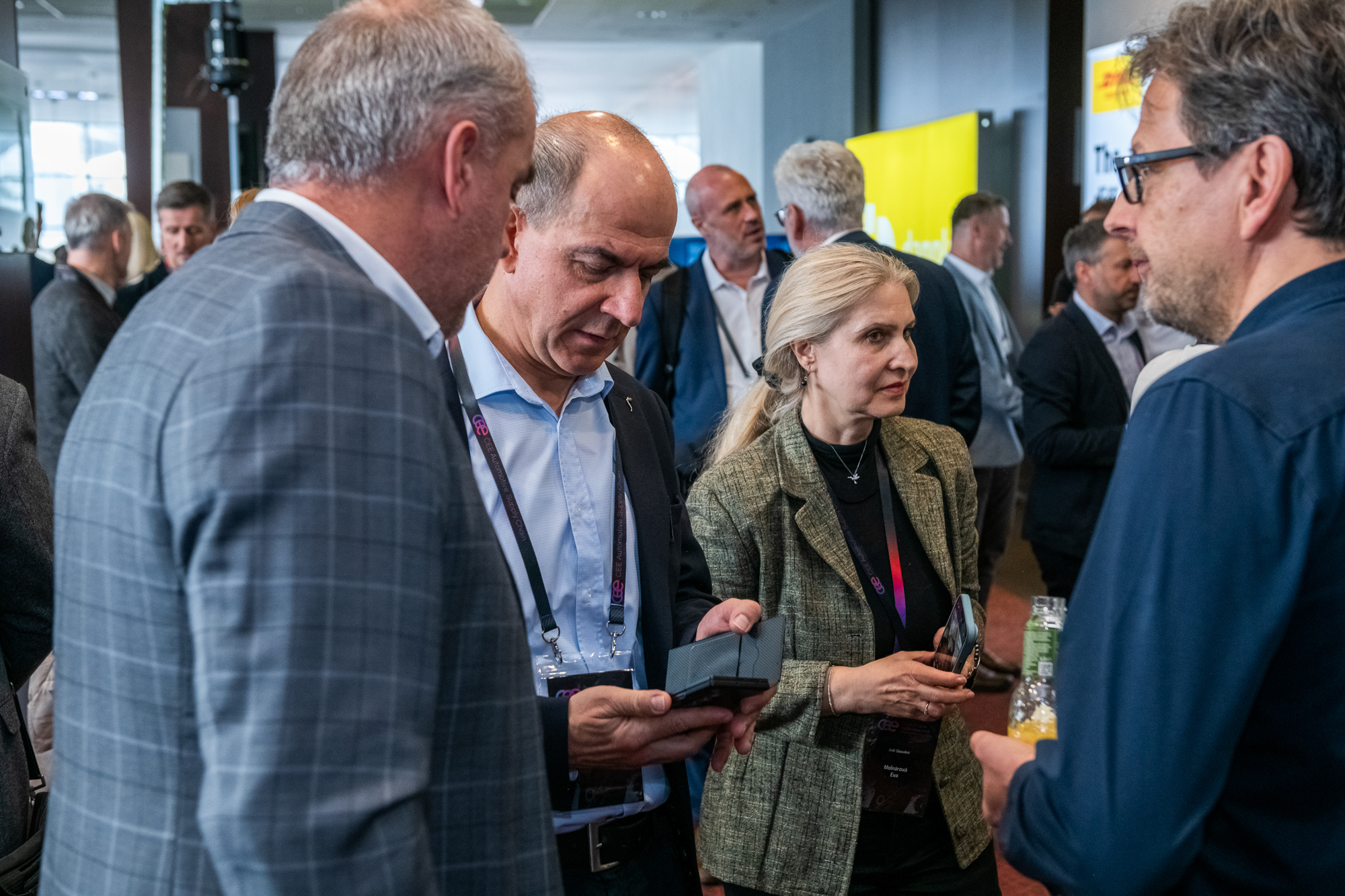
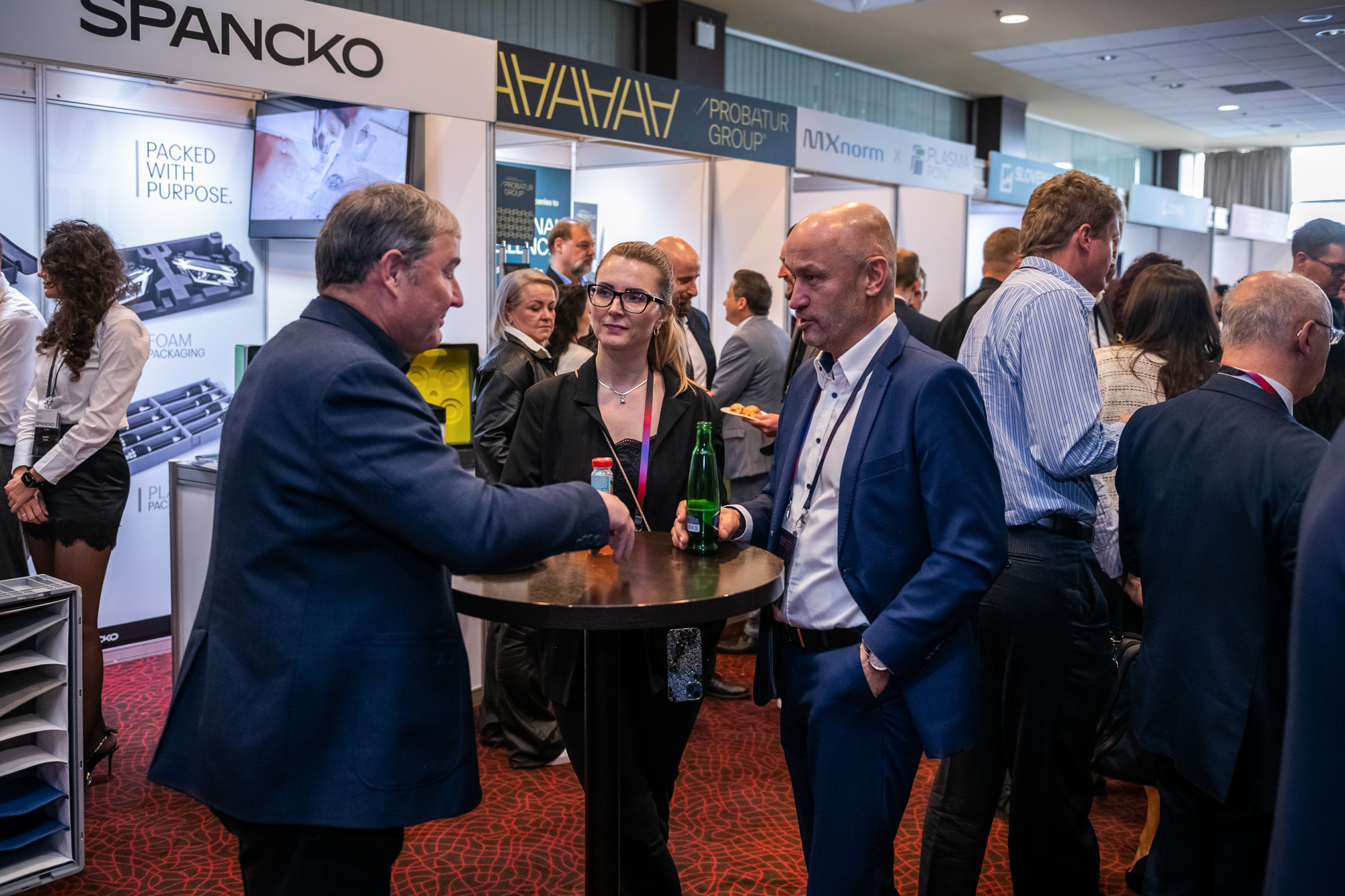
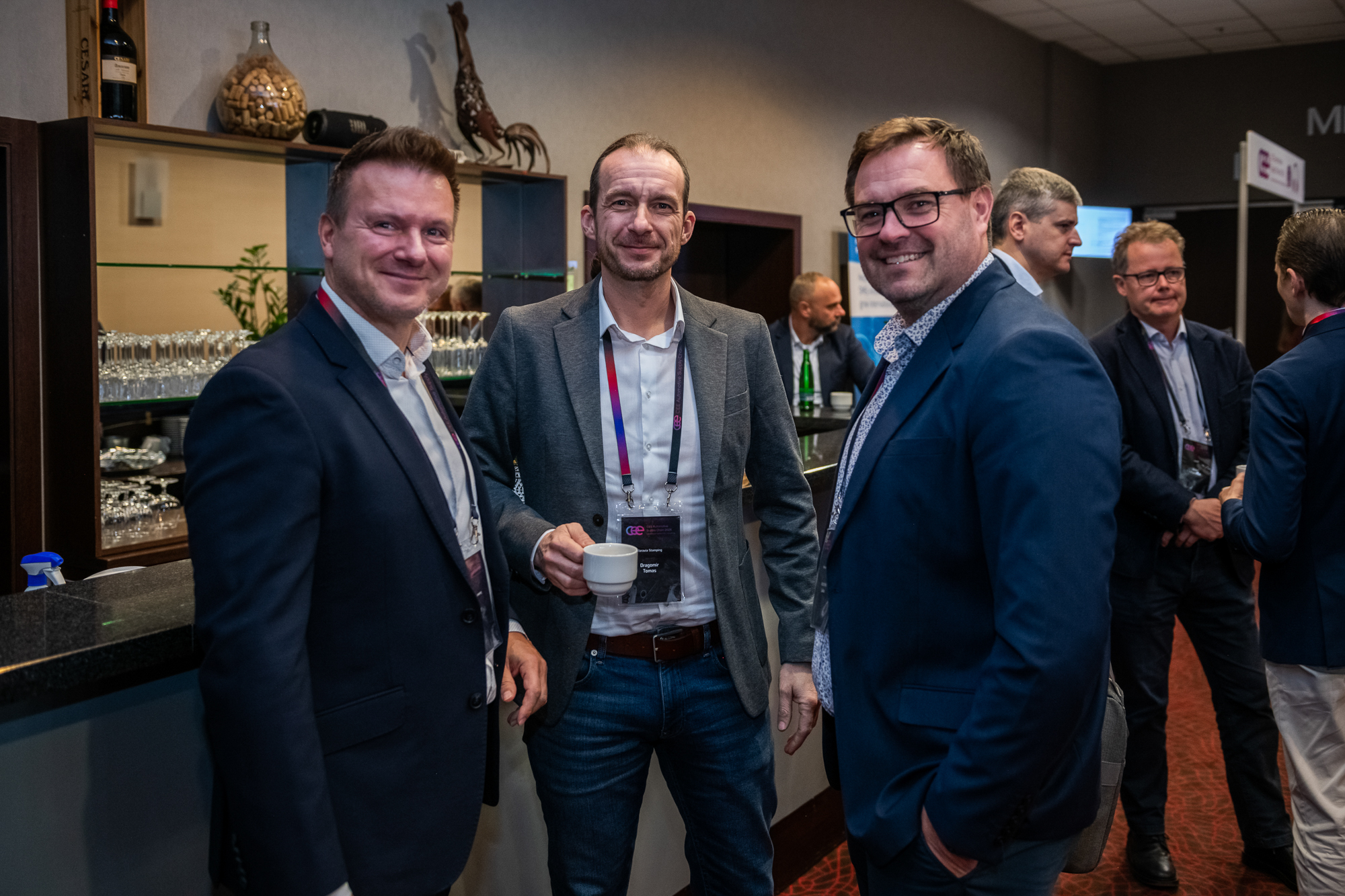
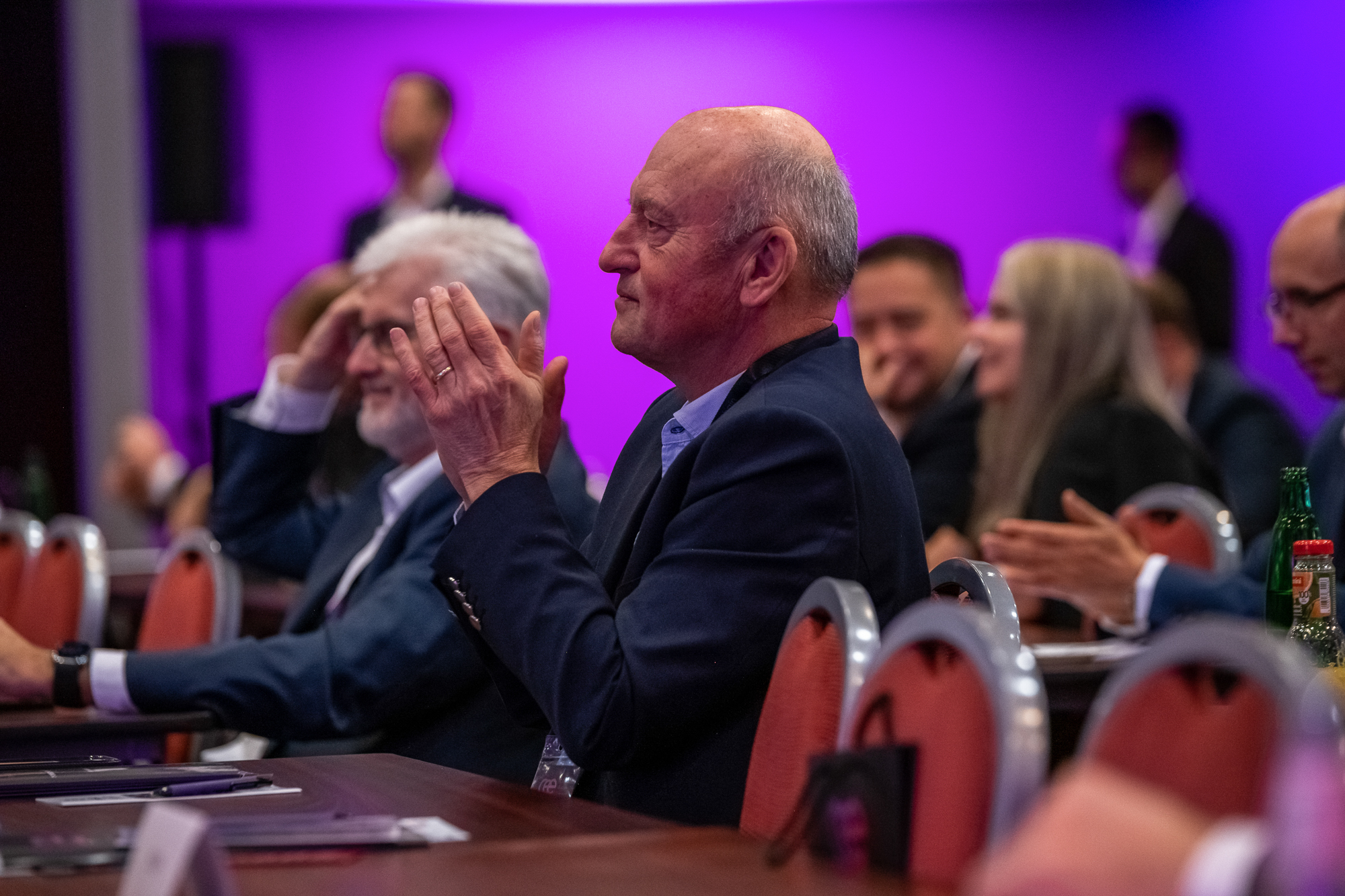
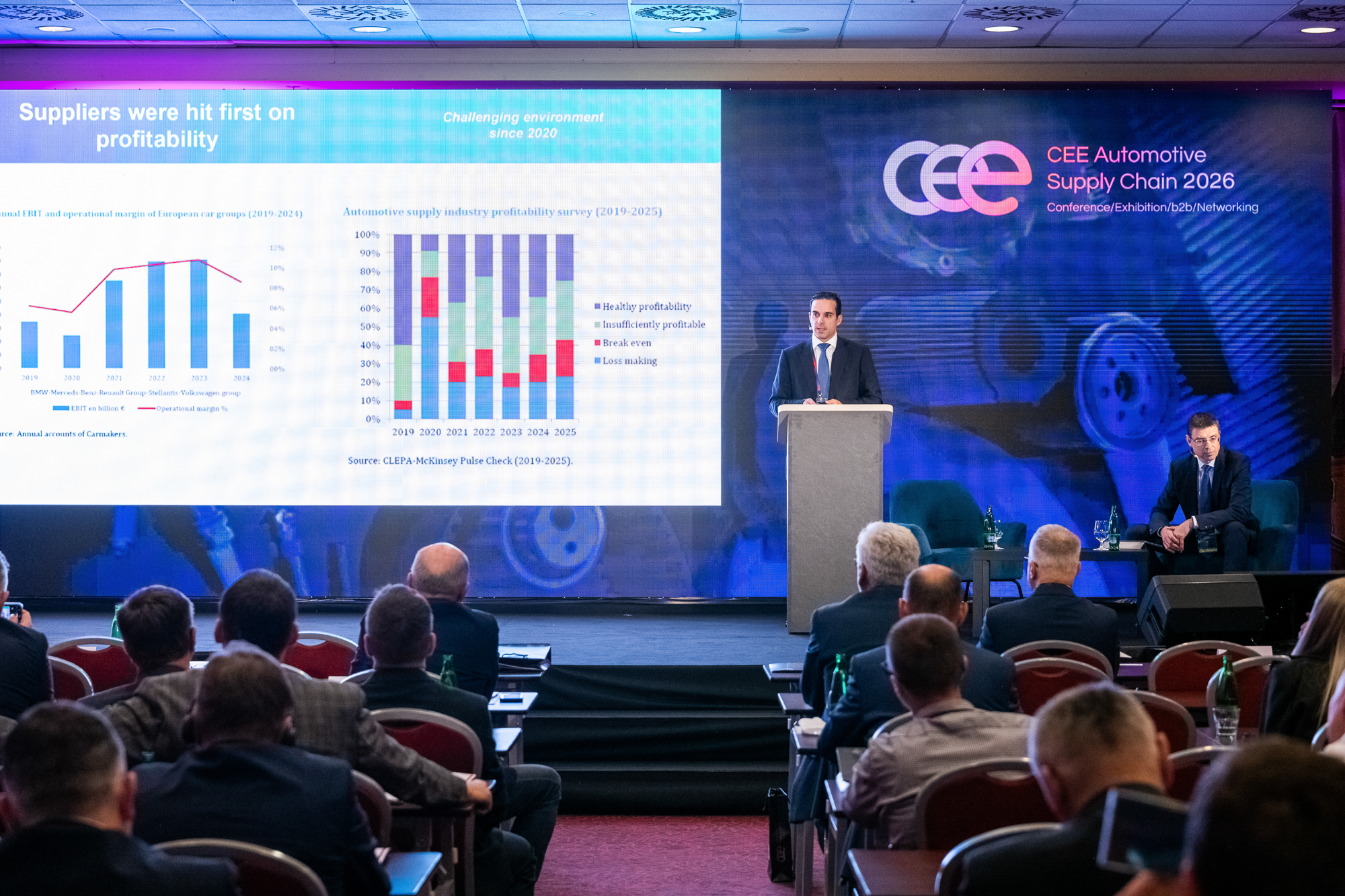
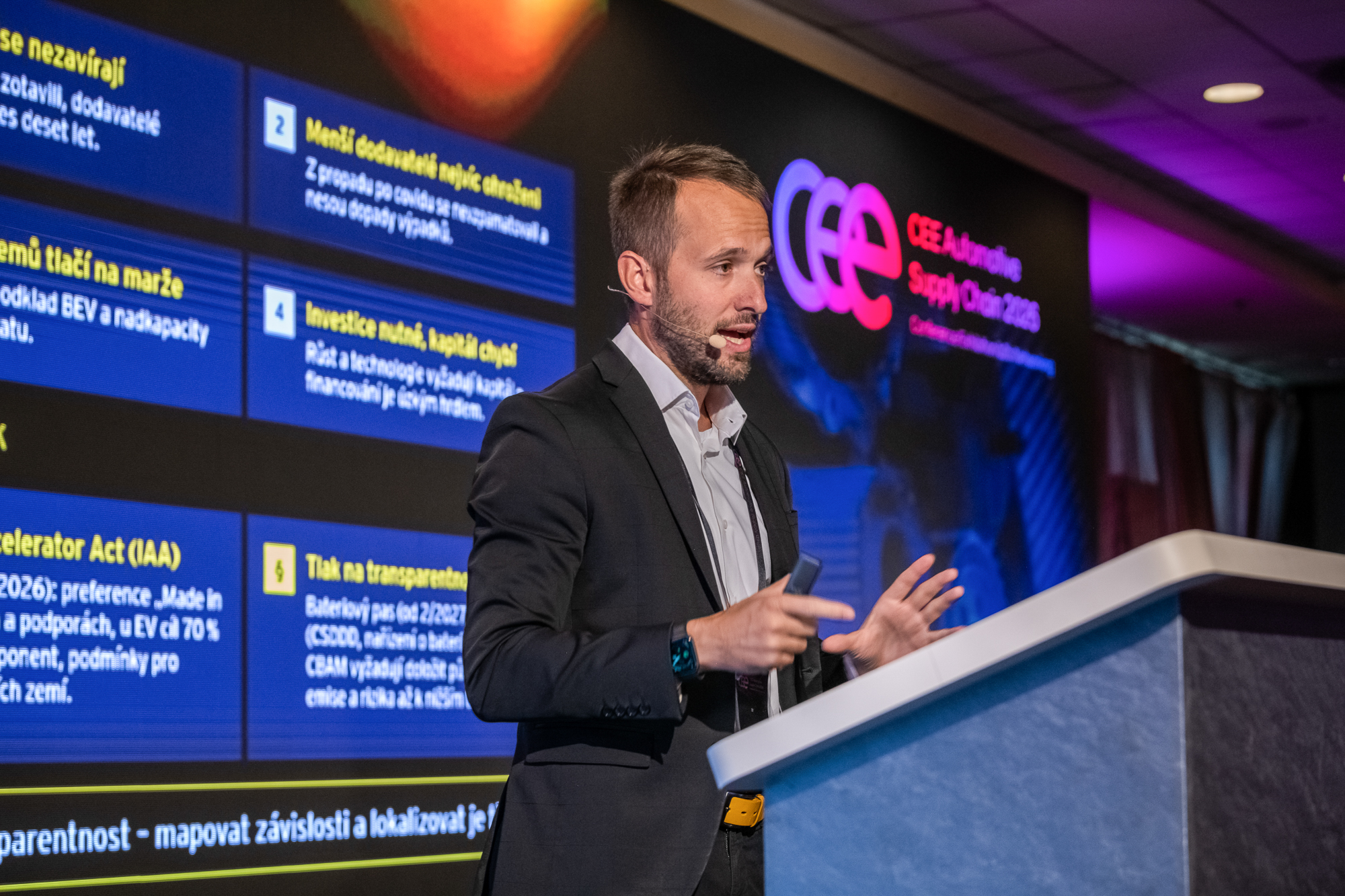
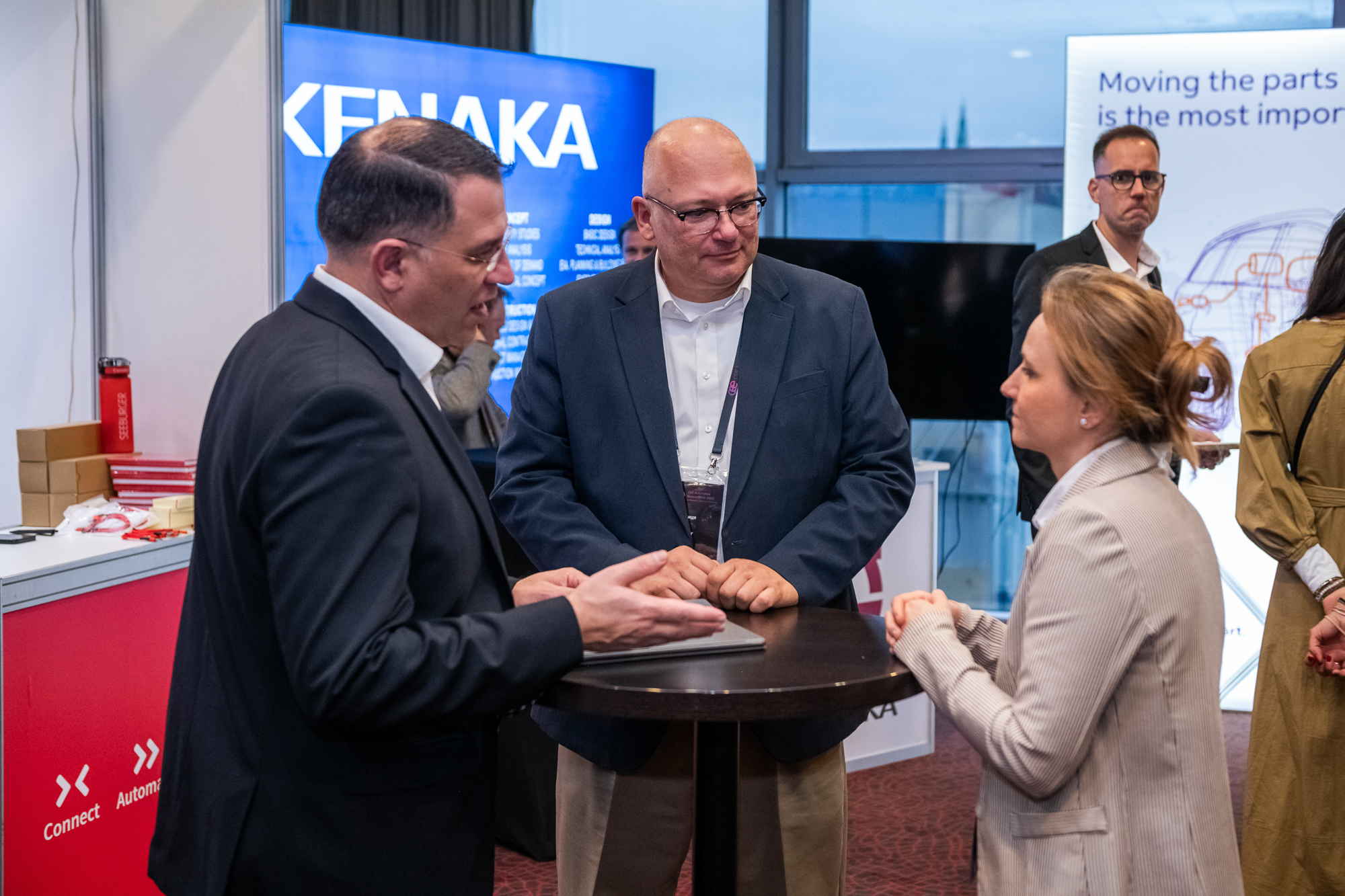
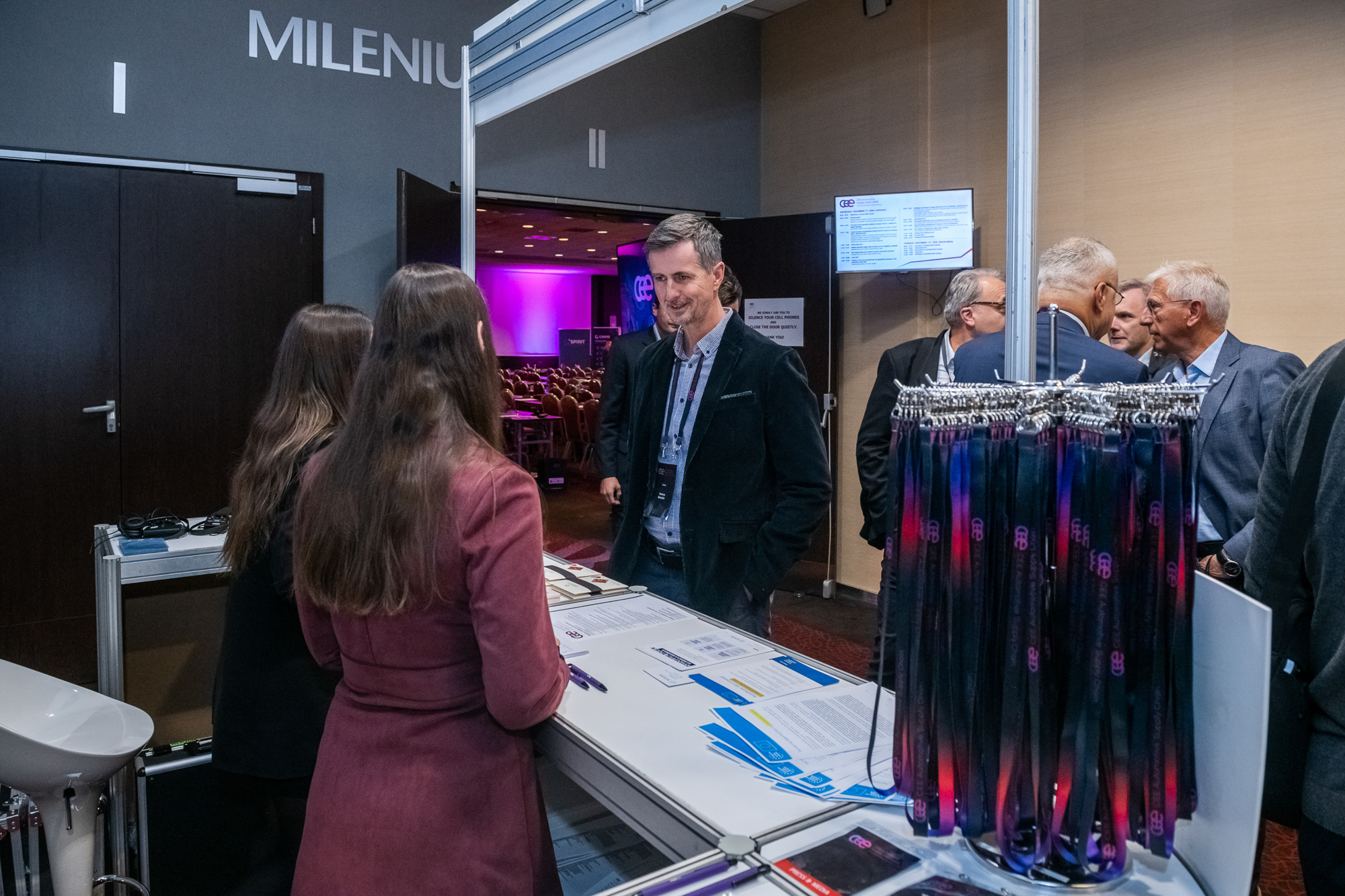
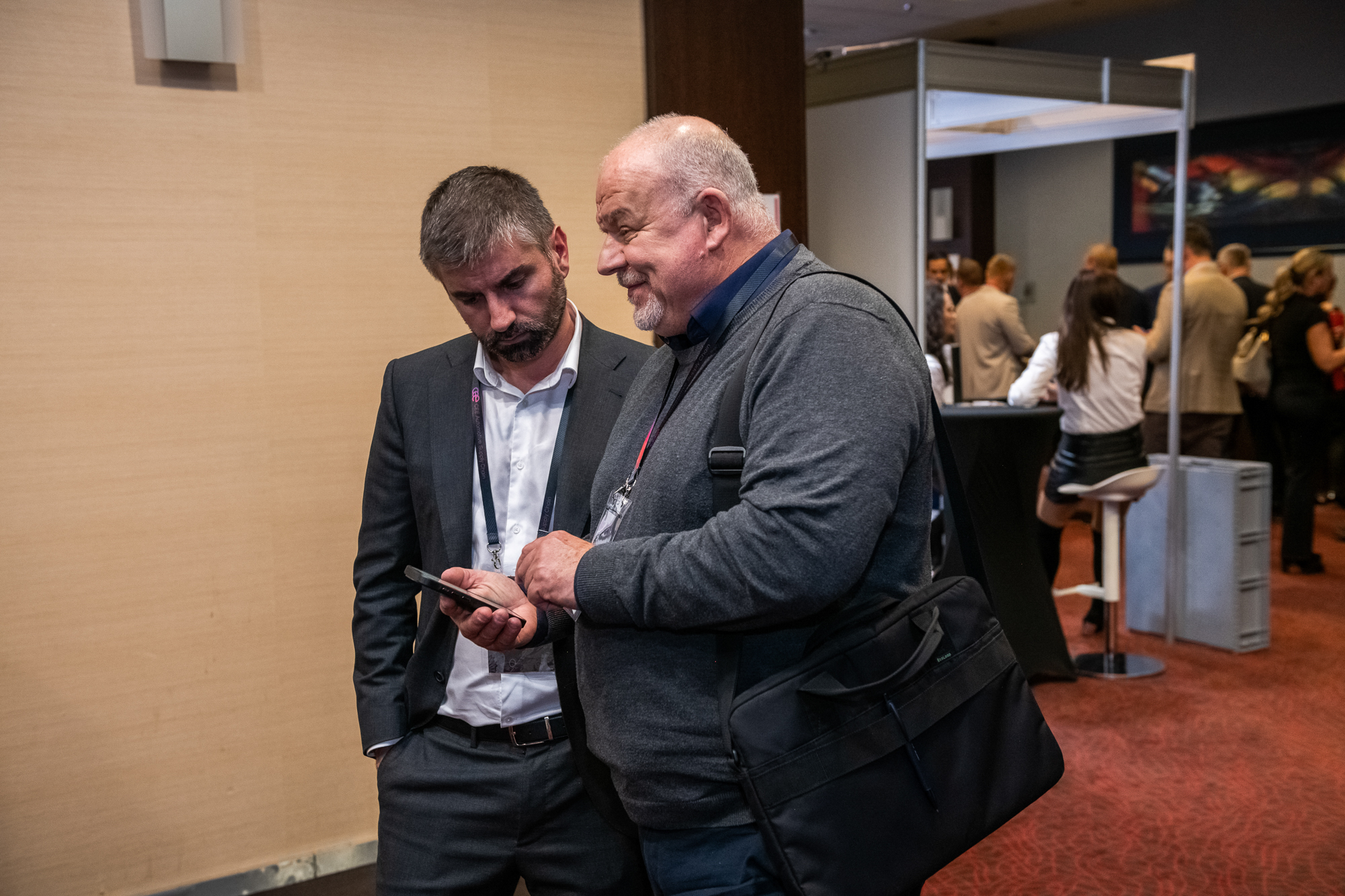
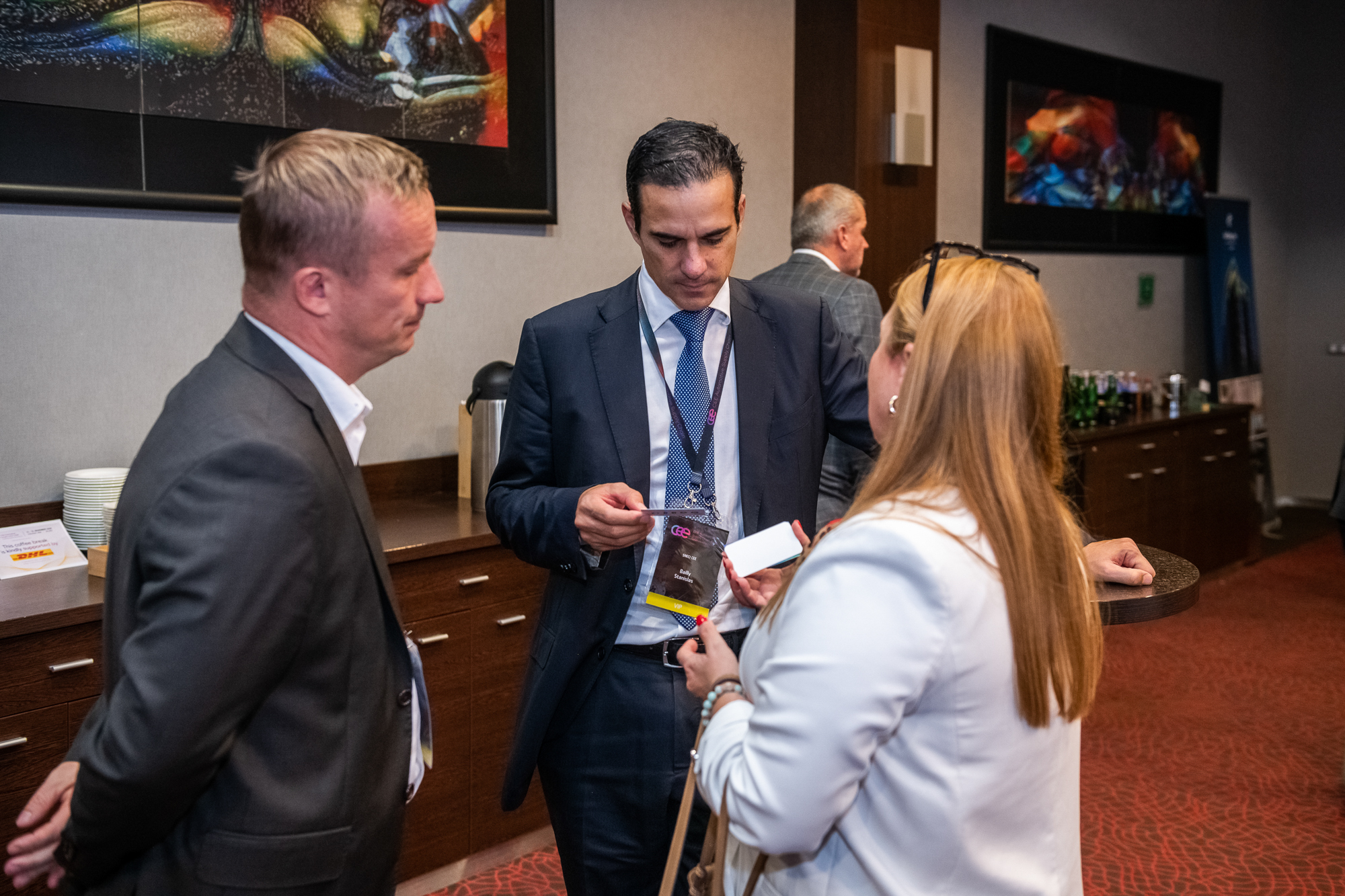
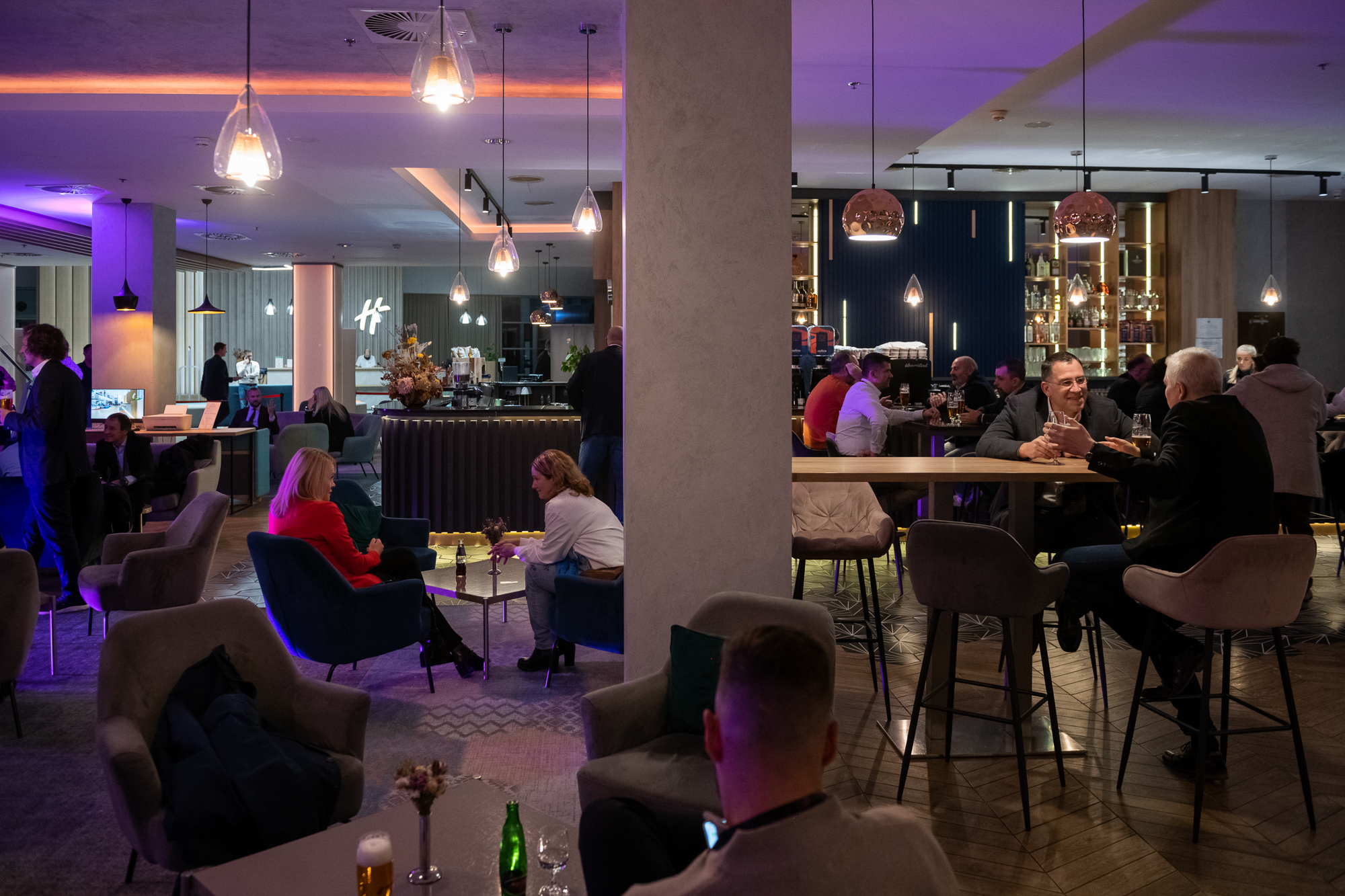
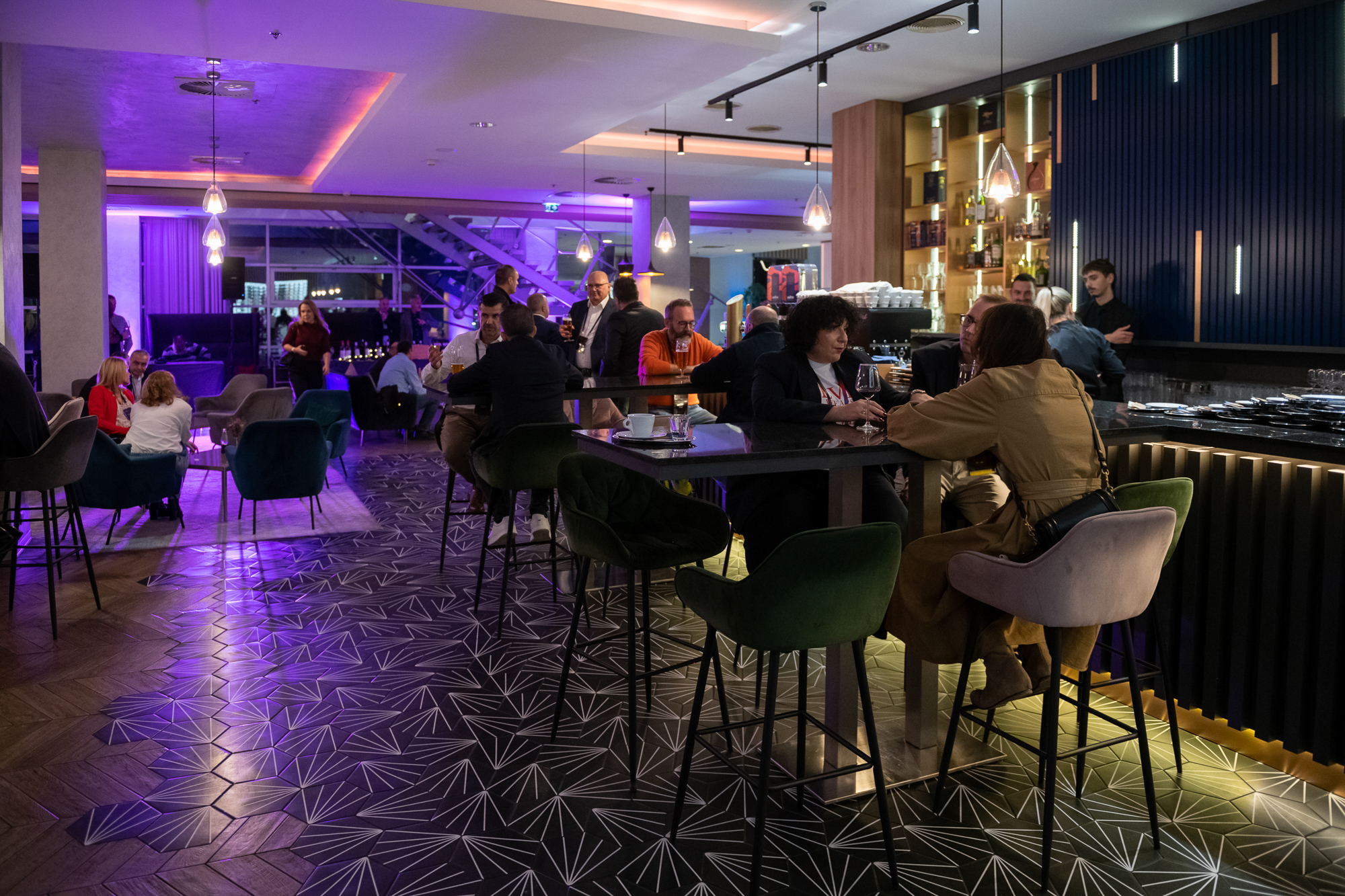
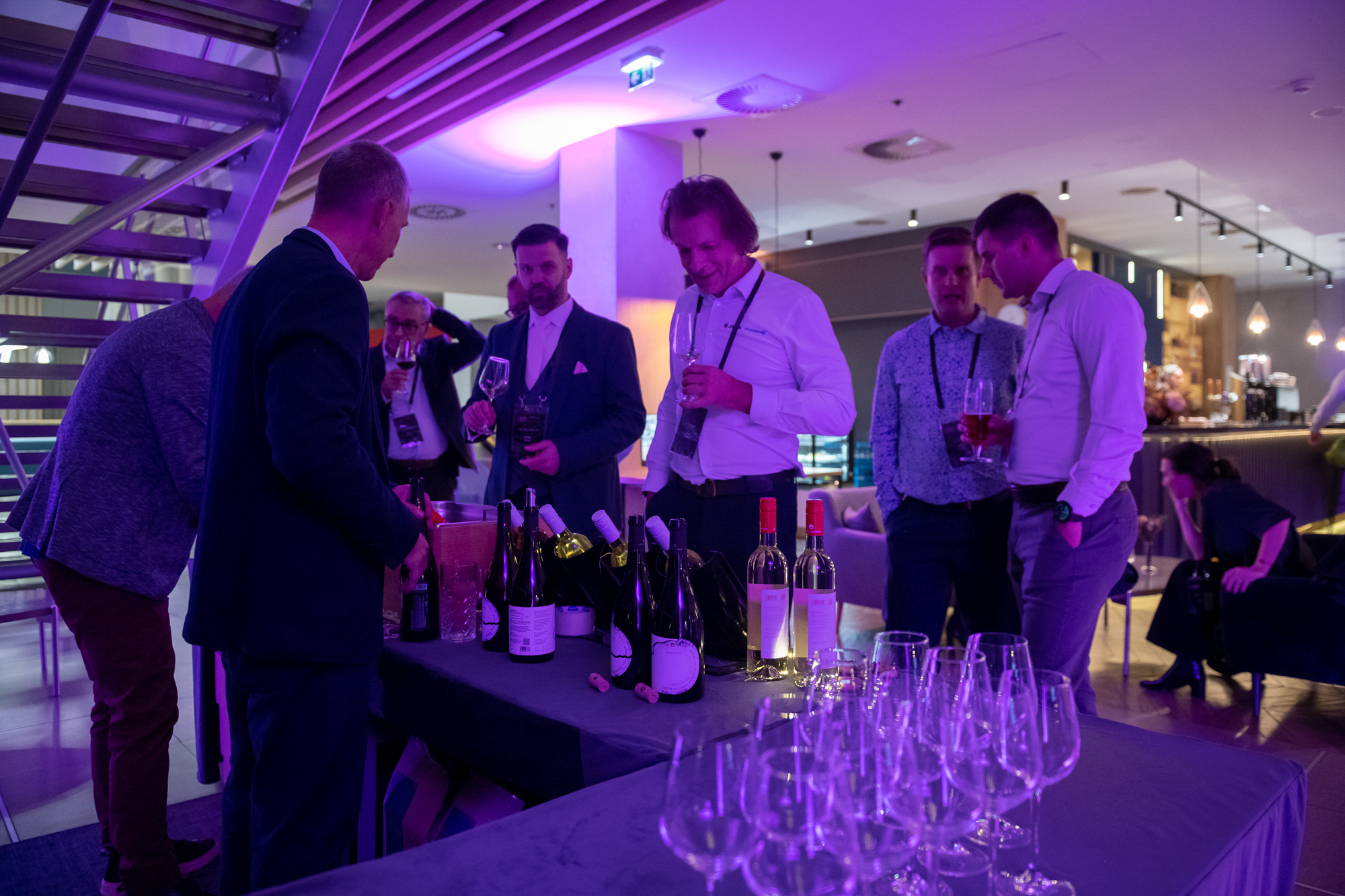
This year’s 9th edition of CEE 2026 was attended by a total of 281 guests from 14 countries. | Photo: Ján Brunčák
ZAP SR President Alexander Matušek reminded that the new models being introduced to Slovak plants provide the region with a foundation for the coming years. However, this period needs to be used to acquire other projects. “In Europe, we focus on regulations instead of support,” he noted. He pointed out the slow European decision-making and the difference between the number of measures discussed and their actual implementation in practice.
Europe needs a common direction and clear rules
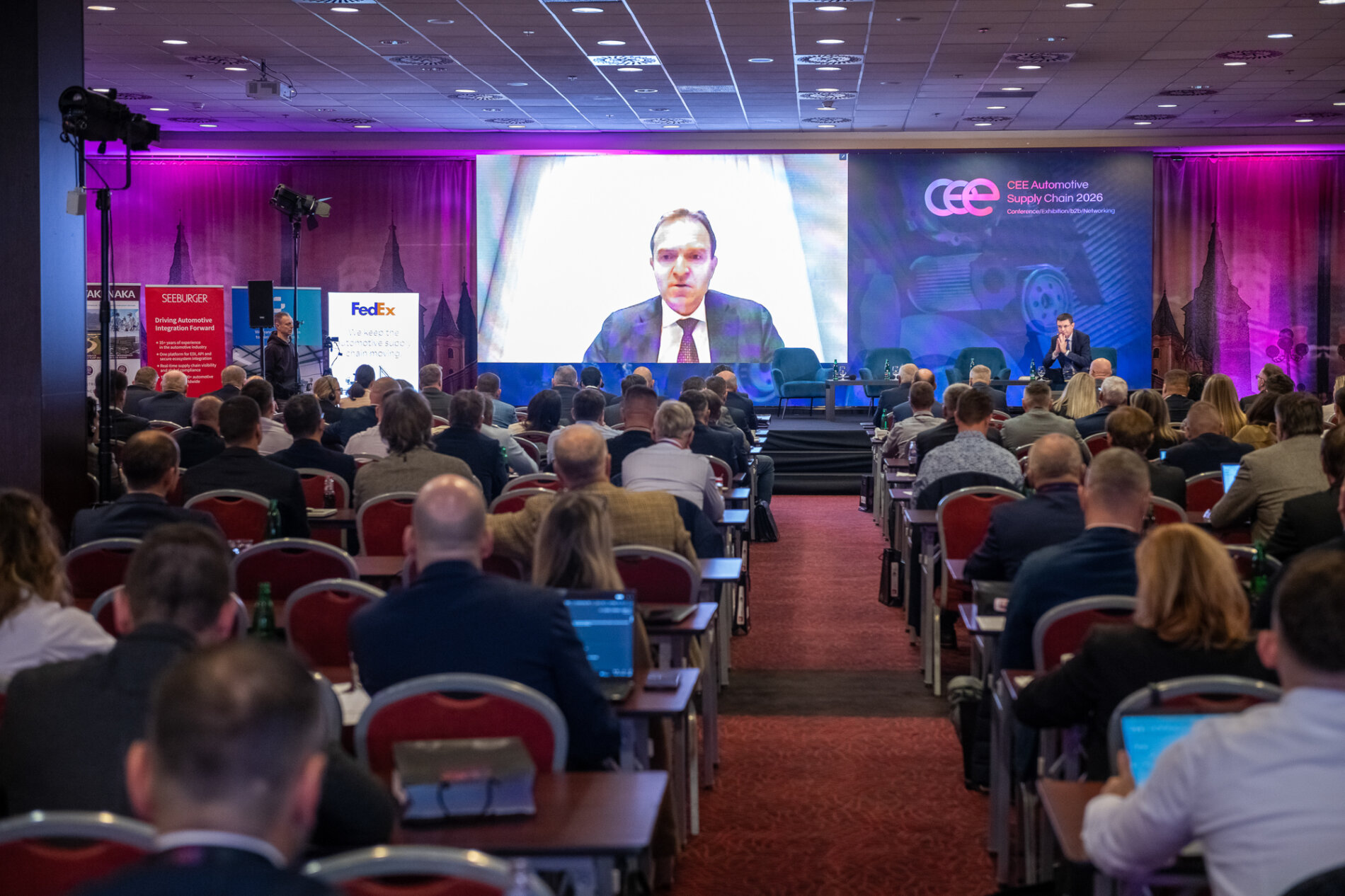
The debate on competitiveness has repeatedly returned to energy prices, complex regulation and dependence on Chinese raw materials and technologies. MEP and former Slovak Prime Minister Ľudovít Ódor pointed out in his speech that the transformation of the industry cannot be narrowed down to a single emission target. In addition to the green transformation, it is also determined by trade conflicts, growing Chinese competition, the vulnerability of supply chains and the shift of part of the vehicle’s value to software.
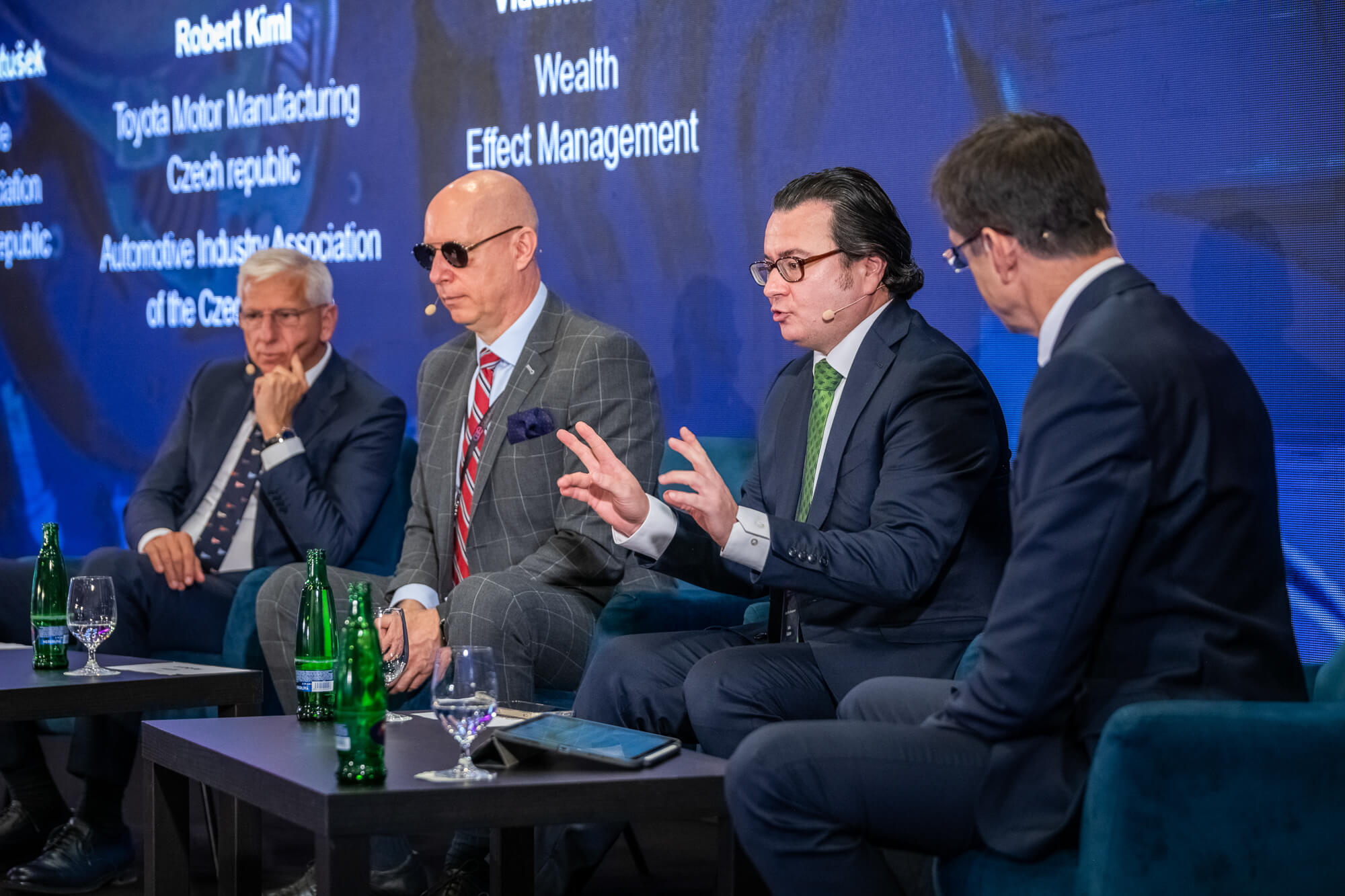
In the subsequent panel, Kiml emphasized that European companies have capable people and competitive technologies. However, they need a stable environment and fair market conditions. “What we need help with is to have clear rules of the game and for those rules of the game to be respected in our market,” he summed up his request. He also considers it essential to maintain multiple technological paths to reduce emissions and offer vehicles that meet the different needs of customers.
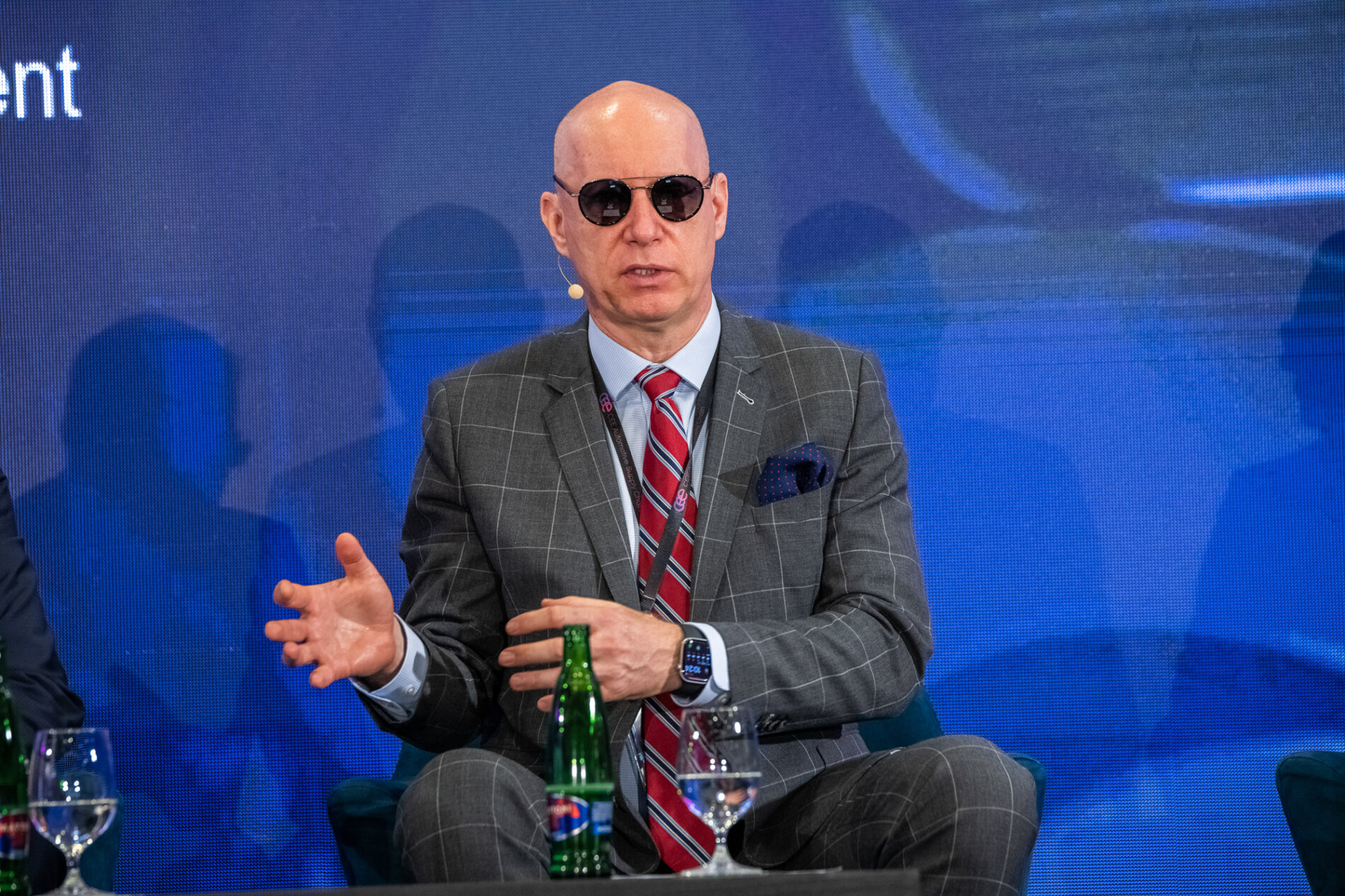
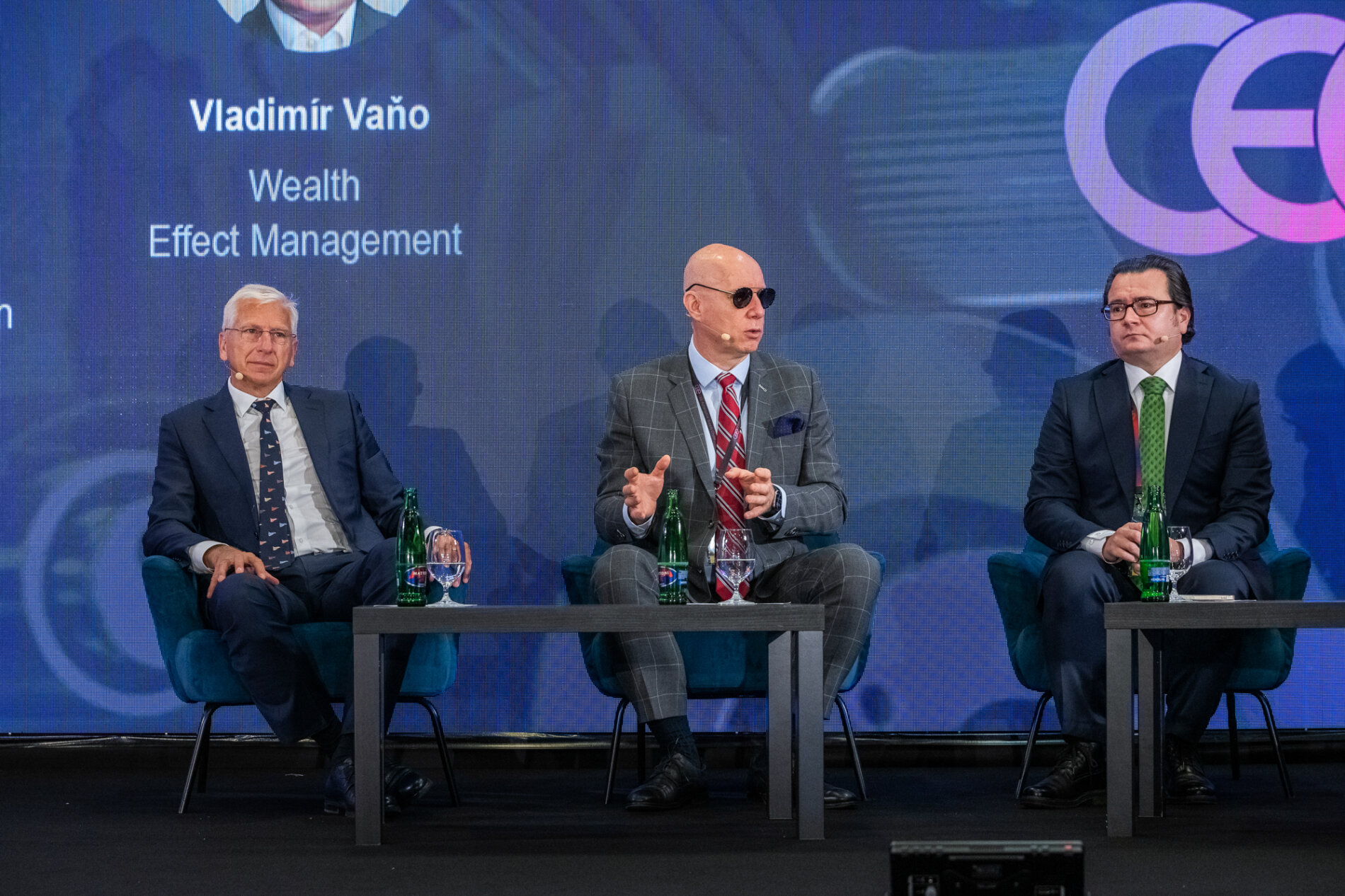
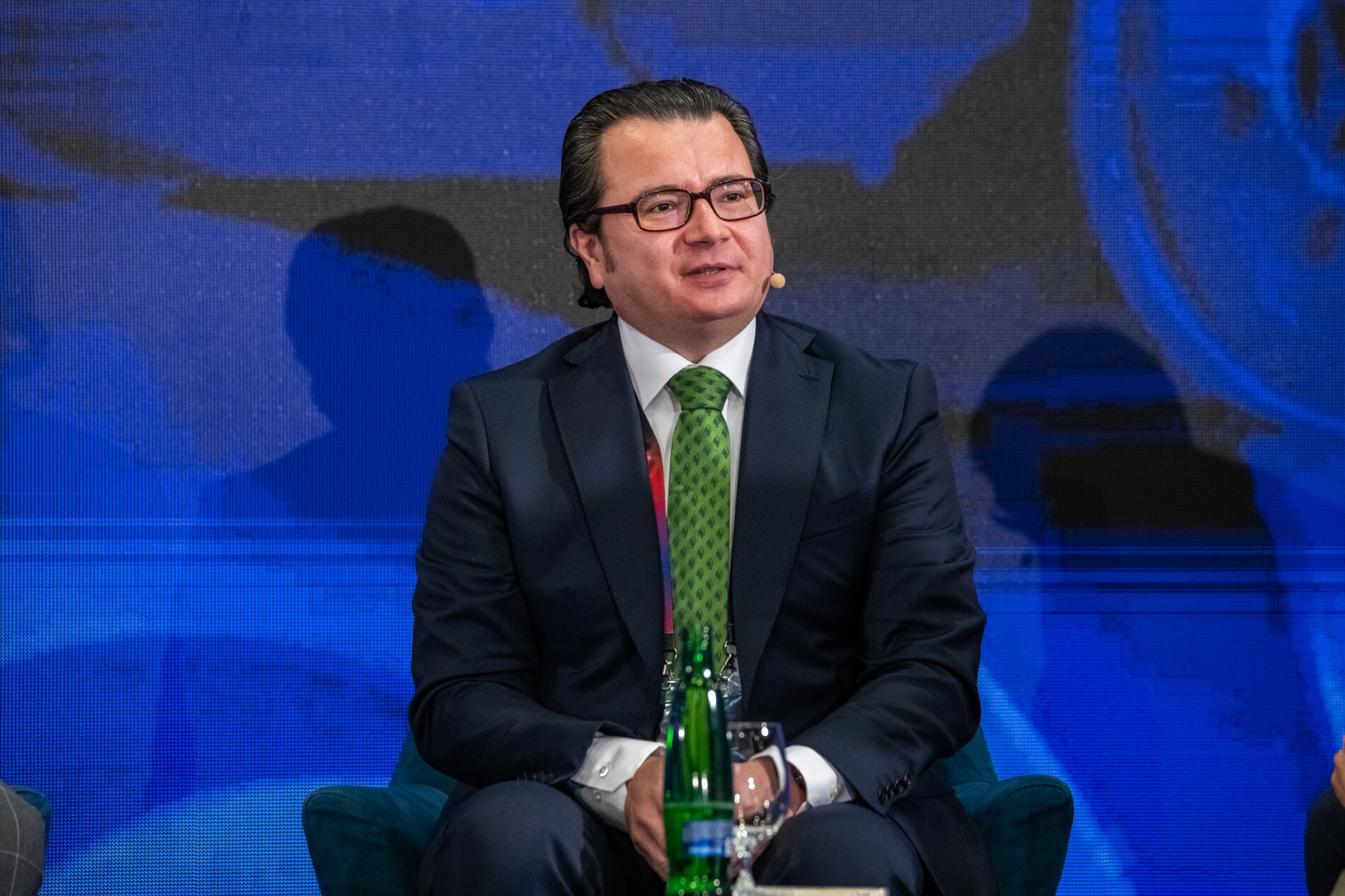
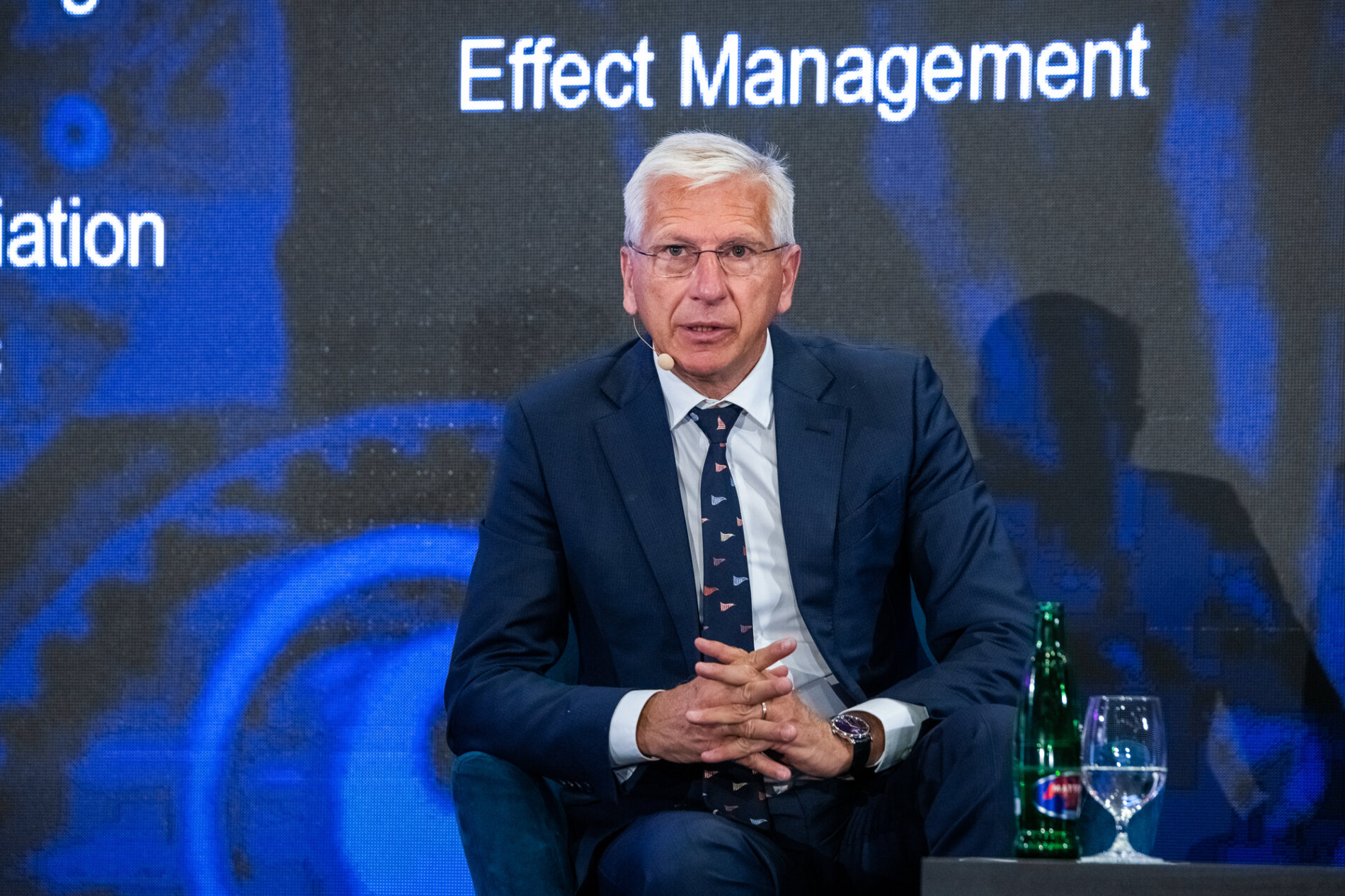
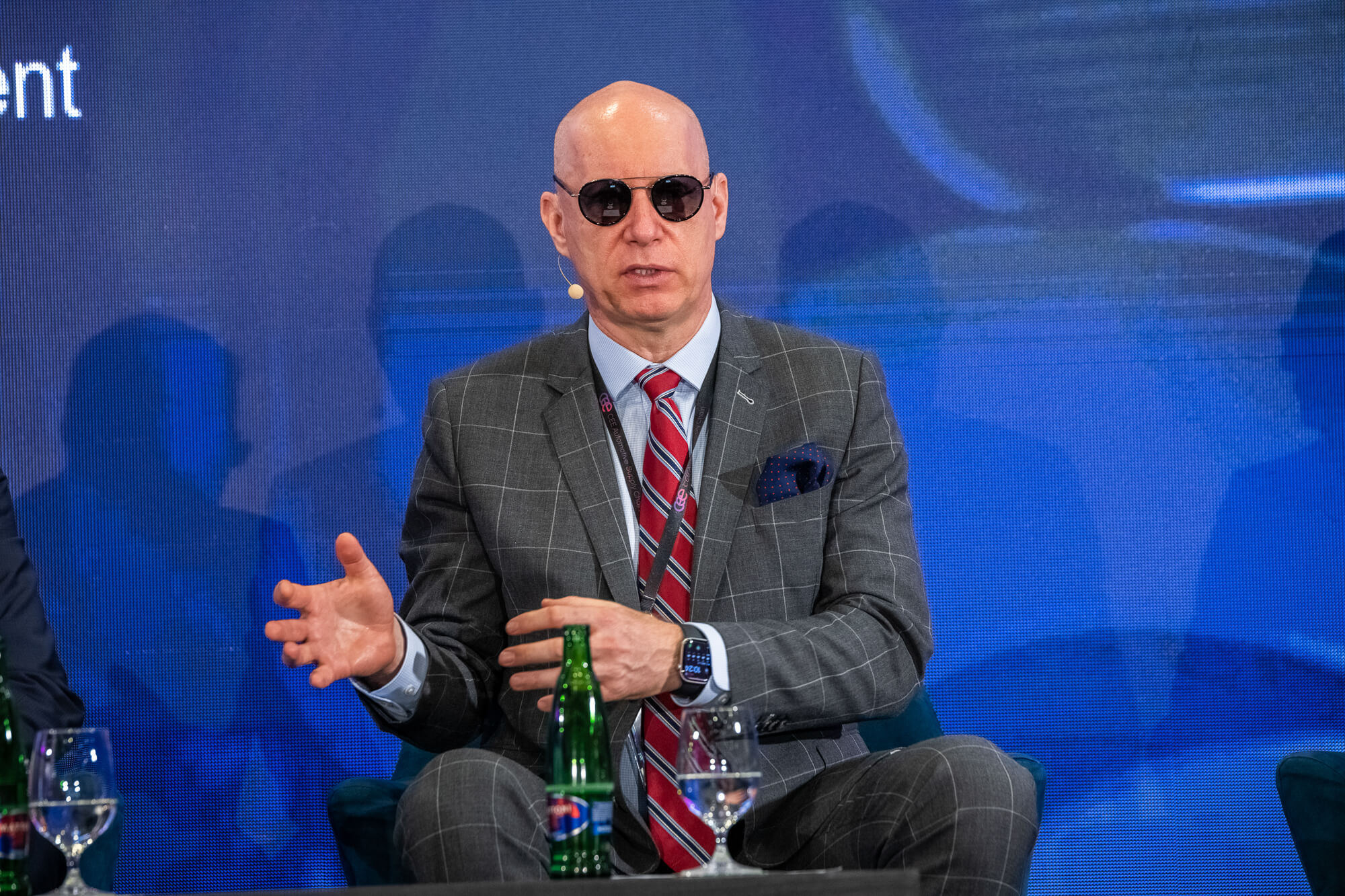
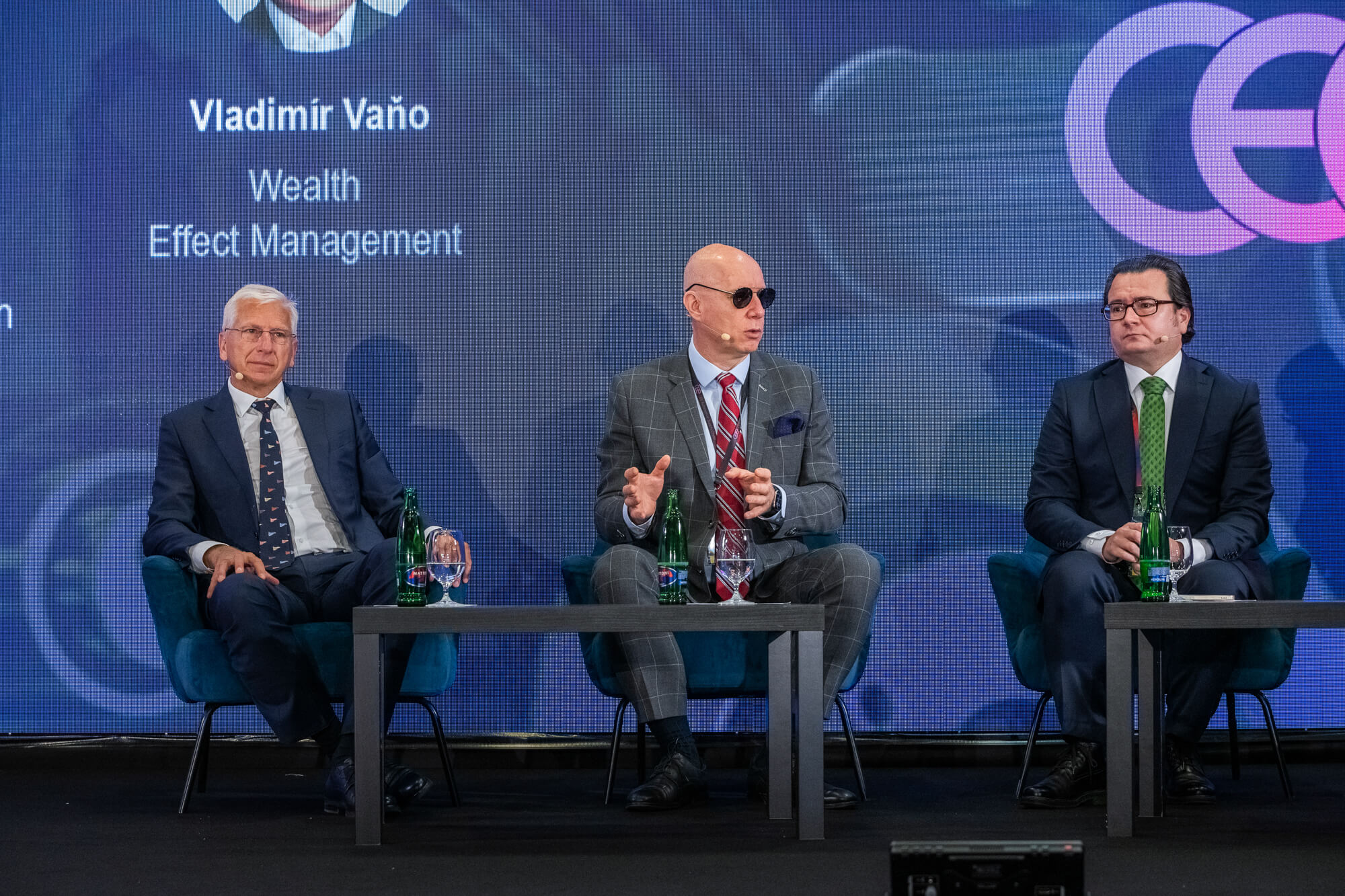
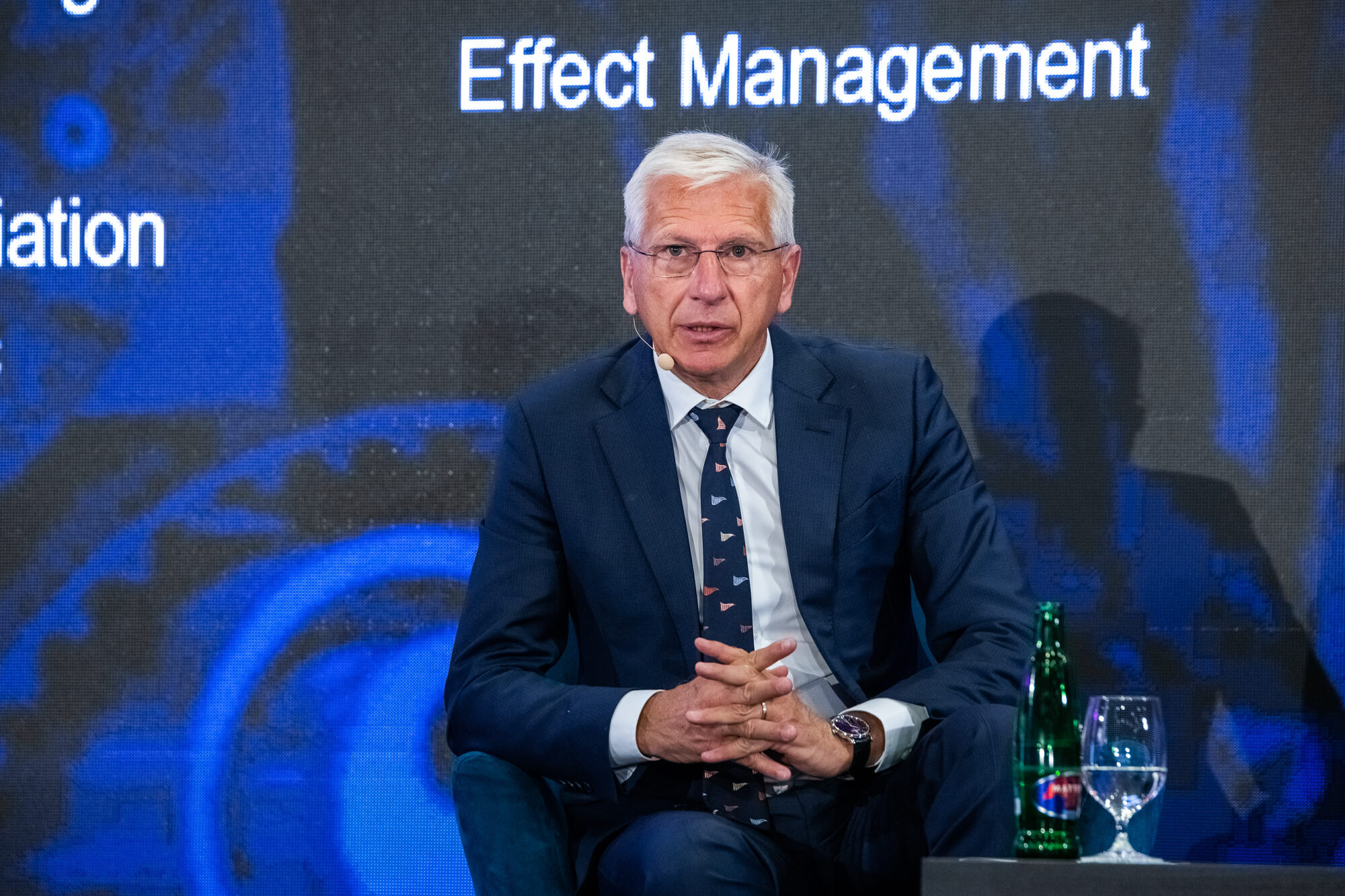
Wealth Effect Management’s chief economist Vladimír Vaňo added six areas in which Europe must strengthen: costs, speed, software, batteries, semiconductors and capacity utilization. He recalled the story of the Red Queen from Alice in Wonderland, in which running alone is not enough to move forward. Similarly, continuous improvement by companies may not be enough if the competition is advancing faster. The answer should also be a long-term industrial policy that creates the conditions for private investment.
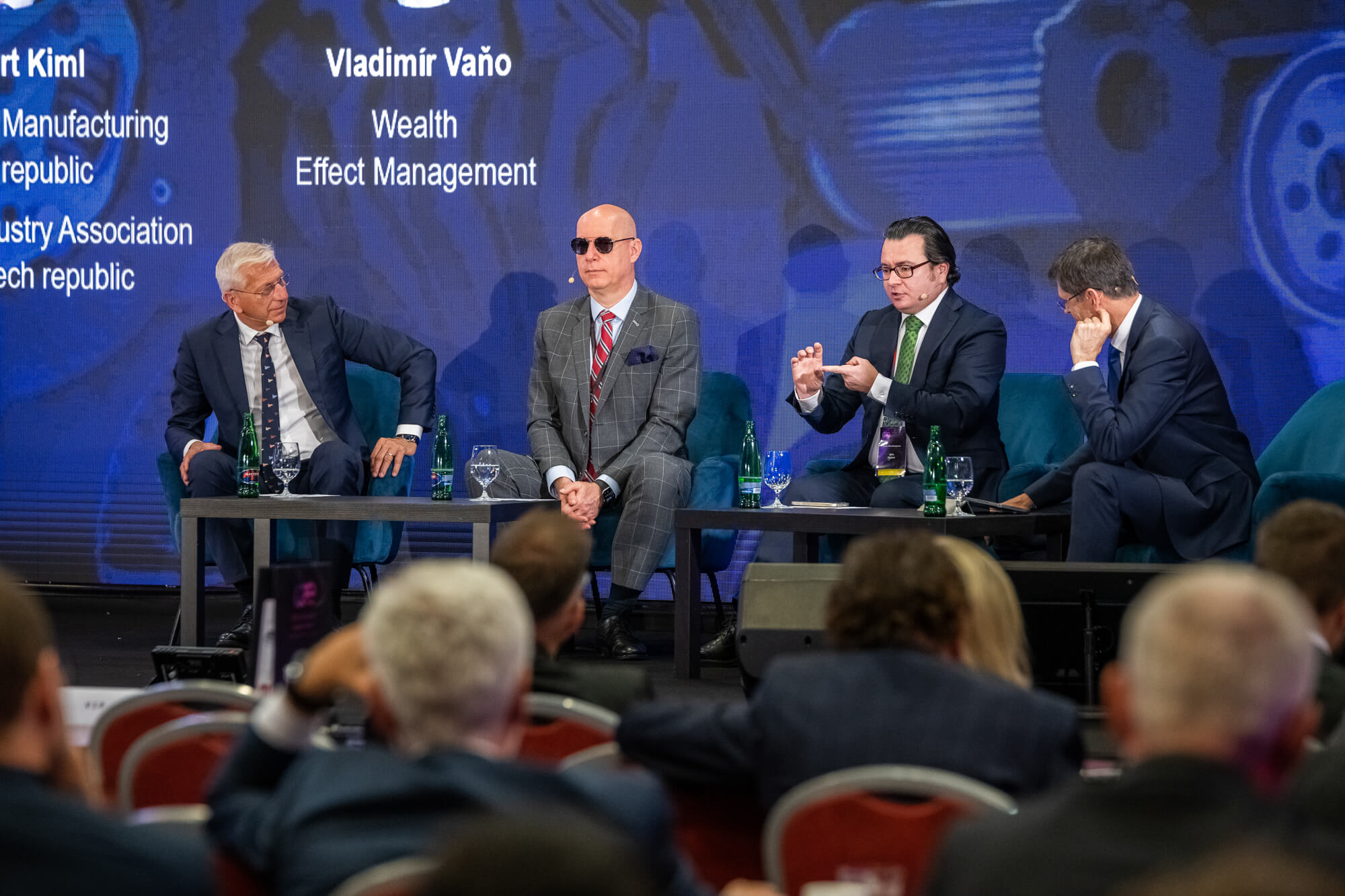
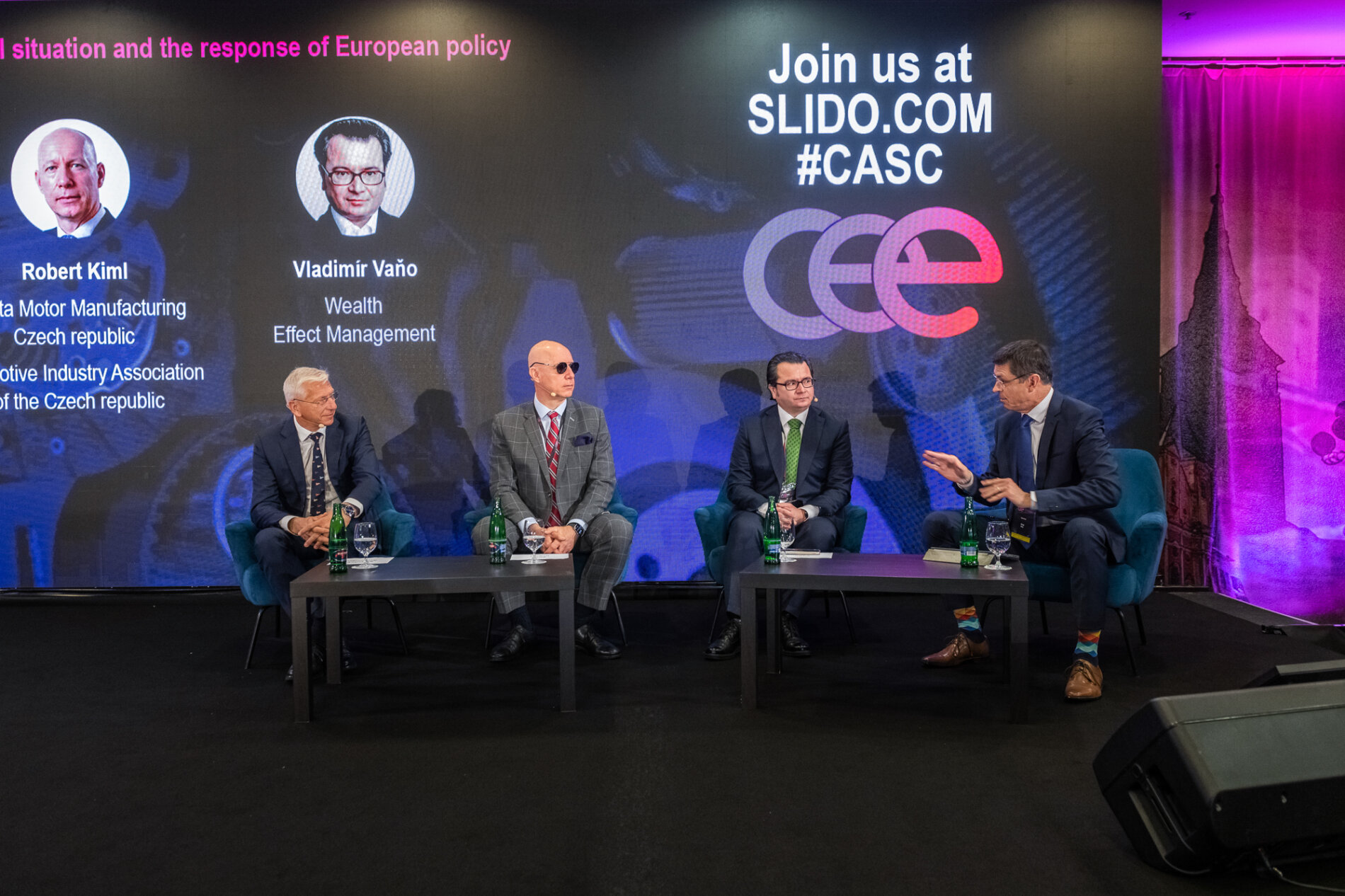
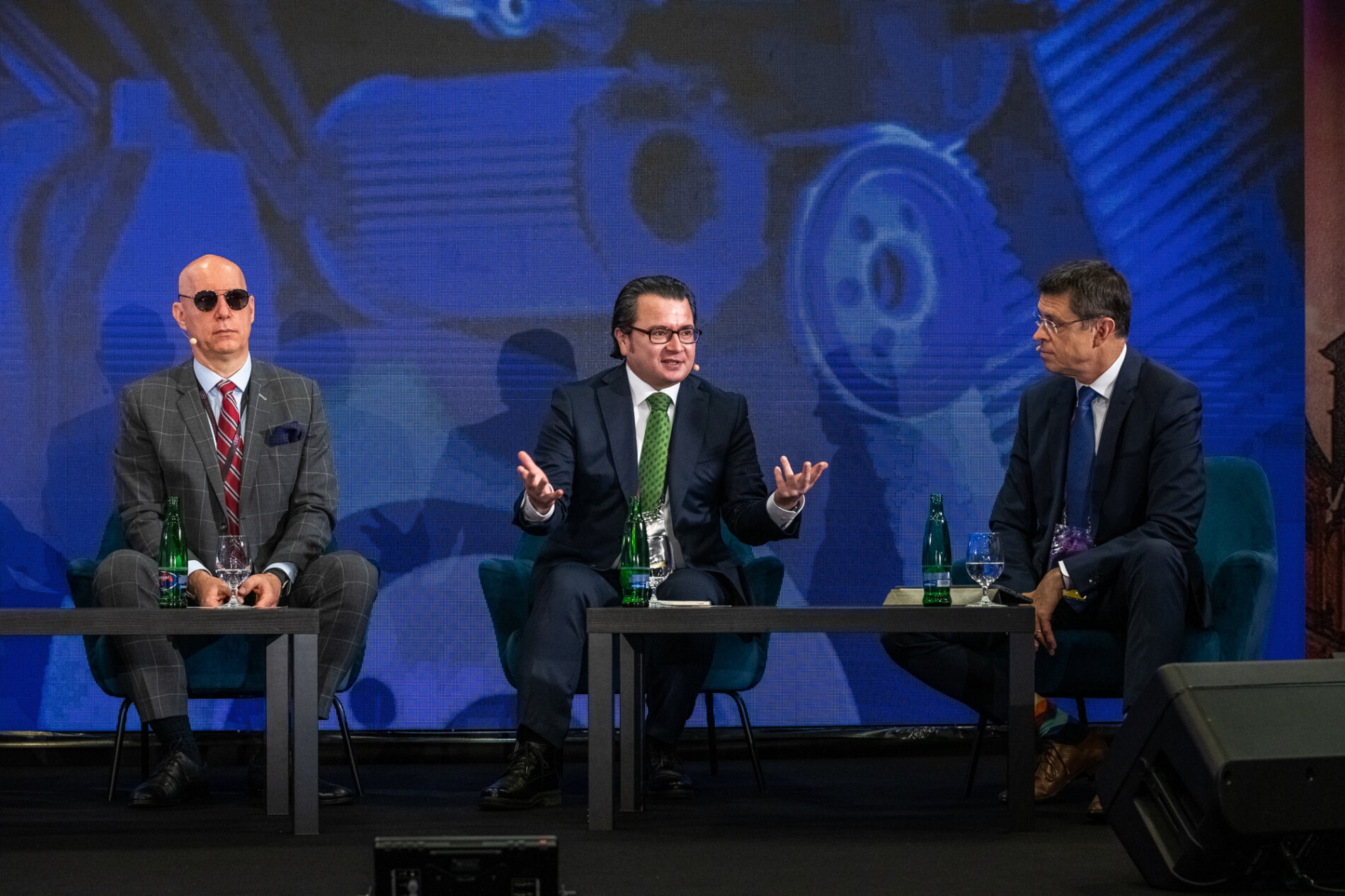
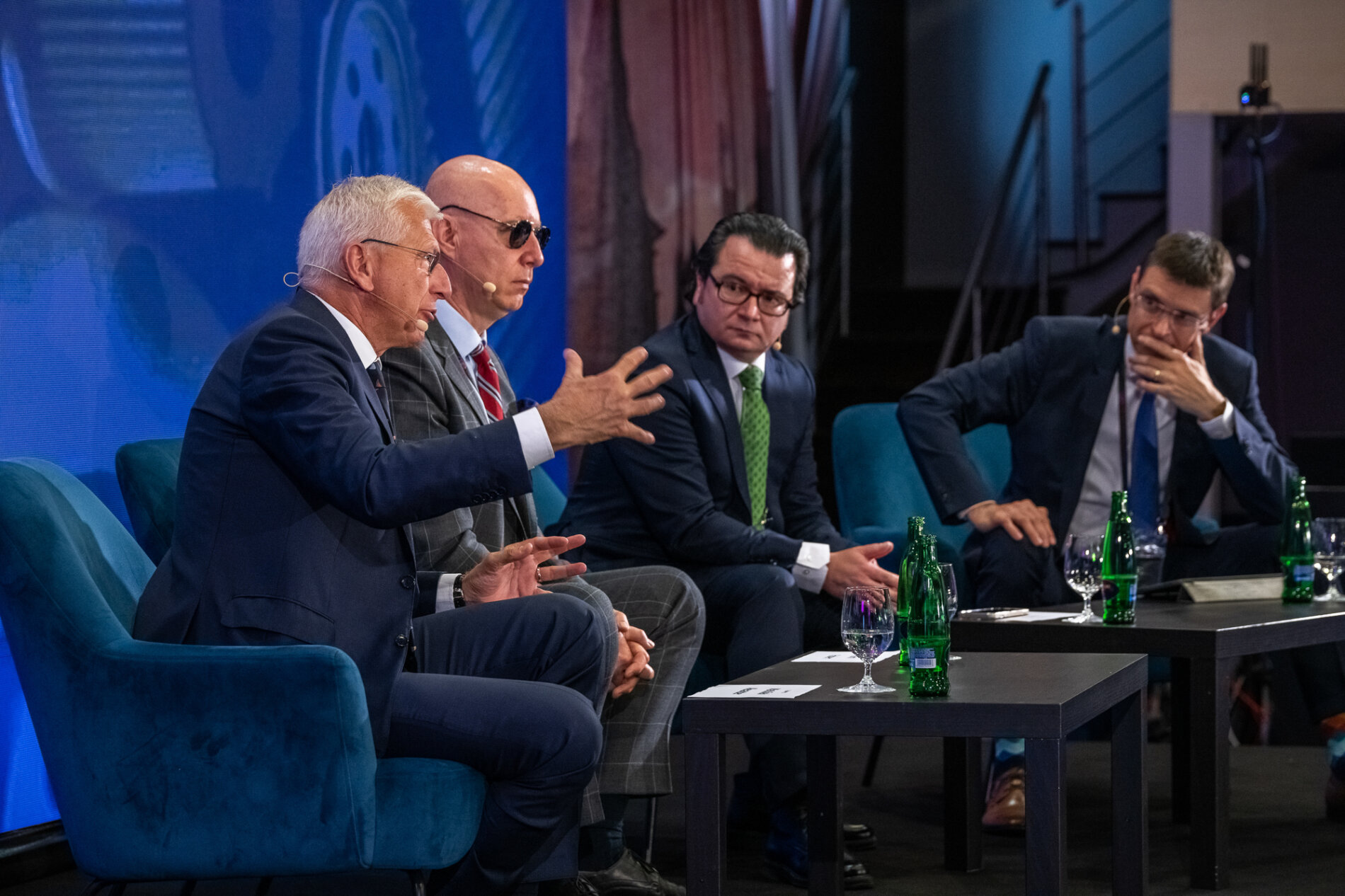
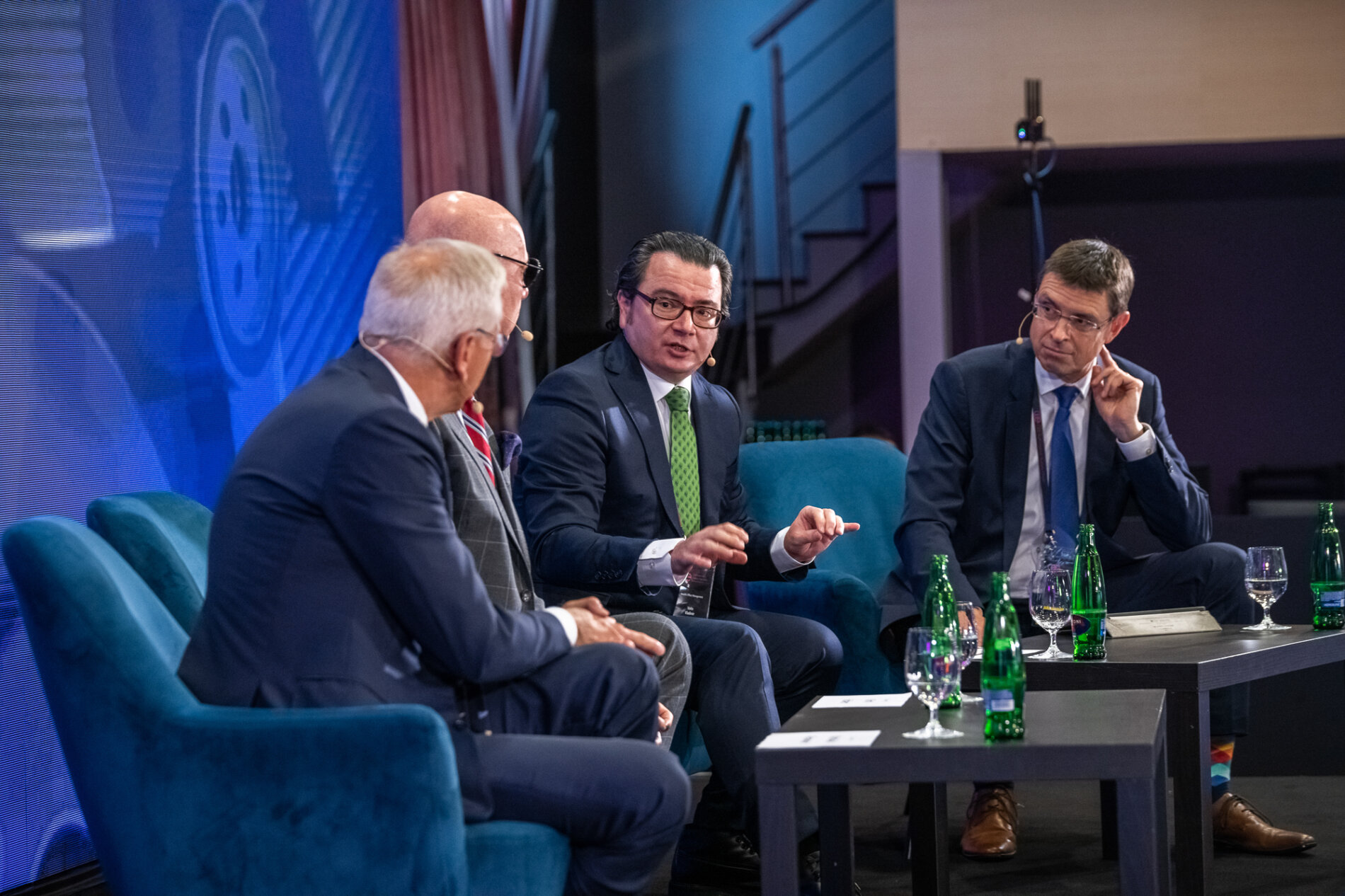
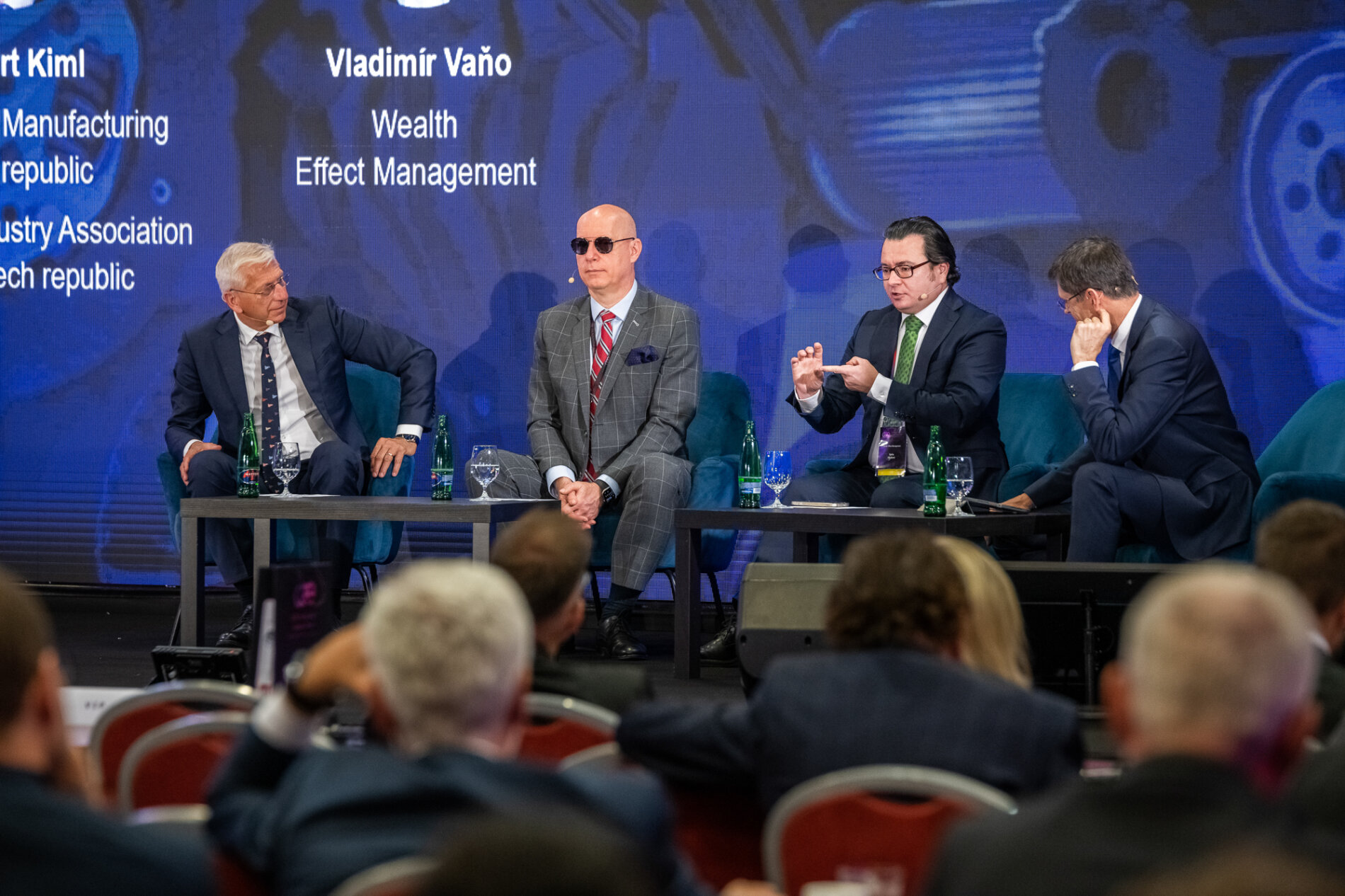
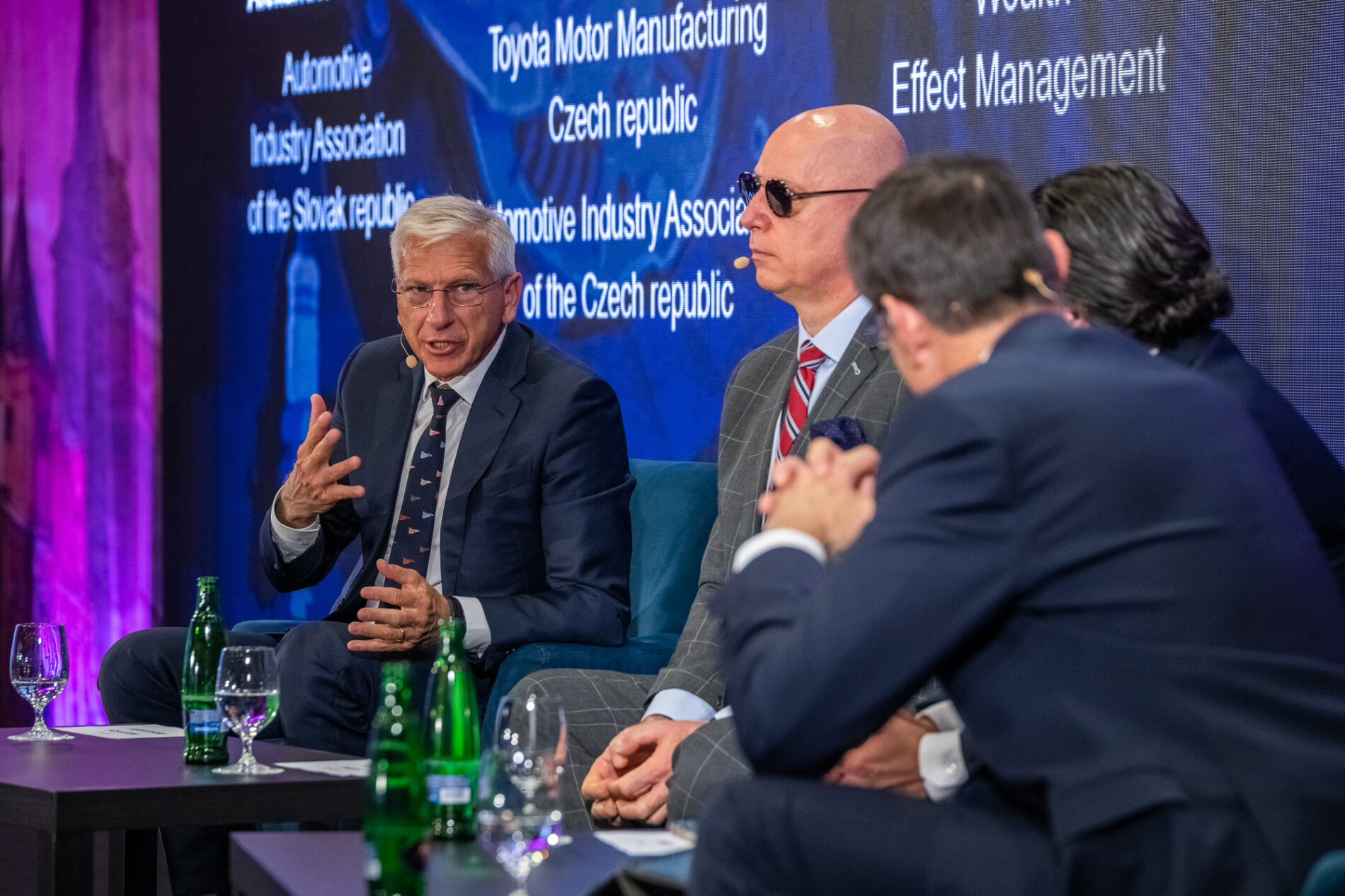
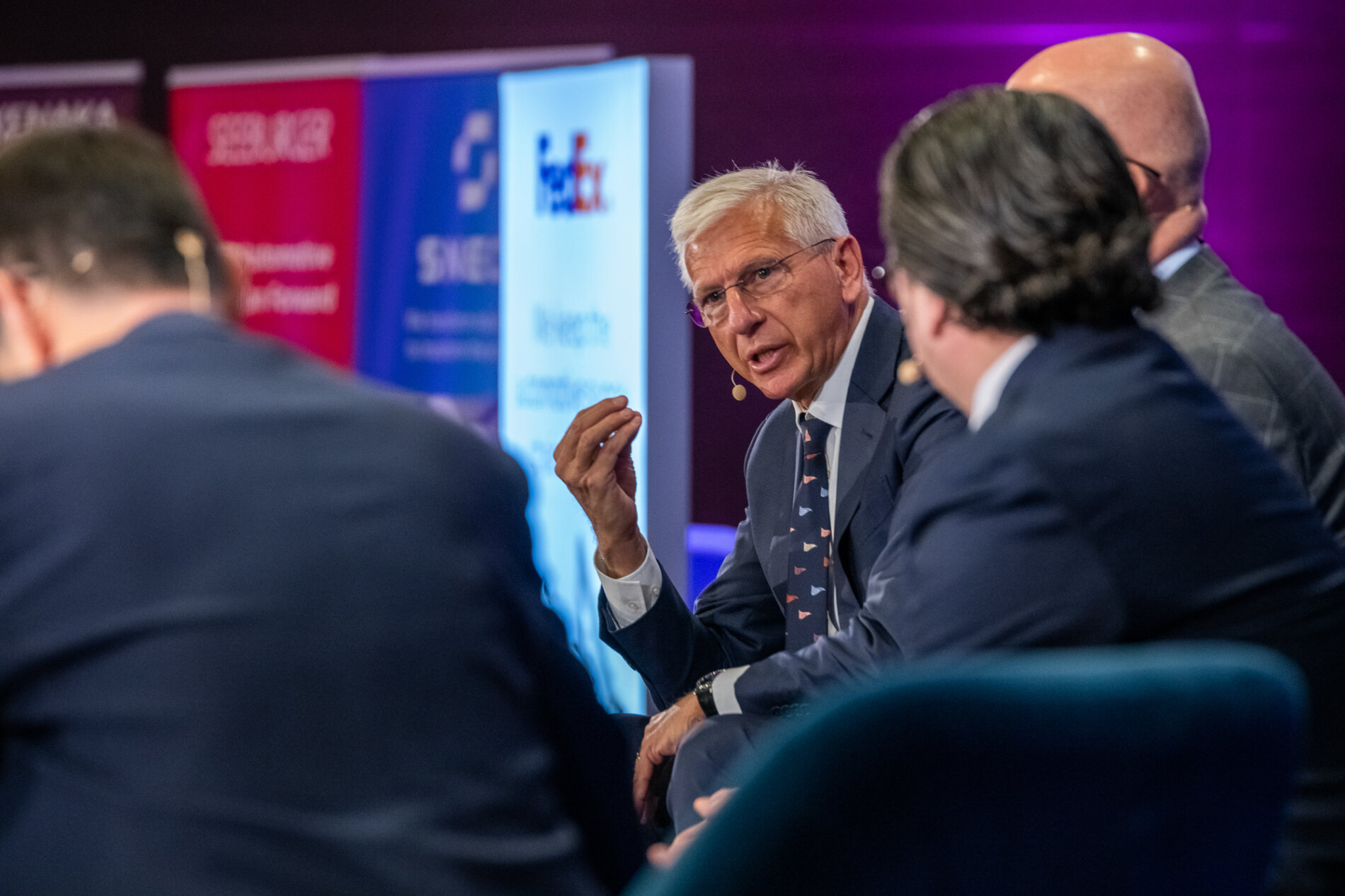
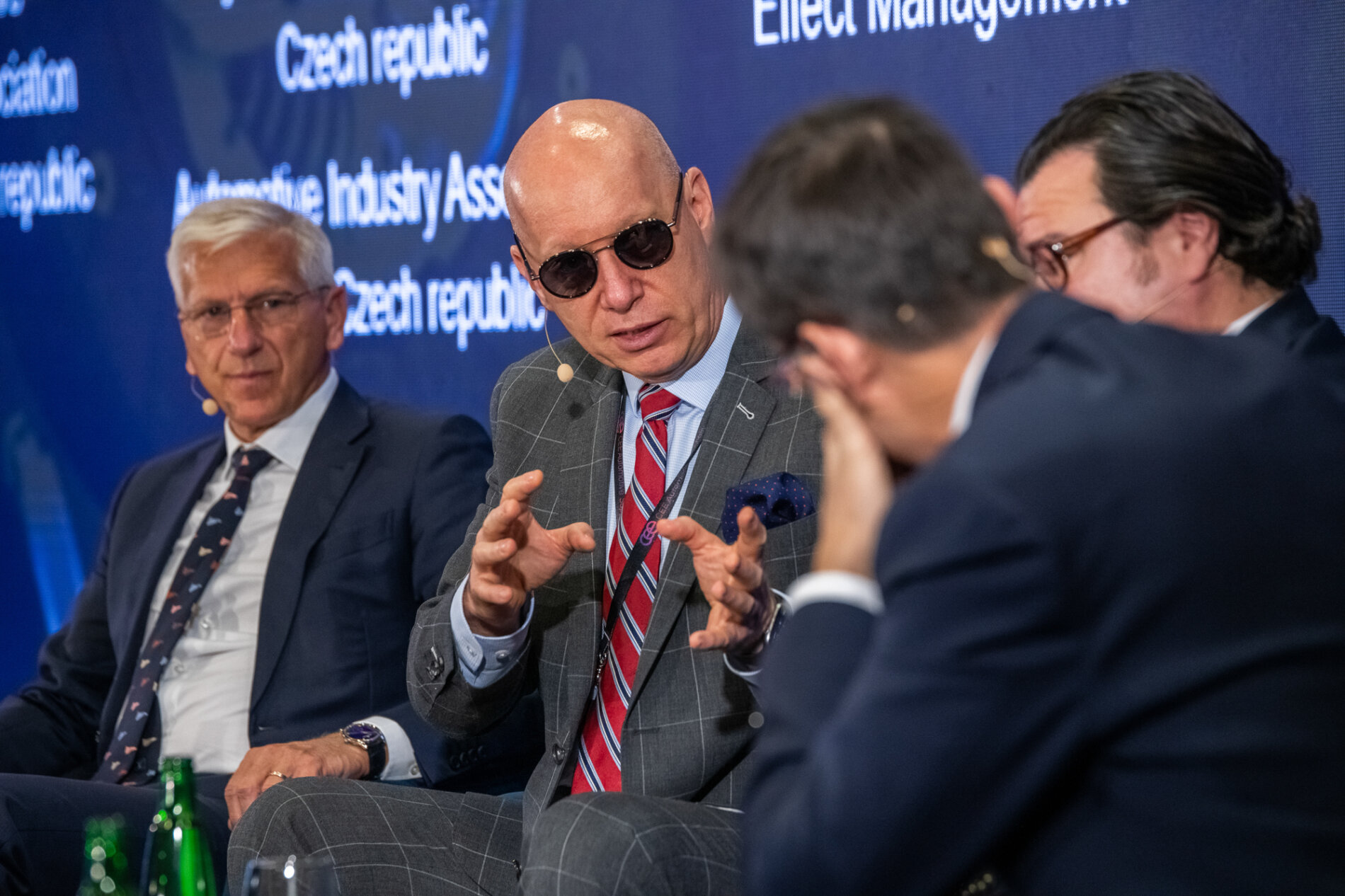
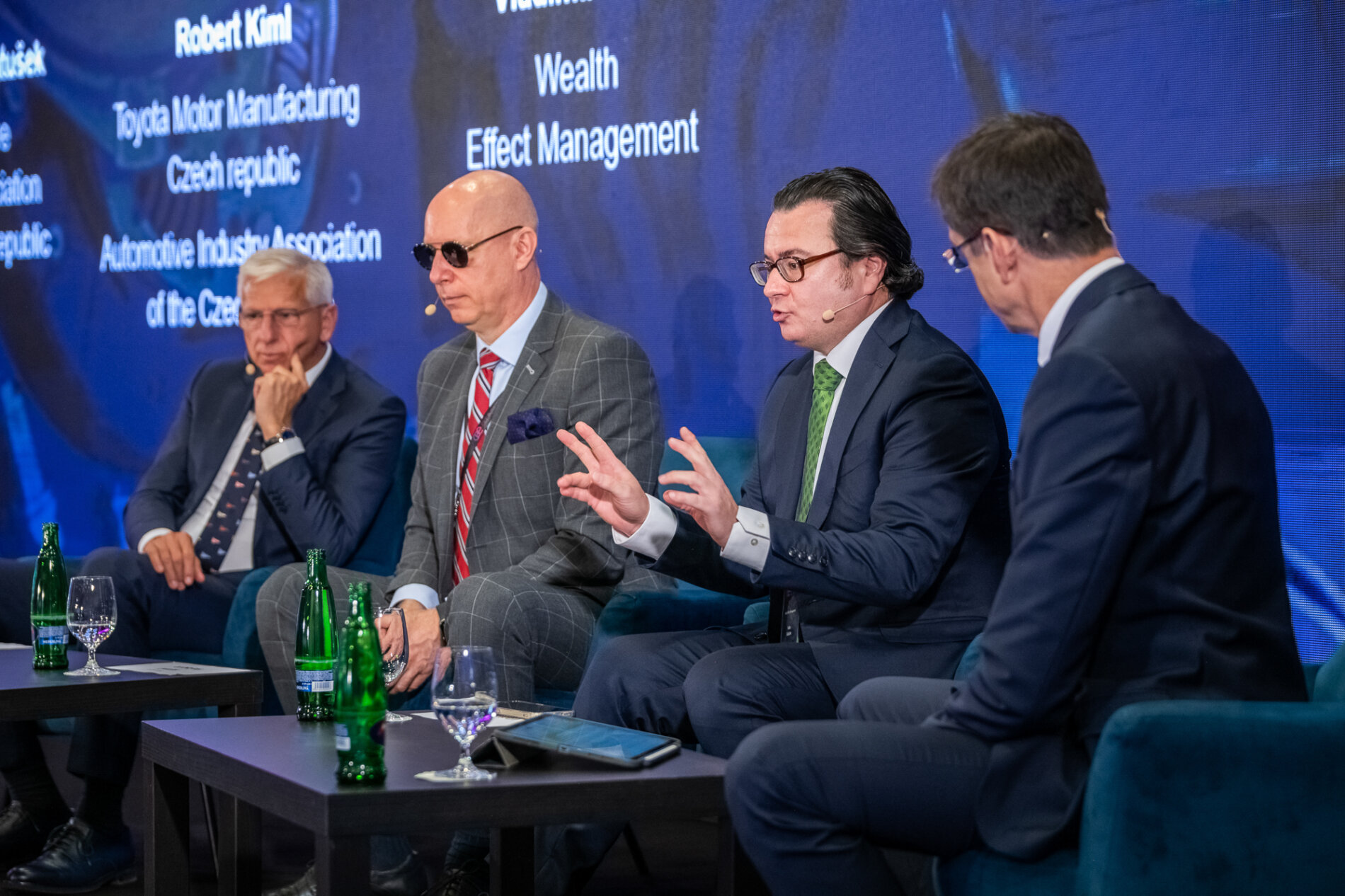
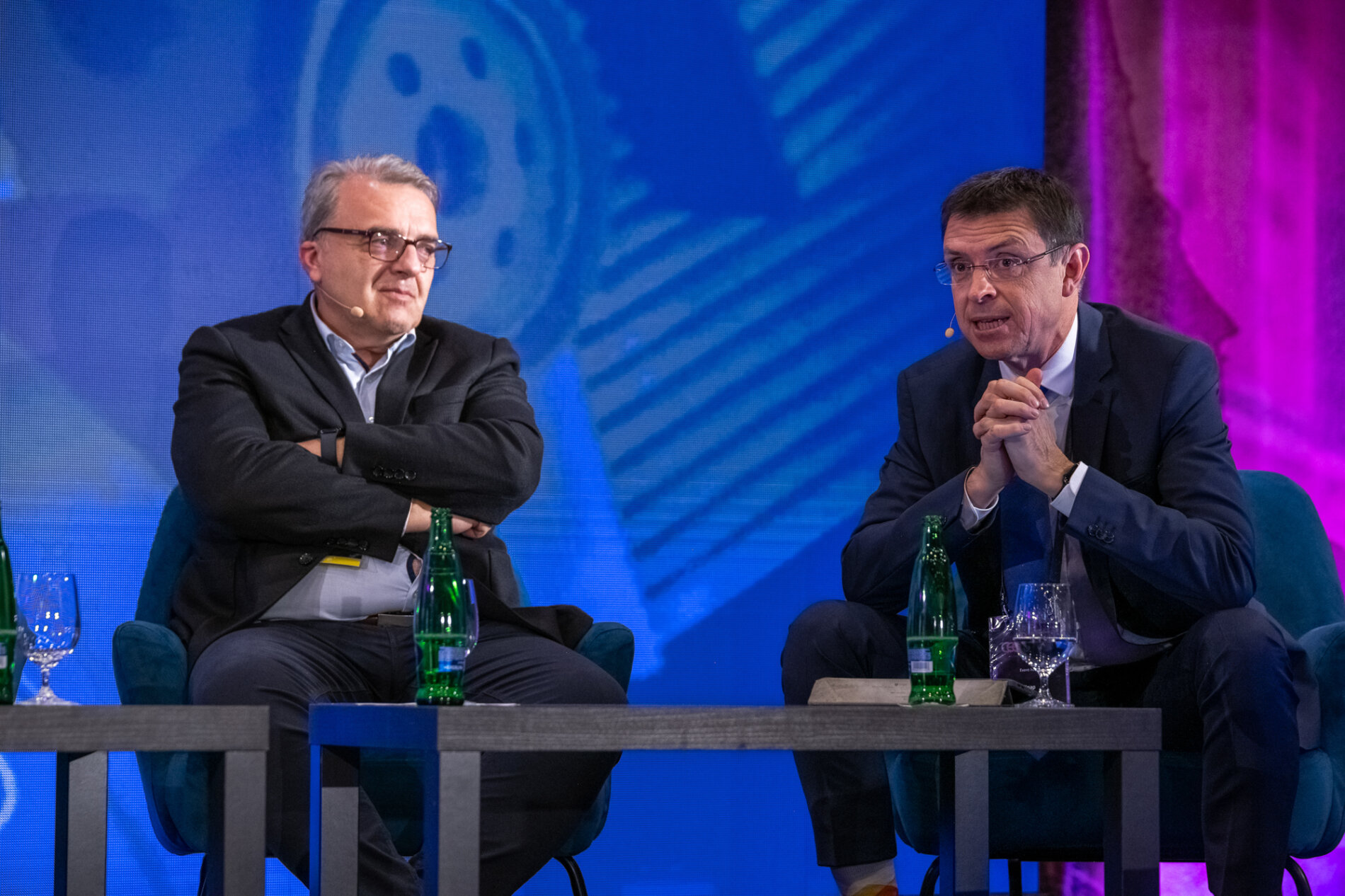
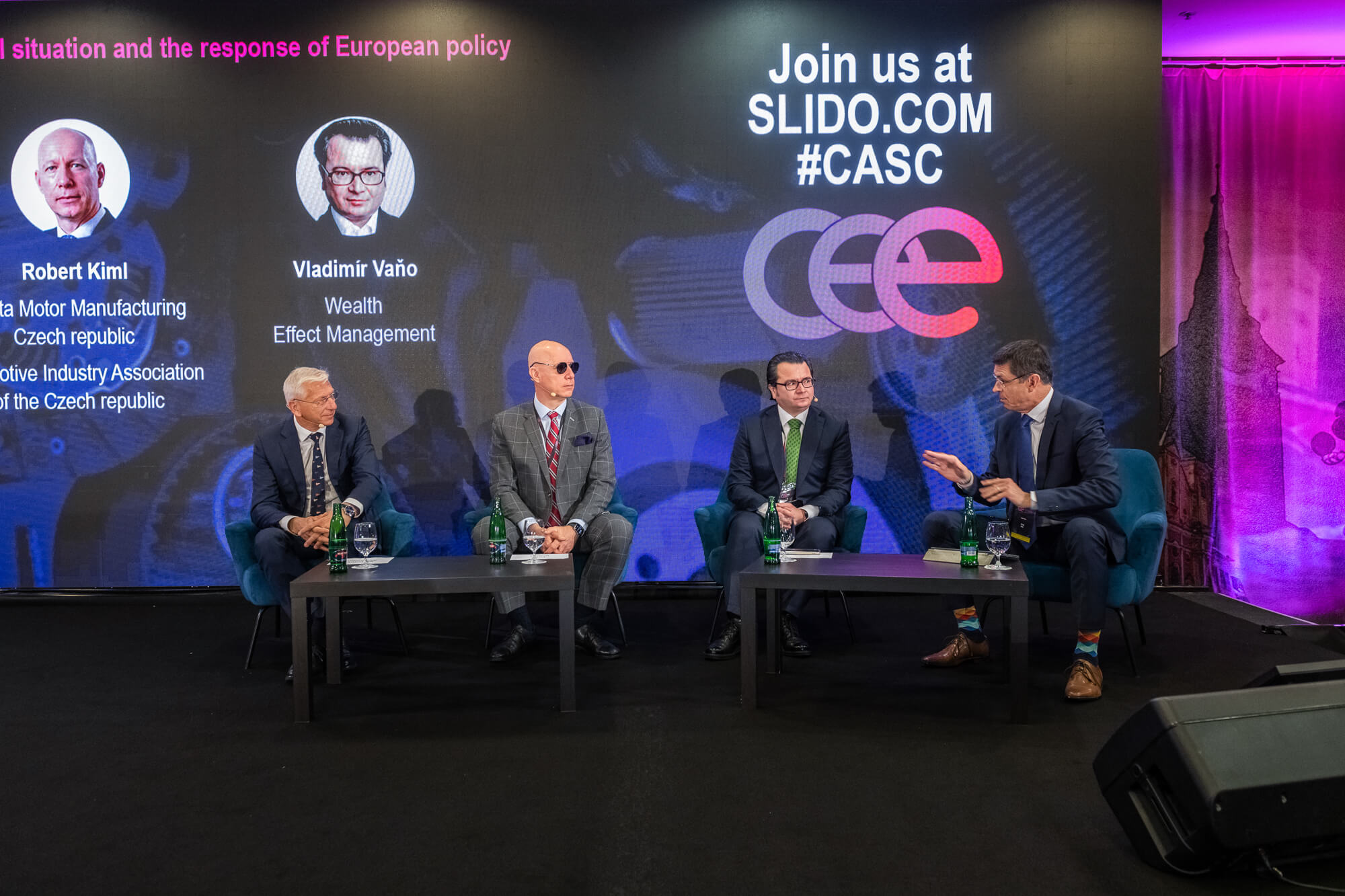
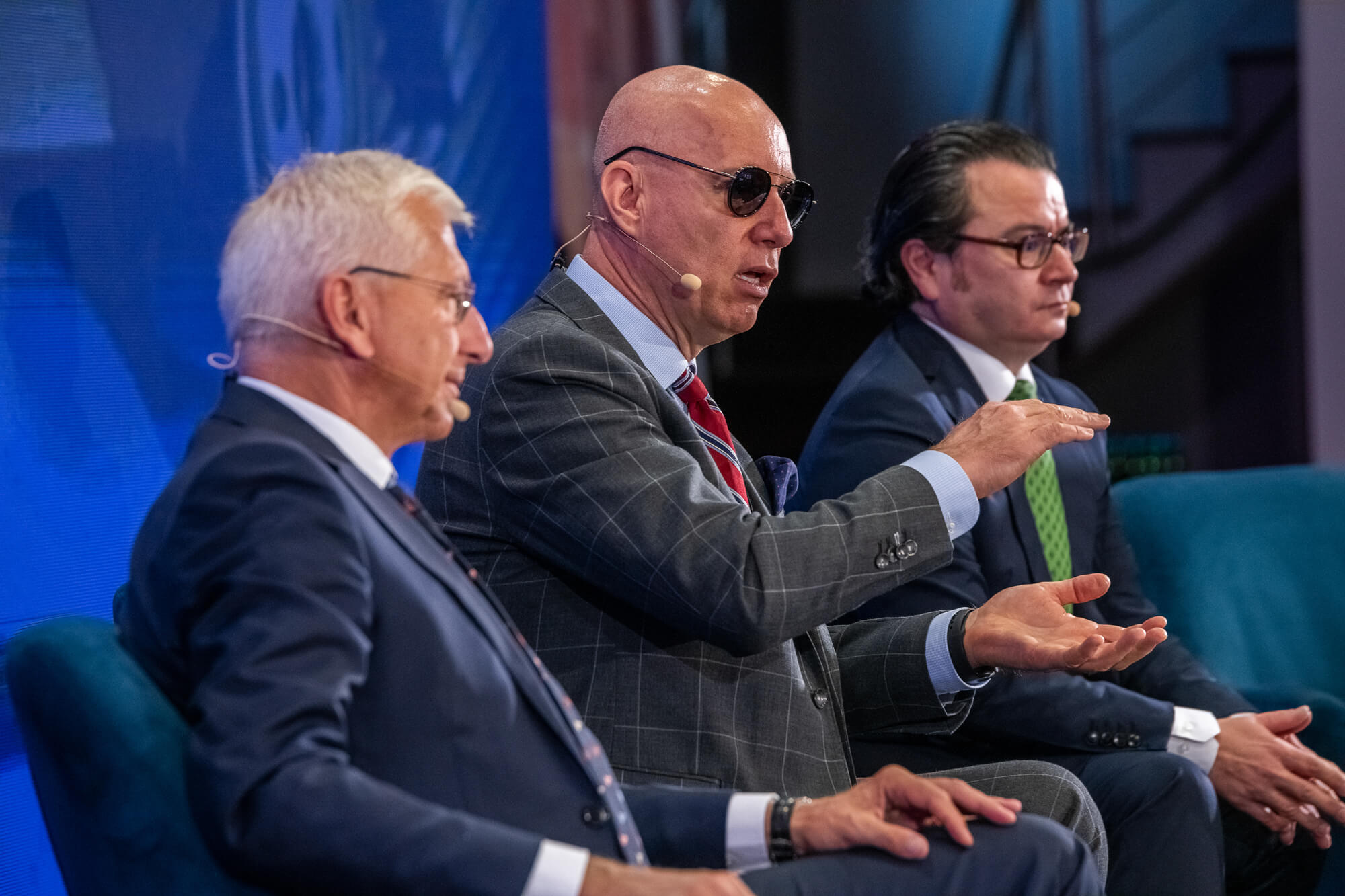
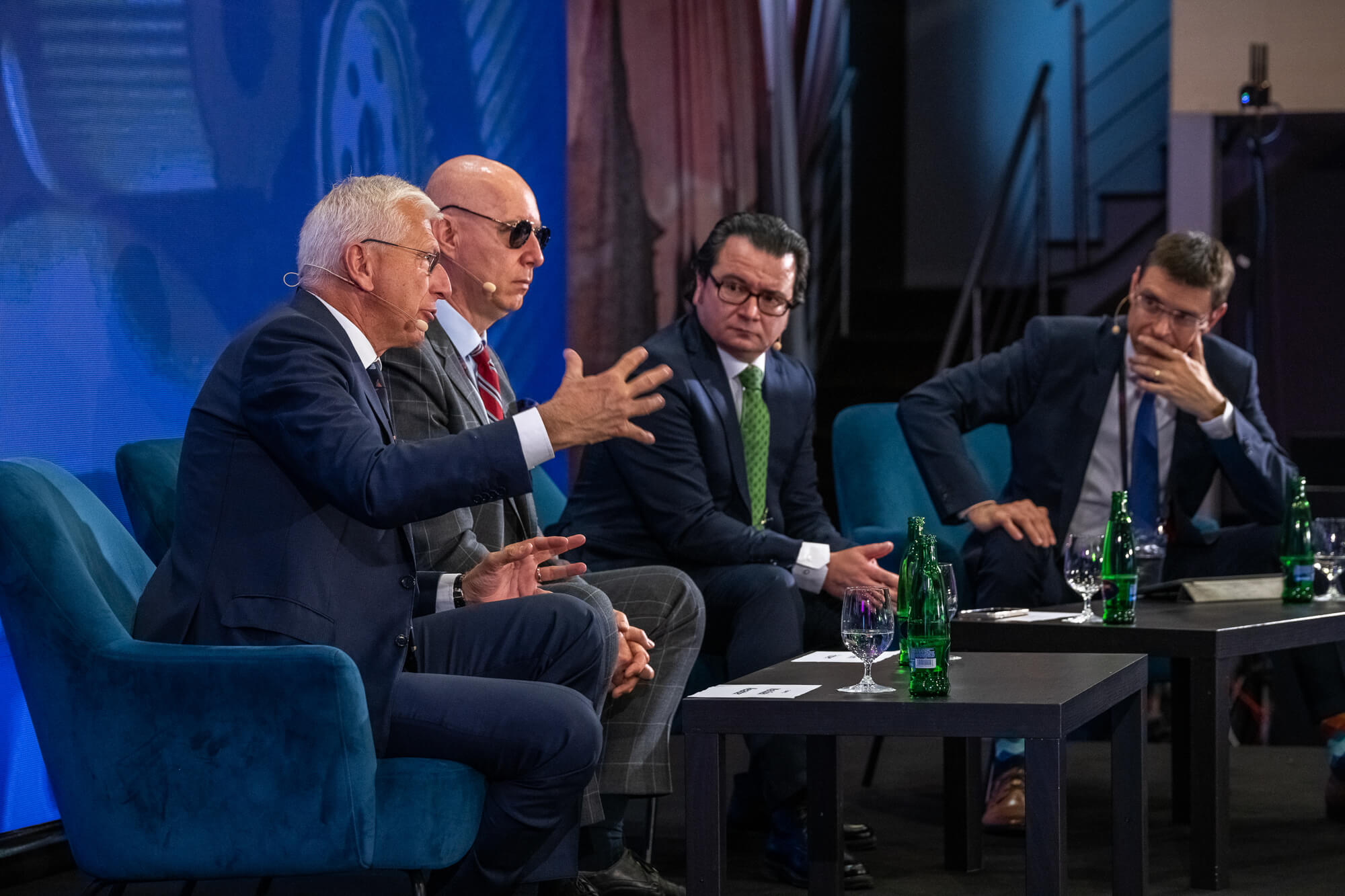
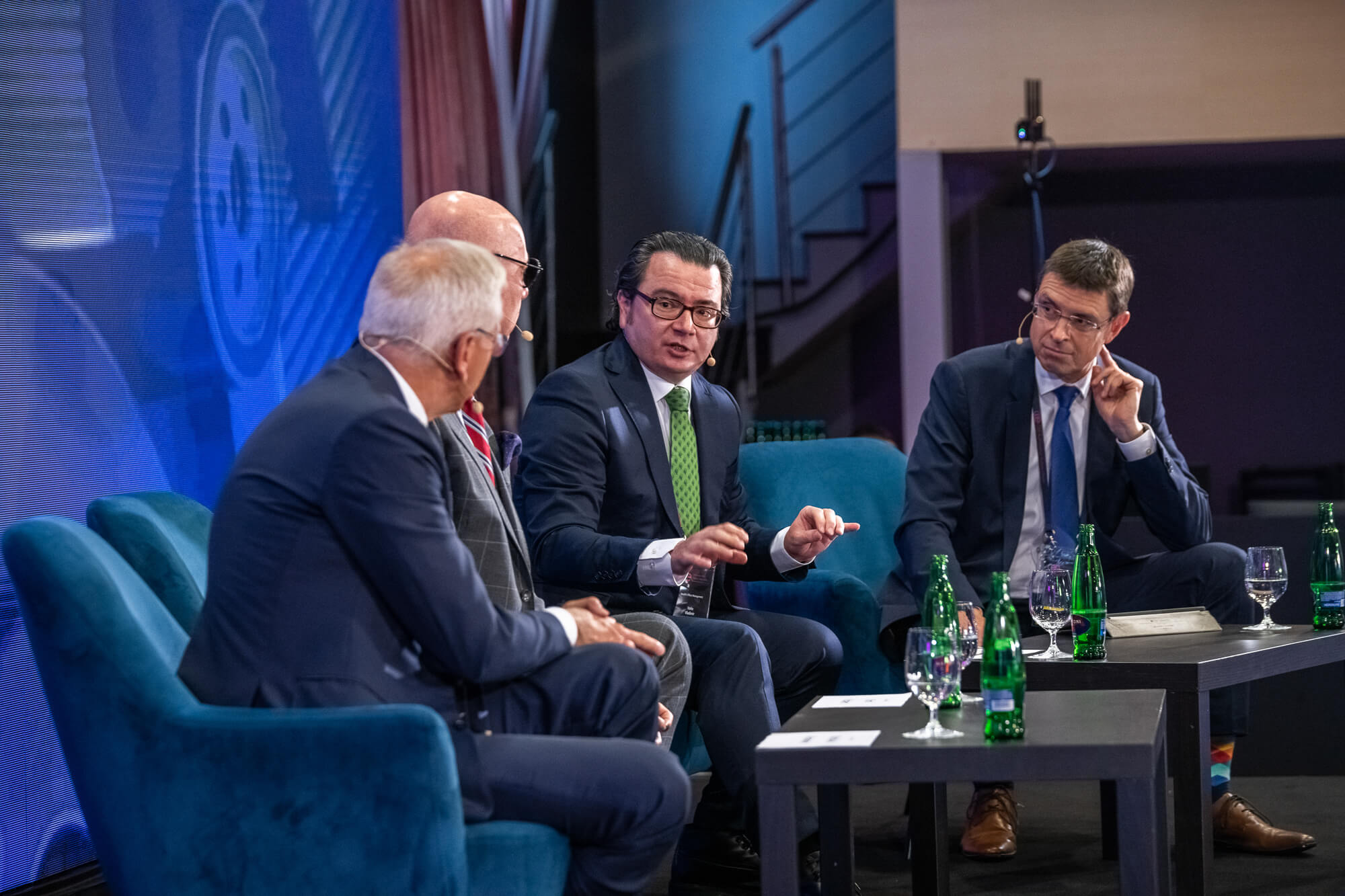
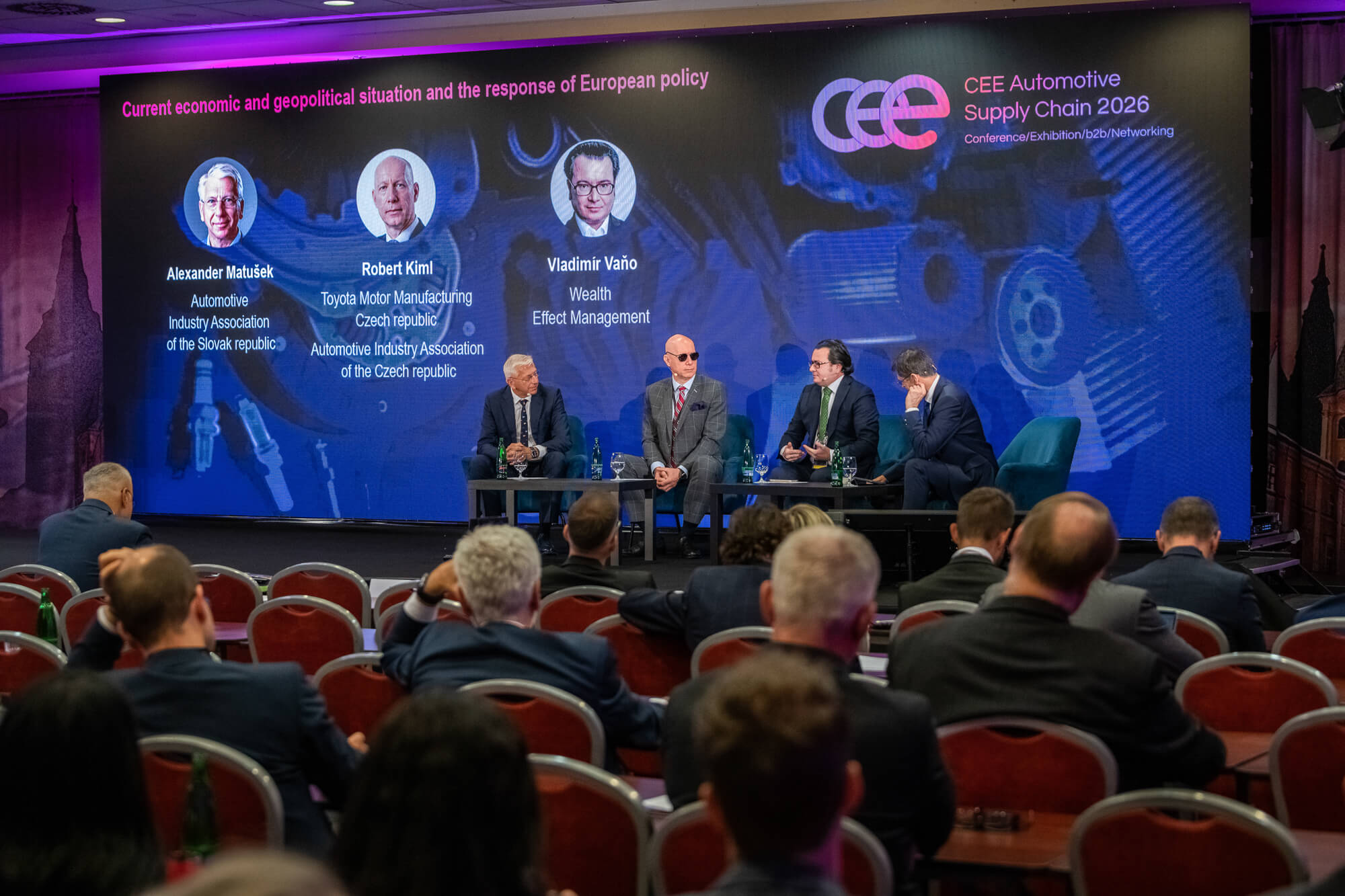
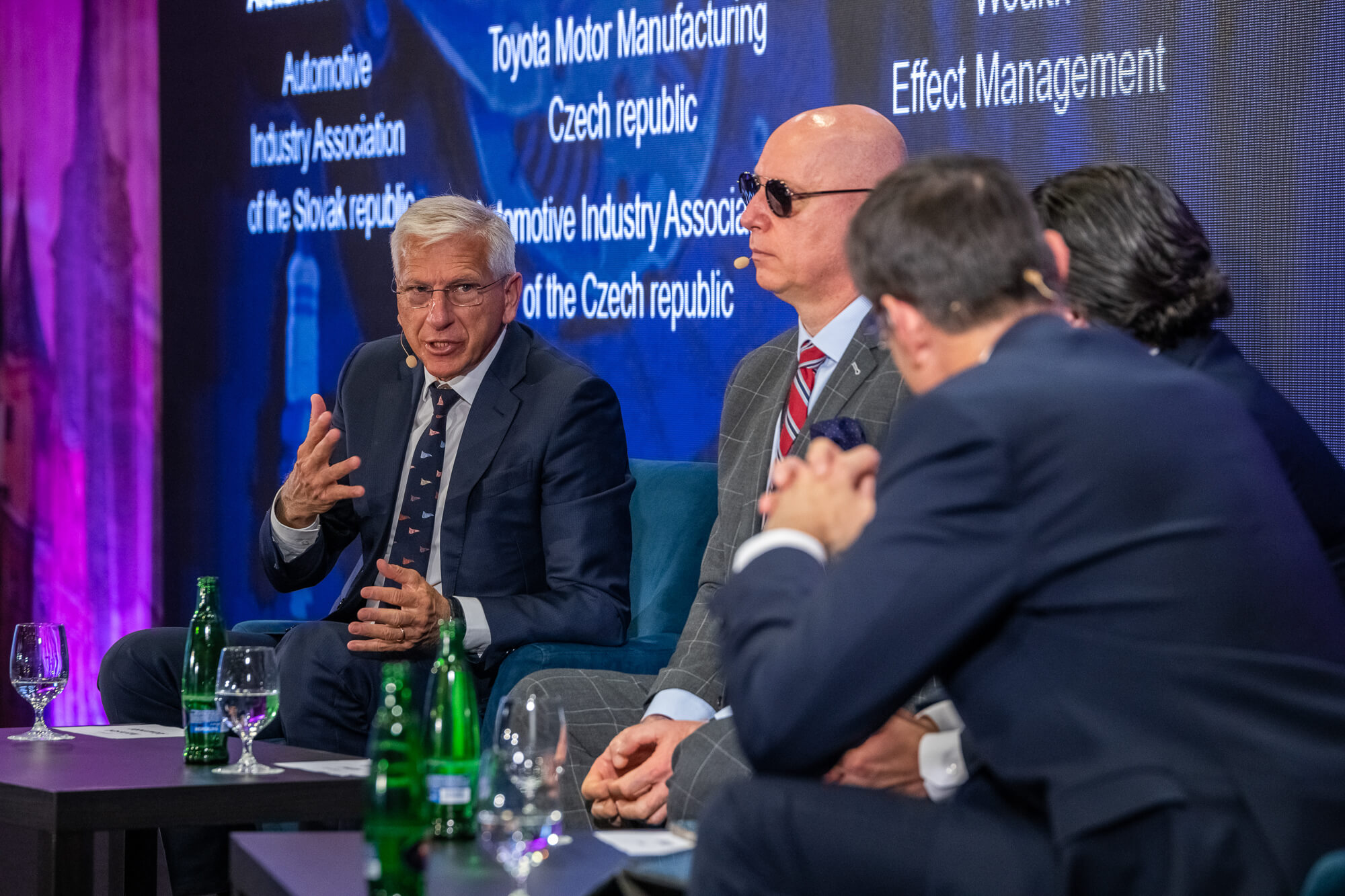
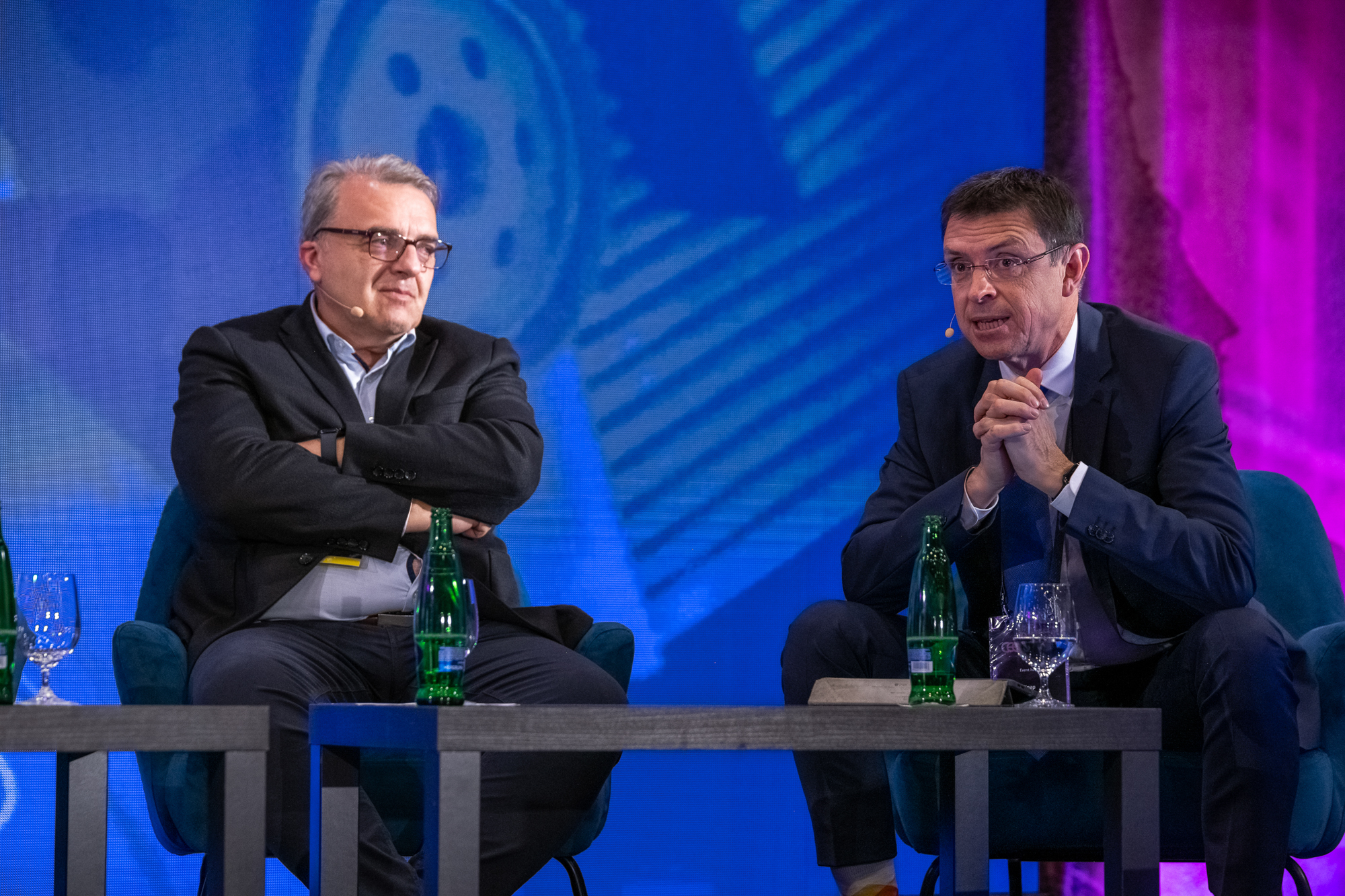
The first discussion panel included (from left): Alexander Matušek, Robert Kiml, Vladimír Vaňo and moderator Petr Knap. | Photo: Ján Brunčák
Kiml offered a concrete example of effective cooperation when looking back at the negotiation of the Euro 7 standard. According to him, the joint action of the Czech and Slovak associations and the search for other partners showed that even smaller countries can influence the European debate.
Zdeněk Petzl: Regulation must make room for real innovation
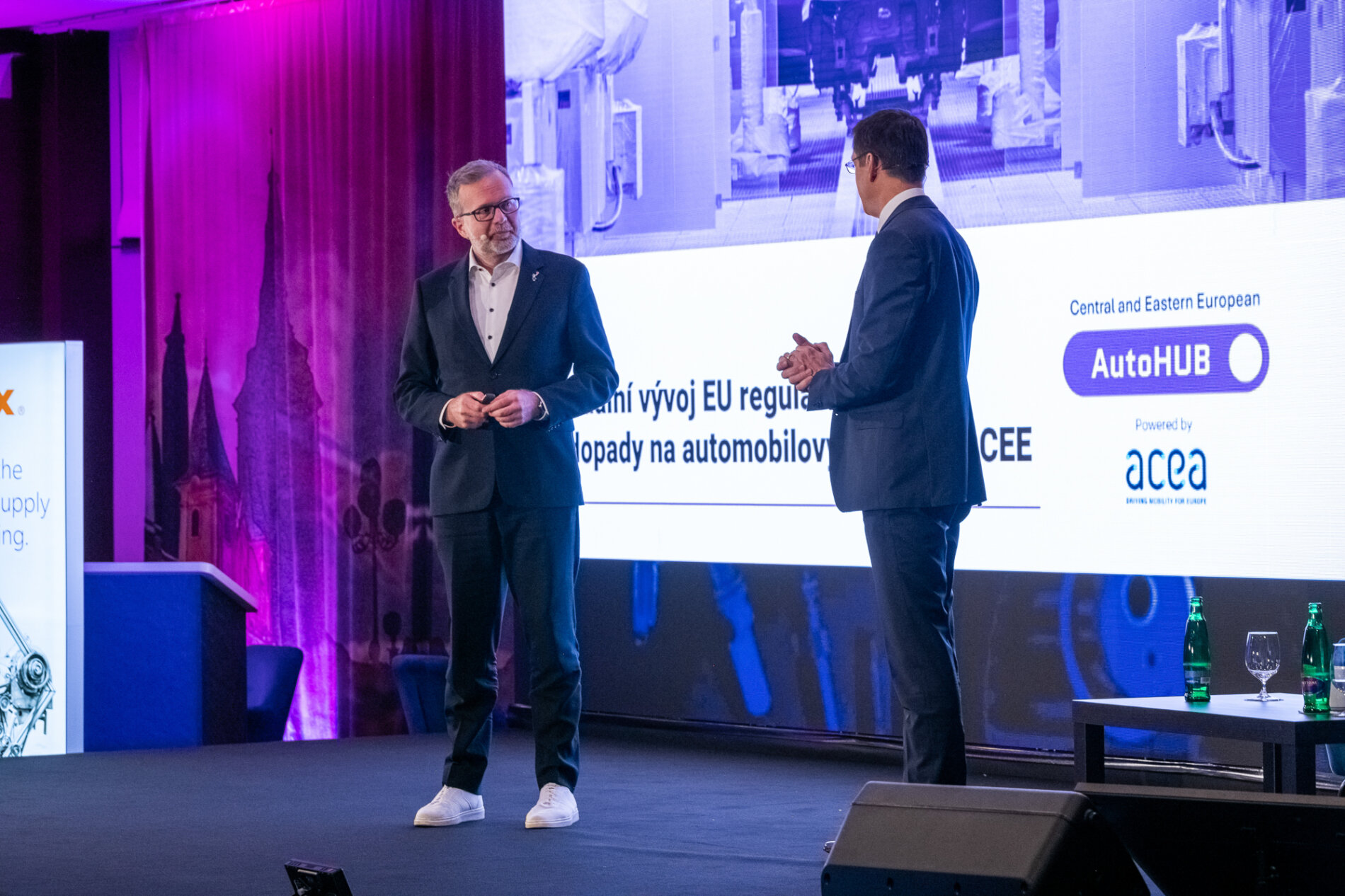
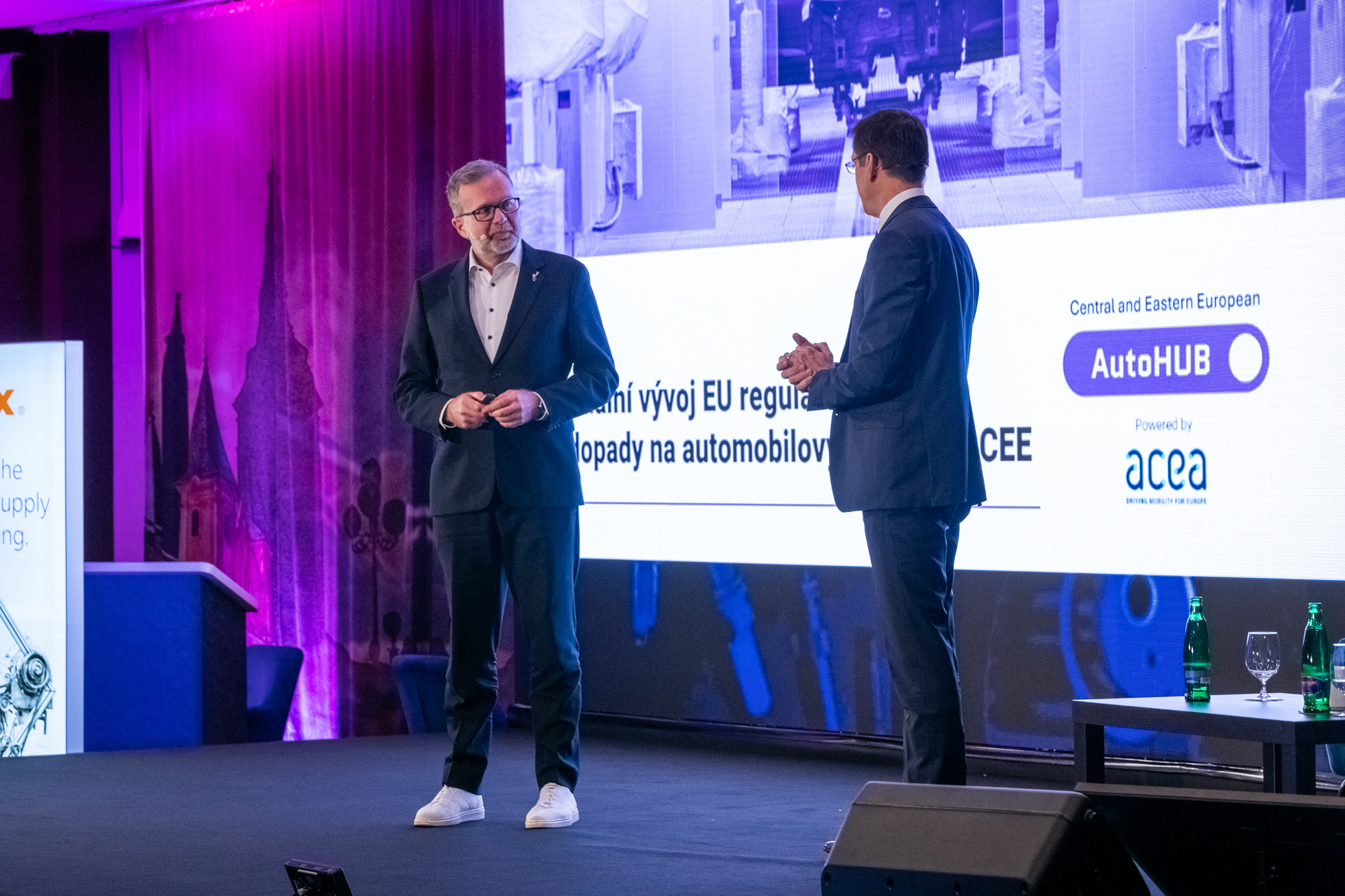
The need for joint action was followed up by AutoSAP CEO Zdeněk Petzl in a separate speech dedicated to European legislation and its impacts on the region. He presented the cooperation of automotive associations within the Central European AutoHUB, which is intended to strengthen a common voice in negotiations with European institutions. According to Petzl, there is a need to better explain how individual regulations are reflected in production planning, investments and the ability of companies to innovate.
The difference between the development of new technologies and work on meeting regulatory requirements was one of the main motives of his presentation. He illustrated, using his experience from a discussion with Martin Hrdlička from Škoda Auto, how much development capacity is currently consumed by mandatory vehicle modifications, administration and the study of legislation. There is a lack of funds for innovations that would bring new value to customers and attract young technology to the industry.
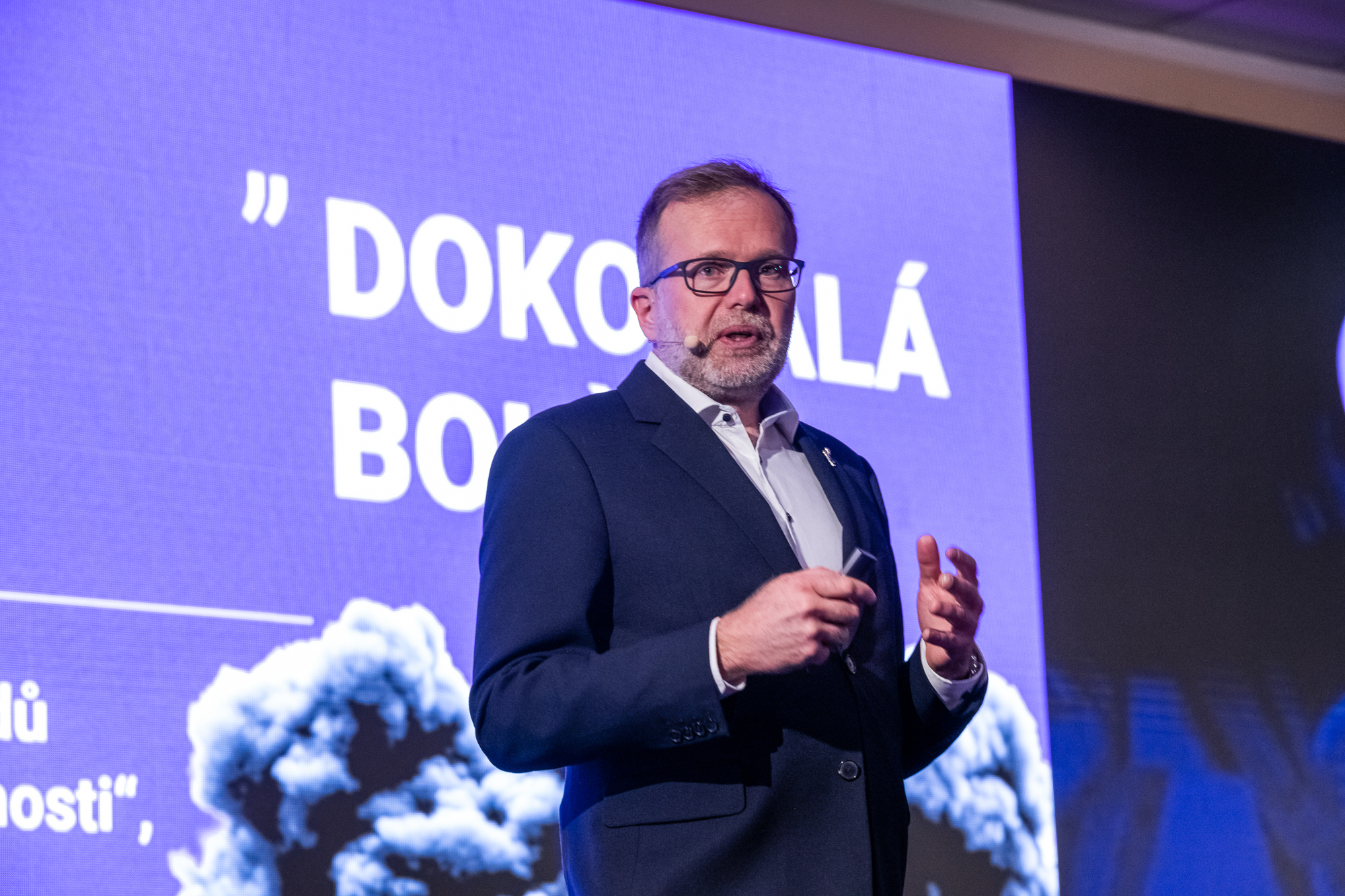
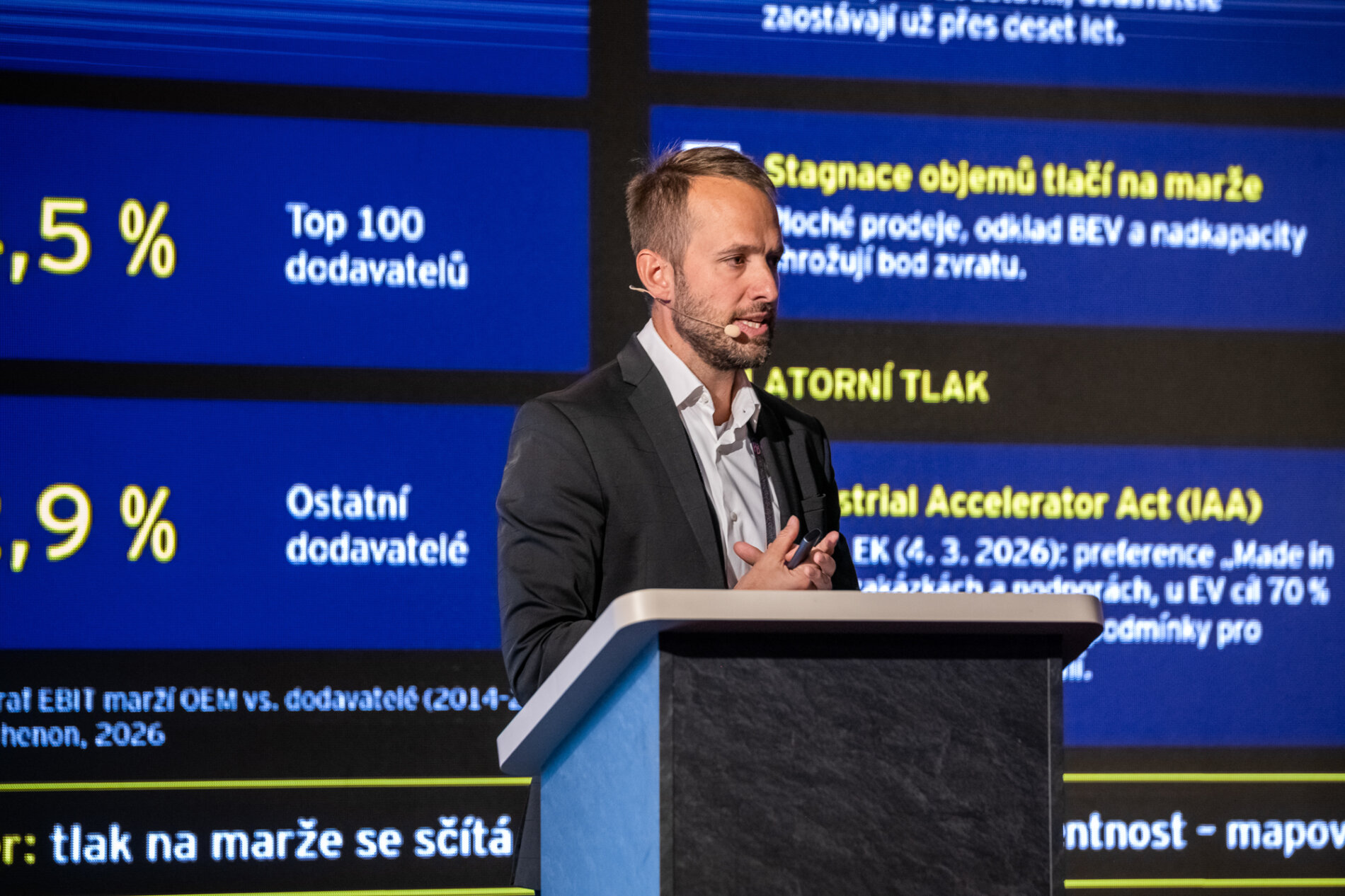
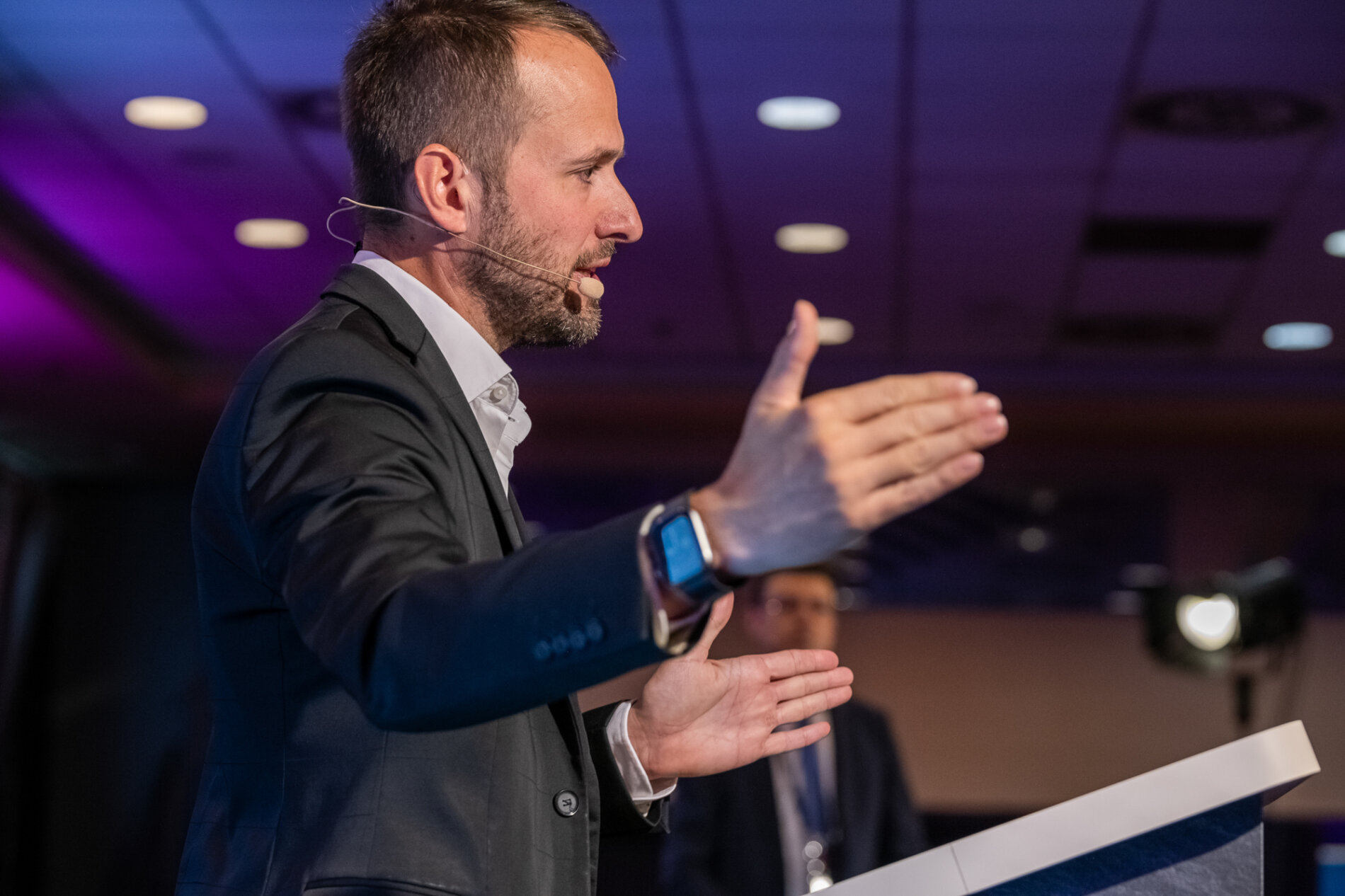
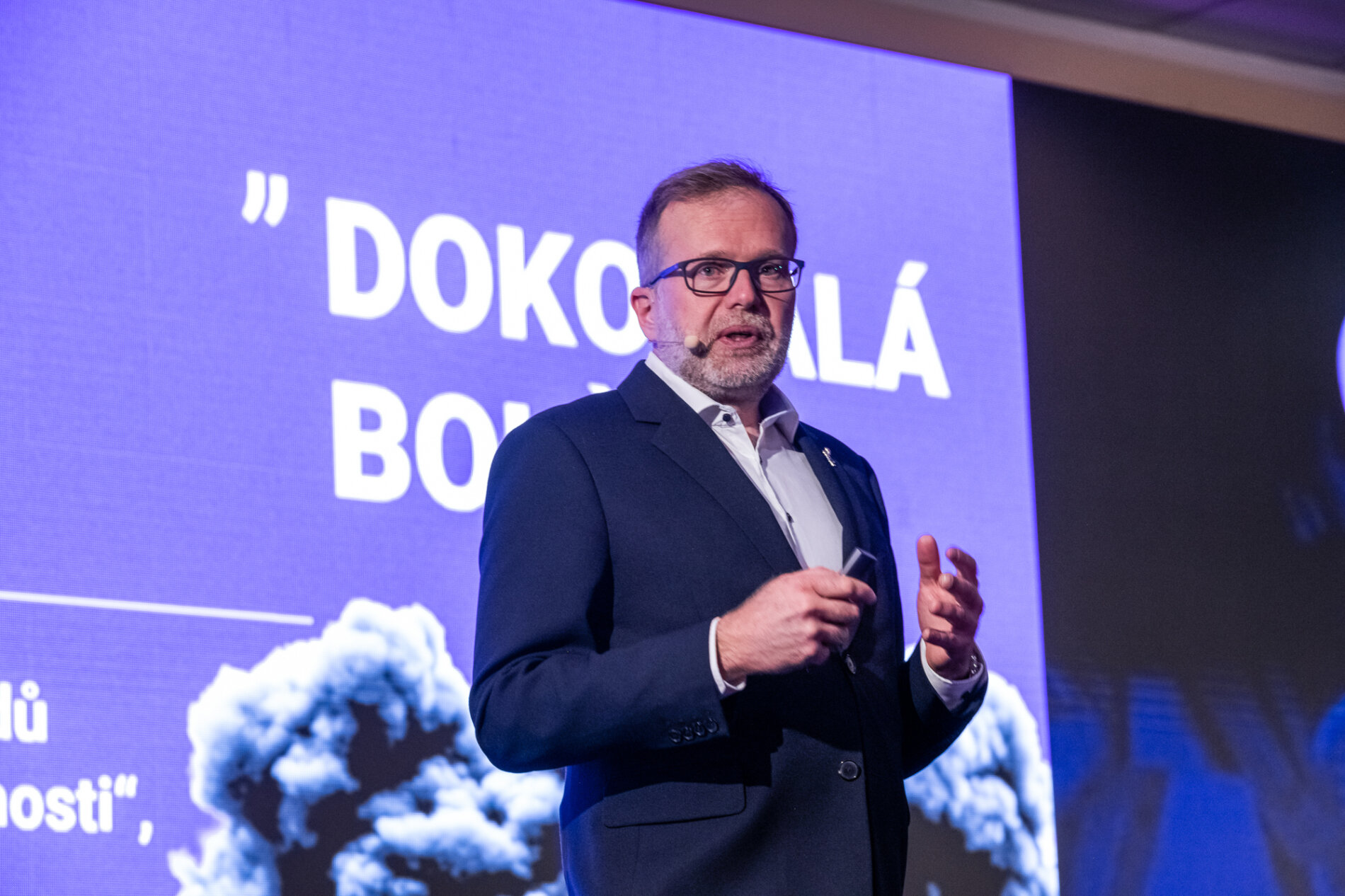
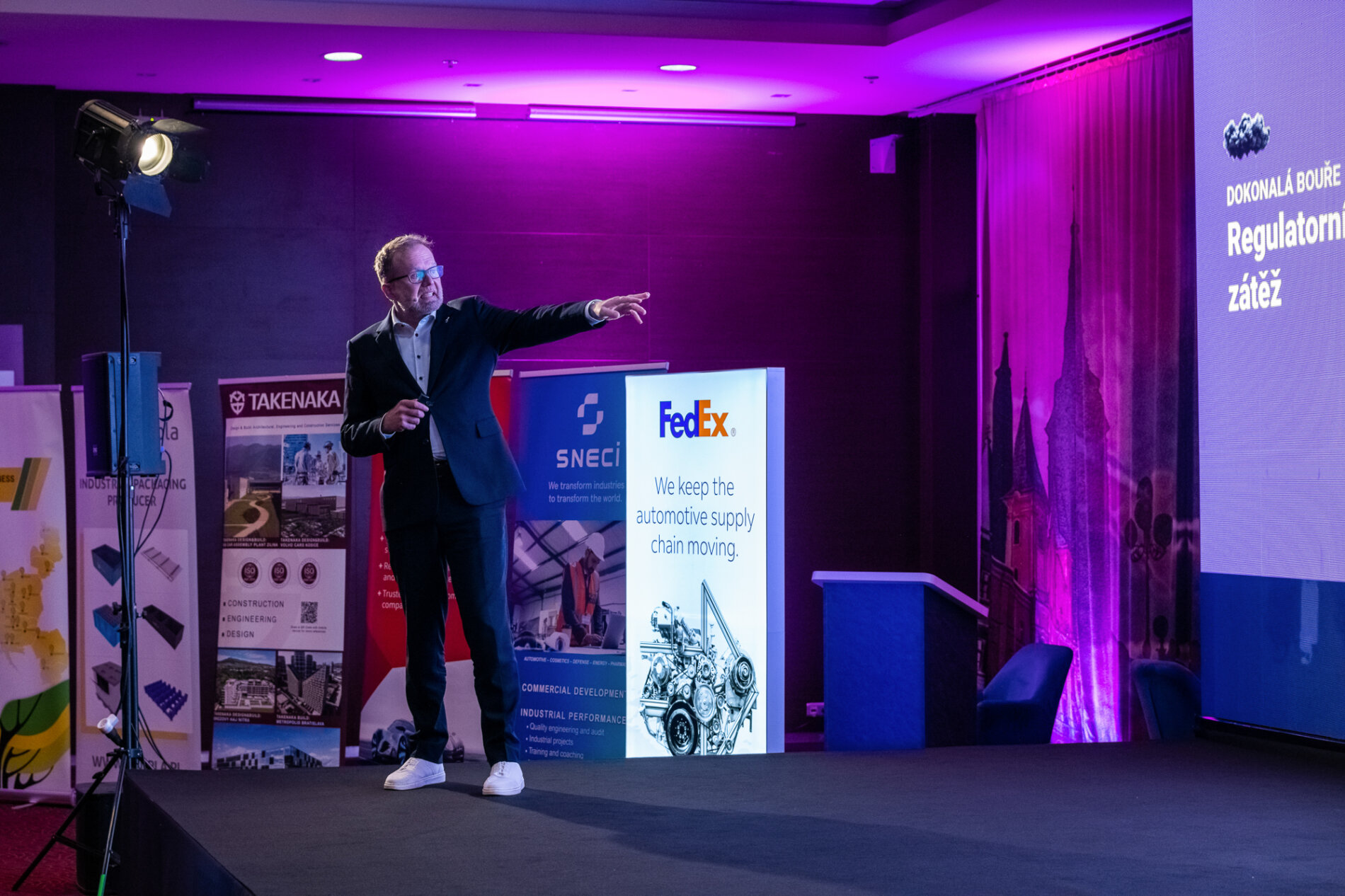
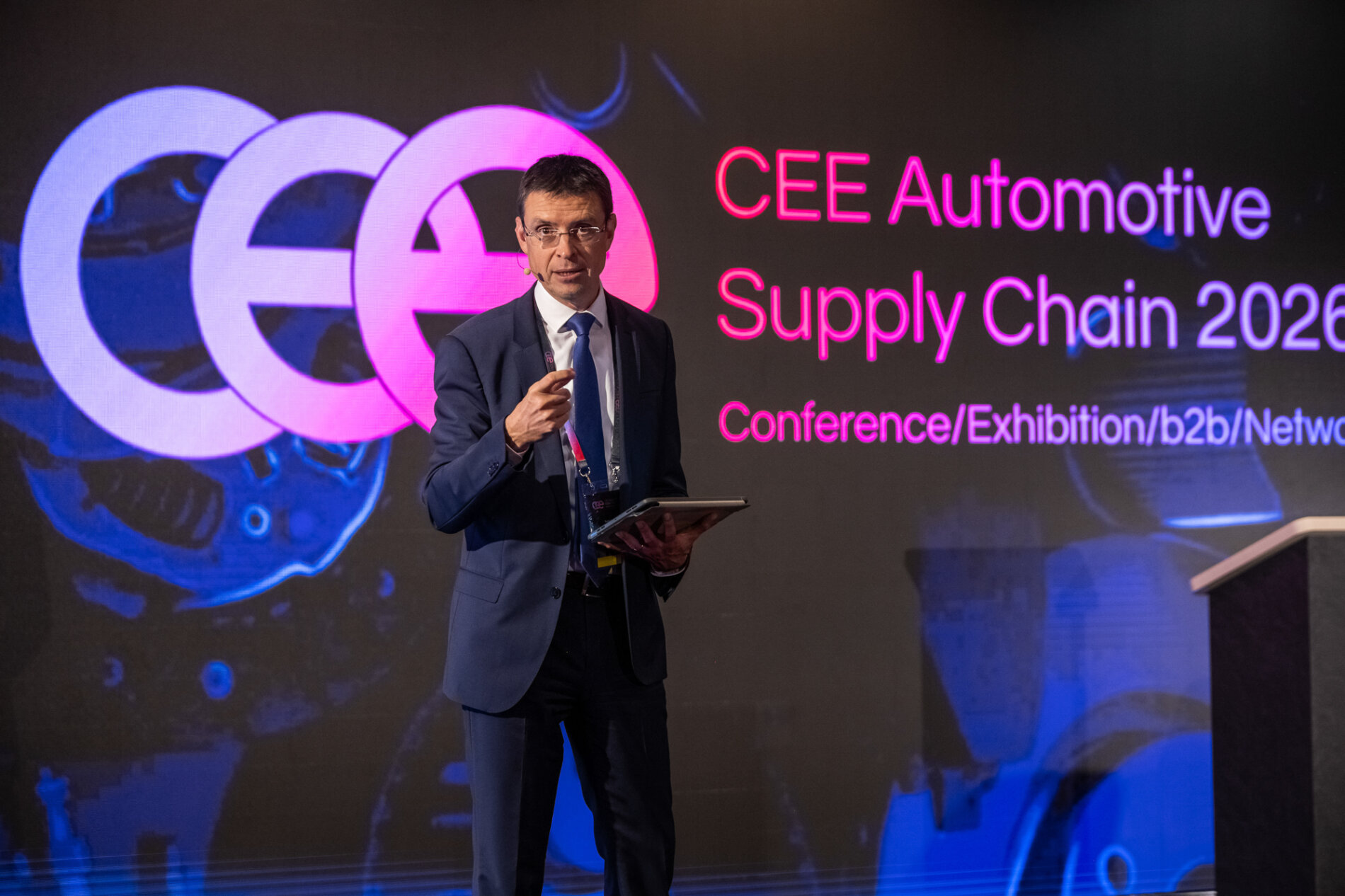
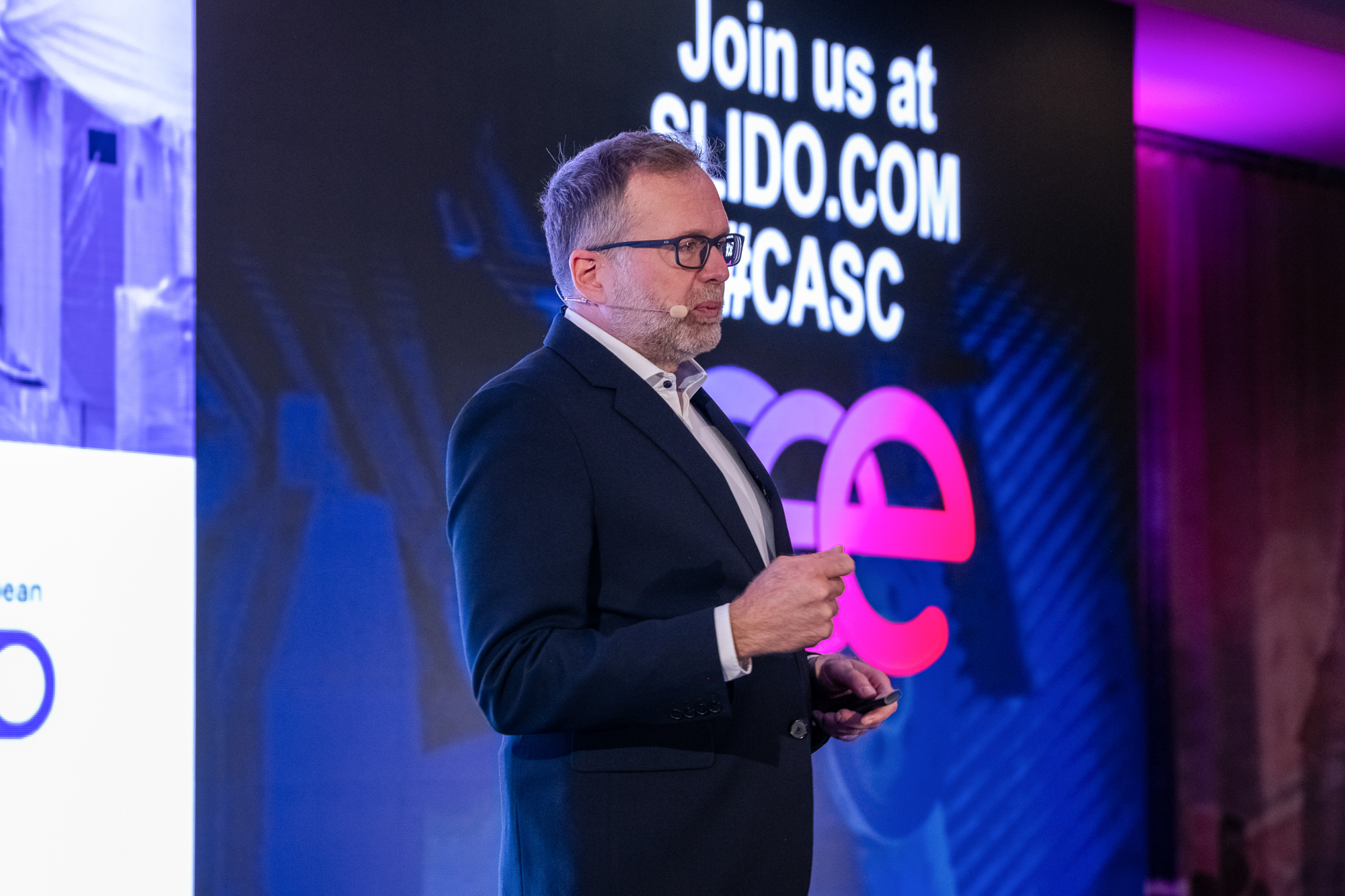
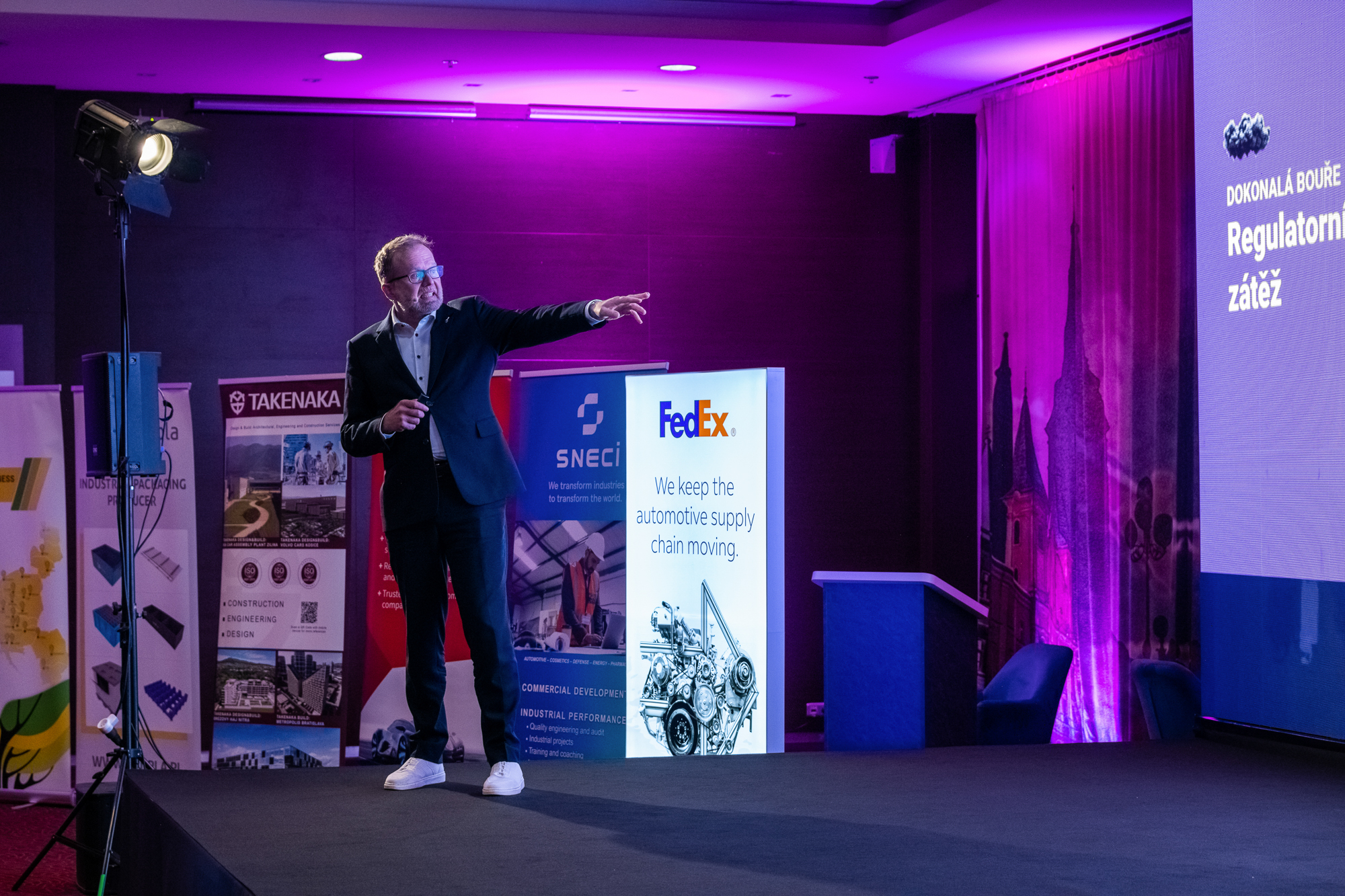
“The perfect regulatory storm” was the central theme of the speech by Zdeněk Petzl, CEO of AutoSAP. | Photo: Ján Brunčák
Petzl stressed that the debate on emissions targets must not focus only on 2035. “The critical leap is already happening in 2030,” he warned. AutoSAP is therefore advocating for a wider scope for various technologies, including plug-in hybrids, vehicles with extended range or alternative fuels, and a pace of transformation that matches customer demand. According to him, the measures being prepared to simplify regulation are still lacking in ambition. Support for production in Europe also needs a clearer form and greater agreement from the industry itself on what it expects from it.
Uncertainty is the new standard
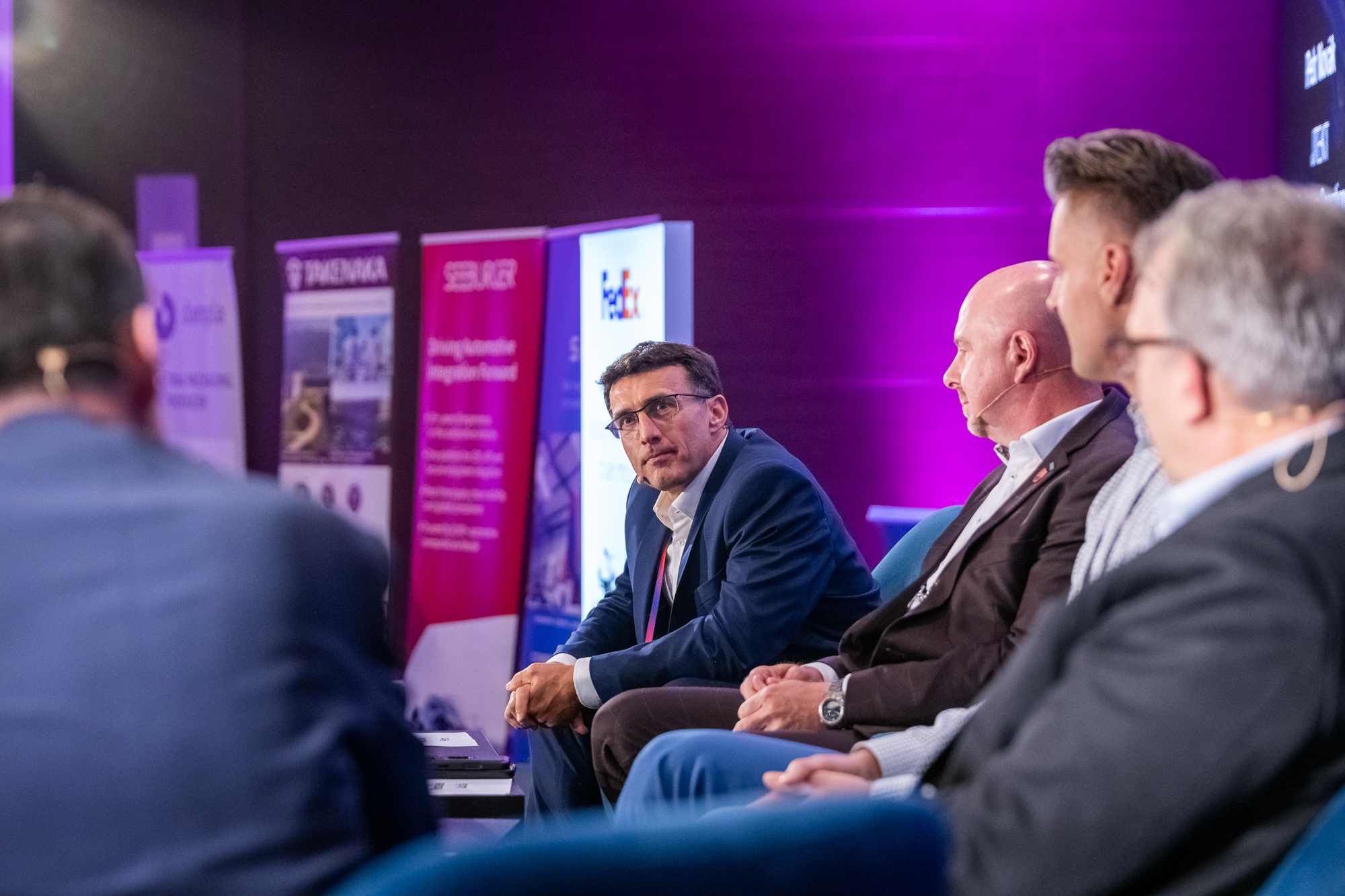
The most concrete picture of the current situation was provided by a panel of tier-one suppliers. Petr Novák, who heads JTEKT’s European automotive operations and is AutoSAP’s vice president, identified uncertainty and competitiveness as the main problems. The unclear future ratio of electric vehicles to cars with combustion engines is forcing many companies to invest in both technologies at the same time. However, the rising costs cannot be automatically passed on to customers.
“Honestly, we were unable to pass on all costs to the OEM,” said Novák about JTEKT’s experience after a period of high inflation. According to him, this also contributed to the restructuring of the group’s European activities. In addition, price pressure is changing the previous purchasing habits of car manufacturers: even for safety-critical control systems, traditional manufacturers are already comparing established suppliers with cheaper offers from, for example, India.
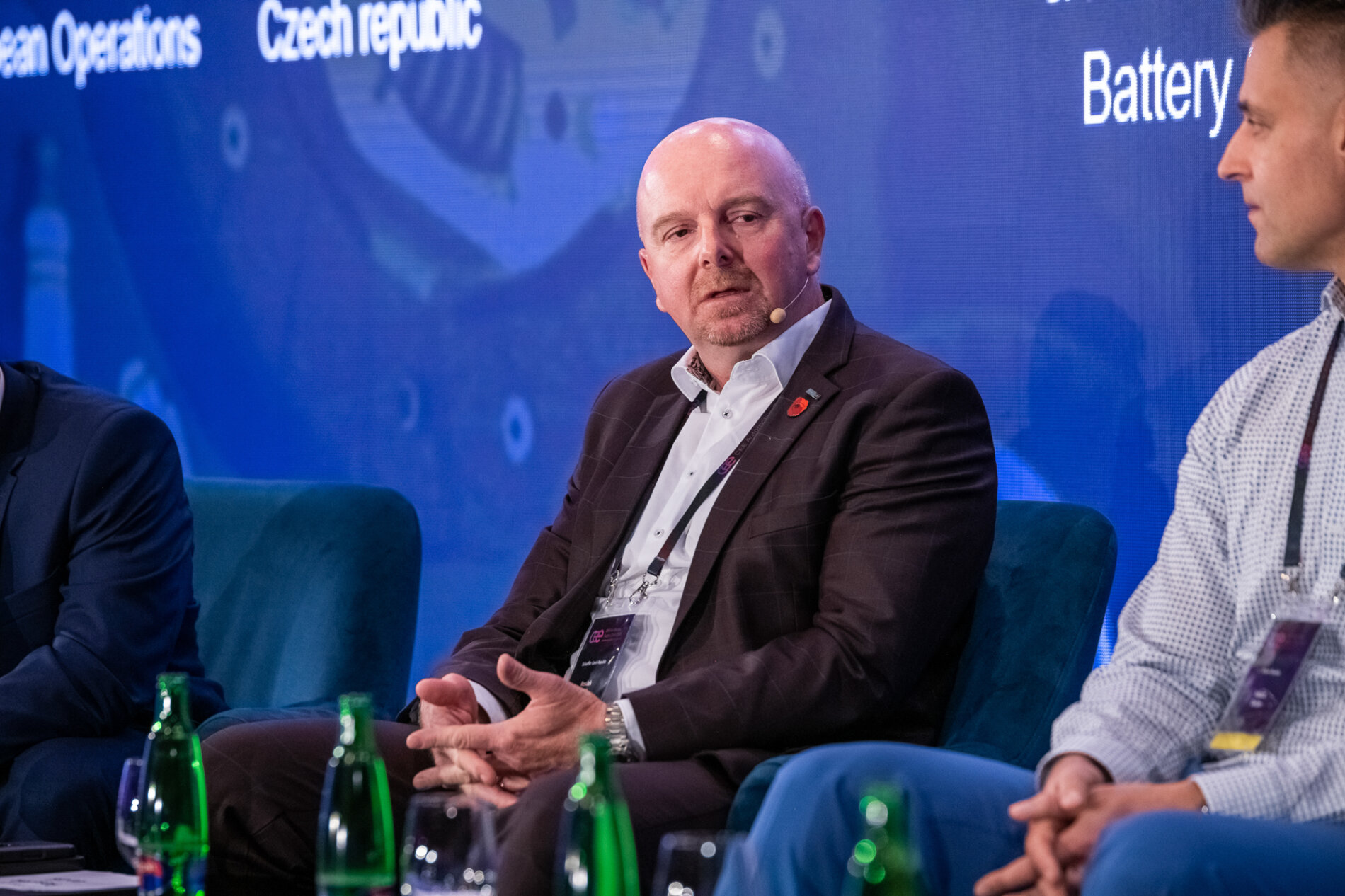
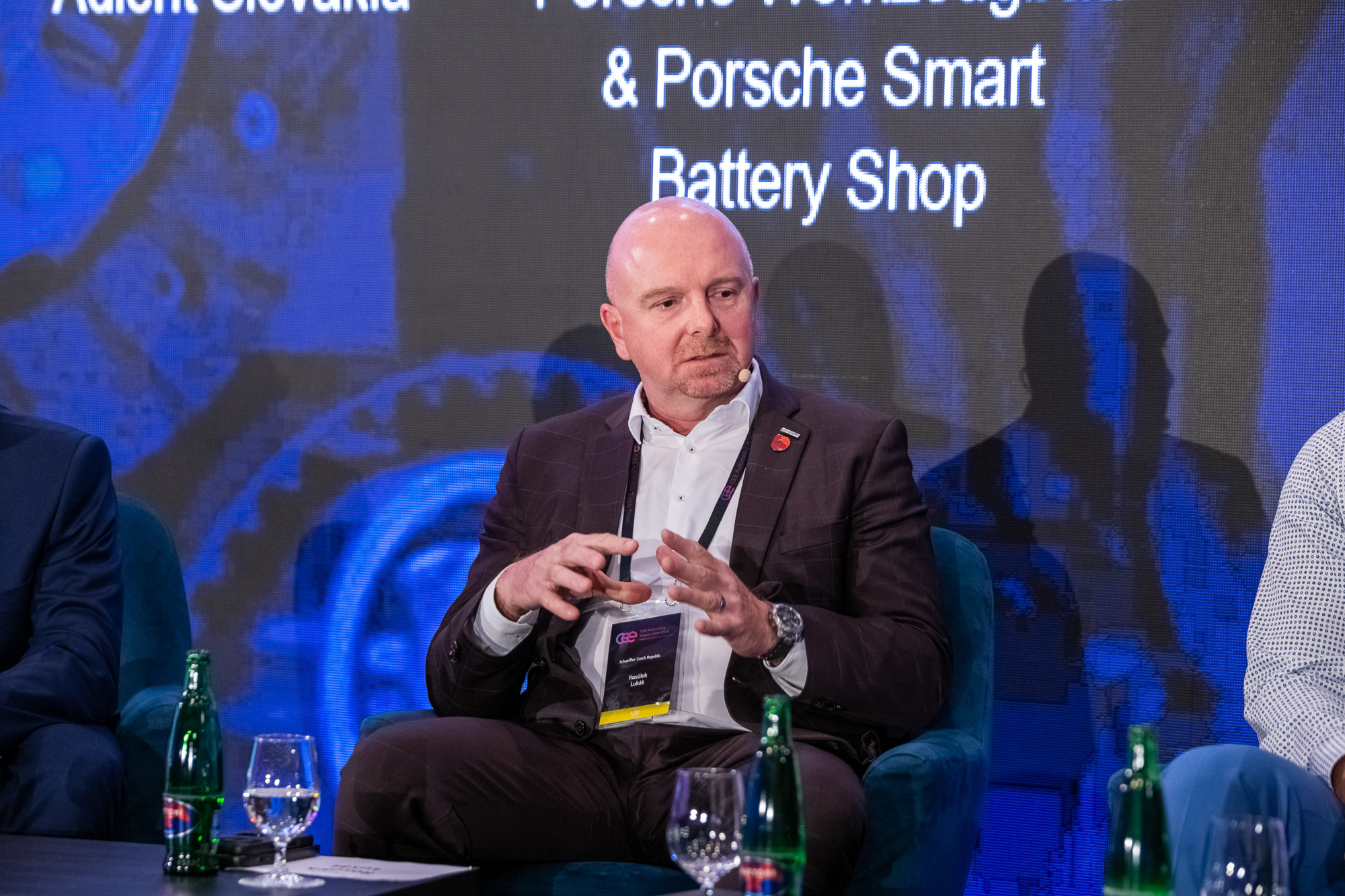
“Uncertainty is the new standard,” continued the head of the Czech Schaeffler, Lukáš Rosůlek. According to him, companies must prepare for multiple scenarios and take into account that the failure of one material or component will also affect other links in the chain. Pavol Turňa, CEO of Porsche Werkzeugbau and Porsche Smart Battery Shop, confirmed this experience: his team had to help resolve situations where suppliers stopped managing their obligations technologically or financially.
Closer to the customer does not always mean closer to the source
From the general demand for more resilient chains, the discussion quickly moved to specific measures. JTEKT changed its supplier evaluation after the pandemic, including assessing their financial stability. For semiconductors for a specific model, it switched from a single source to two suppliers and increased stocks of selected components imported from Asia.
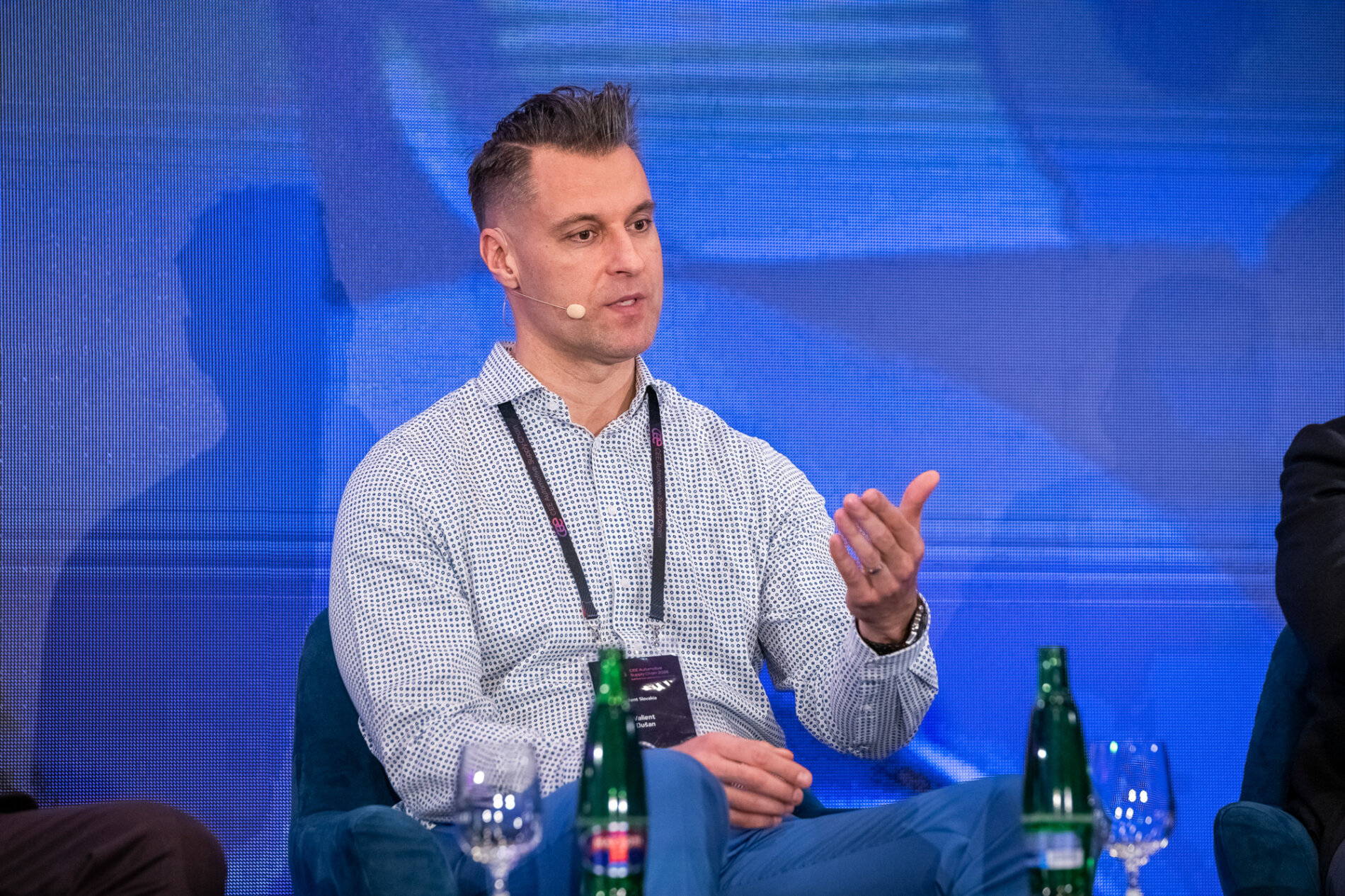
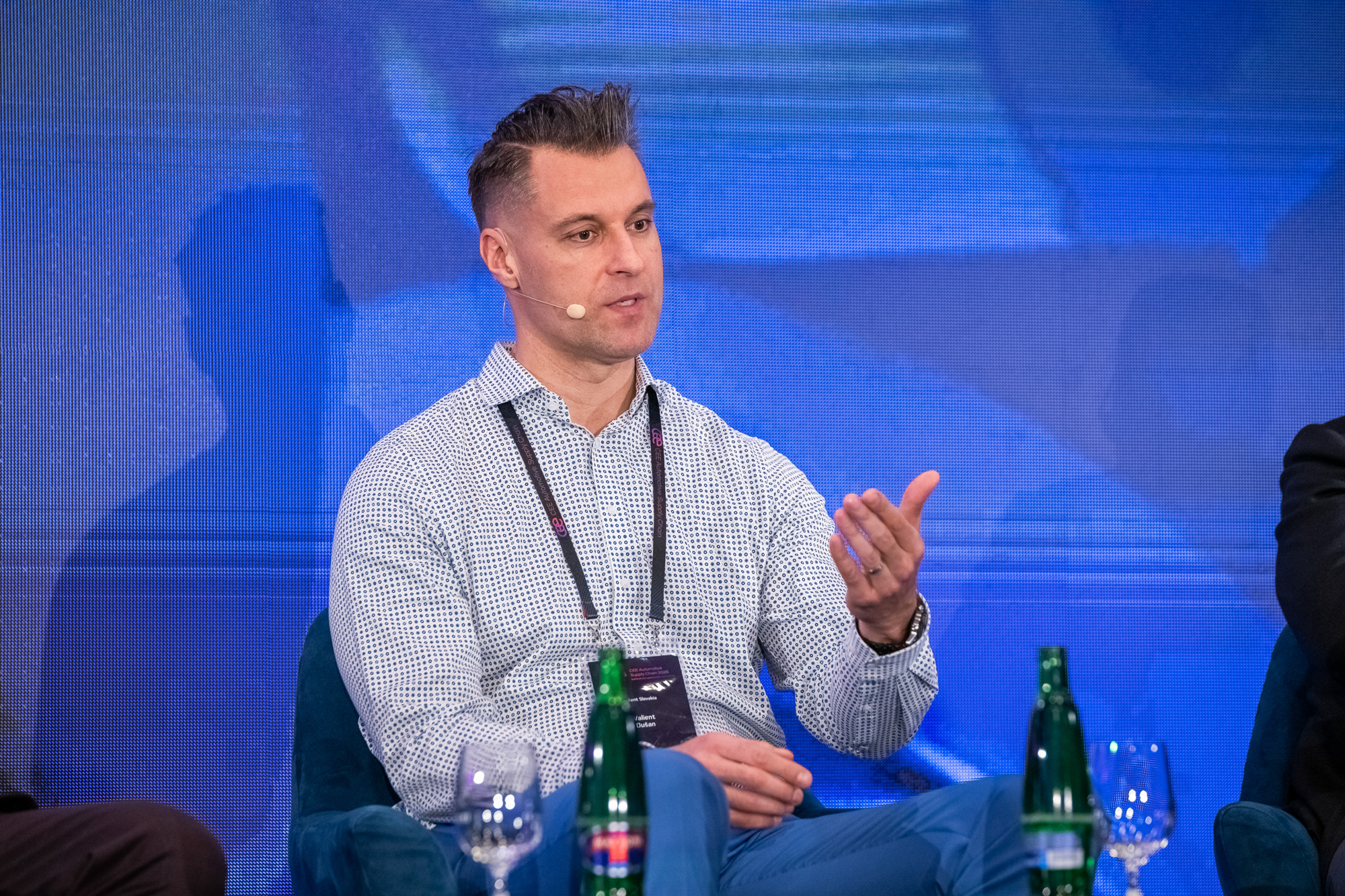
An example of bringing supplies closer together was offered by Schaeffler. According to Rosůlek, some key parts for the new plant in Ostrava were secured from Austria or Slovenia instead of being imported from China. The advantage is greater control over the supply chain and lower exposure to the risks of long-distance transportation. Dušan Valient, director of the Trenčín technology center and engineering operations of Adient Slovakia, in turn, drew attention to the importance of local seat production: the ability to deliver them on time is of fundamental value to the customer.
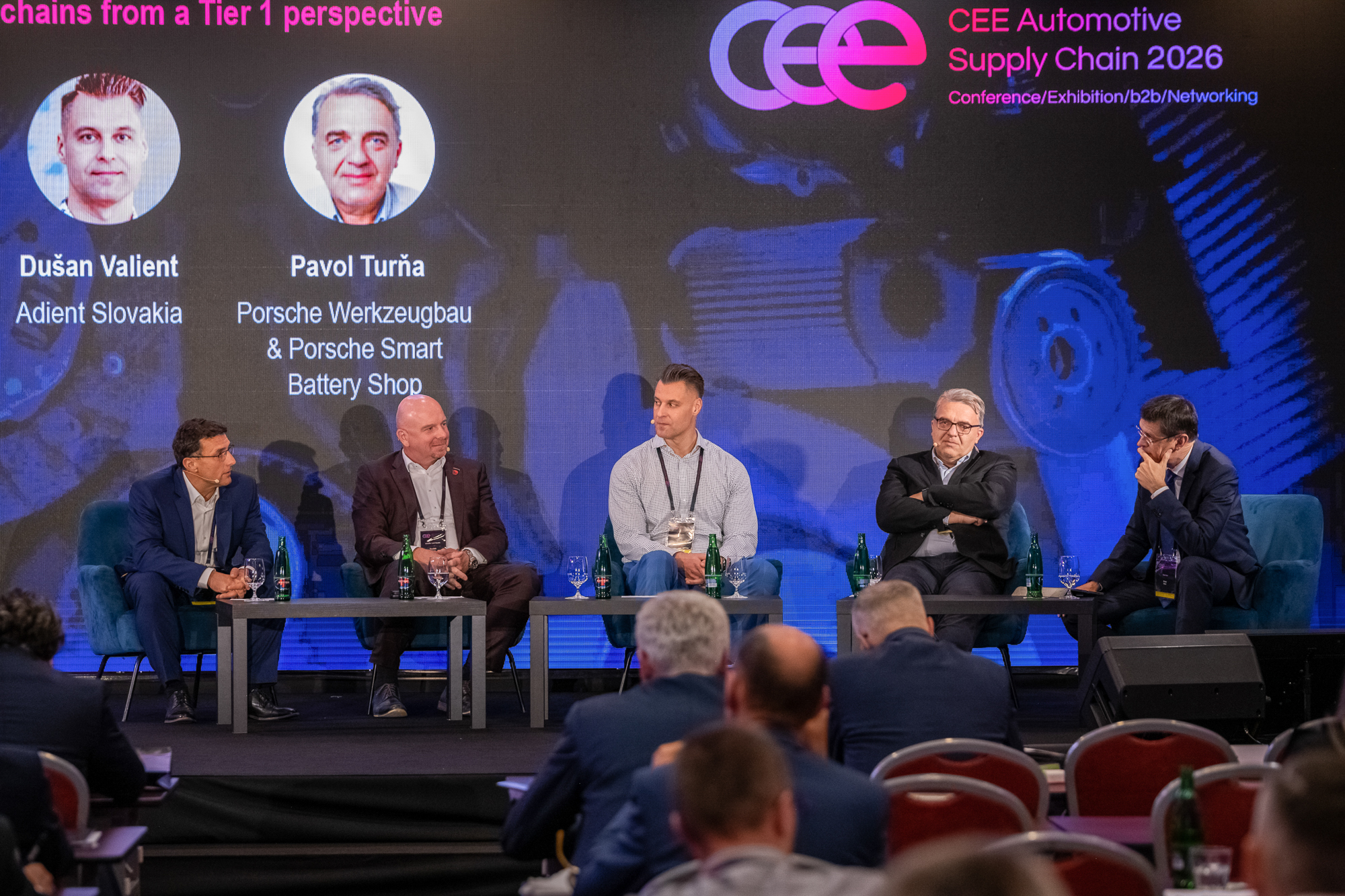
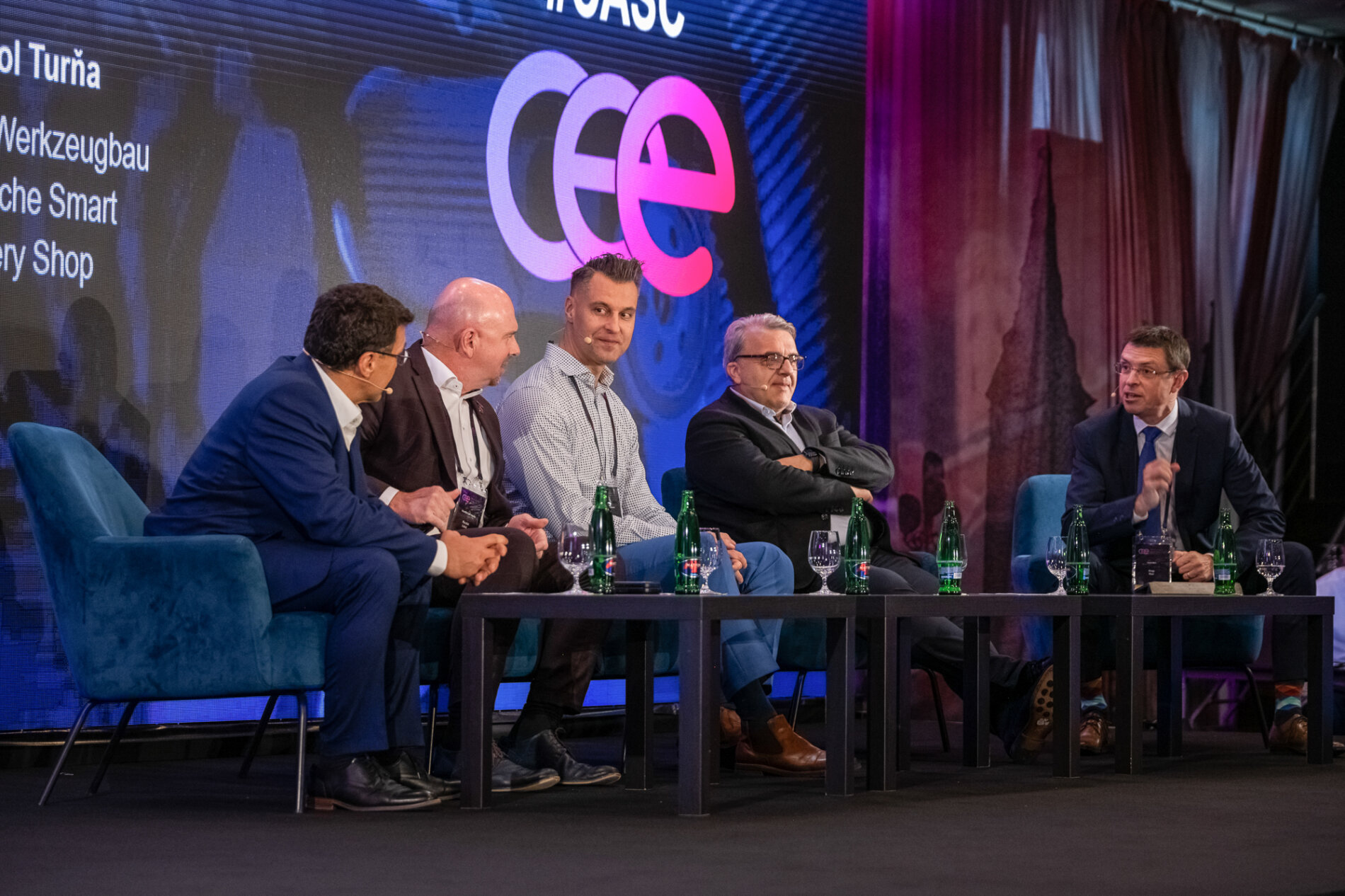
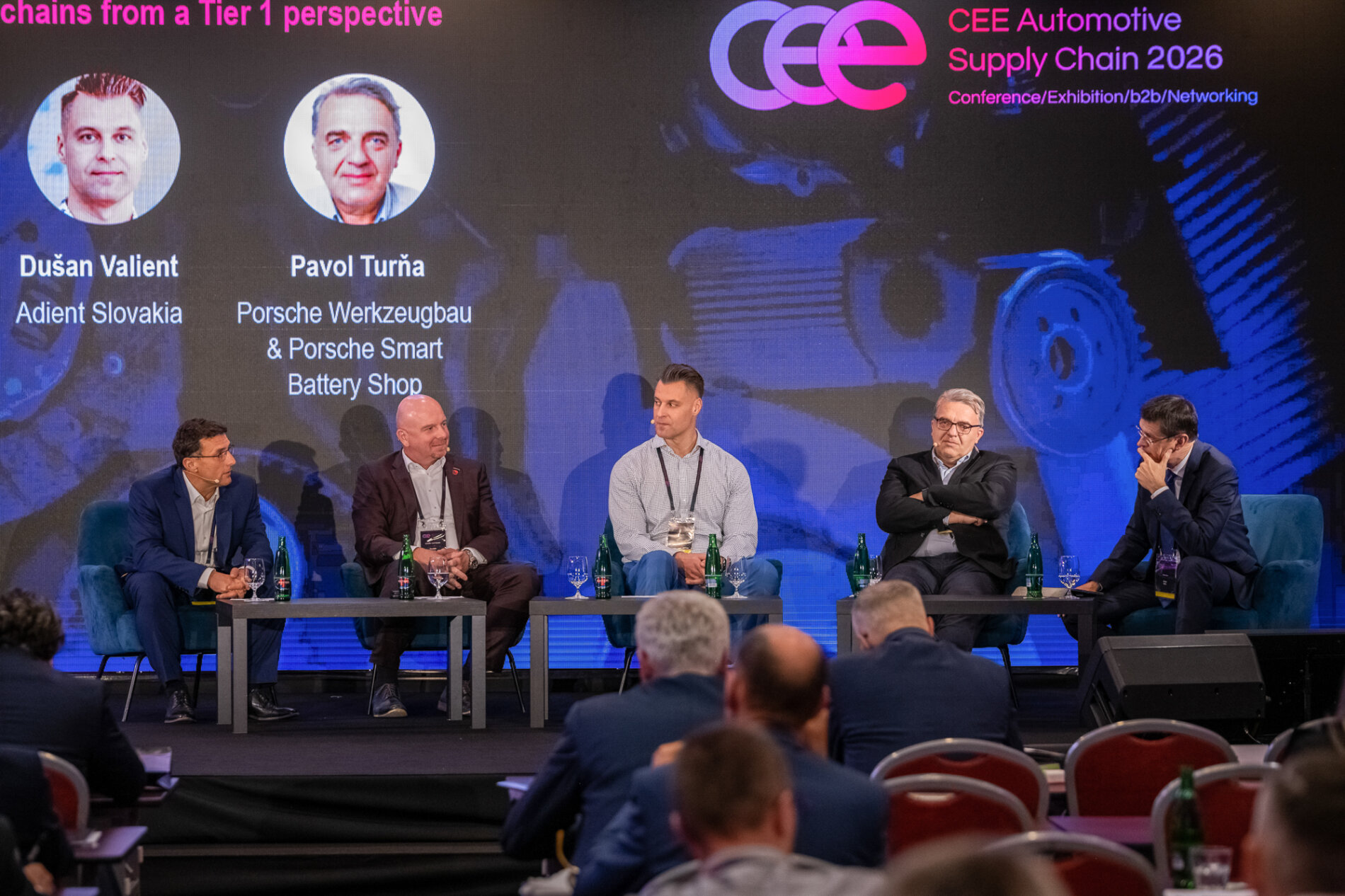
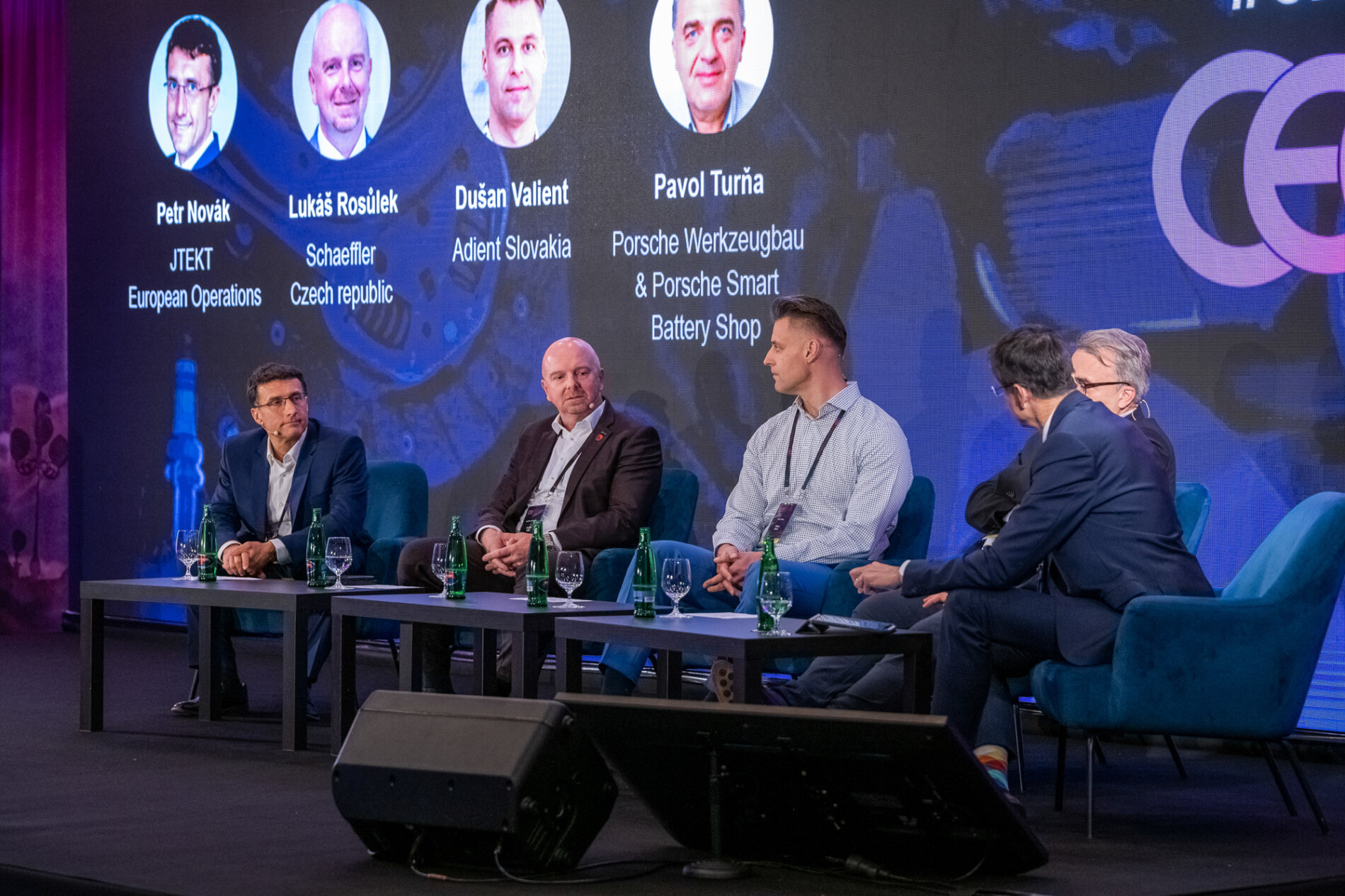
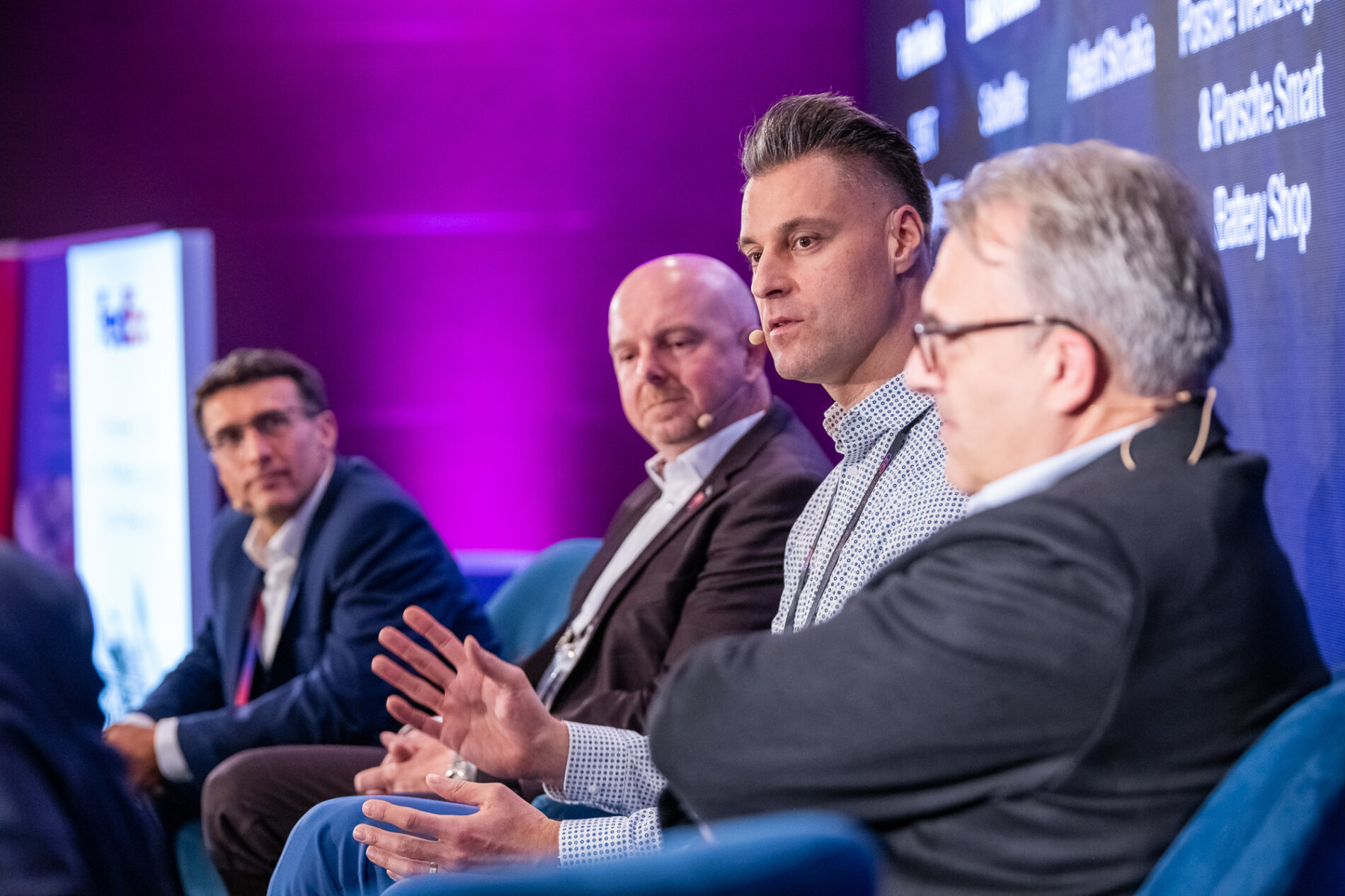
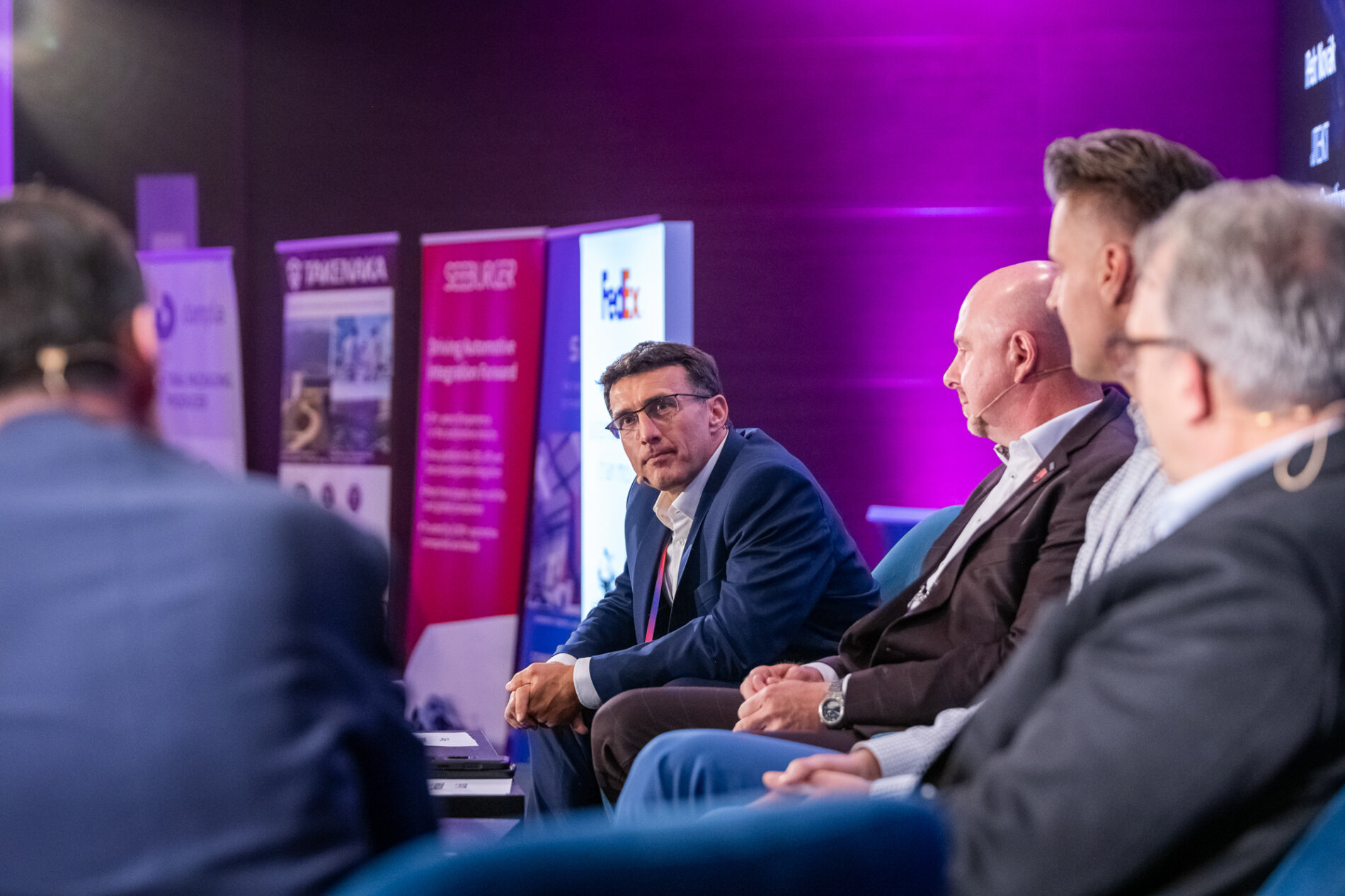
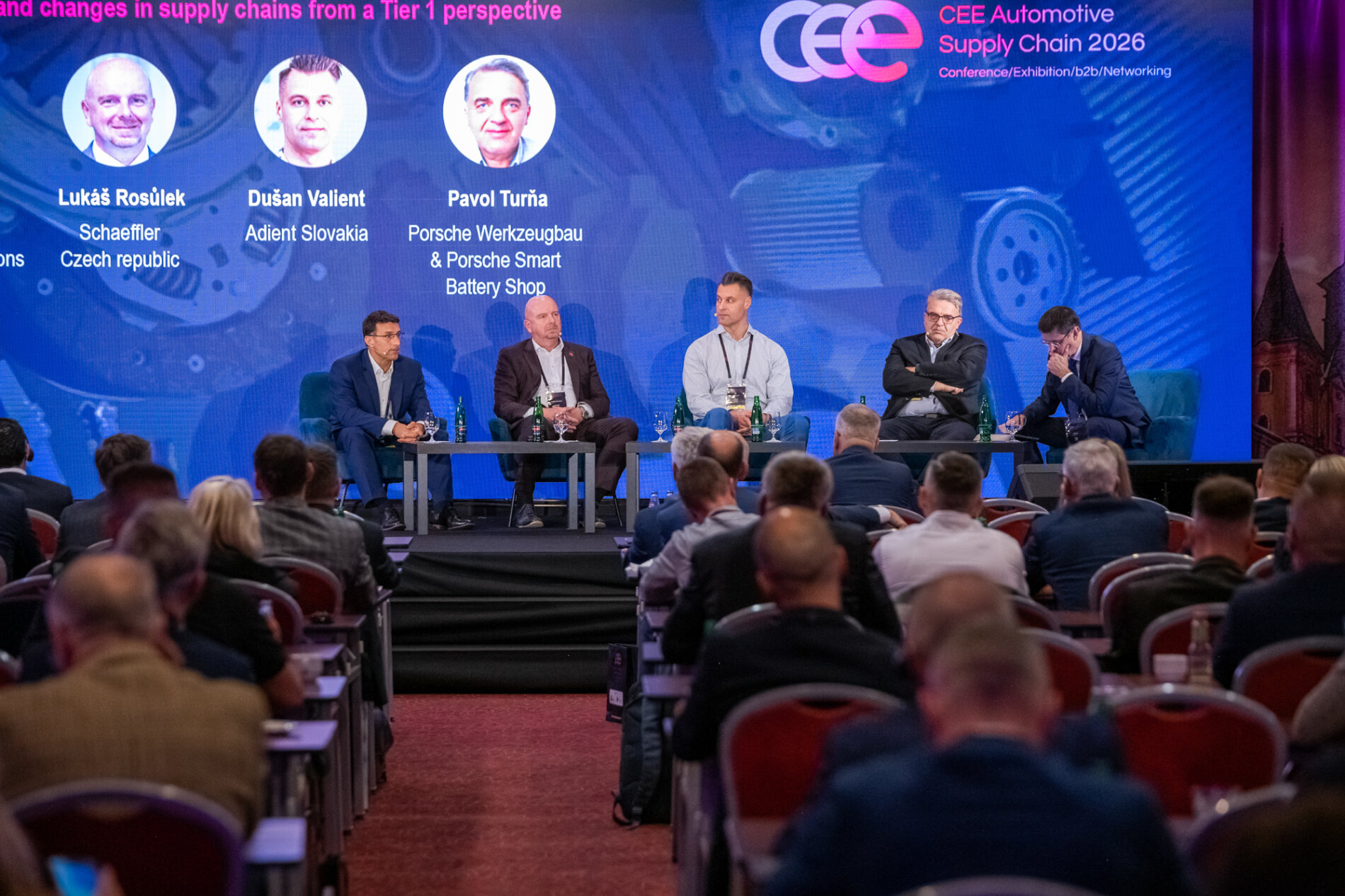
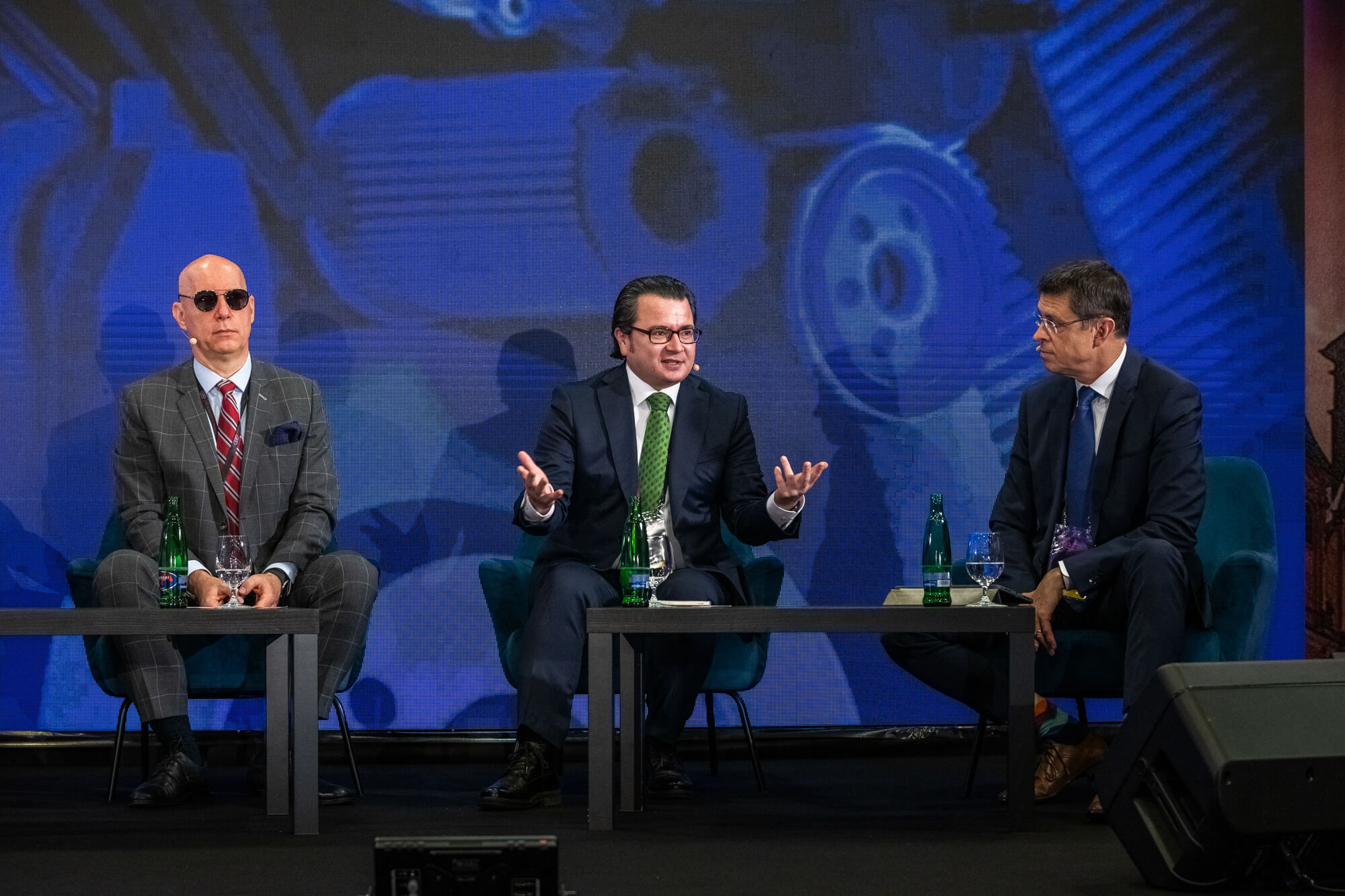
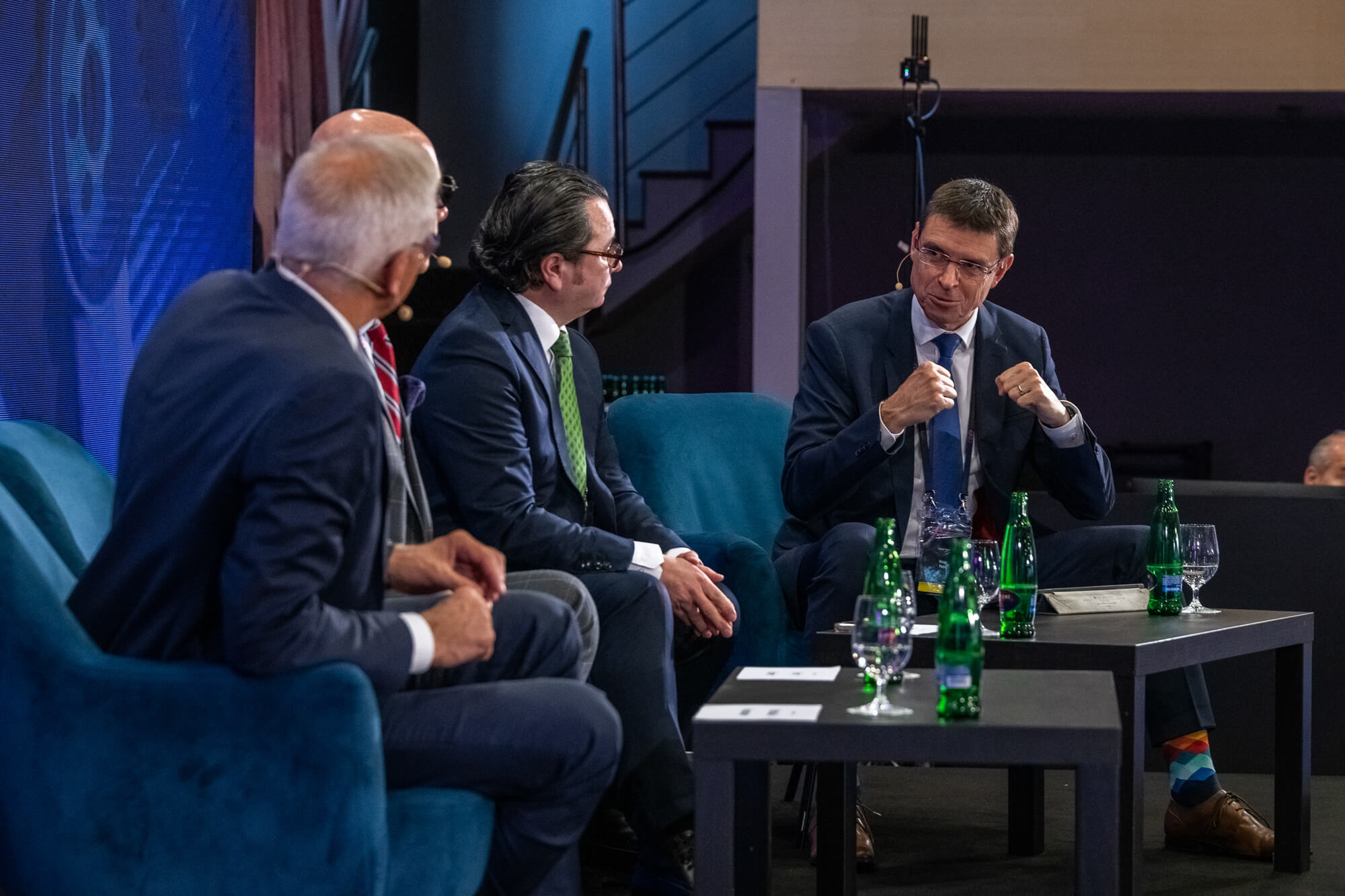
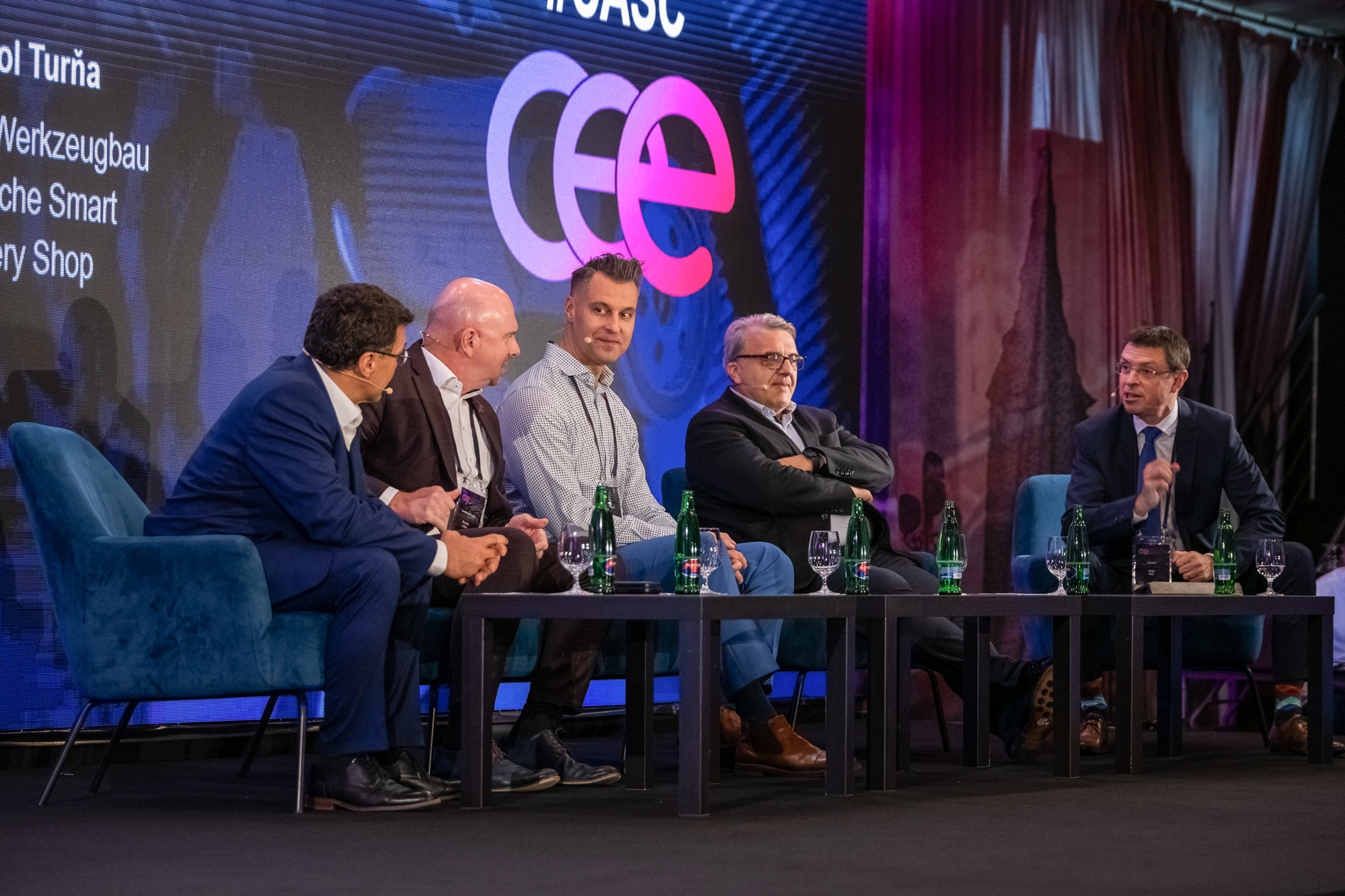
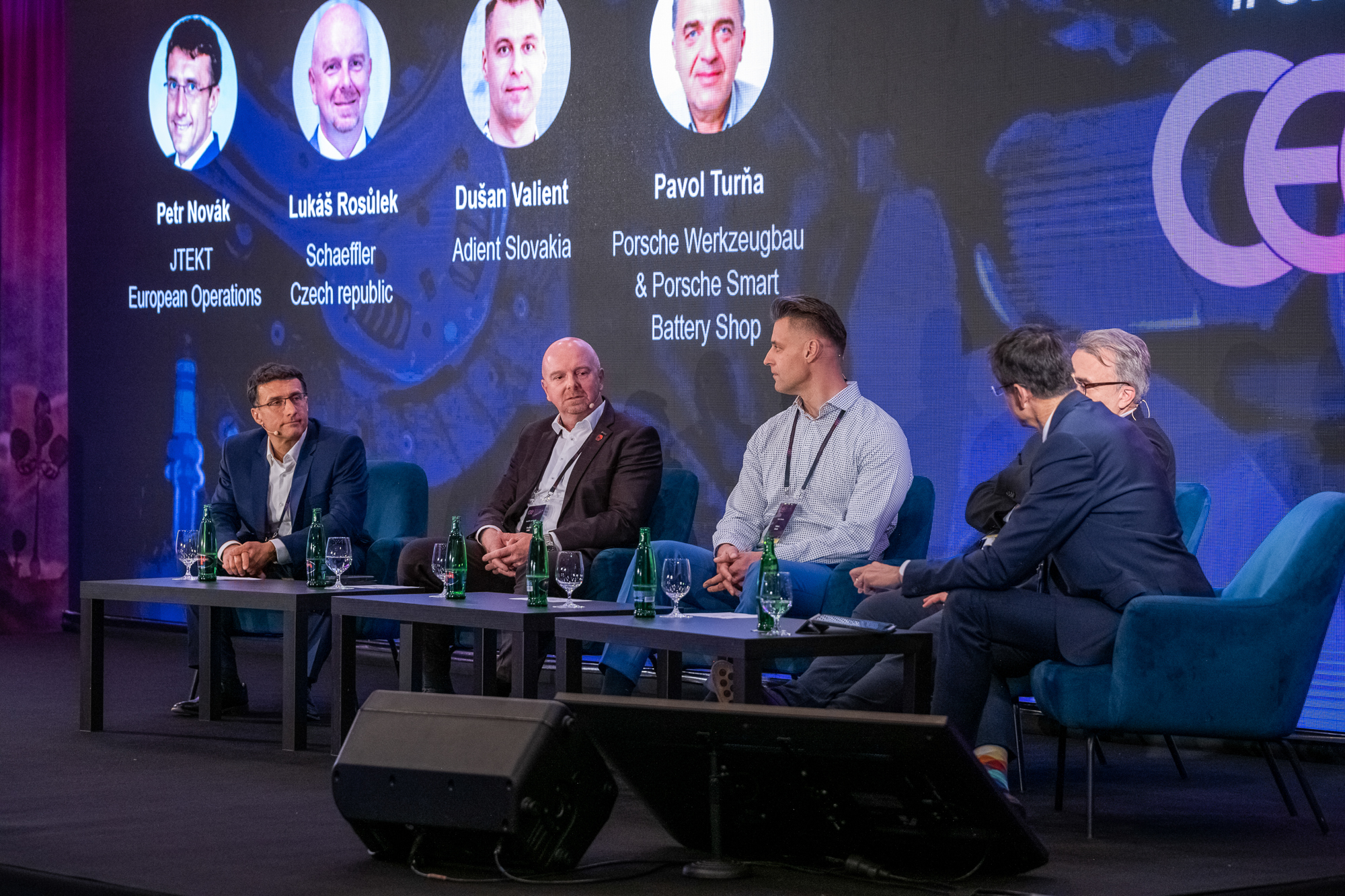
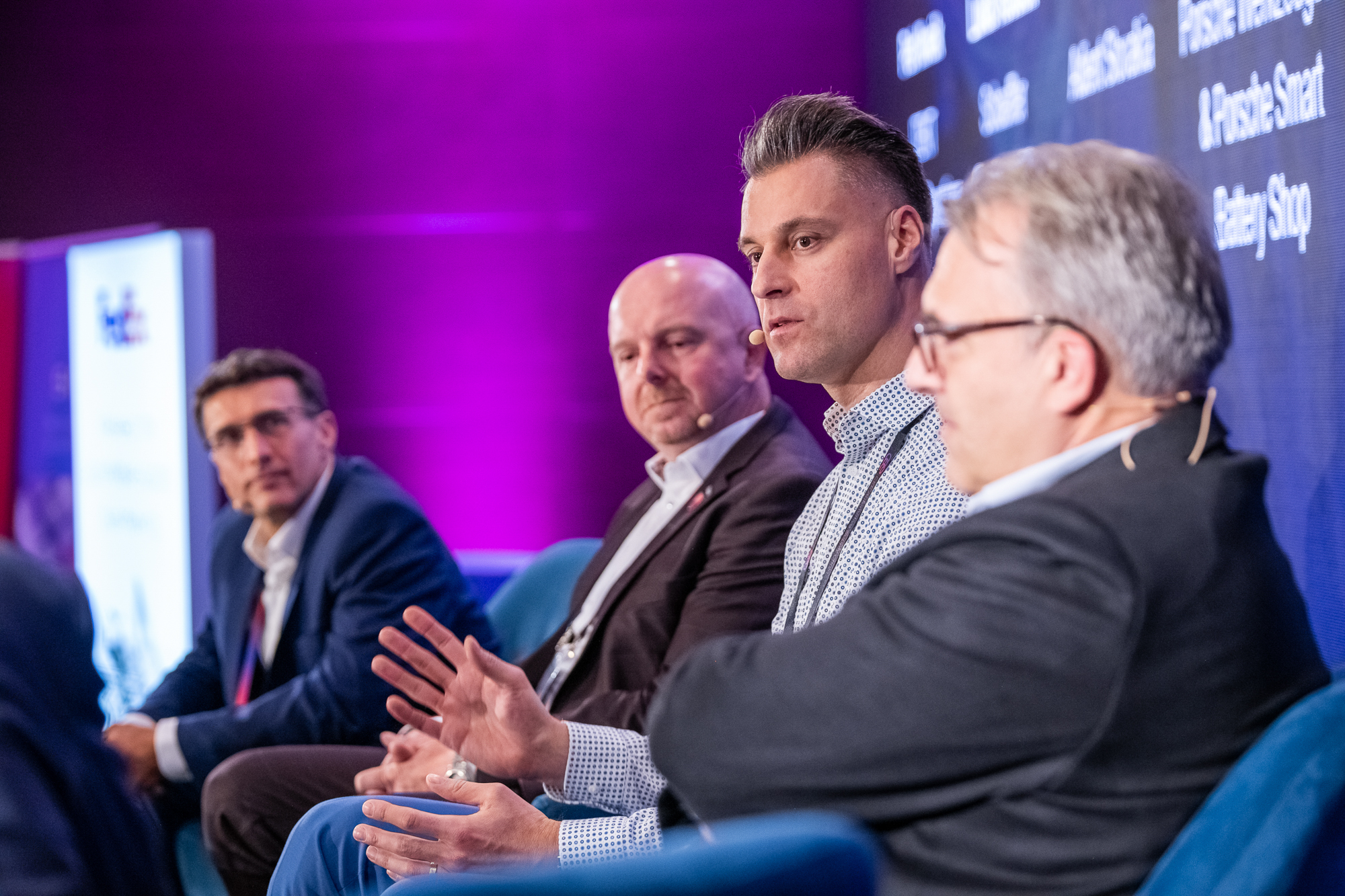
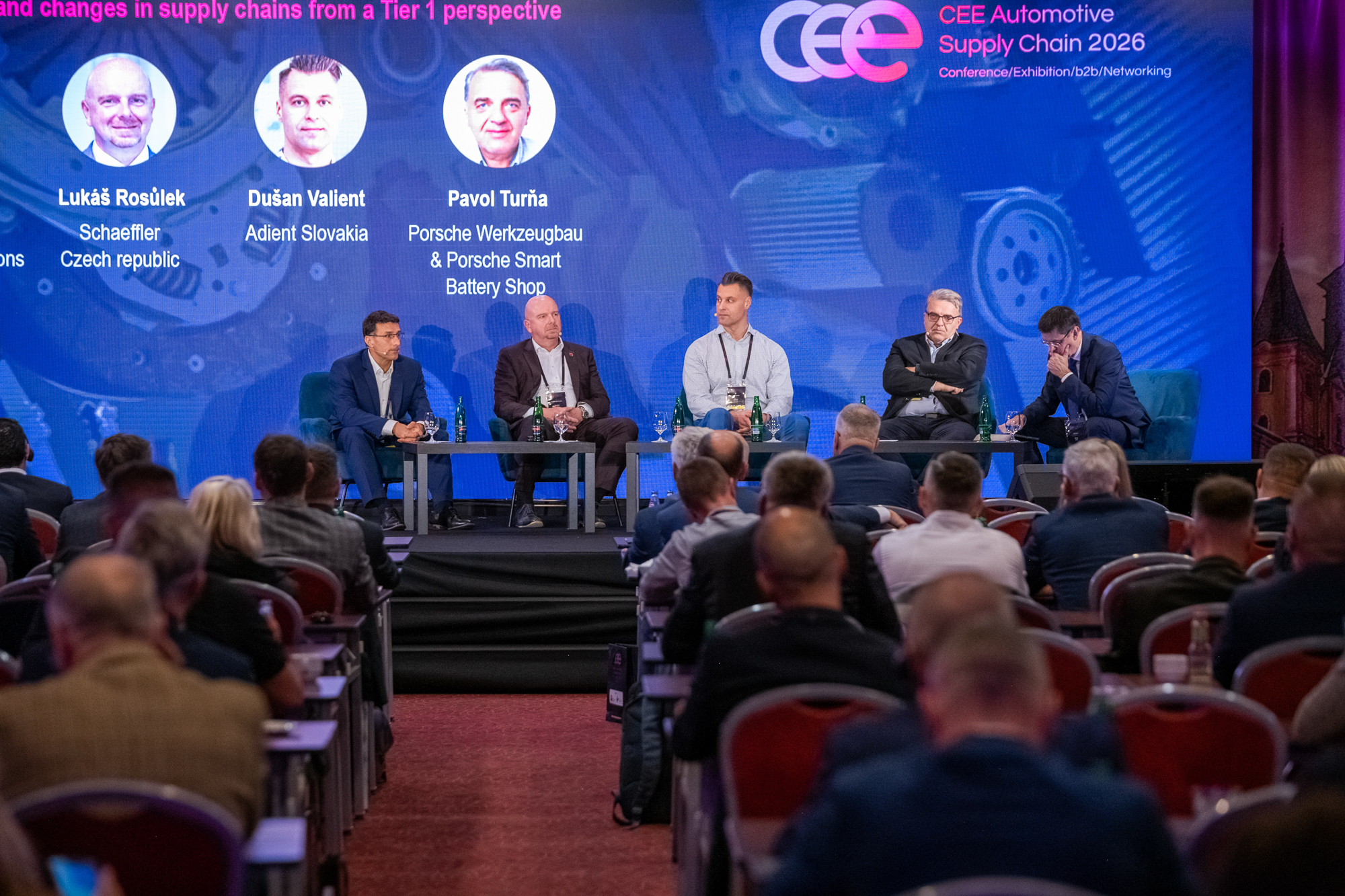
The supplier panel was attended by (from left): Petr Novák (JTEKT), Lukáš Rosůlek (Schaeffler), Dušan Valient (Adient), Pavol Turňa (Porsche) and moderator Petr Knap. | Photo: Ján Brunčák
At the same time, however, examples of the opposite development were heard. Novák described how the high costs of energy-intensive operations are weakening European foundries against their Asian competitors. Turňa pointed out that some suppliers are limiting the scope of their own production and purchasing an increasing part of their inputs elsewhere. The assembly process remains close to the customer. The geographical proximity of the supplier does not in itself mean less dependence on distant sources.
Made in Europe must also work economically
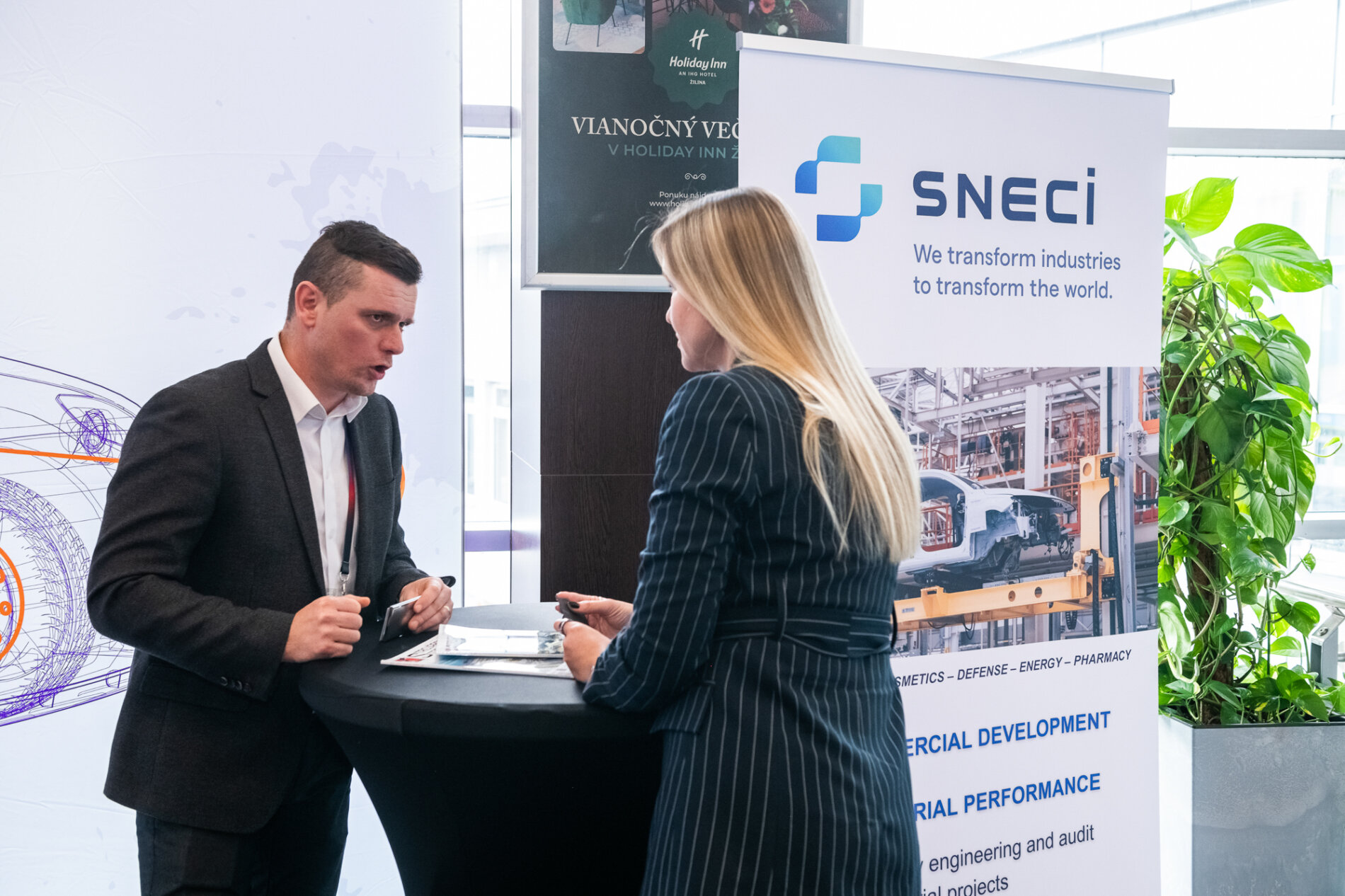
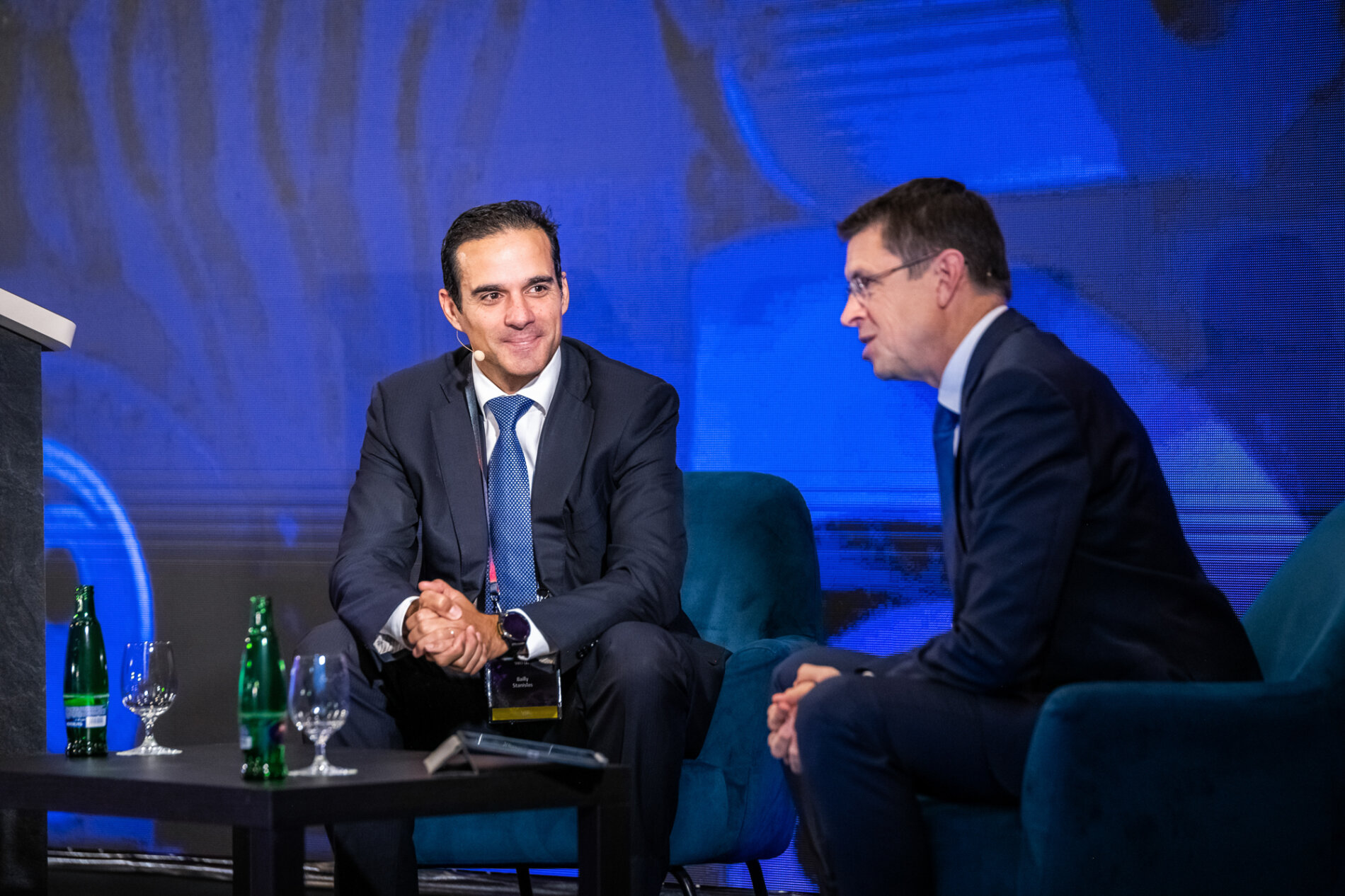
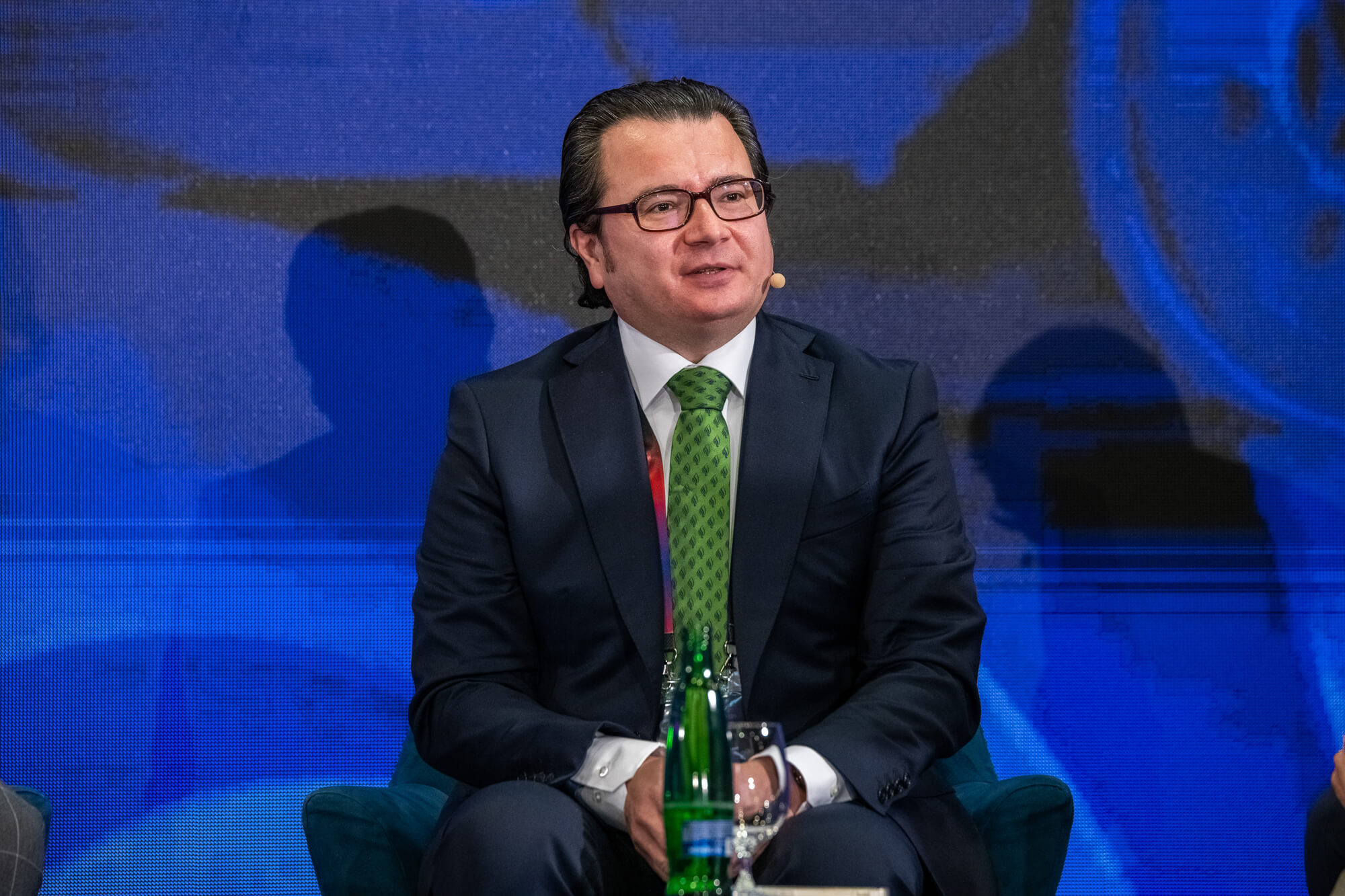
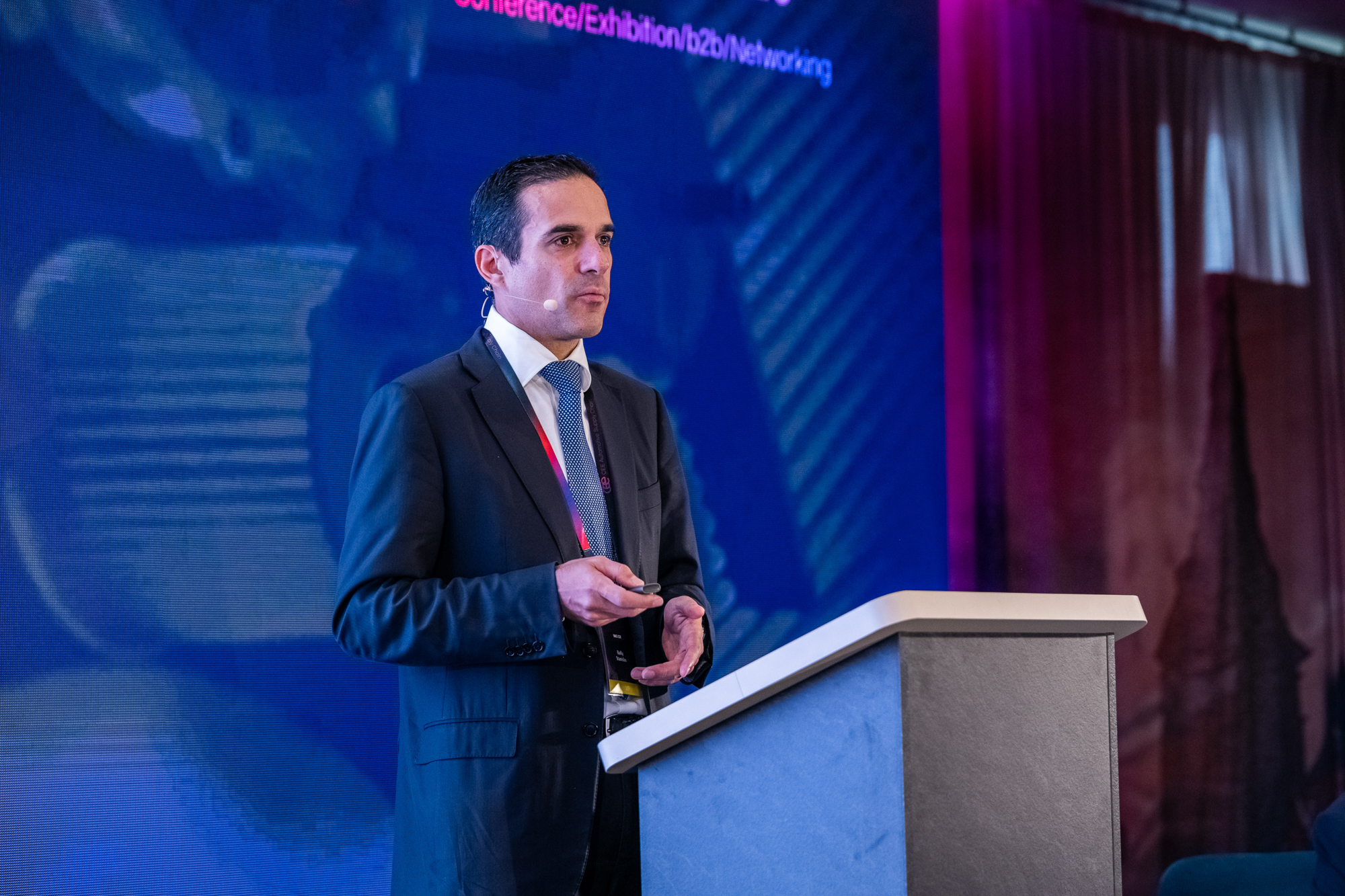
The issue of Europe’s share of production therefore ran through the entire program. Stanislas Bailly, CEO of SNECI and member of the CLEPA board of directors, emphasized the need to involve local suppliers and maintain the industrial base. According to him, suppliers are entering the current price competition weakened by the combination of previous crises, lower production volumes and insufficient compensation for rising costs. The transfer of further orders outside Europe can therefore have a significant impact even on companies that are technologically competitive.
Bailly pointed out that the assembly of vehicles in Europe itself does not yet guarantee the appropriate involvement of European suppliers. He therefore considered it important to set conditions that would support local component production and give companies certainty for further investments. Matušek initially advocated cooperation with Chinese manufacturers through joint ventures, local production and technology transfer. Kiml also warned that the new rules should not disrupt long-standing relationships with Japanese and Korean partners.
The supplier panel added a practical question: at what cost can a larger European share be secured? The speakers pointed out that without competitive inputs, localization can make production more expensive. The specific setting of the rules and which parts of the chain Europe can realistically develop will therefore be decisive.
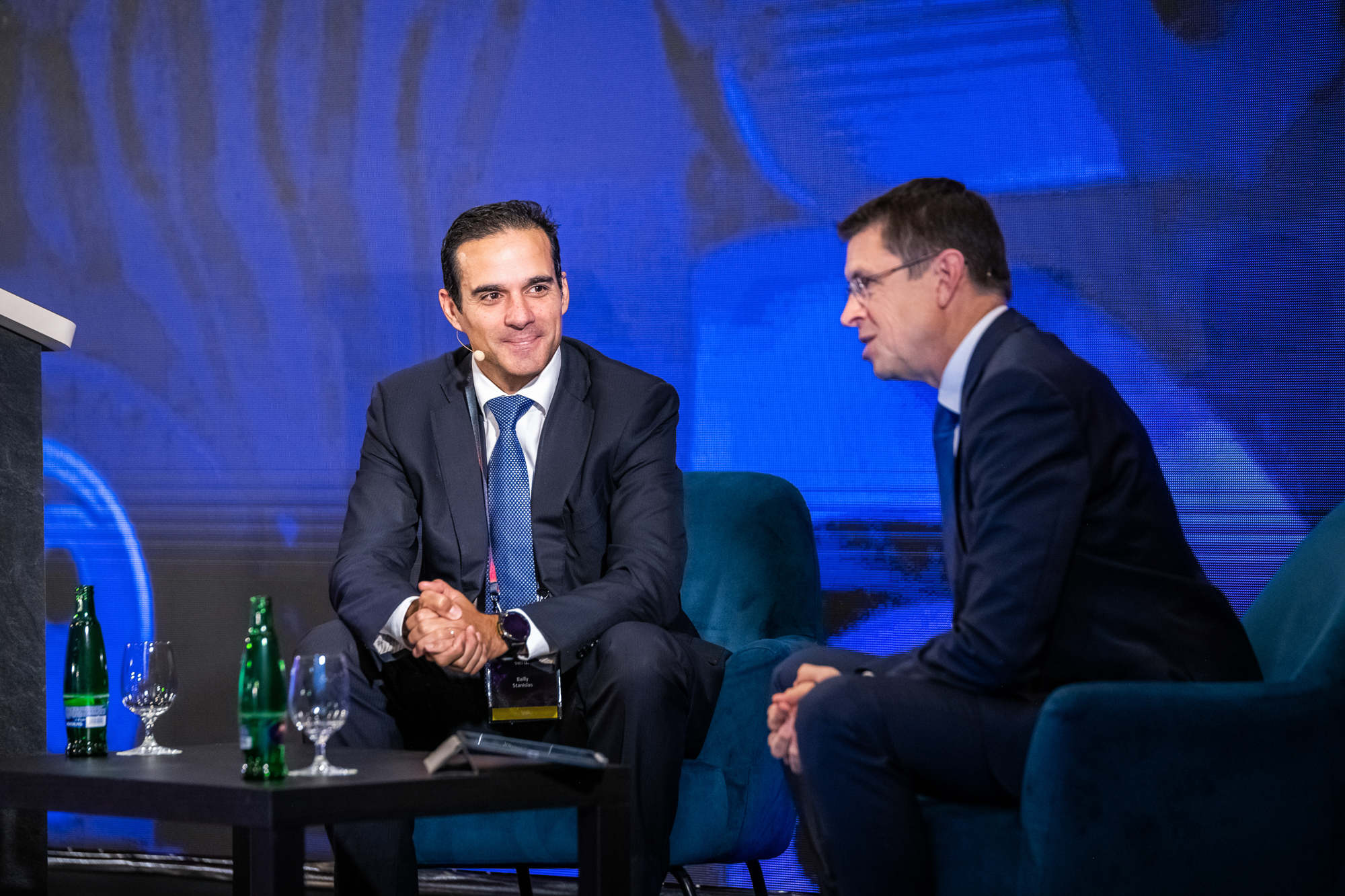
Stanislas Bailly, CEO of SNECI and member of the board of directors of CLEPA. | Photo: Ján Brunčák
Moreover, dependencies do not only concern chips and battery cells. Rosůlek also drew attention to printed circuit boards, for which the automotive industry competes with other industries, including data centers and AI. Turňa recalled the importance of battery recycling, but also the fact that Asian companies also have a strong position in these downstream chains.
Resilience begins with knowledge of the entire chain
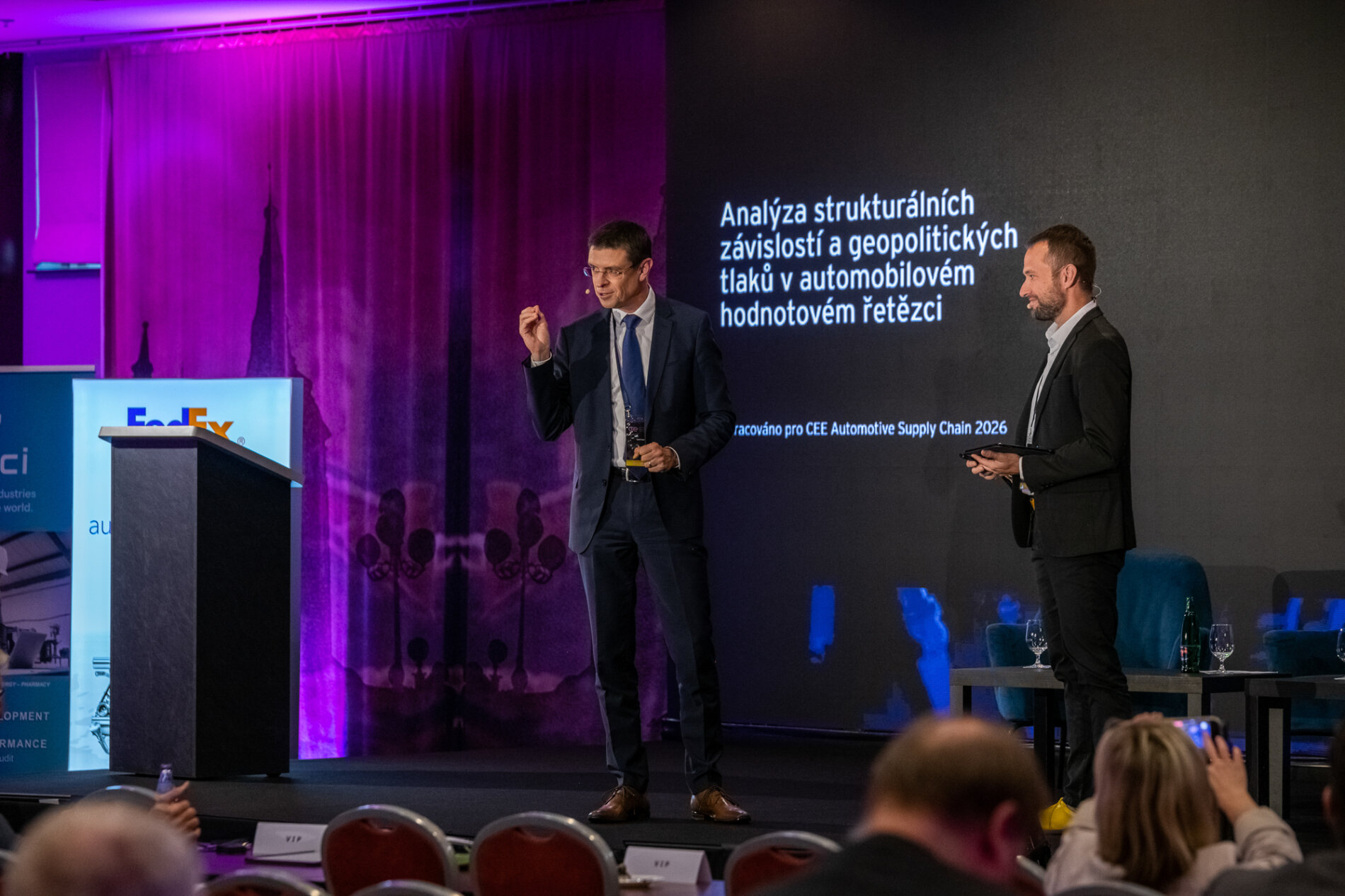
An analytical perspective was provided by Zdeněk Dušek, partner at EY Czech Republic, who presented a study prepared for ACEA. He pointed out that the vulnerability of the European automotive industry arises from the concentration of critical inputs in several regions and does not only concern the extraction of raw materials, but also their processing, technologies and professional competencies. Other measures require wiring harnesses, which are difficult to replace due to their specific design for a particular car, and other semiconductors, the production of which is supported by an extensive development and technological ecosystem.
He recommended that companies know not only direct suppliers, but also the origin of critical materials and components in other levels of the chain. The practical question, he says, is how long it would take for a disruption in a particular region to affect its own production line. He does not consider Europe’s complete independence to be realistic: it is important to set priorities, look for alternatives and cooperate where a company cannot build the necessary resilience on its own.
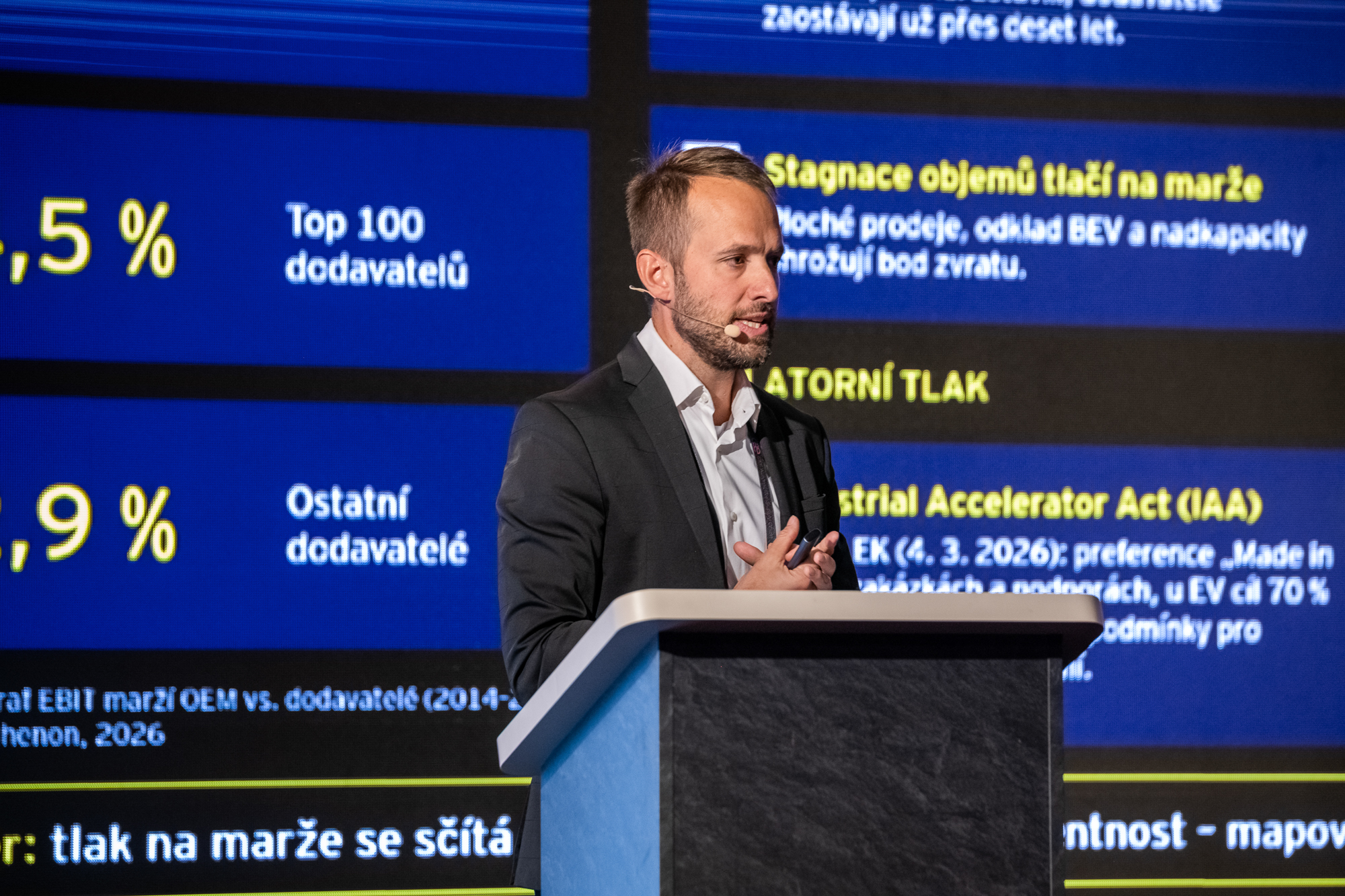
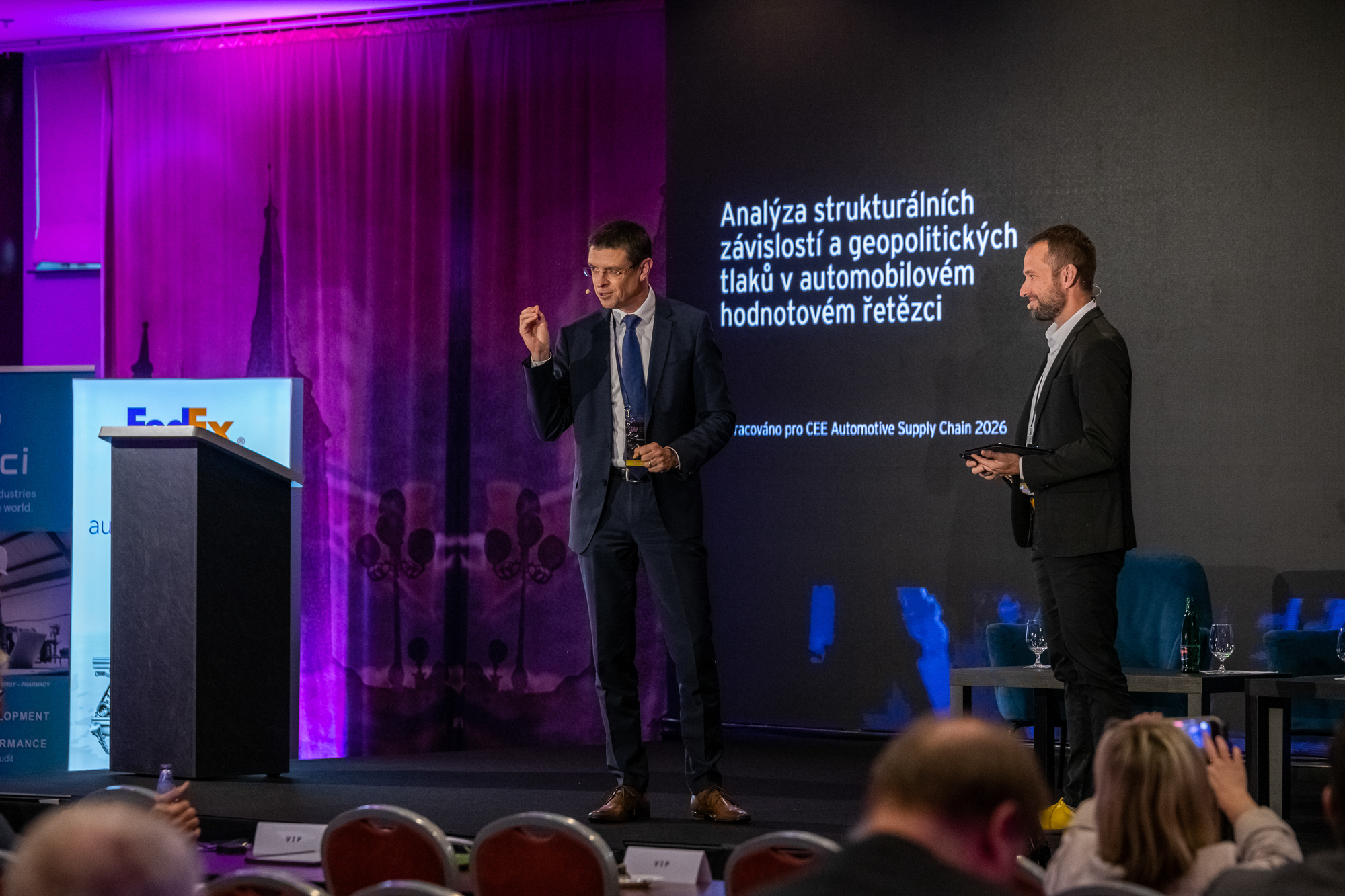
Zdeněk Dušek, partner of EY Czech Republic, presented the results of the supply chain study. | | Photo: Ján Brunčák
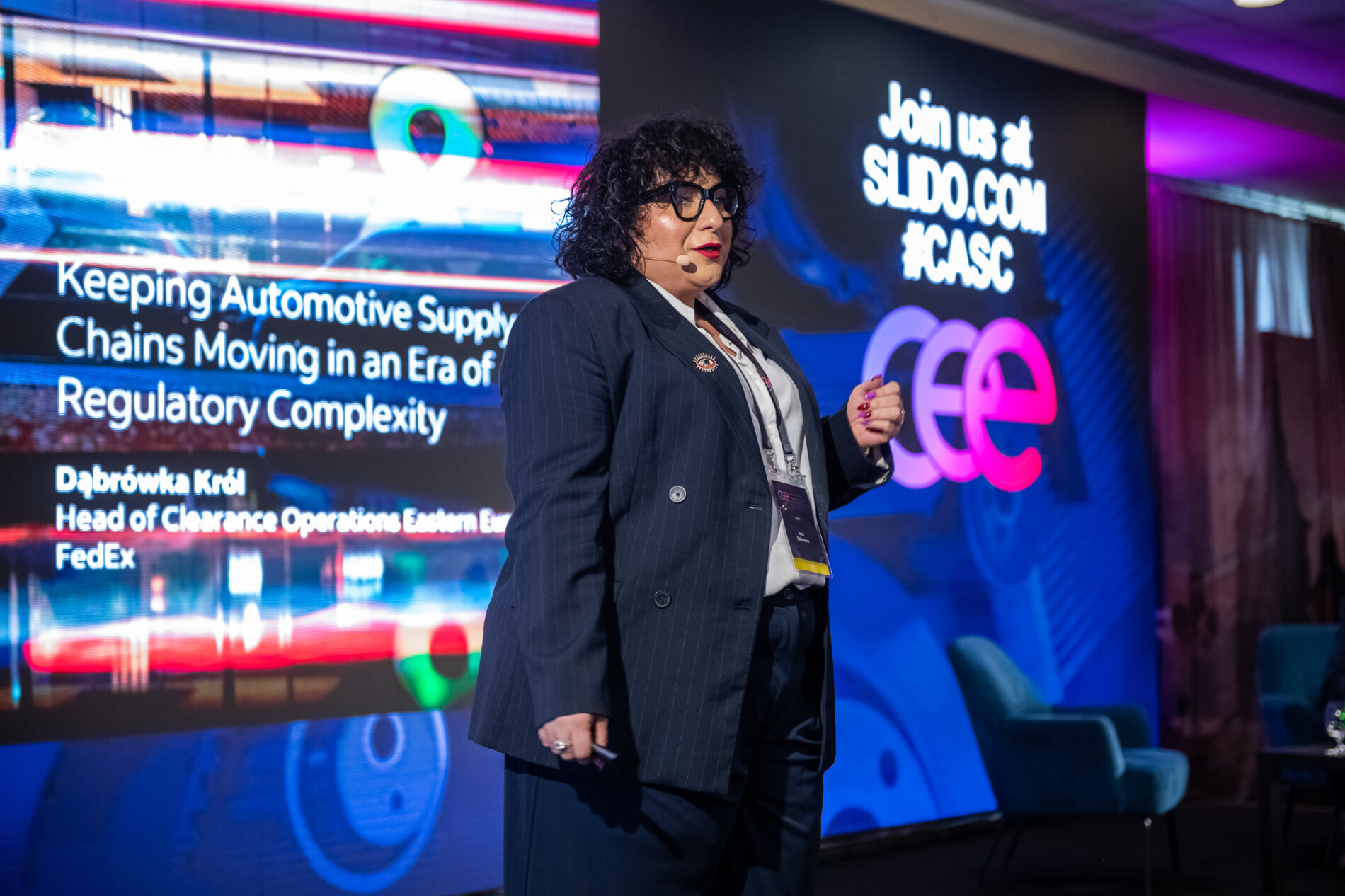
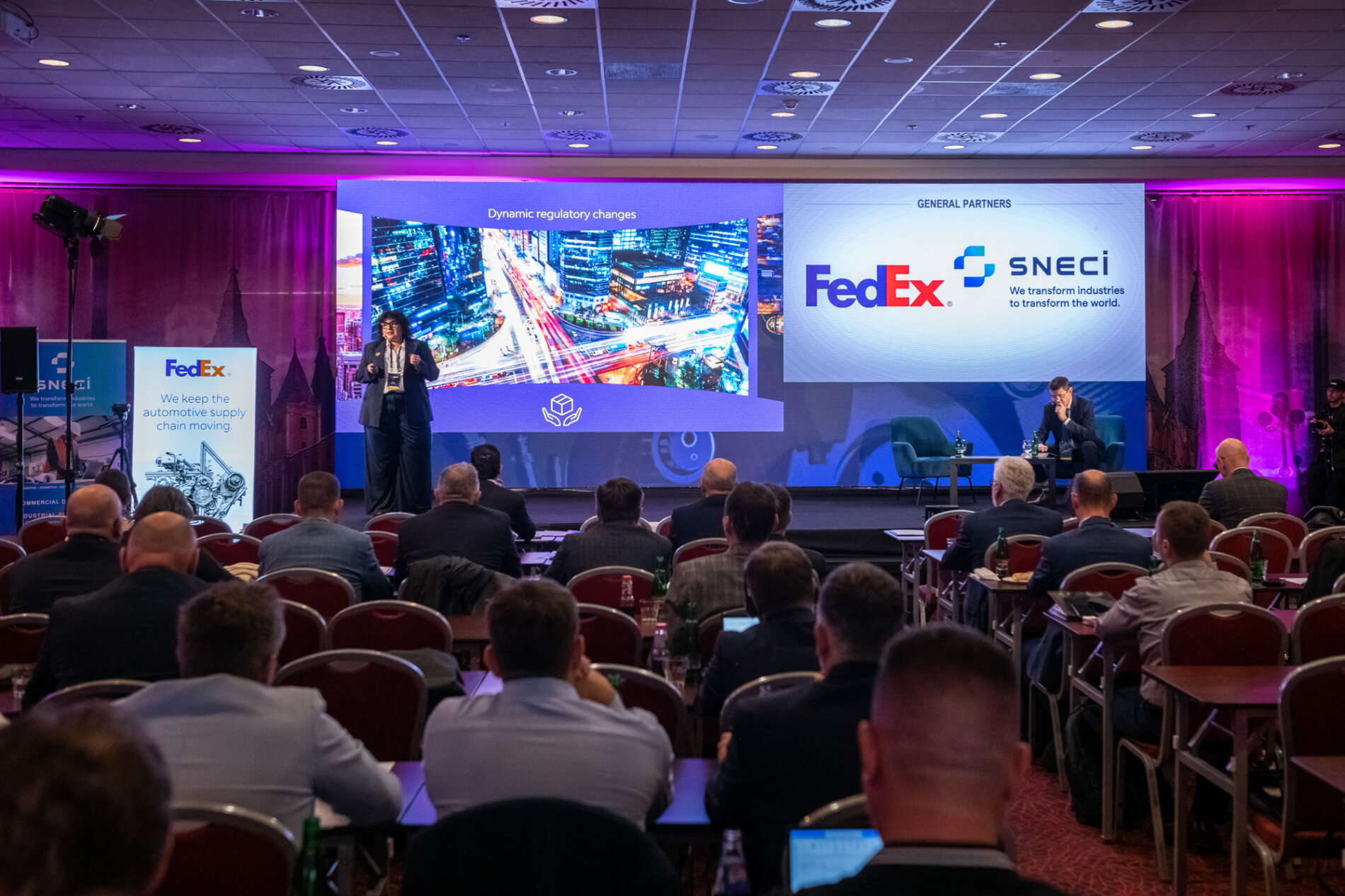
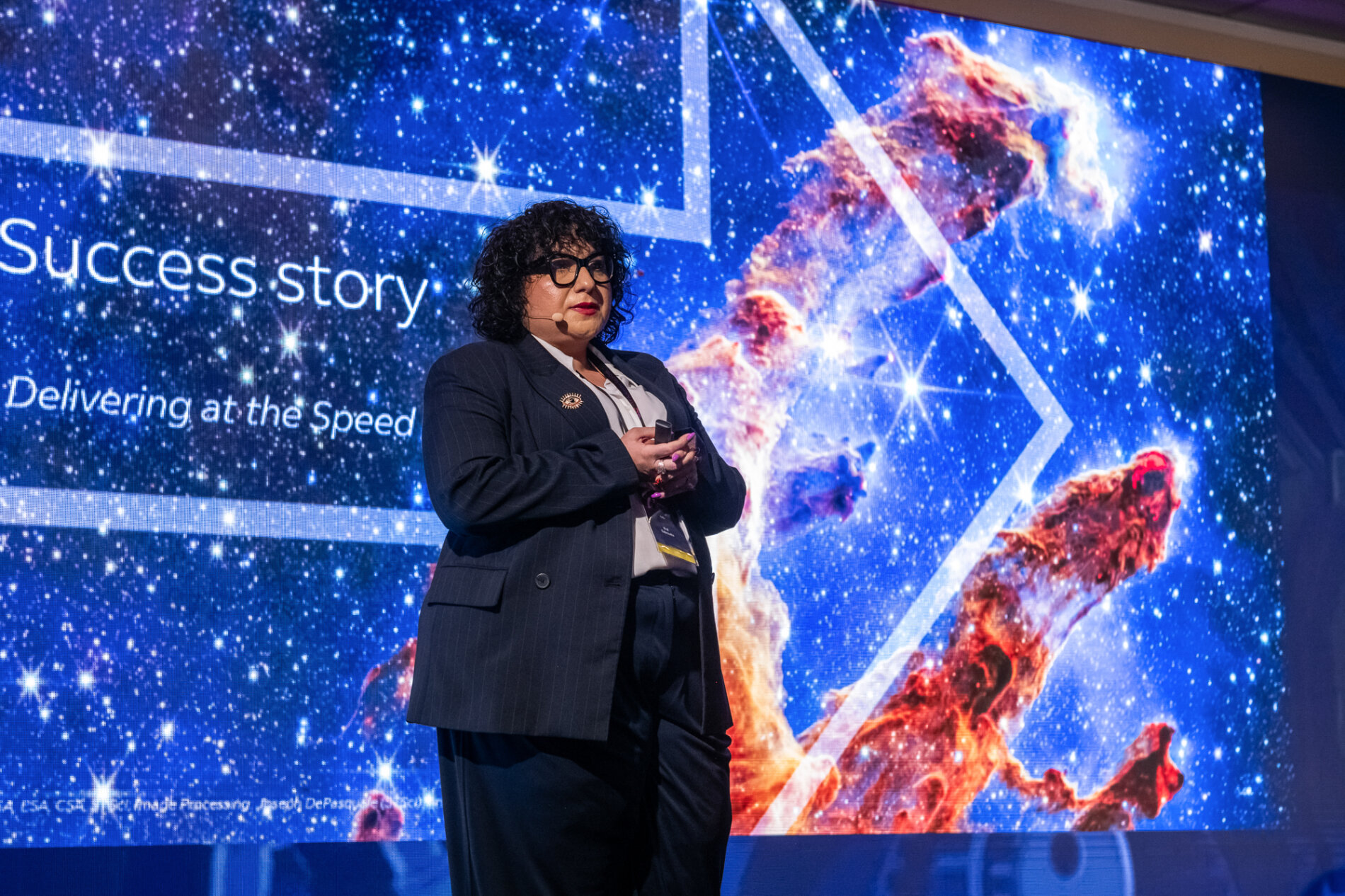
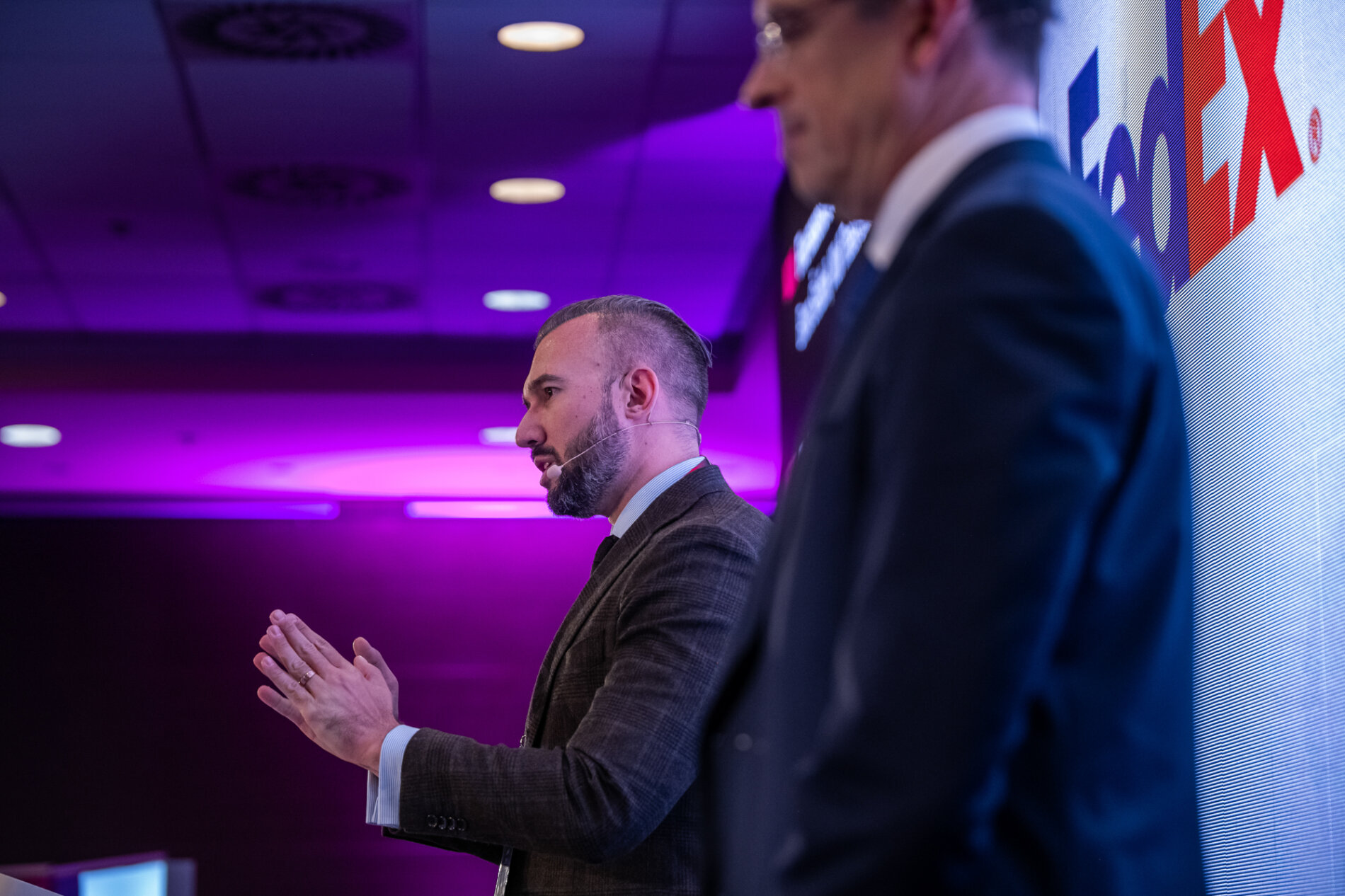
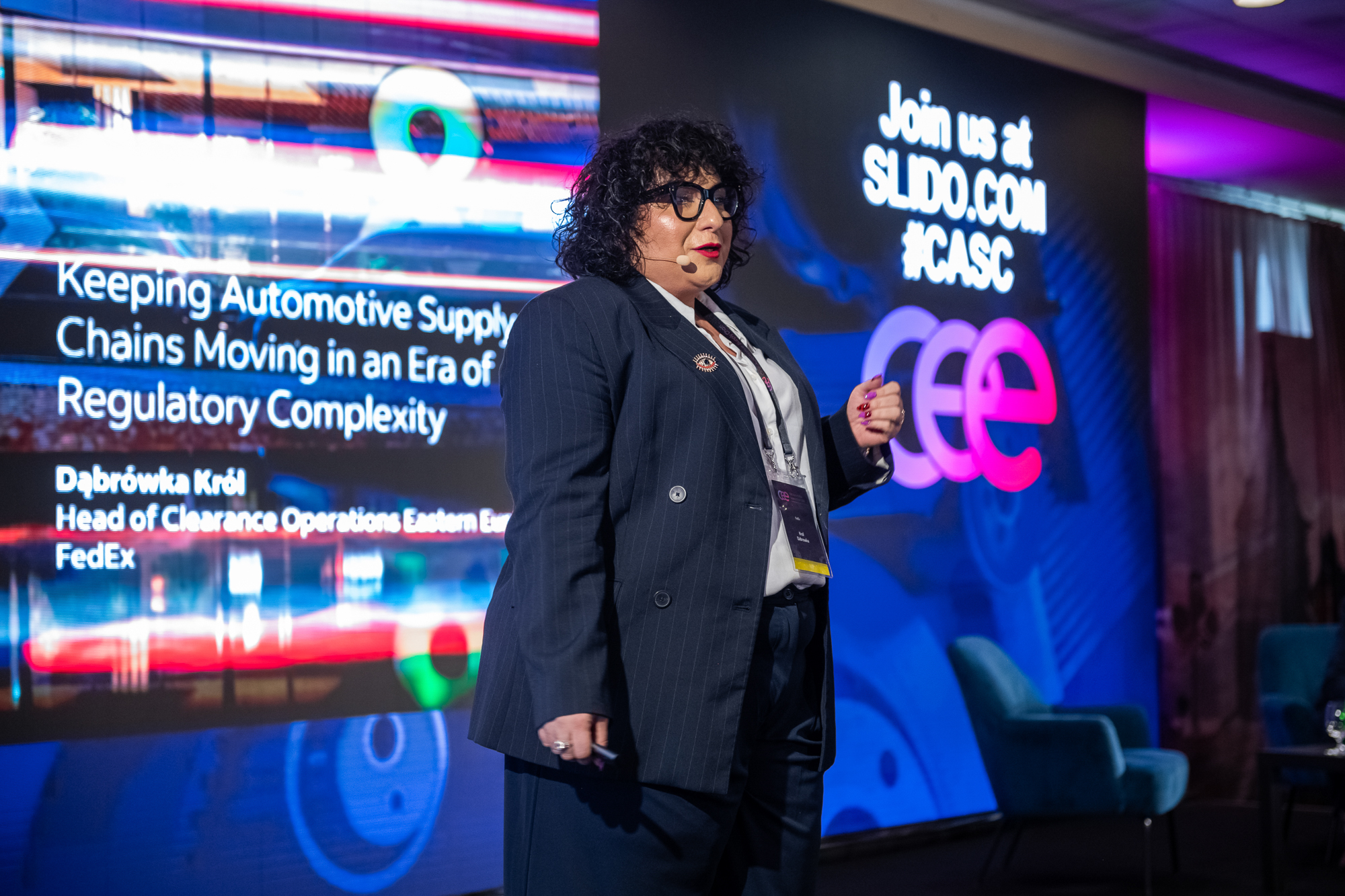
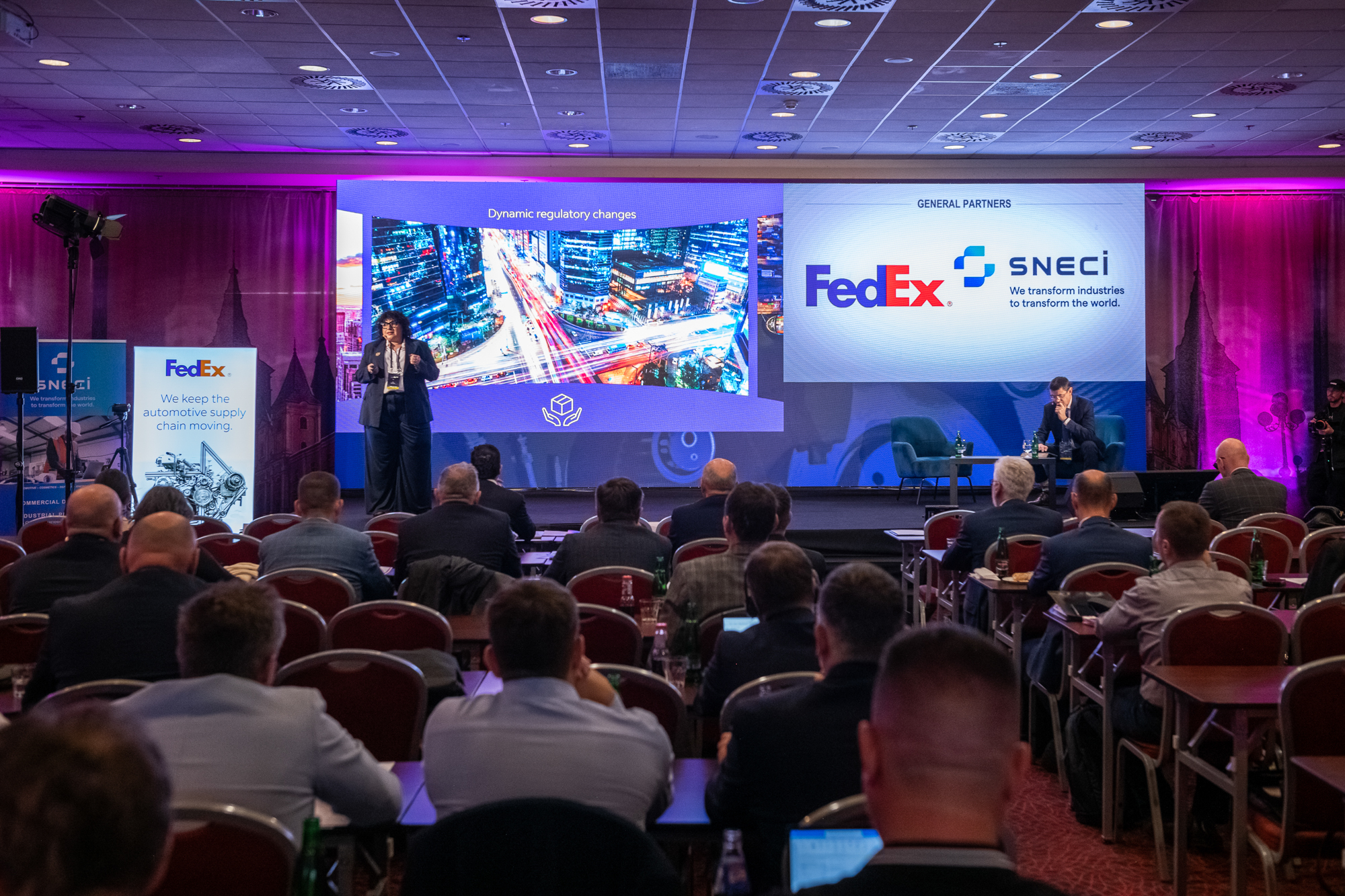
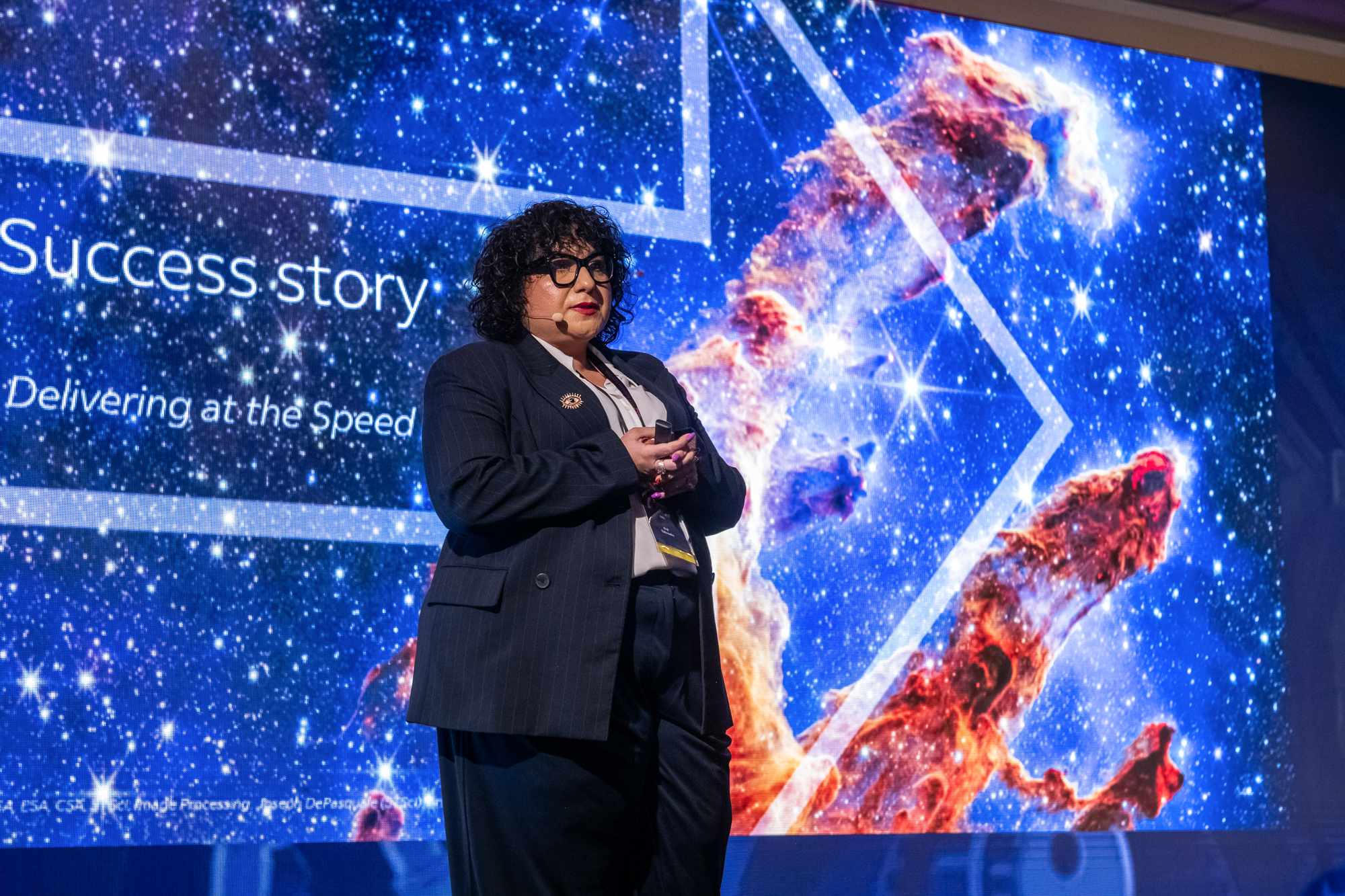
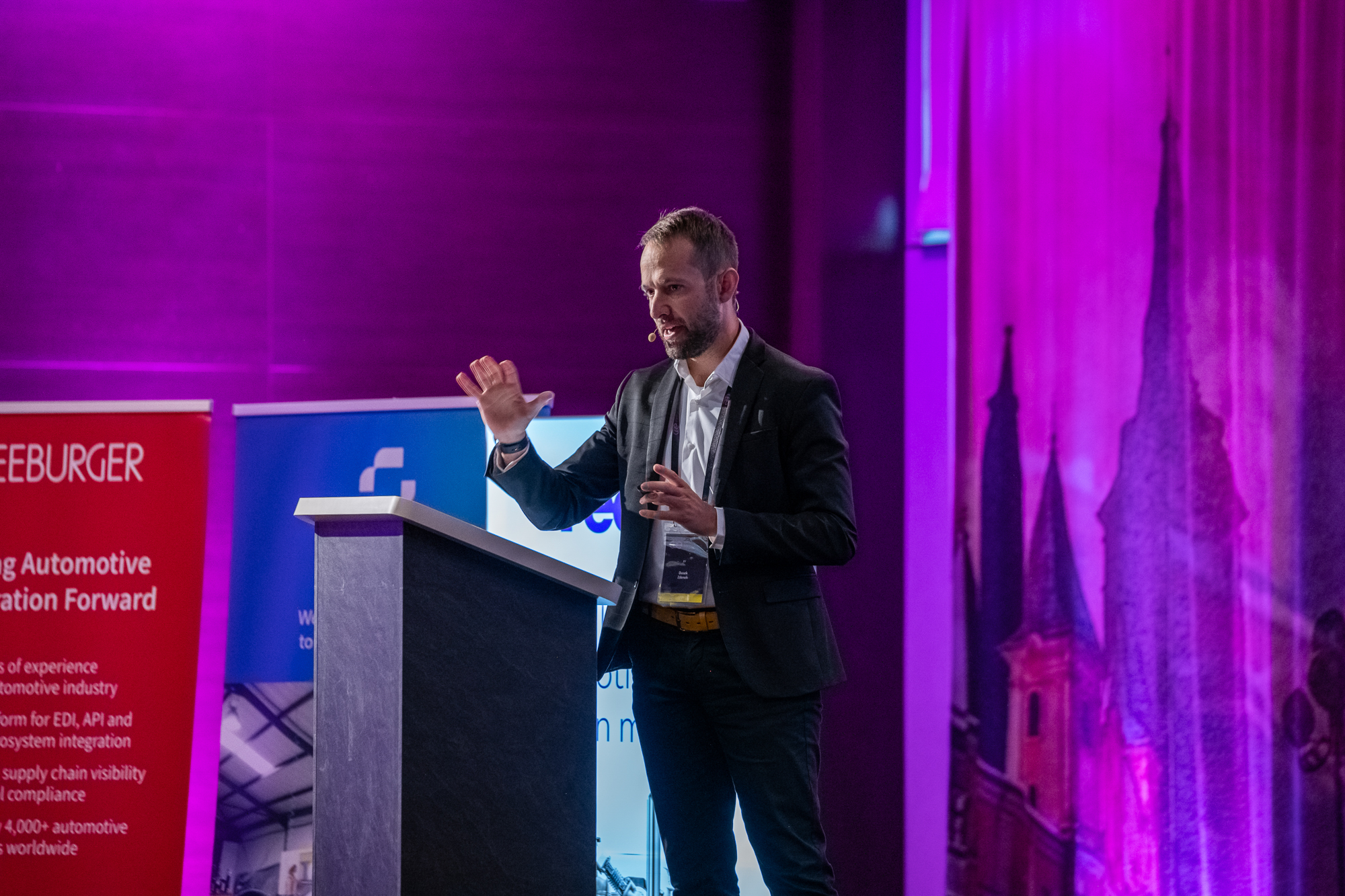
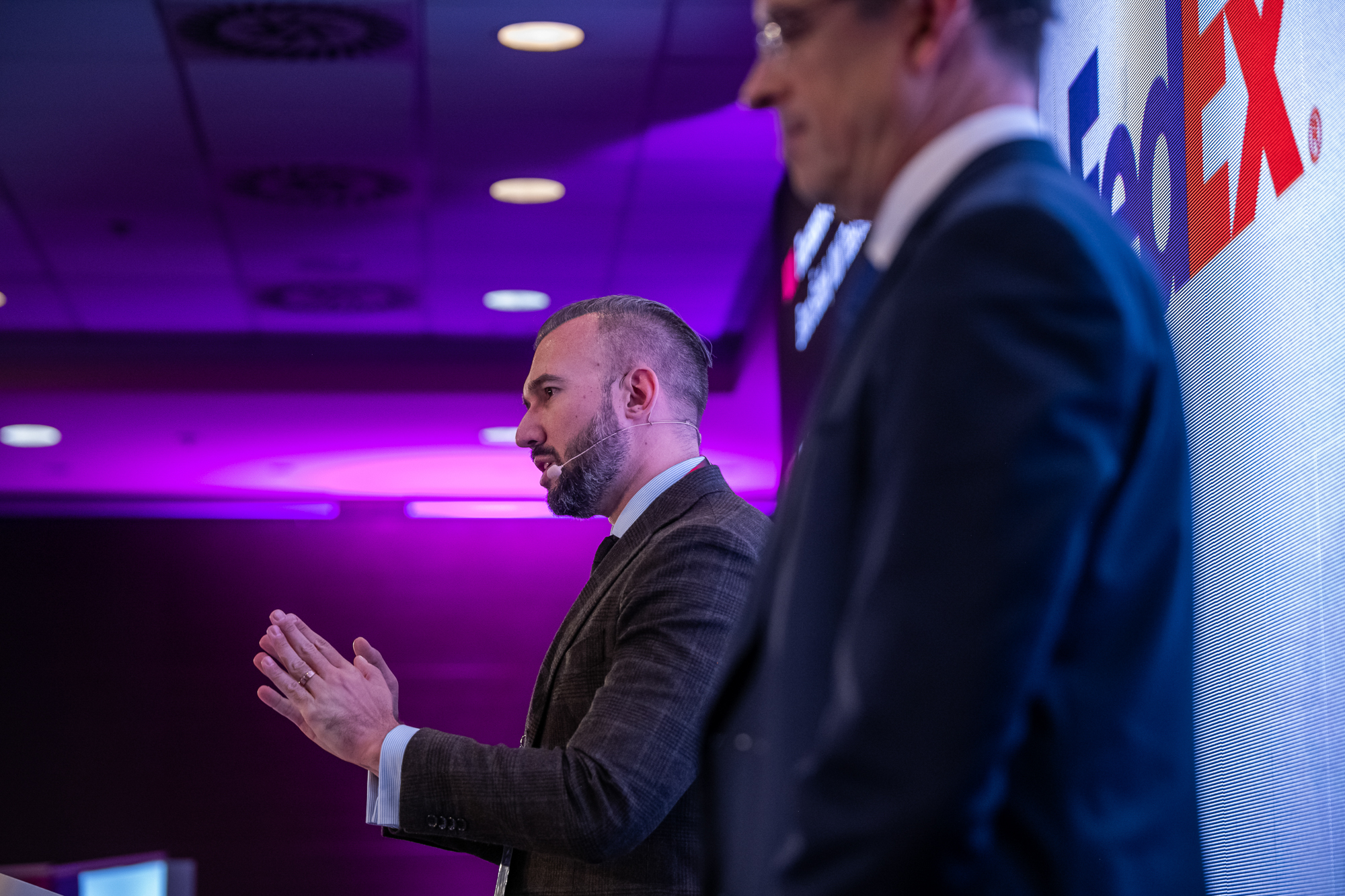
Dąbrówka Król, who leads customs clearance for Eastern Europe at FedEx, focused on the operational side of this resilience. She described the shift from chains focused primarily on the lowest price to ensuring business continuity. “The most expensive customs clearance is not the one you pay for. It is the one that stops your business,” she reminded. According to her, proper documentation and timely preparation of customs procedures reduce the risk of a shipment being detained, which in the automotive industry can even mean a production stop. She also presented the use of AI and shipment tracking for early detection of delays and adjustment of transport routes.
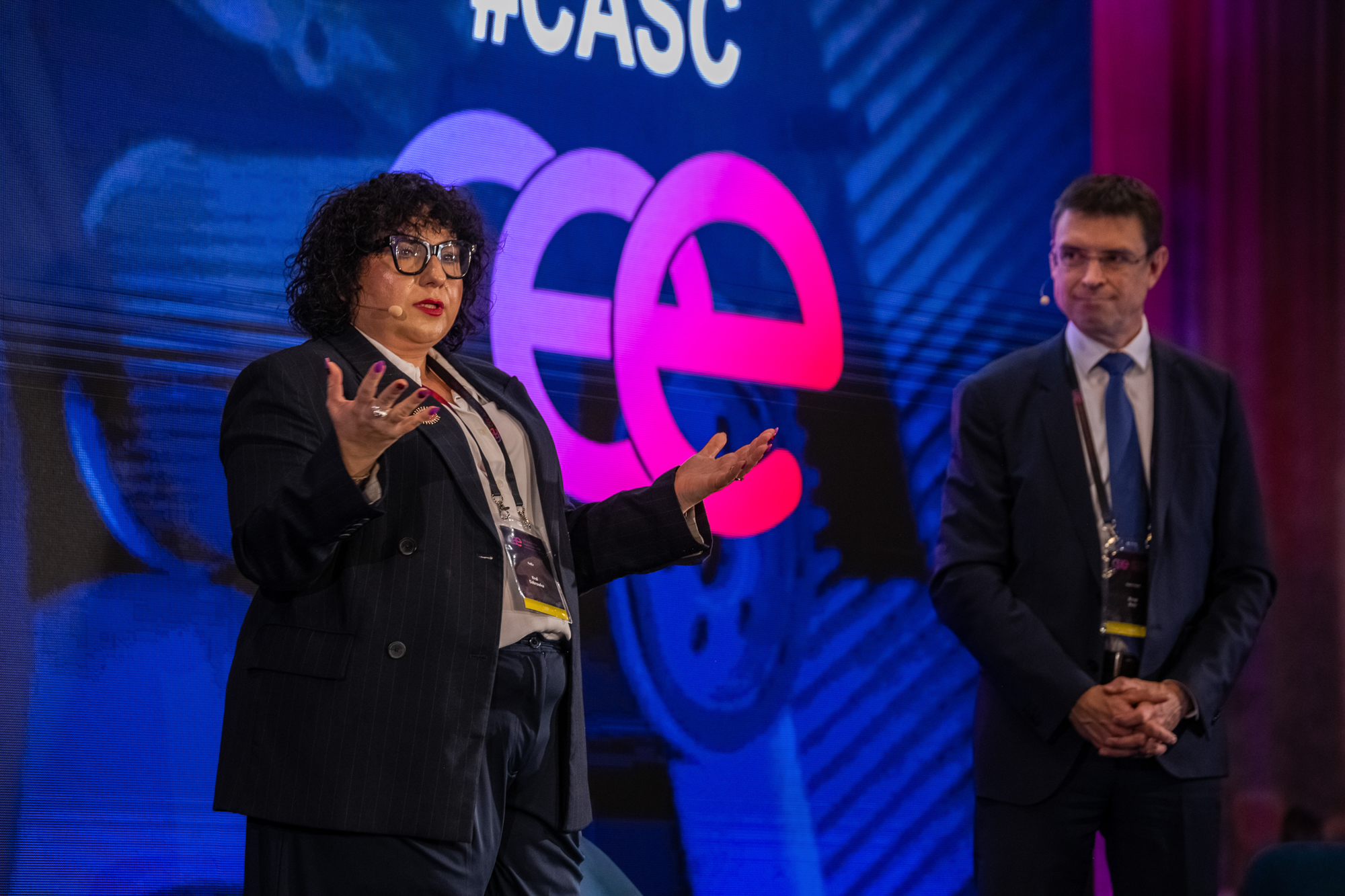
Dąbrówka Król spoke about the role of FedEx in today’s world of logistics. | Photo: Ján Brunčák
In-house innovation helps from price competition
According to suppliers, savings alone will not ensure a long-term perspective. Using the example of JTEKT, Novák described the shift from established electric power steering systems, for which there are more and more competitors, to steer-by-wire technologies, sensors and software. It is the new functions and higher value for the customer that should allow the company to stay out of pure price competition.
“Being efficient and, above all, fast,” emphasized Turňa, another condition for success. Shortening the development and launch of new cars places higher demands on the entire chain, but at the same time it favors suppliers who can react flexibly. Exceptionality does not have to lie only in the product itself, but also in related services or logistics.
Practical examples were also given in artificial intelligence. Rosůlek recalled the use of machine learning in optical inspection in production. JTEKT is preparing the connection of business processes, which is to be followed by the use of AI, for example, for more effective production planning. Valient presented the ambition to improve and accelerate engineering with the help of AI by 30 percent within three years. According to Turni, Porsche Werkzeugbau is creating its own AI agent to support predictive maintenance of production lines. In addition to the benefits, he also pointed out the need to protect its own know-how.
New partnerships also need well-defined contracts
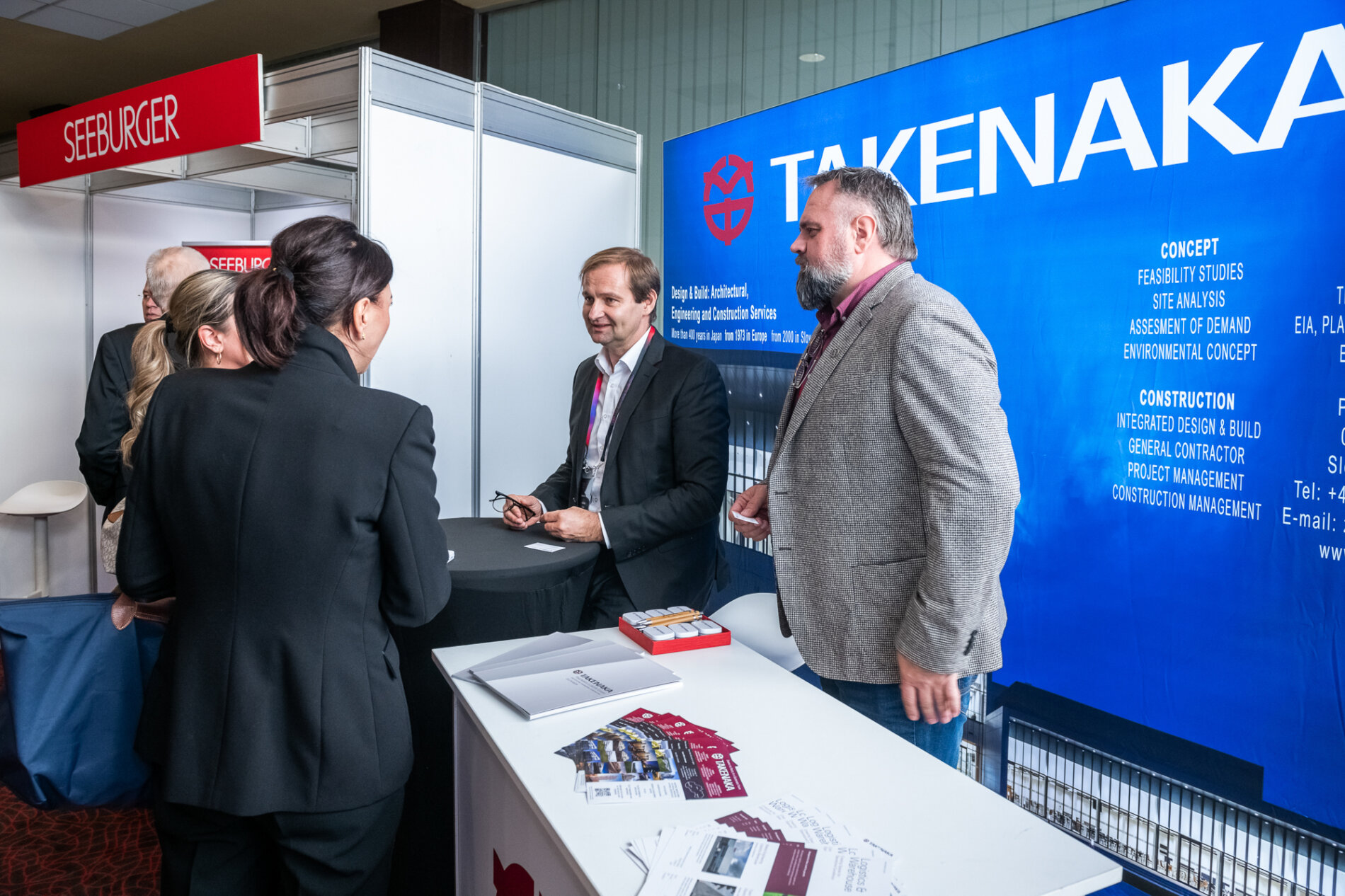
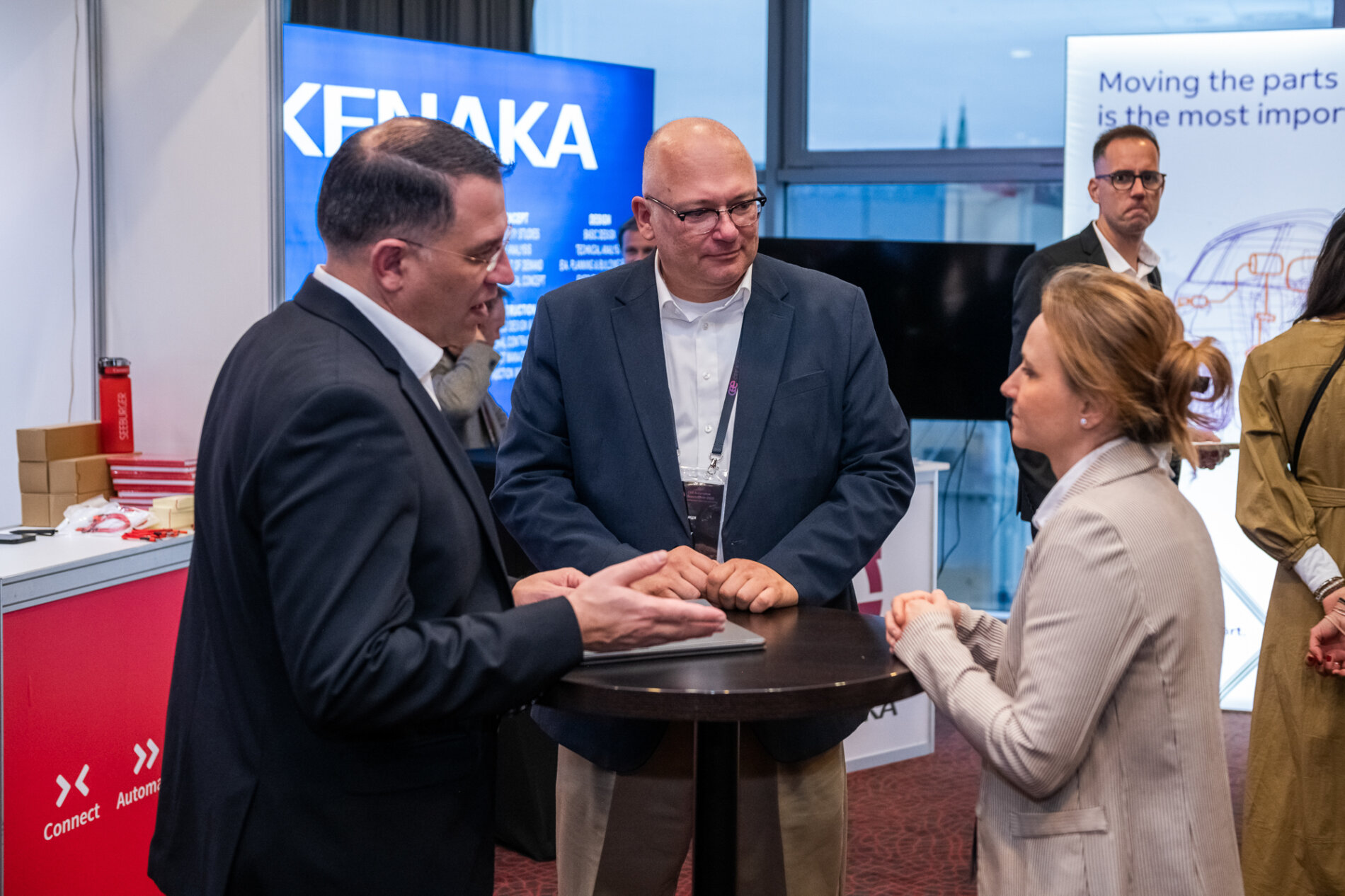
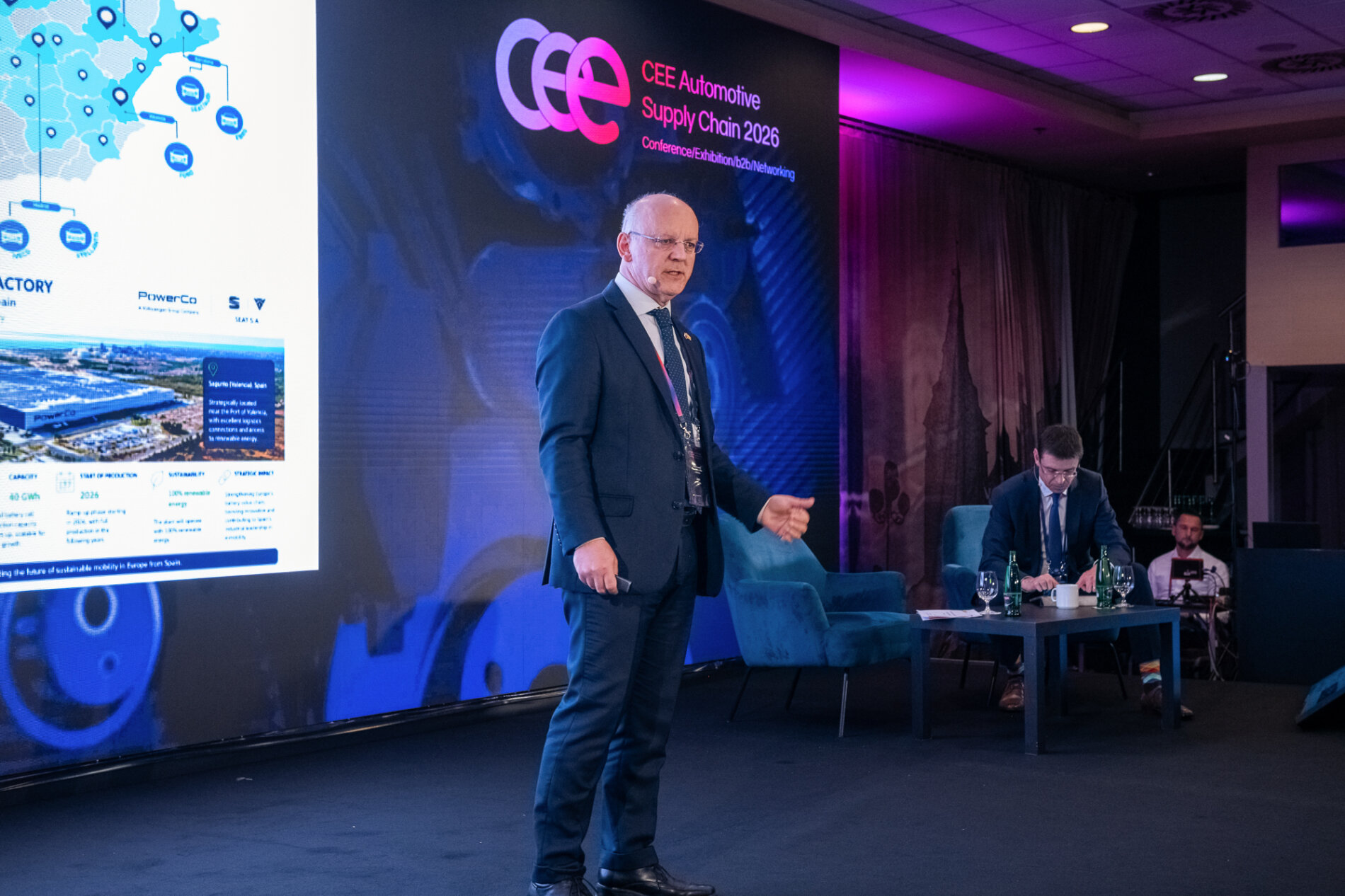
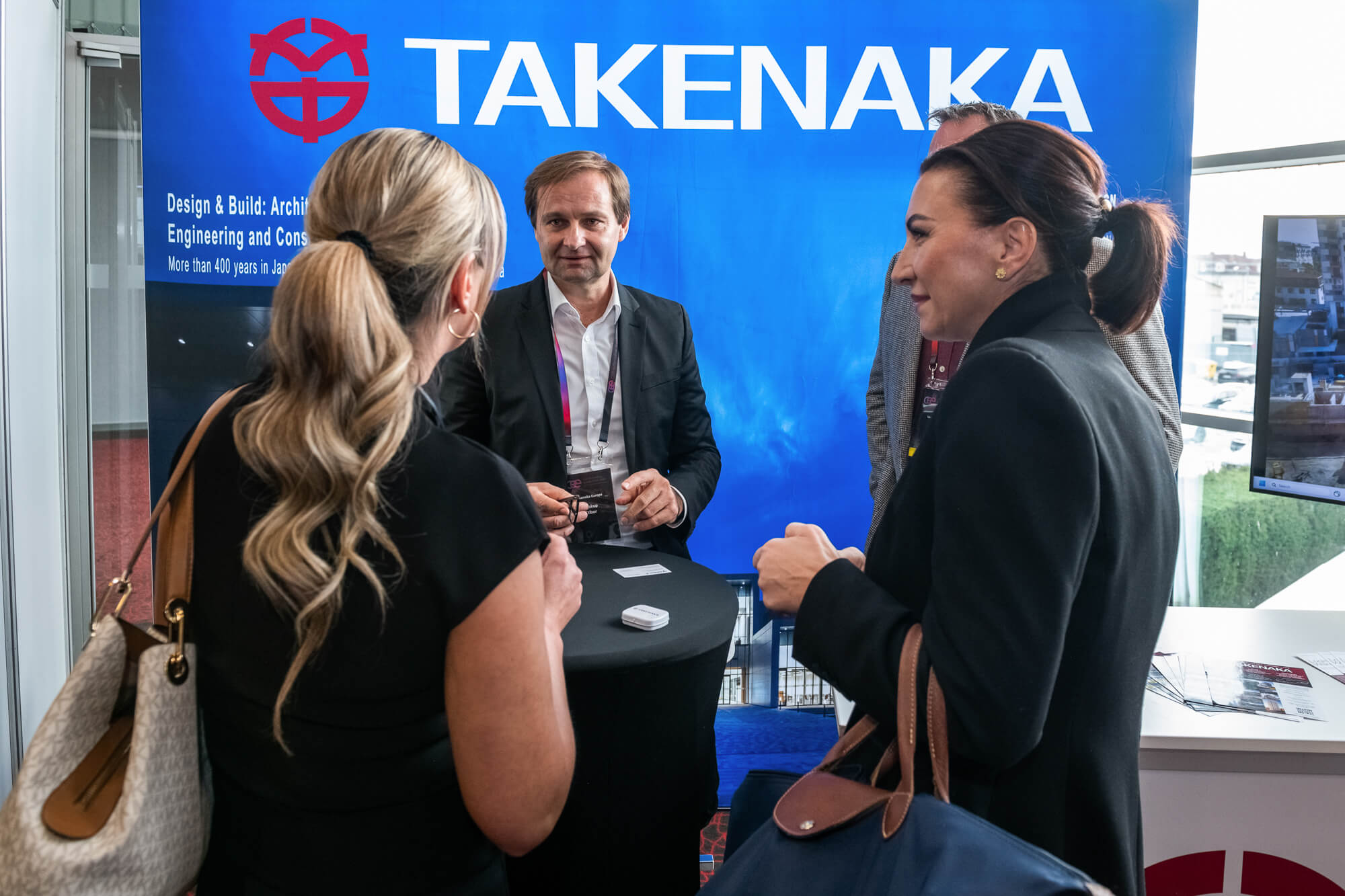
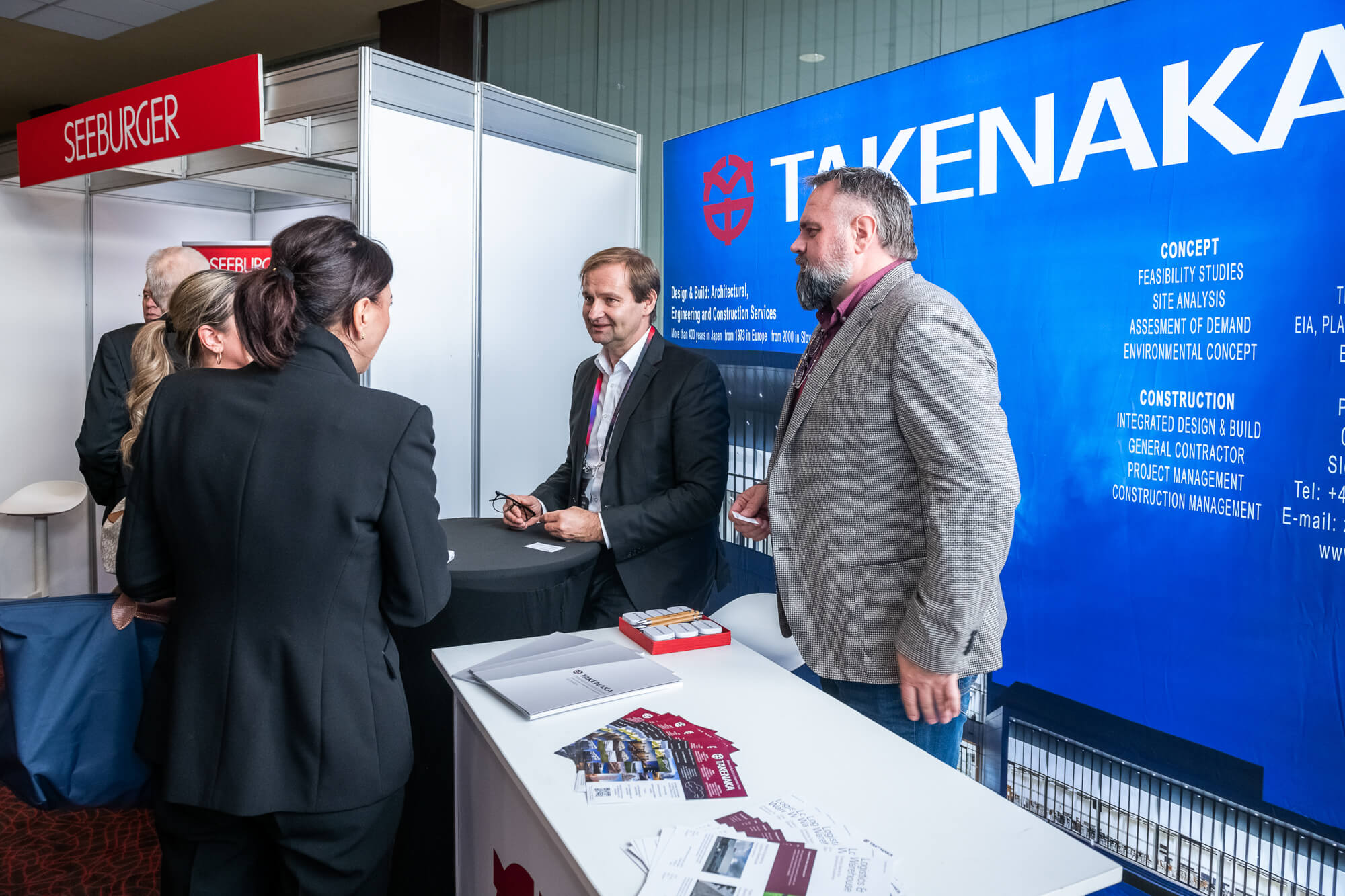
The broader European context was added by Fermín López, Business Counselor at the Spanish Embassy in Slovakia. He presented the Spanish production and supply base, the development of electromobility and investments in the battery industry. He also recalled the presence of Spanish suppliers in Slovakia, from where they serve car manufacturers throughout the region. He sees room for further cooperation in the production of components, batteries and their recycling, as well as in sharing technological experience. He also expressed interest in supporting the participation of other Spanish companies at the next conference in Olomouc. Ctibor Rajskub supplemented the partnership program with a presentation of Takenaka and the possibility of cooperation with it.
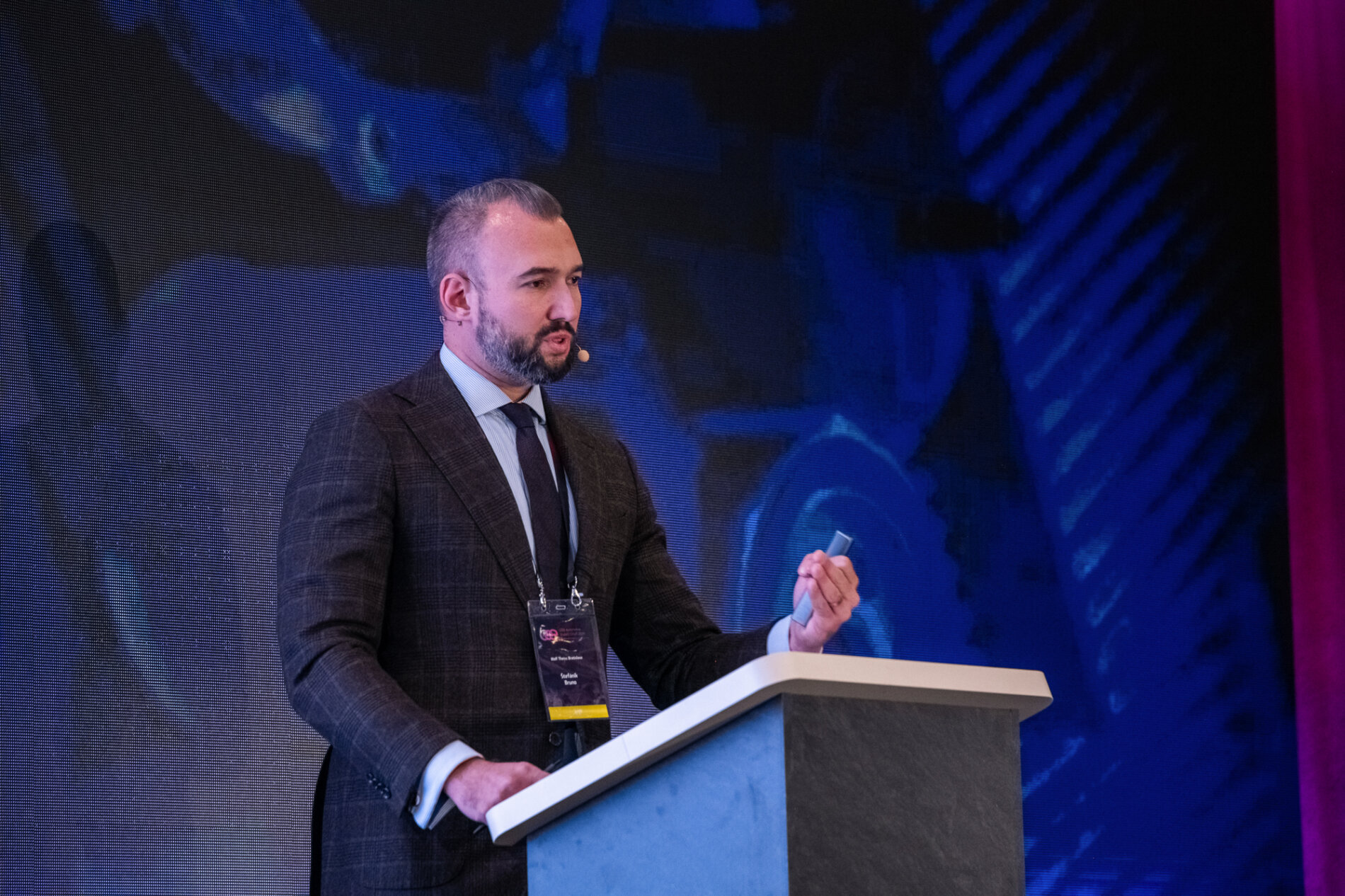
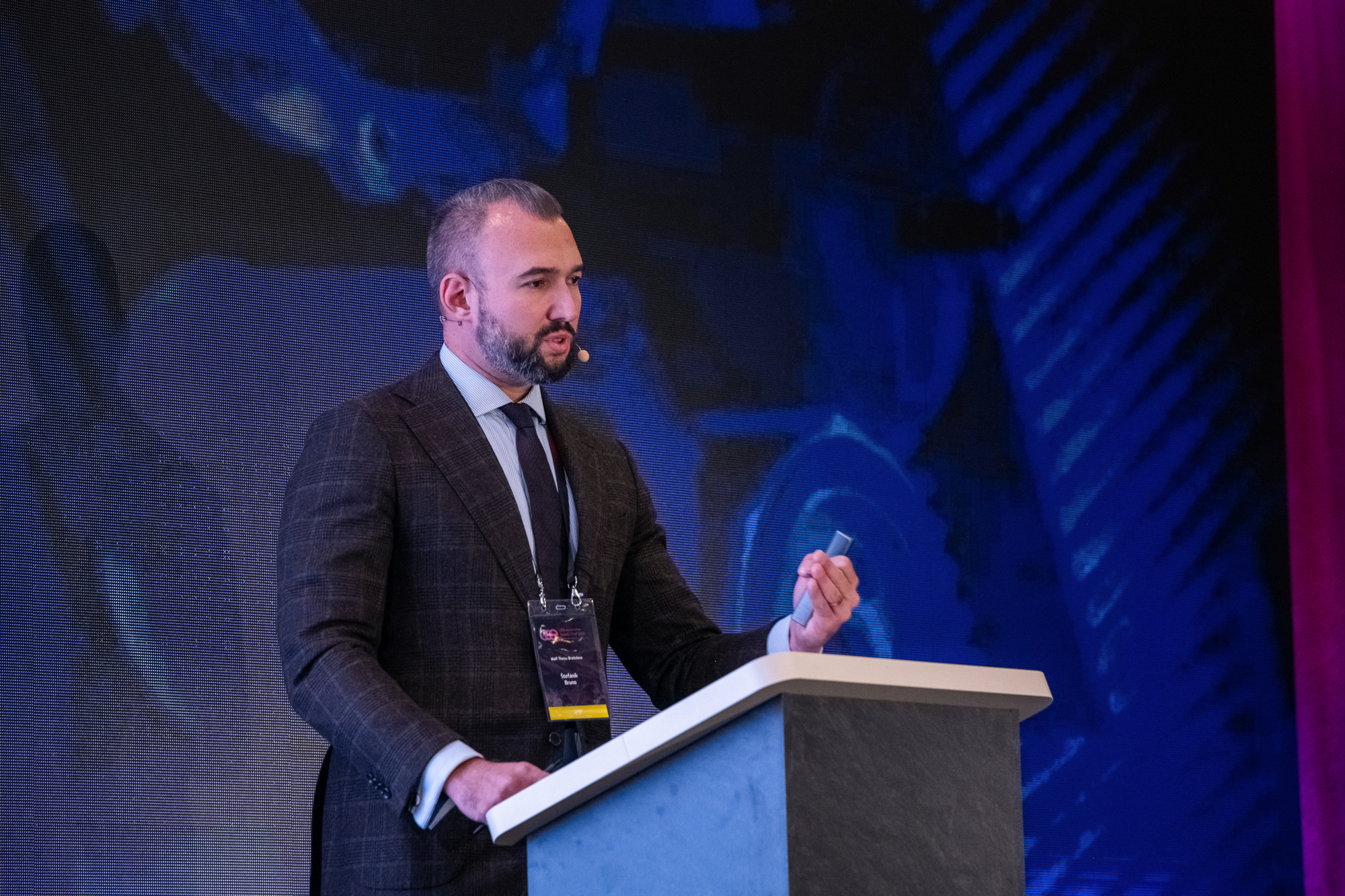
The legal dimension of supplier relations was opened by Bruno Štefánik, partner at Wolf Theiss Bratislava. In five thematic areas, he showed how the requirements for supply chain due diligence, batteries and the circular economy, customs, product liability, and cybersecurity and data are reflected in contracts. He pointed out that the requirements of large customers are moving up the chain towards smaller companies that need to have adequate access to information from their own suppliers.
According to him, it is not only the quality of contracts that is important, but also their actual use: whether the partner has demonstrably accepted the terms, who is responsible for the data transferred, and how unexpected costs are handled. He also recommended paying attention to the protection of know-how and the division of responsibility. “Do not give up on risk management,” he summarized his final recommendation. Even if the supplier does not enforce all the requirements during negotiations, partial improvement of its position makes sense.
The future also depends on people and trust
At the end of the supplier debate, the focus returned from technology to people. Novák highlighted strategic thinking, the ability to manage change, and diverse teams that can come up with different ideas. Rosůlek recalled the importance of technical education, but also personal communication and trust between business partners.
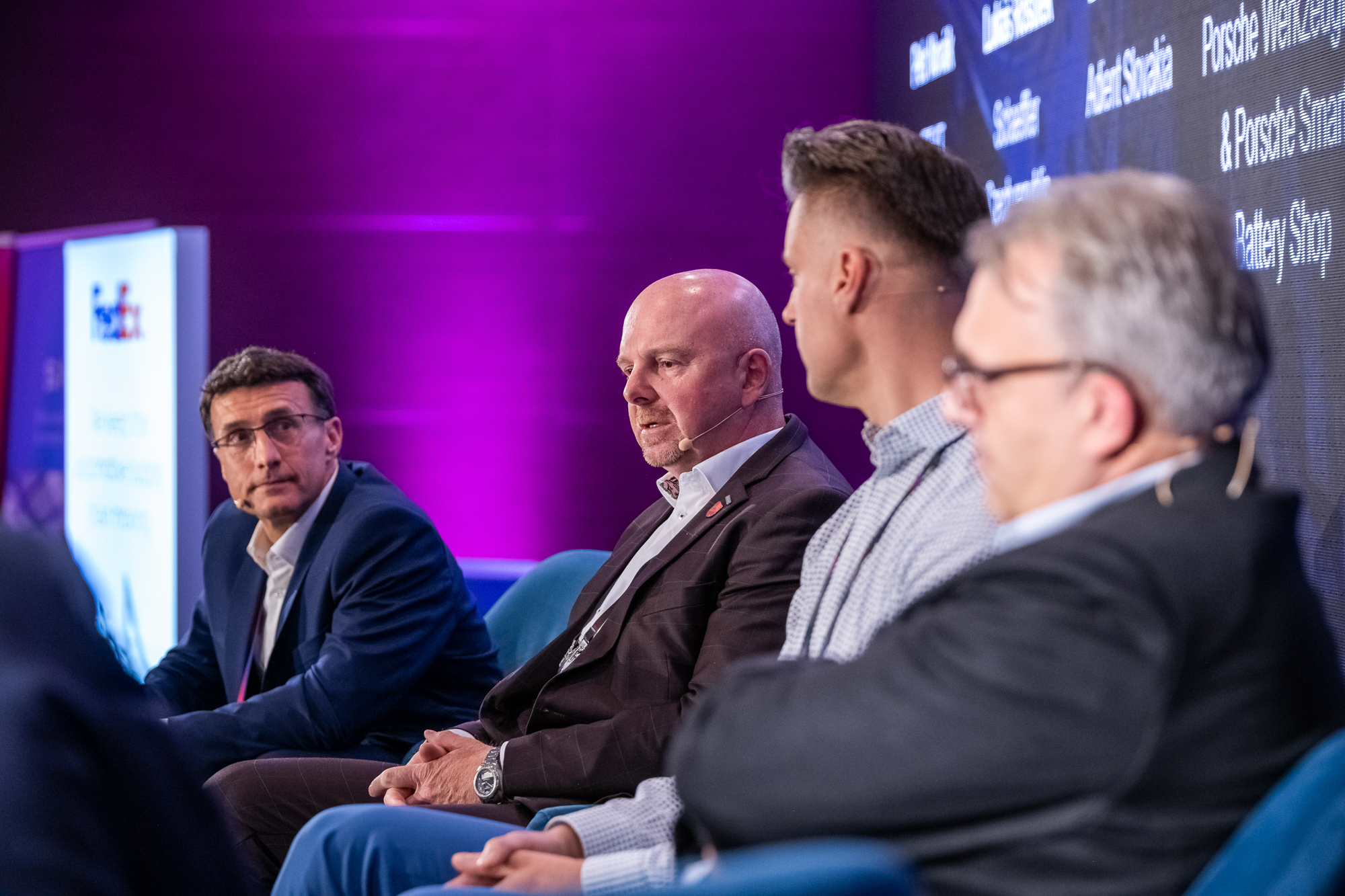
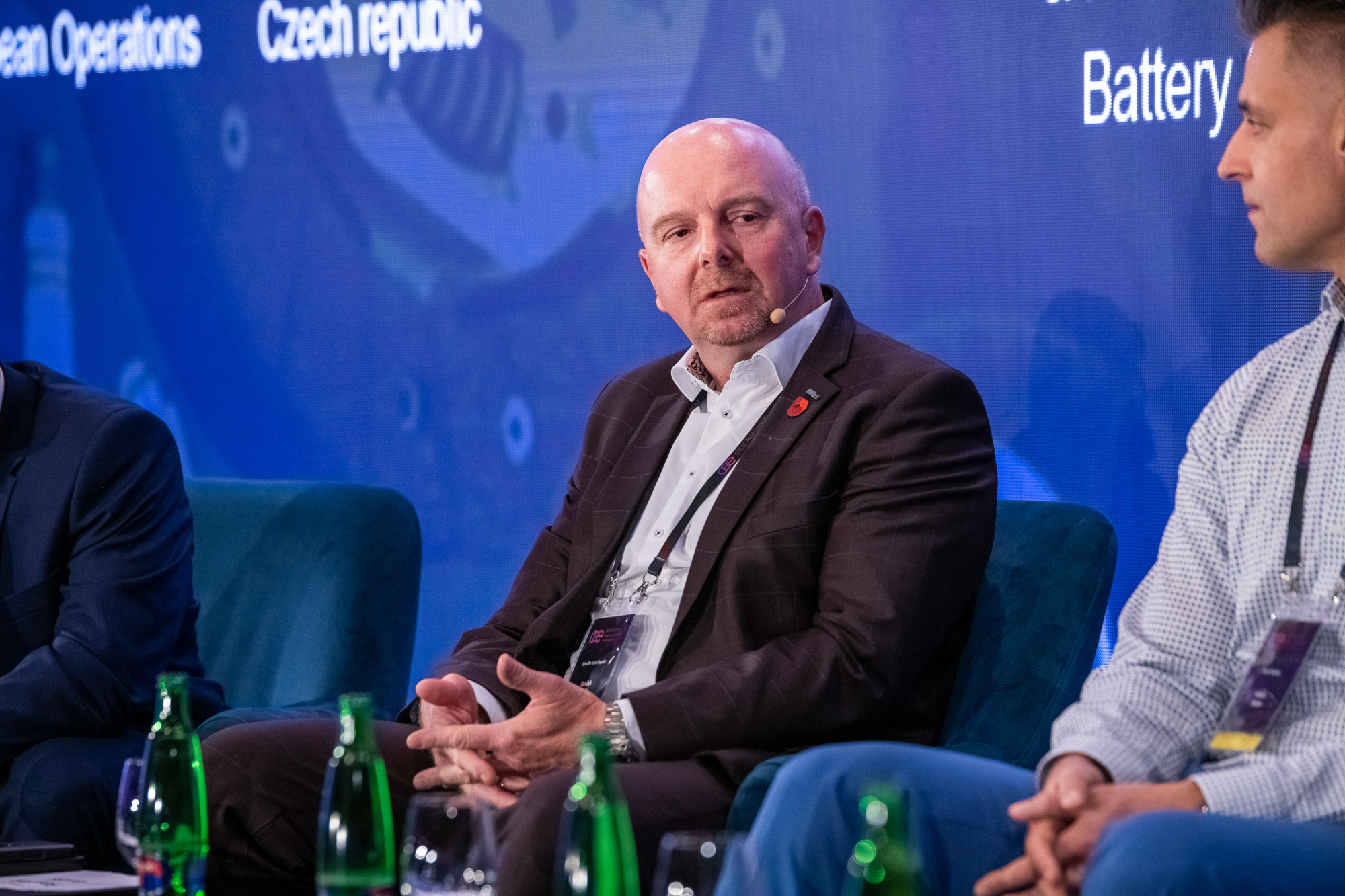
Lukáš Rosůlek, head of the Czech Schaeffler in the CEE 2026 discussion panel. | Photo: Ján Brunčák
In addition to openly naming problems, the Žilina meeting also brought concrete experiences with their solutions. Companies are changing component sources, developing new products and looking for ways to faster development and more efficient production. Central Europe has something to build on. Maintaining this position will require both the activity of the companies themselves and the conditions in which further investments will pay off for them.
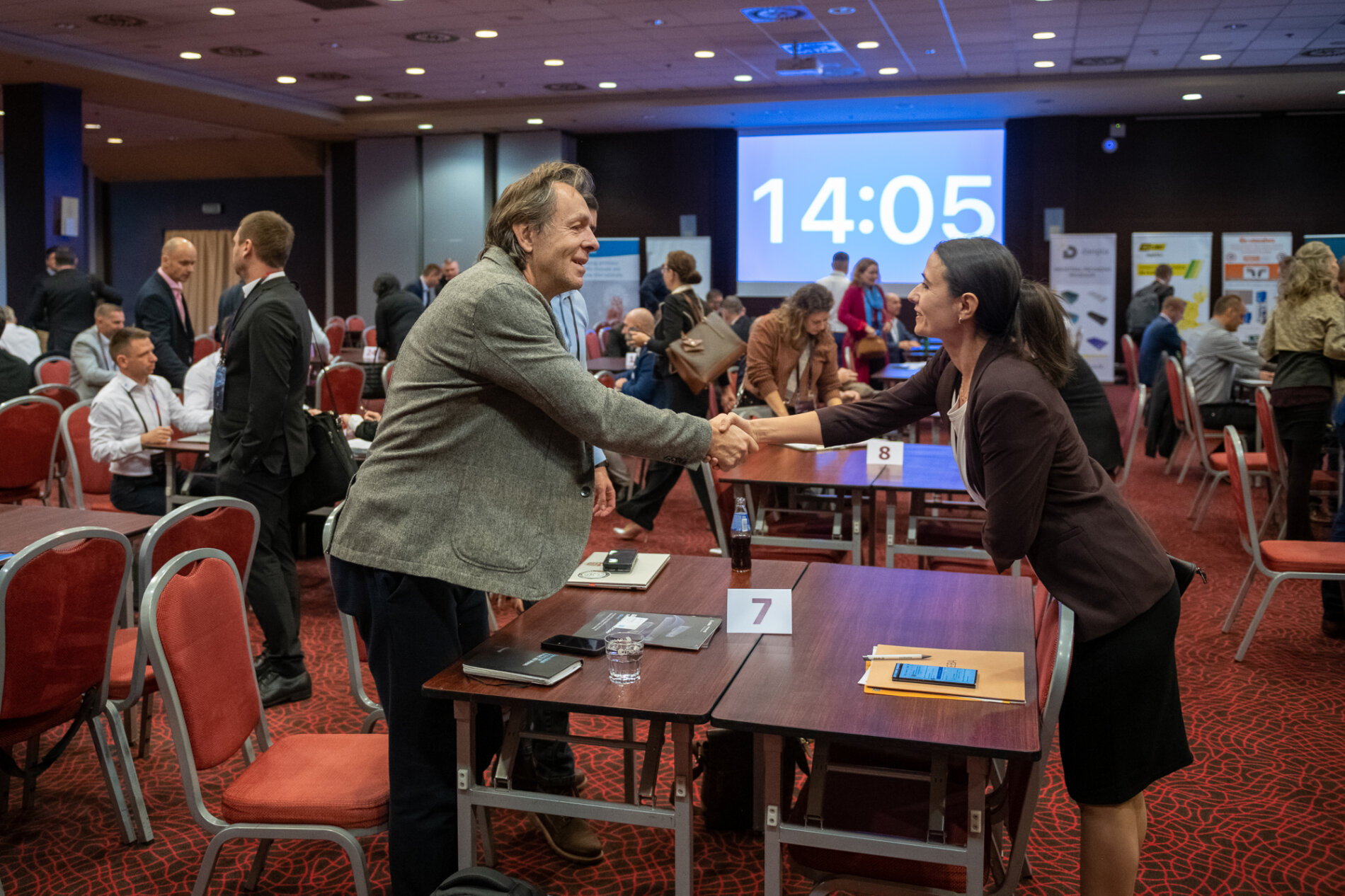
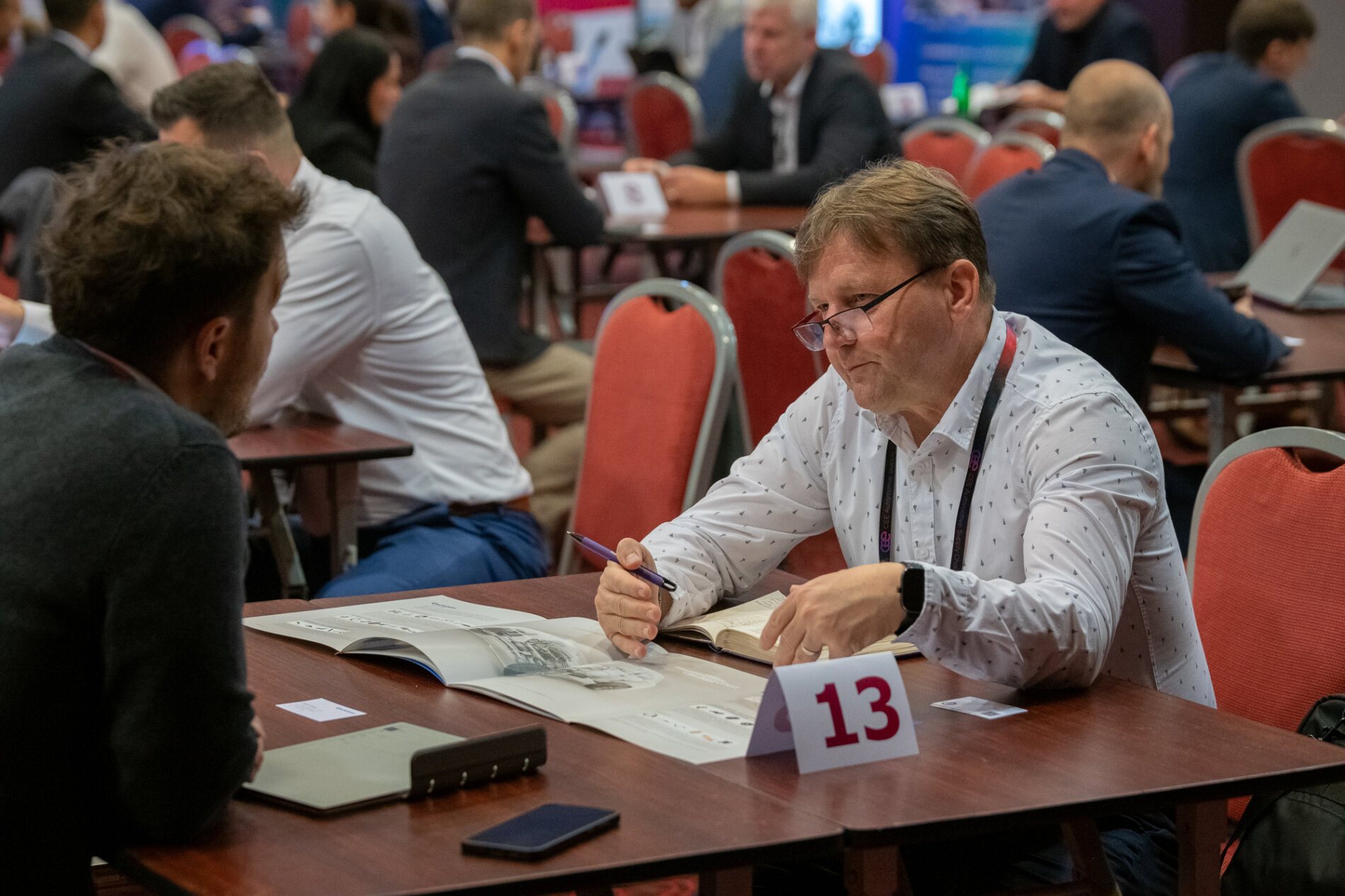
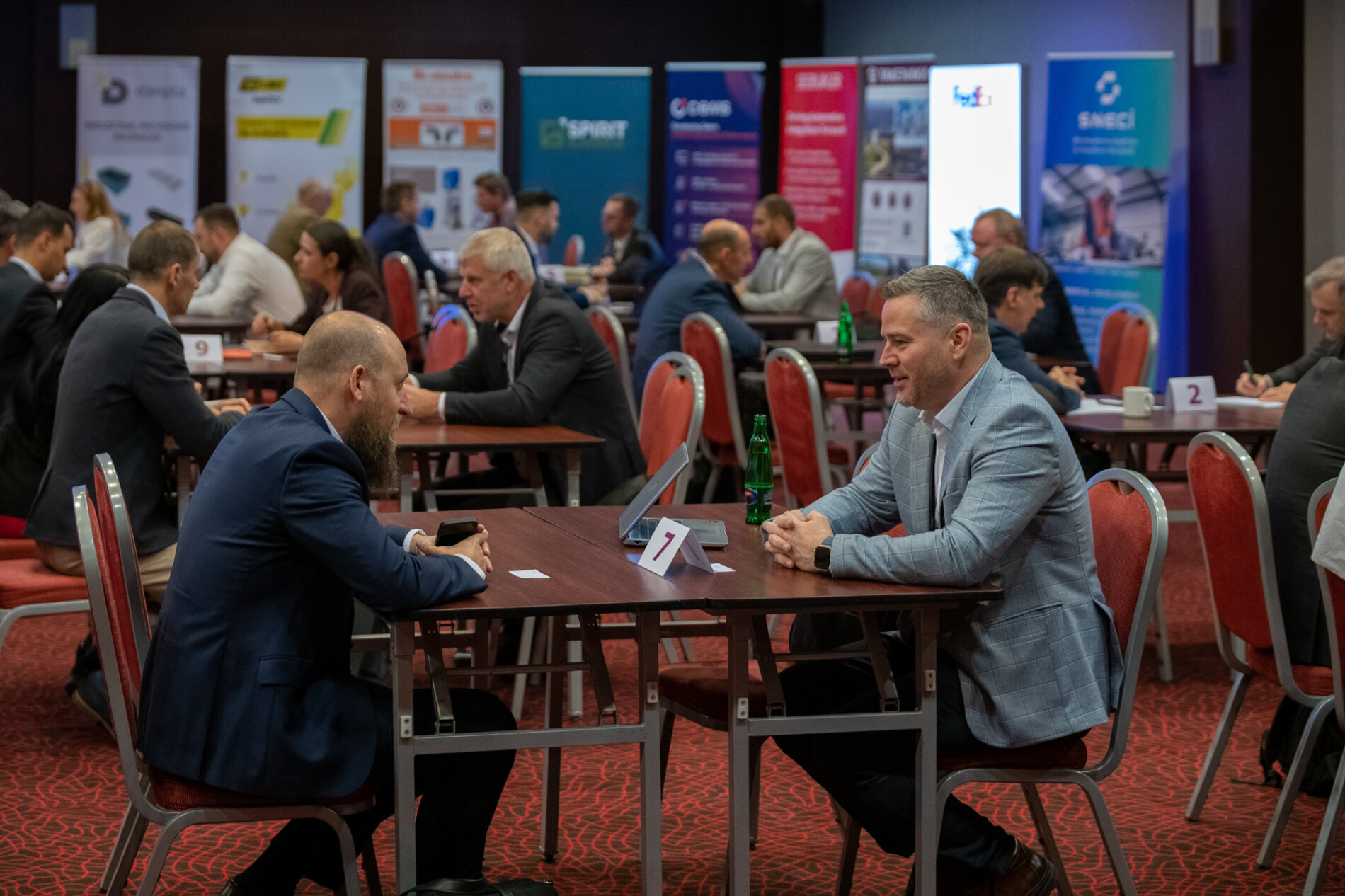
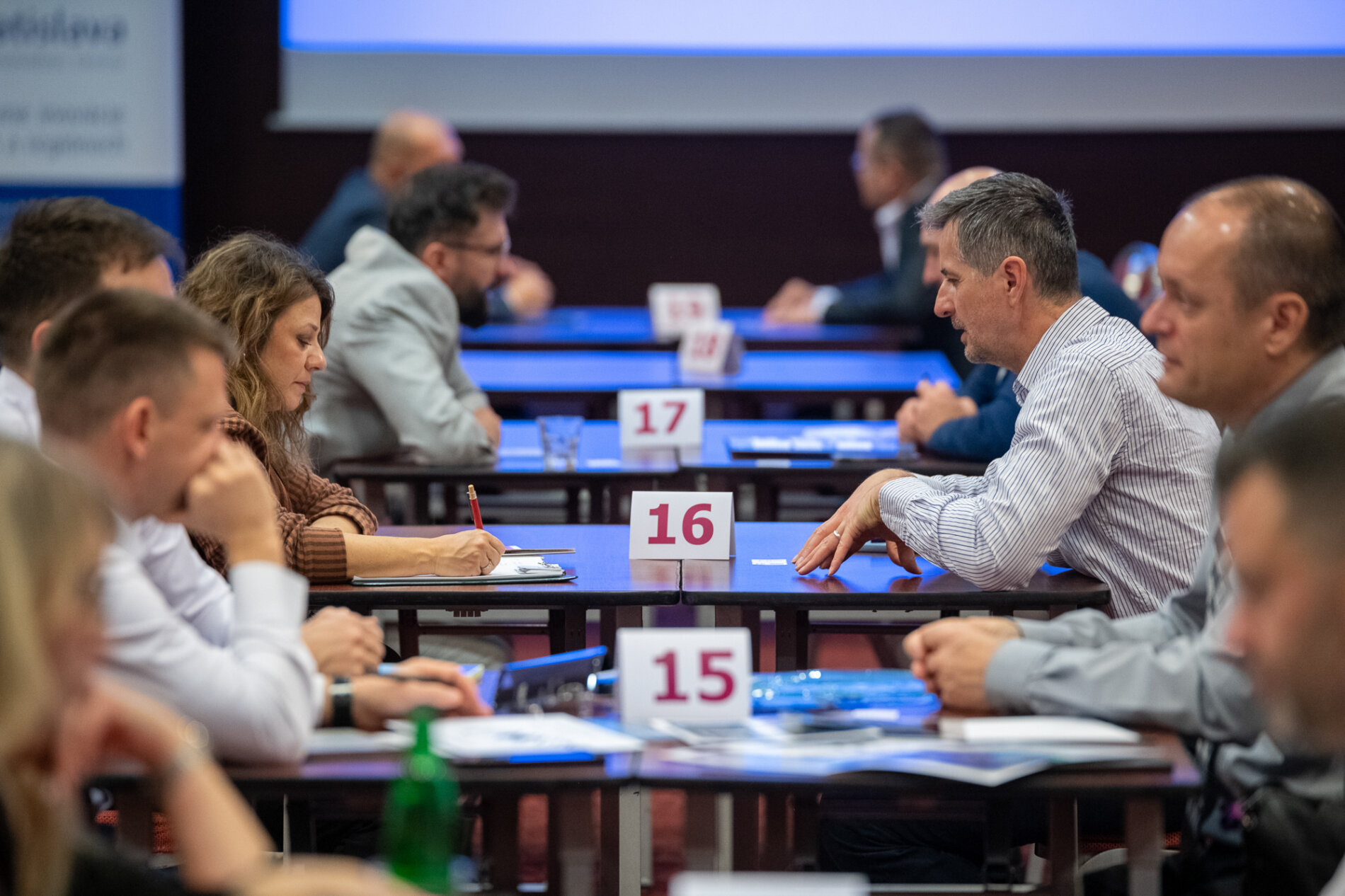
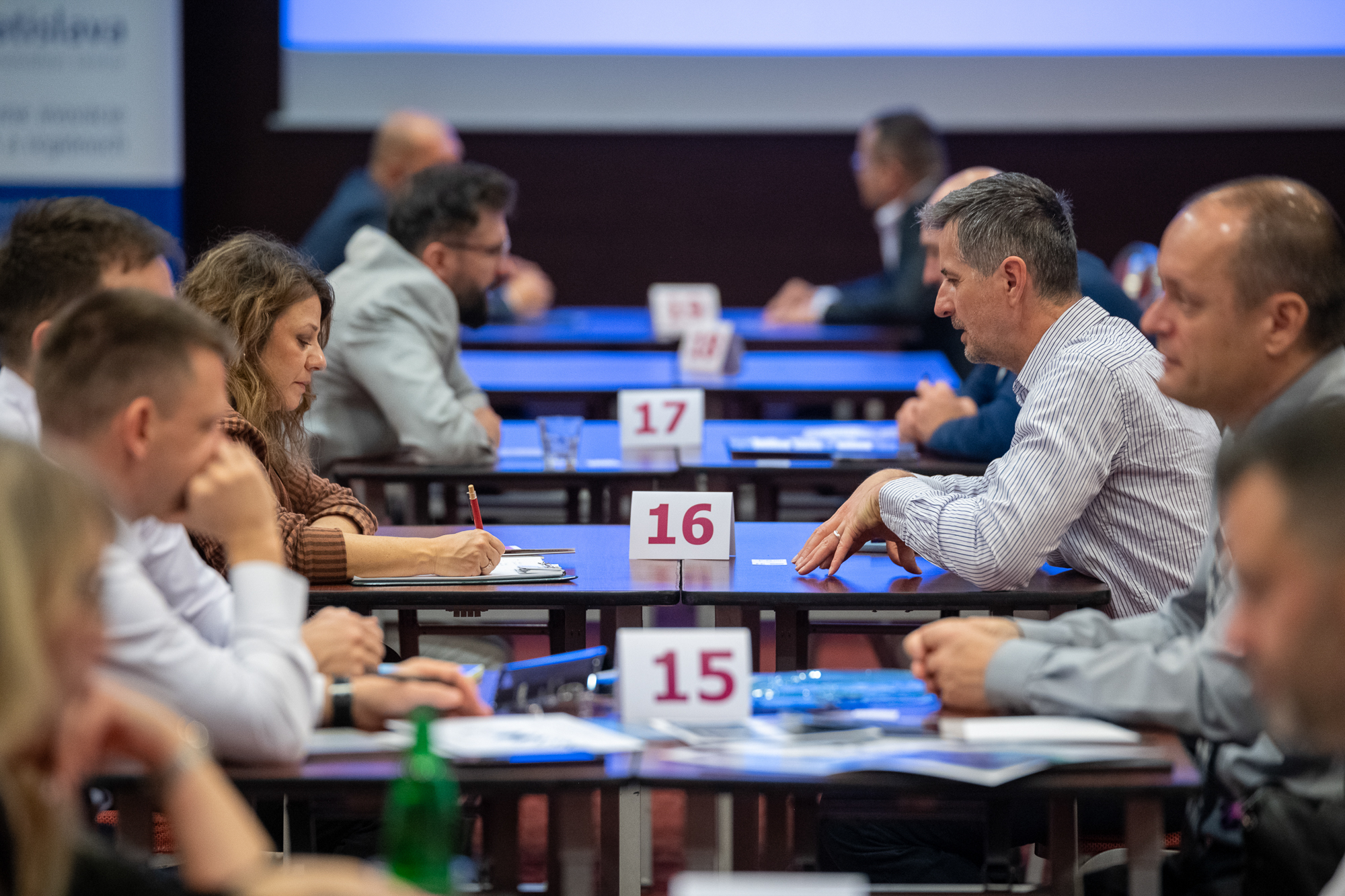
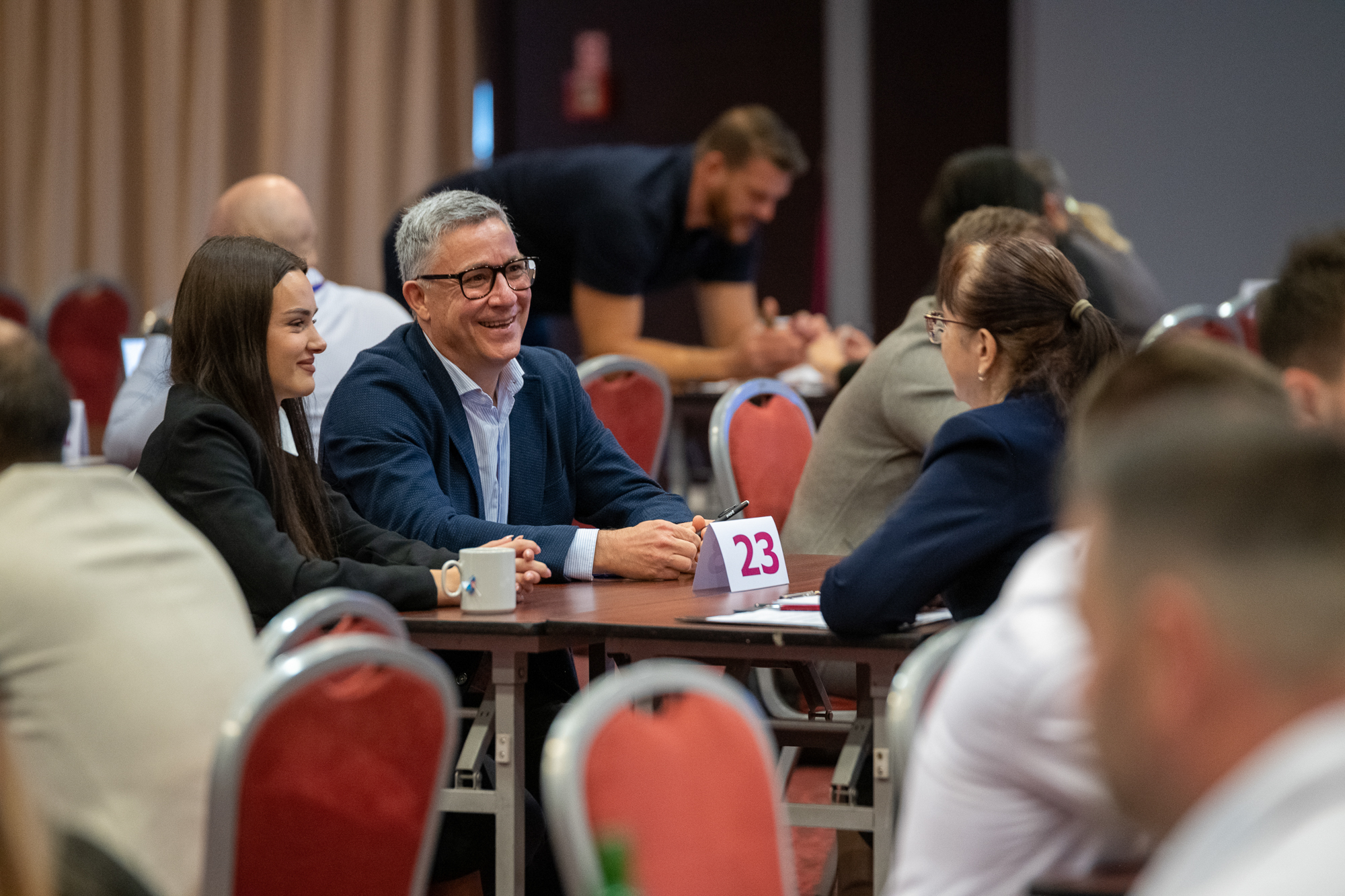
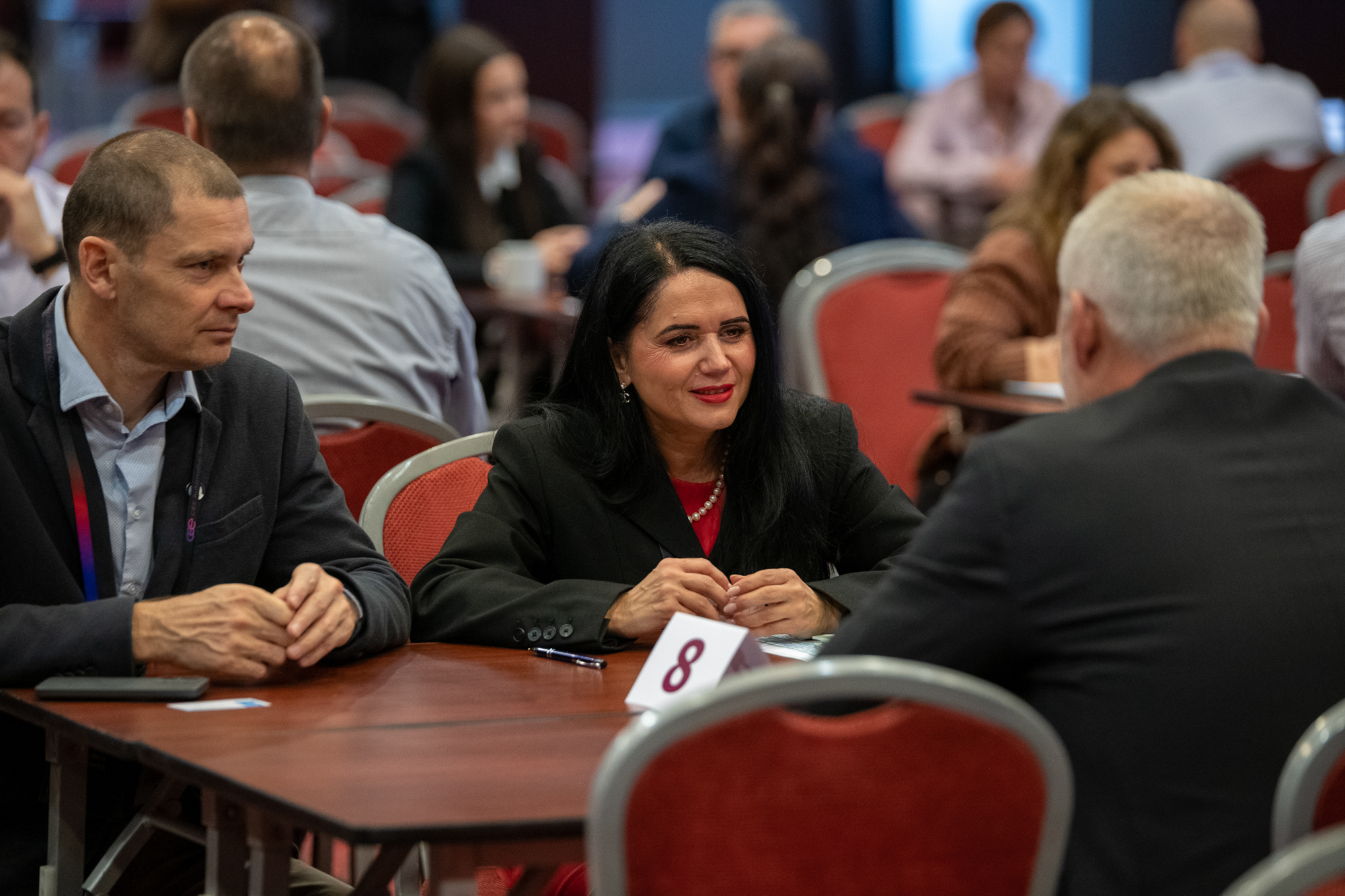
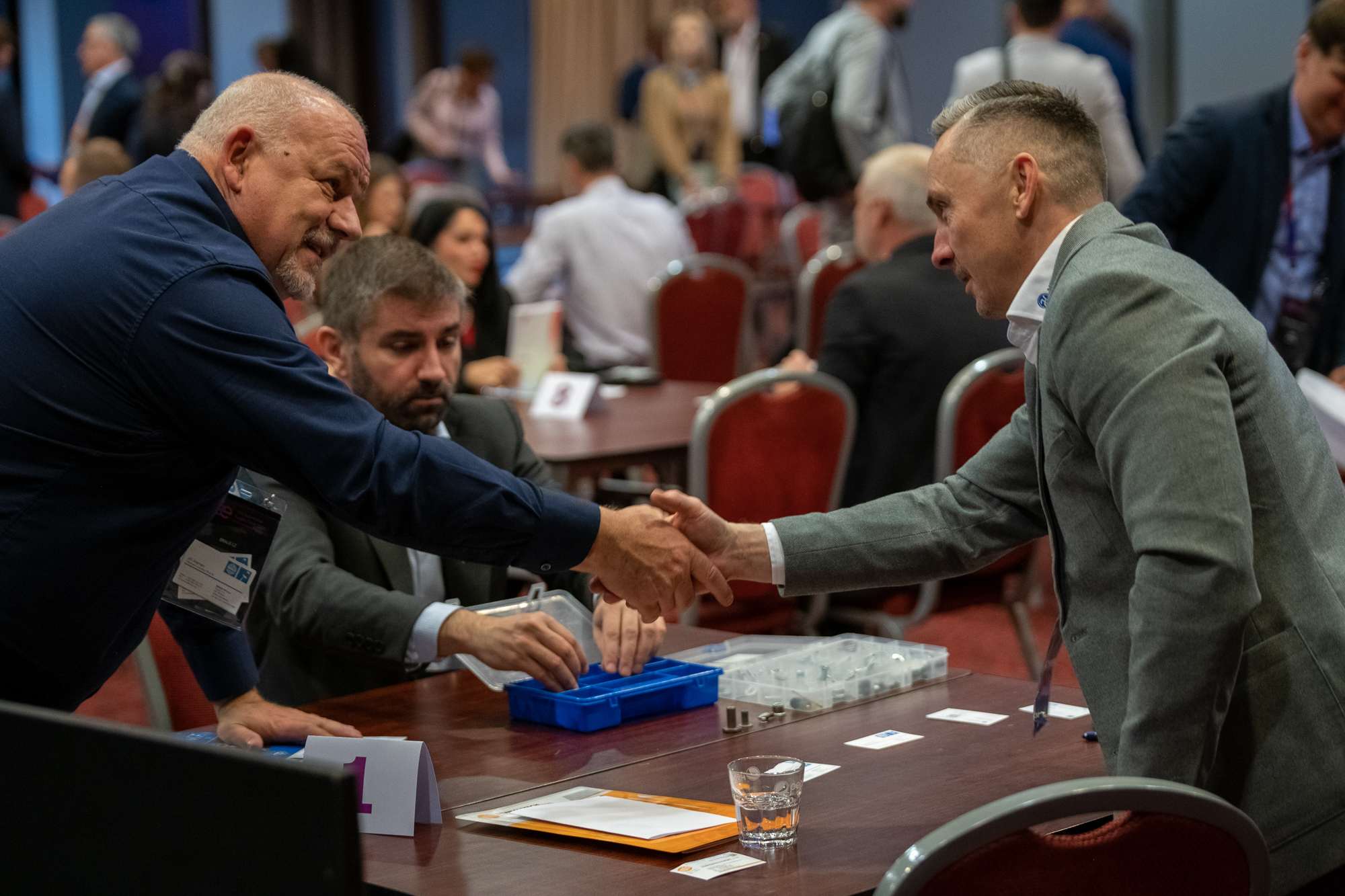
The second day was dedicated to B2B meetings, the next year will be hosted by Olomouc
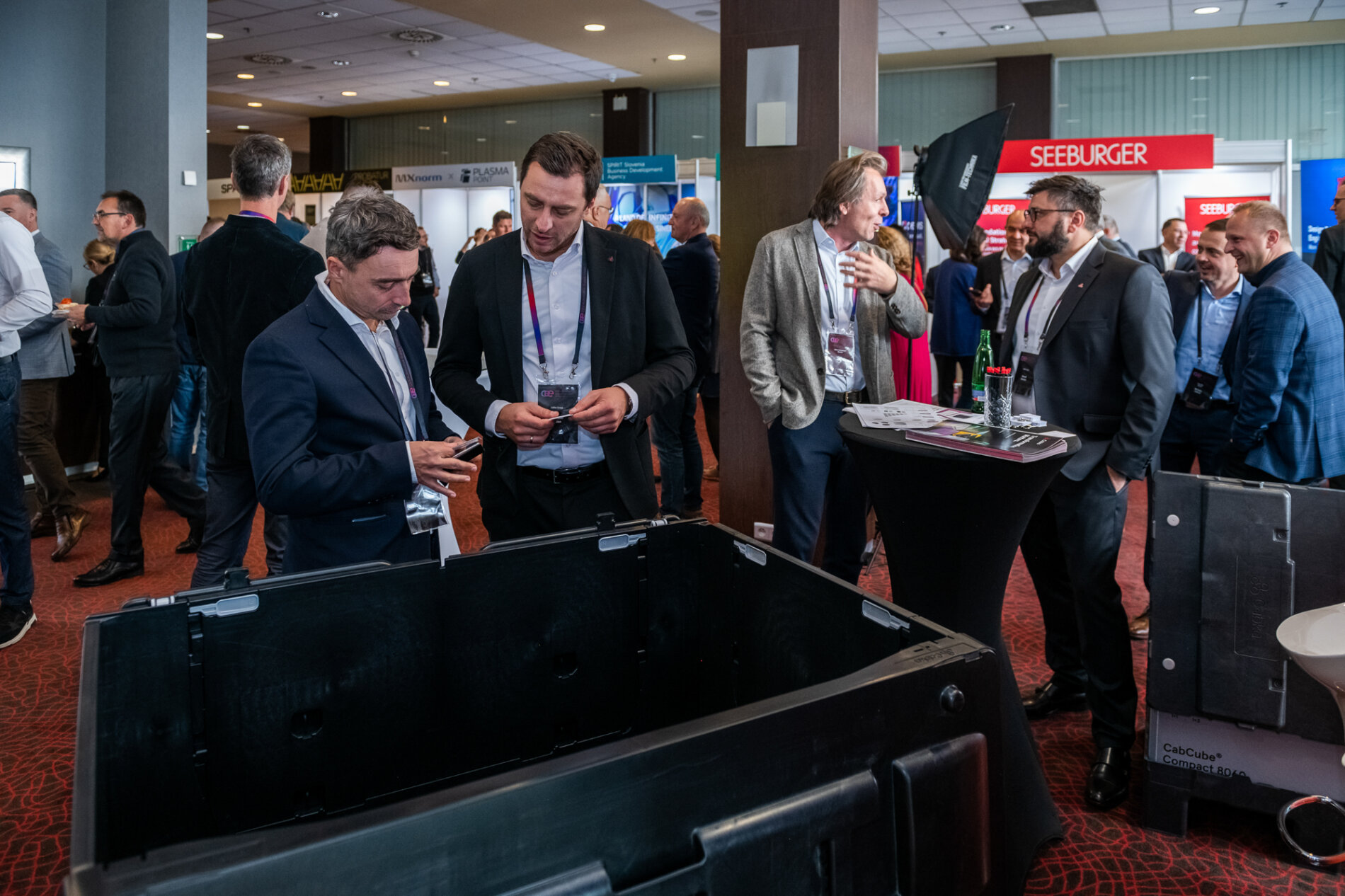
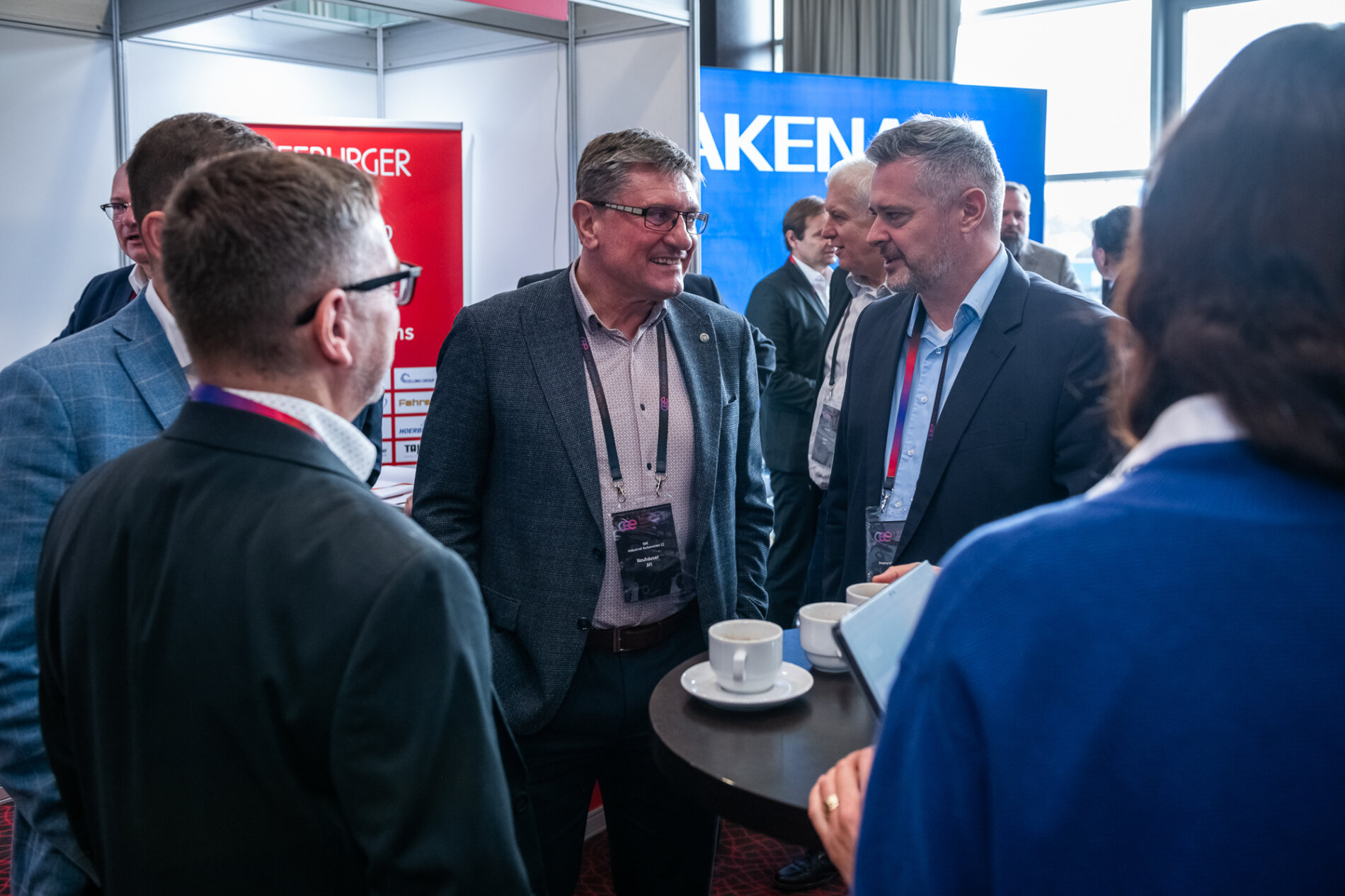
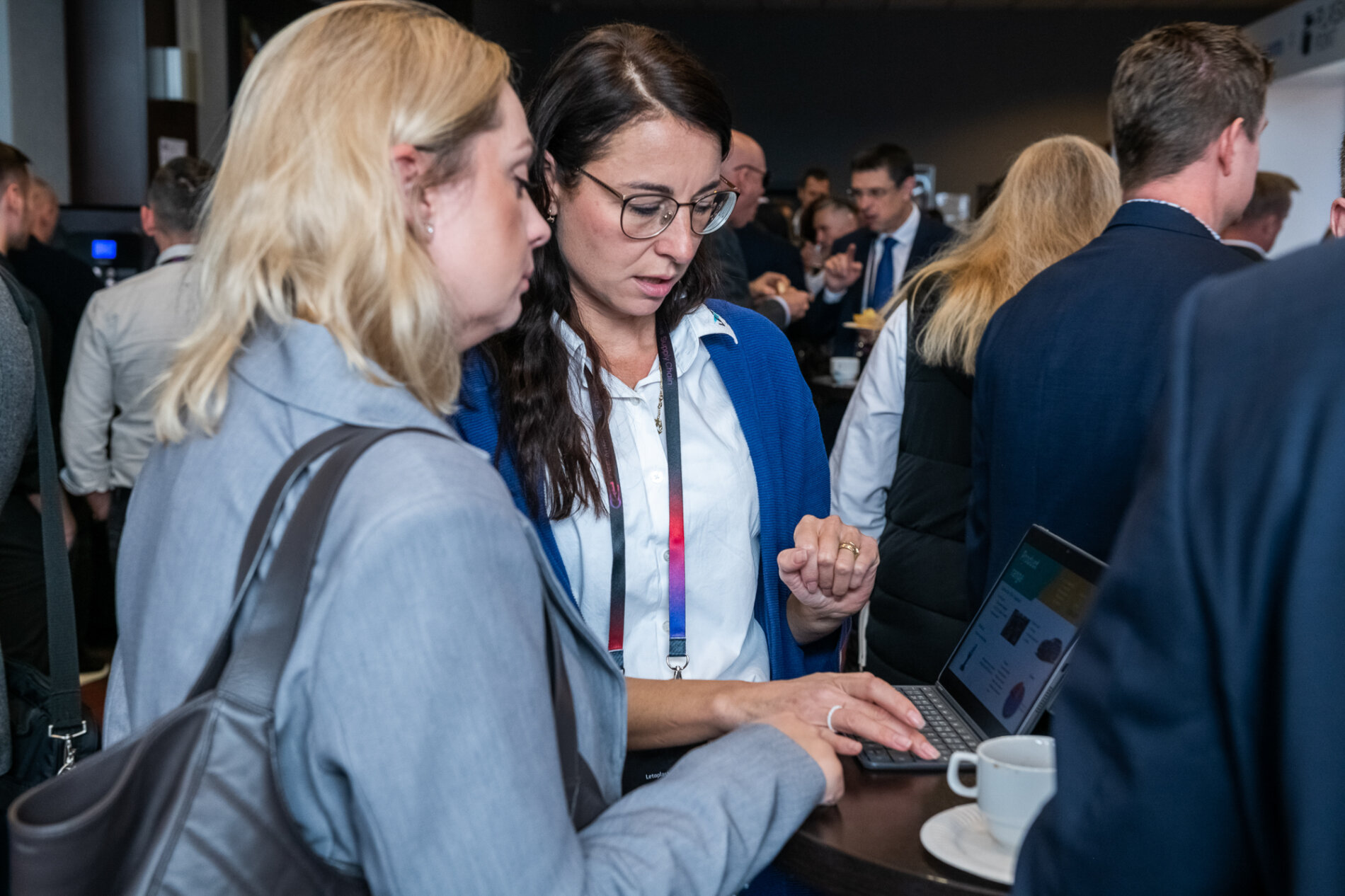
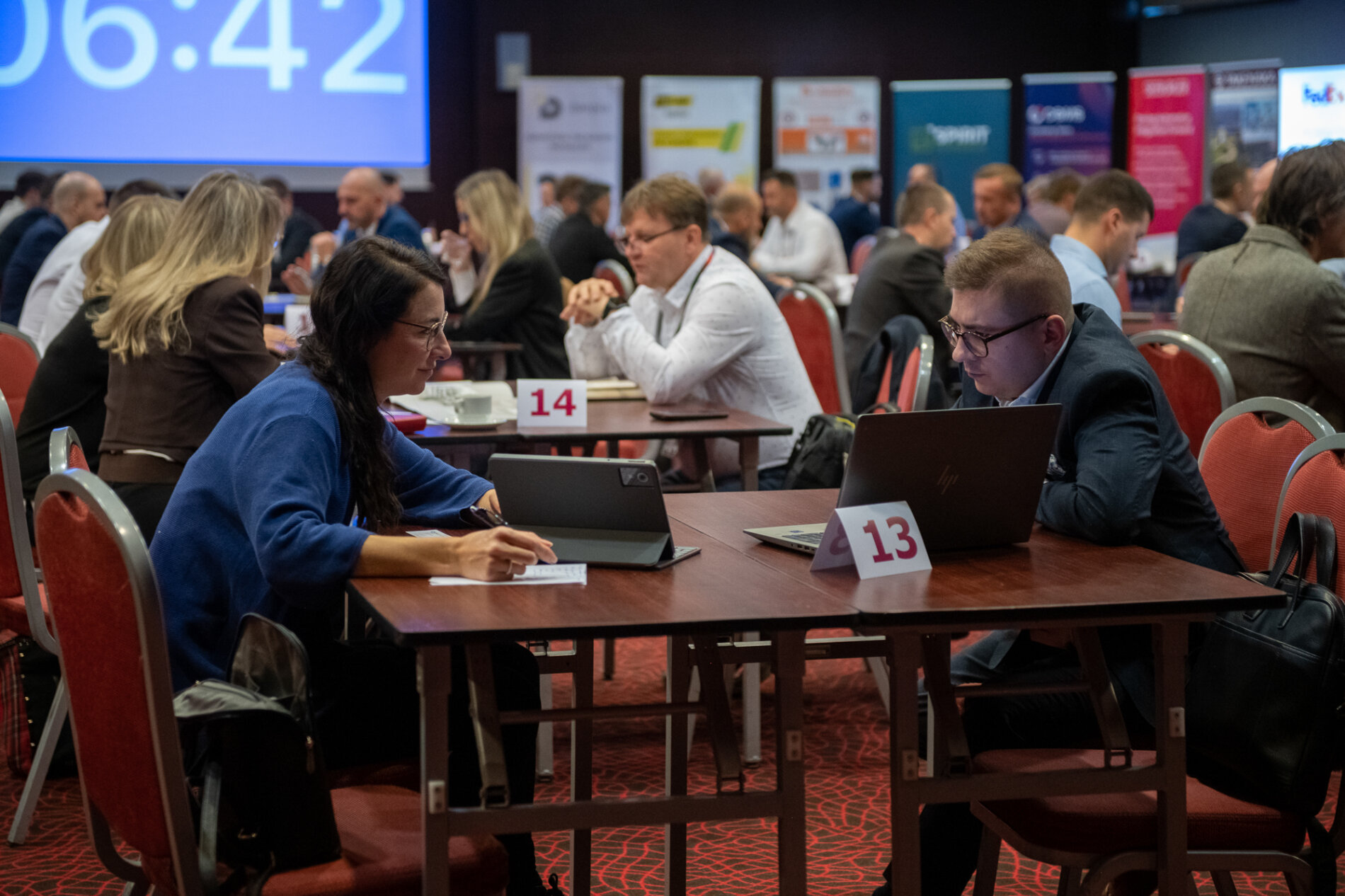
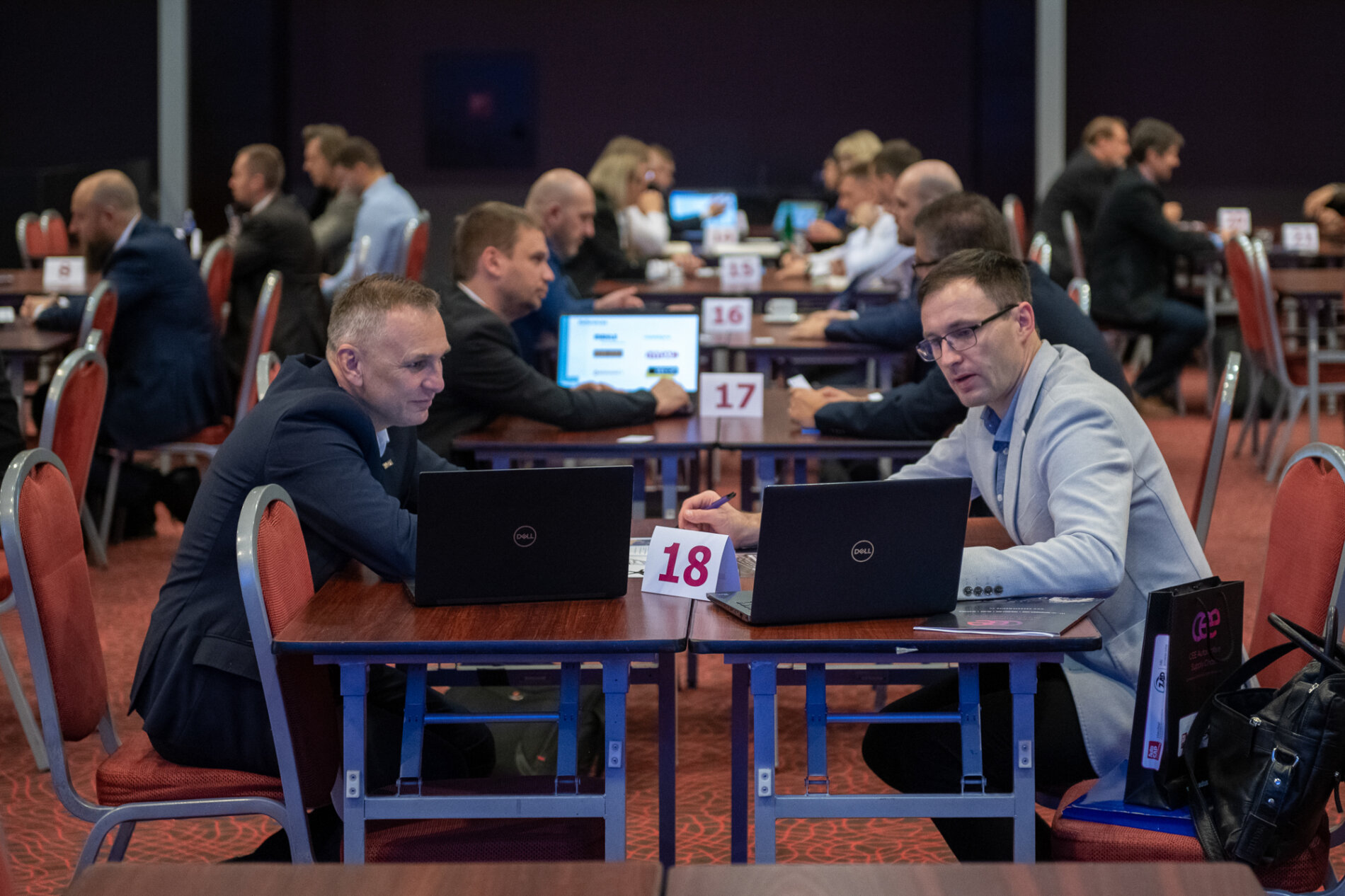
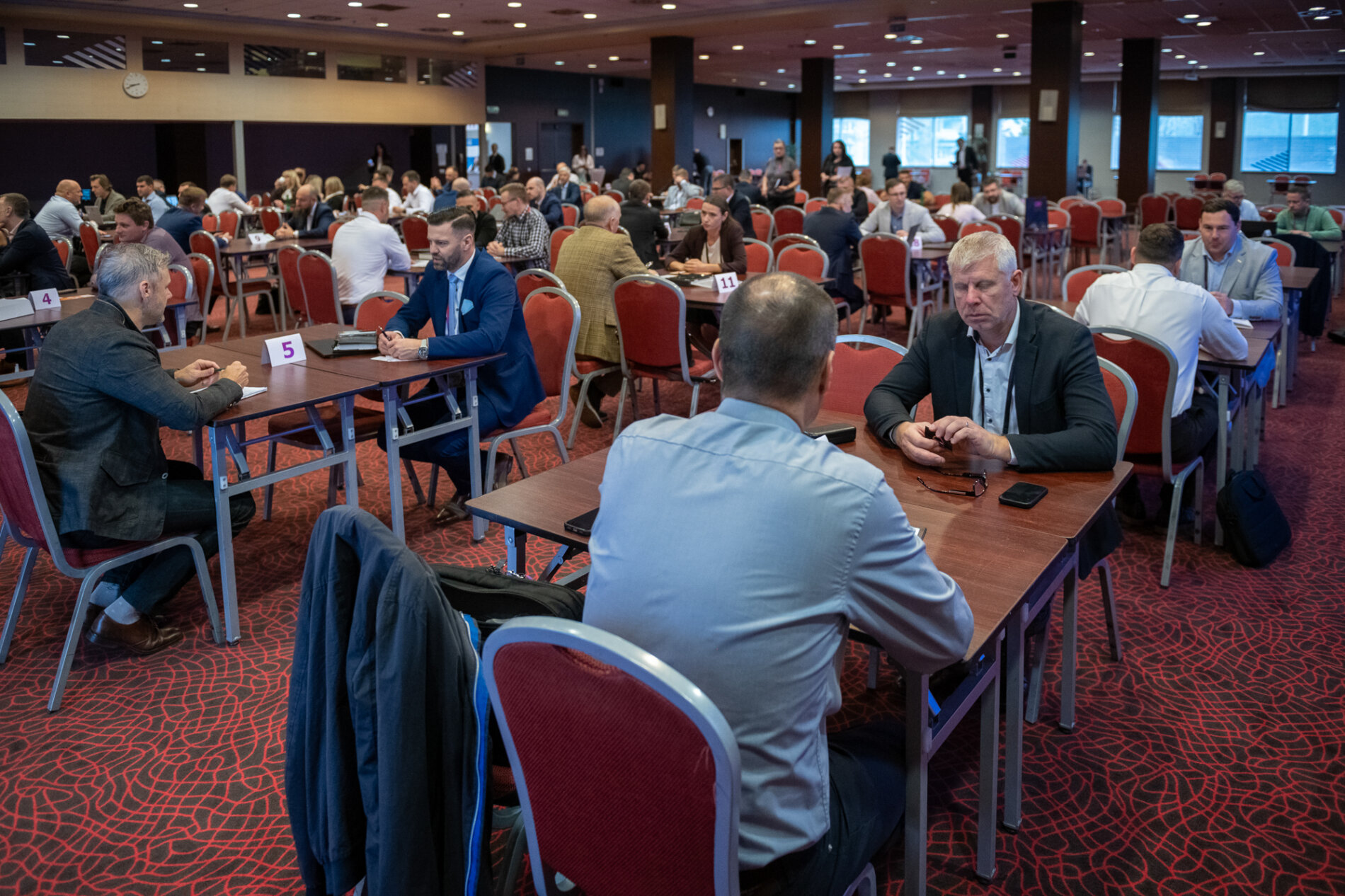
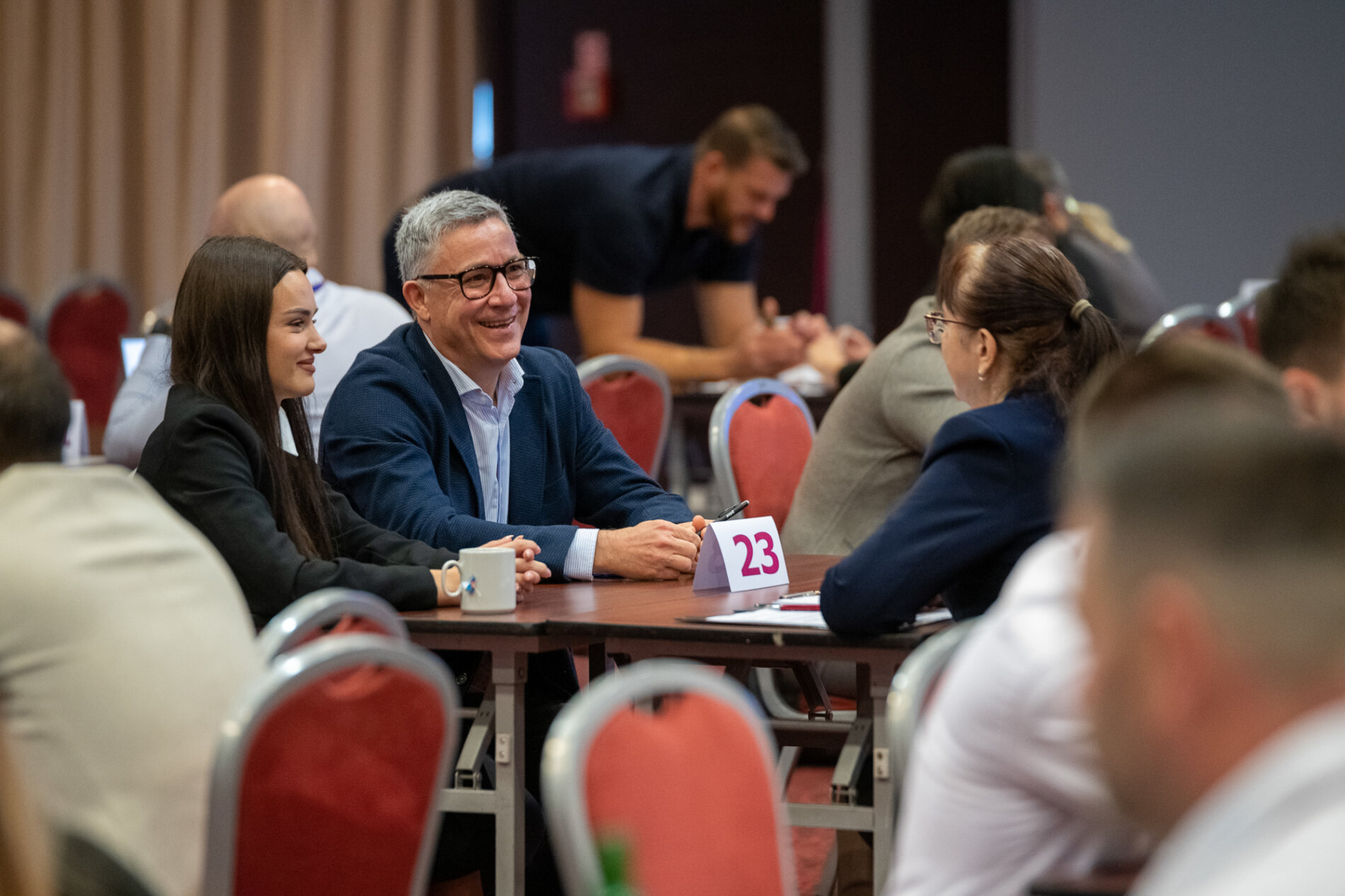
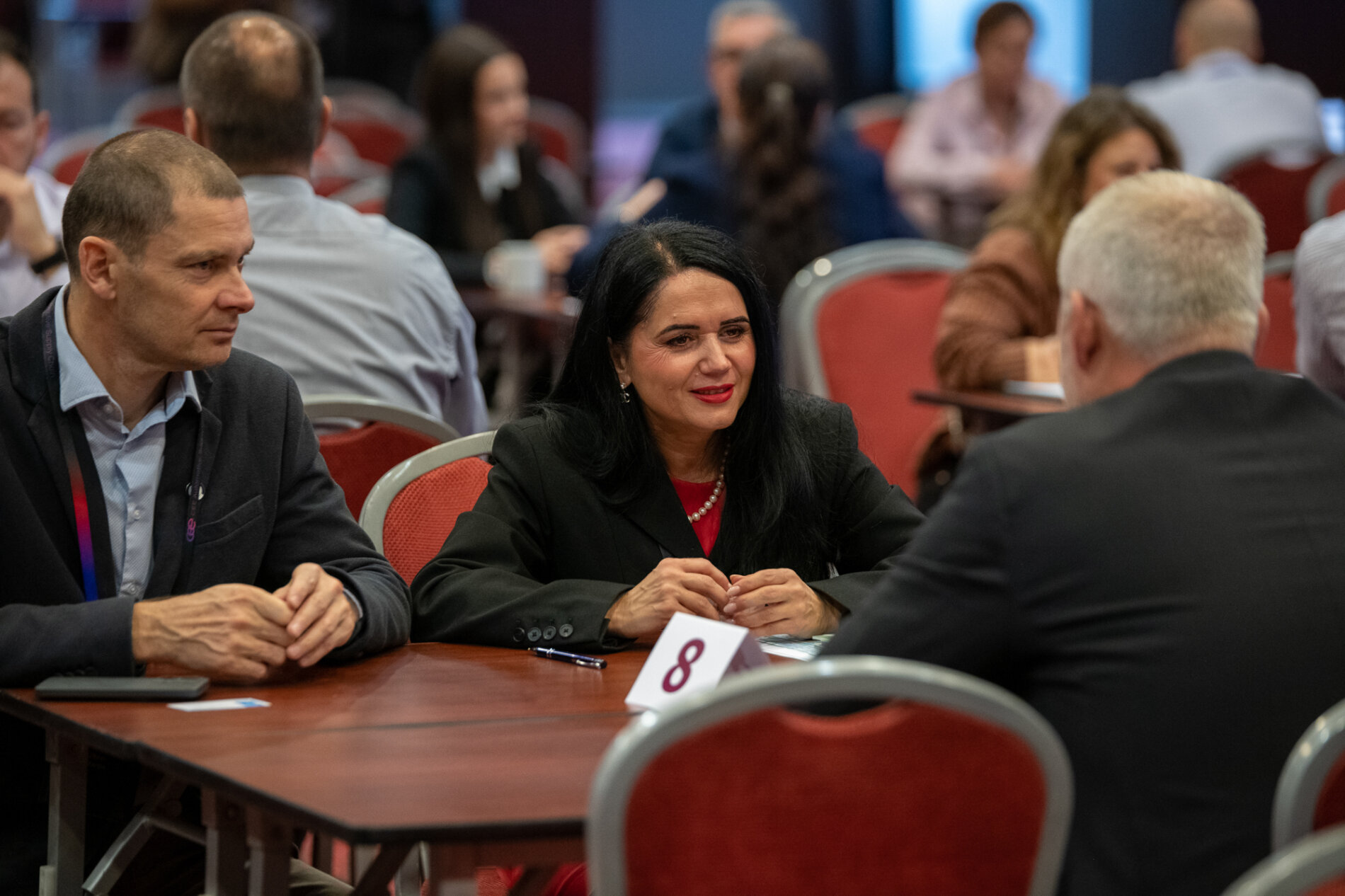
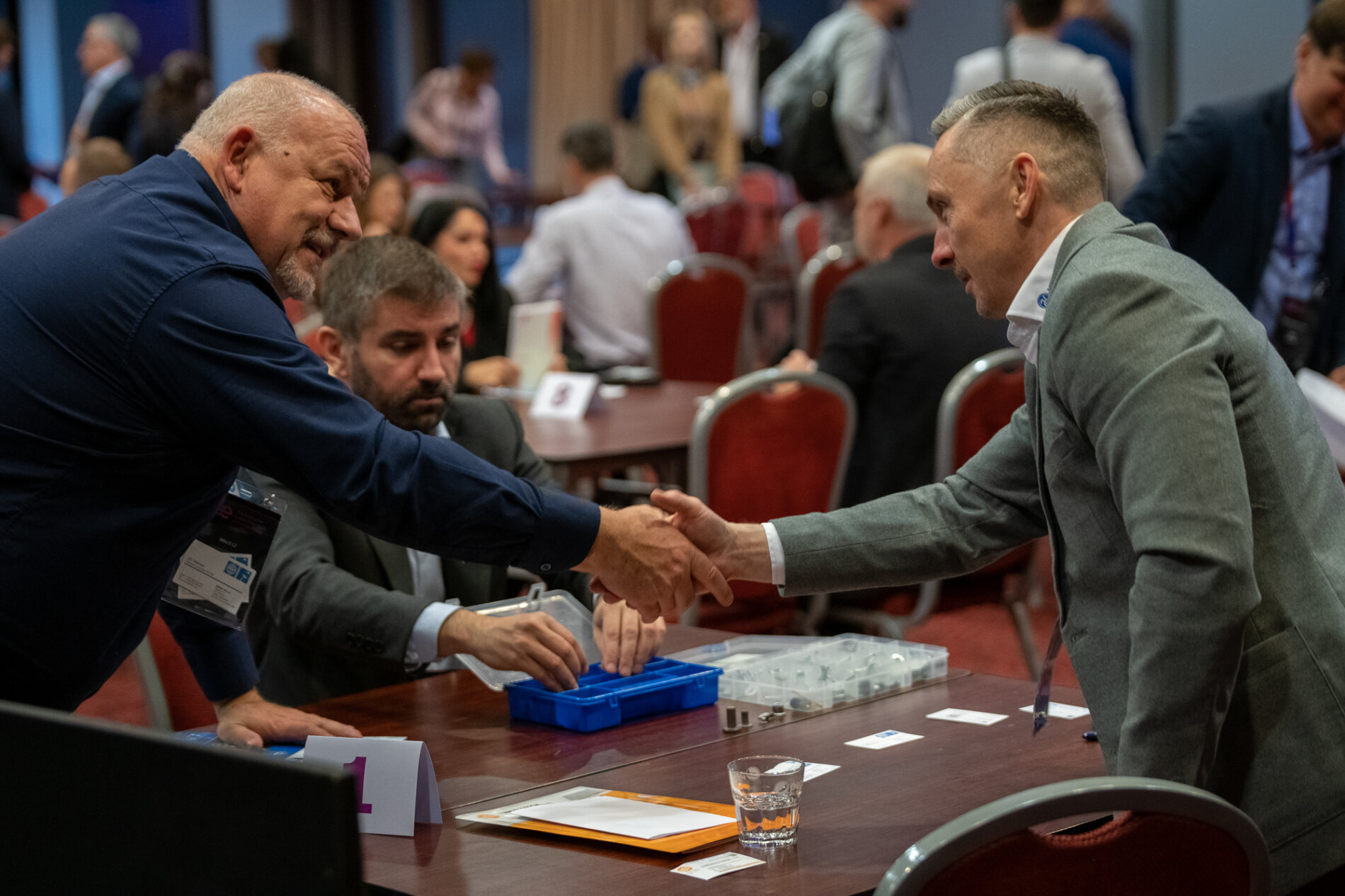
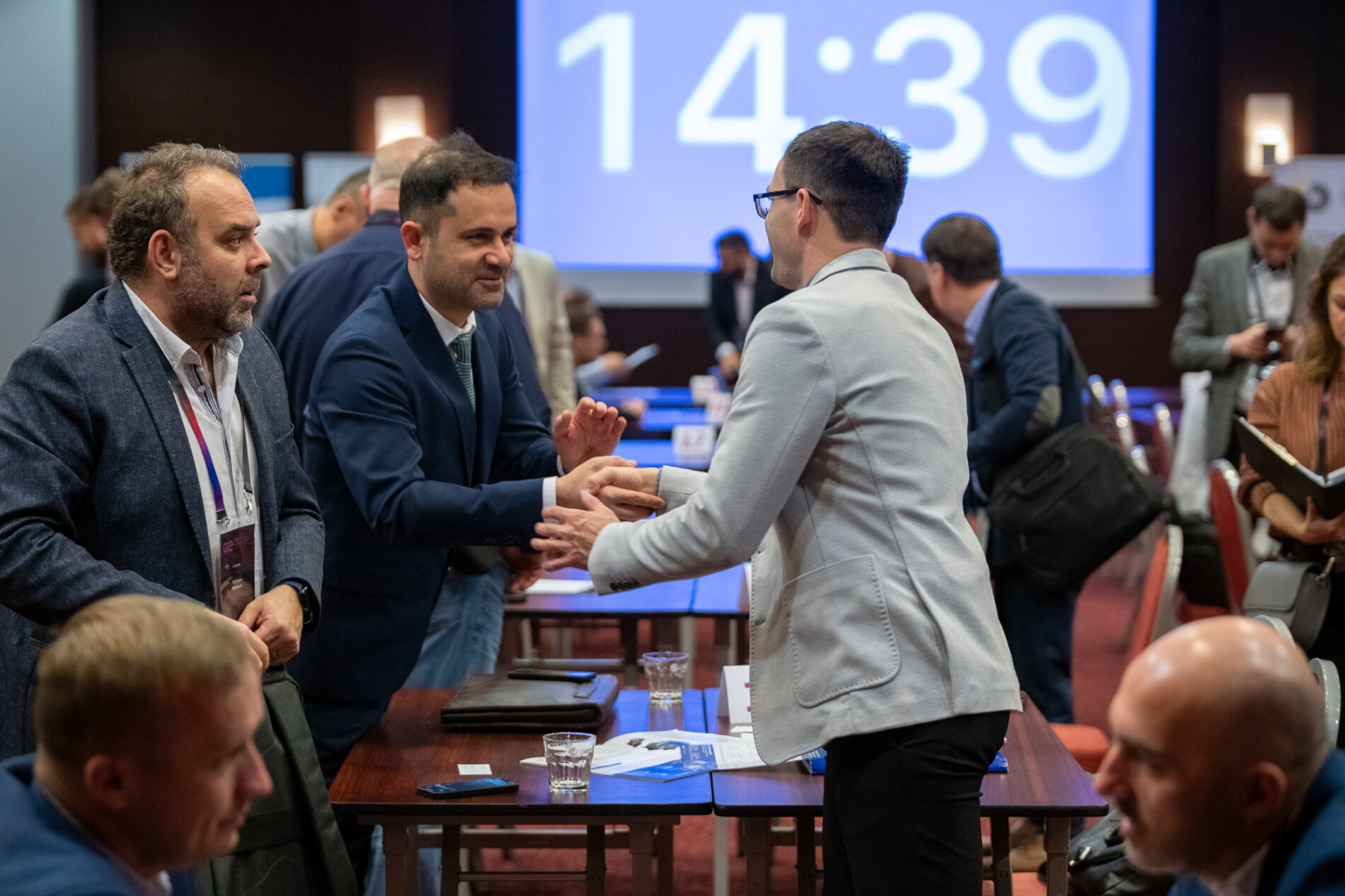
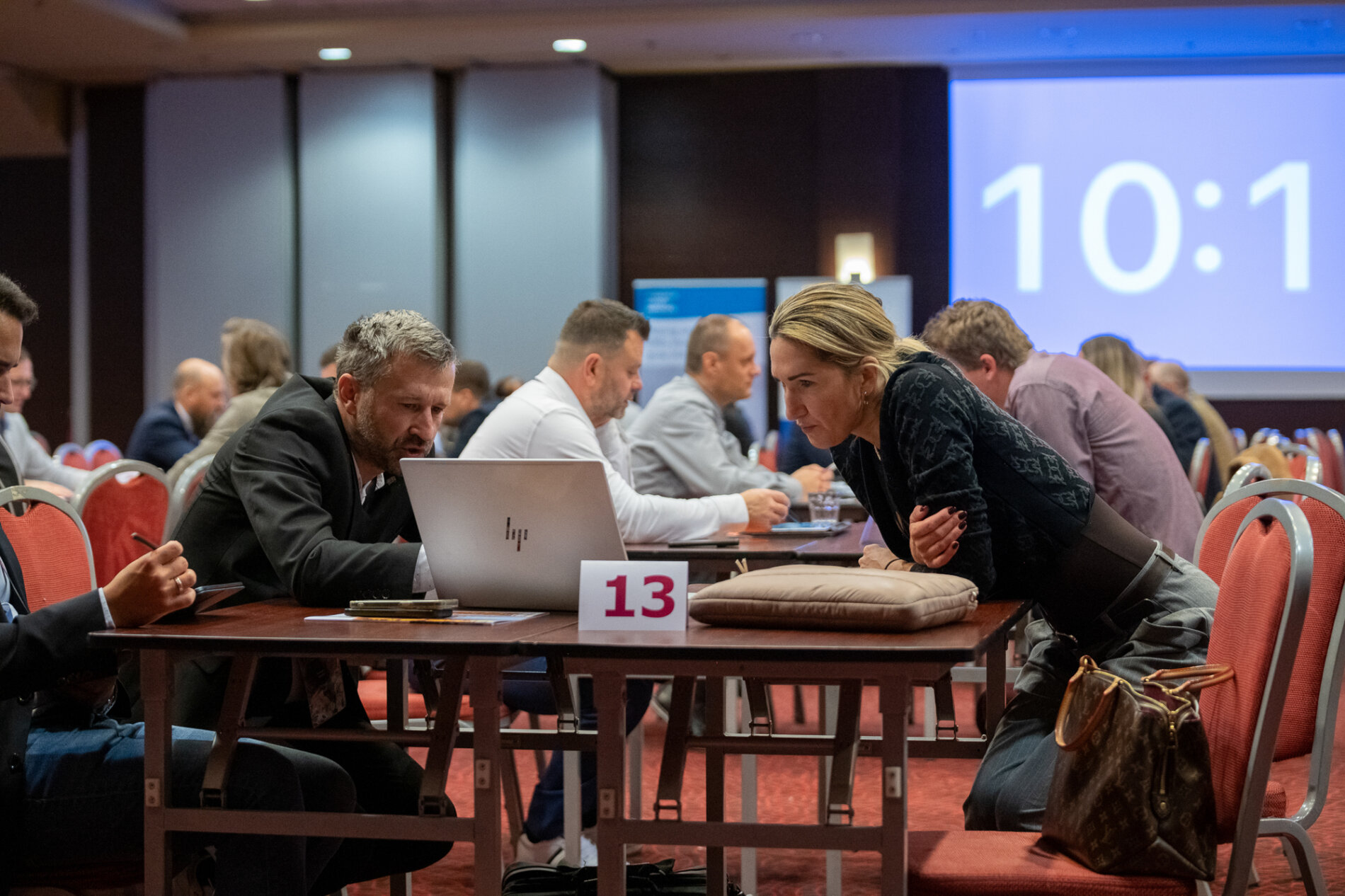
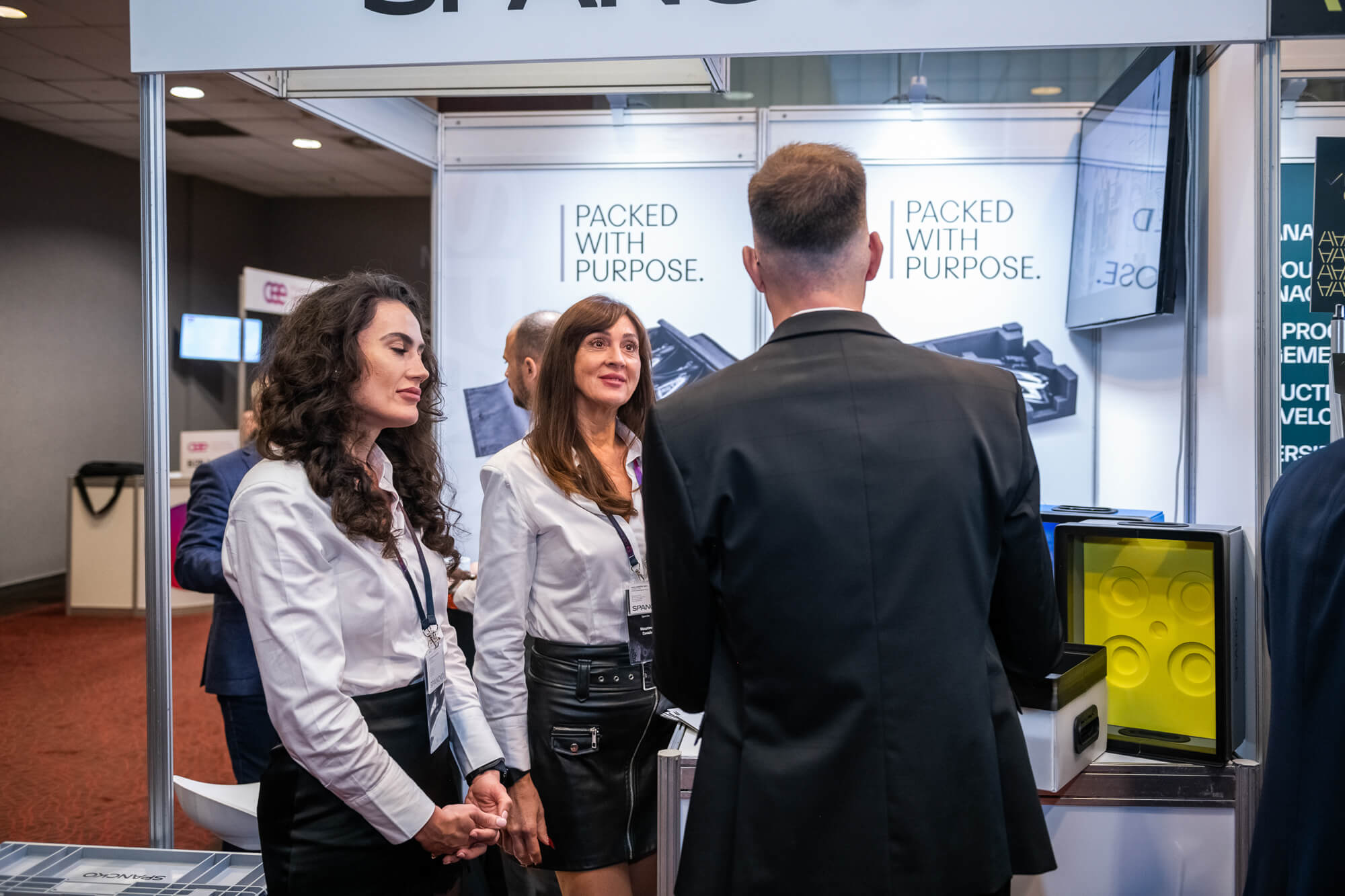
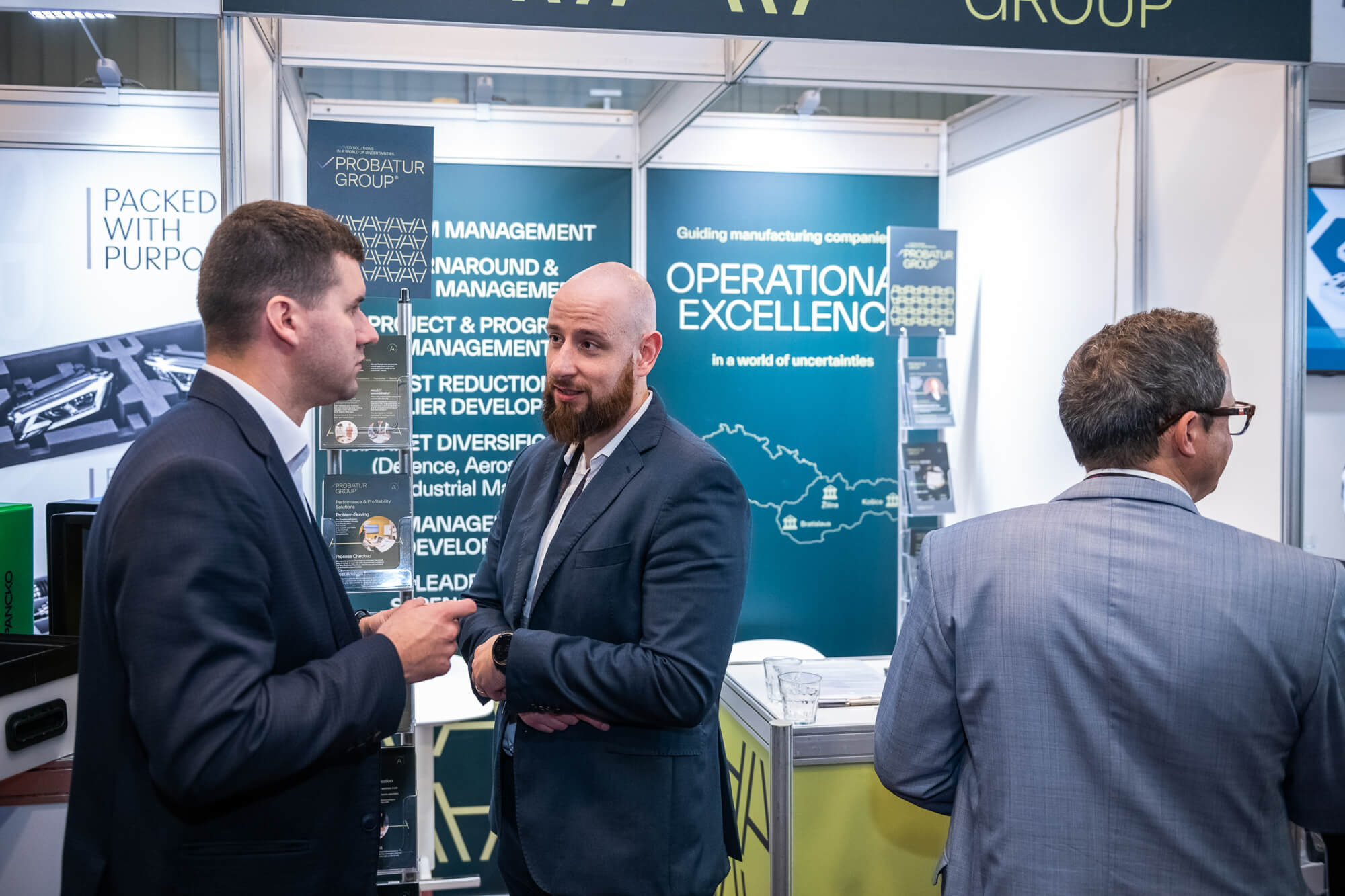
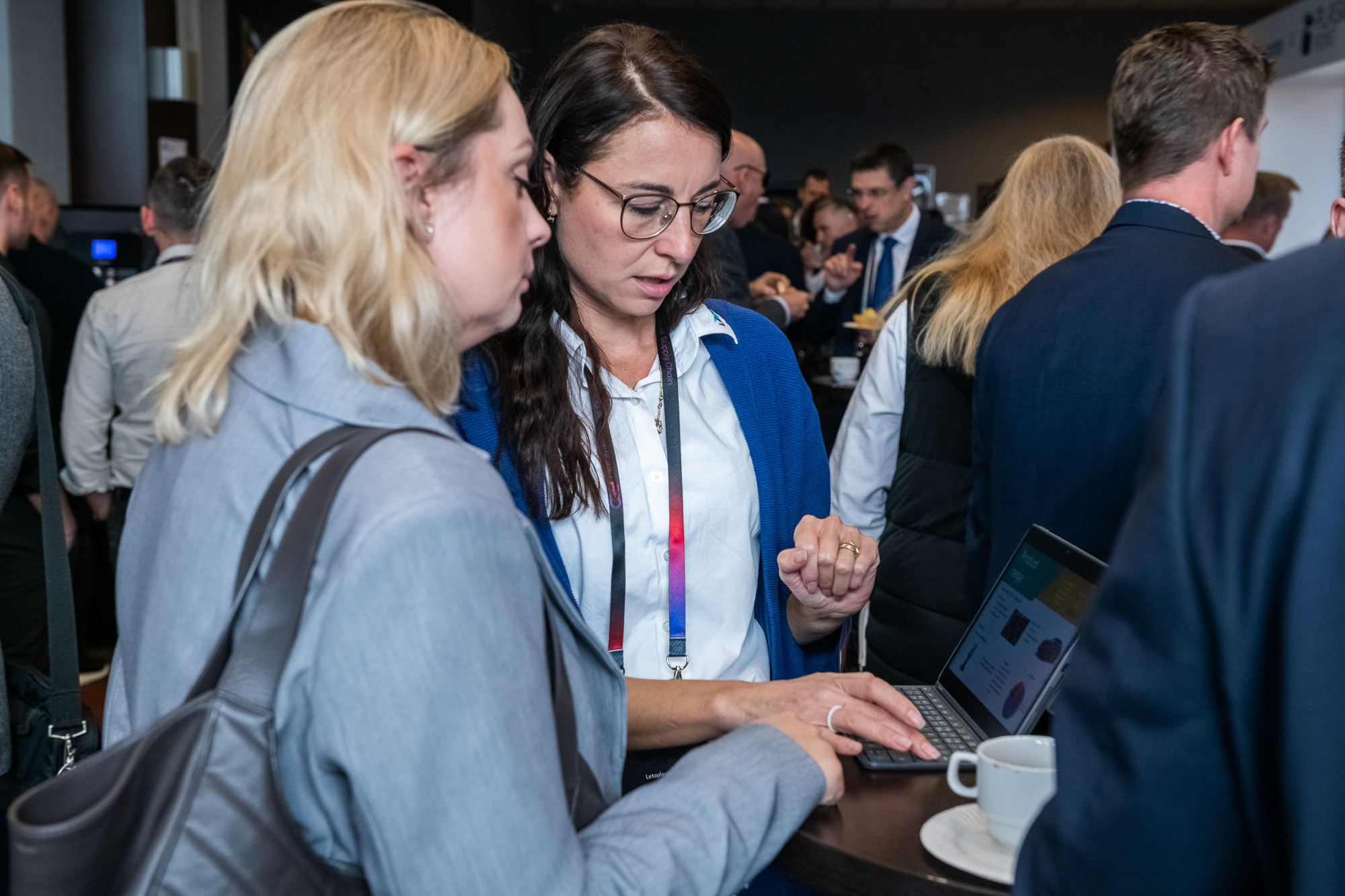
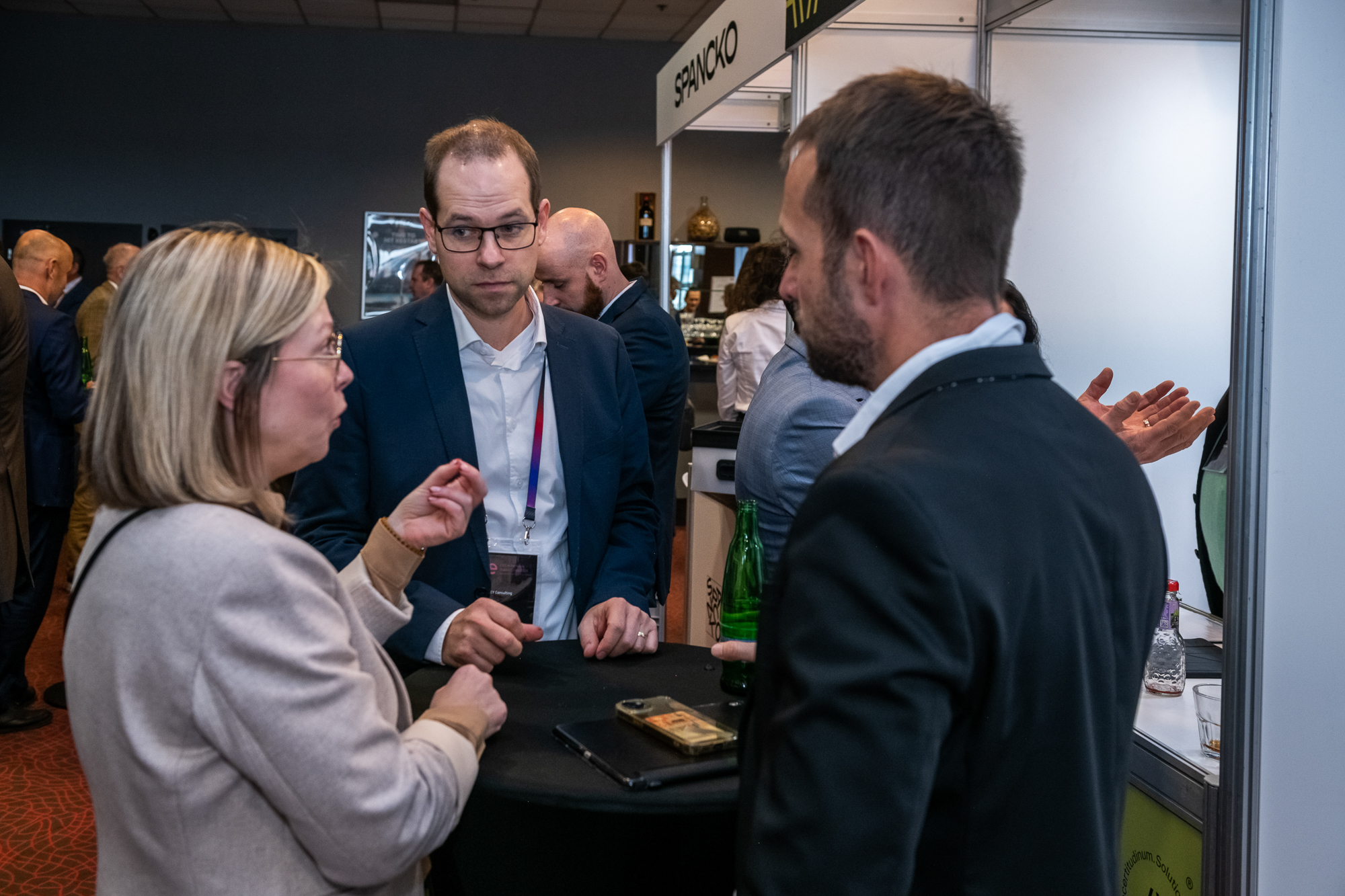
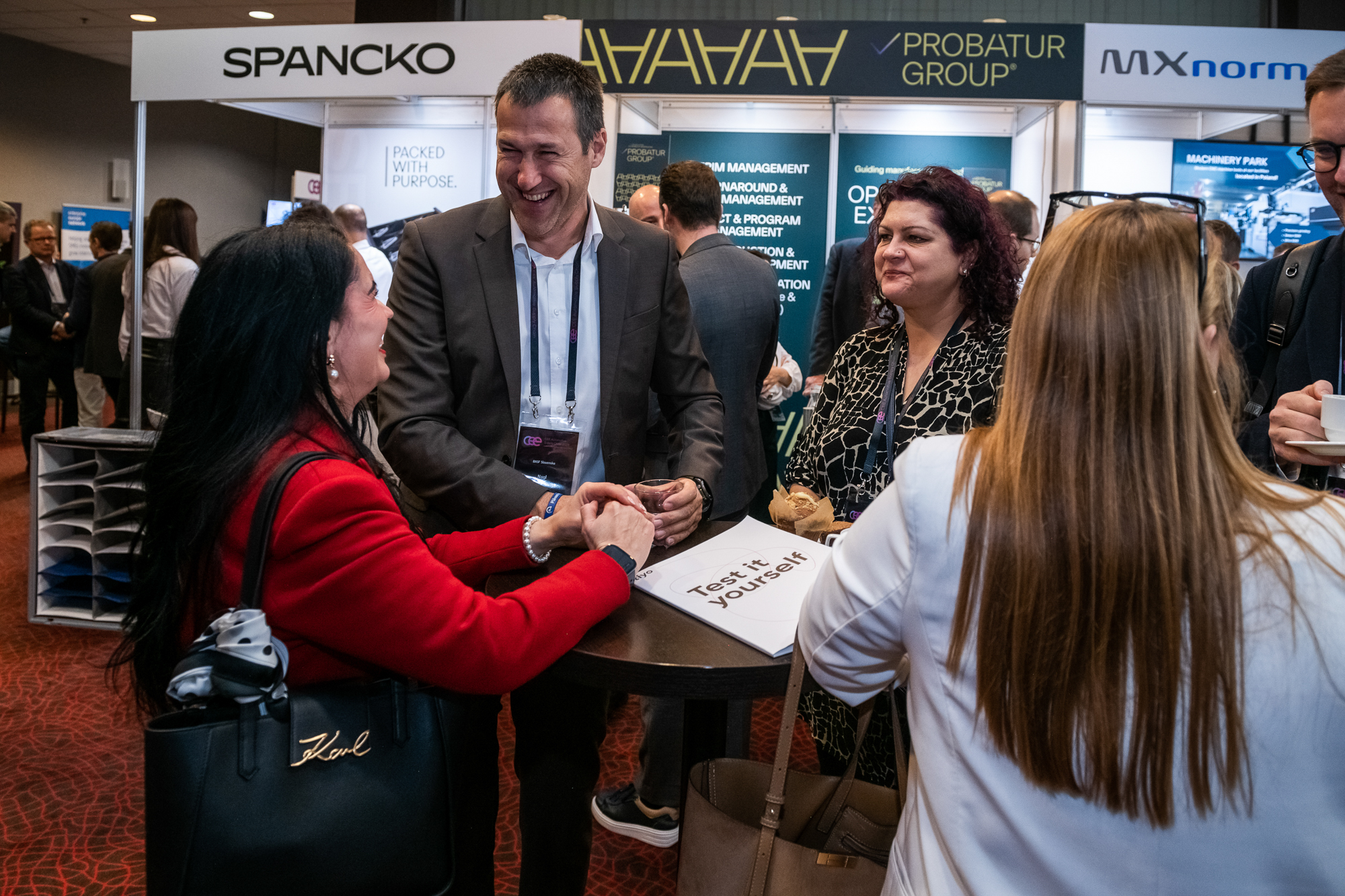
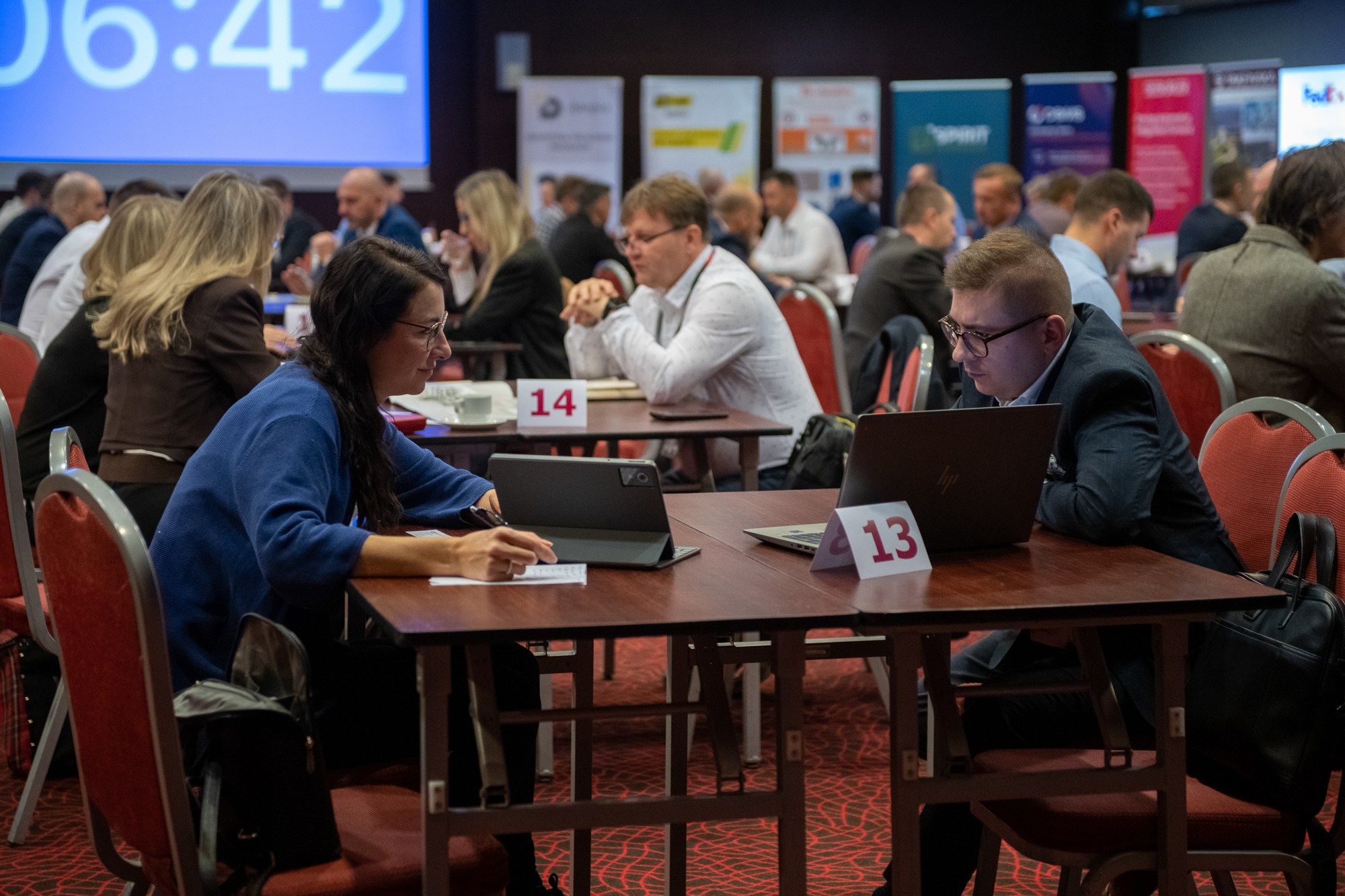
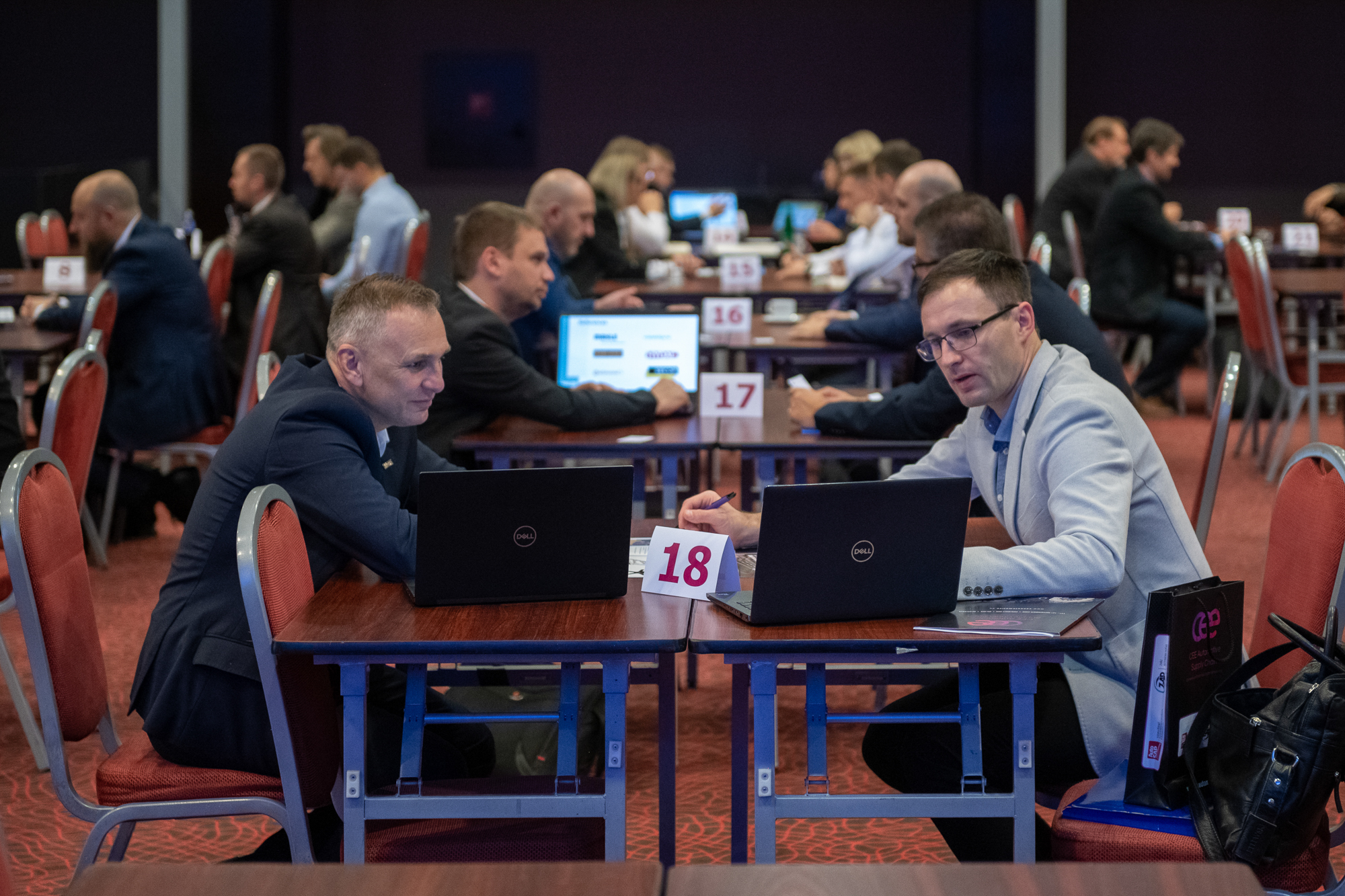
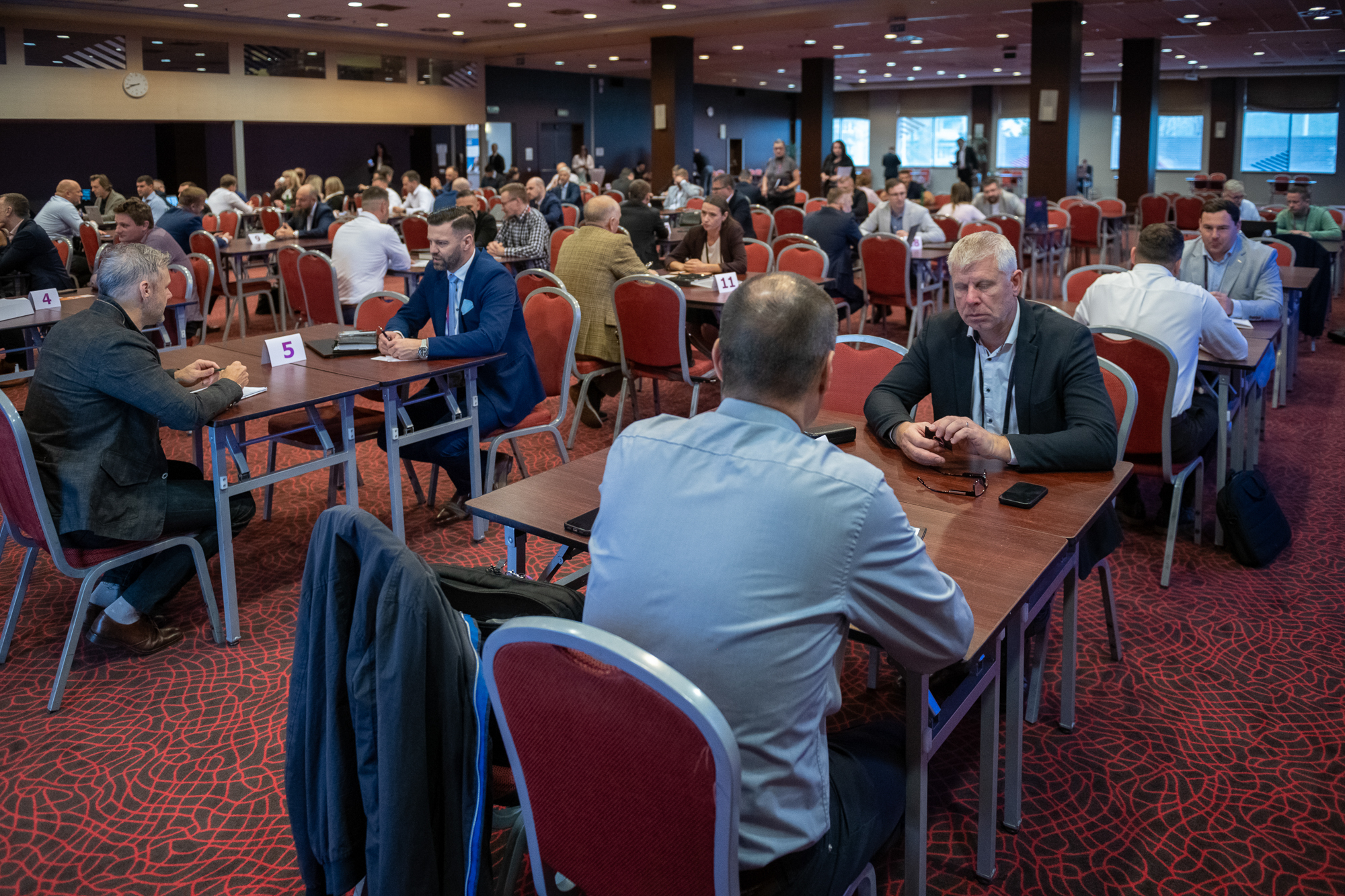
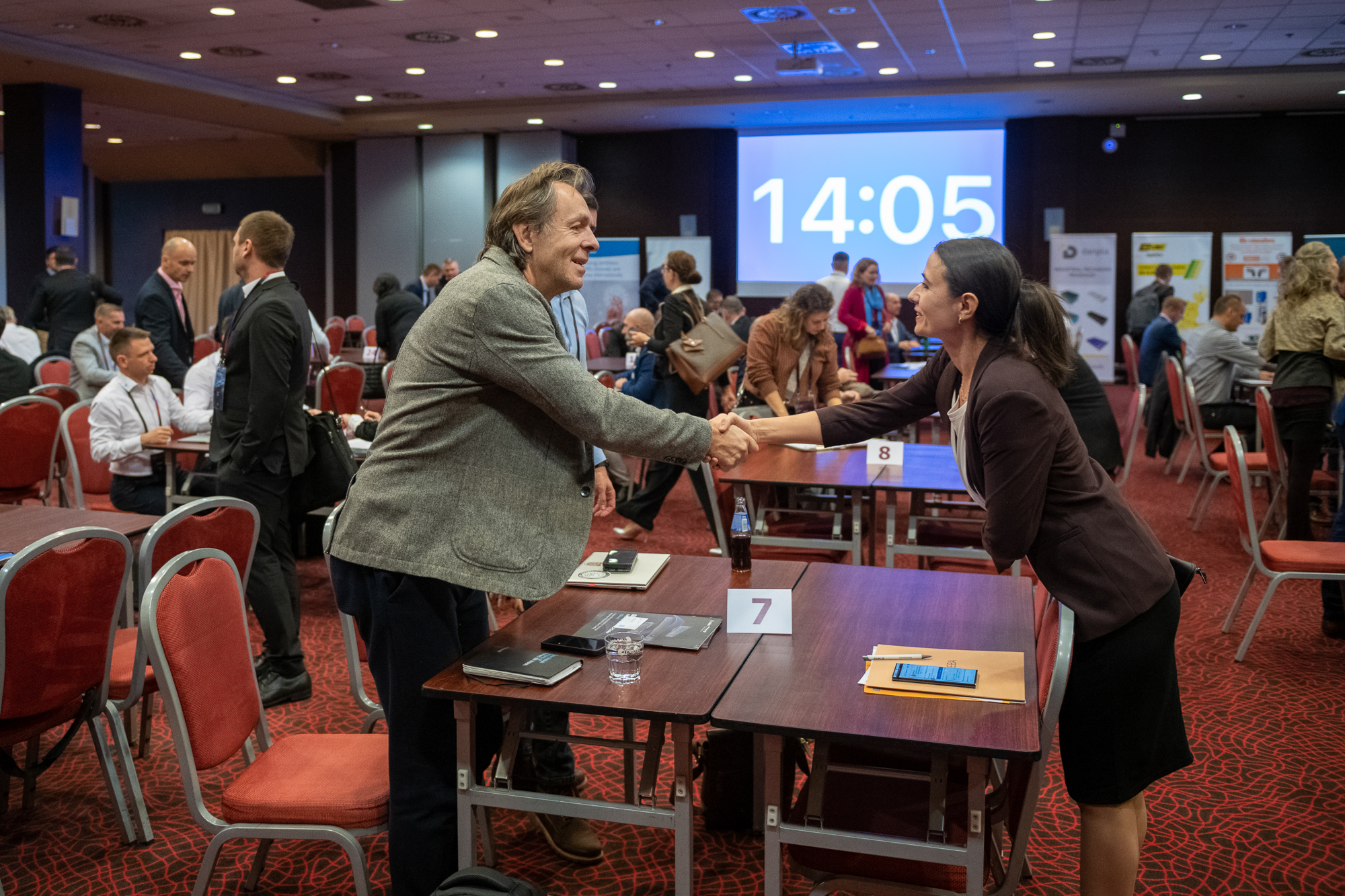
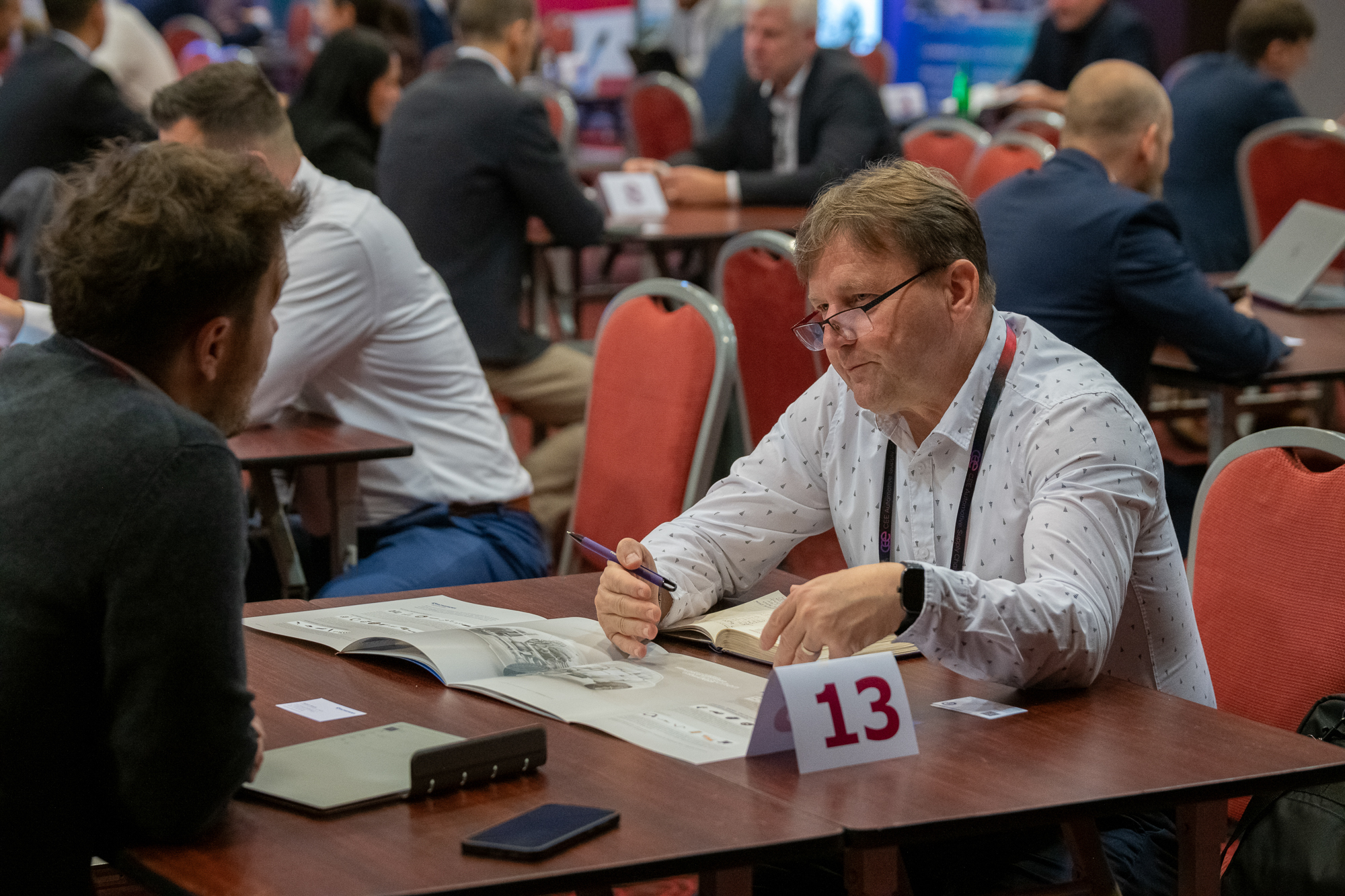
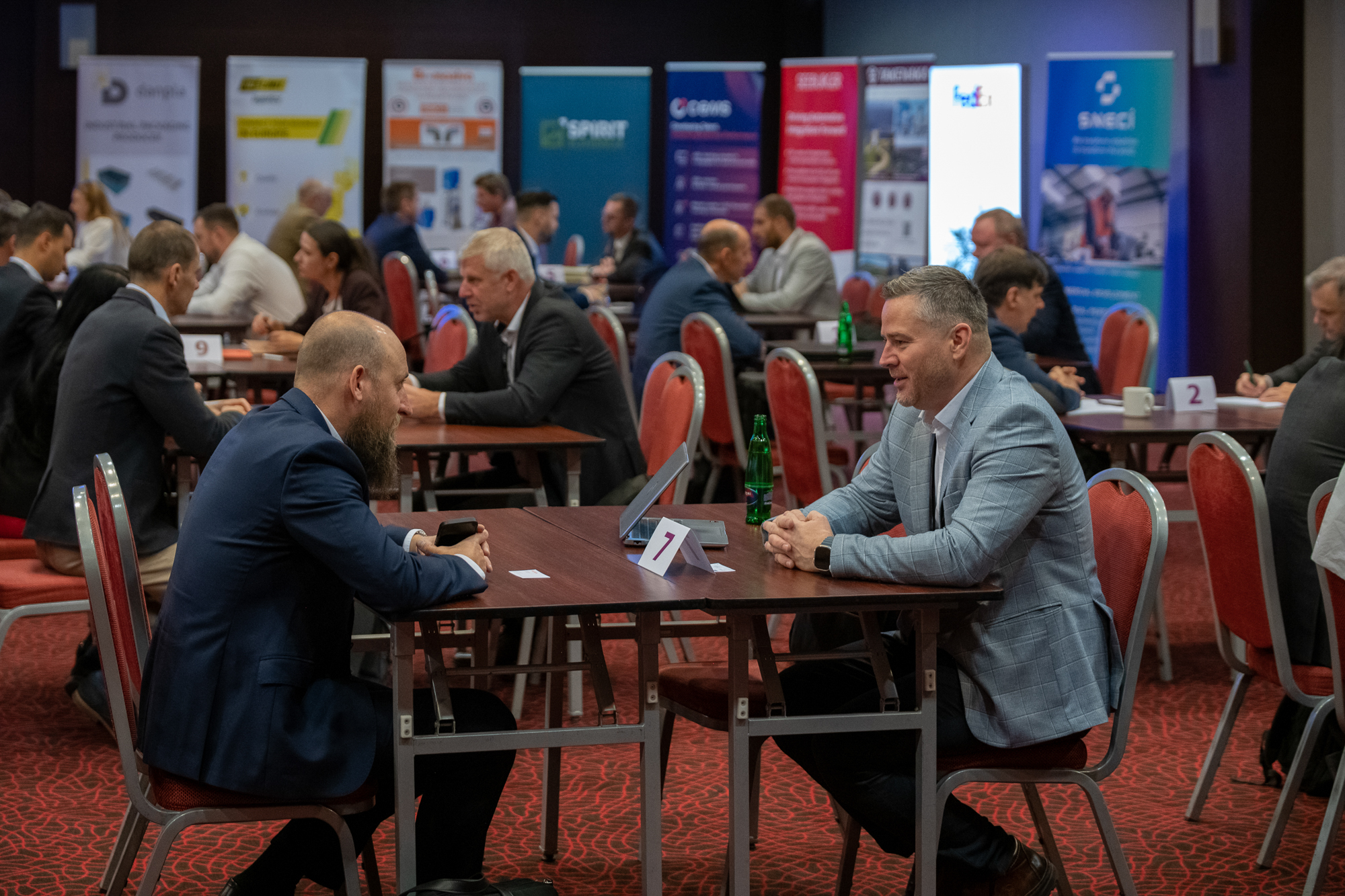
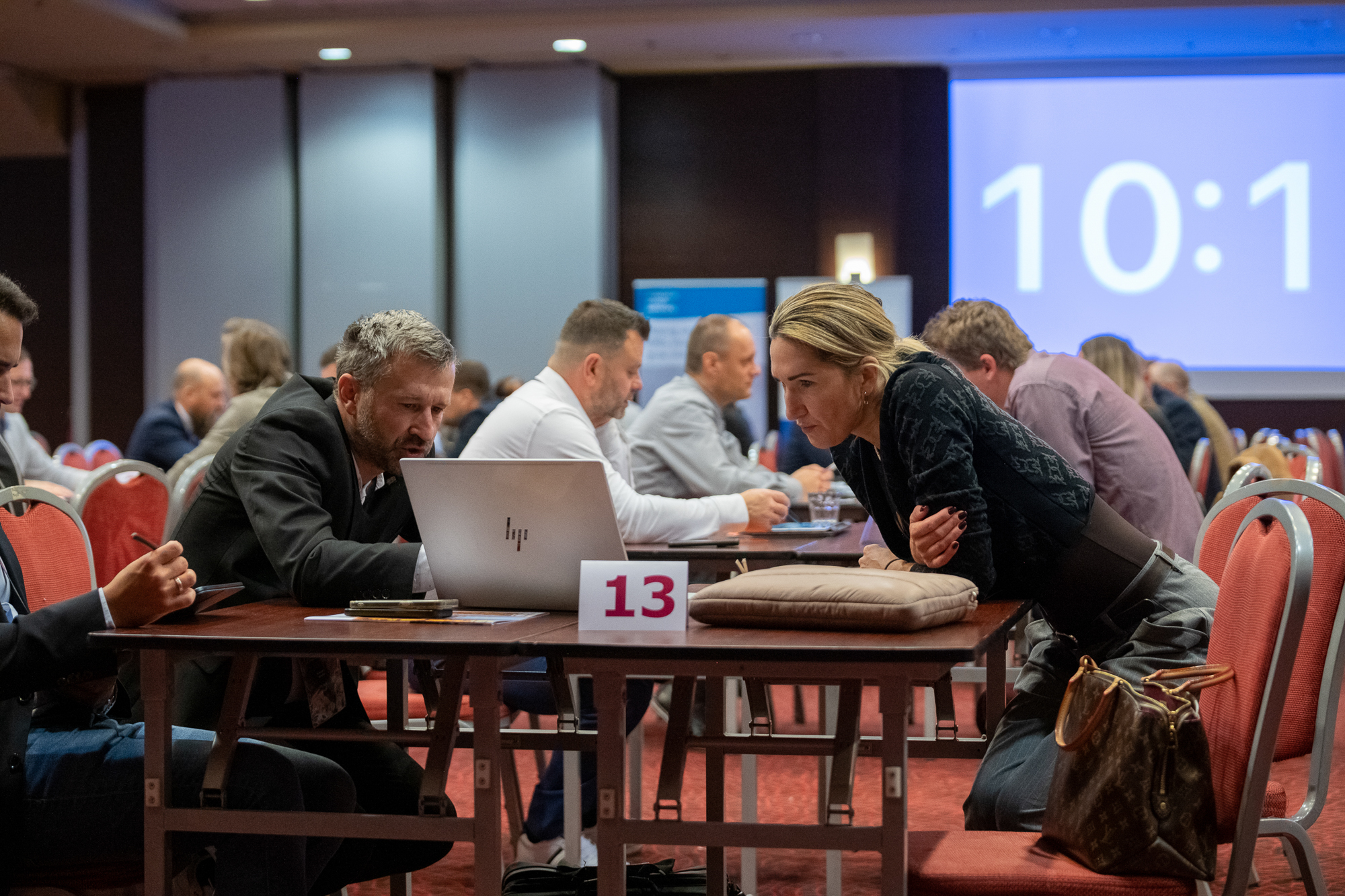
The conference discussions were followed by the second day dedicated to B2B meetings on Thursday, November 12. In three blocks of pre-planned business meetings, participants had the opportunity to present their products and competencies, discuss specific cooperation options and establish new contacts. This year, CEE Automotive Supply Chain once again connected the sharing of experiences with opportunities to develop business partnerships.
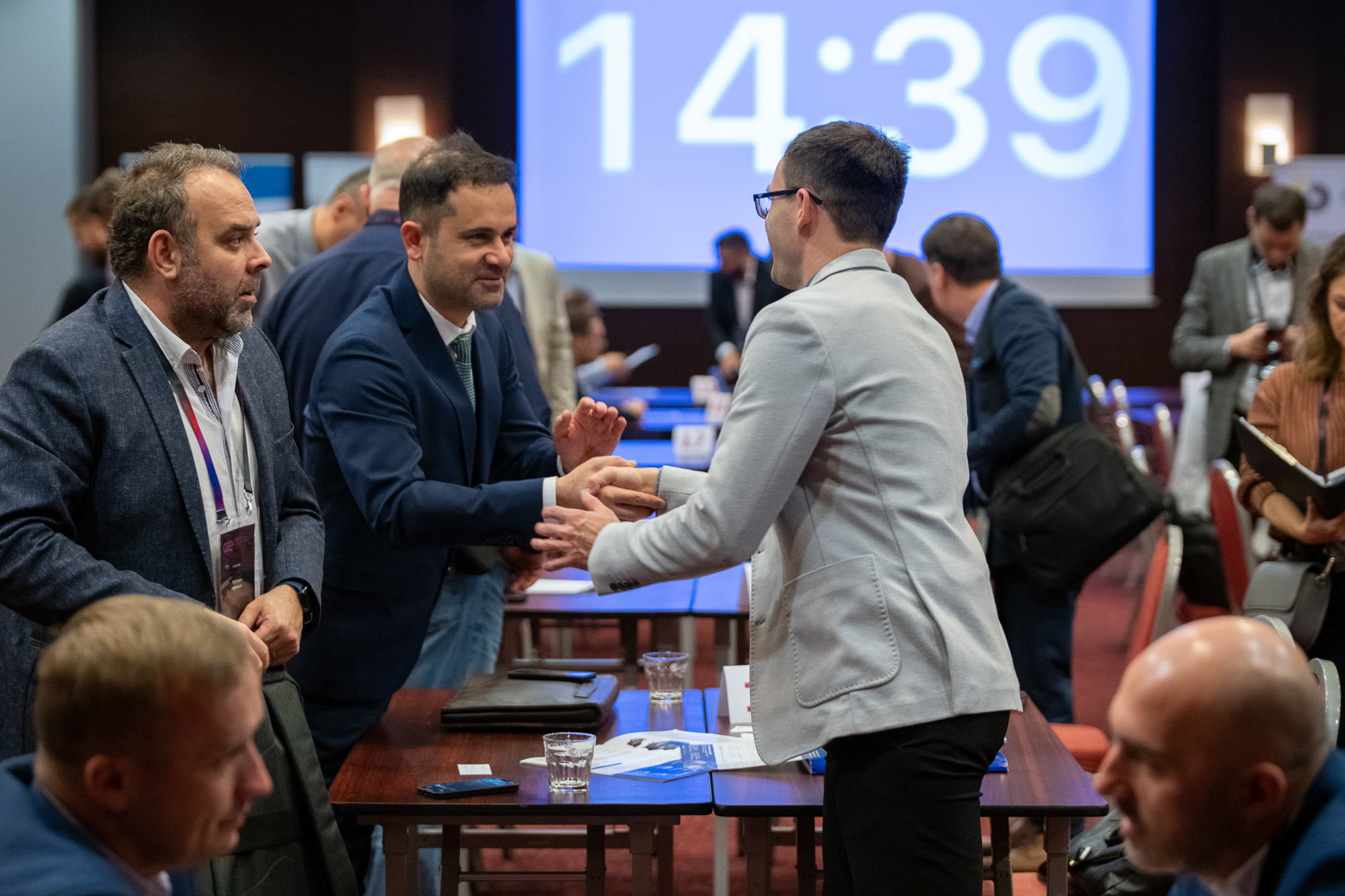
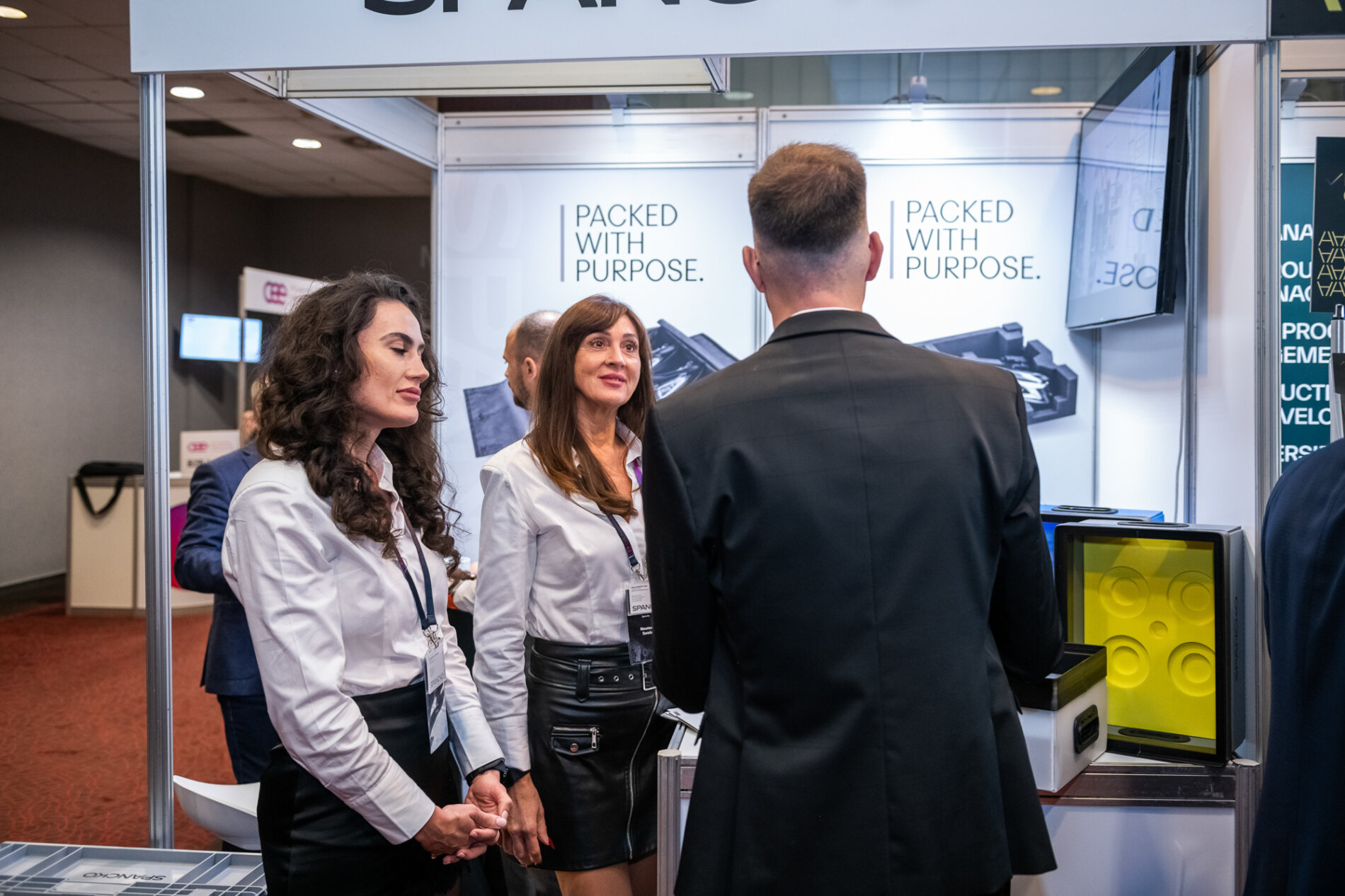
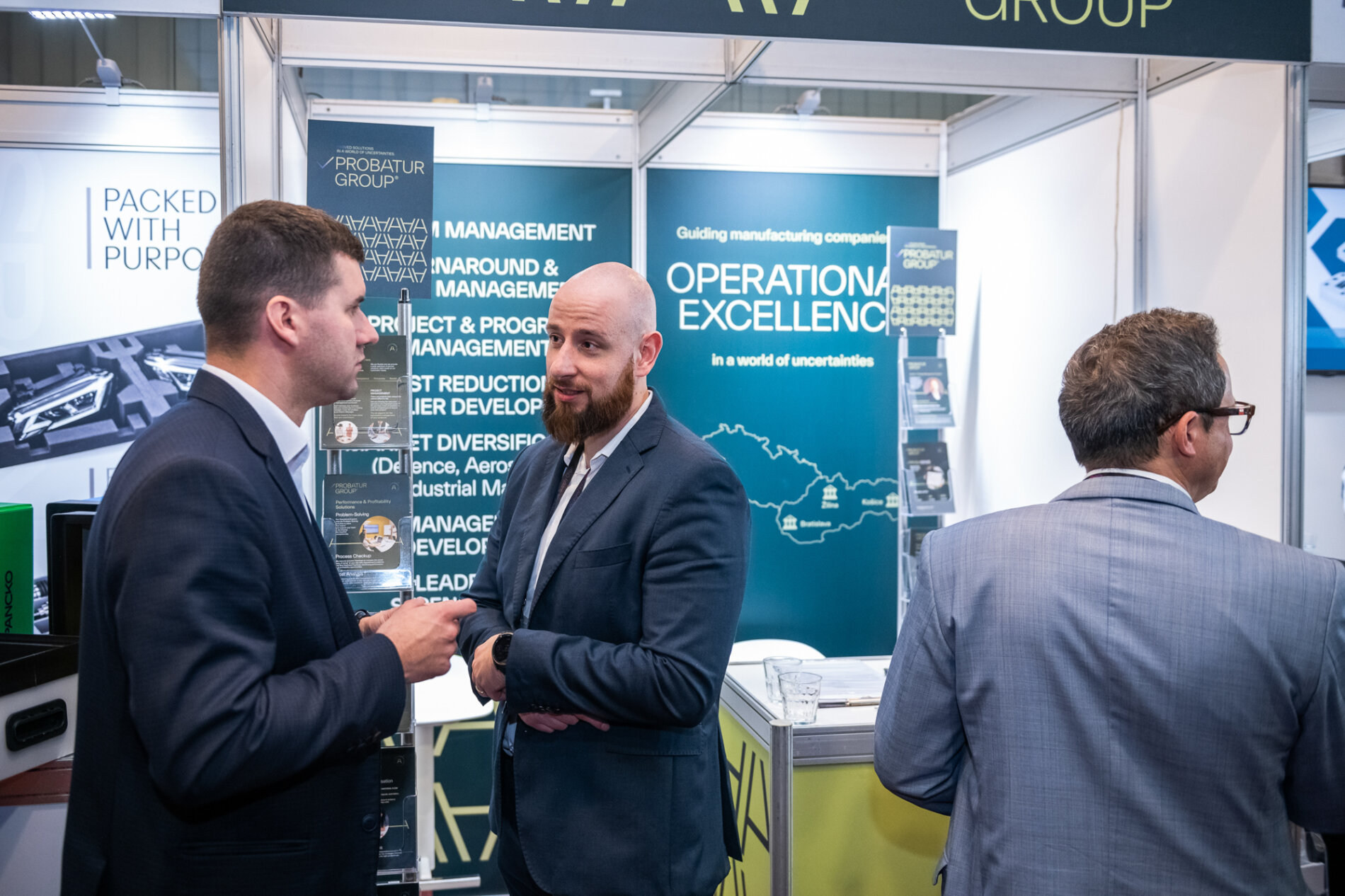
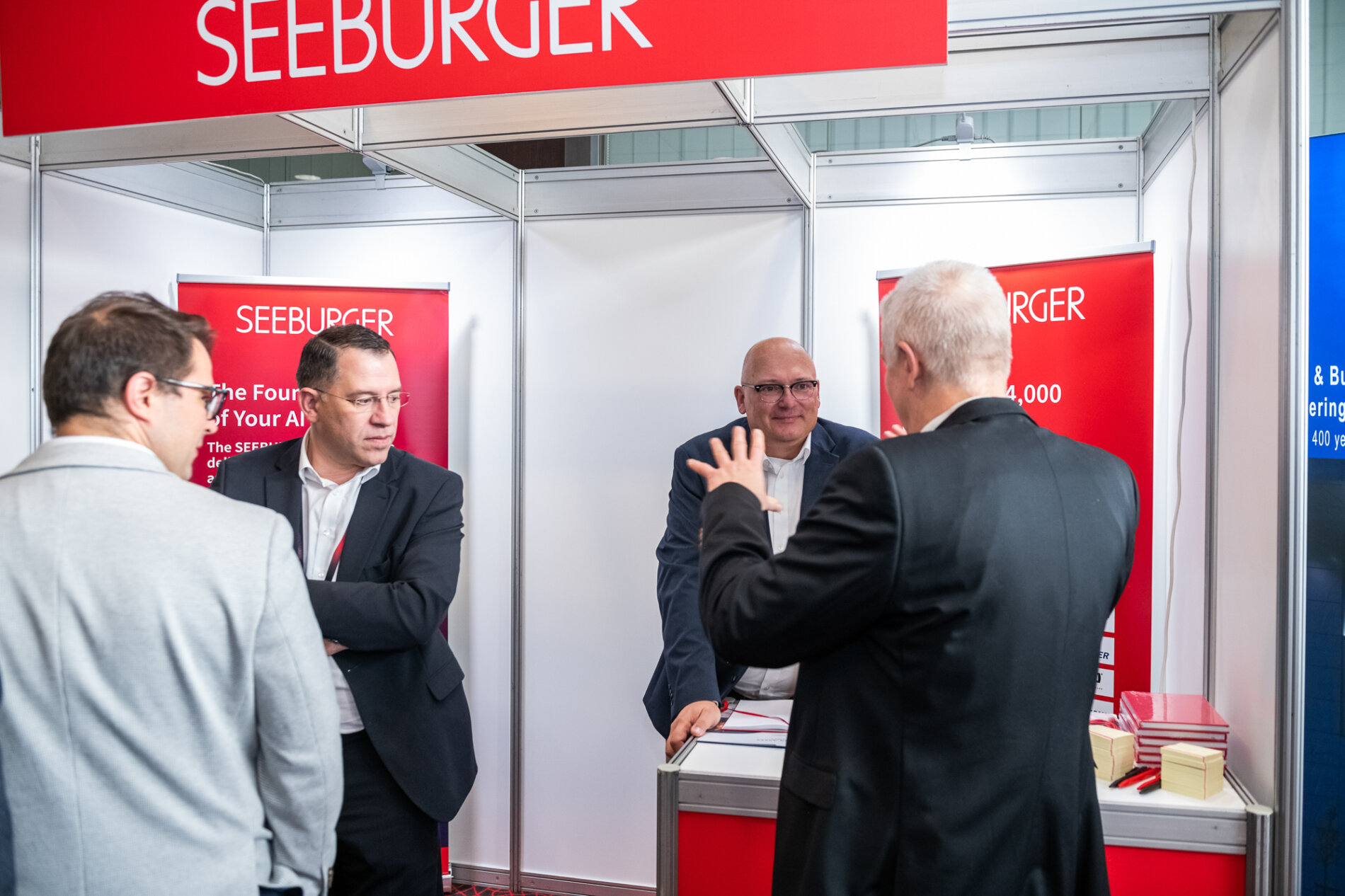
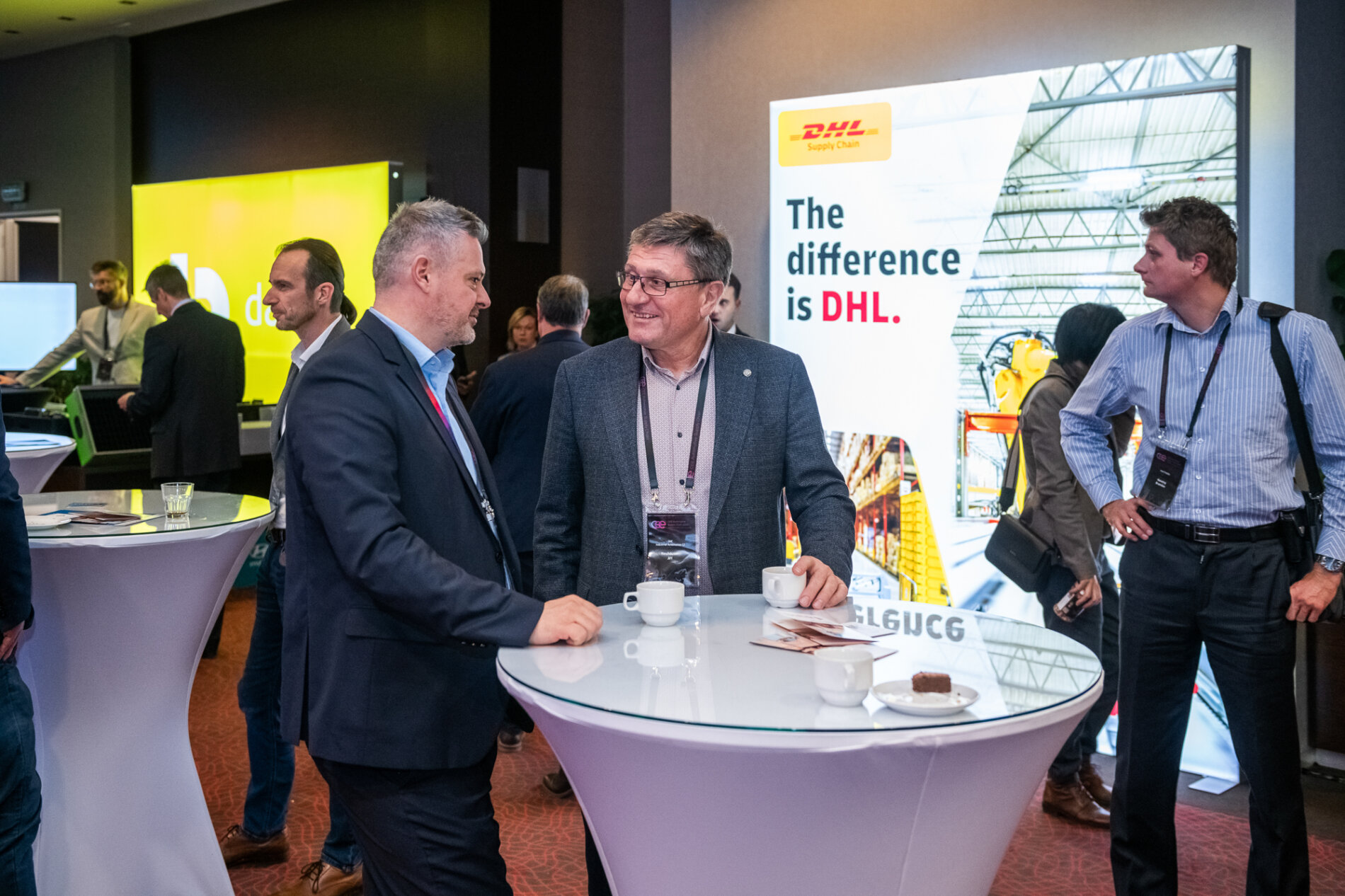
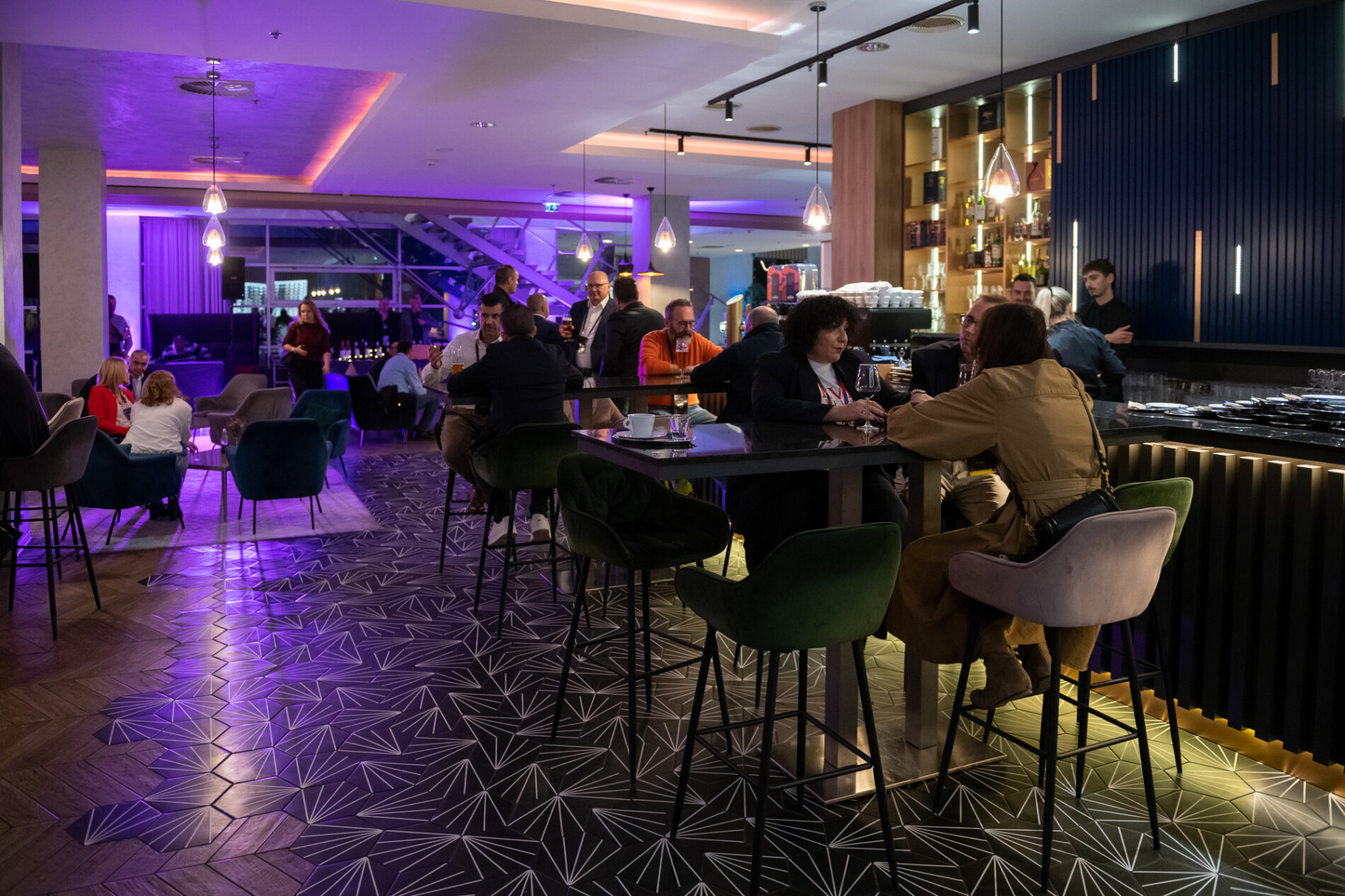
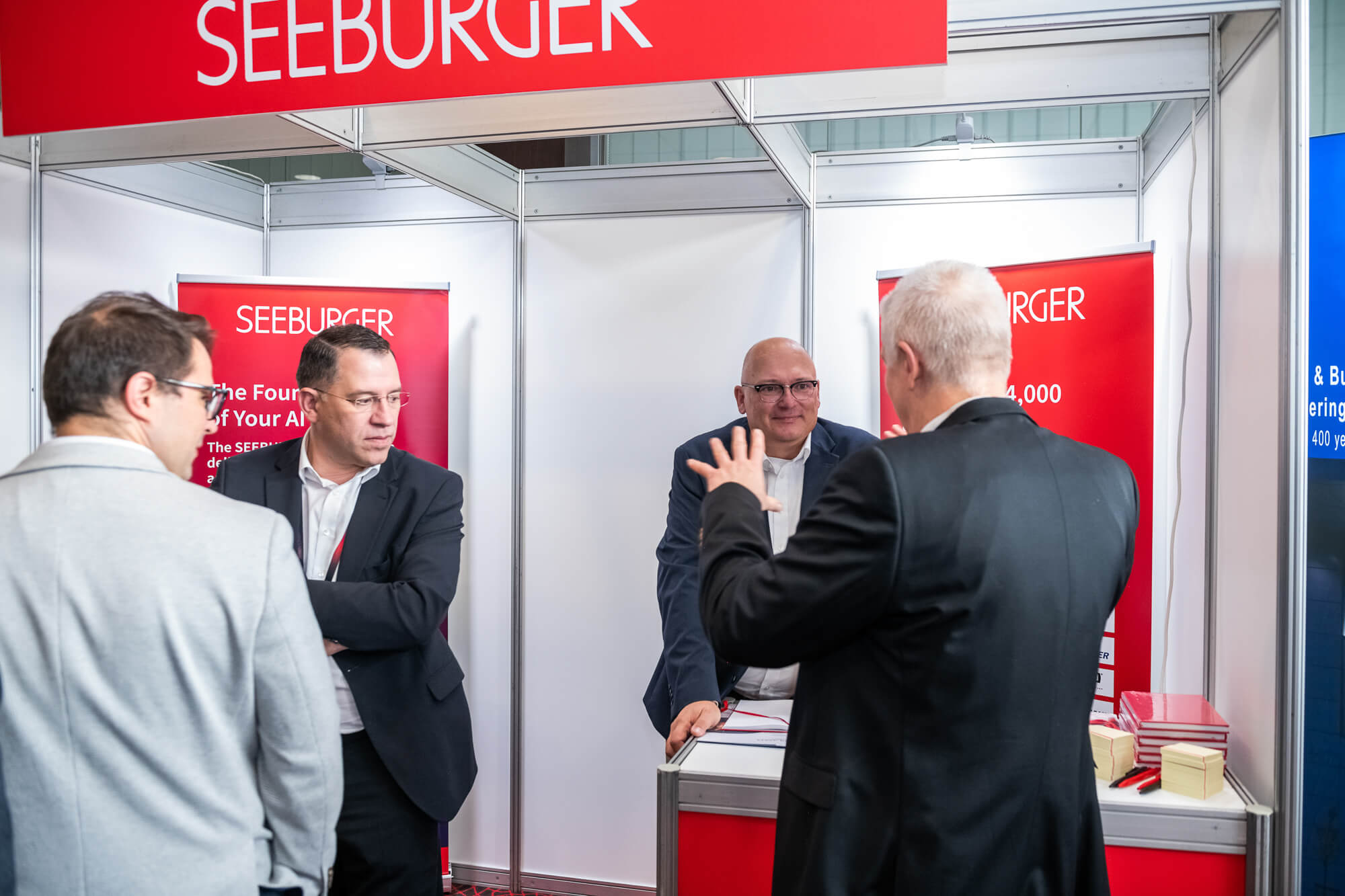
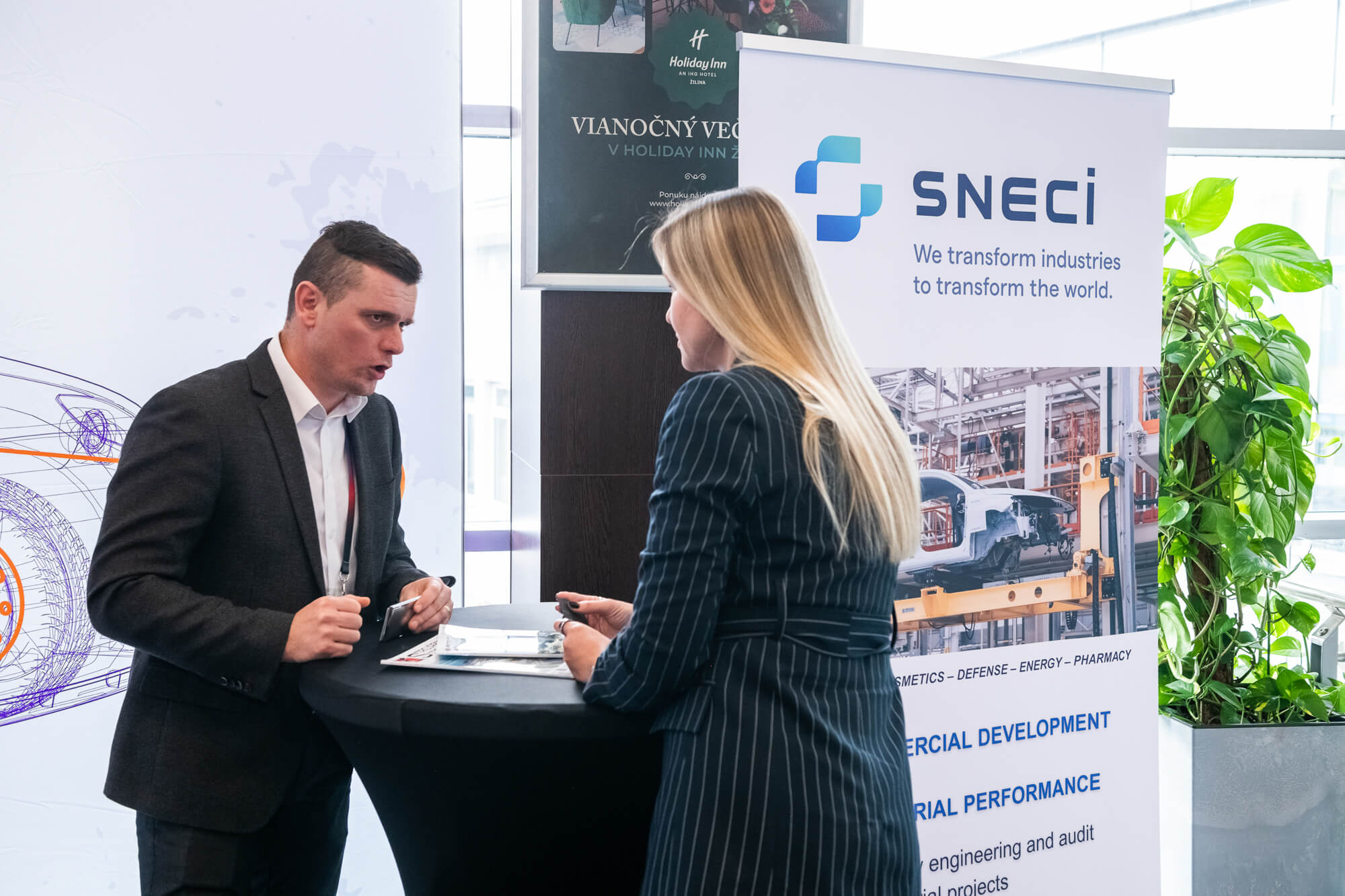
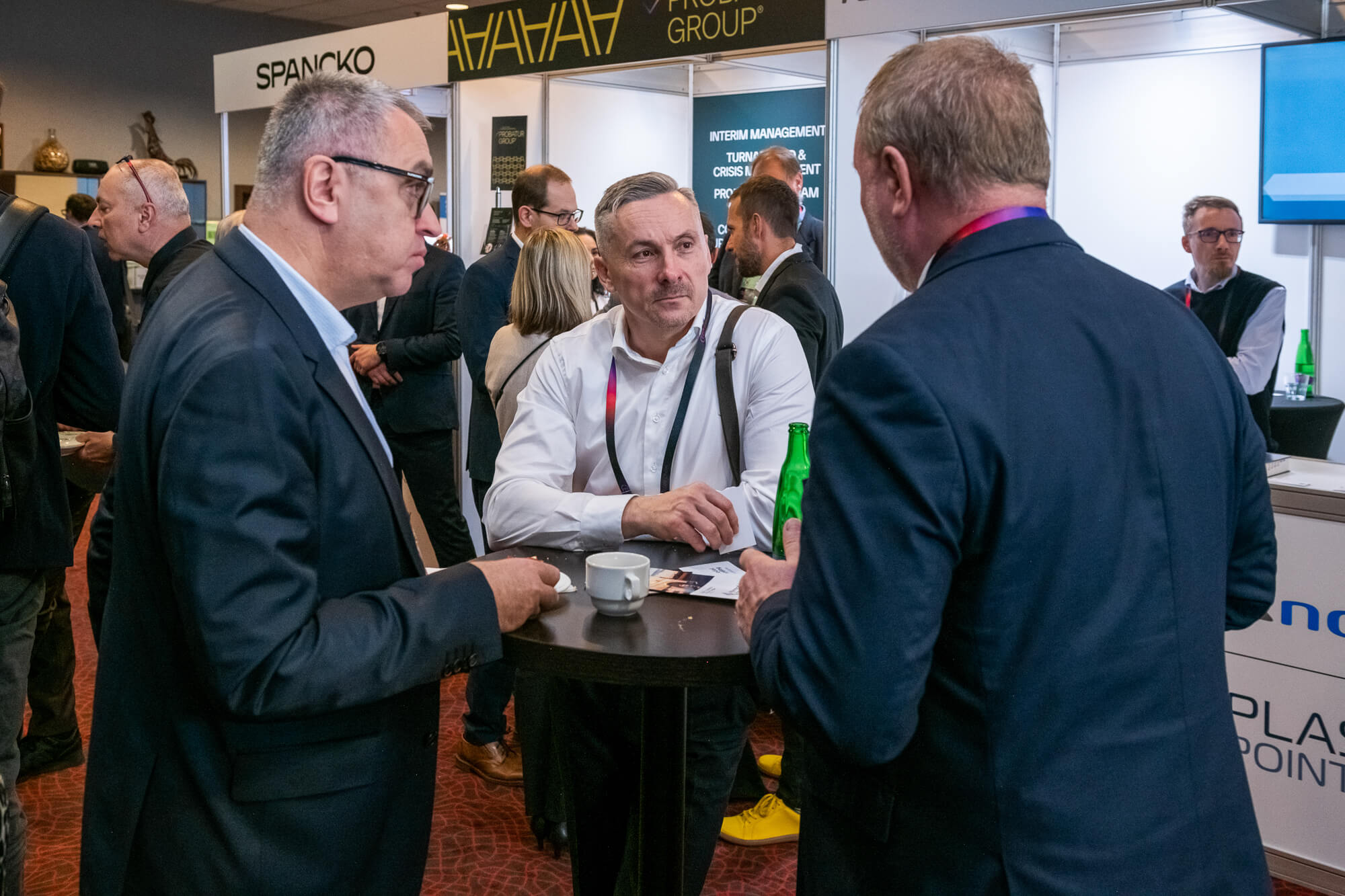
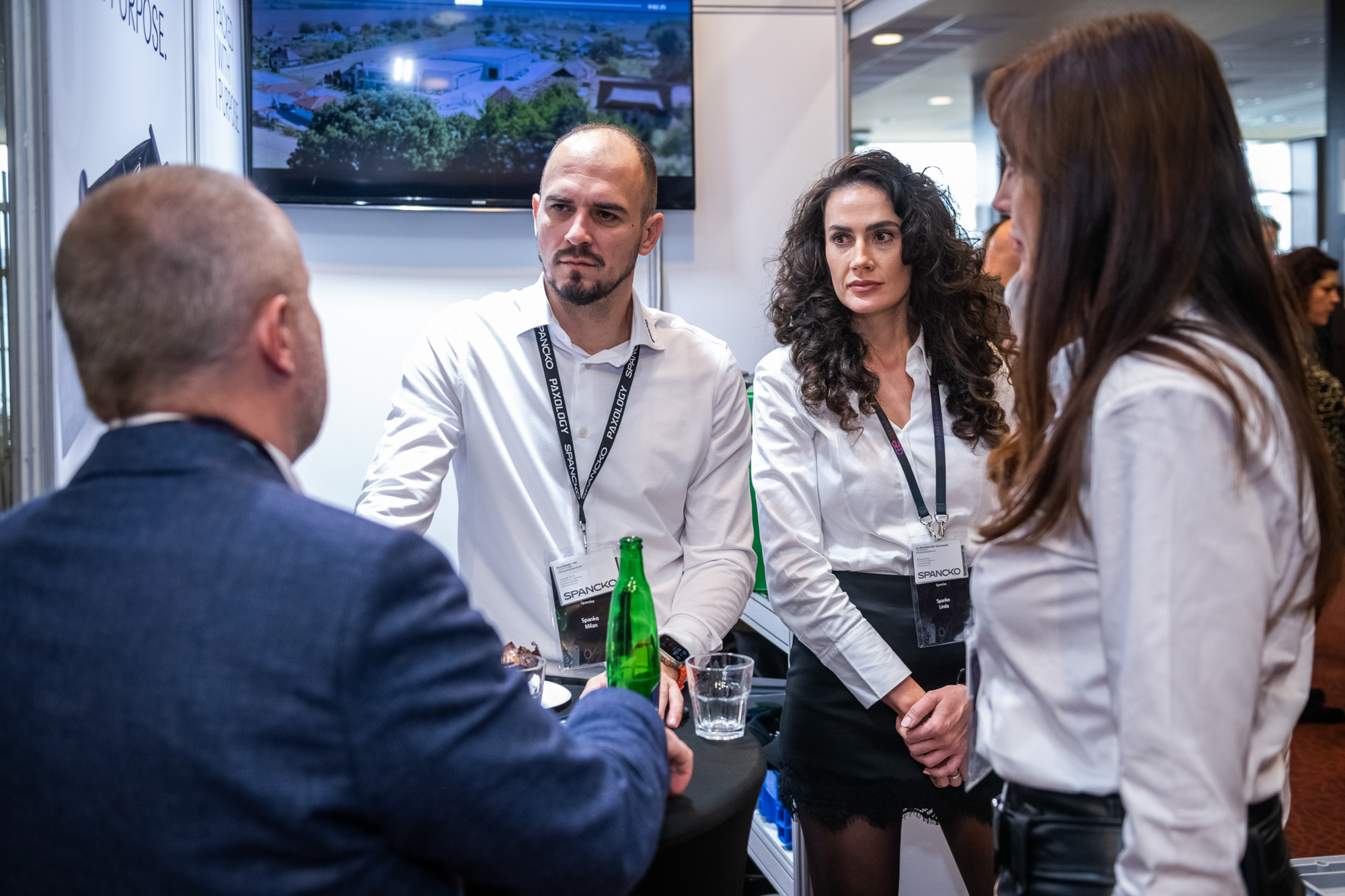
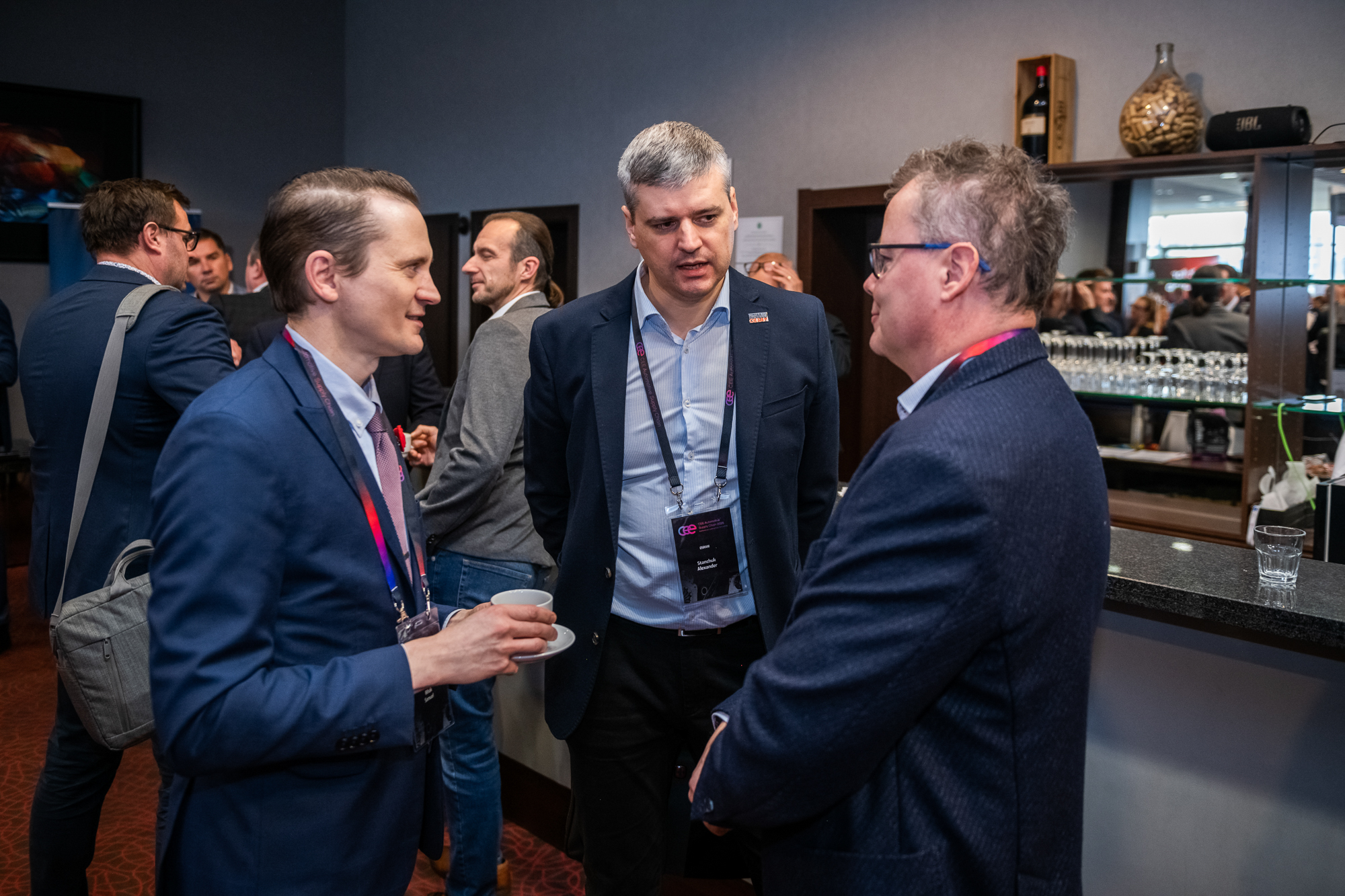
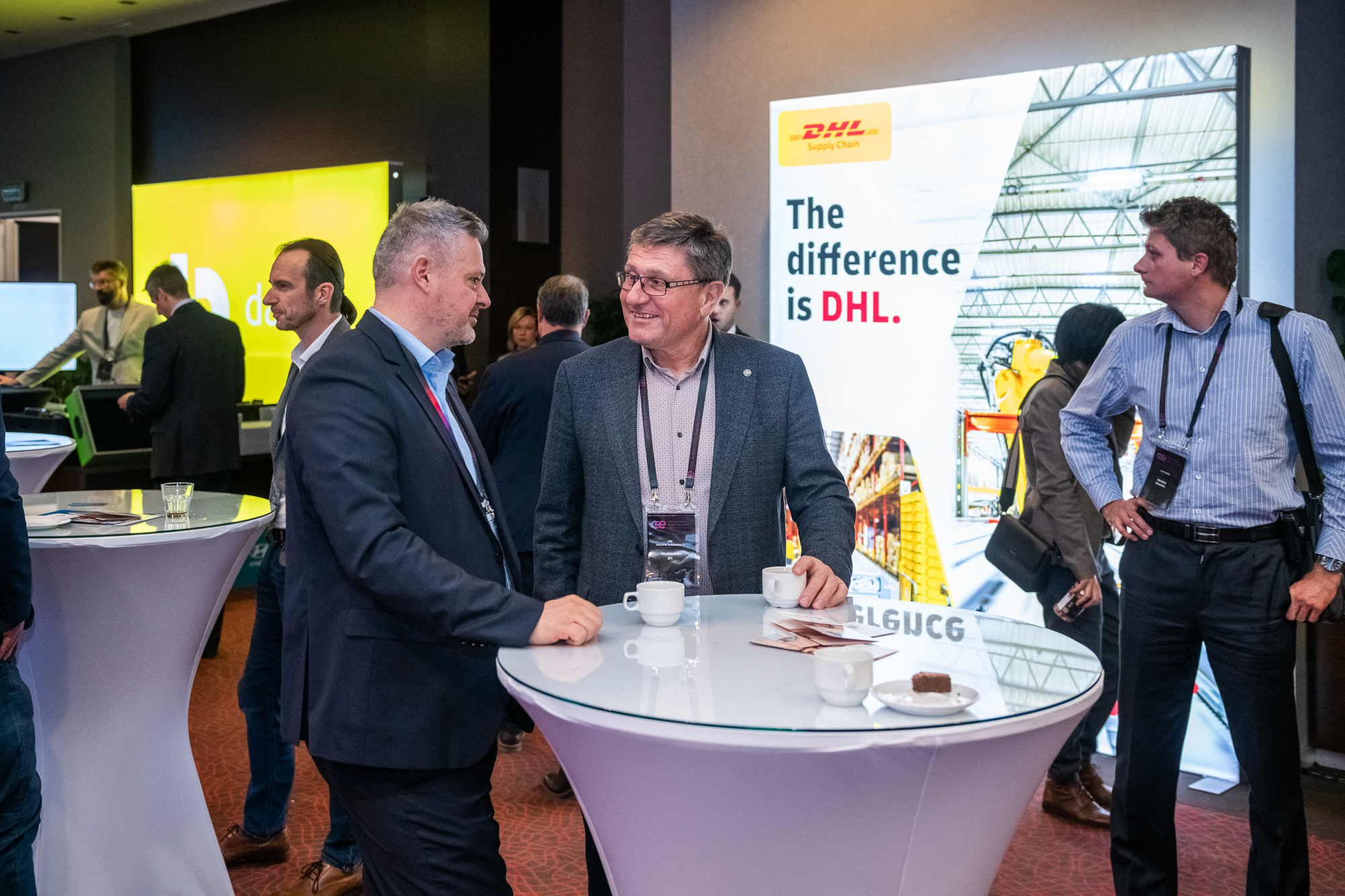
A total of 385 B2B meetings took place at CEE2026. | Photo: Ján Brunčák
The next, jubilee tenth year of CEE Automotive Supply Chain will take place on November 9-10, 2027 in Olomouc, Czech Republic.
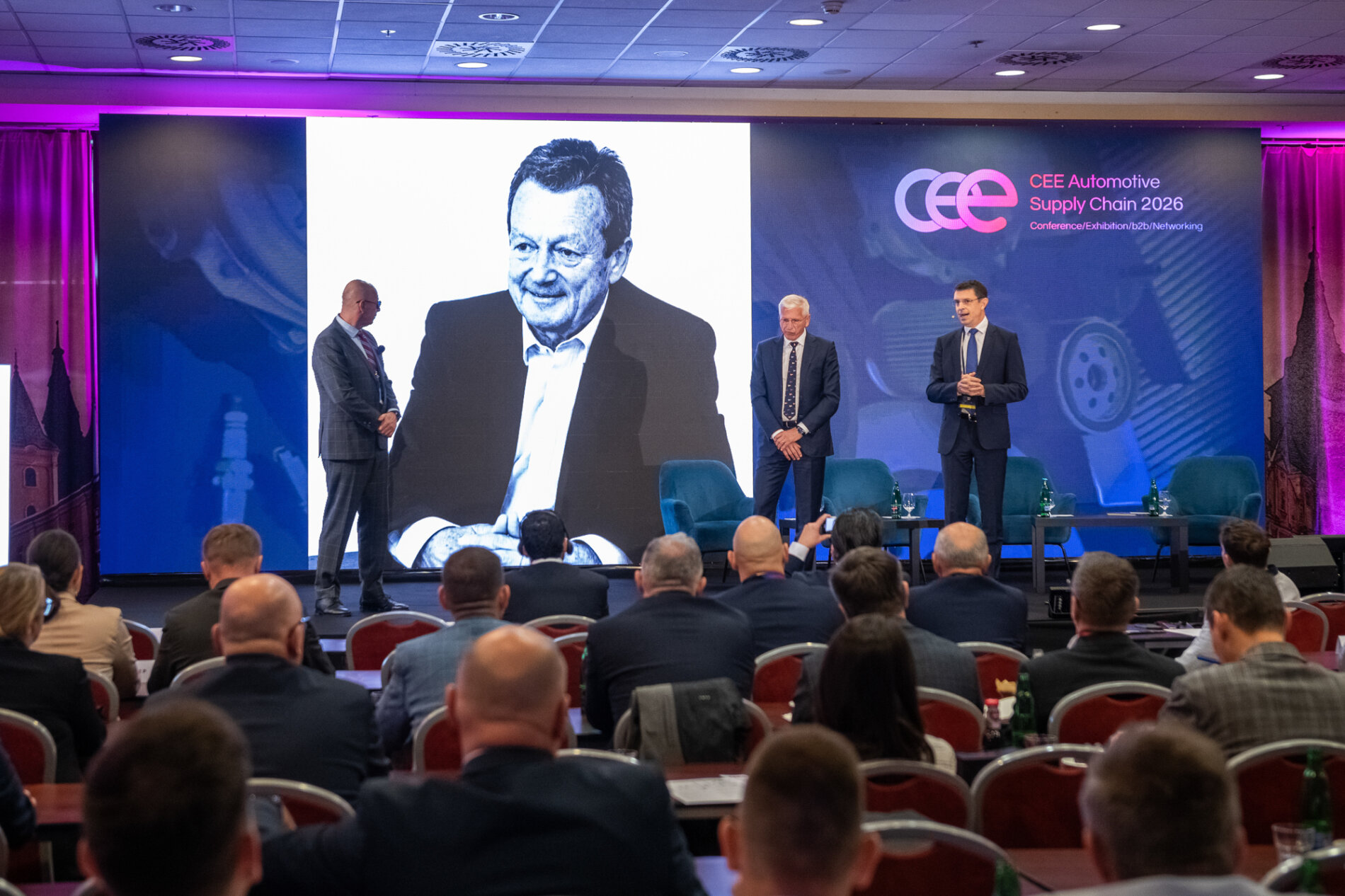
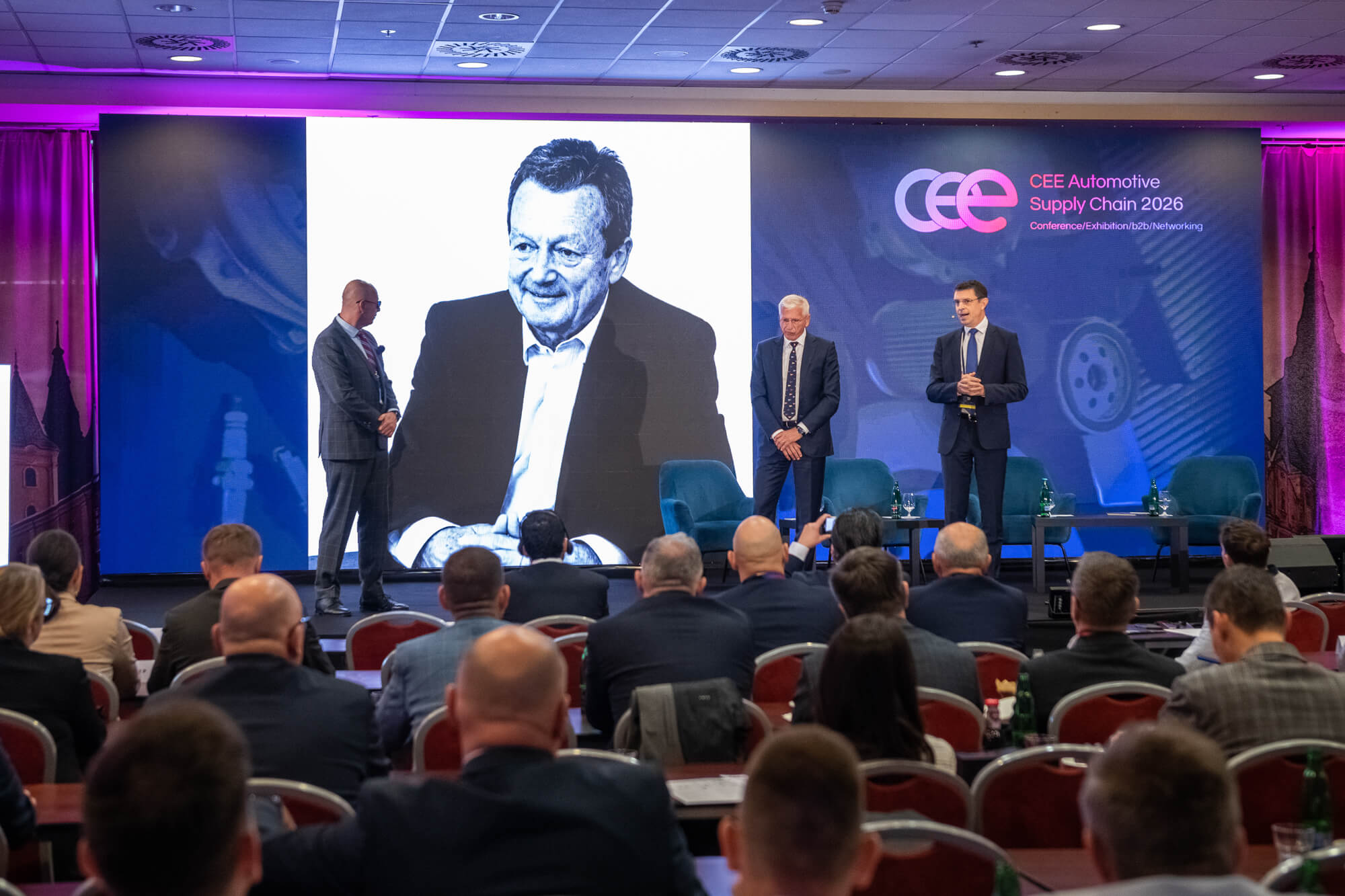
At the beginning of this year’s conference, the participants honored the memory of Ivan Hodáč with a minute of silence, who was associated with CEE Automotive Supply Chain for many years as a moderator and a prominent figure in the European automotive industry. They recalled his ability to connect people, experiences and different perspectives. This year’s year continued in this spirit.
Photo Gallery
Contact
Next articles and interviews
Next articles and interviews
+ Show