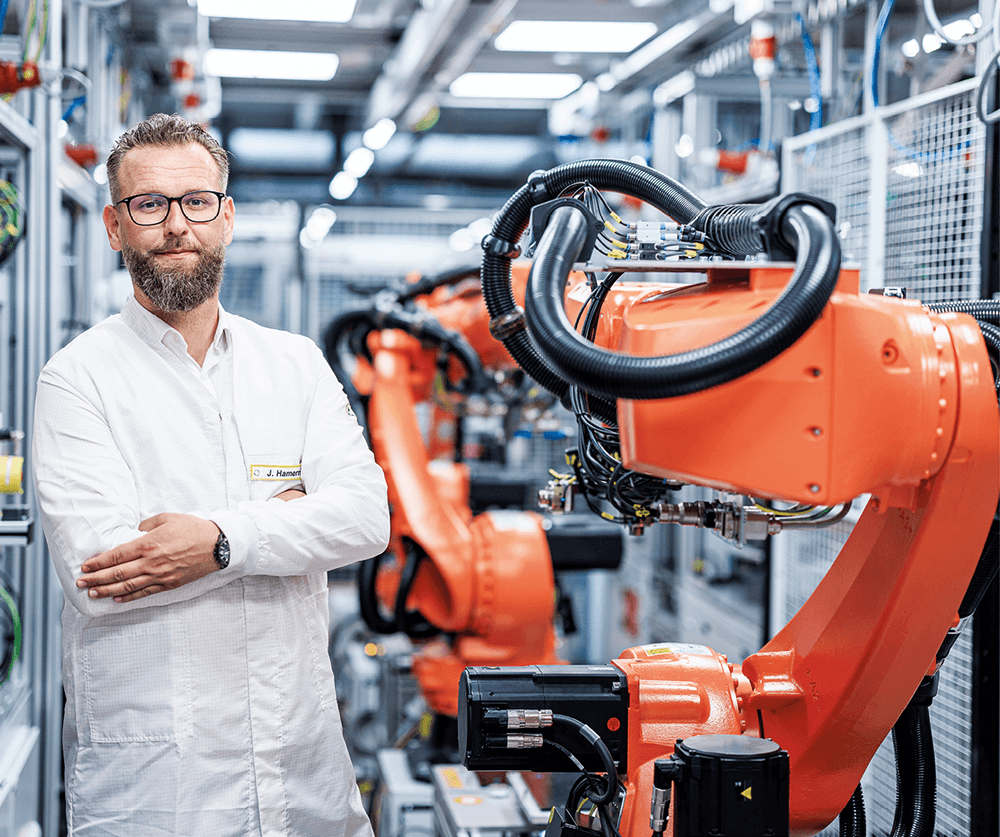
Chip outages, broken supply chains and the energy shock have subsided. However, European automotive suppliers have not been relieved. Instead of one extraordinary crisis, they are now facing several long-term pressures at the same time: a weaker European market, high costs, uncertain orders, expensive investments in new technologies and increasing competition from China. Thus, the fight begins for Czech companies to see who can adapt to the new normal.
A few years ago, suppliers to the automotive industry were mainly dealing with supply chain disruptions, semiconductor shortages or soaring energy prices. Today, the situation is different. This is not a single extraordinary problem that will subside and allow a return to the old order. Suppliers must learn to function in an environment that will probably be permanently more demanding than before 2020.
This is exactly how this year’s Boston Consulting Group (BCG) 2026 Global Automotive Supplier Study describes the situation. According to it, the acute crisis phase is over, but suppliers have entered a structurally more difficult period characterized by higher financing costs, pressure on inputs, geopolitical uncertainty and changes in demand.
The European suppliers association CLEPA draws attention to the continuing pressure on profitability, and the German automotive industry association VDA to the postponement of investments and the limited willingness of companies to expand employment in Germany. Reuters has repeatedly reported on the restructuring programs of large European suppliers. According to CLEPA, European suppliers have announced more than 100,000 job cuts in the last two years. Bosch, Continental and ZF are restructuring, for example.
“The industry has moved beyond the acute crisis phase, but it is operating in a structurally more challenging environment. Higher interest rates, persistent cost pressure, a shortage of people, growing Chinese competition and volatile geopolitics are now a long-term reality, not a blip. That is the essential difference compared to 2021,” summarizes Petr Knap, an expert on the automotive industry.
Fewer orders, higher costs
Czech companies are also finding that good results for carmakers do not automatically mean good times for the entire supply chain. While vehicle manufacturers maintain high production volumes, according to AutoSAP data, supplier sales fell slightly last year and most companies simultaneously faced rising wage, energy and material costs.
Miroslav Dvořák, Chairman of the Board and owner of MOTOR JIKOV Group, is also Vice President and Vice Chairman of the Suppliers and Special Purpose Organizations Division of the Automotive Industry Association, so he knows the situation in the sector very well. He describes it as a combination of problems that multiply each other. “The European automotive market has still not returned to the level before 2020, while the costs of labor, energy, materials and financing remain significantly higher. For suppliers, this means pressure on margins, more complex capacity planning and a longer return on investment. So it is not one isolated problem, but a combination of several factors that reinforce each other.”
BRANO has a similar experience. Václav Juříček, a member of the board of directors of BRANO Group, points out not only the decline in vehicle sales in the EU, but also the intensifying competition in the entire supply chain. The pressure comes from above with the arrival of Chinese car manufacturers, which are pushing prices and margins down, but at the same time, due to the smaller European market, the fight between suppliers themselves is intensifying.
“A number of competitors from Germany and other countries have already entered insolvency and the situation of the European automotive industry will probably be worse. I do not remember such a number of ‘global sourcing’ of customers, i.e. relocation of ongoing projects from competitors primarily due to bankruptcy. We are of course benefiting from this event so far and these are business opportunities for BRANO, we will see how long it will last,” says Václav Juříček.
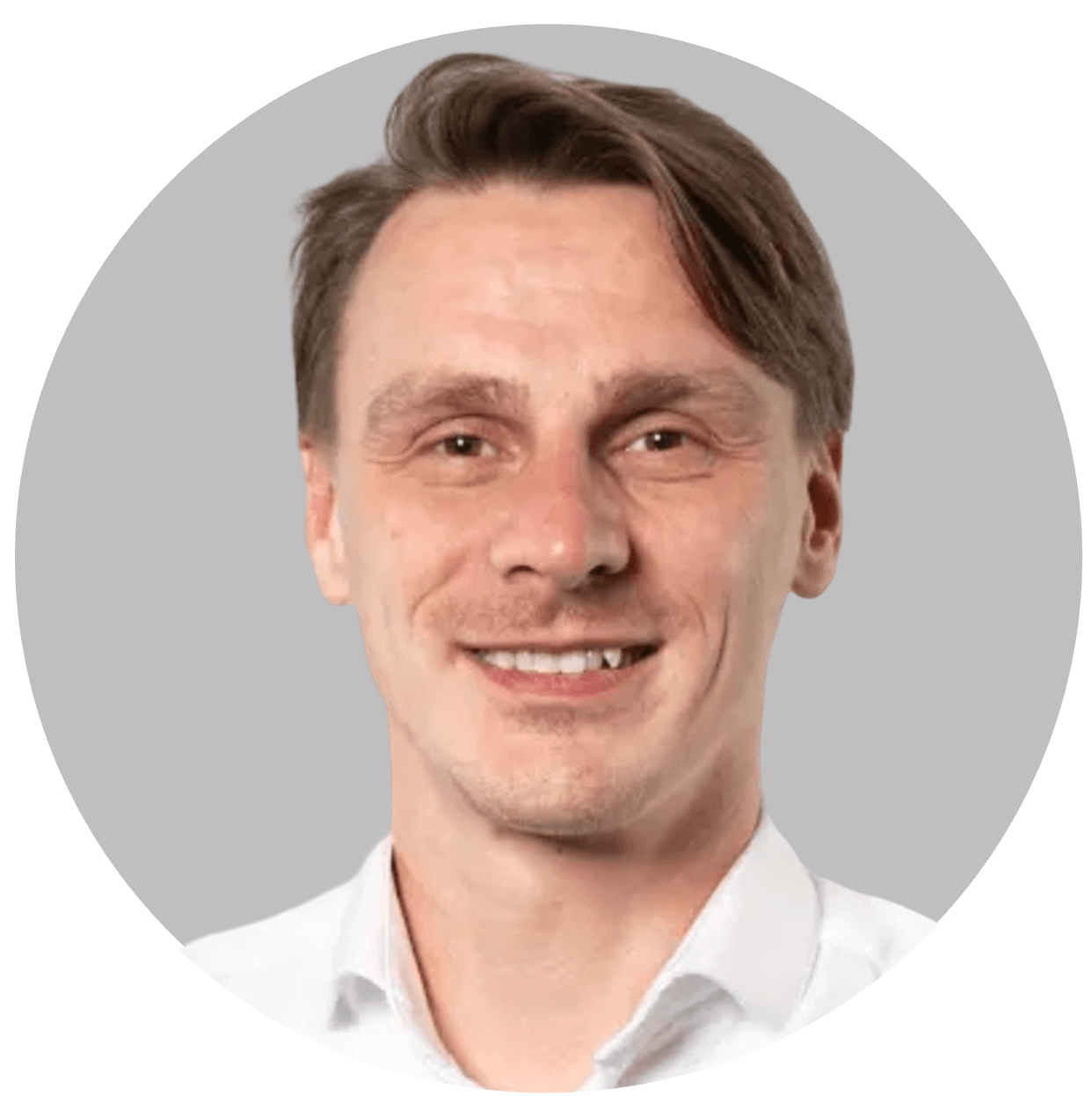 “A number of competitors from Germany and other countries have already gone bankrupt and the situation of the European automotive industry will probably be worse. I don’t remember such a number of “global sourcing” of customers, i.e. relocation of ongoing projects from competitors primarily due to bankruptcy. We are of course benefiting from this event so far and it is a business opportunity for BRANO, we will see how long it will last,” says Václav Juříček, member of the board of directors of BRANO Group.
The combination of declining or fluctuating orders and costs that do not move in the opposite direction is particularly unpleasant for companies. “Recalls and sales are decreasing year-on-year, while our variable and fixed costs are under pressure from significant inflation – whether it is materials such as steel, polymers or electronics, or energy, logistics, wages or software costs. We cannot ignore the influence of the strengthening crown and the impact of the exchange rate against the euro or dollar,” calculates Václav Juříček. According to him, frequent postponements or even cancellations of customer projects are also added to this.
The founder of BRANO and the chairman of the board of directors of the entire group, Pavel Juříček, collectively describes this combination of problems as a “deadly cocktail”.
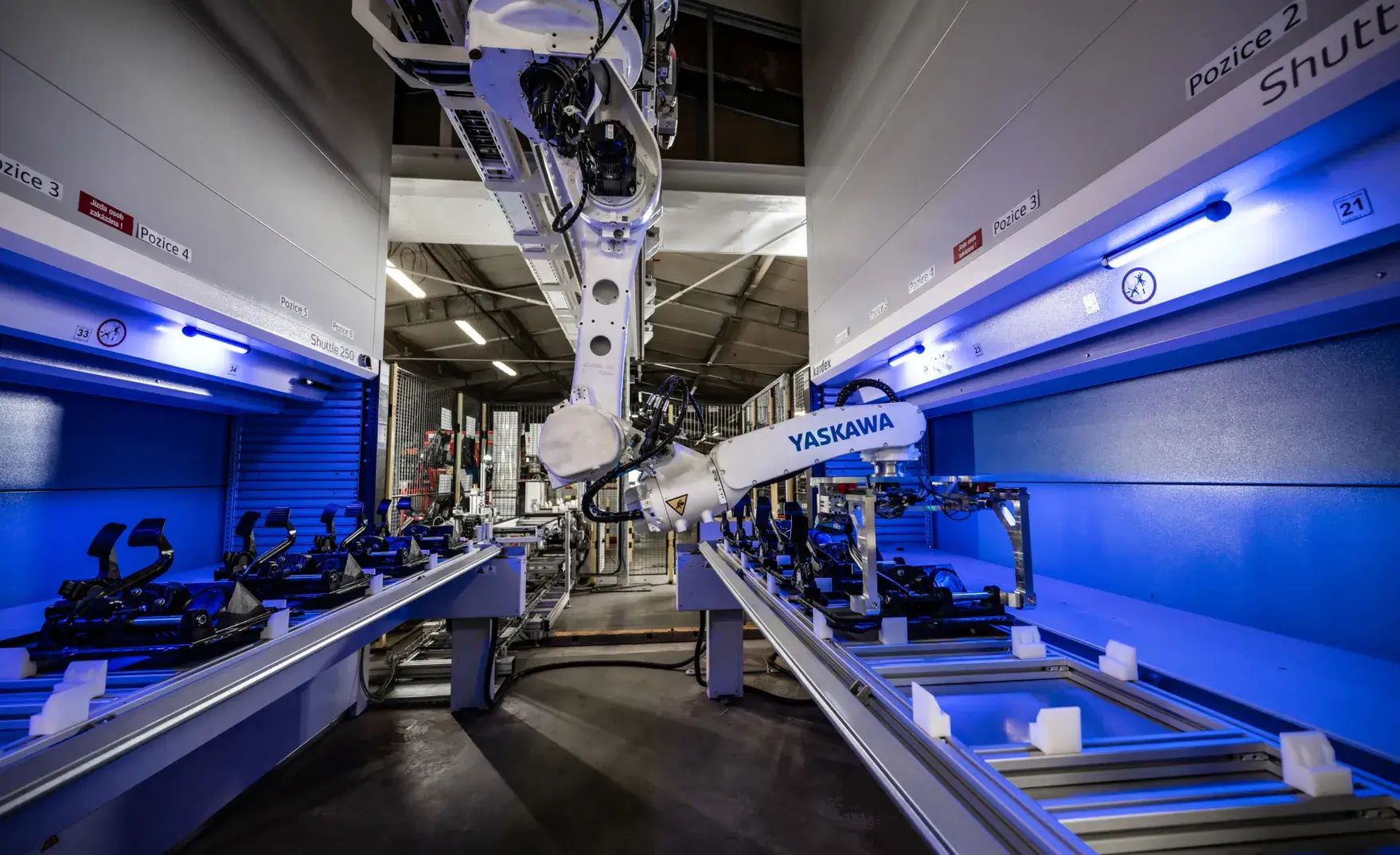
BRANO Group, on the other hand, is seeing a decline in orders and sales, while costs continue to rise. However, it is also gaining new business opportunities by taking over projects from competitors that have gone bankrupt. | Photo: BRANO Group
The worst is uncertainty
The market downturn itself may not be the biggest problem. For an investment-intensive industry, unpredictability can be even more dangerous.
“Suppliers often do not know what volumes they can expect in a year, two or three years. This uncertainty subsequently results in pressure on prices, more complicated capacity planning and more difficult investment decisions,” says Miroslav Dvořák from MOTOR JIKOV.
At the same time, a company cannot simply stop investing. It must automate, robotize, digitize and prepare new production technologies, but at the same time it often does not have a sufficiently long-term outlook for orders or certainty about how quickly individual technological trends will prevail.
“Companies must invest even if they are not sure of orders.”
A typical example is electromobility. Suppliers have received and are still receiving orders and requirements for new projects for electric vehicles, according to which they plan capacities and invest. However, the European market for these vehicles is not growing as fast as originally expected. The supplier must therefore be prepared for technological change, but does not know exactly when and in what volume the new programs will start.
This is also a problem on a European scale. Some companies underestimated the emergence of new technologies, while others invested in electromobility capacities in anticipation of faster growth. If the originally planned volumes are not met, the return on investment is prolonged.
The caution of companies is also evidenced by VDA data. According to a survey published in June 2026, 67 percent of German suppliers said that they had to postpone, move abroad or cancel investments originally planned in Germany. Only a small percentage of companies plan to create new jobs in their home country. This is not necessarily a general departure of production from Europe, but rather a transfer of some investments to more competitive locations.
The value is moving elsewhere
At the same time, suppliers are not only concerned with how many cars will be produced in Europe. It is also changing which parts will be profitable in the future.
BCG expects a shift in value towards software-defined vehicles, power electronics, semiconductors, battery technologies and assistance systems. Traditional components will grow significantly more slowly and segments directly related to combustion engines will face a long-term downturn.
This means double pressure for traditional Czech suppliers. They must manage the current price and order battle, but at the same time invest in the competencies they will need in five or ten years.
The head of MOTOR JIKOV Dvořák recalls another simple structural change: an electric car has fewer components than a car with a combustion engine. “Depending on the type of vehicle, it can be up to tens of percent, in some areas around half. For suppliers, this means that they will have to look for new production programs, expand their technological competencies and diversify their customer portfolio more.”
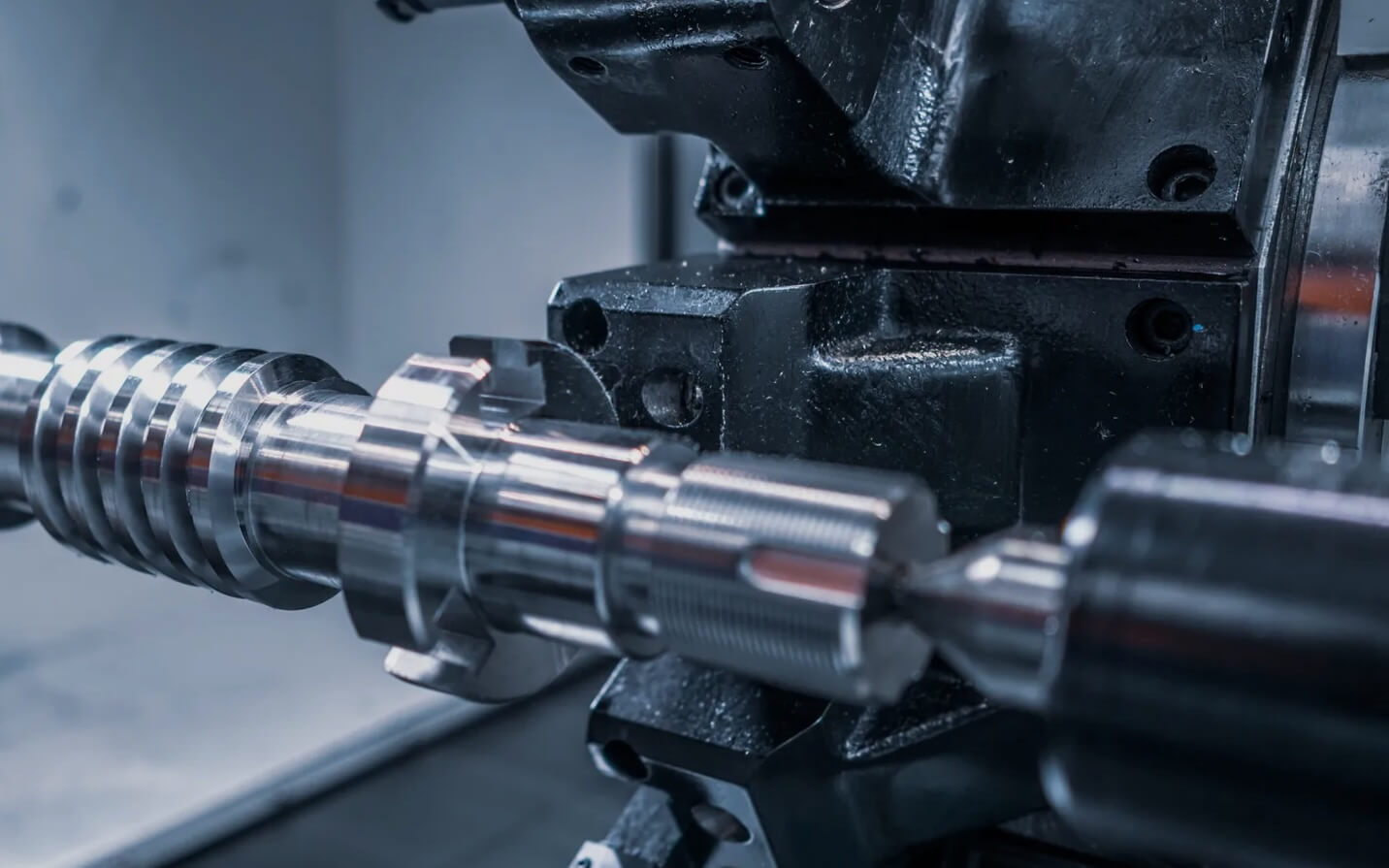
Machining a metal shaft. | Photo: BRANO Group
Carmakers: Our requirements are fundamentally unchanged
An interestingly different picture comes from the other side of the chain. Large customers emphasize continuity above all. It is in their interest to have a stable supplier base, long-term relationships and to maintain contracted volumes and deadlines.
“Time is accelerating. Just as we have to be more flexible today, our suppliers must also react more flexibly,” says Petr Michník, head of the administrative division of the Hyundai Motor Manufacturing Czech car manufacturer. However, he does not consider this to be a fundamental change in the relationship between the car manufacturer and suppliers. According to him, new demands are increasing, for example, in the area of ESG (Environmental, Social and Governance – criteria for environmental impact, relations in society and proper management by the company). These reach deep into the supply chain and, especially for smaller companies, mean additional administrative and cost burdens.
Robert Kiml, president of Toyota Motor Manufacturing Czech Republic in Kolín, sees the situation similarly. “We have high demands on suppliers, but Toyota has always had that,” he says. According to him, good communication is key. Toyota has a supplier base made up of financially stable companies and does not expect the ongoing restructuring to fundamentally threaten supplies.
“Of course, over the past twenty years, we have encountered situations where a supplier has had difficulties, and there have also been cases where we have helped them financially to survive or to move production elsewhere. However, most suppliers today restructure without affecting the main customer. And we do not interfere in this,” adds Kiml.
However, from the suppliers’ perspective, the change is more noticeable. Miroslav Dvořák notes significantly higher customer demands for price, quality, flexibility and speed of response. Customers want shorter delivery times, smaller series and more frequent order changes, while also expecting 100% quality and long-term price stability.
“Previously, we had more stable and longer outlooks, today orders change more often and customers confirm their needs in a shorter time frame. Therefore, the supplier must be much more flexible while maintaining high productivity,” says Dvořák.
 “Previously, we had more stable and longer outlooks, today orders change more often and customers confirm their needs in a shorter time frame. The supplier must therefore be much more flexible and at the same time maintain high productivity,” says Miroslav Dvořák, CEO of MOTOR JIKOV Group.
The crisis has also brought about greater partnership
Not all changes in the relationship between automakers and suppliers are negative. The head of the Czech Schaeffler, Lukáš Rosůlek, points out that Covid has paradoxically brought both parties closer together: “Covid represented a big change. The disruption of supply chains brought much greater openness and flexibility. Our customers started to listen to us more, they started to see us more as partners.”
Closer cooperation is also related to the technological transformation of the automobile. The original suppliers of mechanical parts are often becoming system suppliers who also deal with the connection with the vehicle’s software architecture or cybersecurity issues. At the same time, according to Rosůlek, the pressure for maximum quality has increased significantly.
How to get out of this
The companies’ responses have several common denominators: cost reduction, automation, greater production flexibility, in-house development and, above all, diversification.
BRANO, for example, continues to invest in product and production process development and focuses on products with a high share of its own intellectual property, which it can offer to more customers in different markets.
“We apply the ‘global but local’ approach – a locally produced commodity with the same quality of services in all key automotive markets. This approach has proven itself to us so far,” says Václav Juříček from BRANO.
The company is also developing standardized modular production facilities. Although these are more investment-intensive, their advantage is the possibility of using them for a wider product portfolio. If the customer reduces recalls or cancels the project altogether, the production facility is not so closely tied to a single order.
“It’s a long haul and it’s not easy to graft this philosophy onto a wide range of our technologies, however, we are relatively successful with our core production technologies and some applications are already bringing the desired effect in the form of new business or secondarily used investments,” adds Václav Juříček.
“Businesses cannot solve everything on their own, says Miroslav Dvořák.”
Diversification is also one of the main topics for MOTOR JIKOV Group. According to Miroslav Dvořák, the company is currently not observing a significant overall decline in orders and is also winning new significant projects, such as a large order in the field of towing devices. However, it expects a certain decline in traditional automotive programs in the future.
It is therefore looking for new opportunities in expanding its customer portfolio, outside of traditional automotive programs and in orders with higher added value. It is building on its experience with precision engineering, die casting, machining, assembly and production automation.
The main market for the company remains Europe. Outside of this, it is currently focusing mainly on finding competitive supply sources. In addition to China, where cooperation is complicated by logistics, communication and geopolitical risks, Dvořák sees India as a promising market.
Not enough workers. And they will not be
But even the best strategy will not help if there is no one to implement it. The lack of technical professions is also identified as one of the crucial problems by BRANO’s top manager Pavel Juříček. In addition, according to him, companies will have to cope with the requirements of ESG, ESRS (European Sustainability Reporting Standards) and TISAX (Trusted Information Security Assessment Exchange), reduce management costs and cope with CBAM (Carbon Border Adjustment Mechanism) and the rise in prices of steel, plastics and electronics.
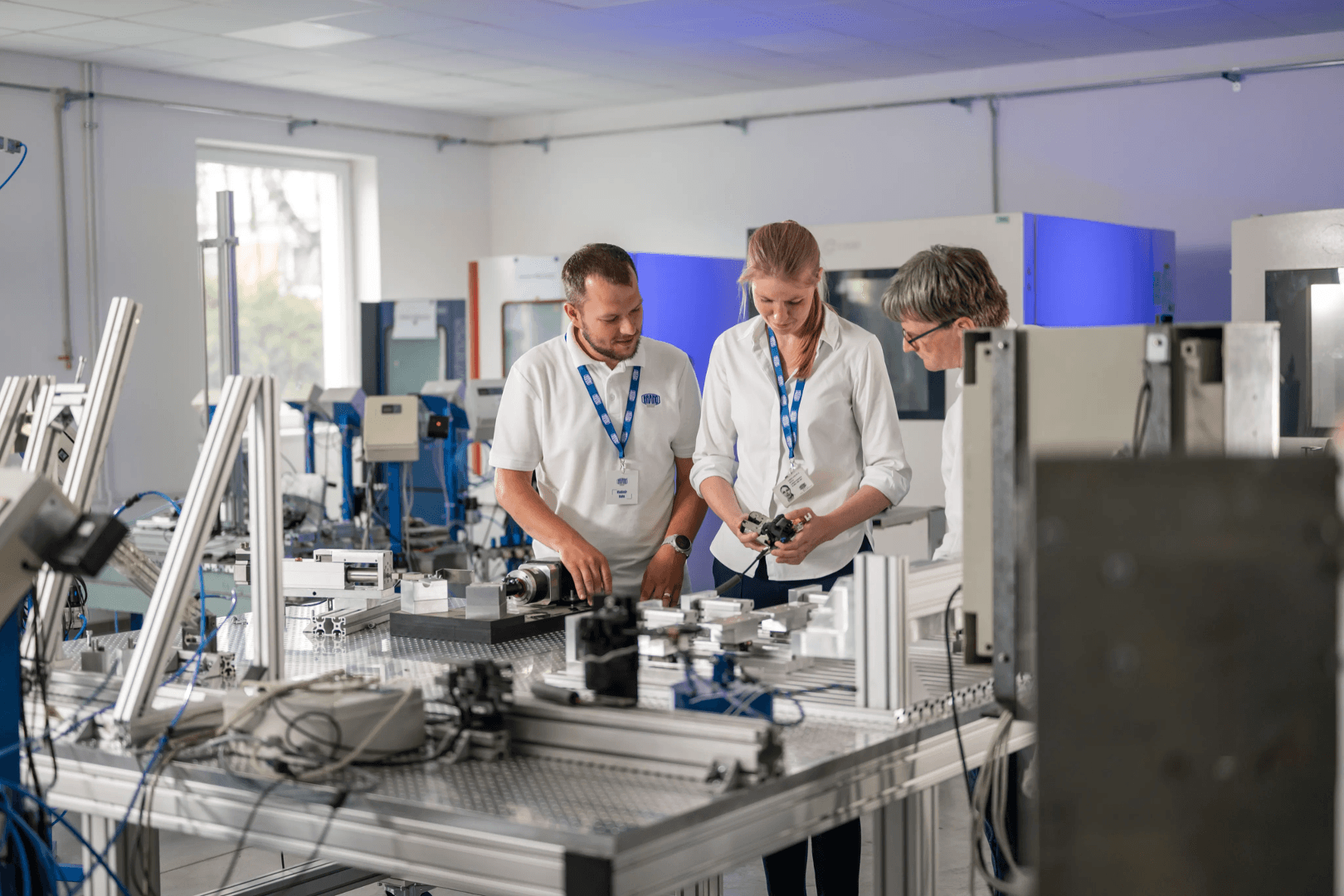
The lack of technical professions is also identified as one of the crucial problems by BRANO top manager Pavel Juříček. | Photo: BRANO Group
For MOTOR JIKOV, the lack of people is such a structural problem that it tries to educate experts on its own in the long term. It cooperates with schools and develops employees in its own training facilities. At the same time, it uses workers from abroad, for example from the Philippines.
“Czech companies cannot compete in the long term solely on the basis of low labor costs. They must offer high quality, technical know-how, automated production and the ability to solve complex technological tasks for the customer,” says Miroslav Dvořák. According to him, this is where the state also comes into play. The competitiveness of the industry will depend on the education system, the labor market, the energy sector and the investment environment. “Industrial companies cannot solve all structural problems on their own.”
Dvořák rejects the idea of the Czech Republic as a mere automobile assembly plant. According to him, domestic companies have development, design and technological capacities and many of them can ensure the entire process from development and design through production and automation to final delivery.
Who will survive the next five years?
It is the ability to offer something more than production capacity at an affordable price that may decide who emerges as the winner from the European transformation.
 “It will be important not to rely on one single customer, to have more customers and more product groups, to focus on products that will be needed not now, but in five, ten years,” says Lukáš Rosůlek, head of the Czech Schaeffler.
Václav Juříček assesses the future much more sharply. According to him, the purification of the European supplier market has already begun and is far from over. “The next few years will be crucial in determining who will survive. Having your own product or a sufficiently lean organization that breathes with the company may prove to be a key factor,” he says.
Companies will thus seek a delicate balance between investments in development and production, productivity growth and the need to constantly optimize costs. And this at a time when the market itself is shrinking and competition is intensifying.
Miroslav Dvořák, however, does not expect a technological revolution overnight. He sees the future of the automotive industry more as an evolution. Electromobility will continue and its importance will grow, but probably more slowly than originally expected. The market will therefore combine more technologies for a longer period of time.
The ability to function in the meantime may be crucial for suppliers. They have to invest in the future without knowing exactly how quickly it will come. To hold prices even as their own costs rise. To be more flexible even as they need higher productivity. And to seek new customers and new products while simultaneously struggling to keep their existing ones.
The acute crisis in the European supply industry may be over. But there is no return to the old normal. The battle has begun to see who can adapt to the new conditions.
Petr Knap’s view: No “black swan”. The new normal
Drastic cost reductions, a new strategic goal, diversification of customers and regions, retraining of workers. According to Petr Knap, an expert on the automotive industry, these are some of the measures that supplier companies can take to prepare for the new conditions in the automotive industry. Above all, they must not “lie in their pockets” and wait for the return of the old days.
The view of Petr Knap, an expert on the automotive industry. | Photo: Petr Knap
Automotive has moved beyond the acute crisis phase, but it operates in a structurally more challenging environment. Higher interest rates, pressure on costs, a shortage of people, growing Chinese competition and volatile geopolitics are long-term realities, not fluctuations. “That’s a significant difference compared to 2021. Back then, there were no chips and it was a ‘black swan’. Today, it’s the new normal,” says Petr Knap.
Which structural changes in the automotive industry do you consider the most significant today?
Clearly, a shift in value. The Boston Consulting Group (BCG) expects total demand for components to grow by around 3.5 percent per year until 2035. However, this hides a fundamental shift towards software-defined cars and components for electromobility. Classic parts are growing at most by low percentage points, while electrical and electronic architecture, ADAS and autonomy are growing at double-digit rates. So where you can make money in automotive is changing.
Customers are also confirming this. According to McKinsey, they place the greatest emphasis on ADAS, electric drives and digital ecosystems, while comfort, design and brand are losing importance. This worsens the situation of suppliers outside of electronics and software.
The second change is volume. European production remains roughly 20 percent, or almost three million vehicles, below pre-pandemic levels. In addition, it is burdened by very volatile and difficult-to-predict demand.
Where is the greatest risk for Czech suppliers and which companies are most at risk?
The Czech supplier ecosystem is strong precisely in segments that are losing value: mechanics, combustion engine parts and interiors. A significant part of companies belong to Tier 2 and Tier 3 and is heavily dependent on German OEMs. When German manufacturers and Tier 1 decline, the shock reaches us with a delay of several quarters. A certain counterbalance may be the transfer of production from Germany to Czech factories.
We are already seeing a warning signal. While final manufacturers maintain high volumes, suppliers’ sales fell slightly last year amid rising costs, according to AutoSAP. The gap between the condition of finalists and suppliers will continue to widen in our country.
Small and medium-sized Tier 2 and Tier 3 suppliers focused on parts for combustion engines and manufacturers of decorative and visual parts are most at risk. Companies dependent on a single customer or specific models that may end are also at risk. Suppliers of platform parts are in a better position.
In which segments are new opportunities emerging? Is it just electromobility?
Opportunities are where value is shifting: in power electronics, battery systems, thermal management of electric vehicles, semiconductors, ADAS and sensors, cabling, software and connectivity. For many suppliers, diversification into the defense industry, or into “dual use” production of the so-called dual use, is also an opportunity.
The second opportunity is localization. OEMs are shortening supply chains and looking for shorter and more resilient supply flows. The one who can deliver more technologically demanding content close to the assembly plant has a chance. Czech examples are Schaeffler in Ostrava and Trutnov or Aisin in Písek.
What will decide whether a supplier company will remain competitive?
First of all, cost discipline – double-digit percentage cost reductions even with the use of automation and AI. Then, the ability to move to more complex deliveries including electronics and software, flexibility across drive types and capital strength allowing to survive longer return on investment and fluctuations in demand.
The winners will use the pressure to transform, not just to reduce costs. However, there will also be many losers who will undergo a fundamental transformation.
How should supplier companies prepare for this? What should they do first?
They should evaluate how much of their sales depend on the combustion engine, specific customers and models, and what their forecast is. Drastically reduce costs before a major drop in orders, choose a realistic strategic goal in growing segments and diversify customers and regions. Use European and national money for retraining and transition to components for electric vehicles, or possibly to the defense or “dual use” industry. Pragmatic partnerships and alliances can also help.
Above all, companies must not “lie into their pockets”. They must count on a lower volume of the European market as a base scenario, not wait for a return to 2018. That will not come. Moreover, an increasingly large part of the market will belong to Chinese brands and it is extremely difficult for European companies to establish themselves as their supplier in Europe.
Contact
Next articles and interviews
Next articles and interviews
+ Show