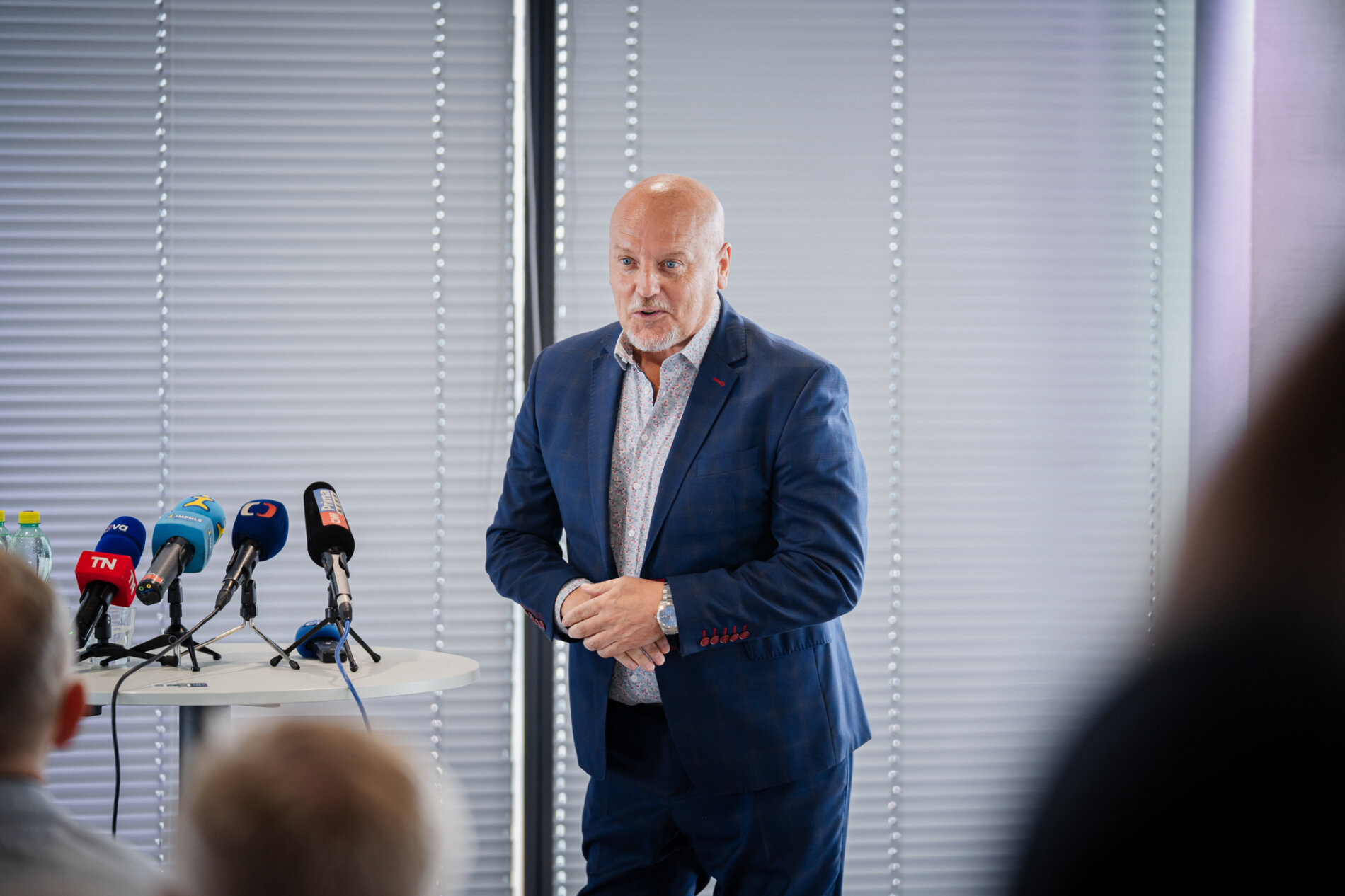
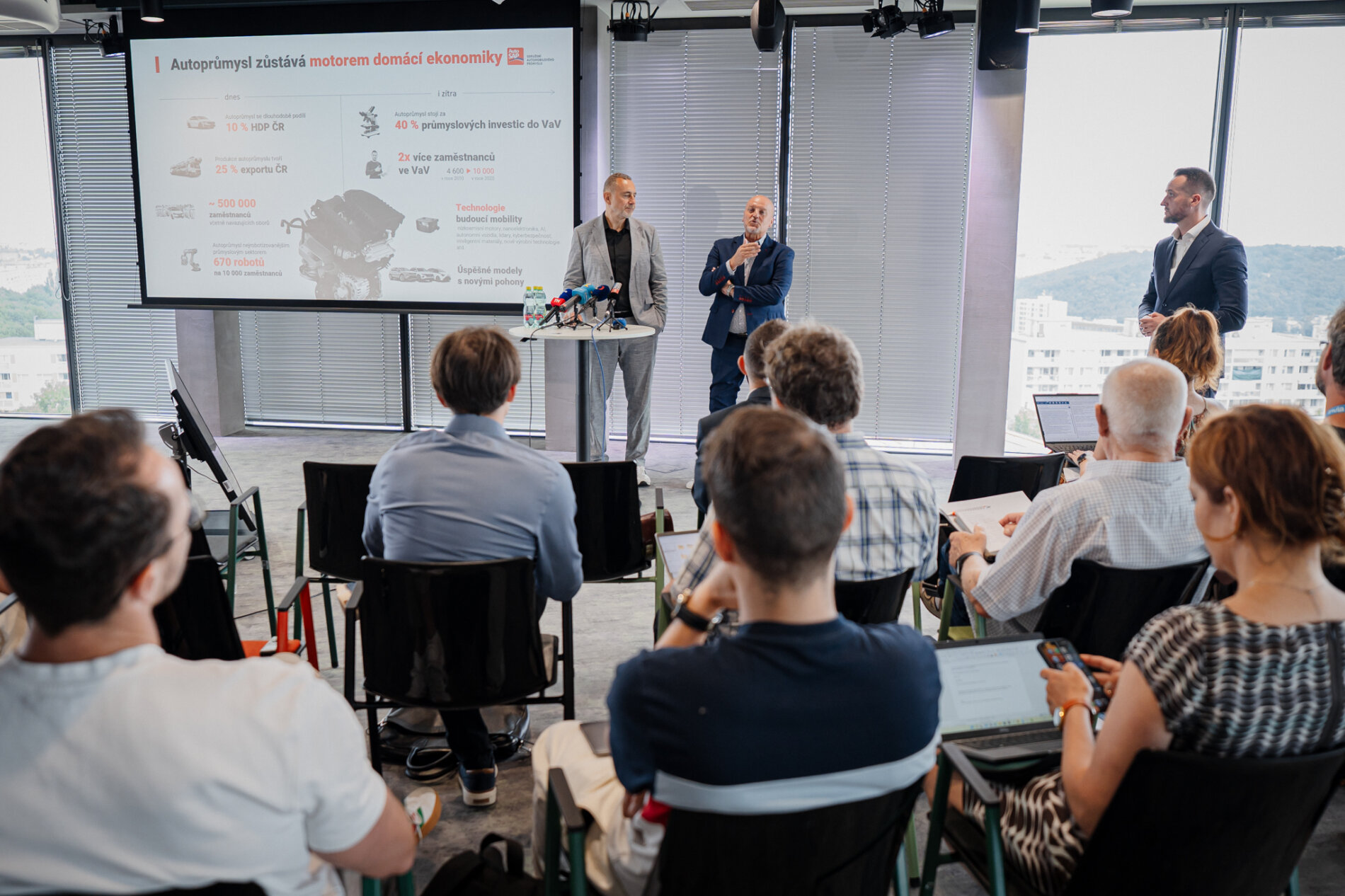
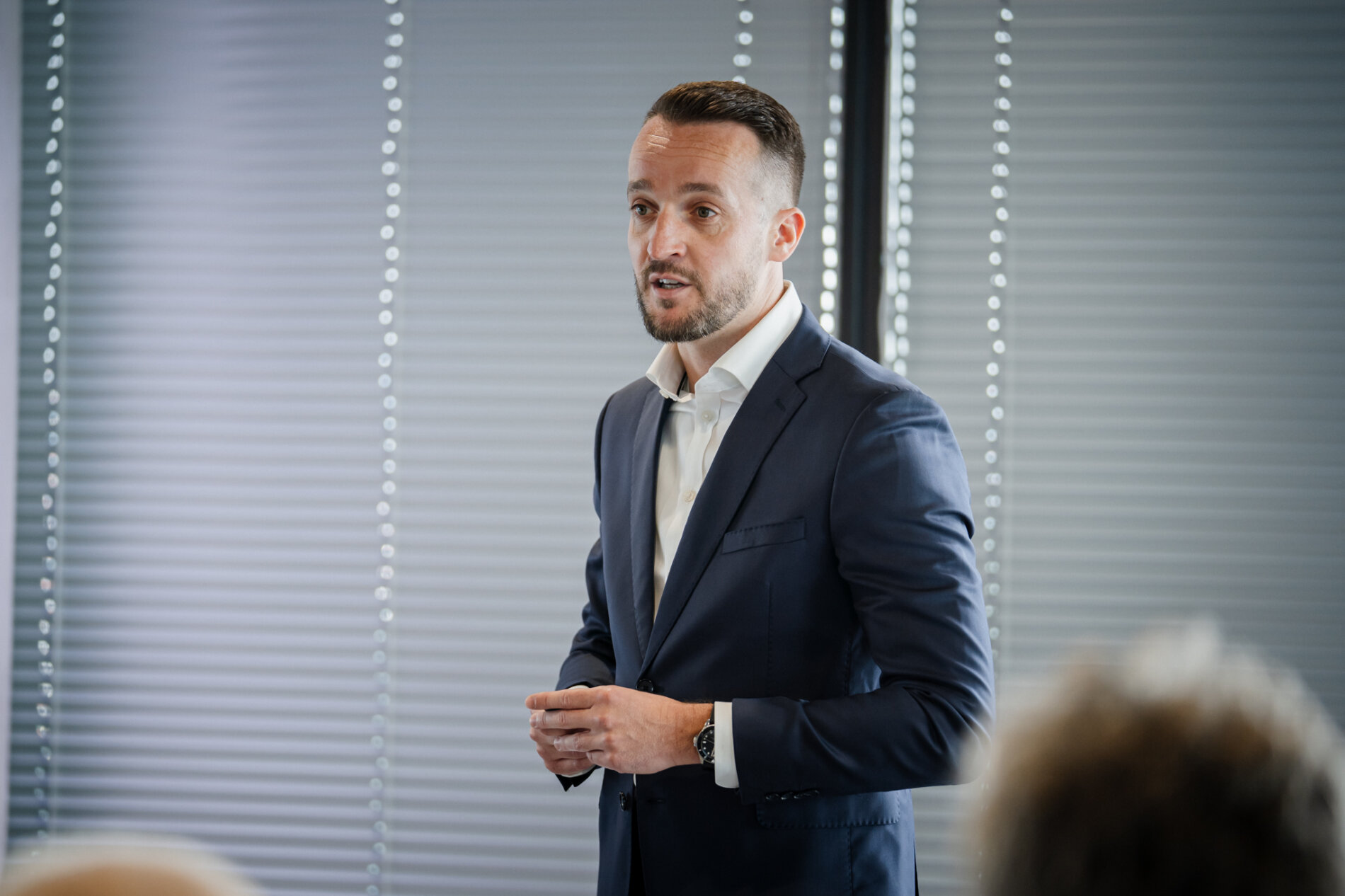
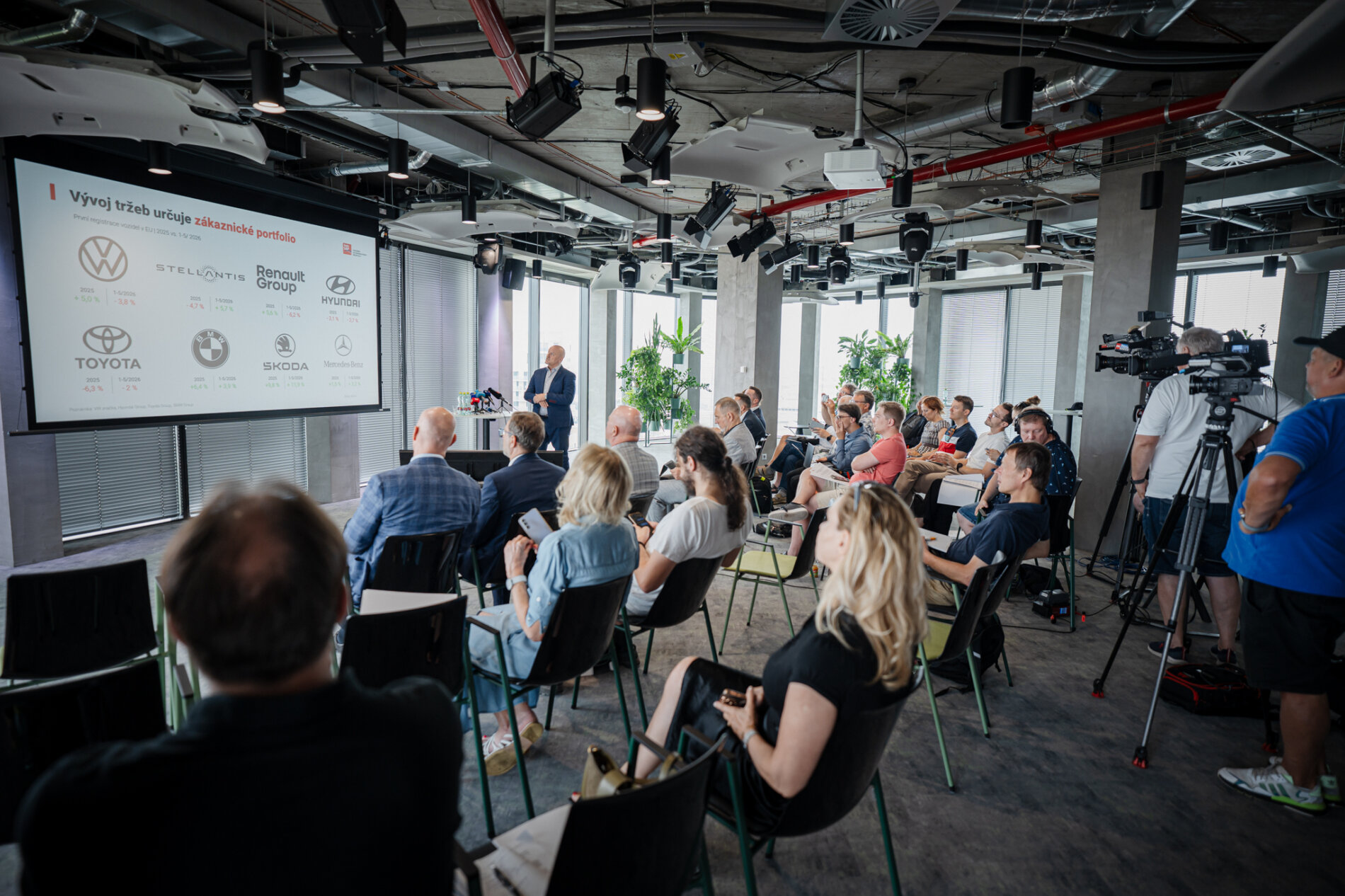
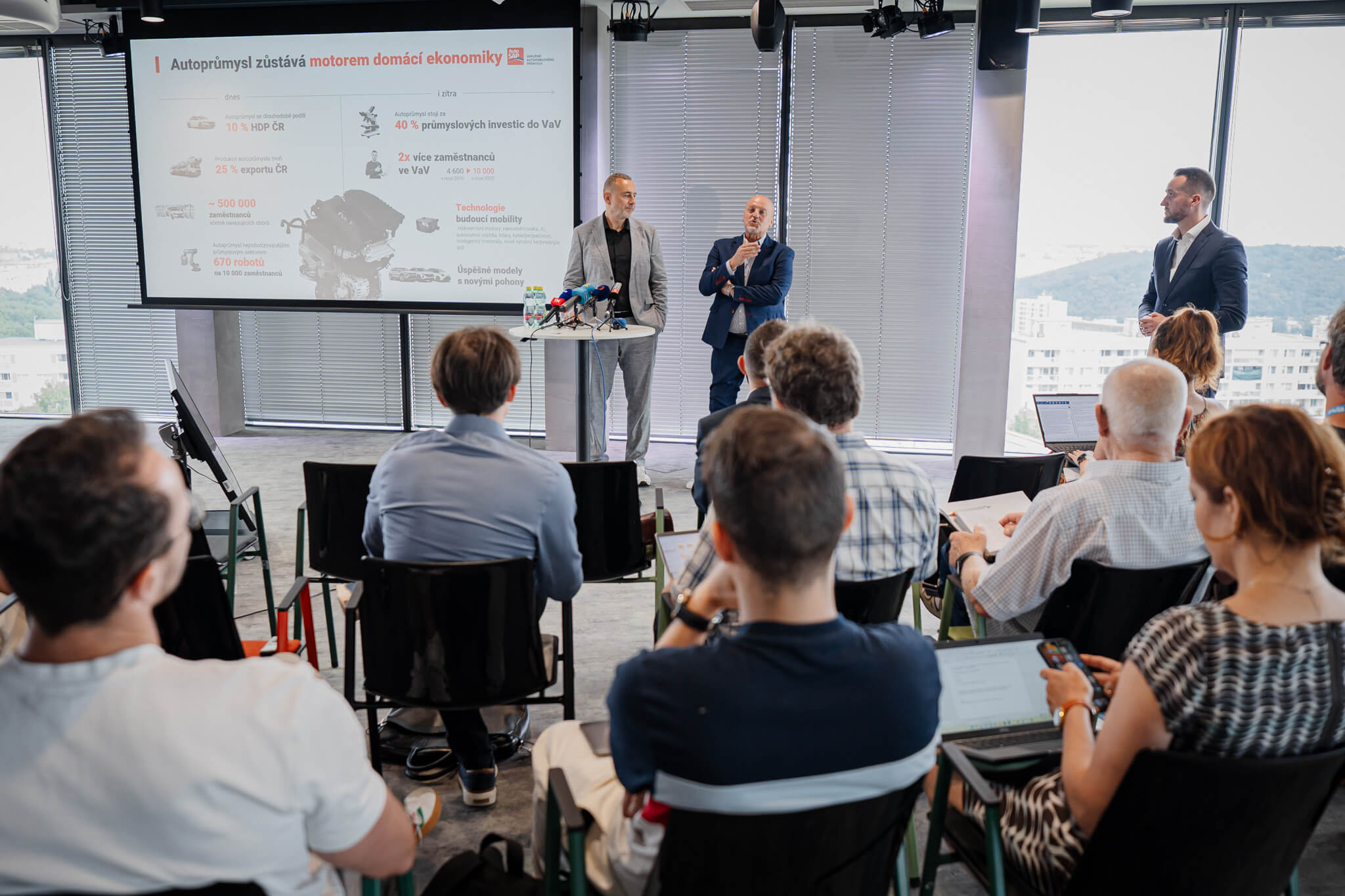
The second-strongest year in passenger car production ever, an exceptional year for bus production and record sales – these are the key indicators characterizing the development of 2025 in the member companies of the Automotive Industry Association. These results once again confirm the high competitiveness of the Czech automotive sector, even in times of rising costs, volatile demand and an uncertain global environment. Given the crucial importance of the automotive industry for the national economy, this is also positive news for the entire Czech Republic.

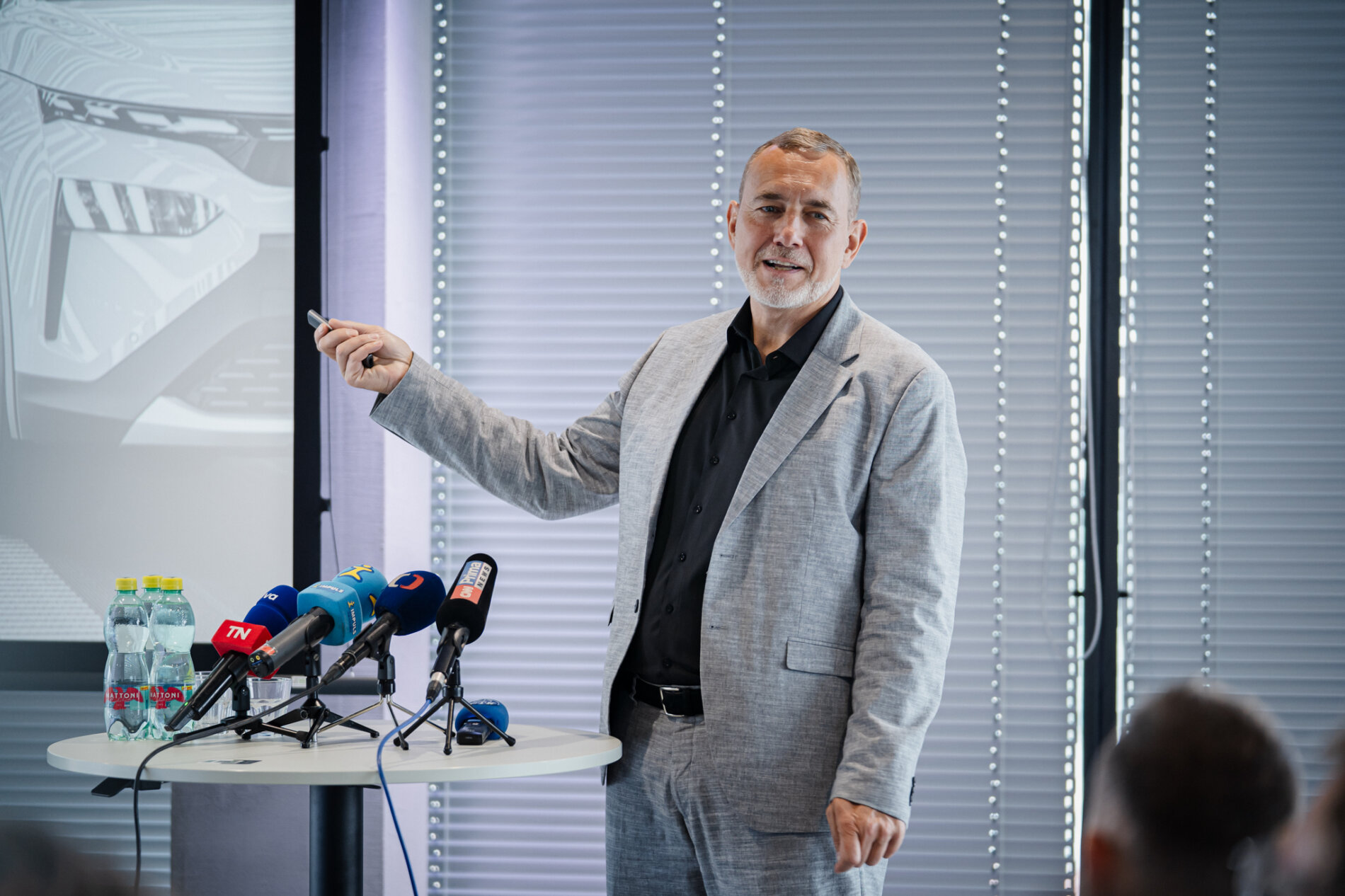
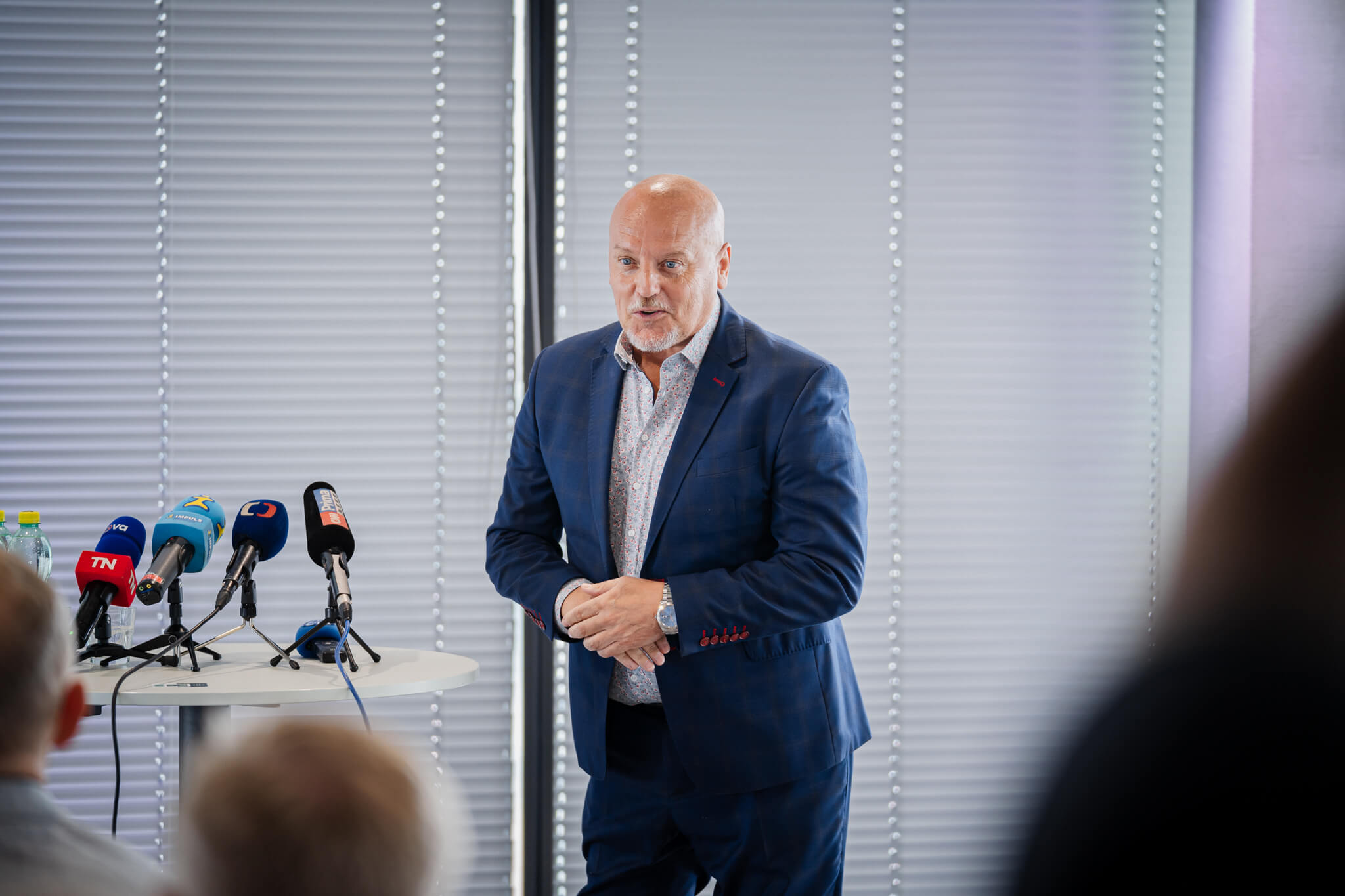
“2025 showed that the Czech automotive industry can grow even in an environment that remains marked by weaker European demand, geopolitical uncertainty and high costs. Historically high sales, growing exports and a significant increase in the production of electrified vehicles confirm that Czech companies have managed to maintain high performance and the ability to respond to ongoing changes in the industry,” says Martin Jahn, President of the Automotive Industry Association, evaluating the results of 2025.
Despite the many challenges mentioned, domestic manufacturers managed to achieve a total production of 1,470,836 road vehicles, recording the second best result in the history of the Czech automotive industry. A total of 285,176 electric cars were produced from January to December, and their share in domestic production increased by 9.3 percentage points year-on-year and represented a 19.7% share in total production. A total of 224,383 battery and 60,793 plug-in hybrid vehicles were produced. The electric vehicle segment thus recorded an almost 89% increase year-on-year.
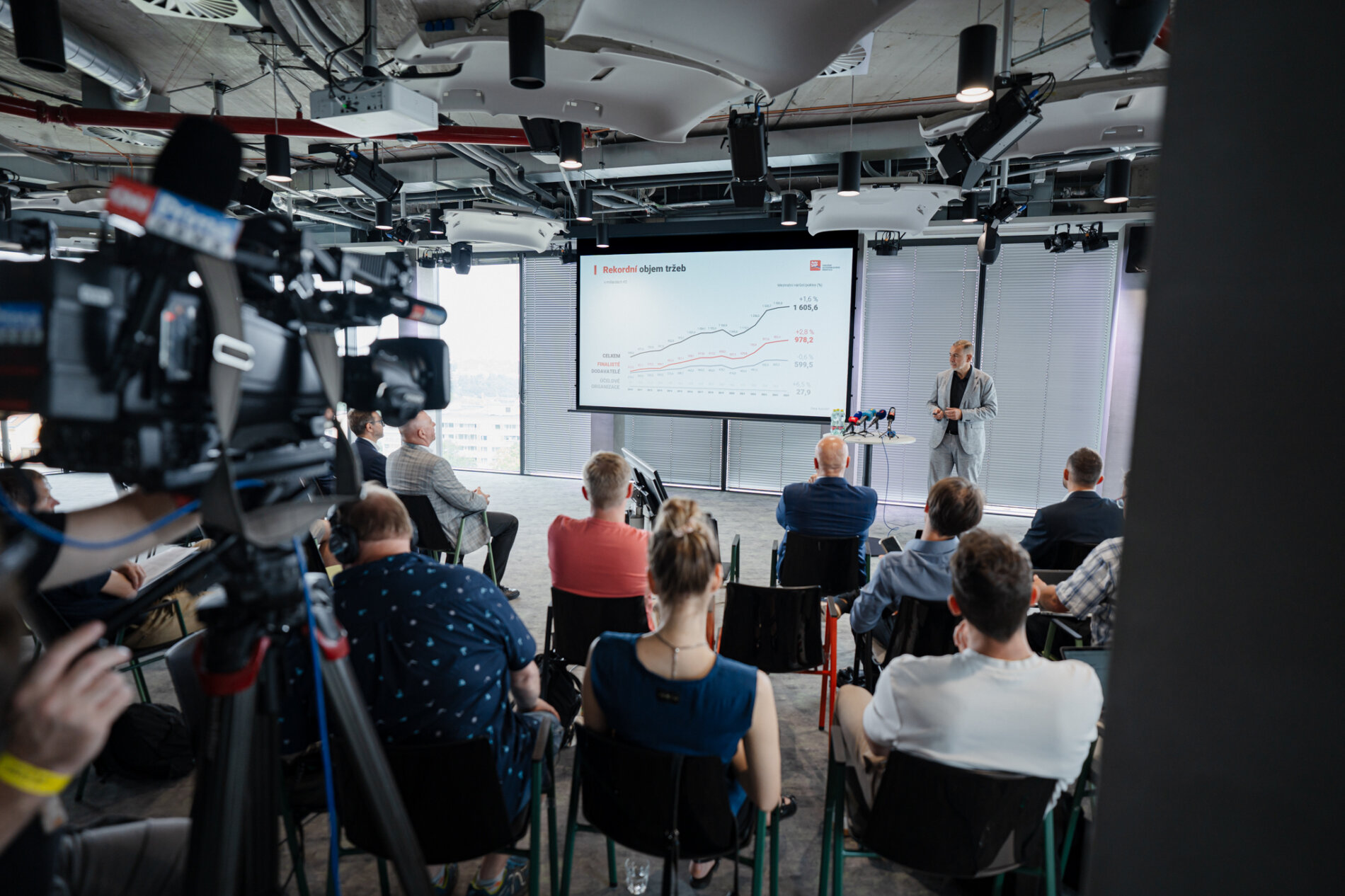
Total sales of companies associated with AutoSAP increased by 1.6% year-on-year and reached a historically record level of 1,605.6 billion crowns. Exports also grew in correlation with sales, by 2.1% year-on-year. It remains true that many suppliers in the automotive sector are among the largest Czech exporters. The most important export partner remains Germany with a stable share, which reached almost 31% in 2025. The United Kingdom (8.4%) was again in second place, followed by France (7.0%), Poland (5.9%) and Slovakia (5.5%).
The number of employees in AutoSAP companies decreased slightly by 1.5% year-on-year to 136,956 people. However, it continues to be close to the 140 thousand workers mark, around which employment in the sector has been maintained for several years. Moreover, the Czech automotive industry is doing significantly better in this area than our most important trading partner Germany, where employment in the automotive sector decreased by approximately 6% year-on-year and has been showing a downward trend in the long term. Despite this, the automotive sector remains one of the most attractive employers in the Czech Republic and has been rewarding its employees above standard for a long time. The average wage in AutoSAP companies increased by 6.2% year-on-year to 62,947 crowns, which is 31.5% more than the average wage in the manufacturing industry.
Although the results for 2025 confirm the strong position of the Czech automotive industry, the companies also point out several structural problems that may limit their further development. The most significant ones include the quality of the education system, the lack of qualified workers, limited labor market flexibility, and deteriorating investment conditions in Europe.

“The future competitiveness of Czech industry will increasingly depend on the quality of human capital. We need to modernize the education system so that it responds flexibly to technological changes and the needs of companies. The priority must be rapid innovation in secondary education fields, the development of technical competencies and a stronger connection between schools and practice. Dual education should become a regular part of the Czech education system, and universities should be more motivated to do applied research and cooperate with industry,” says Miroslav Dvořák, Vice President of AutoSAP and Chairman of the Division of Suppliers and Special Purpose Organizations.
According to M. Dvořák, it is also necessary to create more stable conditions for long-term investments and the development of the supplier sector. “Today, suppliers need stability and predictability above all. In addition to high energy prices and growing regulatory requirements, companies are increasingly faced with uncertainty about the future direction of European industrial policy. We need stronger support for investments to modernize production, maintain traditional industries, without which the automotive industry cannot do, but also a more effective system of economic migration. Without a sufficient degree of predictability, it is impossible to plan investments or further develop the supplier base in the long term,” emphasizes Miroslav Dvořák.
Martin Jahn also draws attention to the importance of a motivating environment for investments in new technologies. According to him, the Czech Republic is opening up an opportunity to acquire an interesting share of new projects that companies are currently considering moving from Germany to other countries. “In addition to European regulation, the future position of the Czech Republic will be determined primarily by the ability to continue to attract new investments. In Germany, we are currently observing a slowdown in investment activity and some companies are considering moving projects to other countries. For the Czech Republic, this represents an opportunity, which we can only seize if we offer a competitive tax environment, faster permitting processes, affordable energy and a sufficient number of qualified workers,” says Martin Jahn.
And what are the prospects for this year? Martin Jahn remains optimistic: “Although we still face many challenges, I am convinced that the Czech automotive industry is sufficiently resilient and competitive, and therefore we will successfully manage 2026. However, in order for the sector to maintain its performance in the future, the Czech Republic must offer favorable conditions for investment and R&D. At the same time, it is essential that Europe realizes its ambitions to reduce emissions and adheres to the principle of technological neutrality in its efforts to decarbonize. Only in this way will it enable an effective and economically sustainable transformation of the sector,” concludes Martin Jahn, President of the Automotive Industry Association.
AutoSAP member companies in 2025 / total
- Revenue: 1,605.6 billion CZK (+1.6%)
- Export: 1,332.1 billion CZK (+2.1%)
- Employment: 136,956 people (-1.5%)
- Average wage: 62,947 (+6.2%)
Vehicle manufacturers in 2025
- Revenue: 978.2 billion CZK (+2.8%)
- Export: 901.5 billion CZK (+2.9%)
- Employment: 46,896 people (-0.1%)
- Average wage: 78,629 CZK (+7.2%)
Production
-
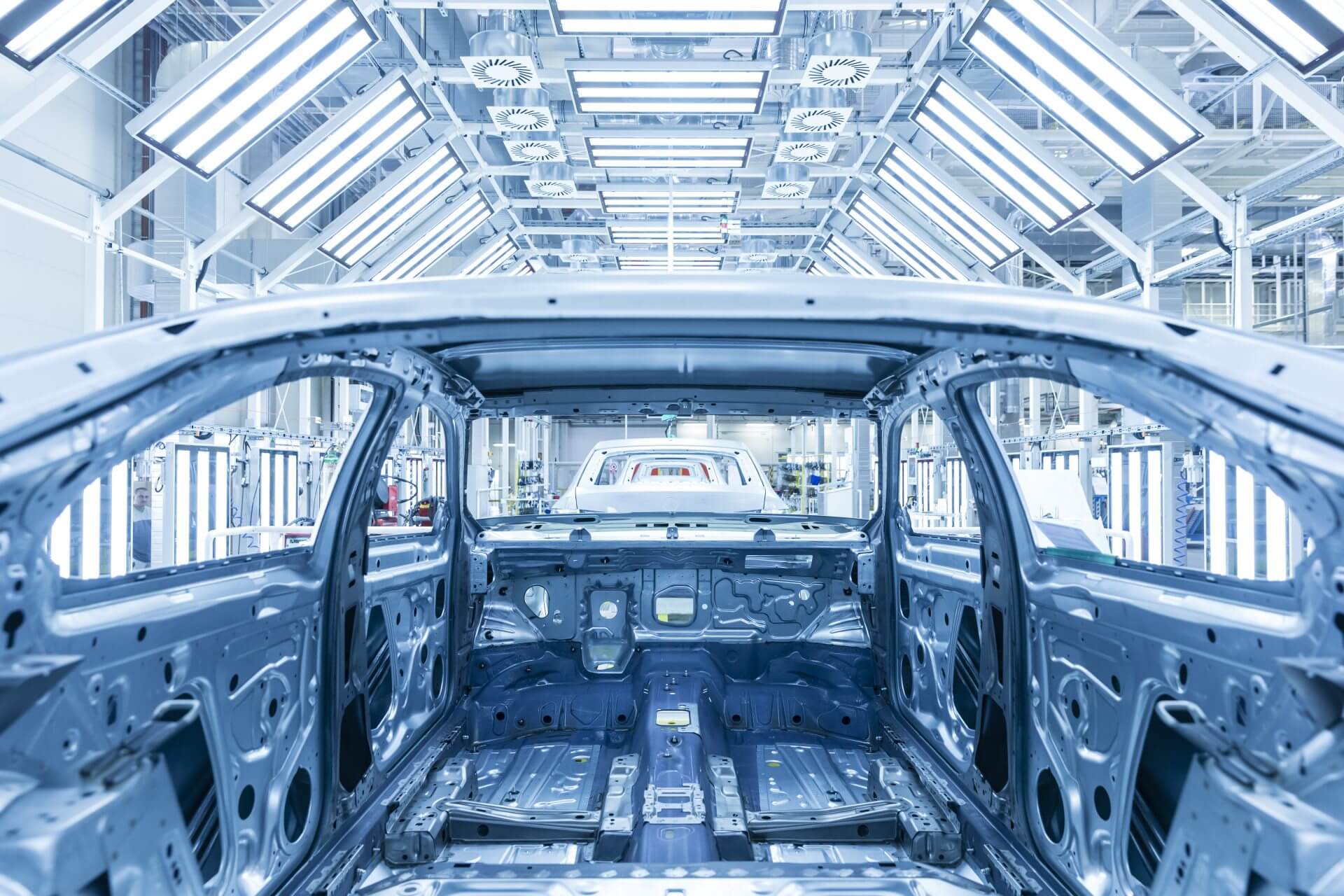
- Passenger cars: 1,445,776 units (-0.5%)
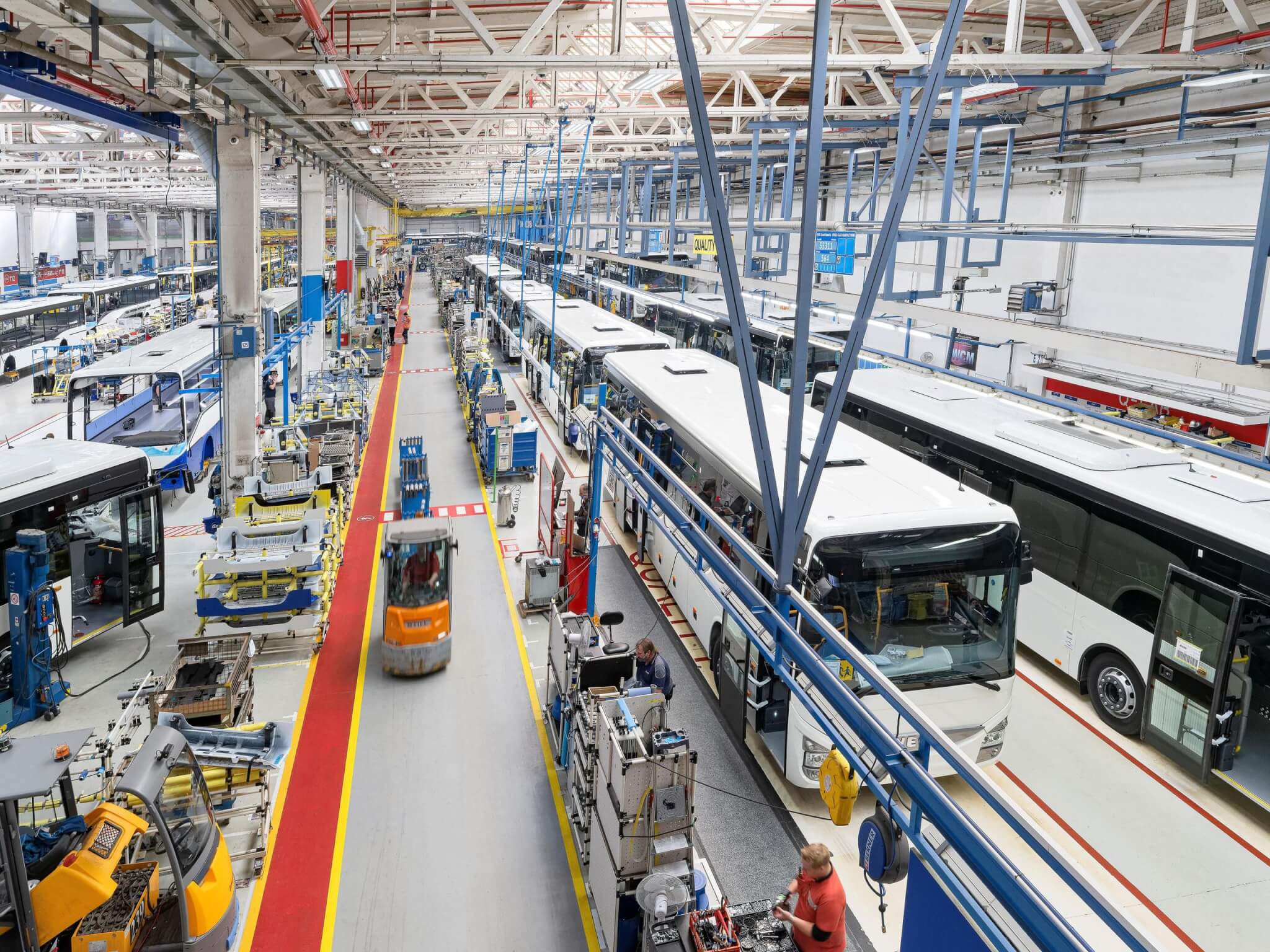
- Buses: 5,651 units (+25.9%)
- Trucks: 1,349 units (-11.4%)
- Motorcycles: 692 units (-23.9%)
- Trailers and semi-trailers: 17,368 units (-2.8%)
Suppliers in 2025
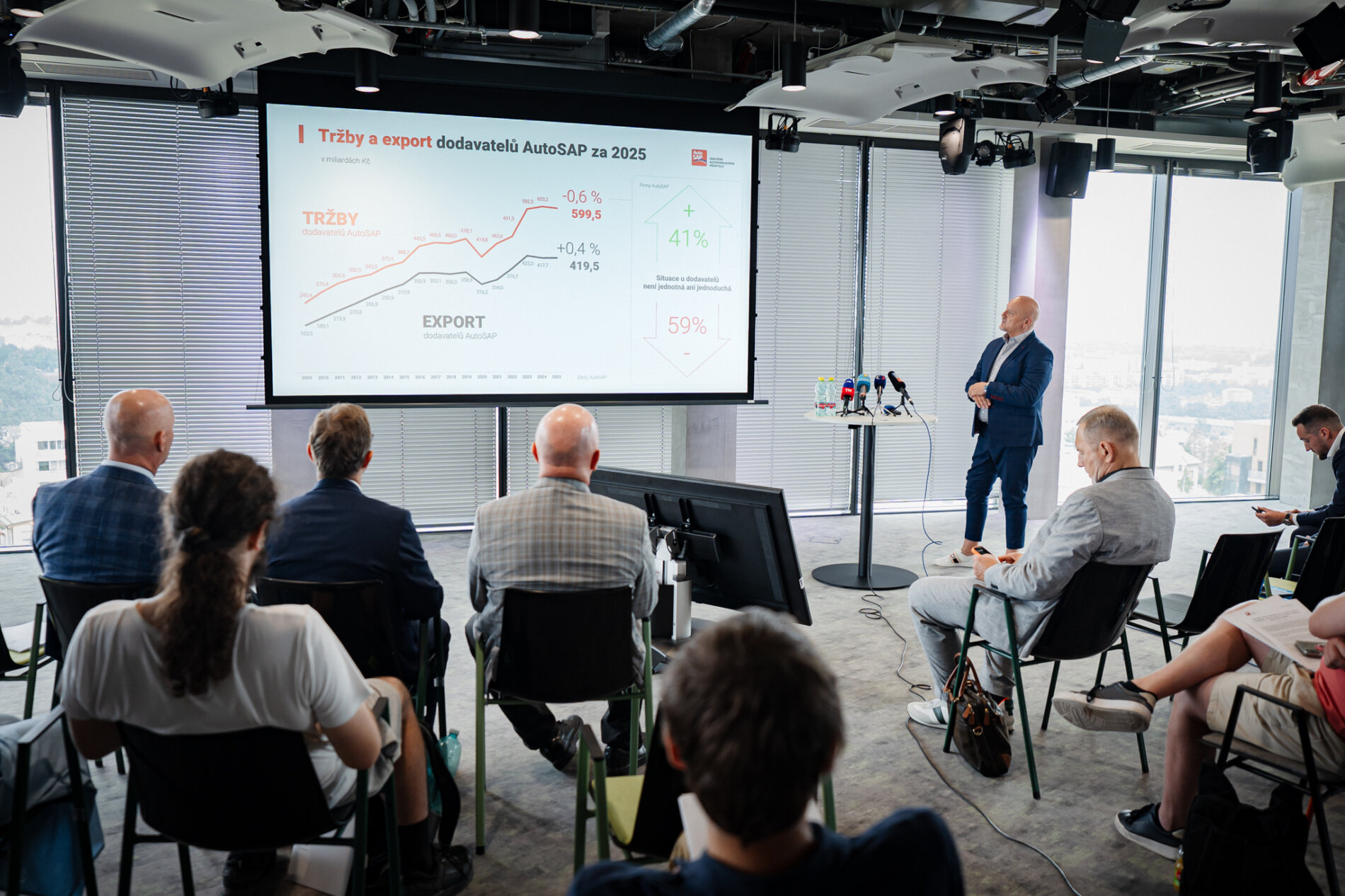
- Sales: CZK 599.5 billion (-0.6%)
- Export: CZK 419.5 billion (+0.4%)
- Employment: 78,944 people (-2.4%)
- Average salary: CZK 52,848 (+5.3%)
Special Purpose Organizations in 2025
- Revenue: 27.9 billion CZK (+6.7%)
- Export: 11.1 billion CZK (-3.8%)
- Employment: 11,117 people (-0.1%)
- Average wage: 68,512 CZK (+3.9%)
Contact