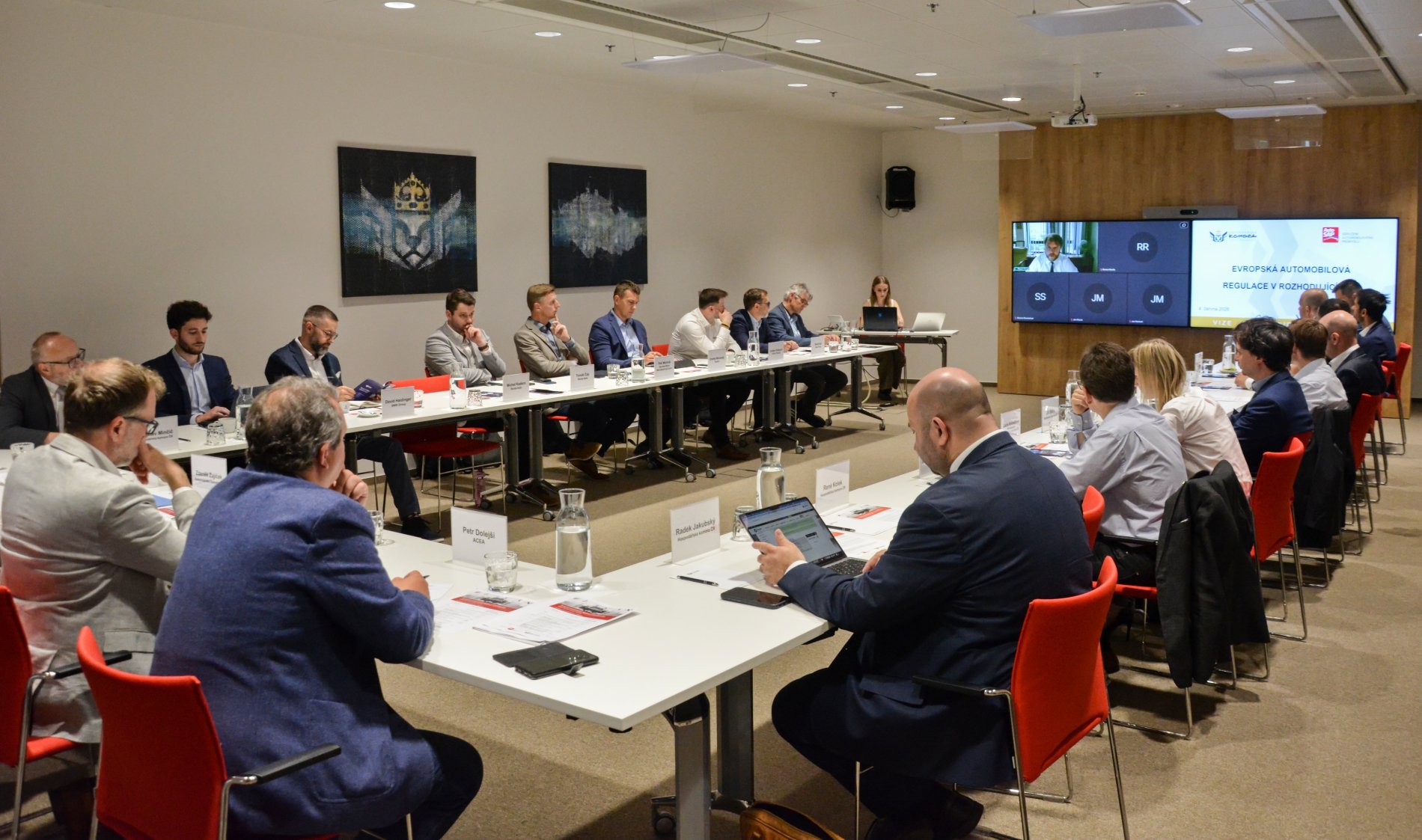
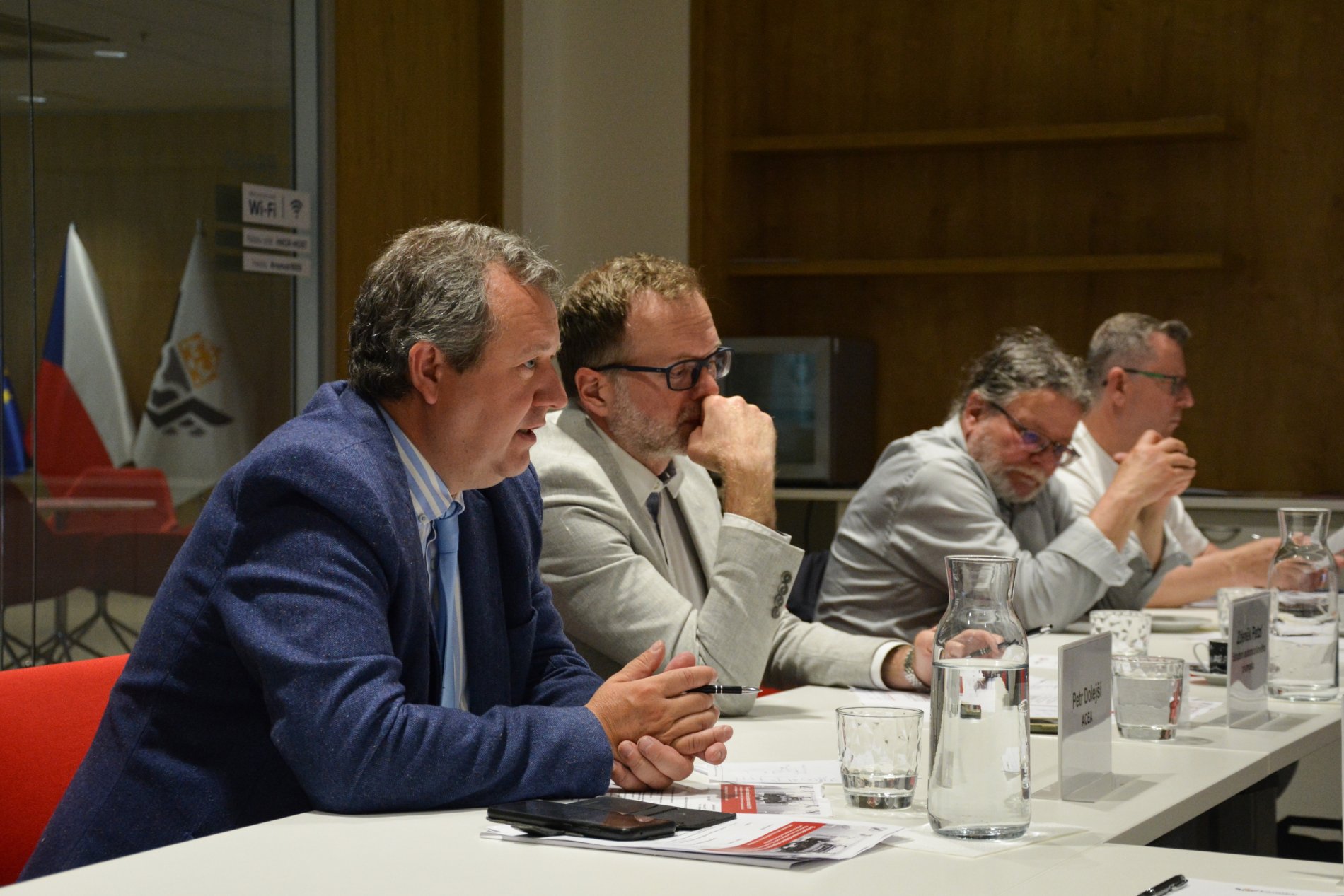
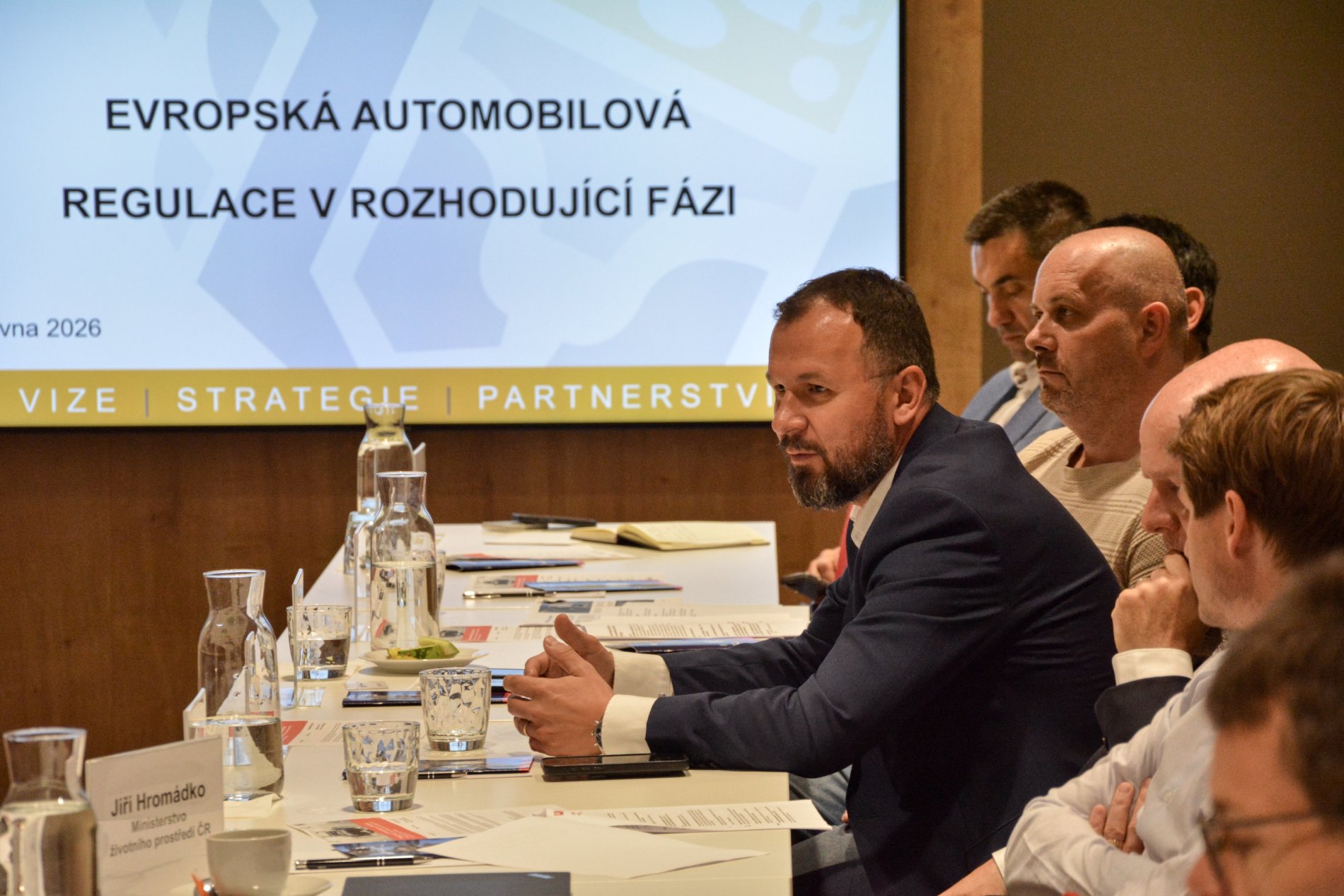
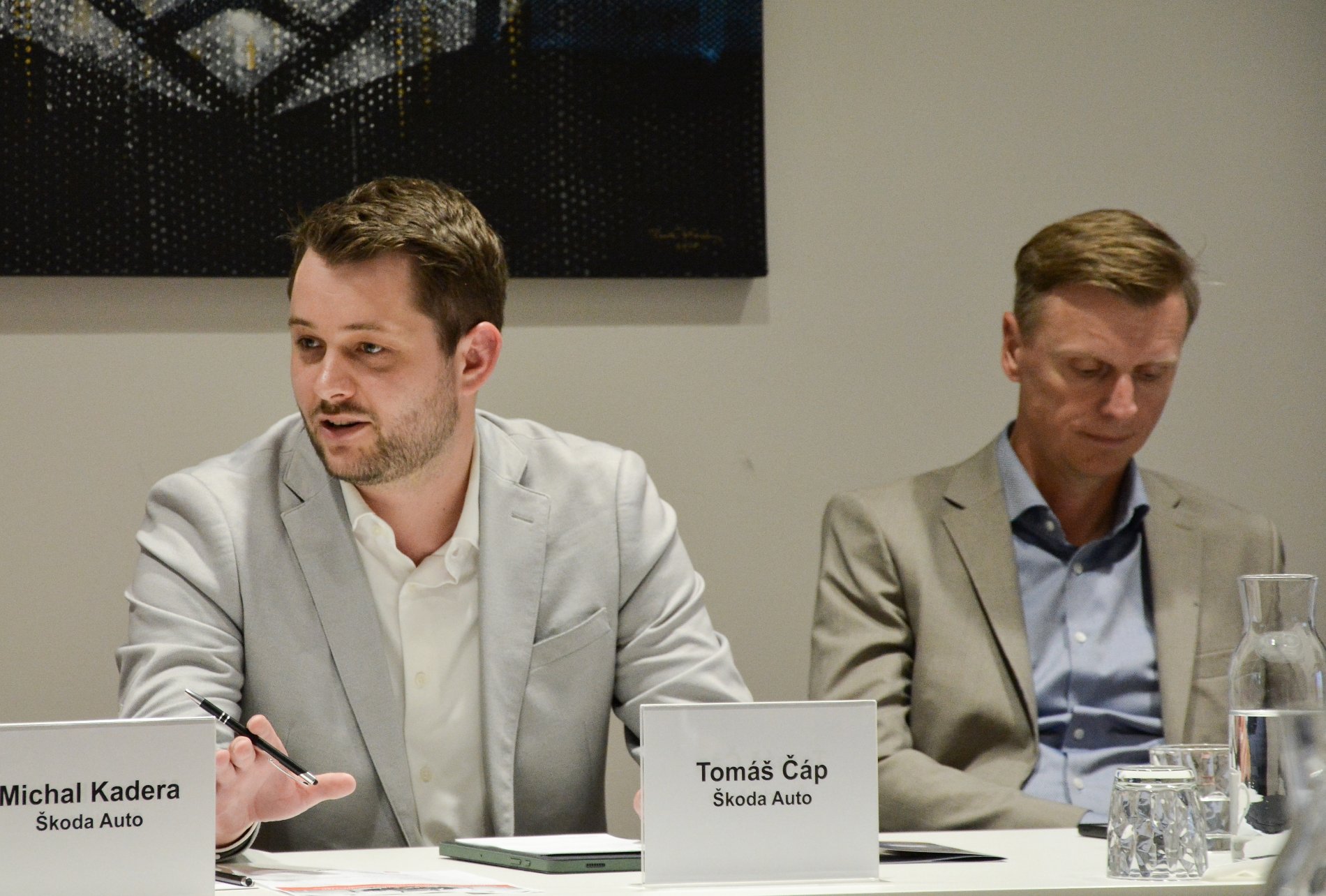
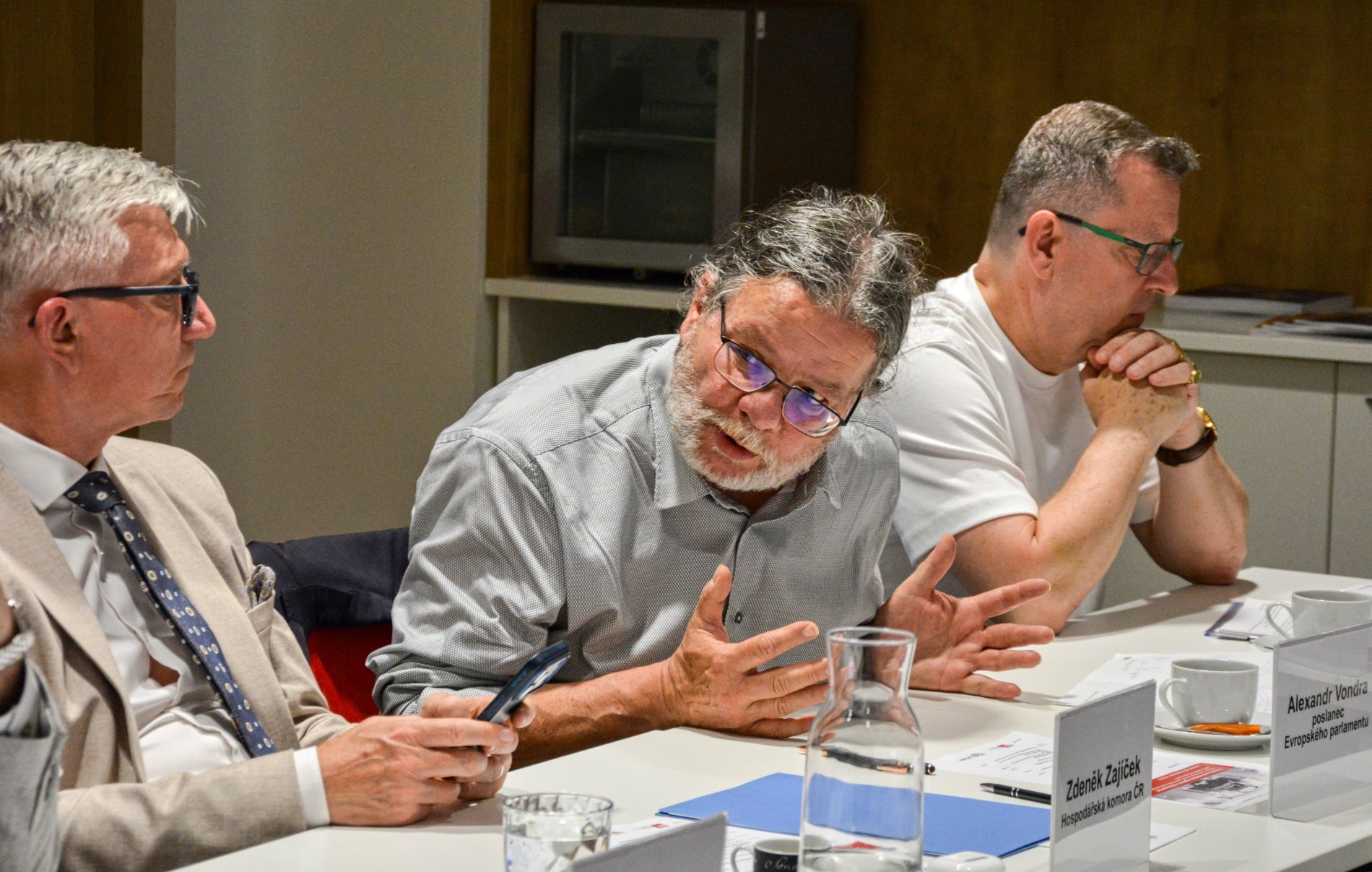
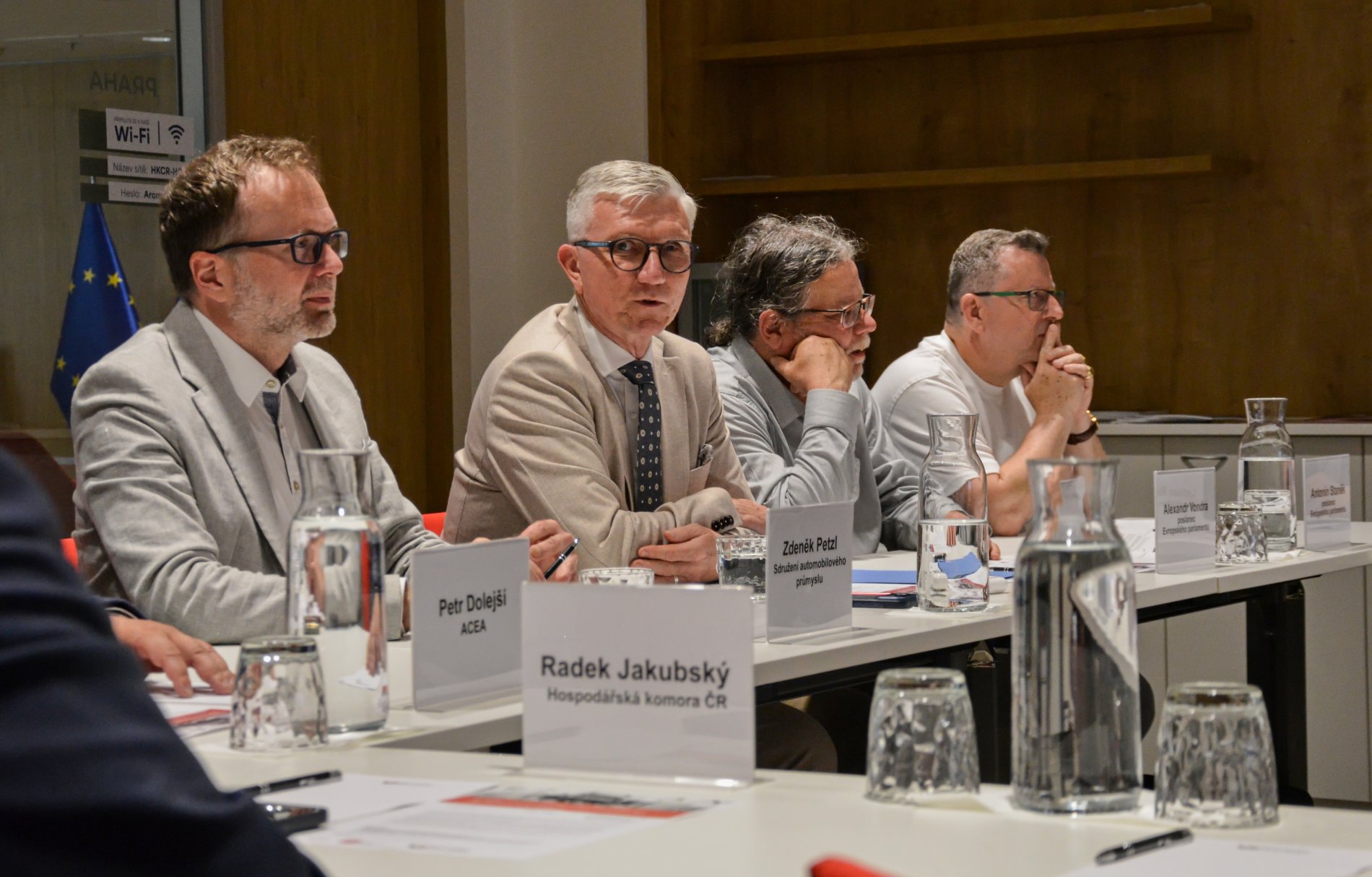
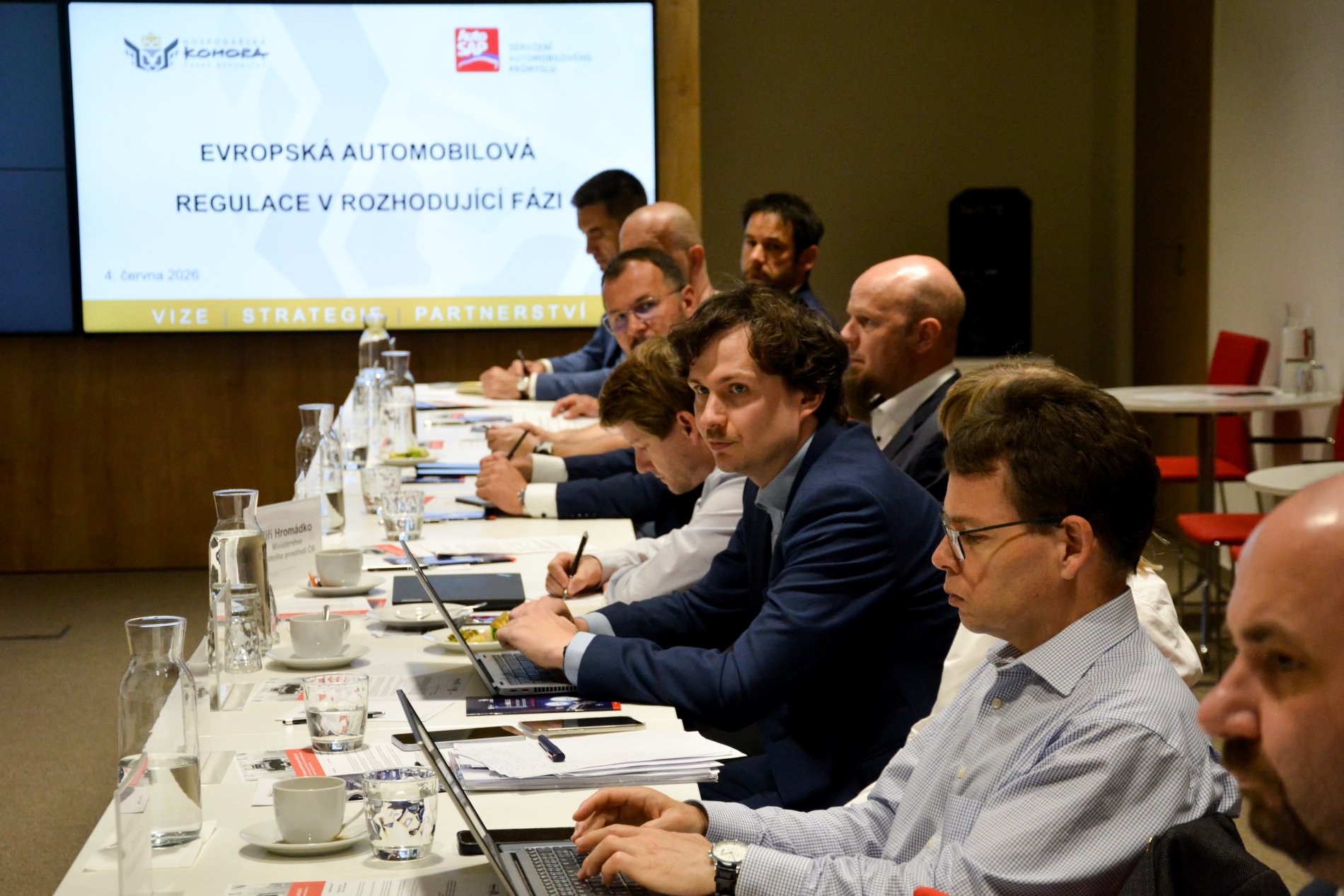
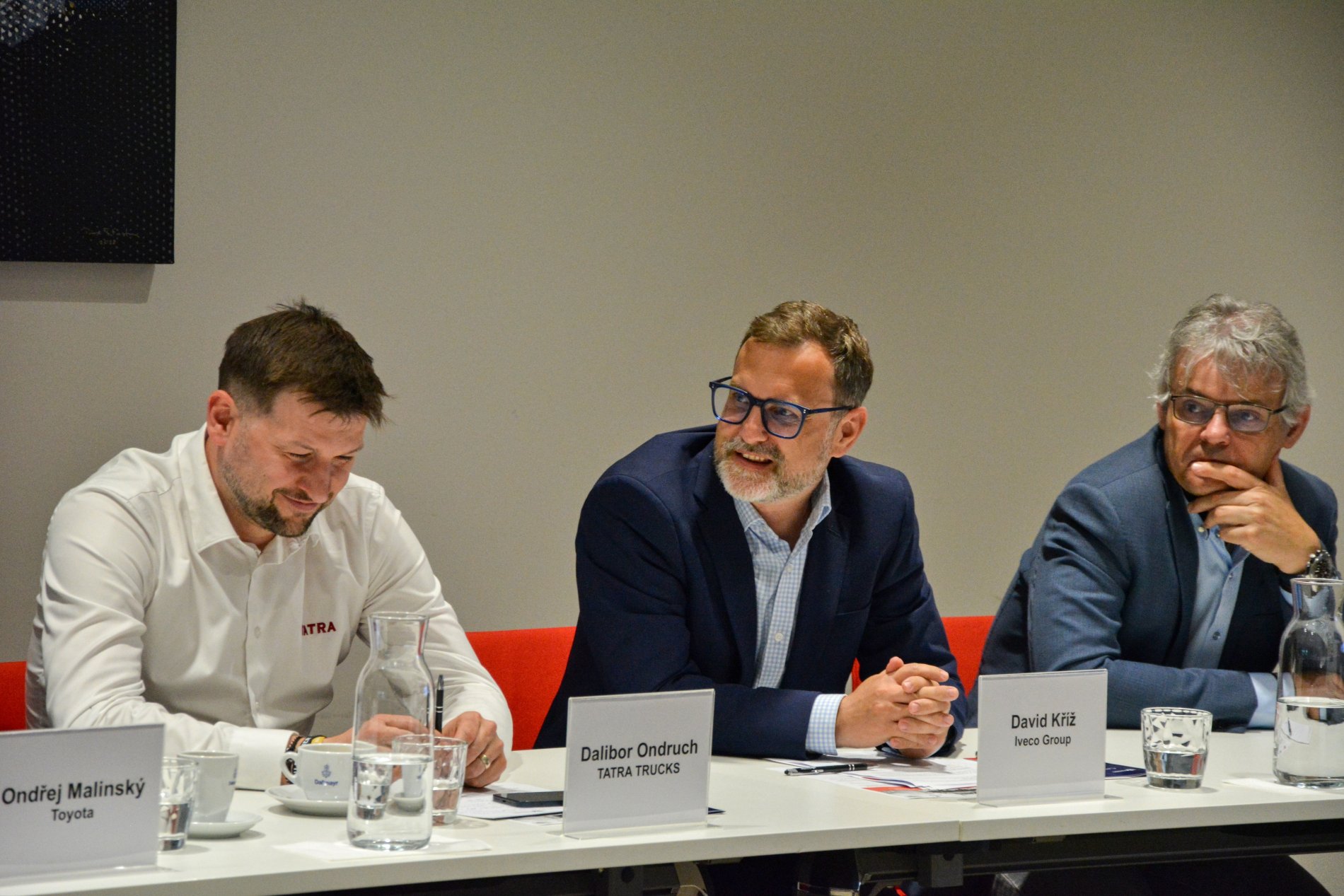
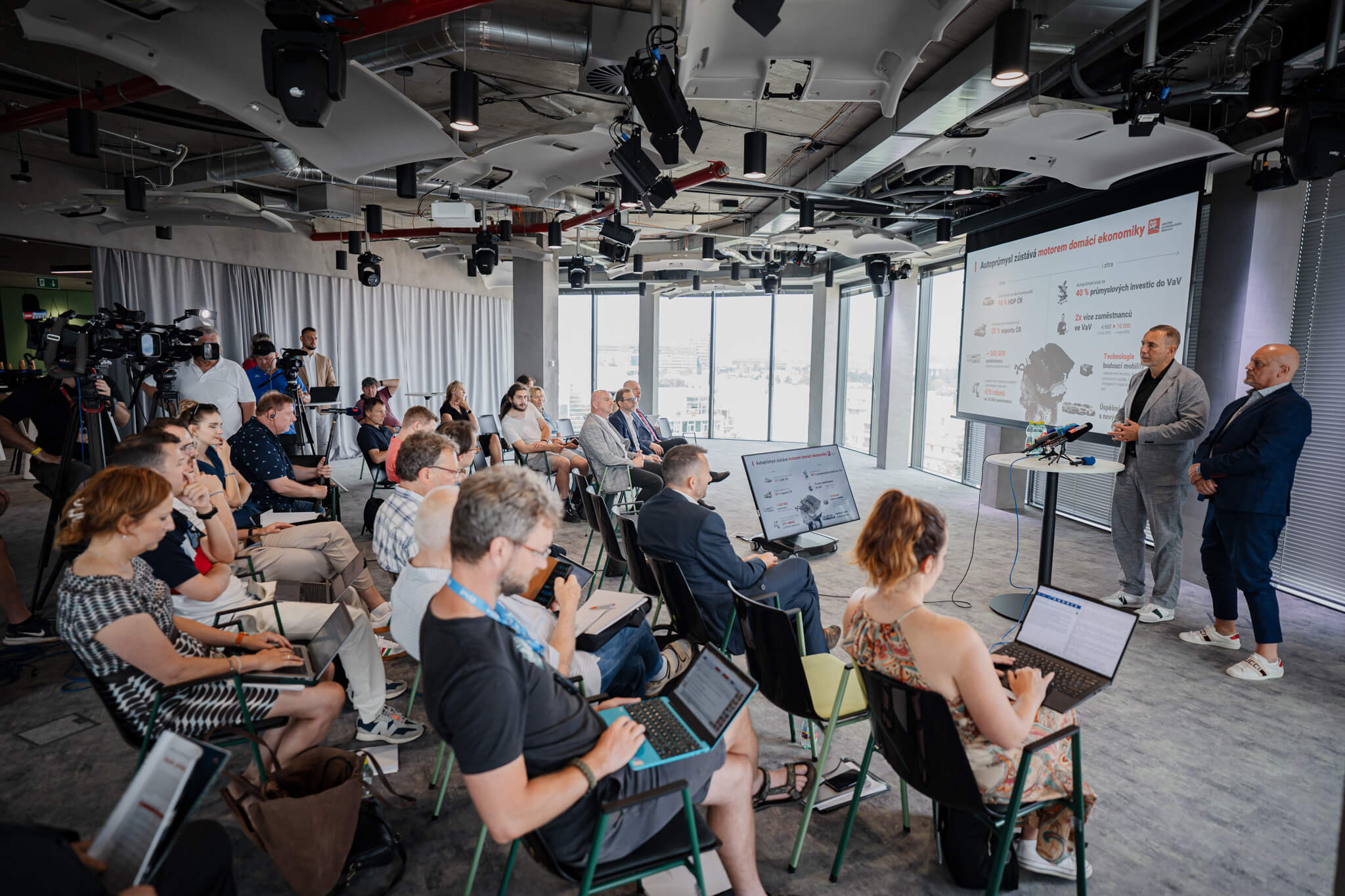
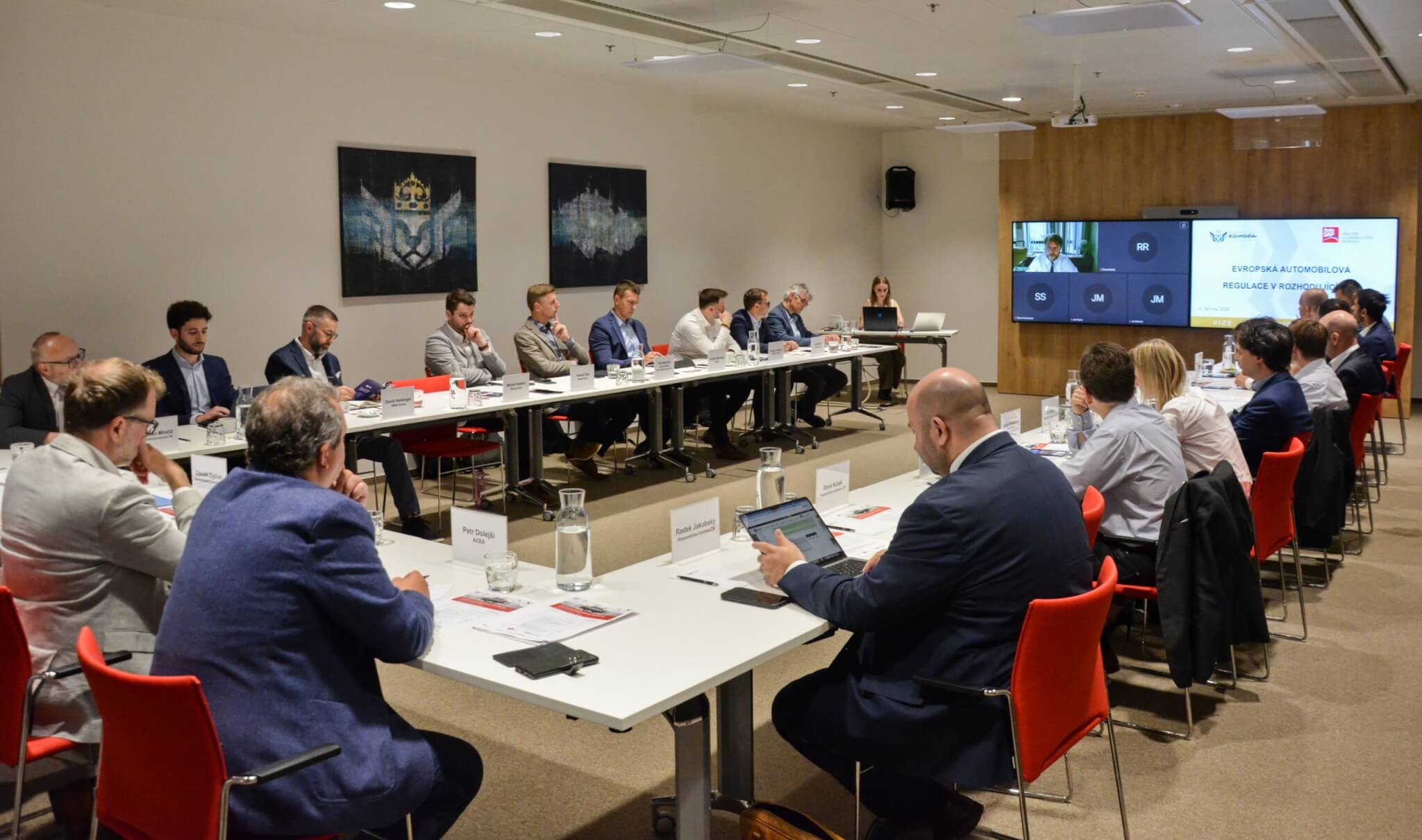
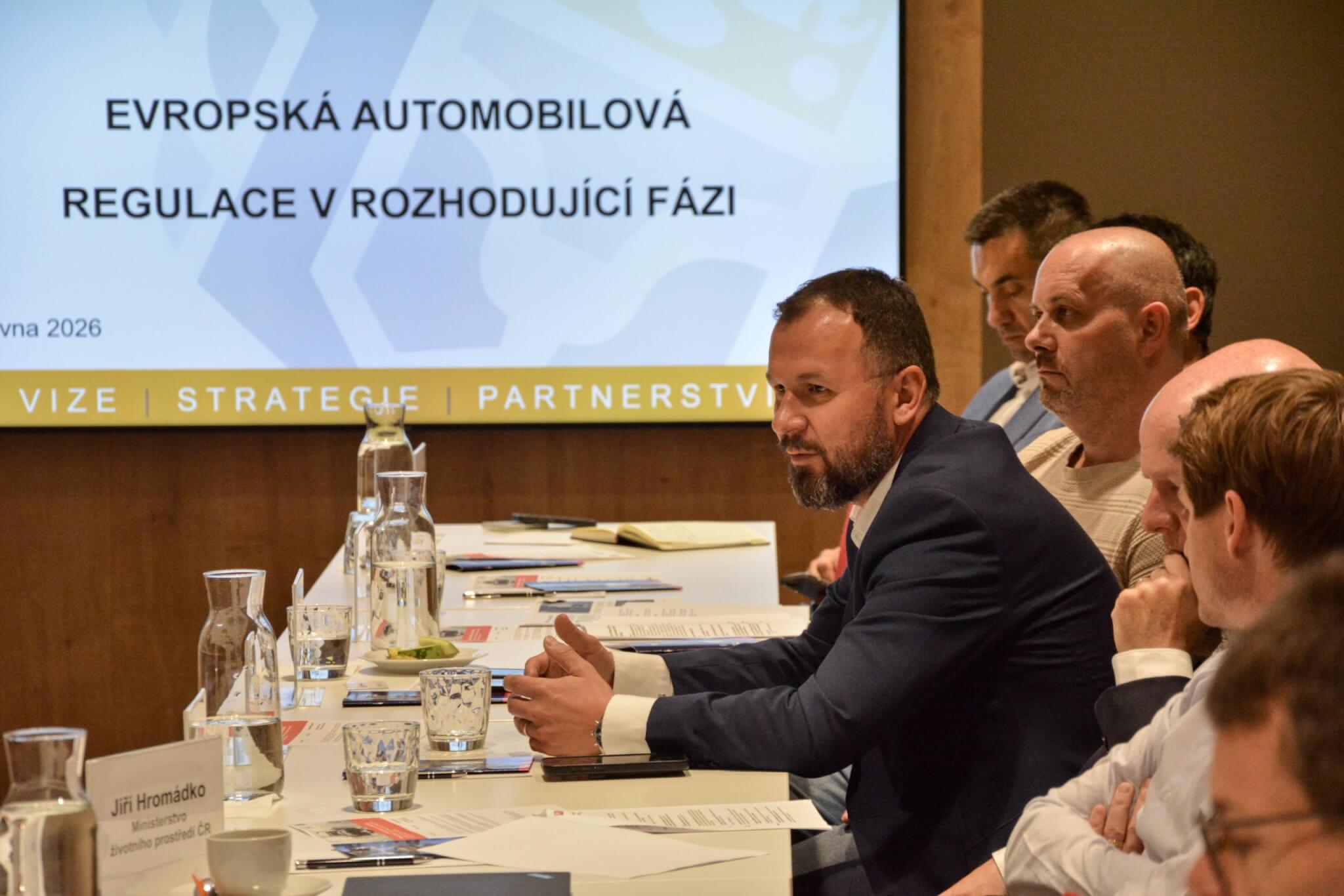
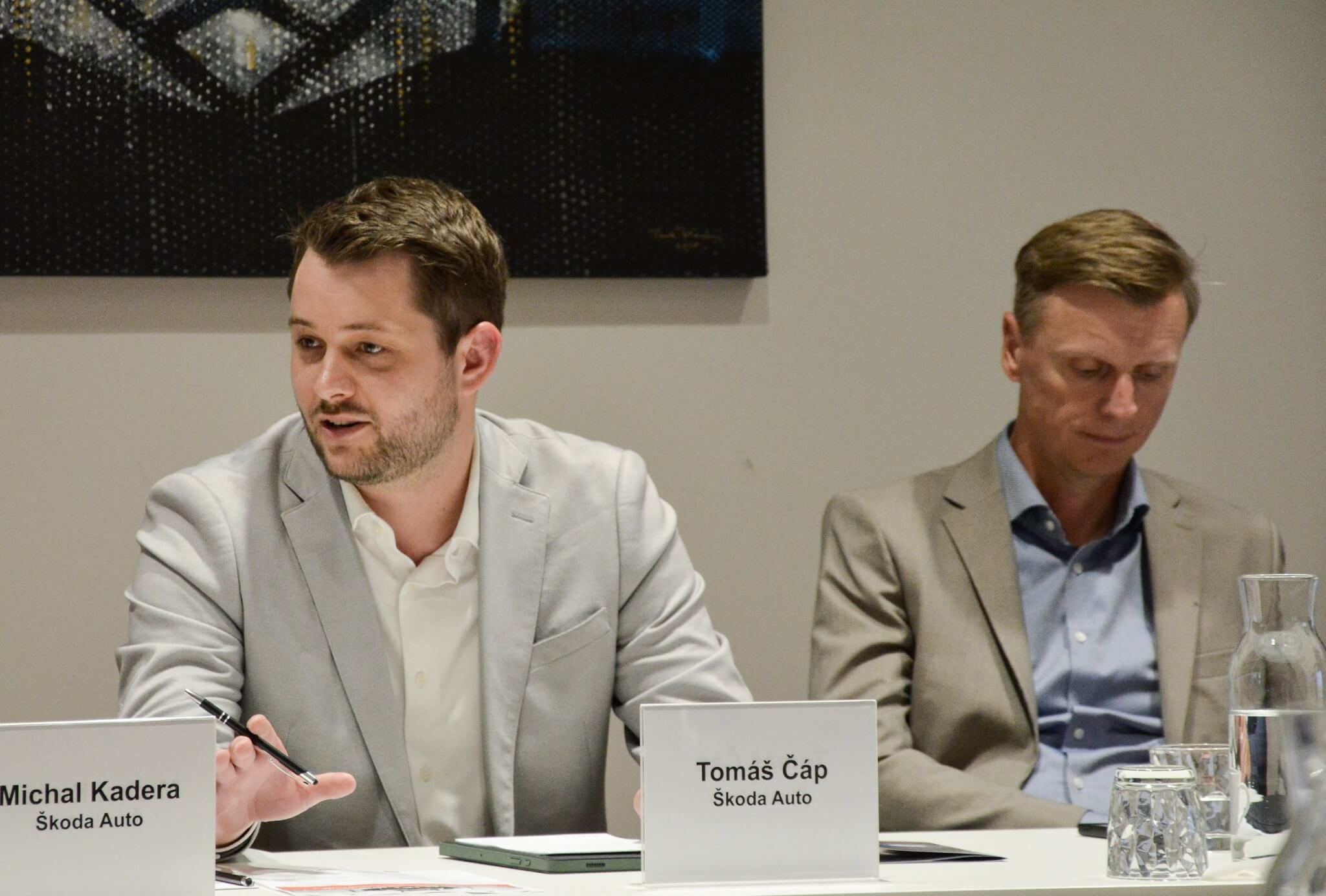
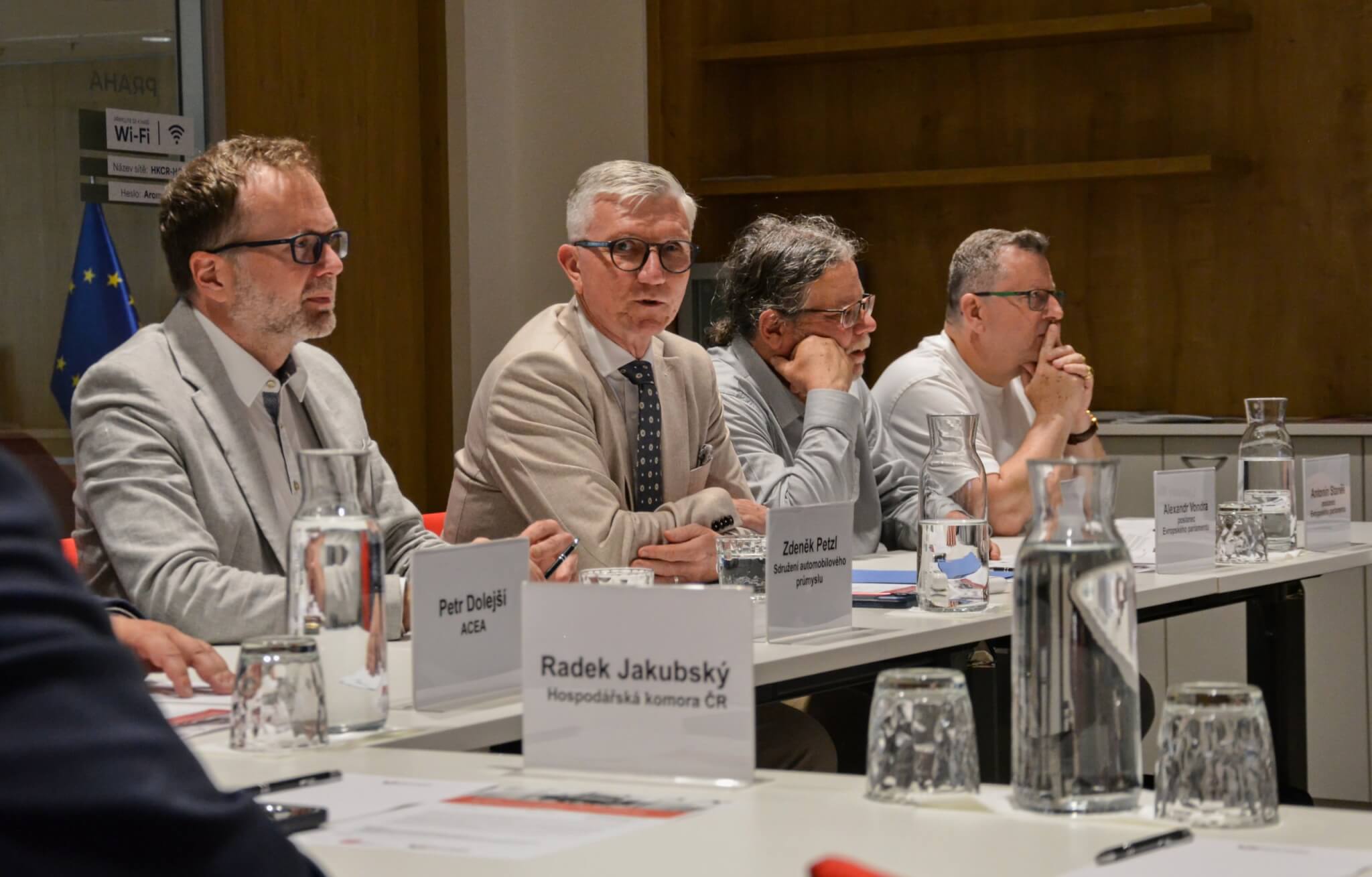
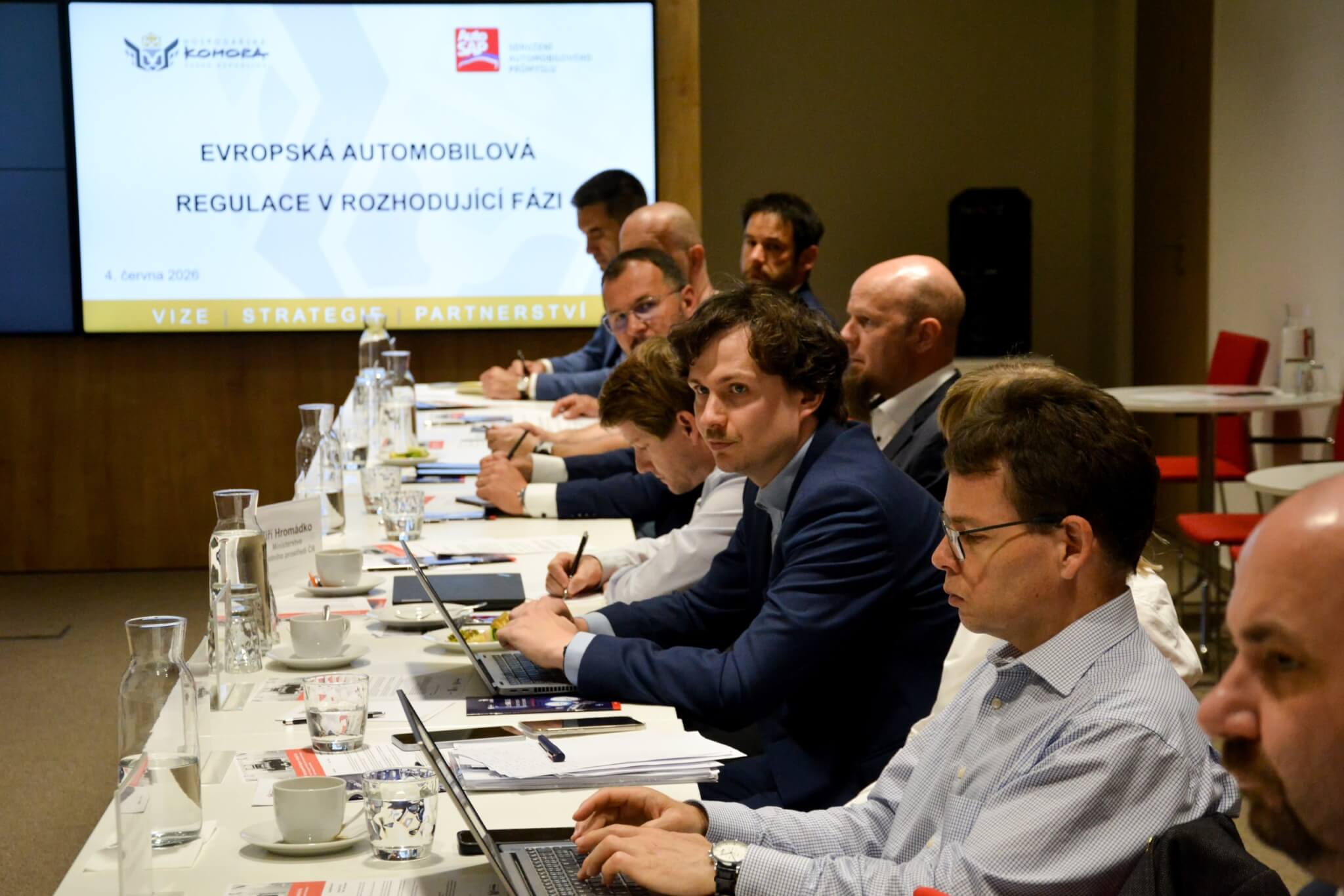
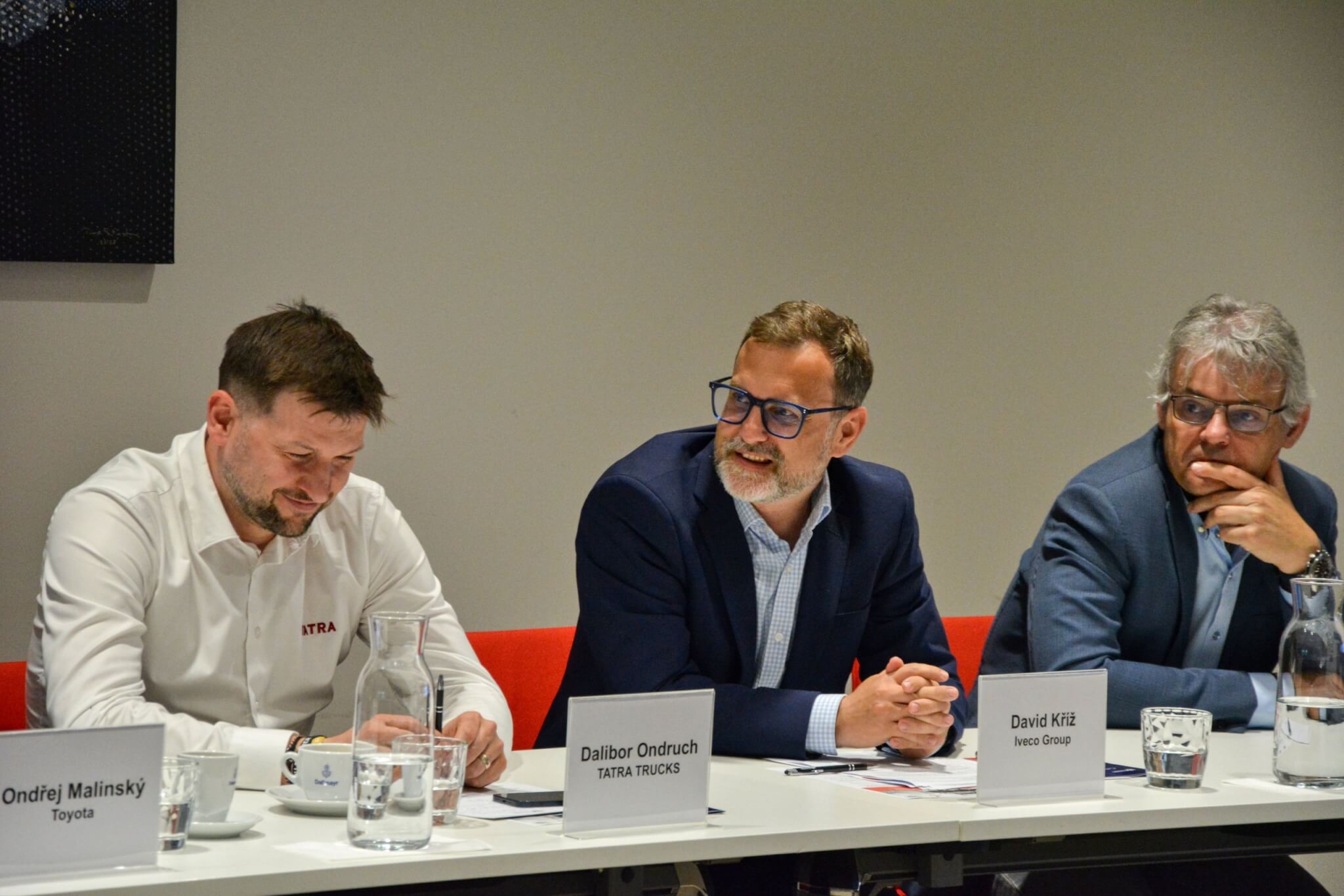
The Czech and European automotive industries are entering another key phase in the development of electromobility. It is in the coming months that a decision will be made on whether the European regulatory framework can better reflect real market, technological and industrial conditions or whether it will further widen the gap between ambition and feasibility. In this context, the Automotive Industry Association, together with the Chamber of Commerce of the Czech Republic, decided to organize a round table that brought together representatives of the European Parliament, state administration and key companies in the Czech automotive industry.
Member States and the European Parliament are currently working on specific changes within the framework of the “Automotive Package”, which the European Commission presented on 16 December 2025. The interlinked proposals for the revision of CO2 emission standards for passenger cars and light commercial vehicles, the Automotive Omnibus, the proposal for a regulation on clean fleets and, above all, the Industrial Accelerator Act (IAA) currently represent key legislation, the outcome of which will determine the direction of the automotive industry in the coming years.
The European legislative process is currently entering one of the decisive phases. The main attention has focused on the closely watched revision of CO2 emission limits for passenger cars and light commercial vehicles, which, according to the participants, is still the most problematic part of the entire legislative package. In practice, it decides the future of combustion engines, technological neutrality and the competitiveness of the European automotive industry.
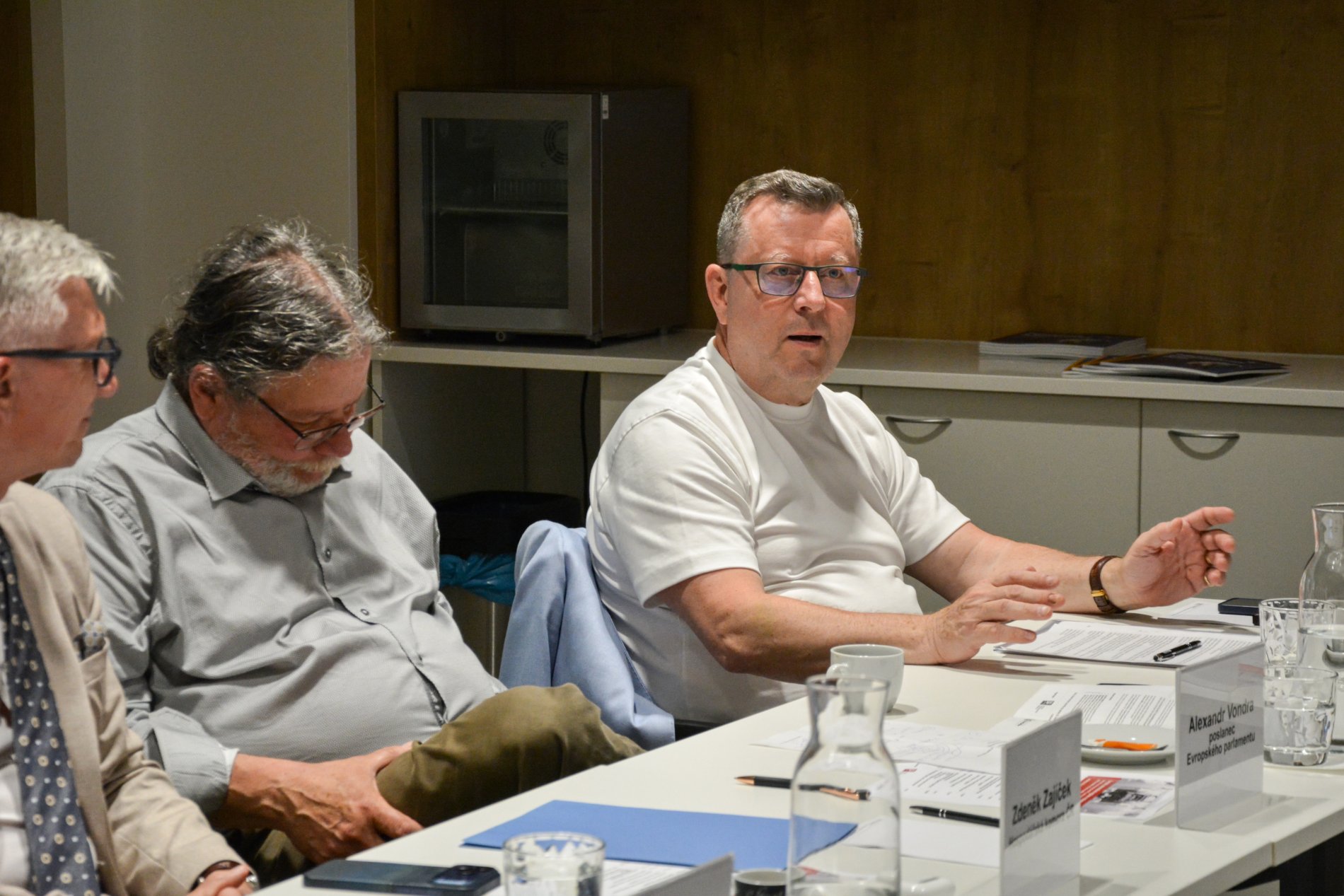
In addition to representatives of industry, the Ministry of Industry and Trade, the Ministry of Transport, the Ministry of the Environment and the Czech Ambassador to the EU, Štěpán Černý, the discussions on this topic were also attended by MEPs Alexandr Vondra, shadow rapporteur on the proposal for a revision of CO₂ emission limits for passenger cars and light commercial vehicles and shadow rapporteur on the Automotive Omnibus proposal, and Antonín Staněk, shadow rapporteur on the Automotive Omnibus proposal.
The Executive Director of the Association of the Automotive Industry pointed out that the threat of liquidation sanctions is still on the table, because the European Commission’s proposal still does not address the difference between regulatory ambition and consumer demand.
 “If the revision of CO₂ emission standards is to have a real impact, it must not stop at cosmetic changes. The EU’s original ambitions were set for a world of cheap energy, smooth global supply chains and rapidly growing confidence in electromobility – such a world no longer exists. We must have the courage to admit that conditions have developed differently than anyone expected. This is not a failure, it is our collective responsibility to the industry, to employees and to customers. If we do not want Europe to turn from a global manufacturer into a mere outlet for imported vehicles,” said Zdeněk Petzl, Executive Director of the Association of the Automotive Industry.
In the first quarter of 2026, the share of battery electric vehicles in new registrations in the Czech Republic reached 6.2%, while the European average was 19.7%. According to S&P Global Mobility forecasts, the share of BEVs in new registrations in 2030-2032 could realistically reach an average of 42.1%. However, the European Commission proposal expects a share of 56%, which represents a difference of approximately 1.4 million vehicles. This discrepancy could expose the automotive industry to sanctions of approximately 18 billion euros per year.
The President of the Chamber of Commerce of the Czech Republic, Zdeněk Zajíček, also pointed out the need for a deeper change in European policies that would reflect the new challenges.
 “It is not just about one regulation, but about Europe’s ability to maintain production and innovation. If Europe is to survive, it is not enough to adjust the rearview mirror – we need to change direction and, in addition to climate ambitions, place greater emphasis on competitiveness and safety. This requires stable and realistic rules and a more intensive dialogue with industry. And the Czech Republic must seek allies across other member states for such an approach,” added Zdeněk Zajíček, President of the Chamber of Commerce of the Czech Republic.
Insufficient flexibility, technological neutrality existing more on paper than in practice, but also a lack of understanding of what can actually help the automotive industry to maintain its competitiveness, are the common denominator of the entire Automotive Package and the so-called Industrial Accelerator Act.
The Ambassador and both representatives of the European Parliament brought the European perspective and current developments in Brussels closer to the participants. The search for political partners and a voting majority for the necessary amendments to key legislative proposals is particularly problematic. This open exchange was appreciated by representatives of major companies, unions and other special-purpose organizations.
The discussion showed broad agreement on most of the key issues associated with these fundamental legislative proposals. This was also confirmed by MEP Alexandr Vondra:
 “The debate with representatives of one of the key sectors of Czech industry and the opportunity to hear their experiences and concerns reaffirmed how important it is to create European legislation with regard to market realities. That is why I am pleased that we agree on a number of key issues. In the ENVI Committee and in the European Parliament, I will continue to defend pragmatic solutions that respect the needs of the automotive industry and preserve its competitiveness,” said Alexandr Vondra, a Member of the European Parliament from the European Conservatives and Reformists (ECR) Group.
MP Antonín Staněk added that the debate about the future of the automotive industry is not only a question of high politics, but above all of technically very demanding legislation:
 “I am glad to have been able to participate in this discussion and directly align our views with key representatives of the Czech automotive industry. Although the Automotive Omnibus is a technically very complex proposal, its political significance is comparable to the revision of CO₂ emission limits. At its core, it is about maintaining technological neutrality and protecting the future of plug-in hybrid technology, which remains an indispensable part of a realistic solution to the challenges facing today’s mobility,” commented Antonín Staněk, MEP for the Patriots for Europe group.
Photogallery
Contact