From the beginning of the year to the end of August, a total of 953,433 passenger cars were assembled on the lines of domestic passenger car manufacturers, 2.1% less year-on-year. Despite the plant-wide holidays the production of the summer months of July and August brought higher year-on-year results in the form of 206,005 vehicles produced, i.e. 6,755 units more than last year. On the other hand, the eight-month production of buses grew, by 21.8% to a total of 3,538 units, mainly thanks to Iveco from Vysokomyt. The number of electric cars produced also increased significantly (+105.3%) – a total of 140,933 purely electric and 42,529 plug-in hybrid passenger cars were produced. The electric bus segment also recorded a high increase, the production of which increased by more than 416% year-on-year to 253 units. On the contrary, production of Jawa motorcycles decreased by 32.9% year-on-year to 525 machines.

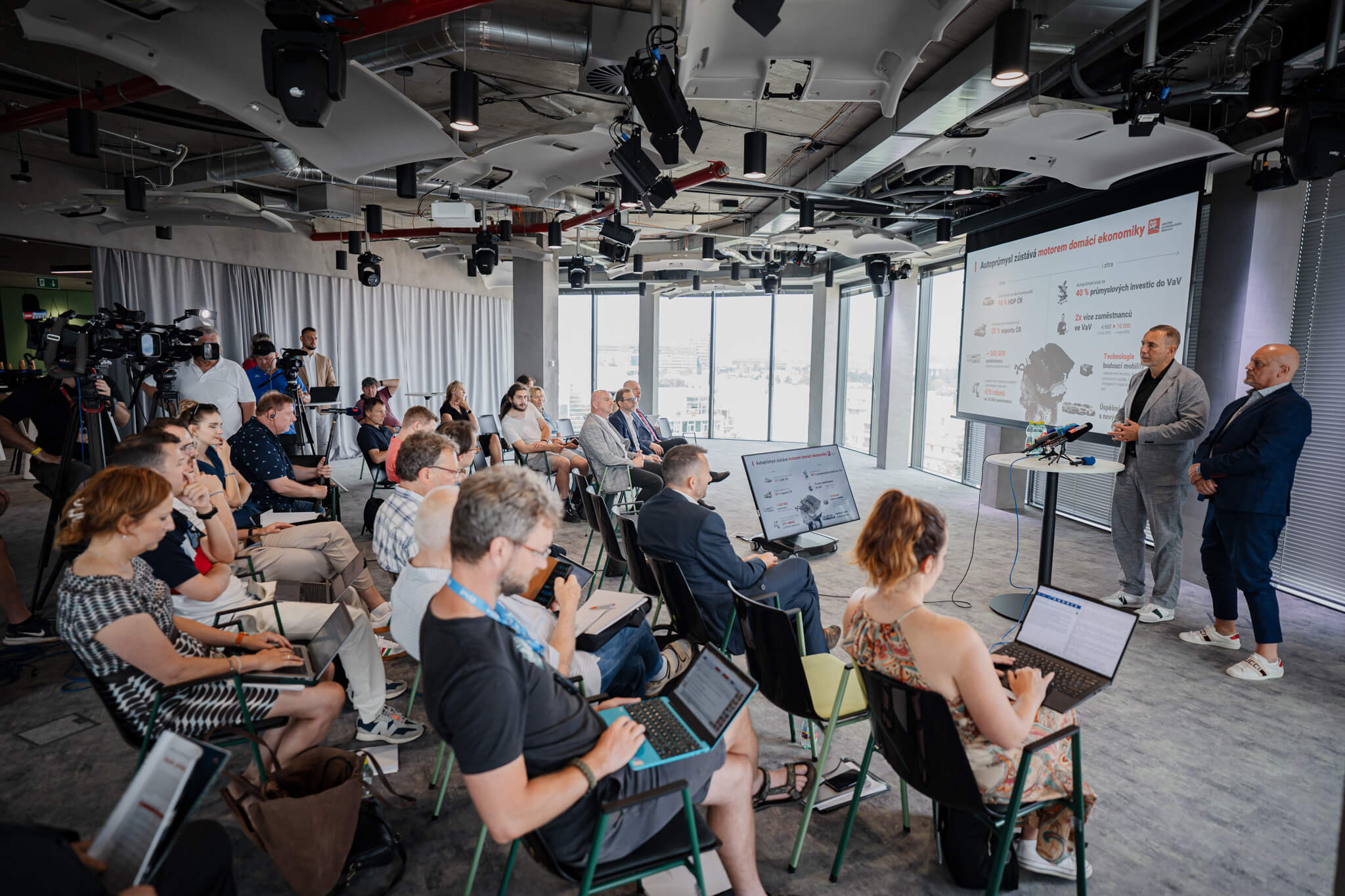
“I see it as very good news that despite the cooling in the main European markets, traditional restrictions on operations during the summer, which companies use for plant-wide holidays, the results of last year’s record year were surpassed in the summer months. This improves on the reduced production volume from the end of the year and the domestic automotive industry was once again able to support the performance of the domestic economy. Although the figures show that domestic manufacturers are managing to increase the volumes of electric cars produced, the total European sales figures remain far below the requirements of European regulation. Therefore, I consider it critical that, after the recently held Strategic Dialogue on the Future of the Automotive Industry, work on revising the regulation should be intensively started so that decarbonization meets real customer demand, takes into account technological neutrality and at the same time helps maintain competitiveness and jobs in the European and Czech automotive industries,” says Zdeněk Petzl, Executive Director of the Association of the Automotive Industry industry.
Passenger vehicles
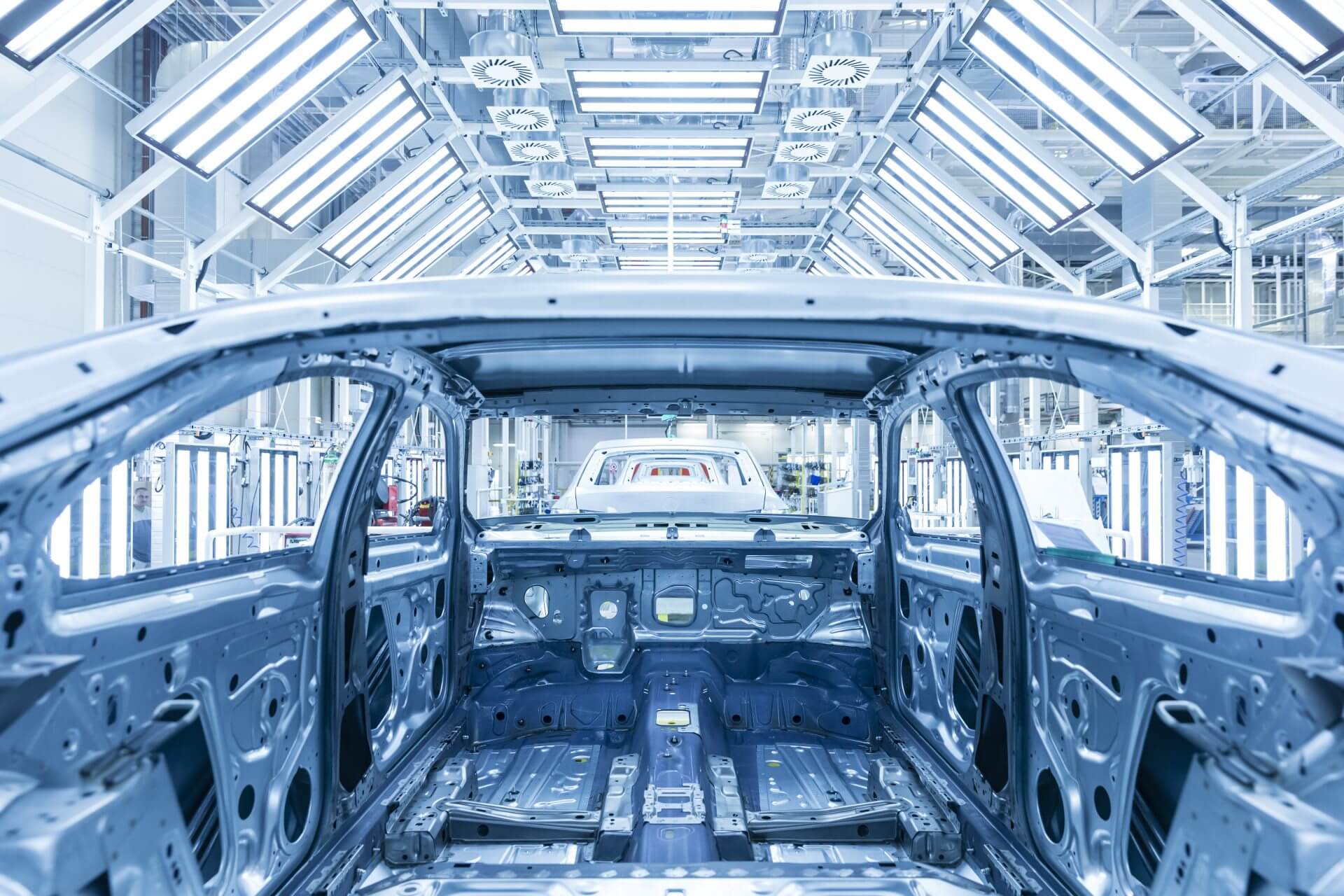
From the beginning of this year to the end of August, 953,433 passenger vehicles were produced, which is 2.1% less year-on-year than in the same period last year. Nevertheless, the summer months, which are annually dedicated to regular plant-wide holidays, preventive maintenance, installation of new robots, etc., showed a positive trend – 85,969 vehicles rolled off the lines in July (+4.1%), and 120,036 vehicles in August (+2.9%). Total production in the summer months thus reached 206,005 cars, which is 6,755 units (+8.3%) more than in the same period last year.
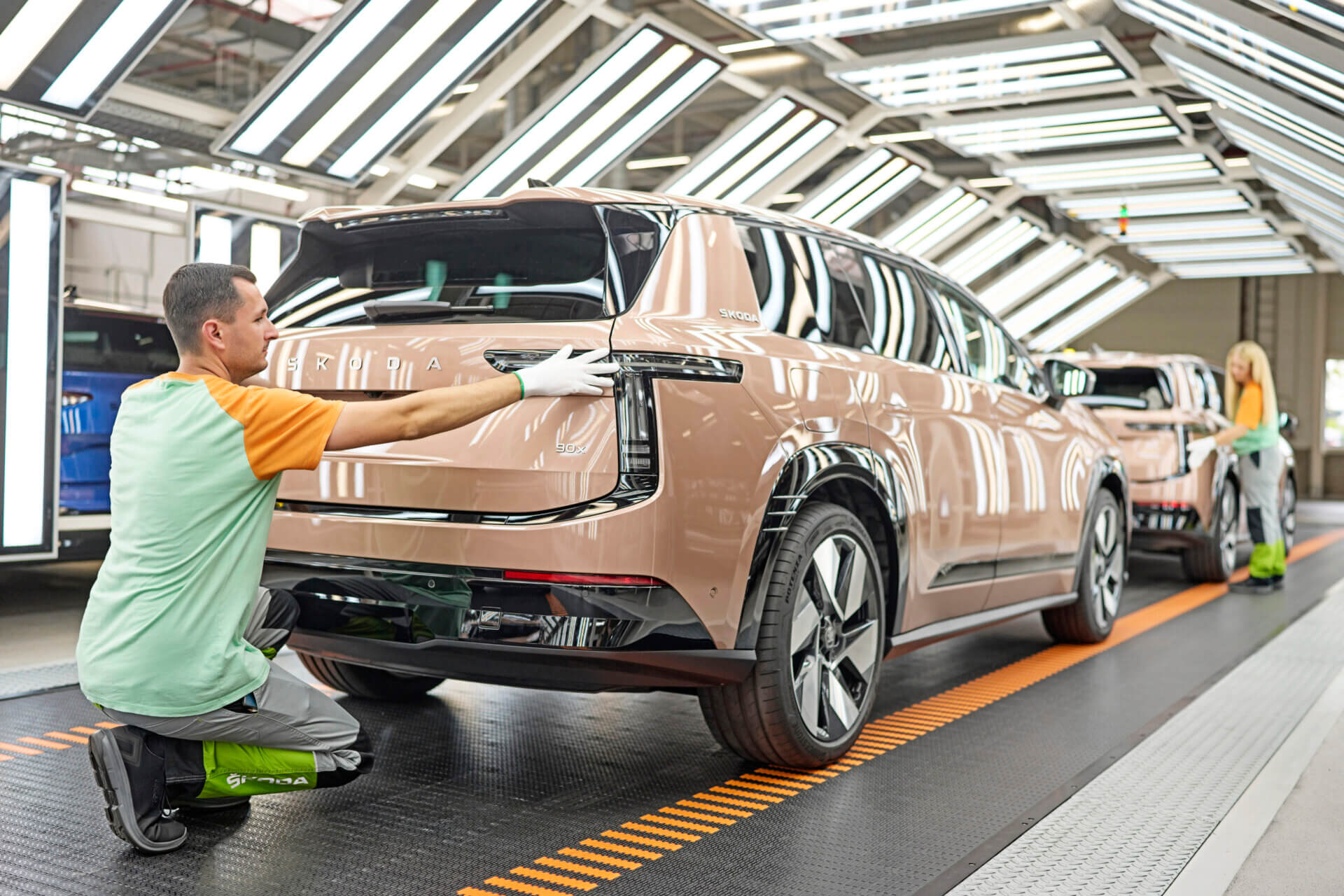
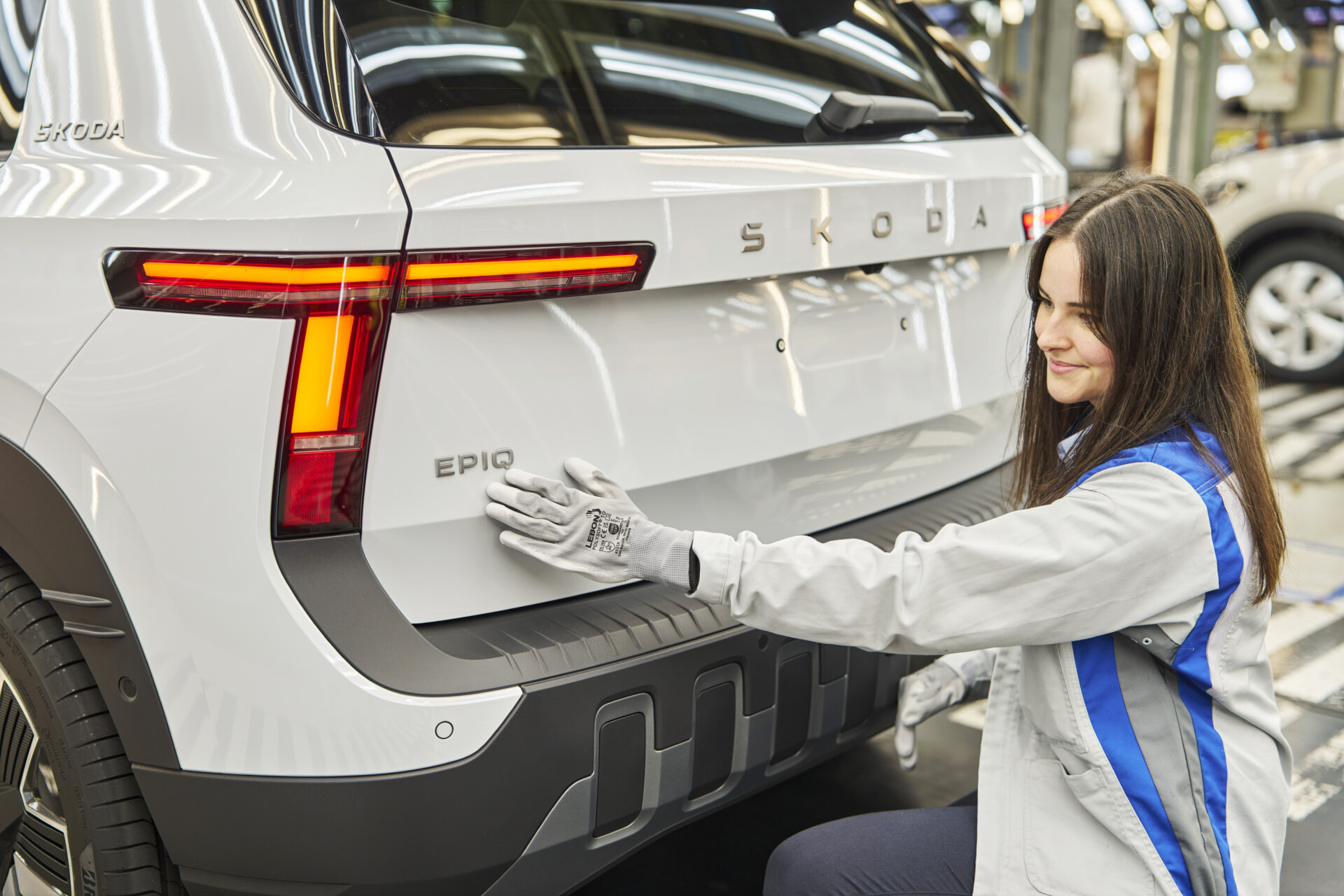
The largest domestic manufacturer, Škoda Auto, continued its excellent results. In January-August, it produced a total of 610,274 passenger cars at its domestic plants, which is more than 2.0% more than last year. The electromobility segment made a significant contribution – production of battery-powered vehicles increased by 164.6%. Škoda produced a total of 136,019, or 22.3% of total production. Of these, 116,936 were purely electric and 19,088 were plug-in hybrid models.
In the first eight months, a total of 193,940 vehicles were produced at the Hyundai plant in Nošovice, i.e. 30,110 vehicles fewer than in the same period last year. Of the total number of vehicles produced, 24,002 had a purely electric and 23,441 had a plug-in hybrid drive. Electric vehicles produced in Nošovice accounted for more than 24.4% of the domestic automaker’s total production.
A total of 149,219 cars rolled off the Toyota Motor Manufacturing production line in Kolín in the reported period, which is 1.4% fewer vehicles than in the same period last year. More than half of the production was made up of Yaris HEV hybrid cars. The number of vehicles produced not only with hybrid but also purely electric drives will continue to increase in Kolín in the future. This is thanks to the announced investment of CZK 17 billion in the expansion of the Czech plant, where Toyota will produce its first fully electric car in Europe.
Buses
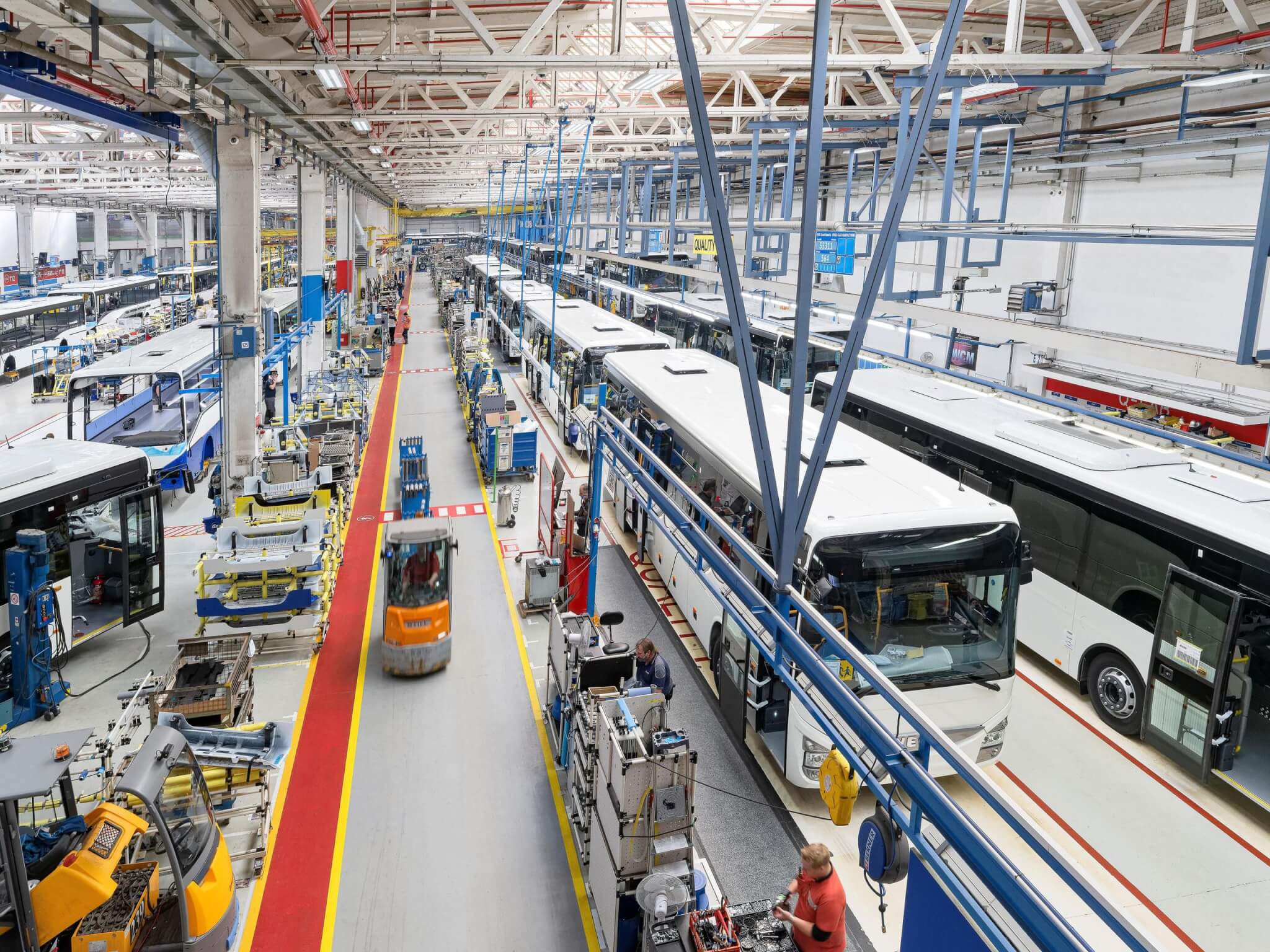
Bus production in the Czech Republic increased by 21.8% year-on-year in the period January–August, reaching a total of 3,538 vehicles produced. Traditionally, the largest share of the growth is attributed to Iveco Czech Republic, which produced 3,299 buses. Another 82 built-up vehicles were completed at its sister plant in Foggia, Italy. Overall, Iveco production increased by 25.2% compared to last year.
On the other hand, SOR Libchavy reported a decline – in the first eight months it produced 220 buses, i.e. 26 units (10.6%) less than last year. KHMC delivered 19 minibuses, which represents a slight year-on-year decrease of two vehicles.
The dynamically growing segment of electric buses accounted for 7.2% of the total bus production. During the monitored period, 253 battery buses were produced, which corresponds to a significant year-on-year growth of 416.3%. The vast majority were produced at the Iveco Czech Republic plant in Vysoké Mýto (222 units), the rest at SOR Libchavy (31 units).
Motorcycles
Jawa Moto, a domestic motorcycle manufacturer, reports a decline in production for the period January–August of this year. A total of 525 machines rolled off the assembly line, which represents a year-on-year decrease of 32.9%. In absolute terms, this means 257 fewer motorcycles than in the same period last year.
Contact