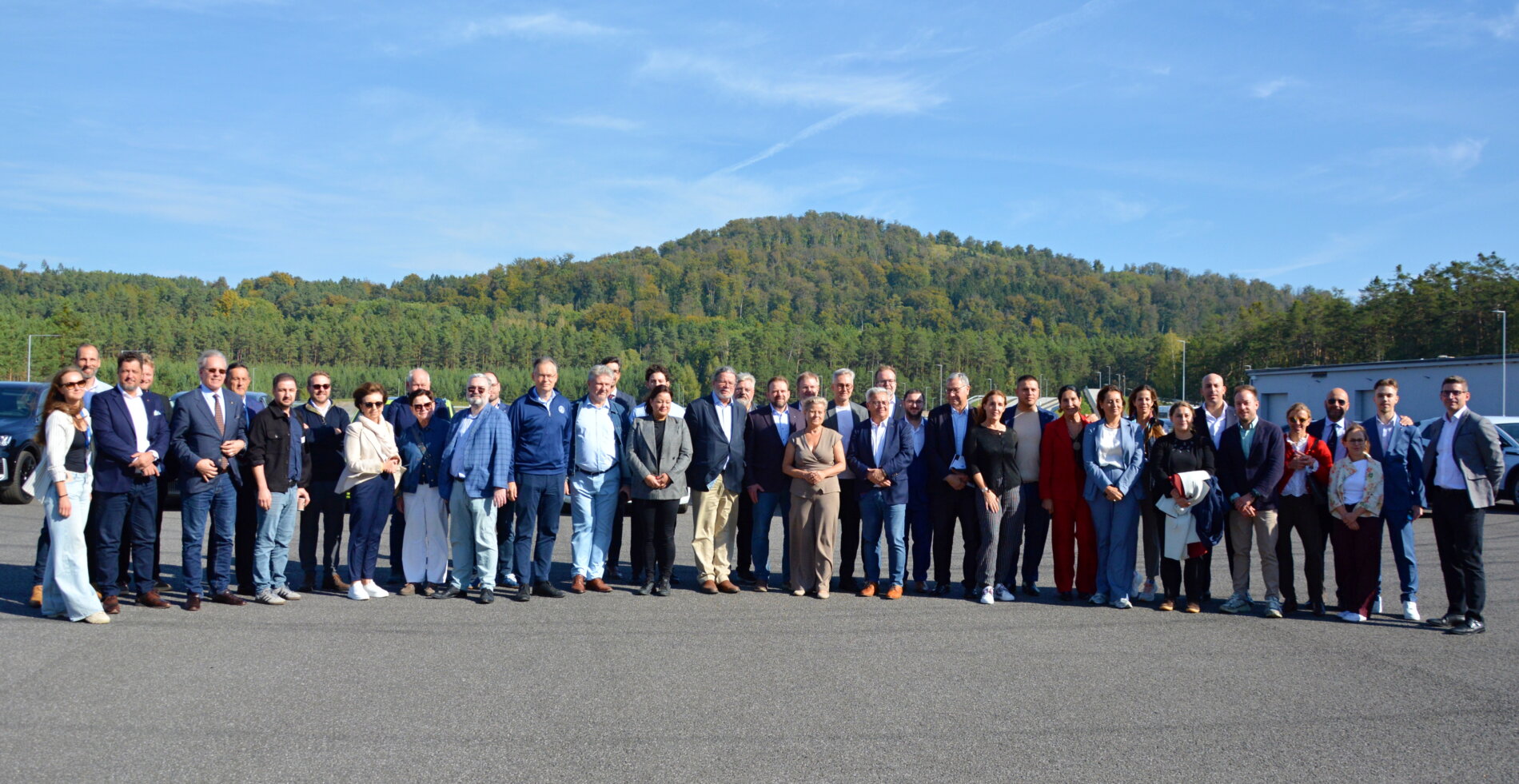
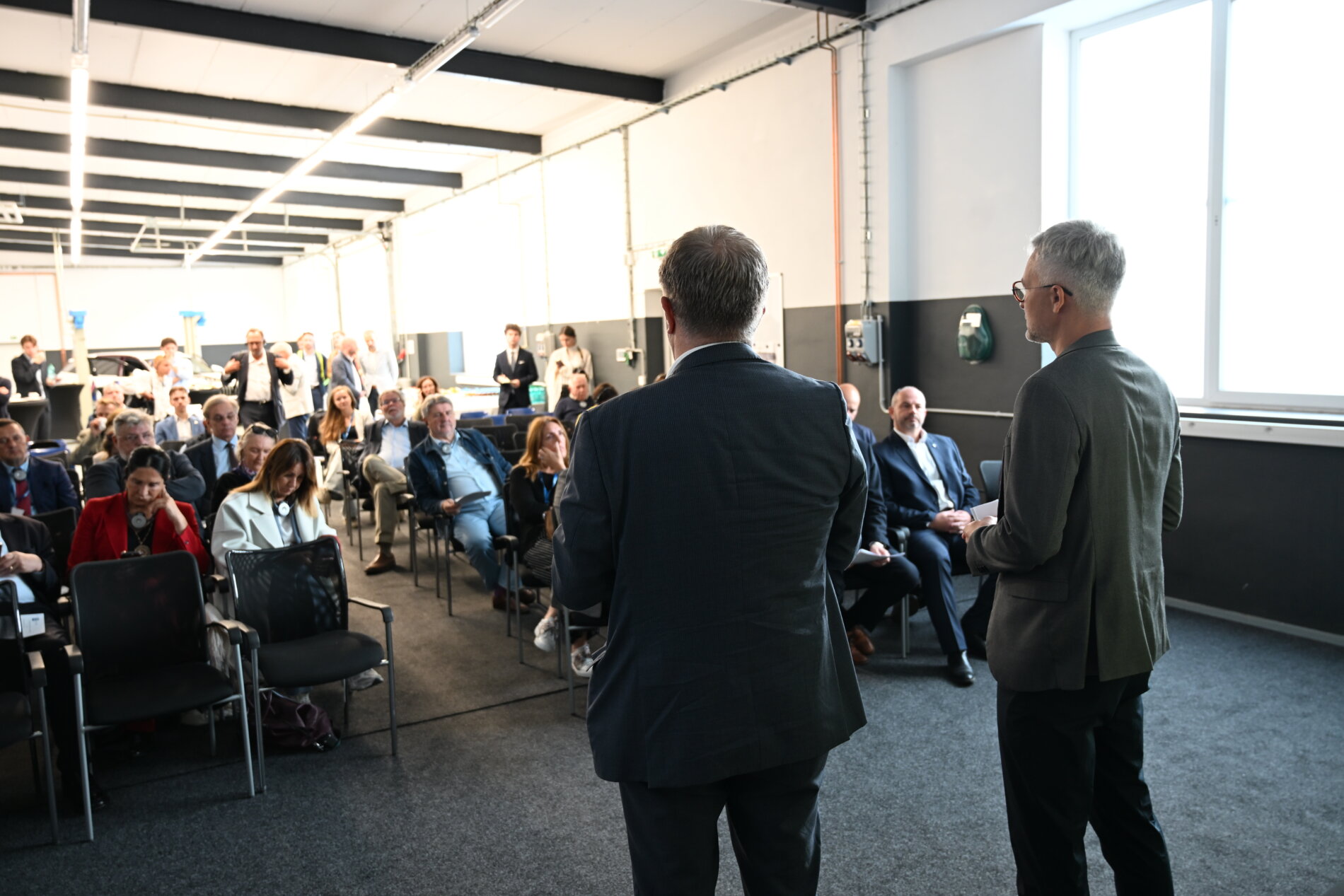
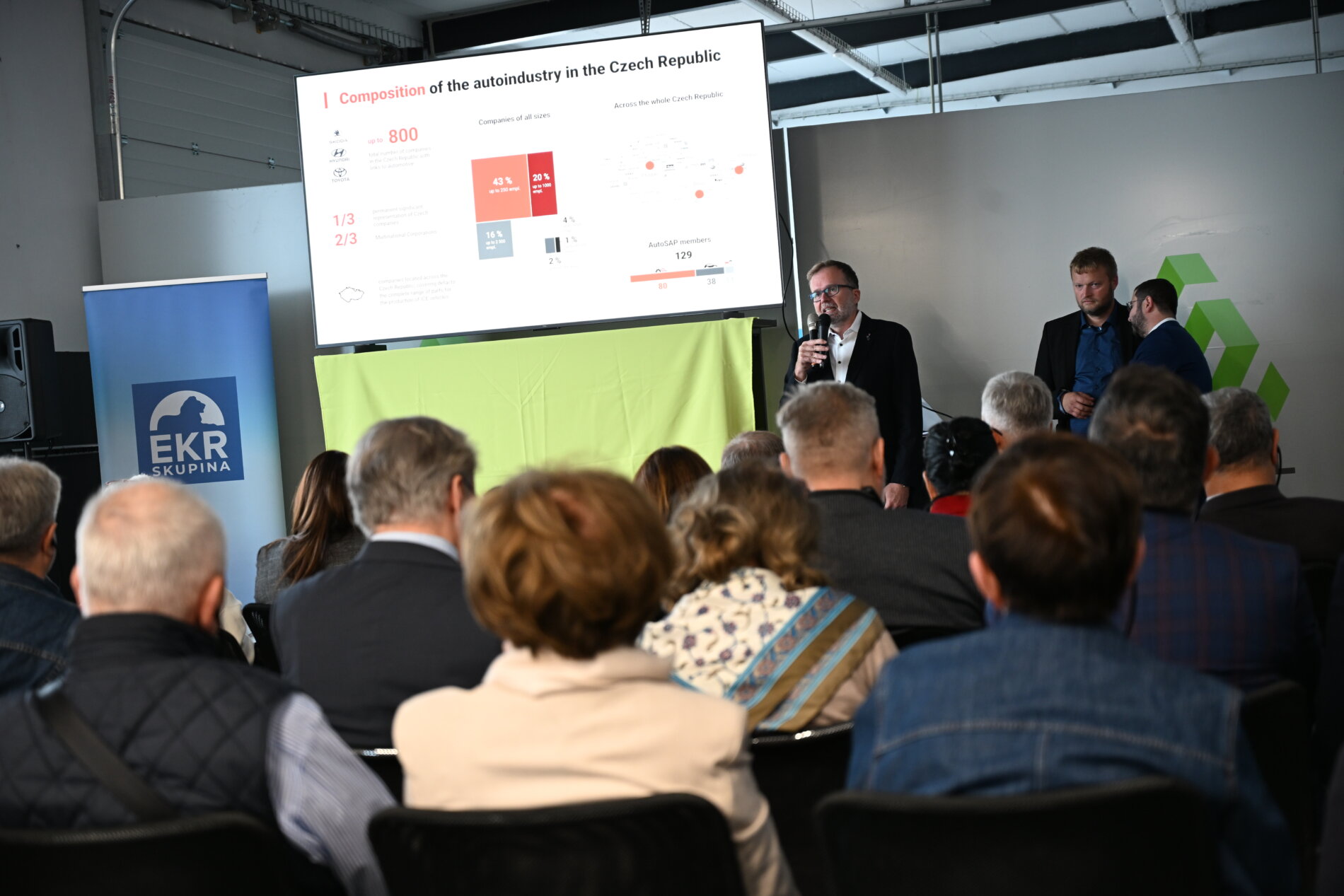
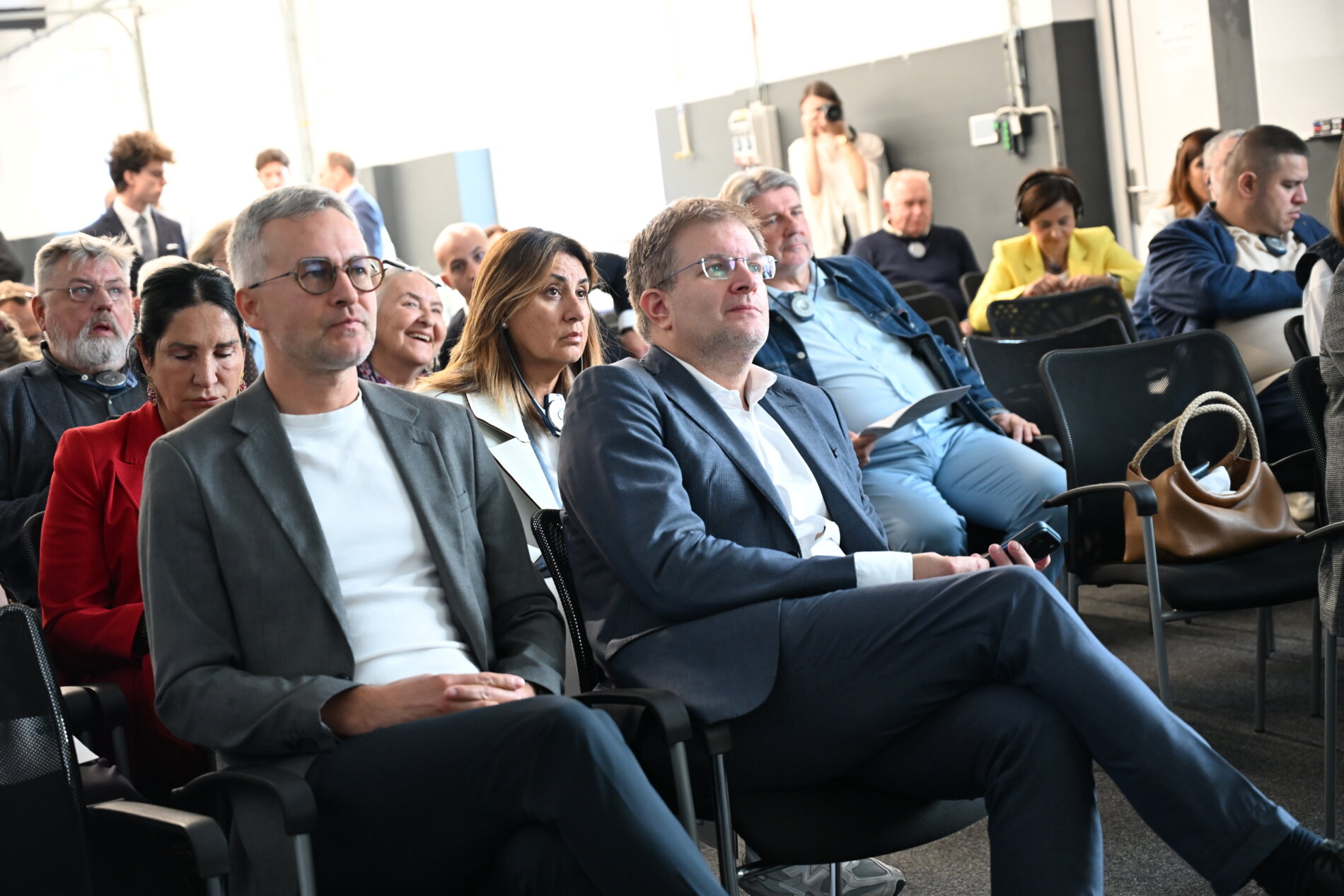
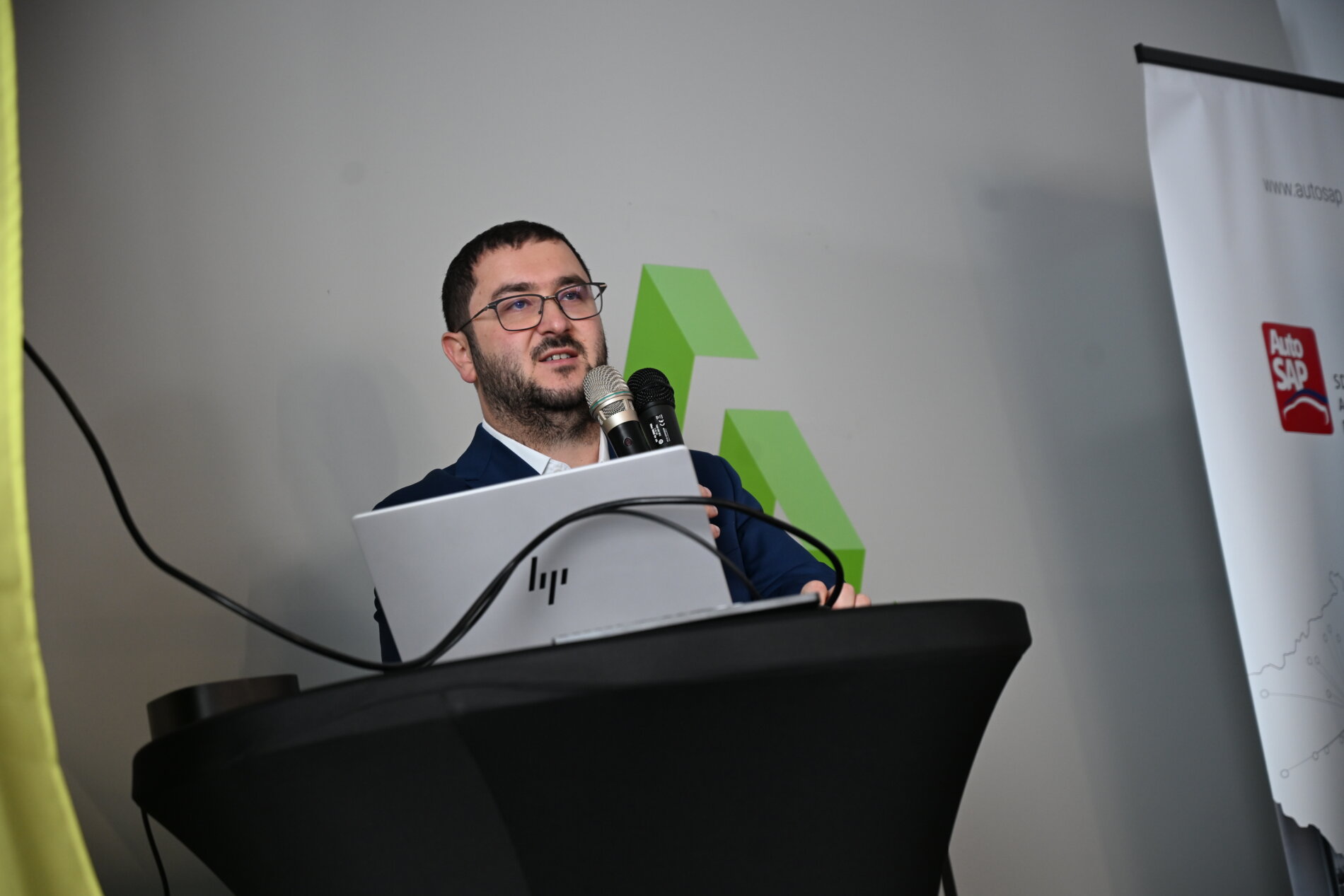
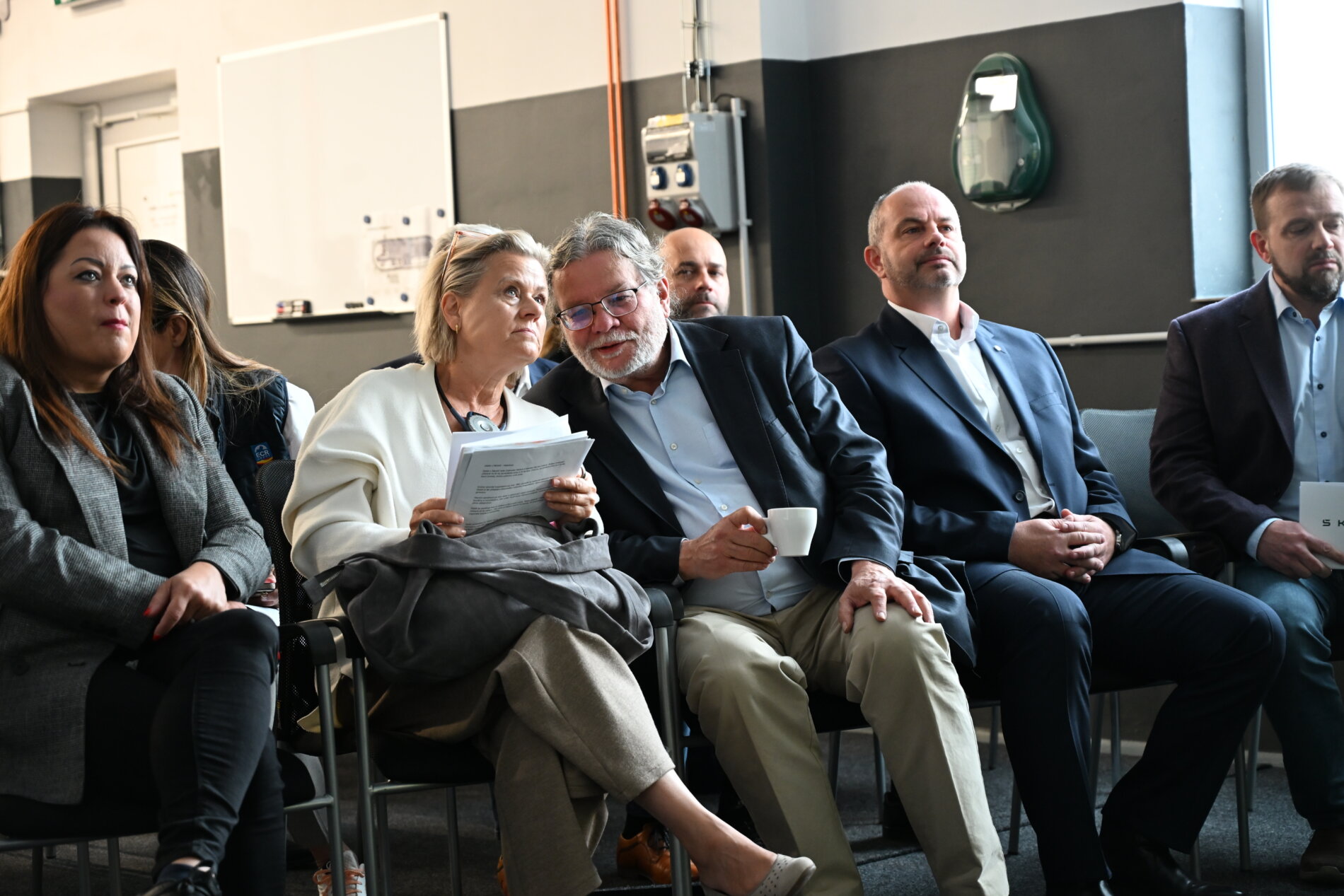
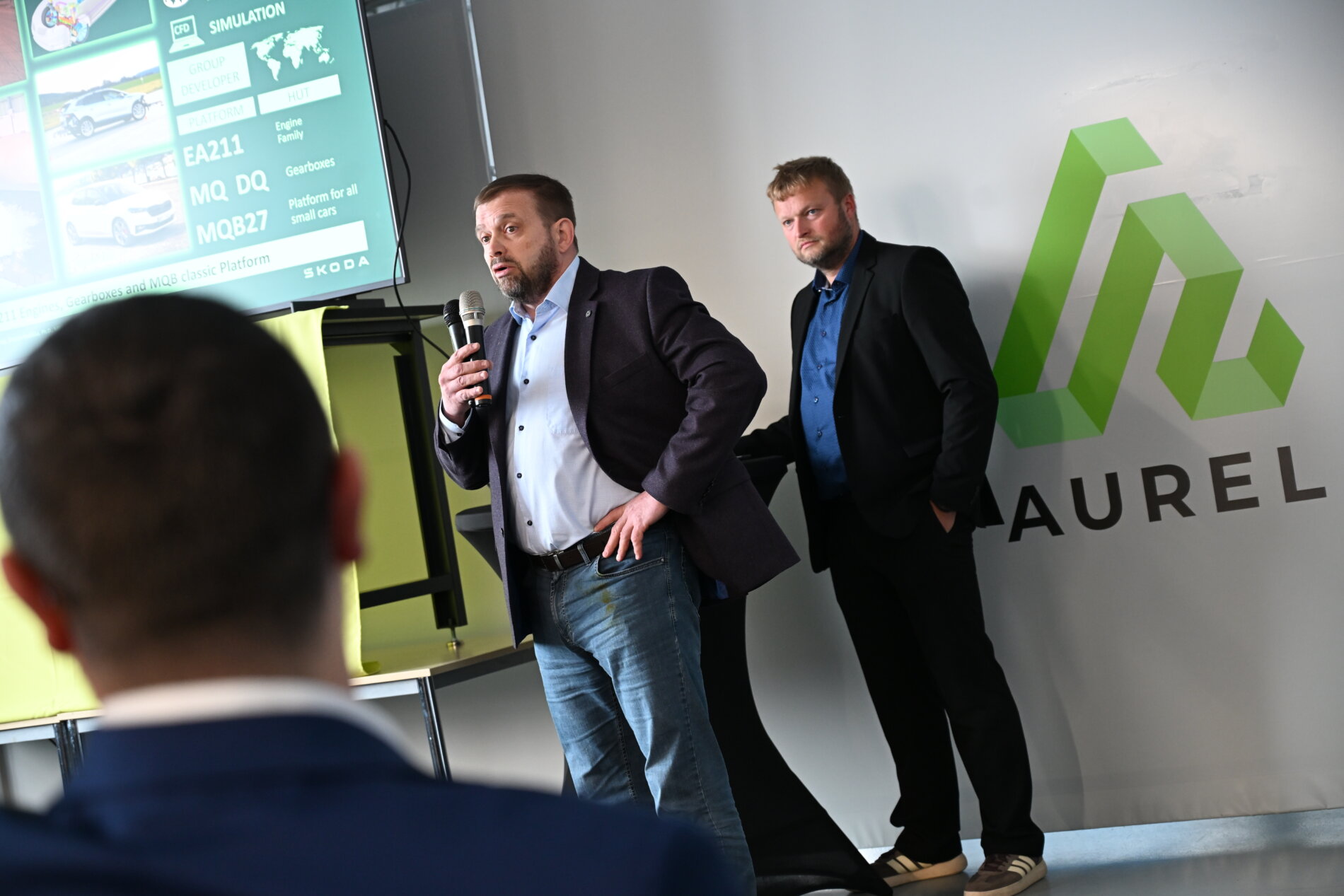
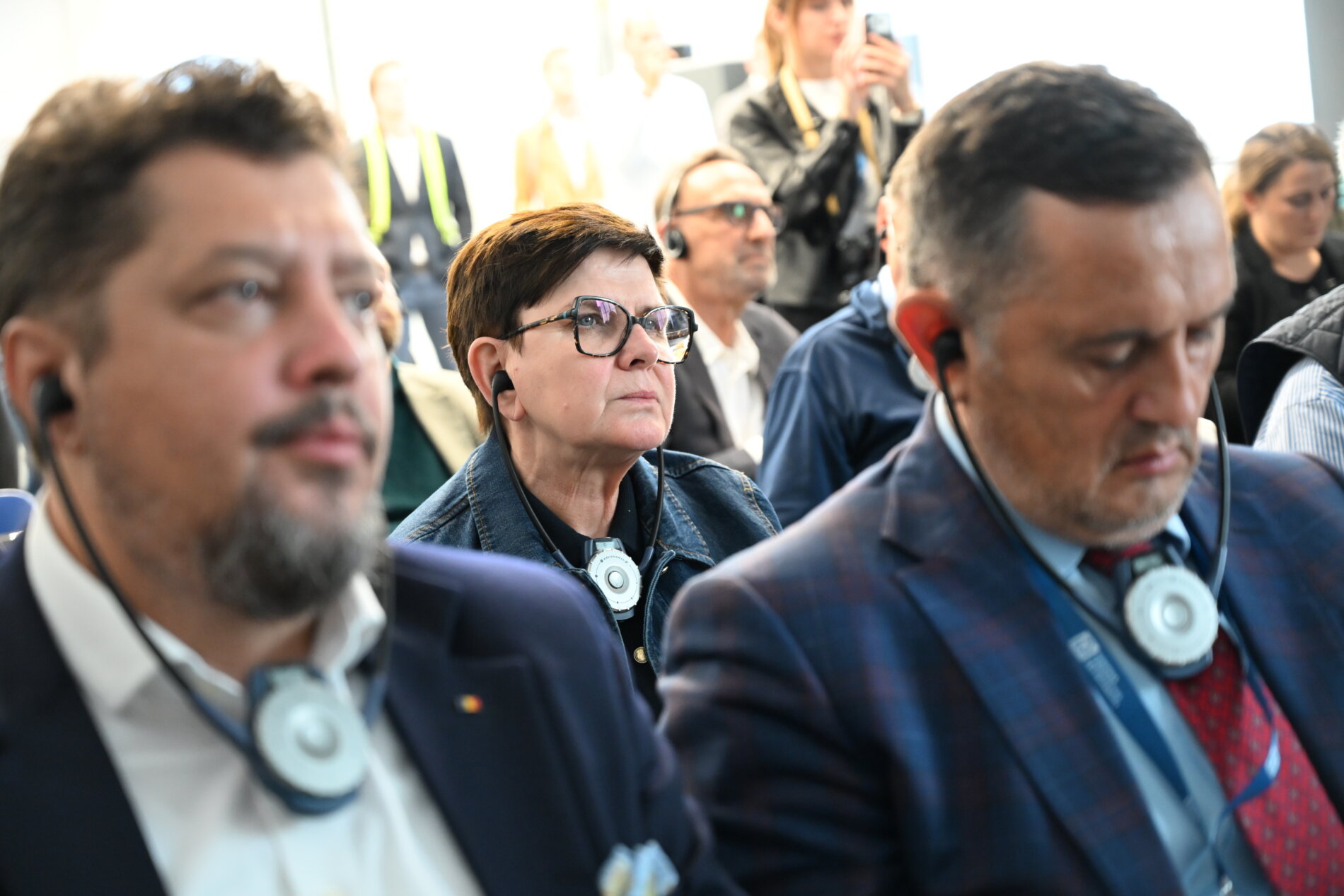
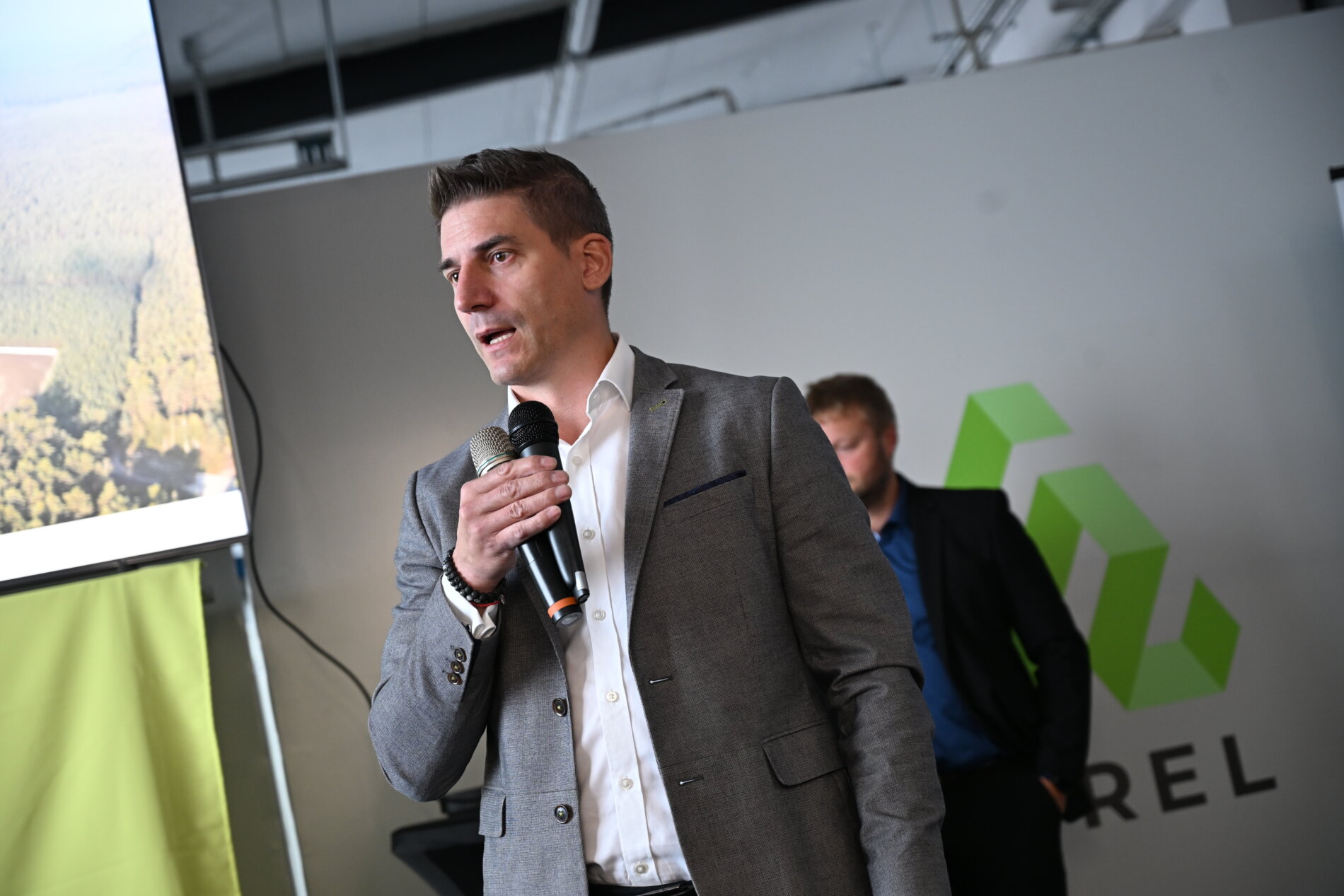
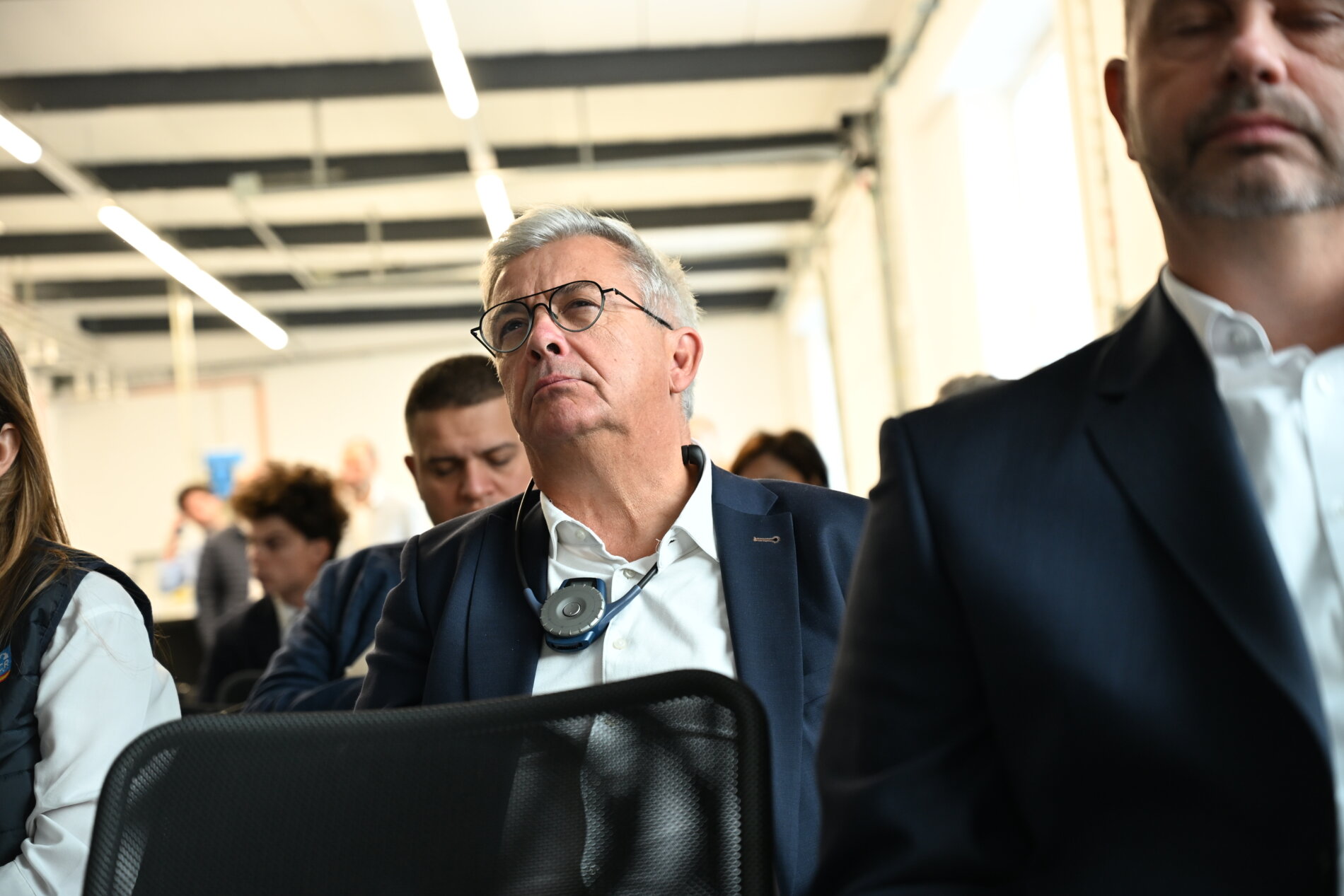
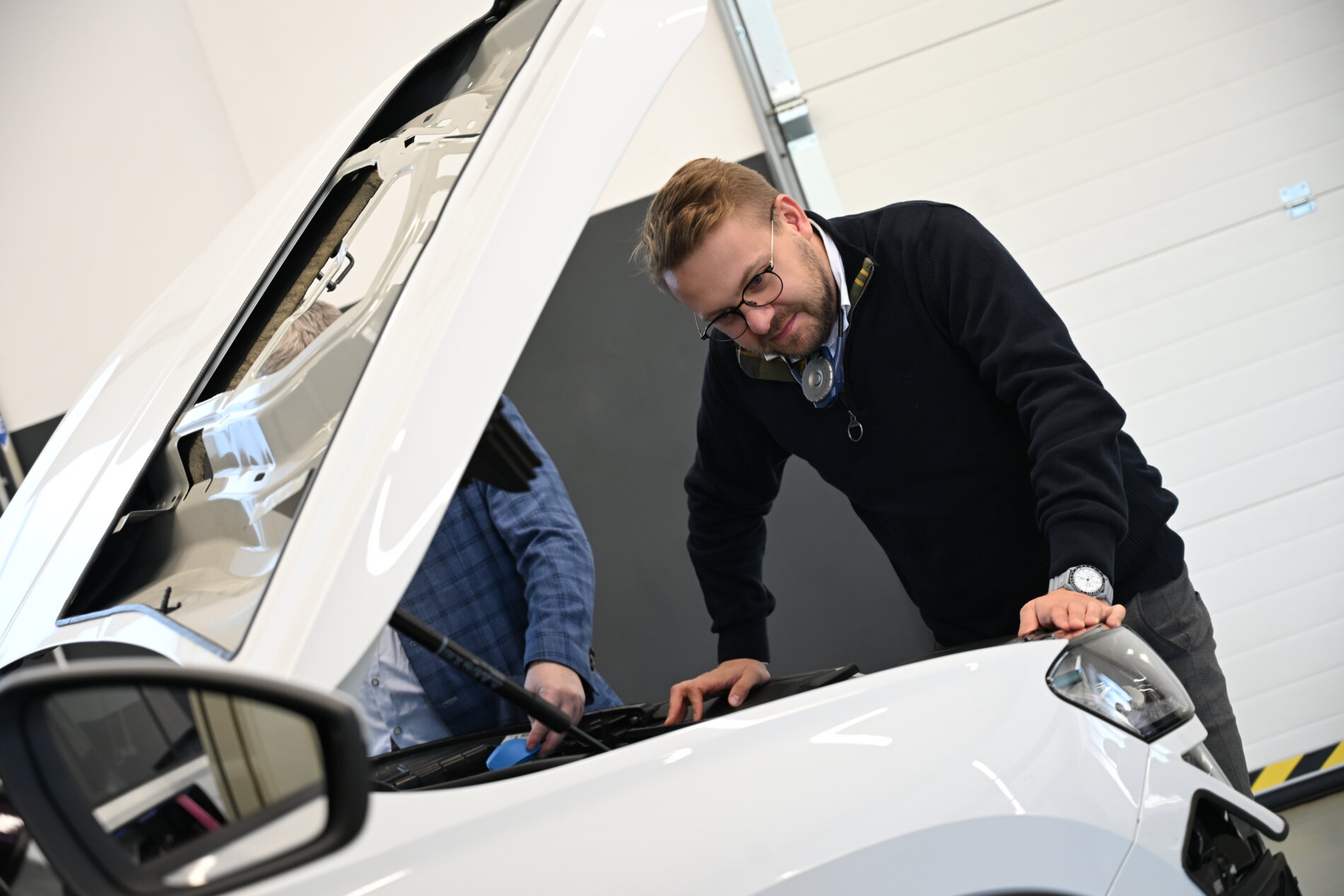
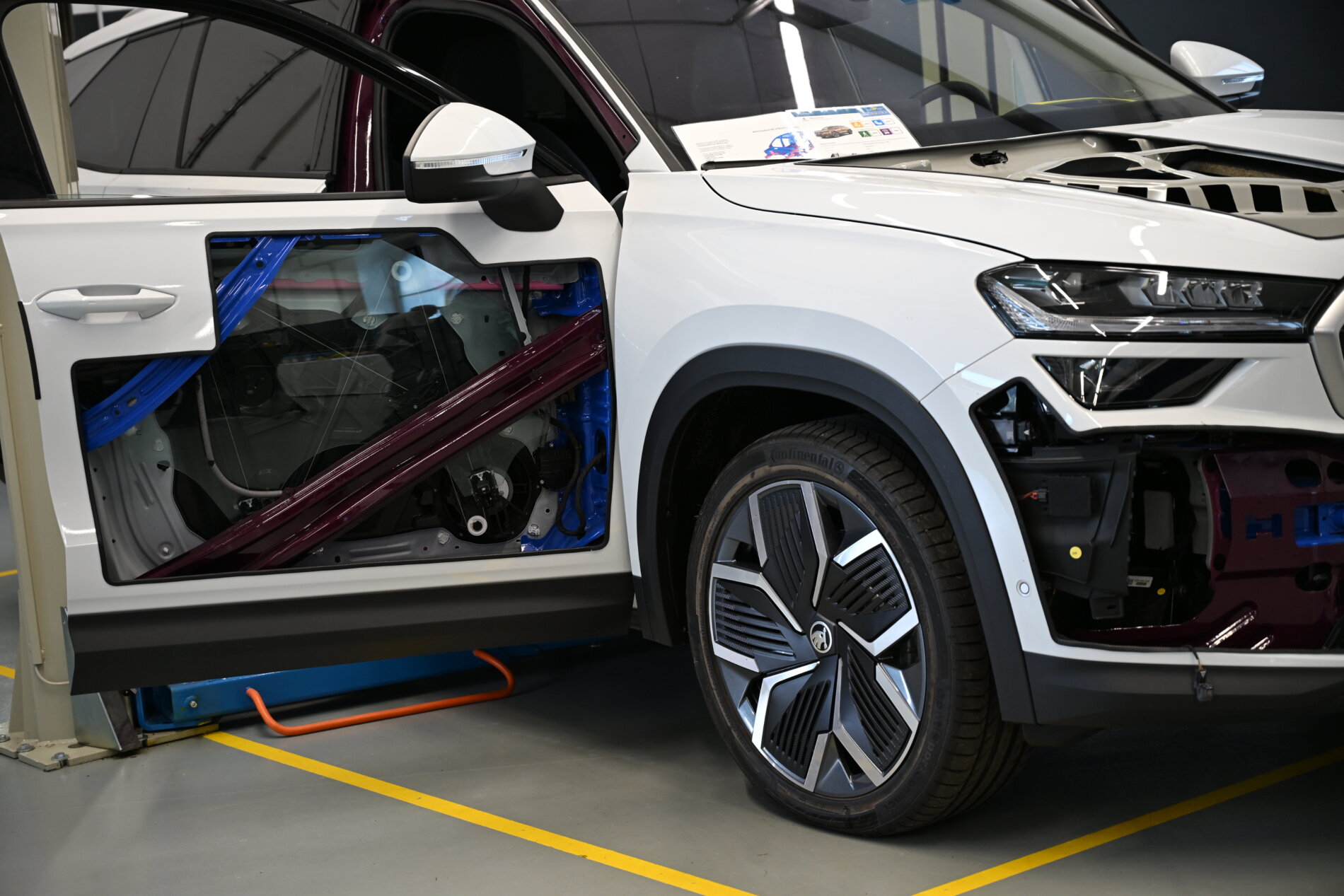
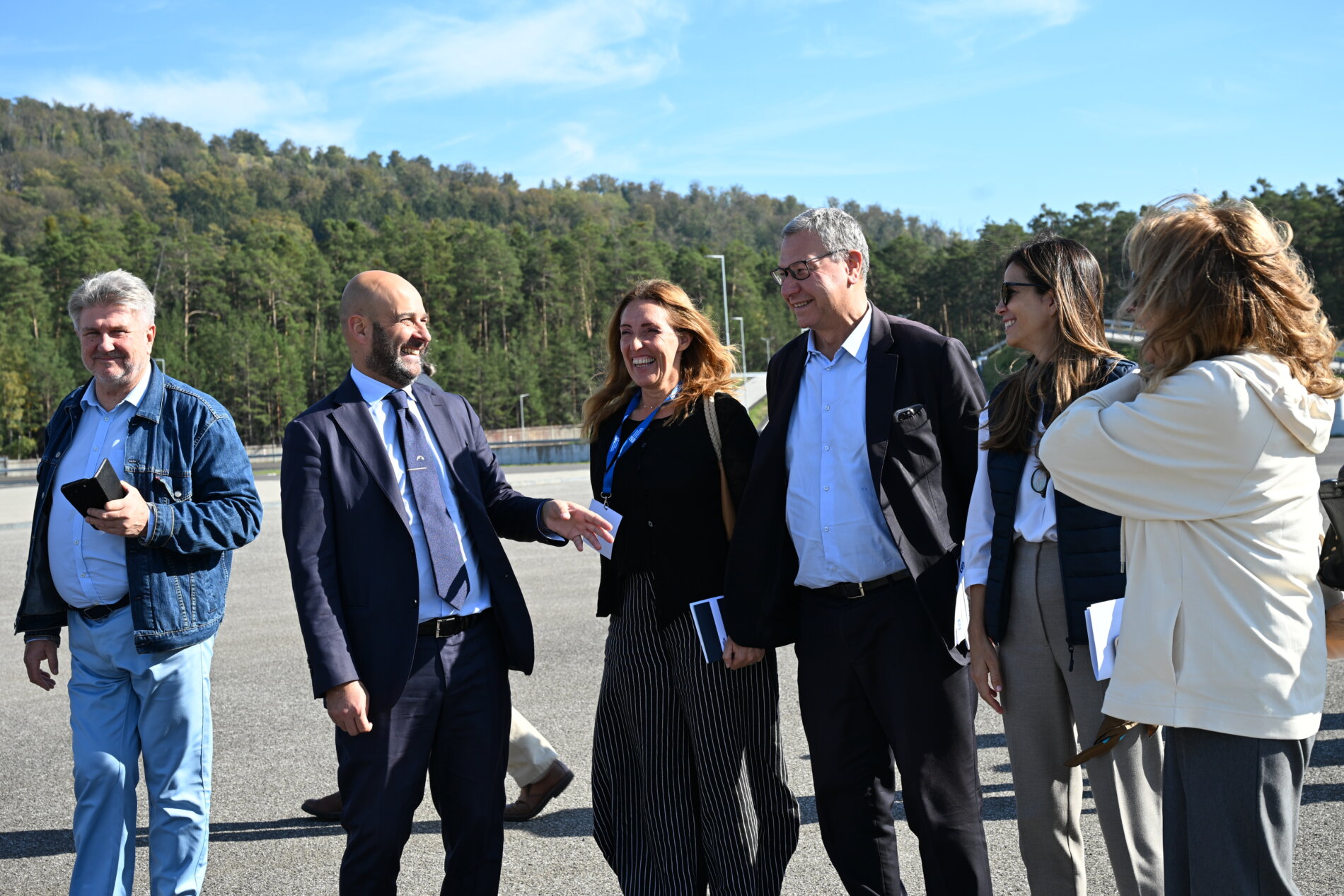
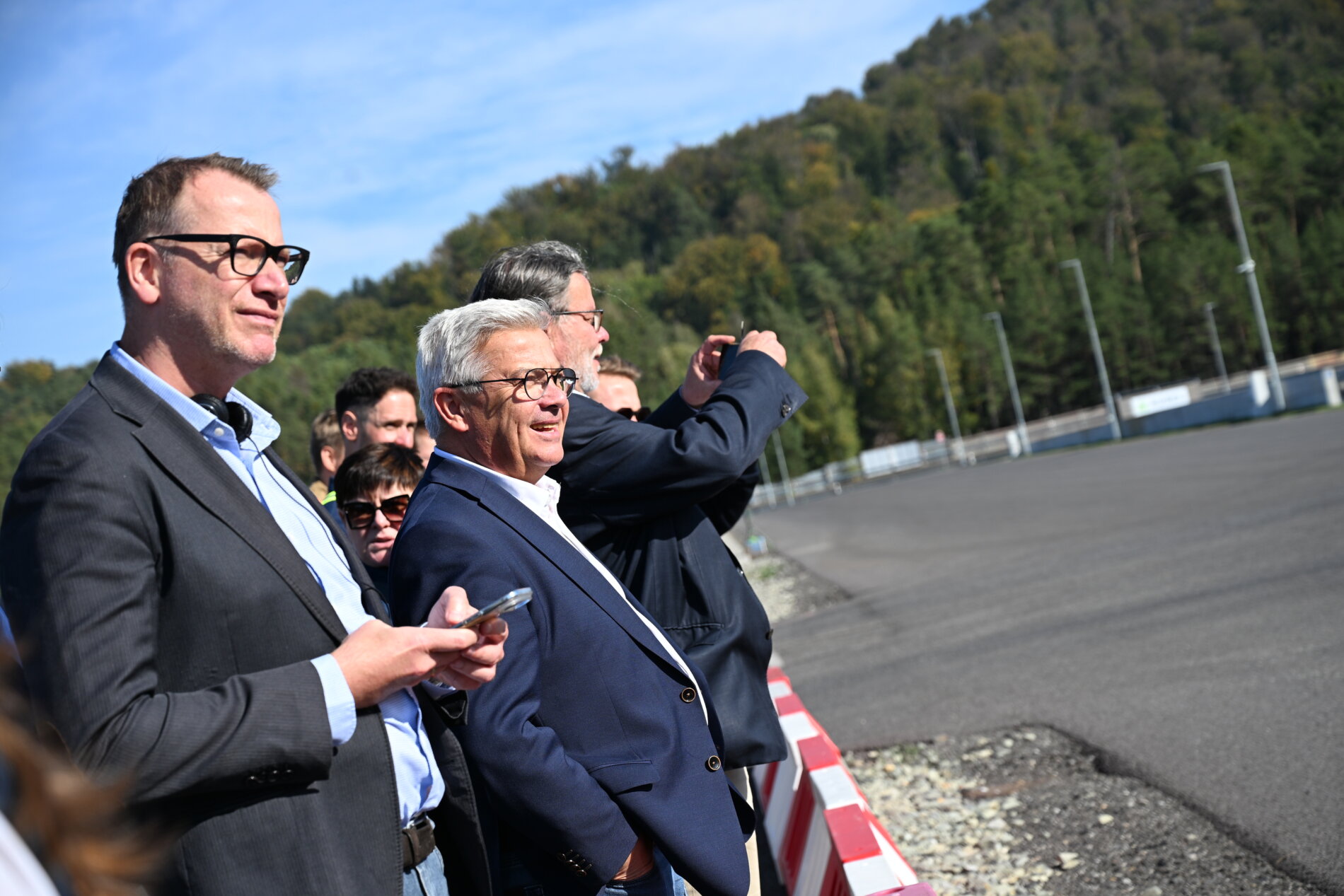
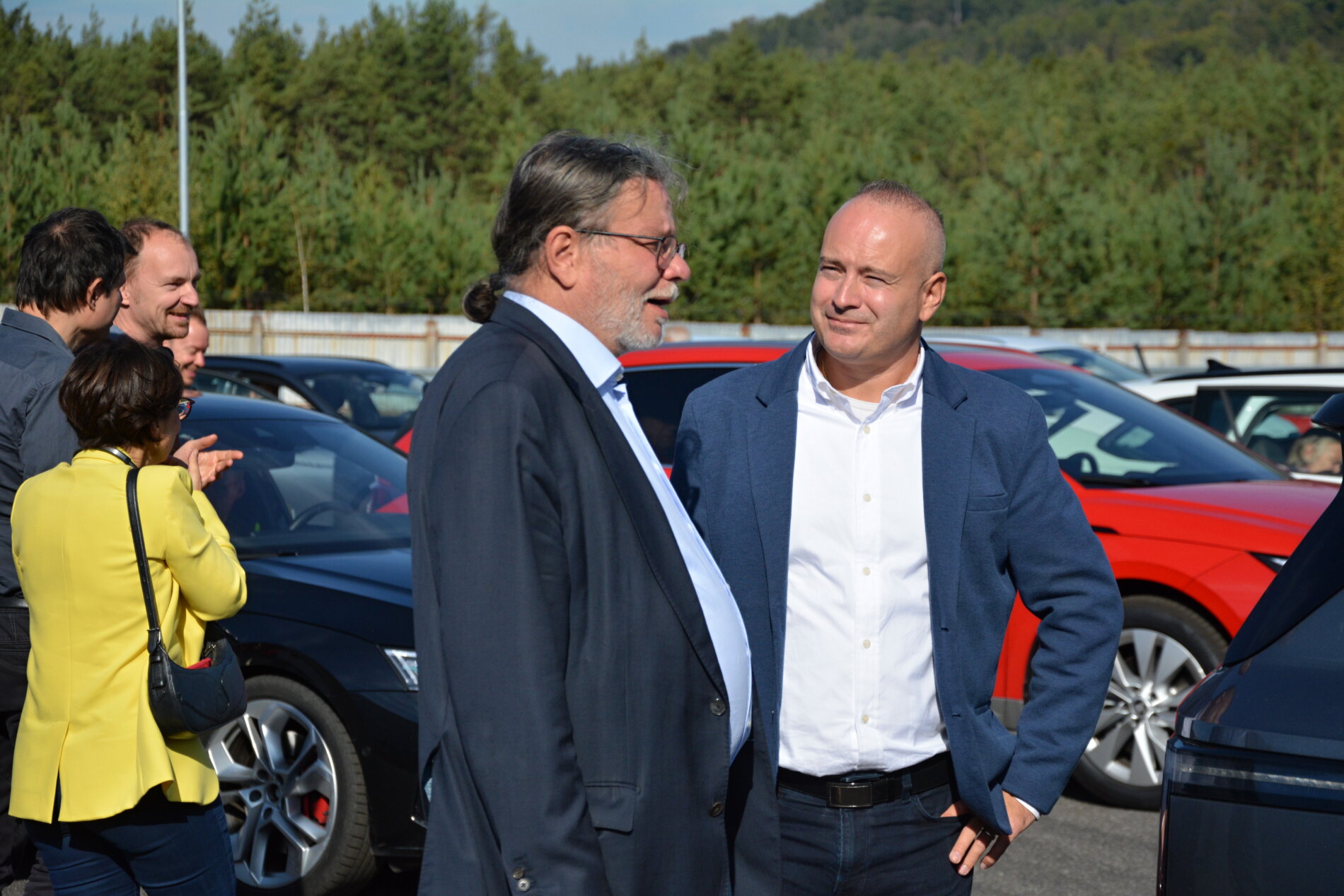
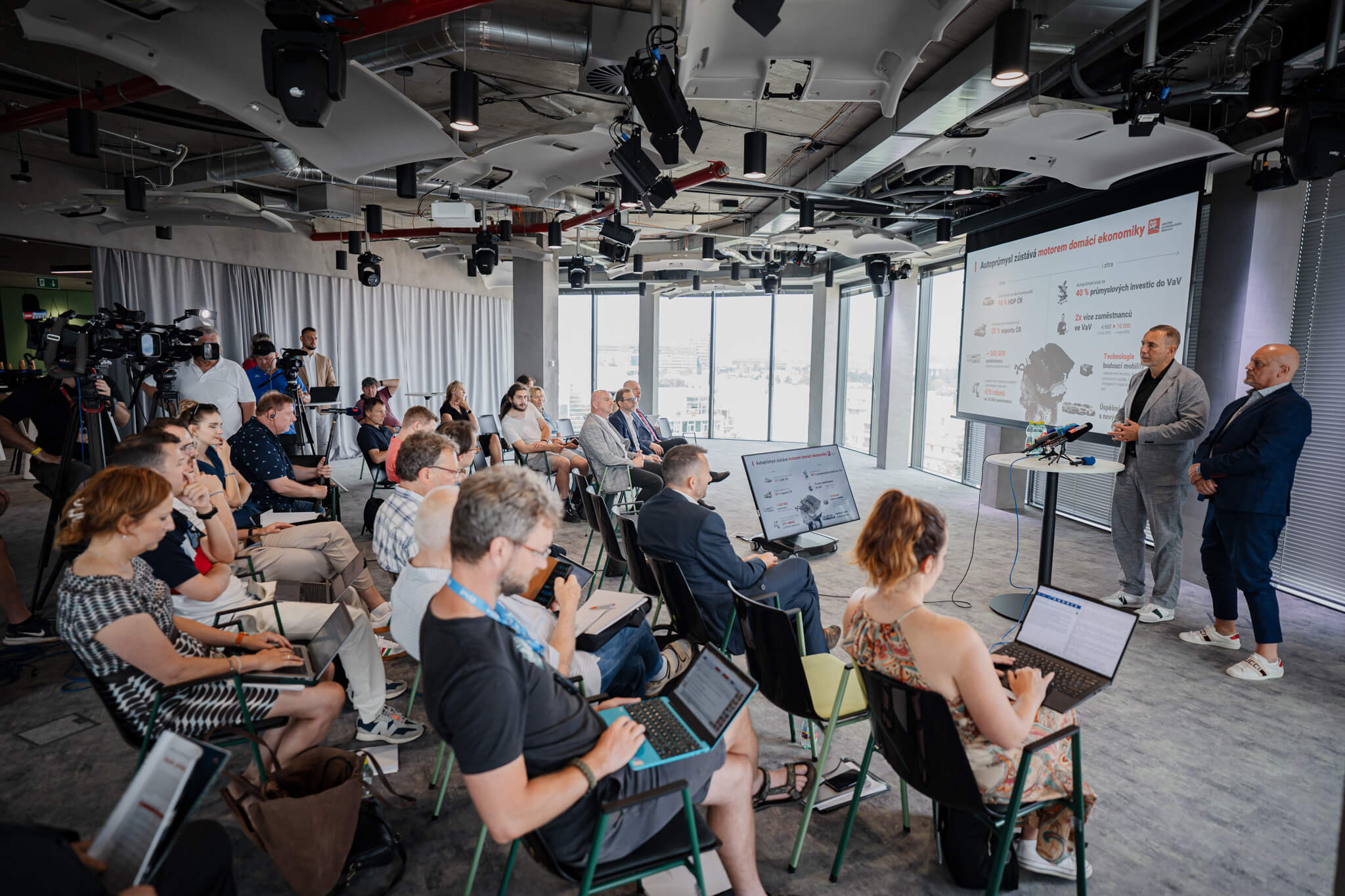
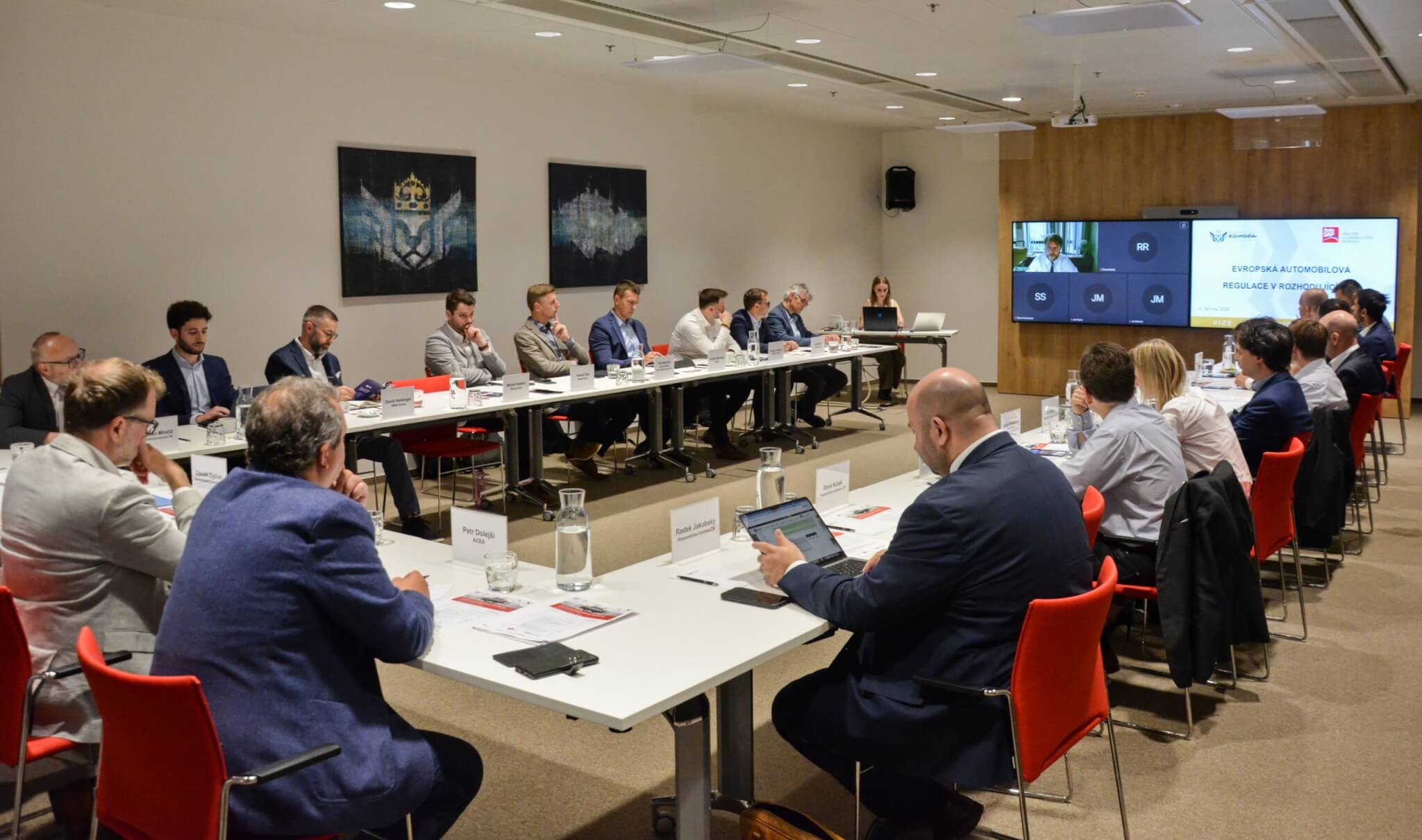
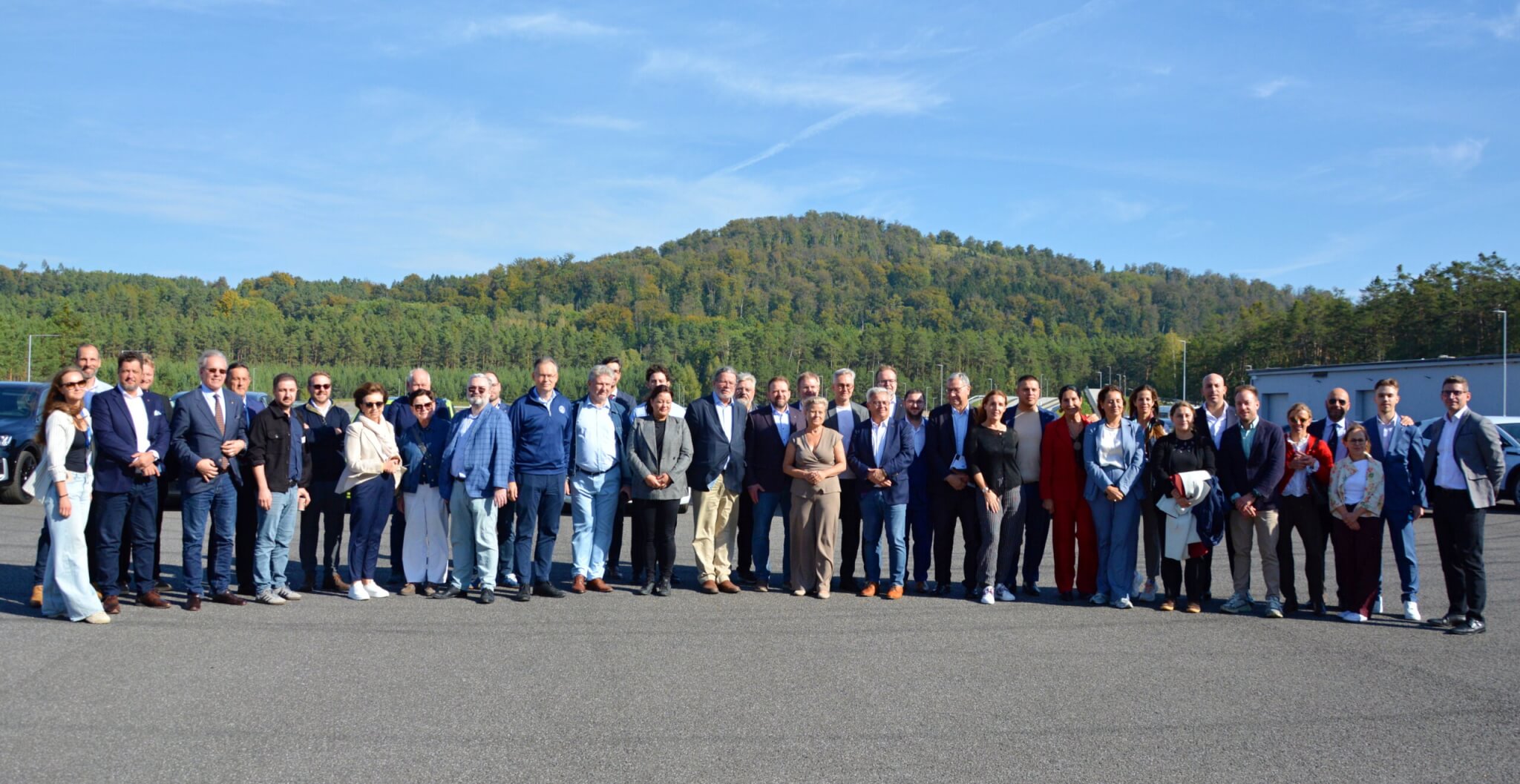
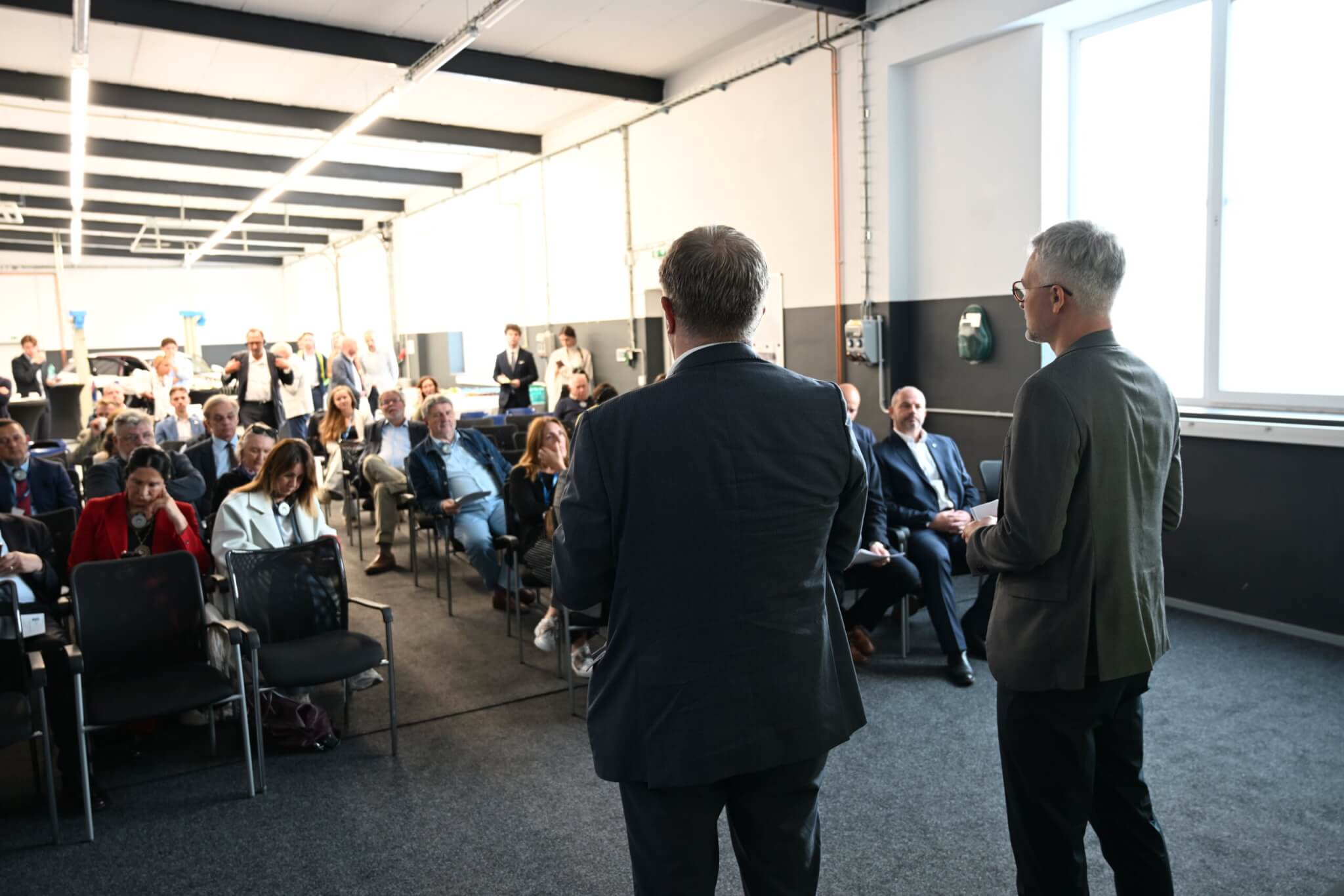
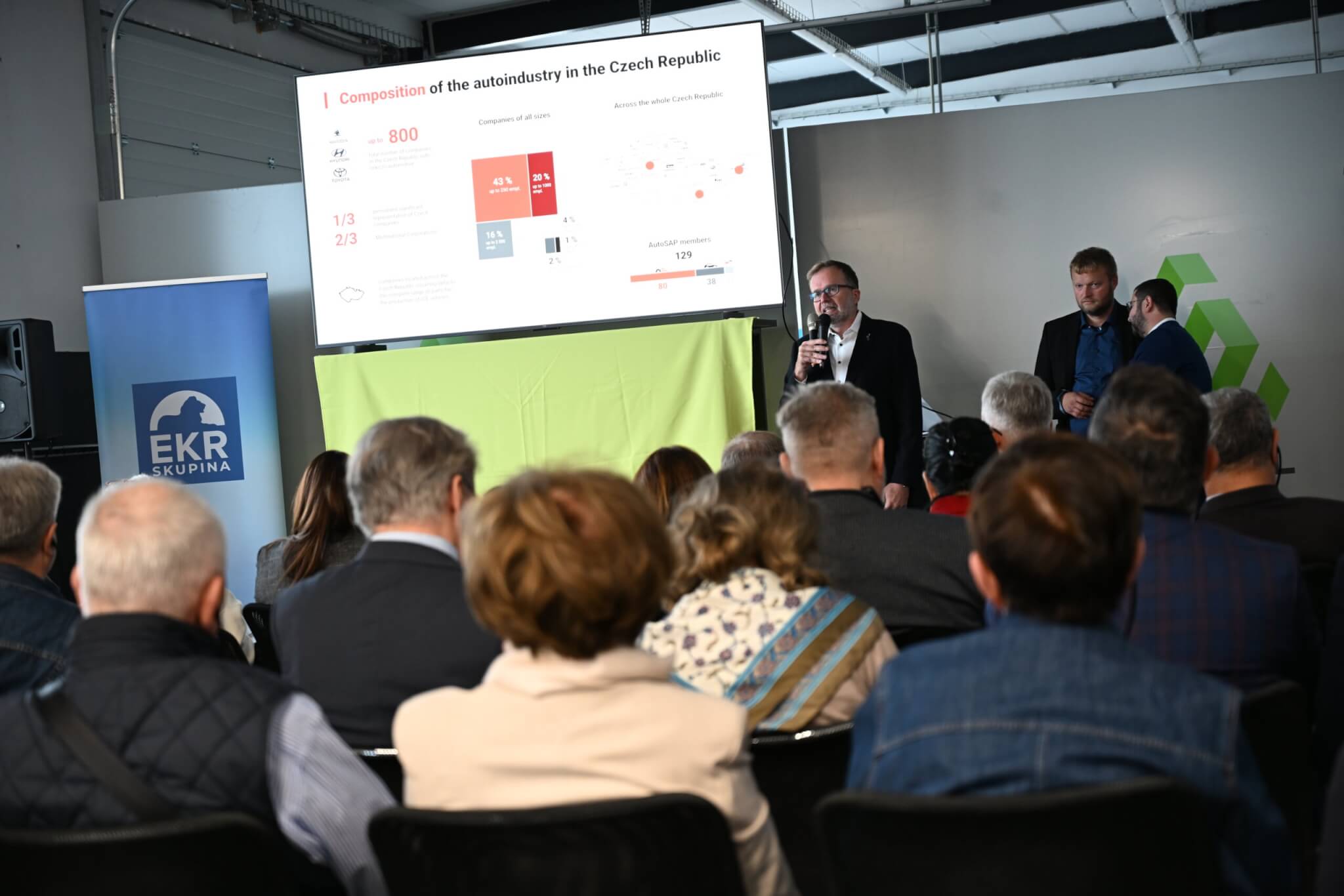
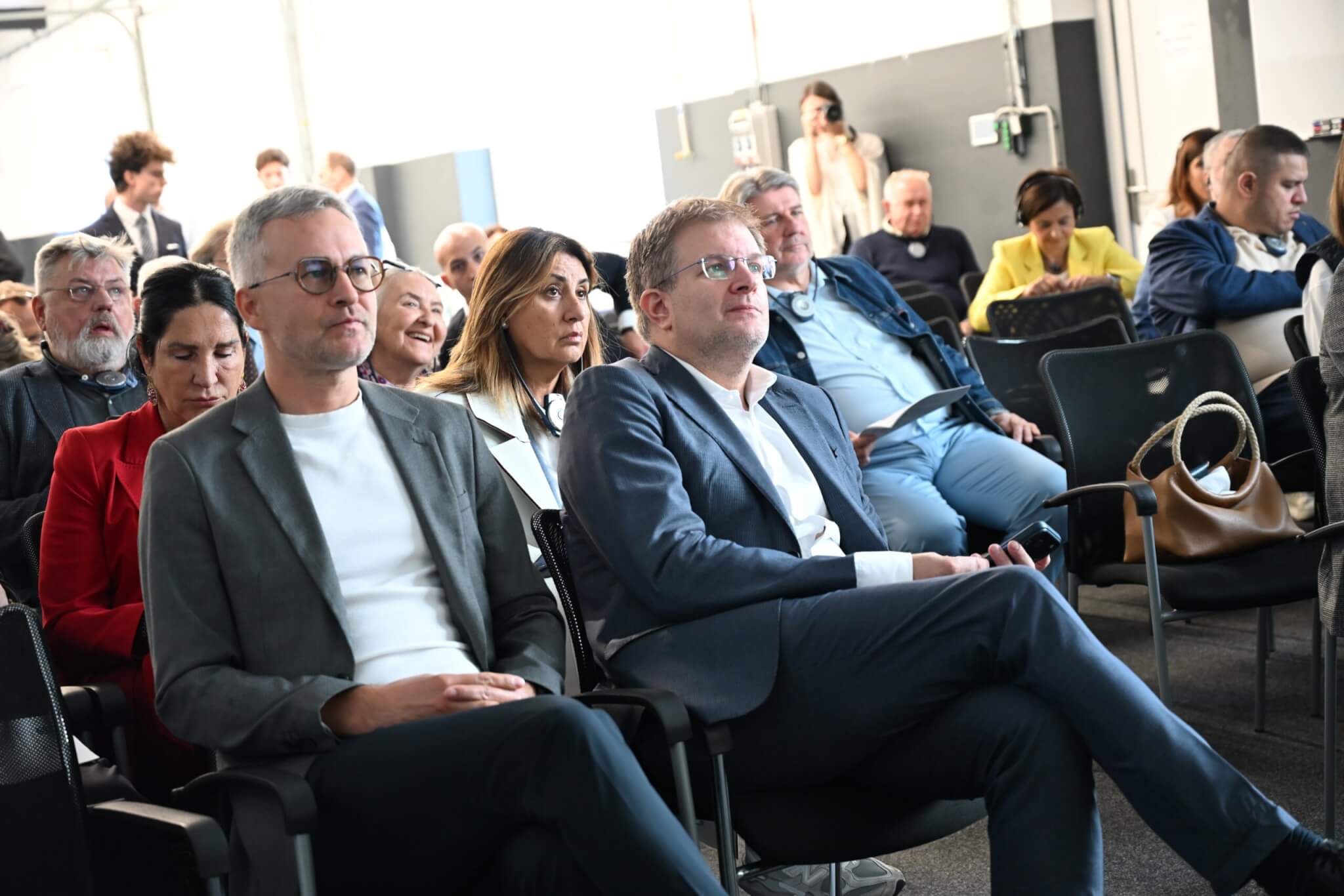
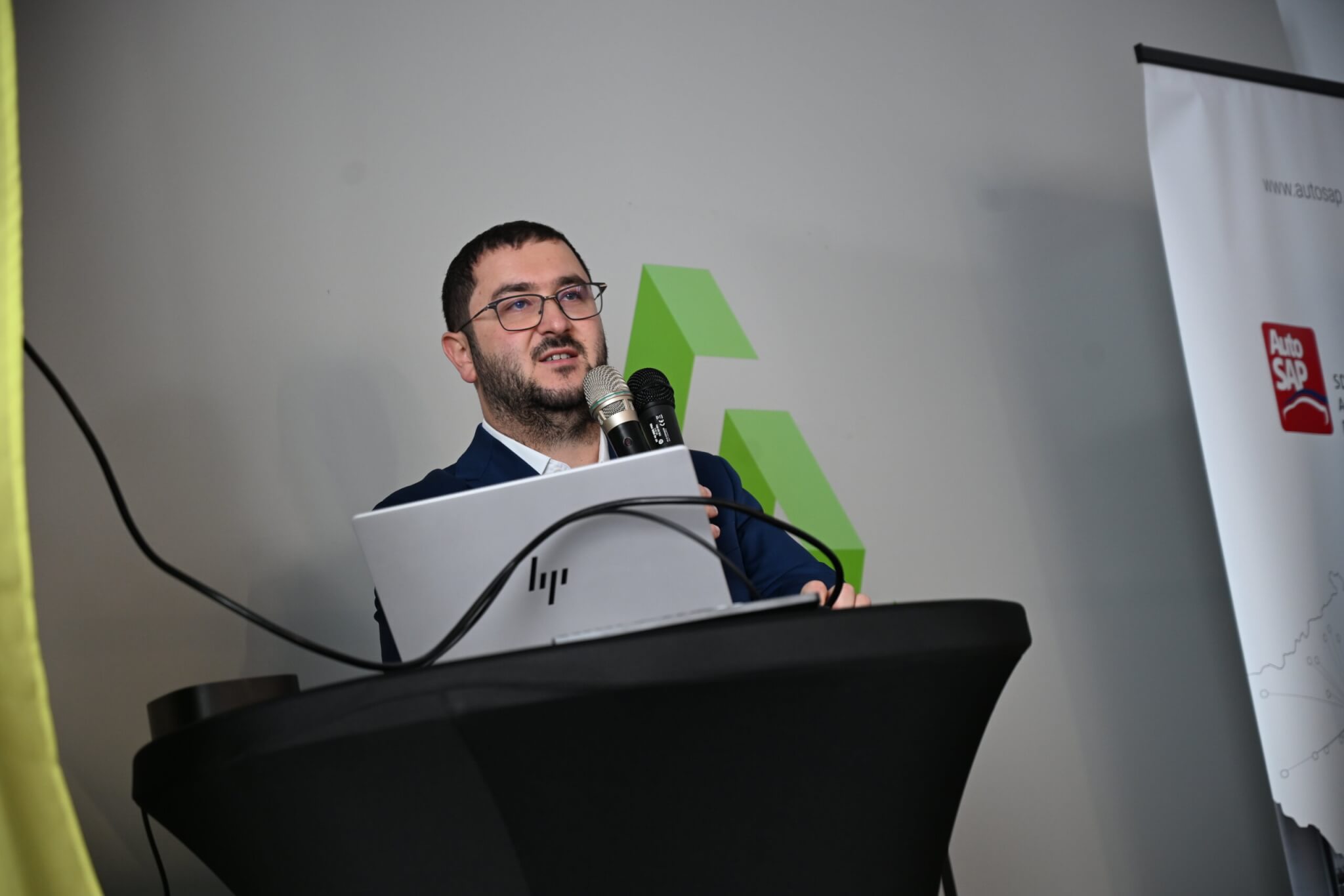
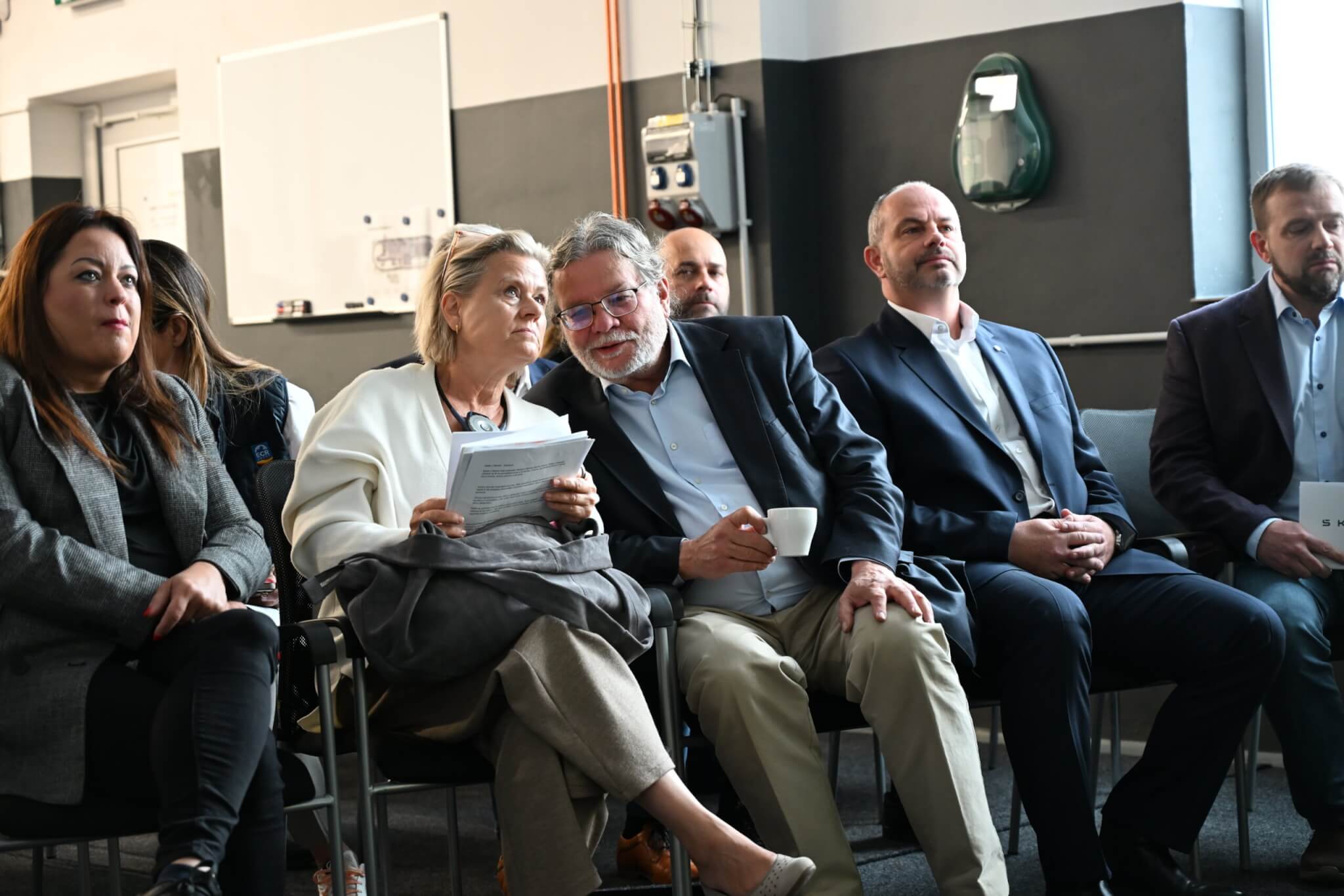
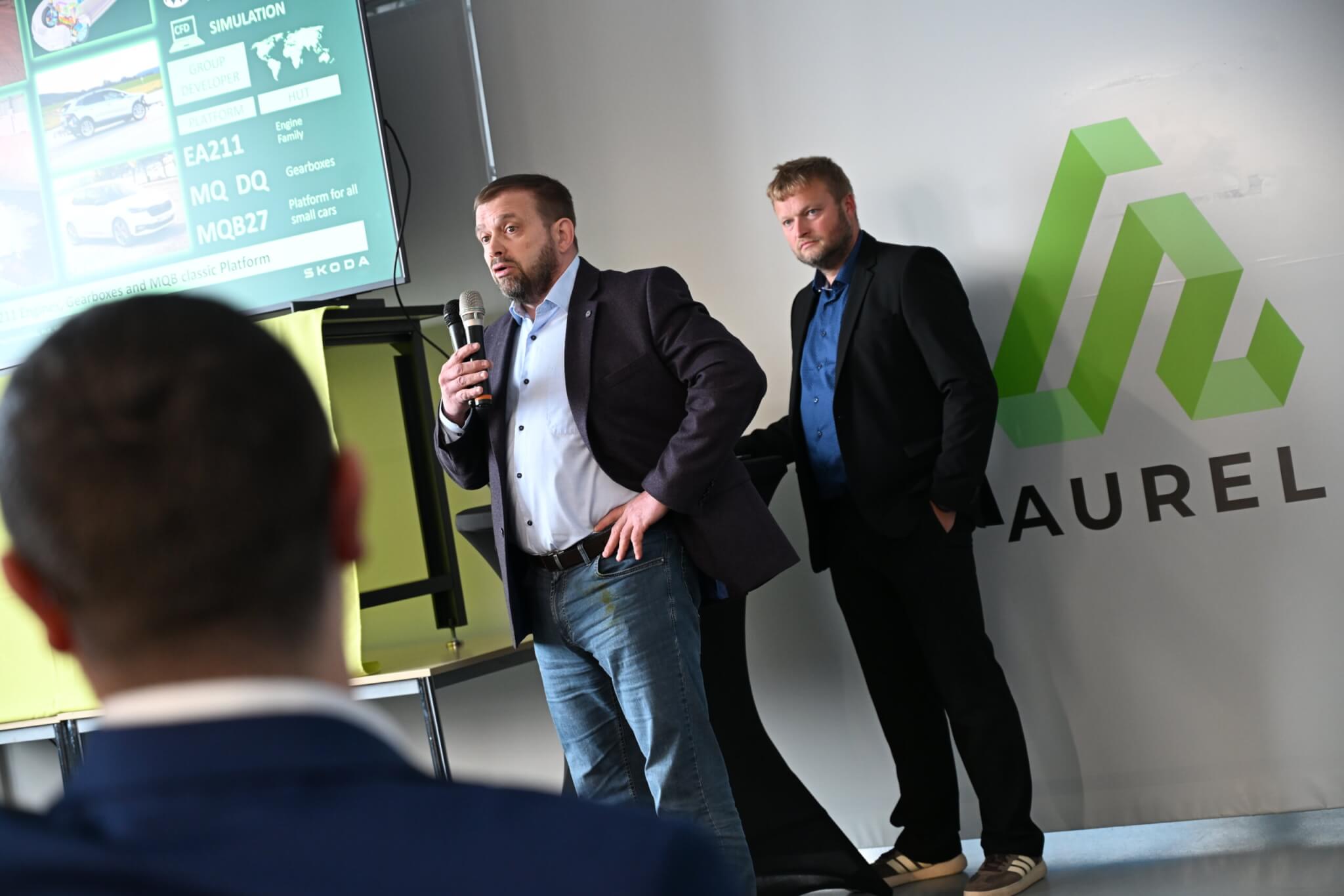
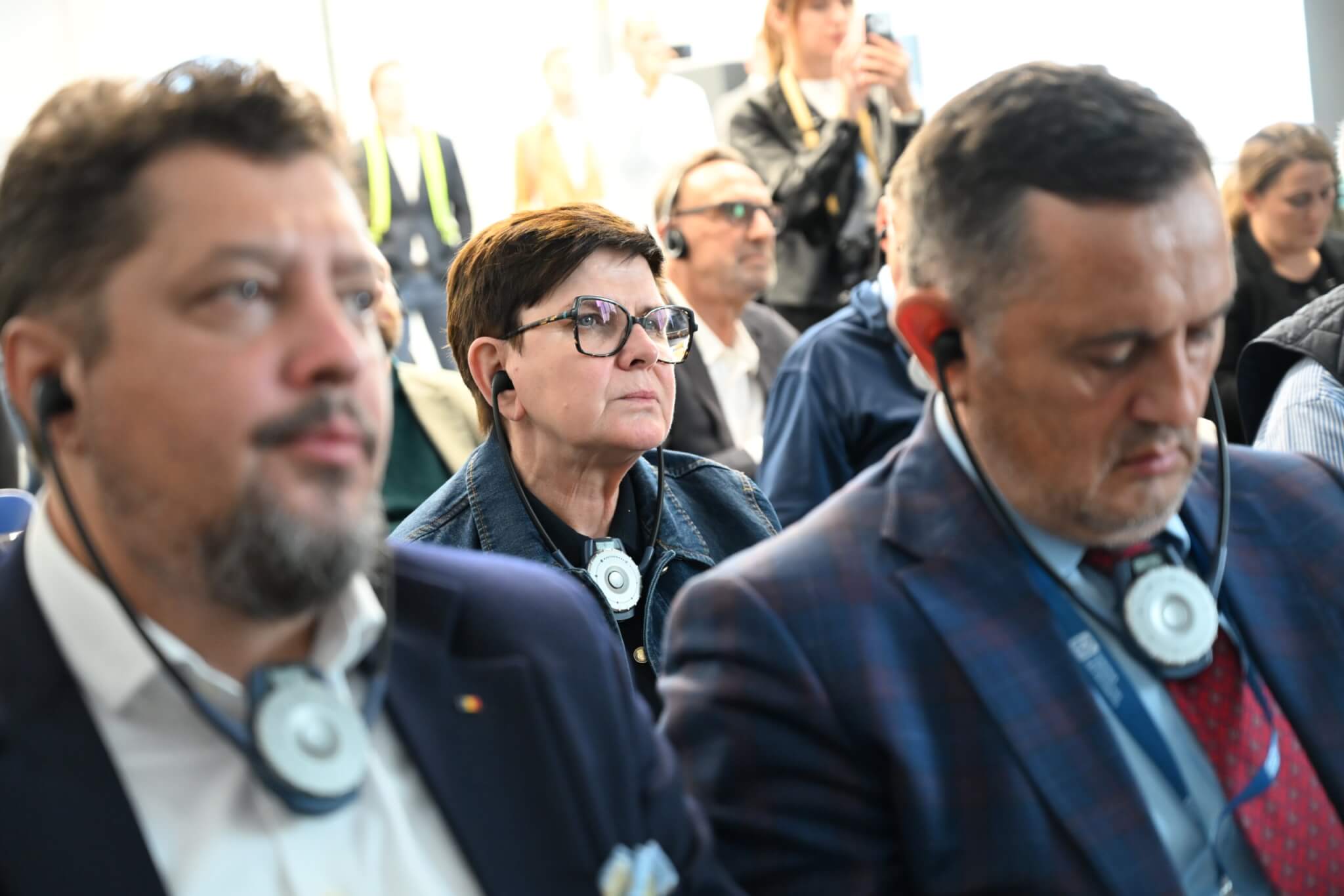
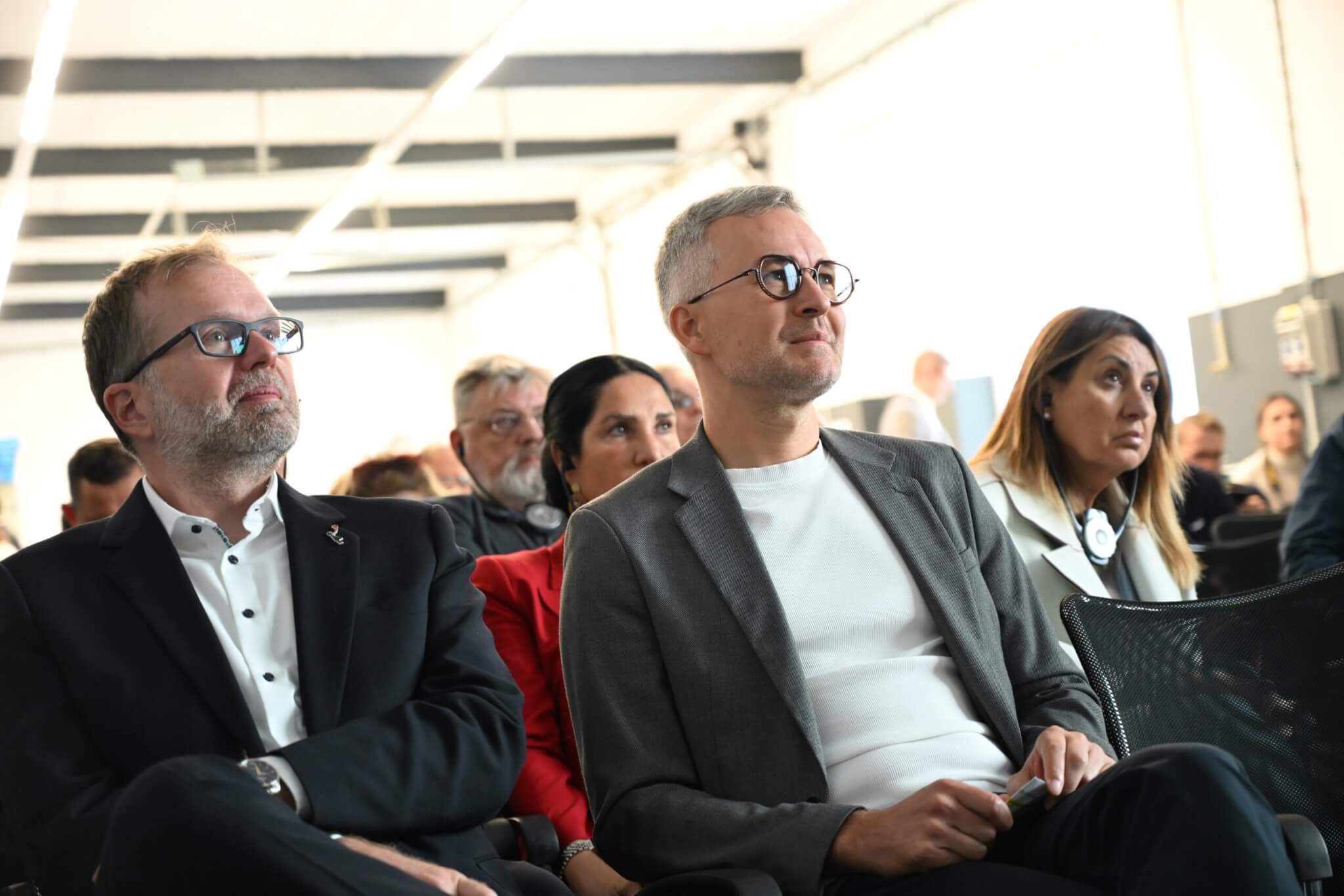
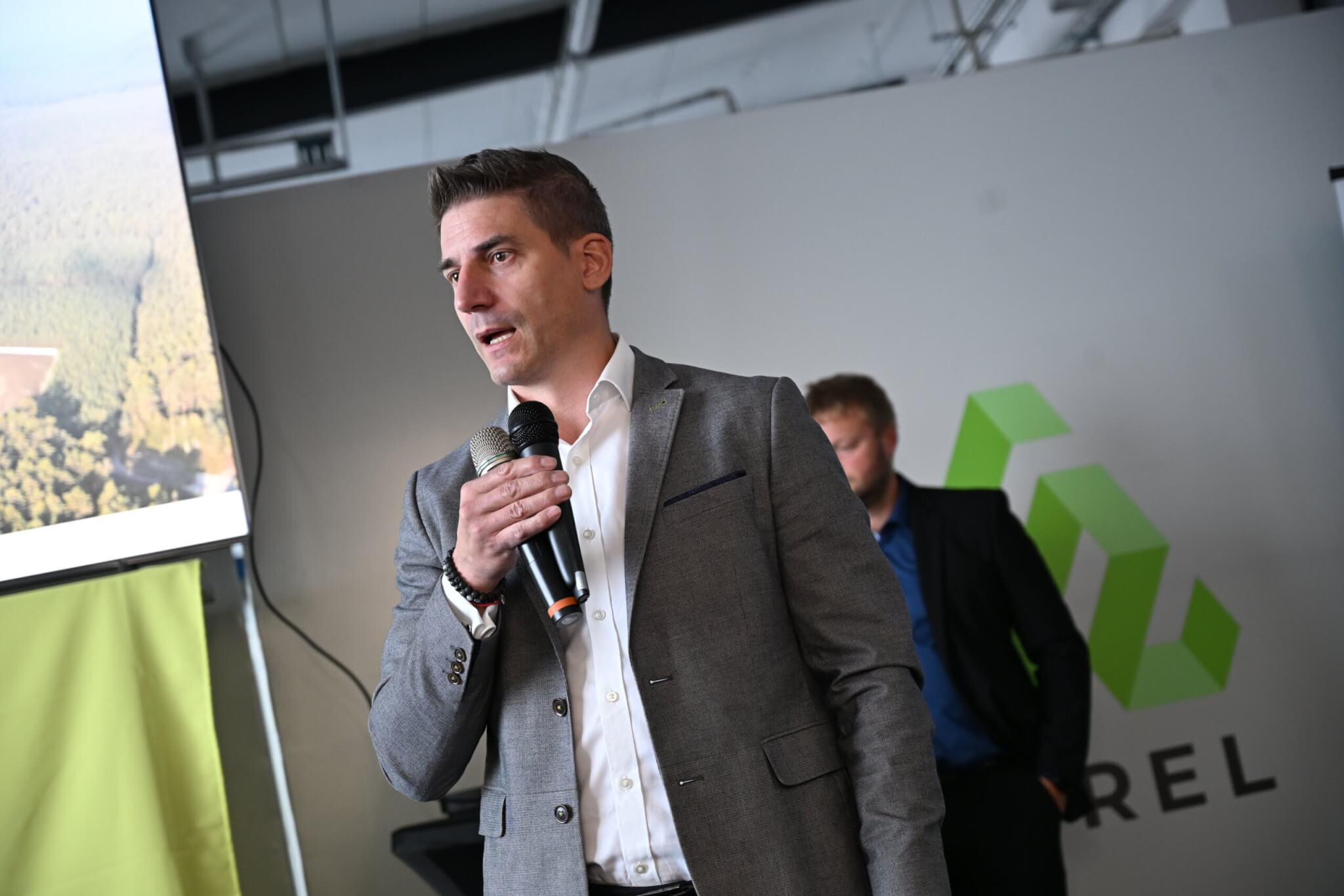
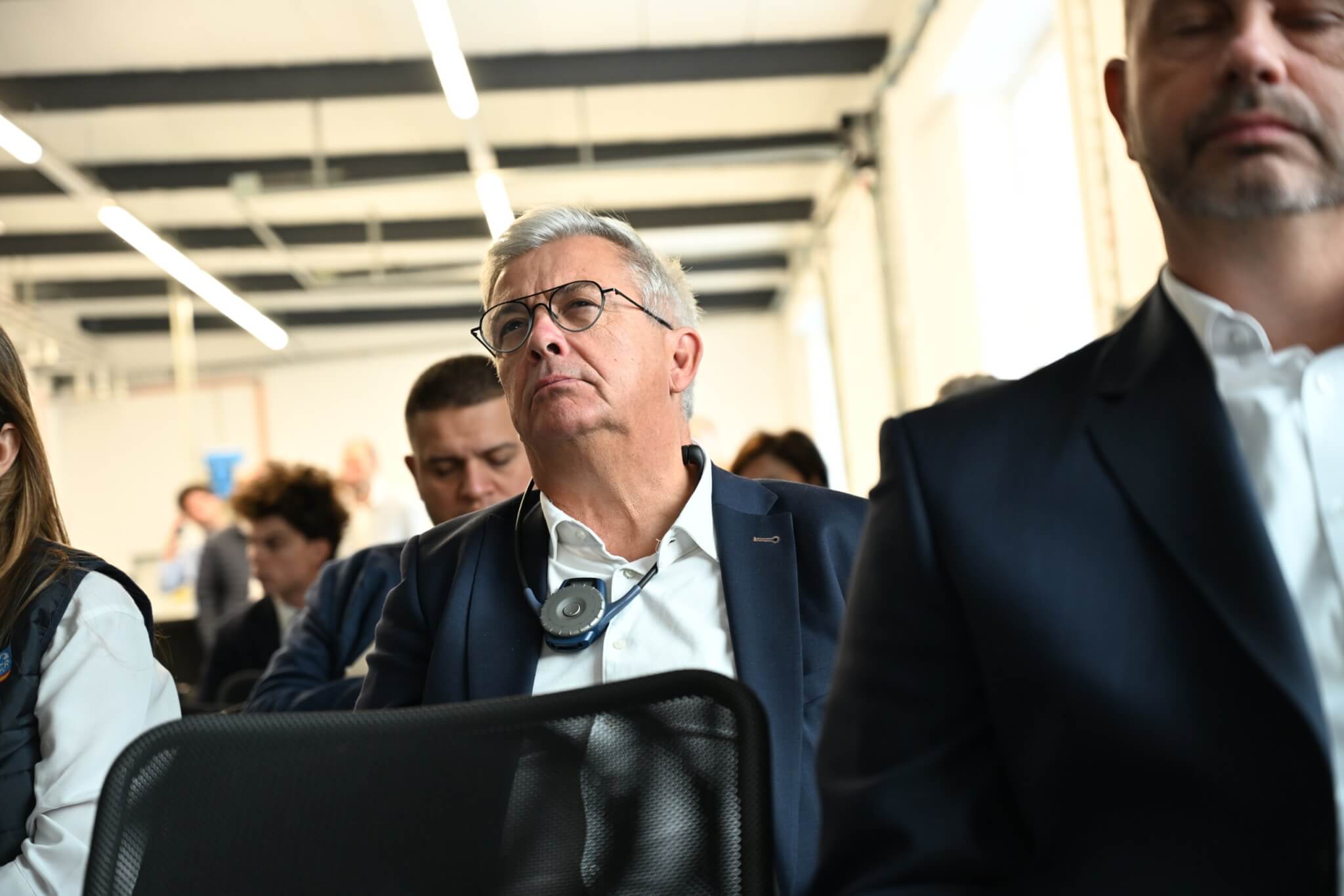
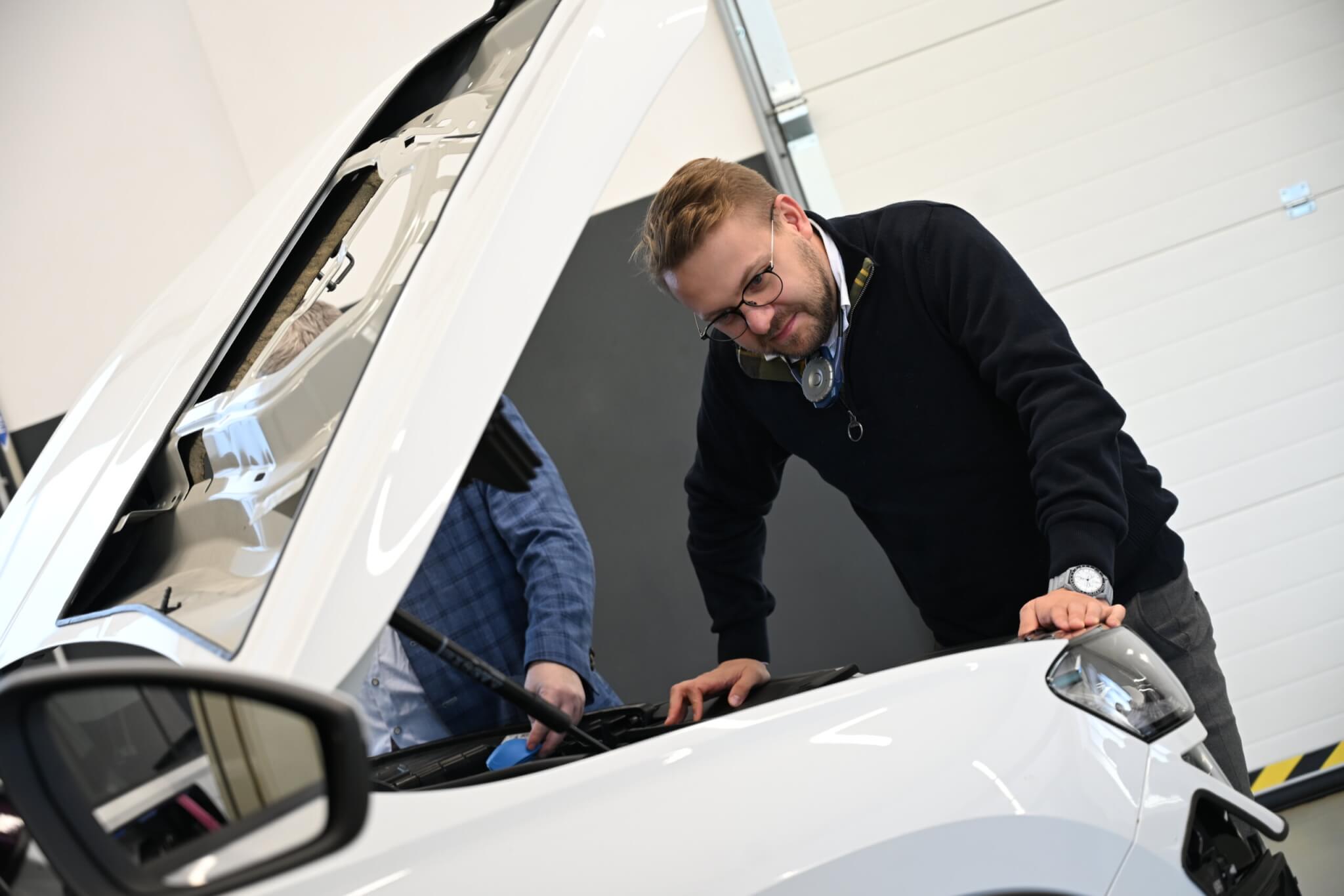
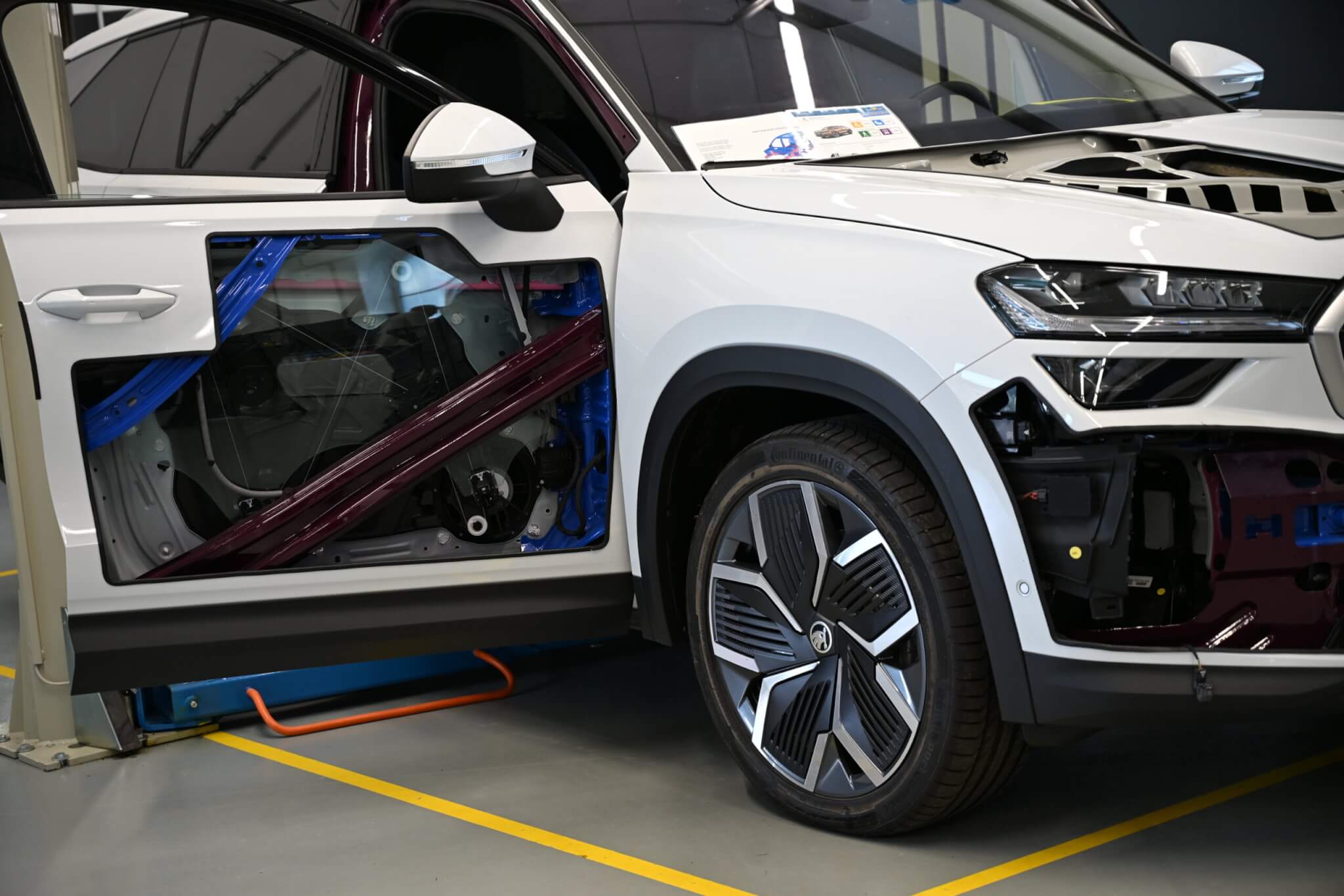
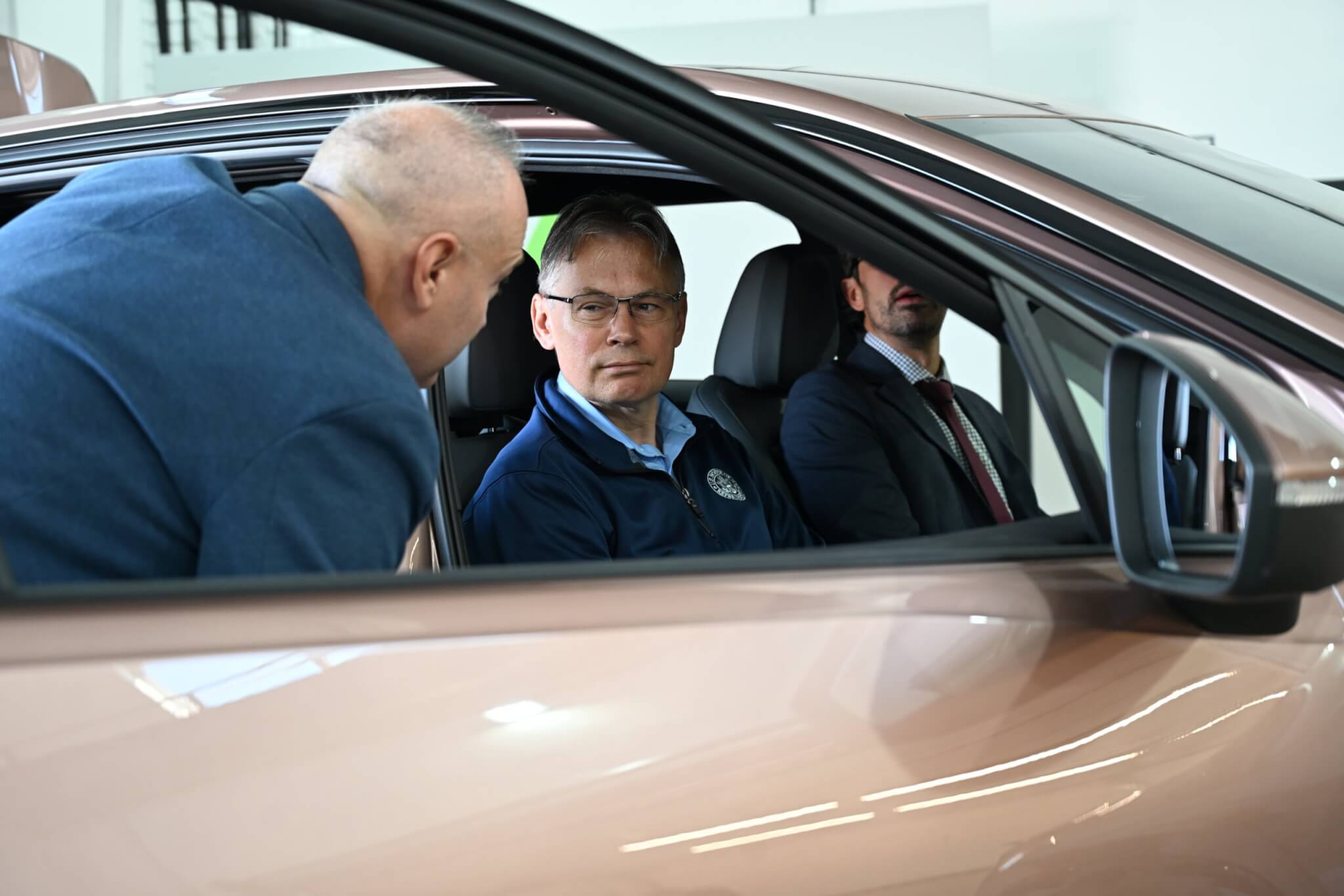
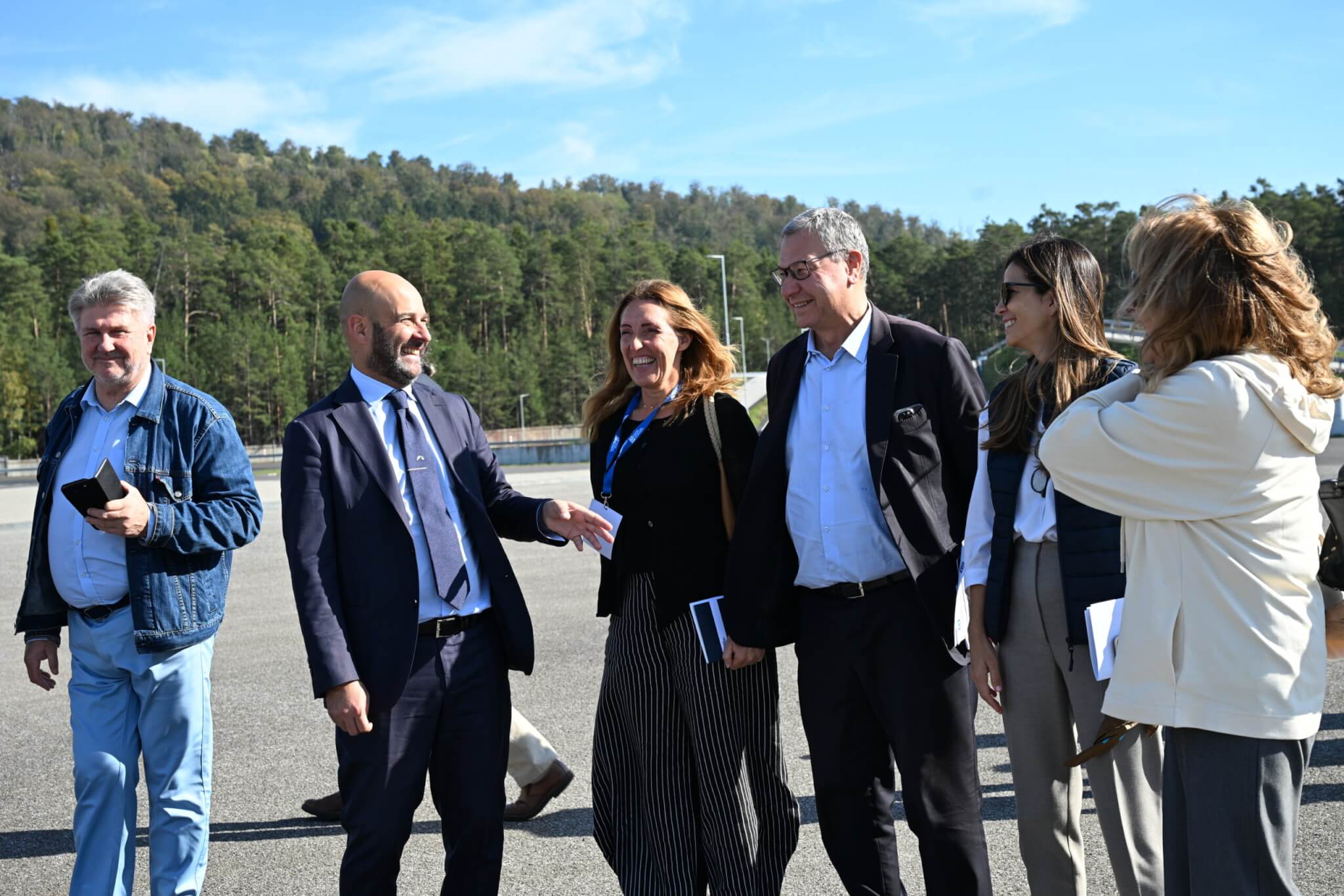
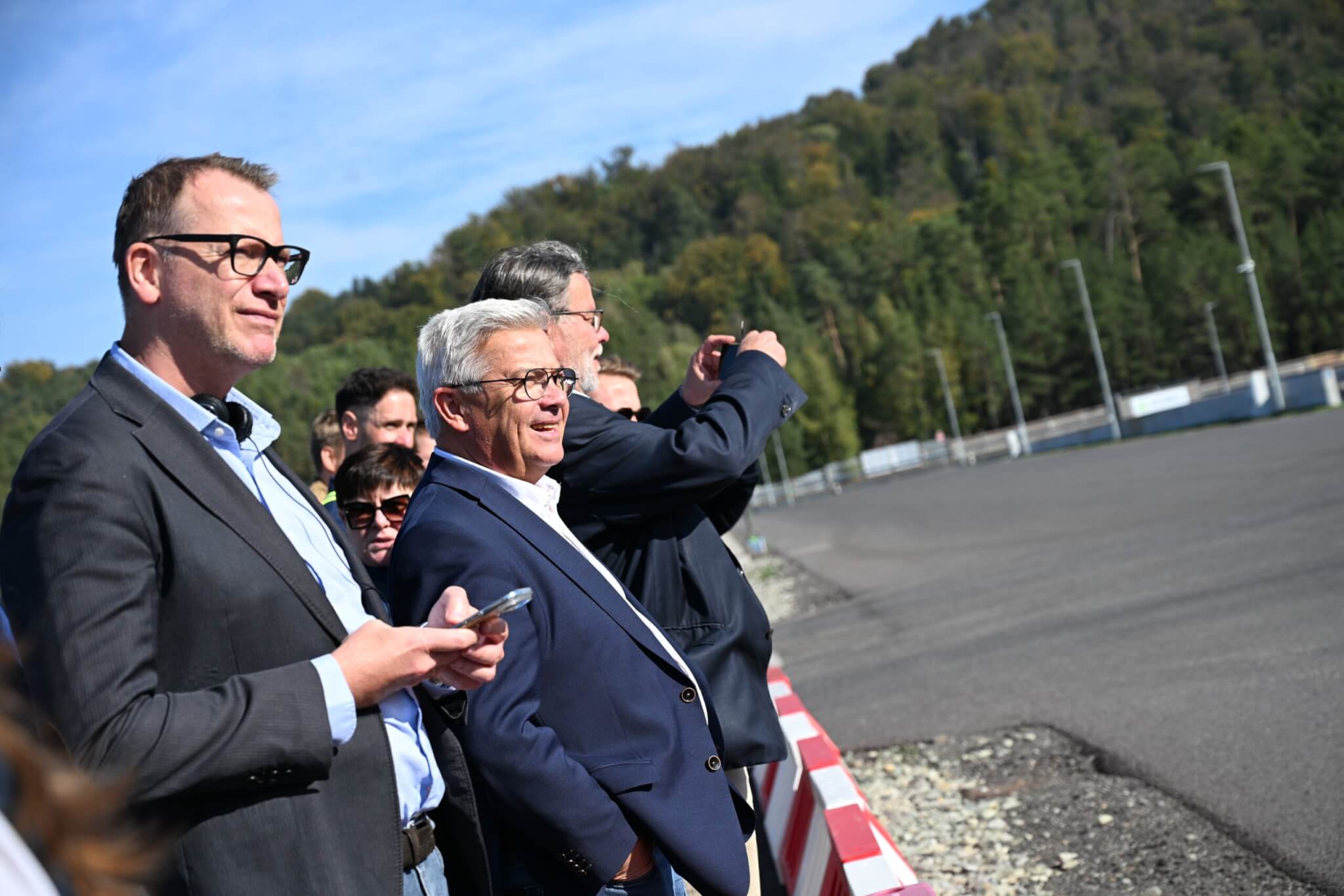
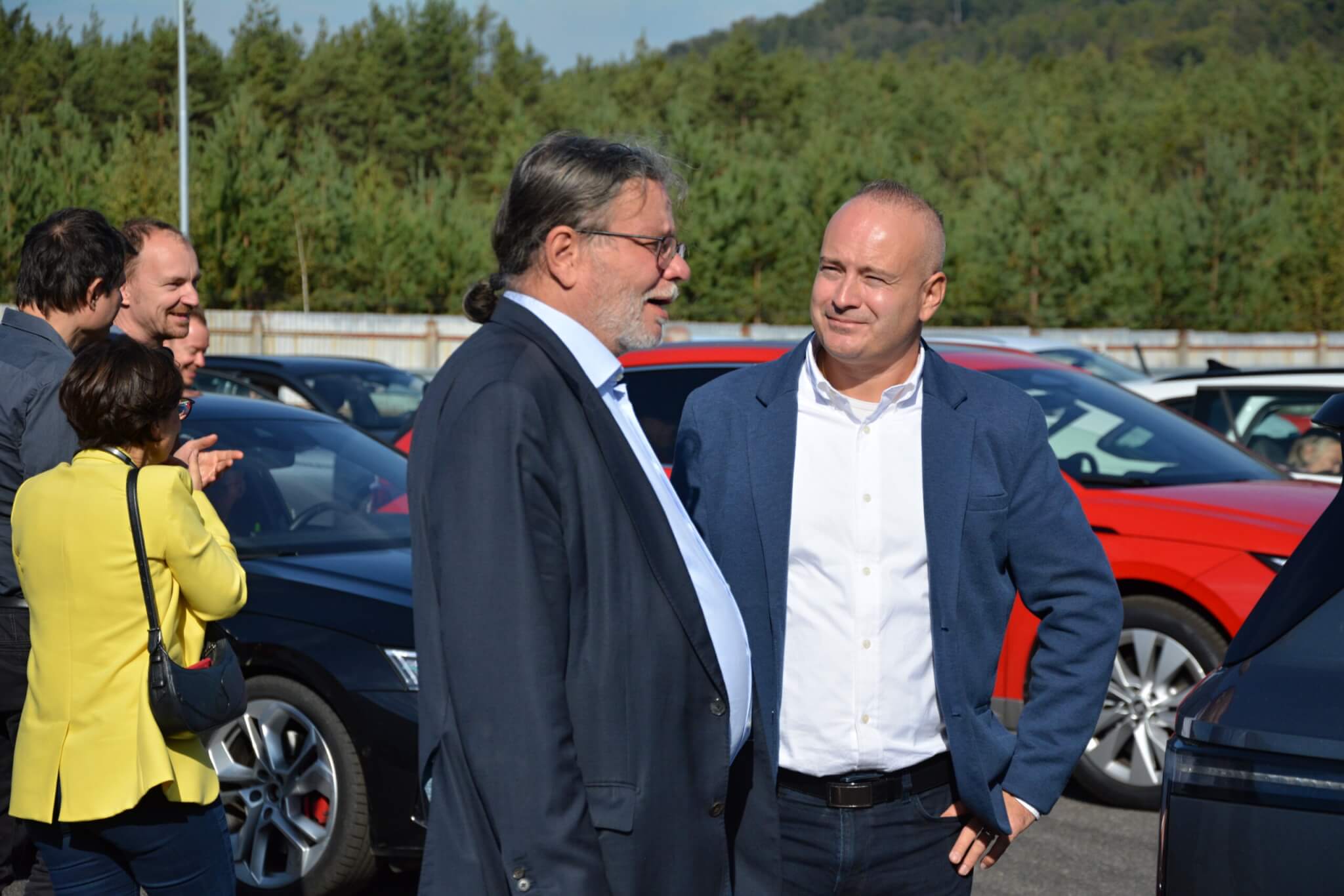
As part of the European Conservatives and Reformists (ECR) Study Days, MEPs from various European countries visited Aurel in the Czech Republic. The program focused on the challenges of the European automotive industry and offered participants the opportunity to learn about vehicle development and testing directly at the company’s test site. The event brought together MEPs, automotive industry representatives and experts in presentations and discussions on regulation, competitiveness, technological development and the future of European vehicle production. The program concluded with dynamic tests at the test site, where participants could experience first-hand some of the conditions and technologies associated with the development and testing of modern cars.
The participants were welcomed by MEP Ondřej Krutílek, who stressed the importance of understanding the practical impacts of policies affecting the automotive industry. “We are not here to complain, but to learn,” he said, highlighting the importance of technological neutrality in shaping the future of mobility.
Italian MEP Carlo Fidanza, who opened the political debate, stressed the need to maintain a strong European automotive industry despite increasing competitive and regulatory pressure. He identified CO₂ emissions regulation, the Industrial Accelerator Act, the Clean Corporate Fleets initiative and other regulatory measures as key issues for the sector. He warned of the risk of further deindustrialisation if Europe does not address the conditions in which its automotive industry operates.
Zdeněk Petzl, Executive Director of the Automotive Industry Association, pointed to the wider economic importance of the automotive industry not only in the Czech Republic but also in Europe, including its multiplier effect in the areas of research and development, manufacturing and other industries. He also drew attention to the increasing competition from China and the importance of strengthening Europe’s own industrial ecosystems.
“Europe must thoroughly assess the barriers we have created for ourselves through regulation and ensure that they do not weaken our competitiveness,” said Petzl. In this context, he also mentioned the challenges facing European vehicle exports under the EU-UK Trade and Cooperation Agreement. He stressed that European policy should not create further disadvantages for an industry that already faces strong global competition.
Petzl also highlighted the importance of the CEE AutoHUB project, which strengthens the voice of Central and Eastern Europe in the development of European policy for the automotive industry. Participants received a one-page overview of key industry priorities, including CO₂ emission limits for cars and vans, the Industrial Accelerator Act, the EU-UK Trade and Cooperation Agreement and the simplification Automotive Omnibus package.
From regulation to testing ground
Vojtěch Šimák, co-owner of Aurel, introduced the company as an innovation and development partner for the automotive industry, helping customers with product development, component testing and advanced technologies, including driver assistance systems (ADAS).
He explained that development in the automotive industry requires significant long-term capital investments and is characterized by long development cycles. Changes in the regulatory environment can therefore have a direct impact on competitiveness: when requirements change rapidly, companies may need to invest further in technology, processes and infrastructure.
“Each component and each development program represents already invested capital. If external conditions change rapidly, this capital does not just disappear, but companies may be forced to reinvest in order to adapt,” explained Šimák.
The presentations also highlighted the role of modern test fields in vehicle development. Zdeněk Svoboda, head of the Aurel test field, presented the possibilities of the area, including prototype testing, autonomous vehicle development and virtual testing.
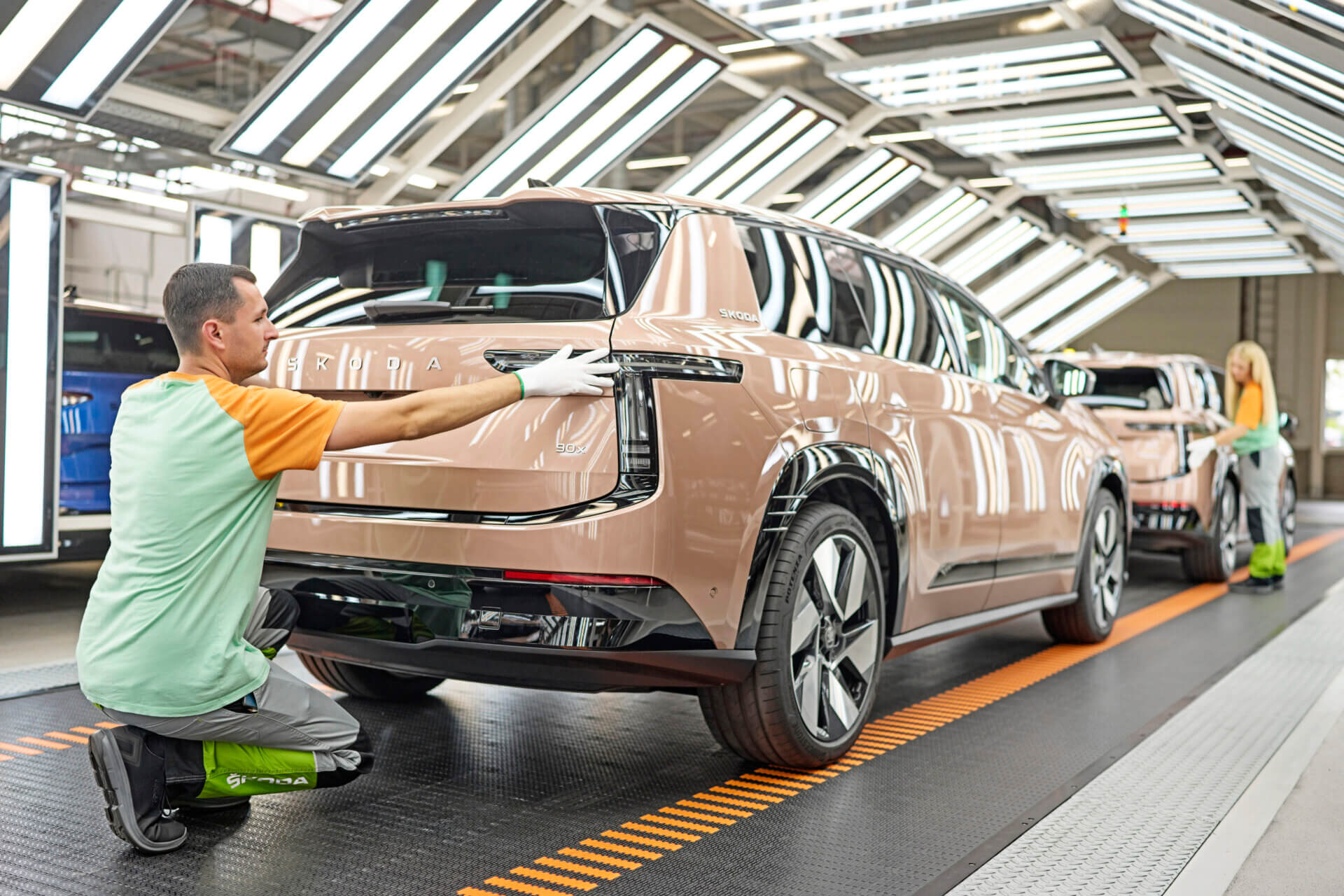
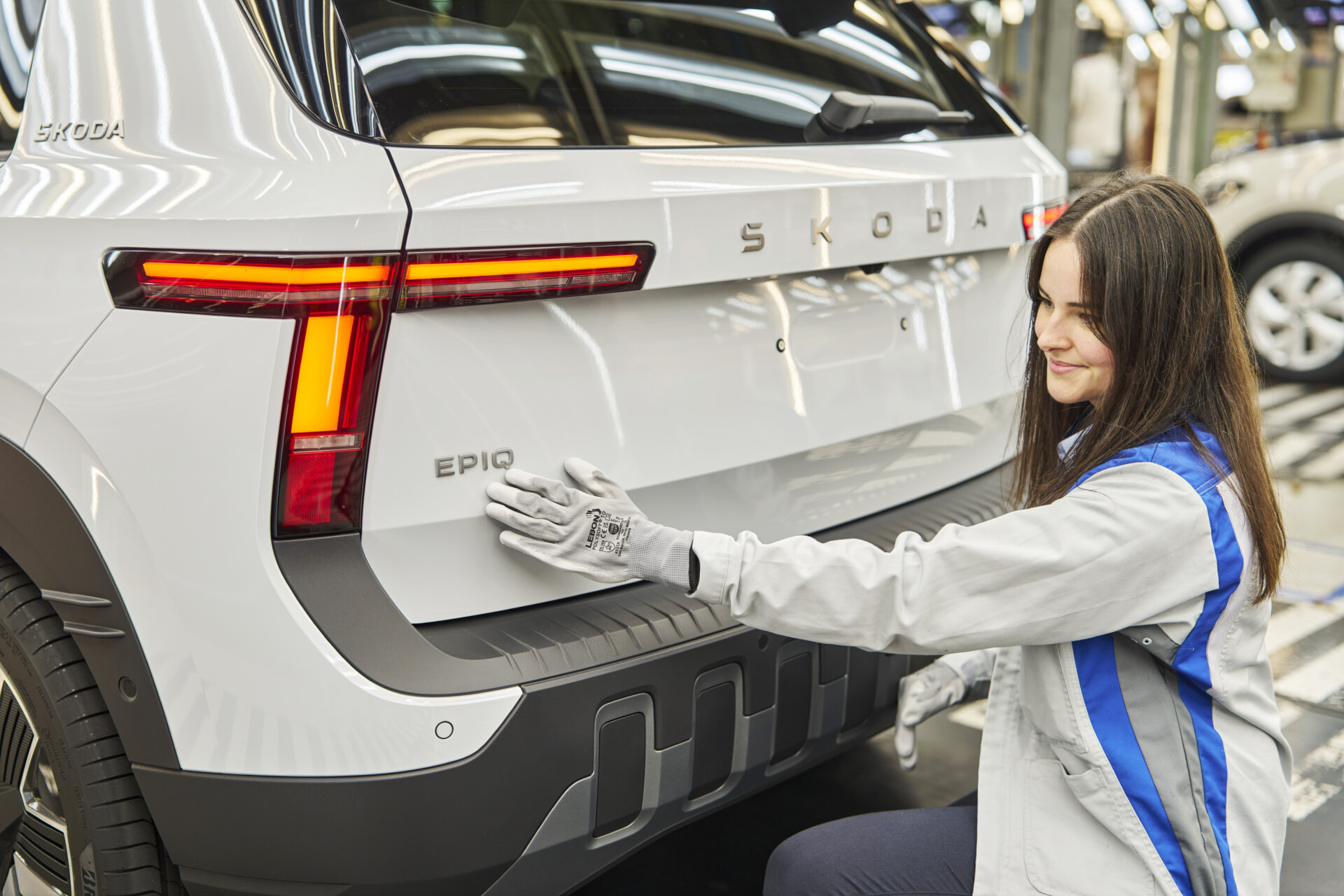
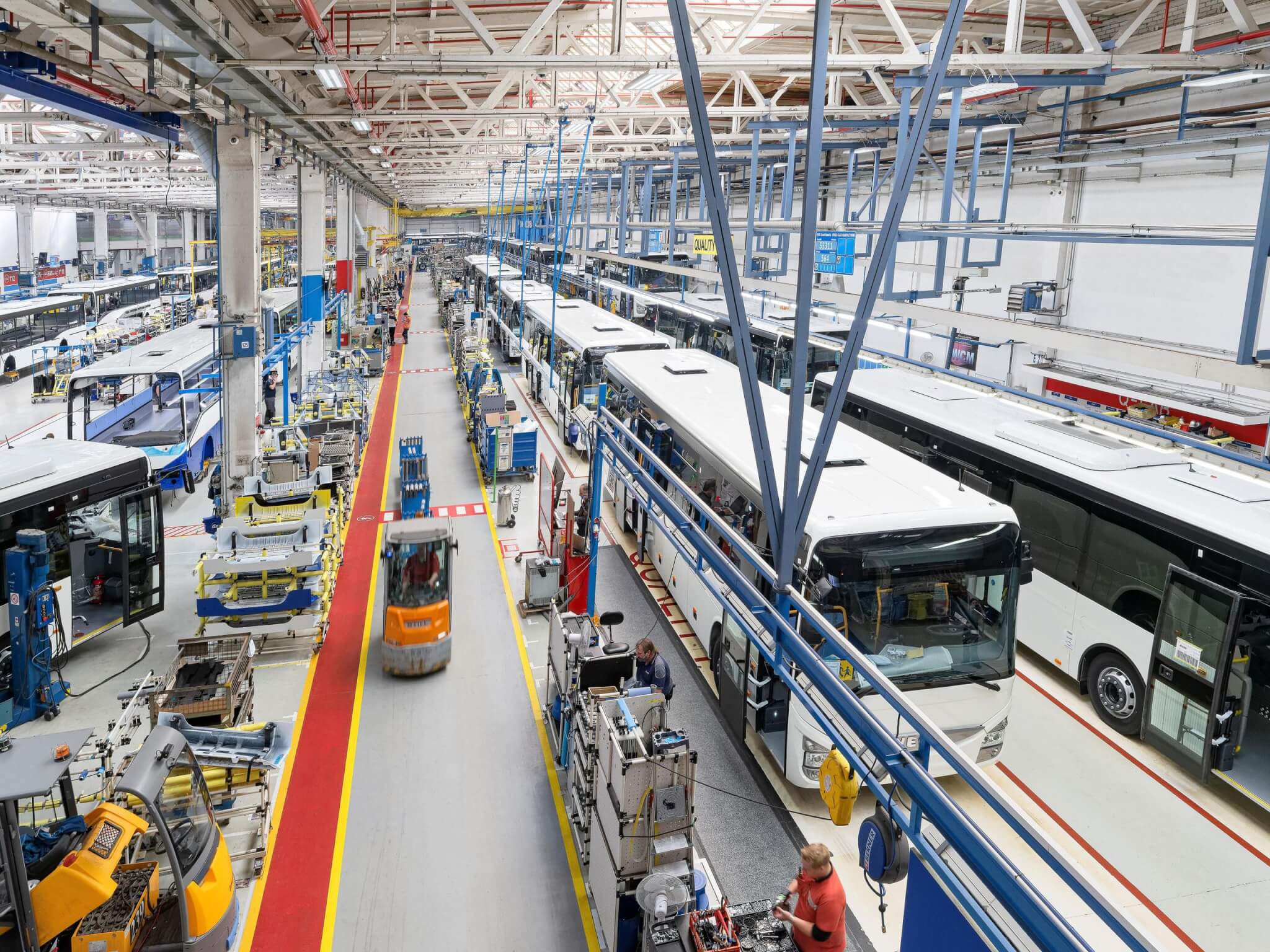
View of the Škoda Auto car factory
The program also included contributions from representatives of Škoda Auto. Michal Kadera, Director of External Relations, stressed the importance of policymakers having a good understanding of the real conditions in the industry that their regulatory decisions affect.
“As MEPs, you have a demanding job because you have to make difficult decisions. But you need more detailed information to know on what basis you are making these decisions,” said Kadera, thanking the participants for taking the opportunity to see vehicle development and testing in practice.
Martin Hrdlička, Head of Chassis and Powertrain Development at Škoda Auto, then presented the technical and regulatory challenges associated with vehicle development. Topics discussed included emission regulations, fleet CO₂ targets, supply chain instability, rising energy prices, geopolitical tensions, customs measures, the entry of new competitors into the market and the broader transformation of the automotive industry.
Hrdlička illustrated the growing complexity of European emissions legislation with a telling comparison: from approximately 20 pages for Euro 0 in 1970 and 180 pages for Euro 4 in 2005, through 6,800 pages for Euro 6, to more than 7,000 pages and counting for Euro 7. The message was clear: if Europe is to achieve its environmental objectives, it must underpin its ambitions with realistic and achievable targets and rules that give the industry the certainty it needs to invest.
Alongside Euro 7, the discussion also addressed fleet-wide CO₂ emissions regulation and the approach to plug-in hybrid vehicles. Hrdlička emphasised the importance of retaining the utility factor, which is essential to assessing plug-in hybrids in a way that reflects their real-world use. Participants also discussed the differing pace of electrification across global markets and the current level of battery electric vehicle (BEV) adoption in Central and Eastern Europe.
Vehicle safety and the role of regulation
Petr Kraus, Head of Vehicle Safety Development at Škoda Auto, focused on vehicle safety and the interaction between European safety regulations and those of the United Nations Economic Commission for Europe (UNECE).
He explained that vehicle safety regulation has historically created an important framework for increasing safety while leaving room for designers to develop technical solutions. At the same time, he outlined the possible consequences of overly strict requirements, including worsening vehicle affordability, slowing down development and potential impacts on the competitiveness of European manufacturers. A properly set vehicle safety framework that leaves room for innovation and does not regulate the industry contributes to the fact that European vehicles already meet the highest safety standards today, which go beyond the requirements of European legislation.
From the lecture hall to the test track
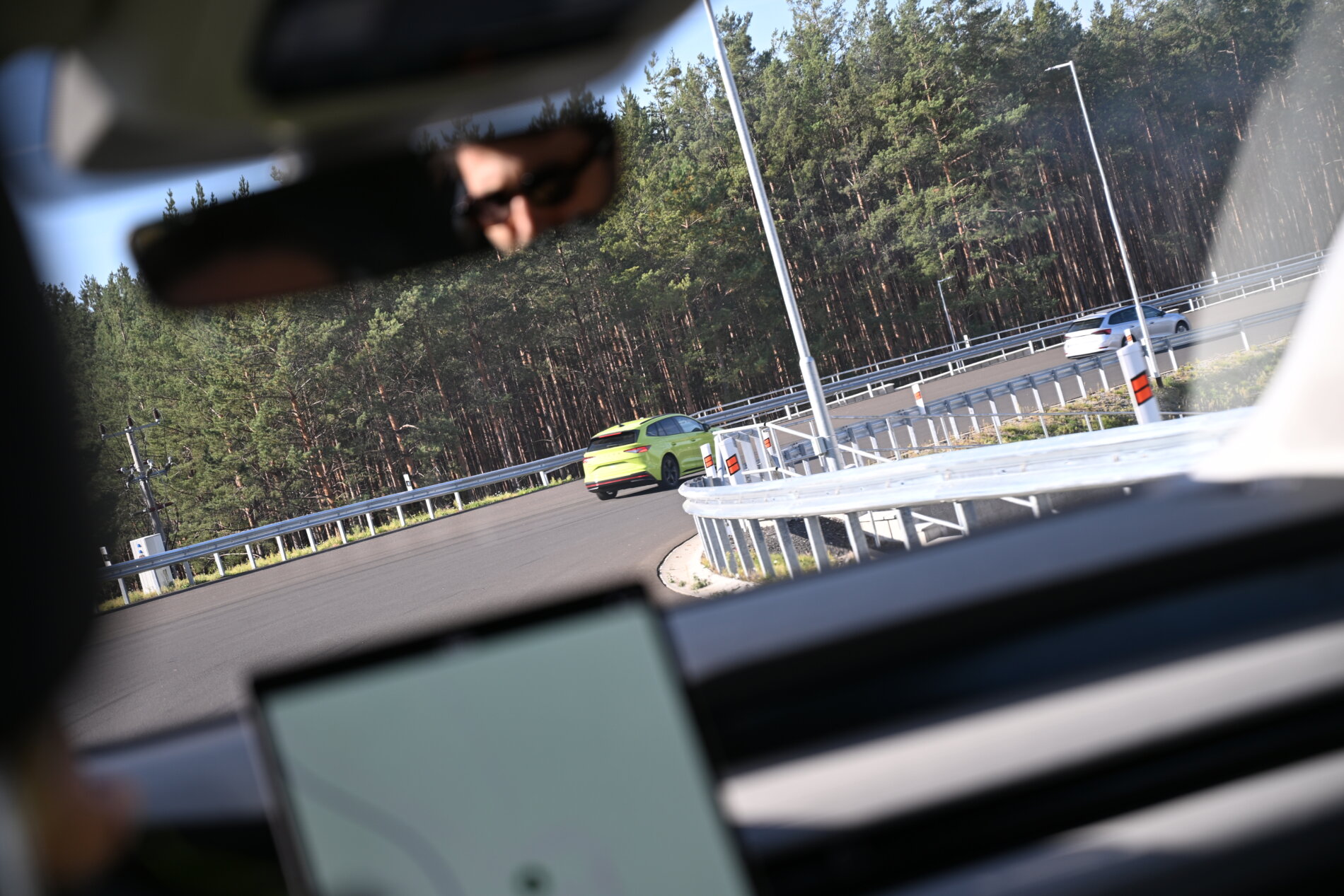
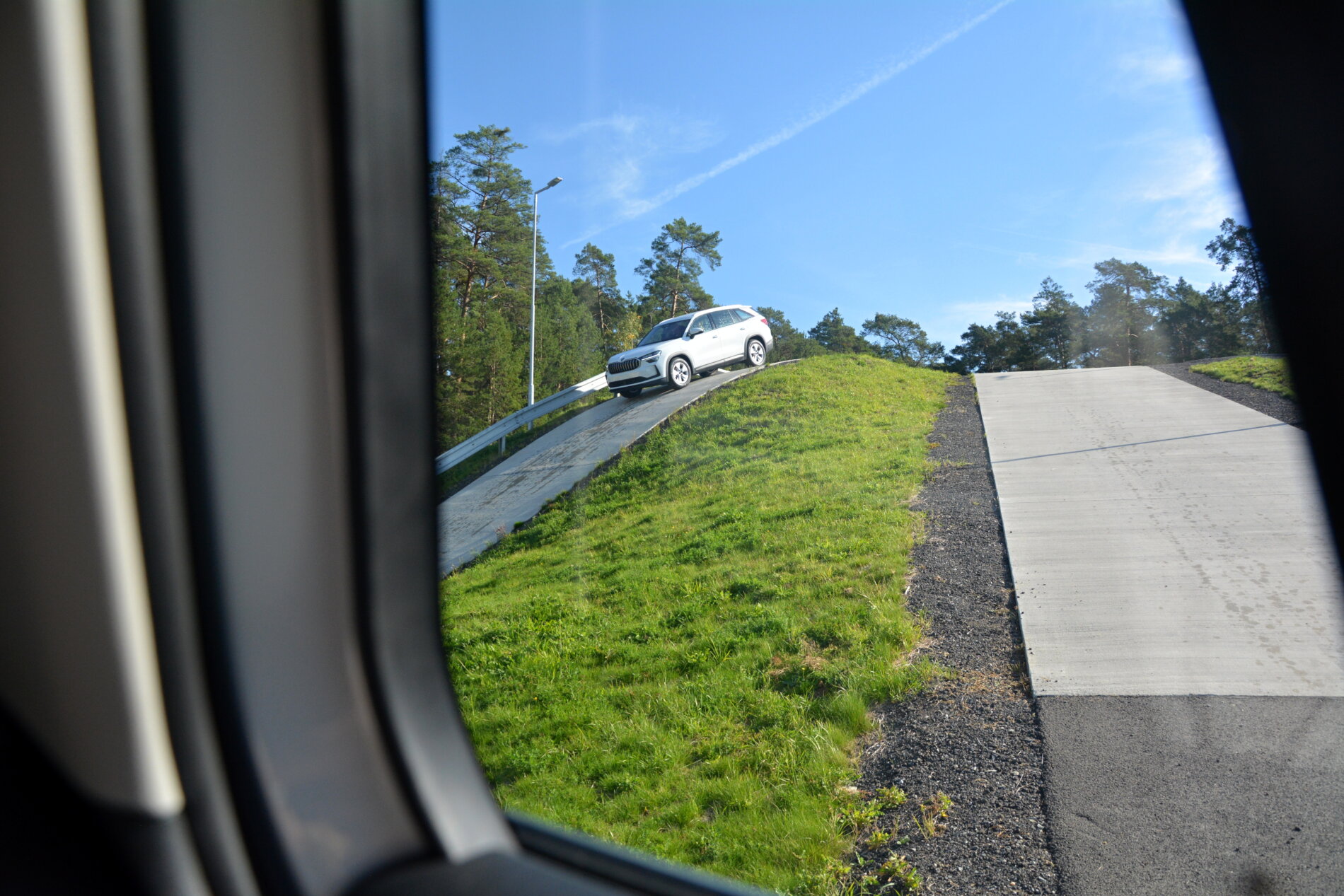
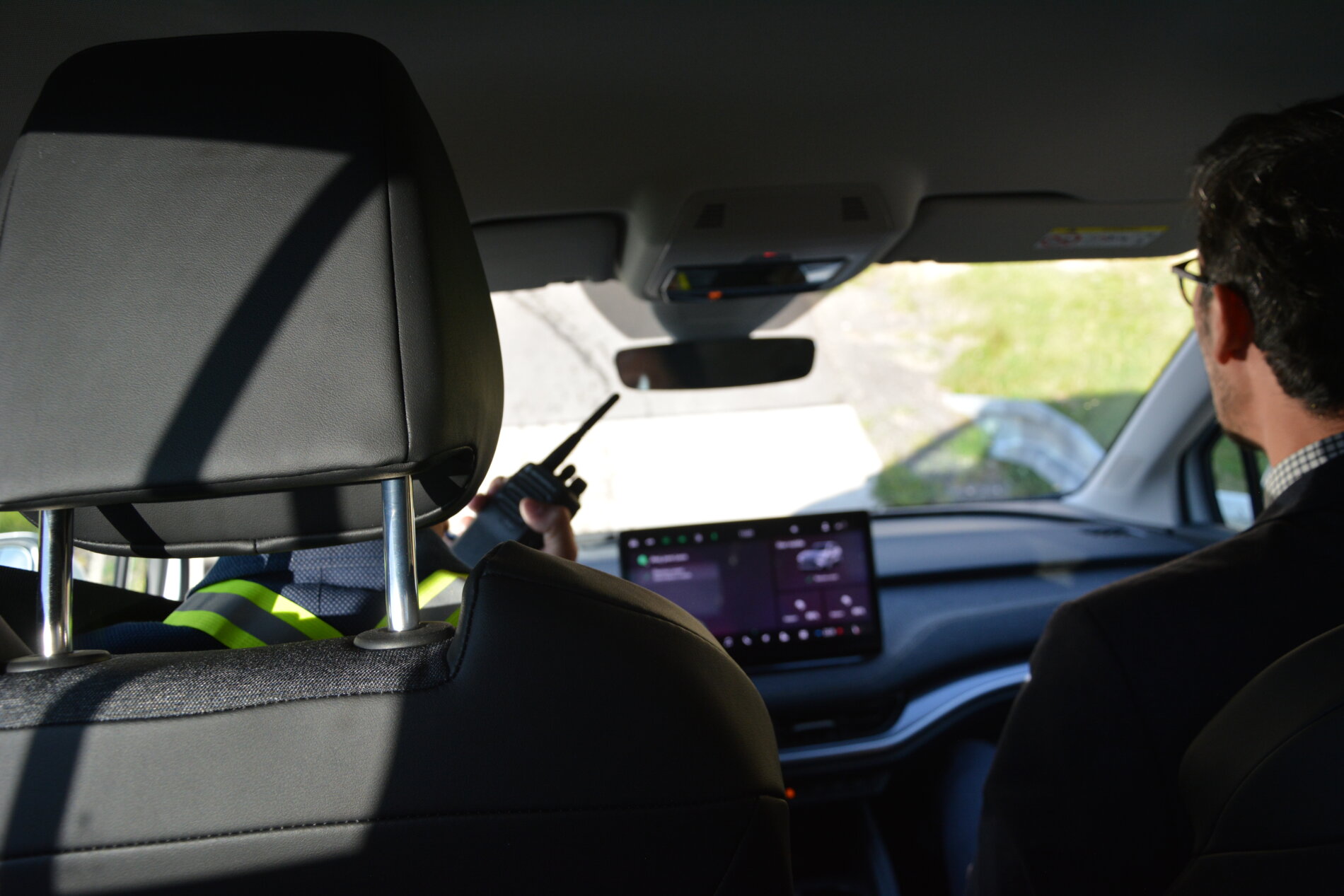
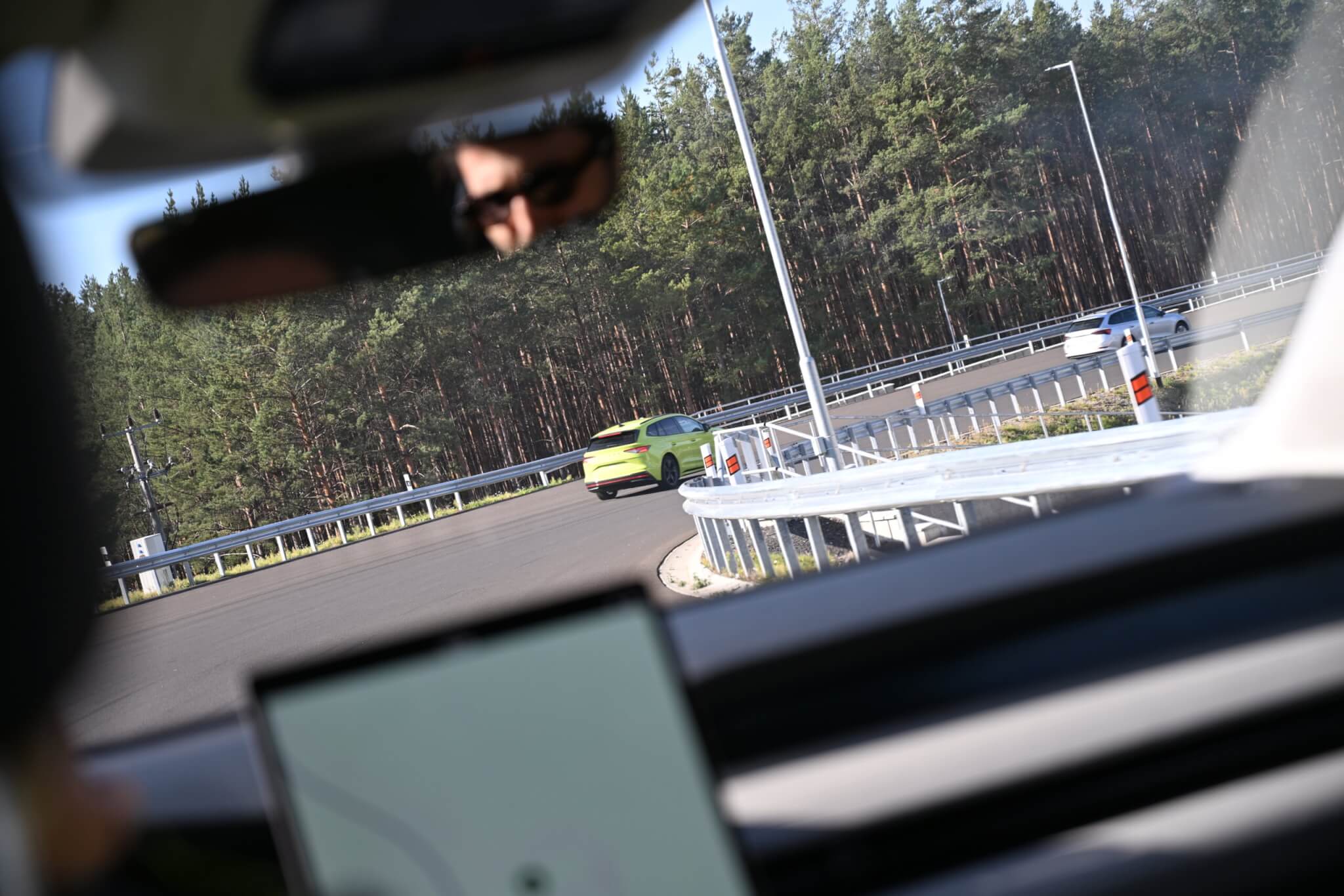
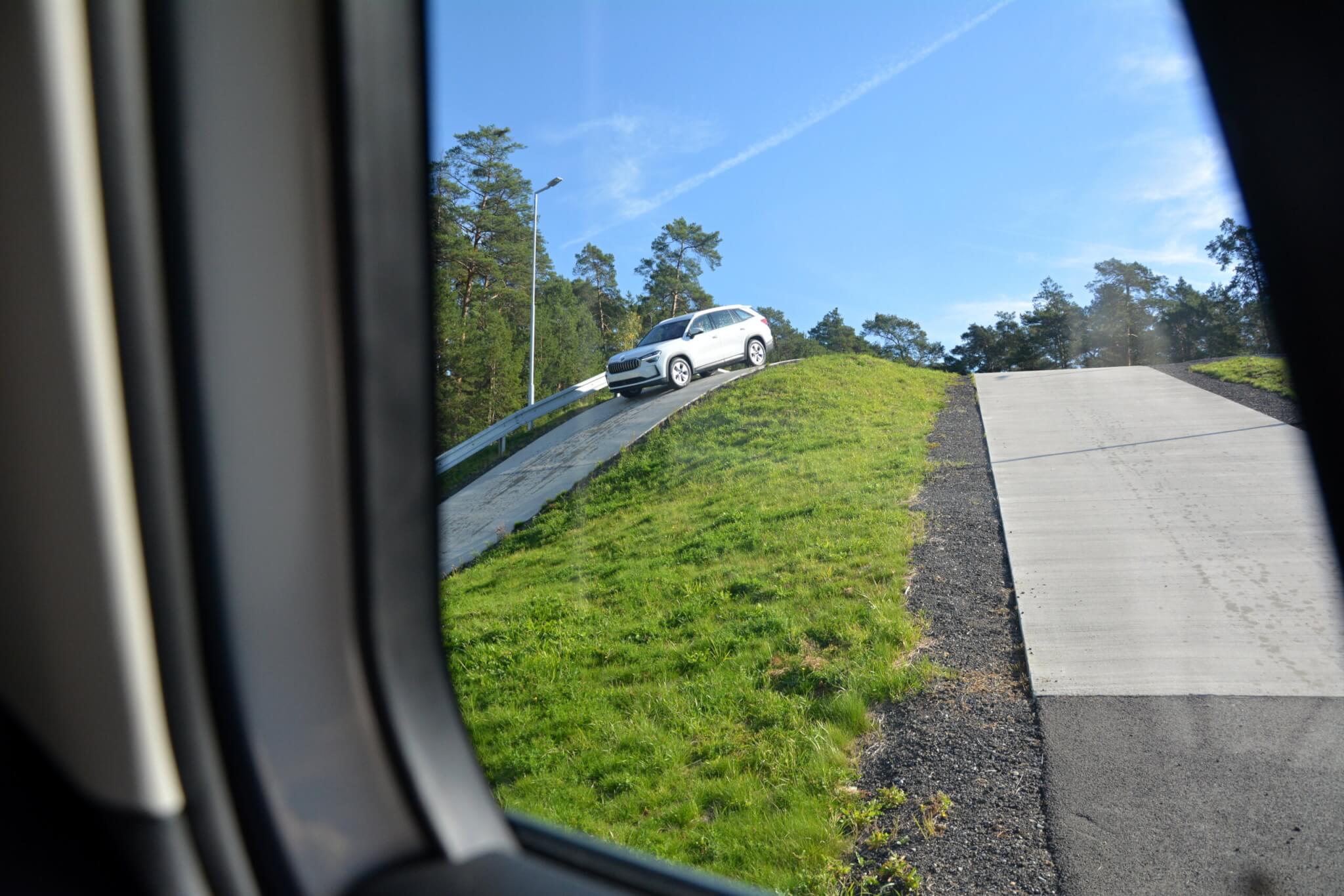
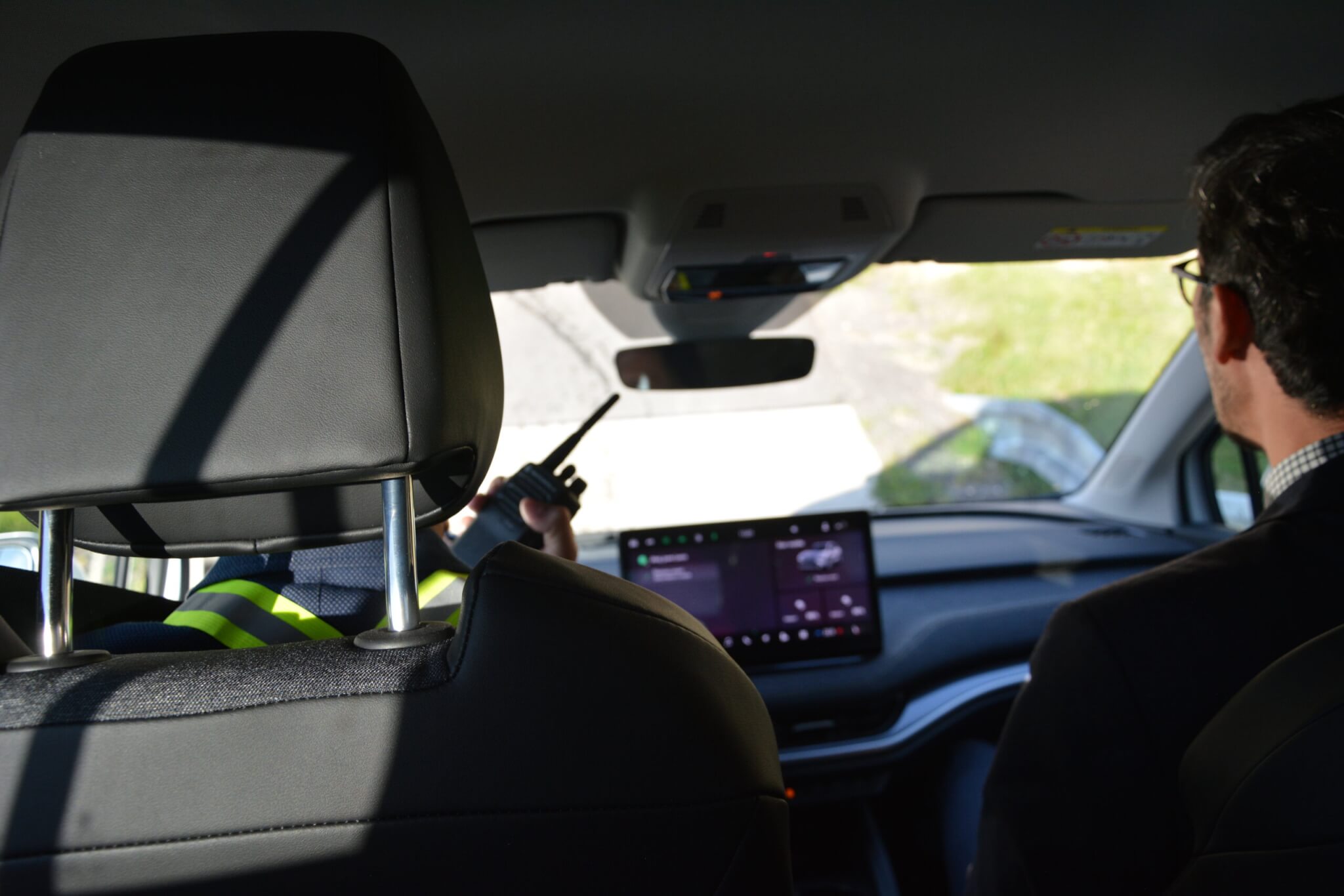
The event ended with practical demonstrations at Aurel’s testing ground. Participants could experience vehicle testing directly in practice. Approximately ten vehicles were used for a series of dynamic tests.
The program included high-speed cornering, cobblestone driving, steep inclines, water crossings, low-grip and slippery surface tests, a vehicle jump and ADAS emergency braking tests in a cyclist situation.
Practical demonstrations showed the participants how the behavior of vehicles, safety systems and new technologies is evaluated under controlled conditions. At the same time, they allowed them to experience first-hand the complexities of developing and verifying modern cars.
The event highlighted the importance of close dialogue between policy makers and the automotive industry, especially as Europe prepares the regulatory framework that will set the conditions for investment, innovation, safety and production in the coming years.
Photogallery
Contact