In the first three quarters of this year, a total of 1,089,416 passenger vehicles were assembled on the lines of domestic passenger car manufacturers, only 0.7% less year-on-year. The million-vehicle mark was thus broken again in September, which became the second strongest production month of this year after June with a total of 135,983 cars. The nine-month production figures in other segments were as follows: buses 4,114 units (+27.8%), trucks 873 (-22.1%), motorcycles 567 (-31.1%), trailers up to 3.5t 11,773 units (-4.9%) and trailers over 3.5t 1,593 units (+2.8%). Electric vehicles showed a significant year-on-year increase in production by 102.7% – a total of 162,264 units of purely electric vehicles and 48,242 units of plug-in hybrid vehicles were produced. The electric bus segment also recorded a high increase, with production increasing by almost 364% year-on-year to 283 buses.
 “Crossing the one million vehicle production mark and the second strongest month in terms of production this year is clearly a success for the Czech automotive industry in the current situation and traditionally good news for the domestic economy. In the case of Škoda Auto, it is even managing to break the 130-year record in vehicle production at Czech plants, when the limit of 4,000 vehicles produced per day was broken. These results clearly confirm that the Czech automotive industry stands on solid foundations and has enormous potential for the future, if the state and Europe create an appropriate environment for it. We therefore expect clear and long-term support for the industry from the new government. This means focusing investment support on existing companies, strengthening technical education, supporting research, development and innovation and creating a stable and predictable environment for investors. At the European level, we are facing a key debate on CO2 emission regulations for passenger cars and trucks, where we must act constructively, seek allies among like-minded states and jointly promote realistic and feasible solutions without unnecessary regulations,” says Martin Jahn, President of the Automotive Industry Association.
Passenger vehicles
In the first nine months, 1,089,416 passenger vehicles were produced in the Czech Republic, i.e. 0.7% less year-on-year than in the same period of the previous year. 210,506 electric vehicles were produced in the given period and their share in domestic car production is at the level of 15%. In total, 162,264 purely battery (BEV) and 48,242 plug-in hybrid (PHEV) vehicles were produced. A total of 79,915 vehicles were destined for the domestic market, i.e. 7.3% of the total number produced. A total of 1,009,501 passenger cars were destined for foreign markets, i.e. 92.7% of production. Domestic sales thus recorded a 6.6% increase in year-on-year comparison, while exports decreased by 1.3%.
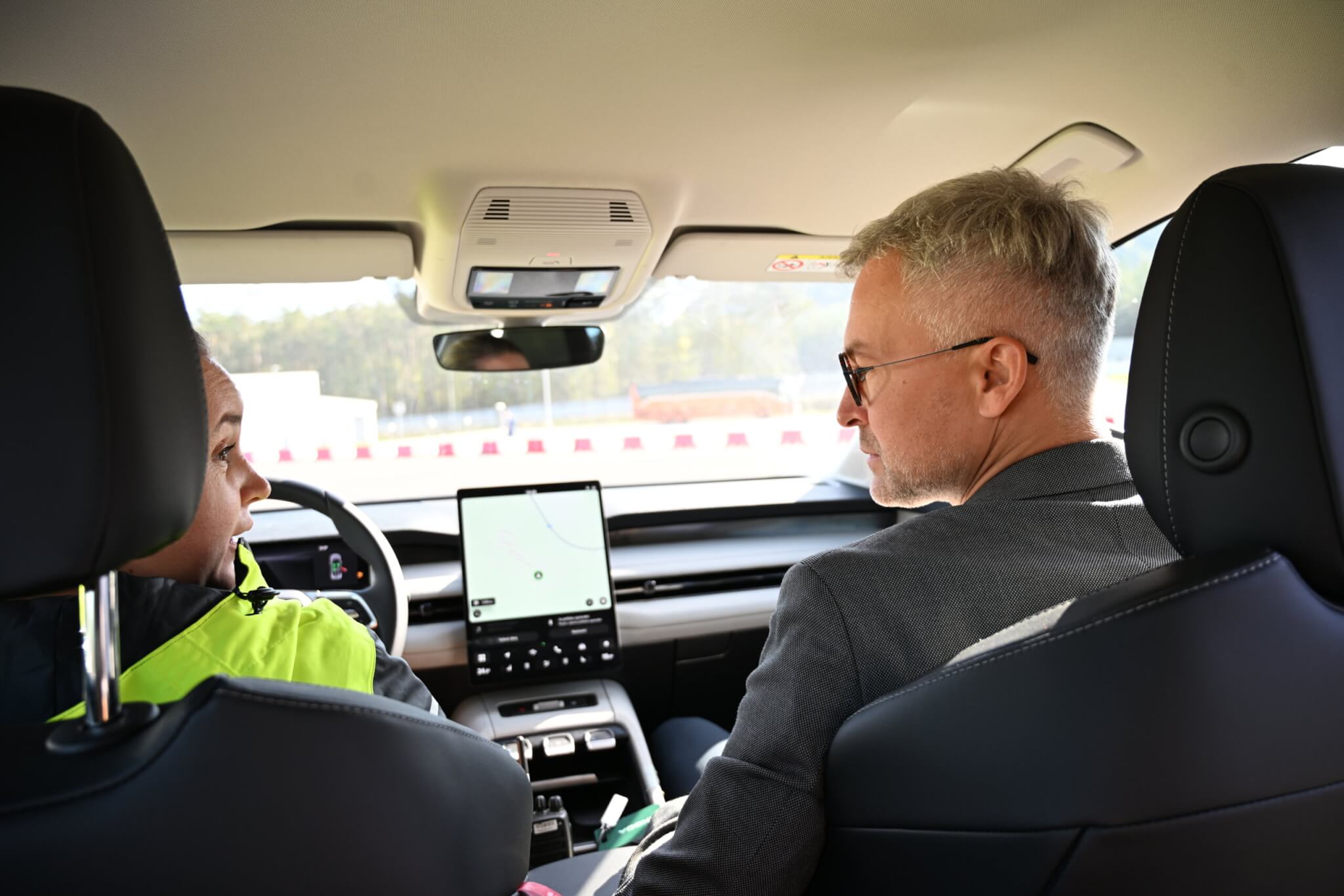
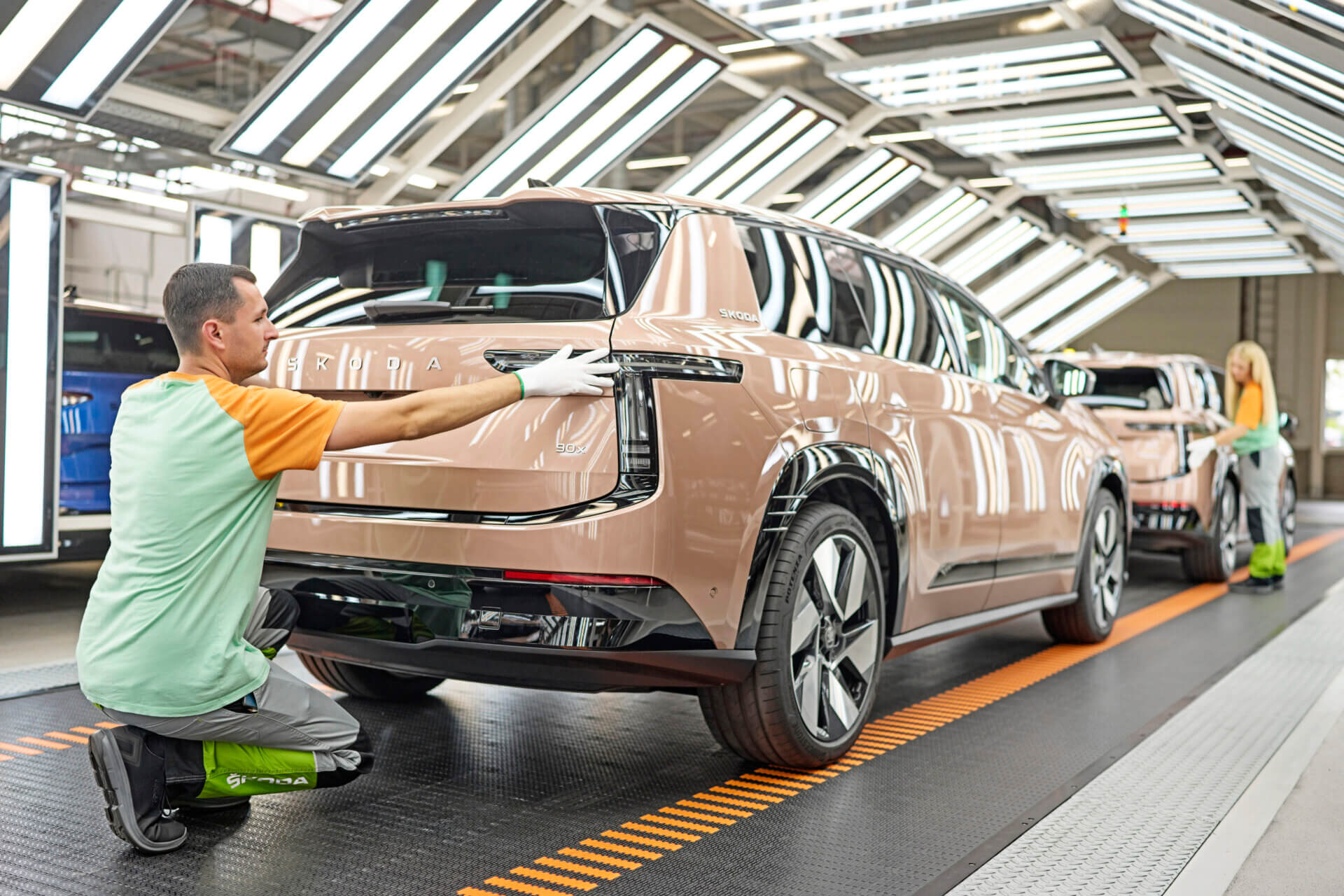
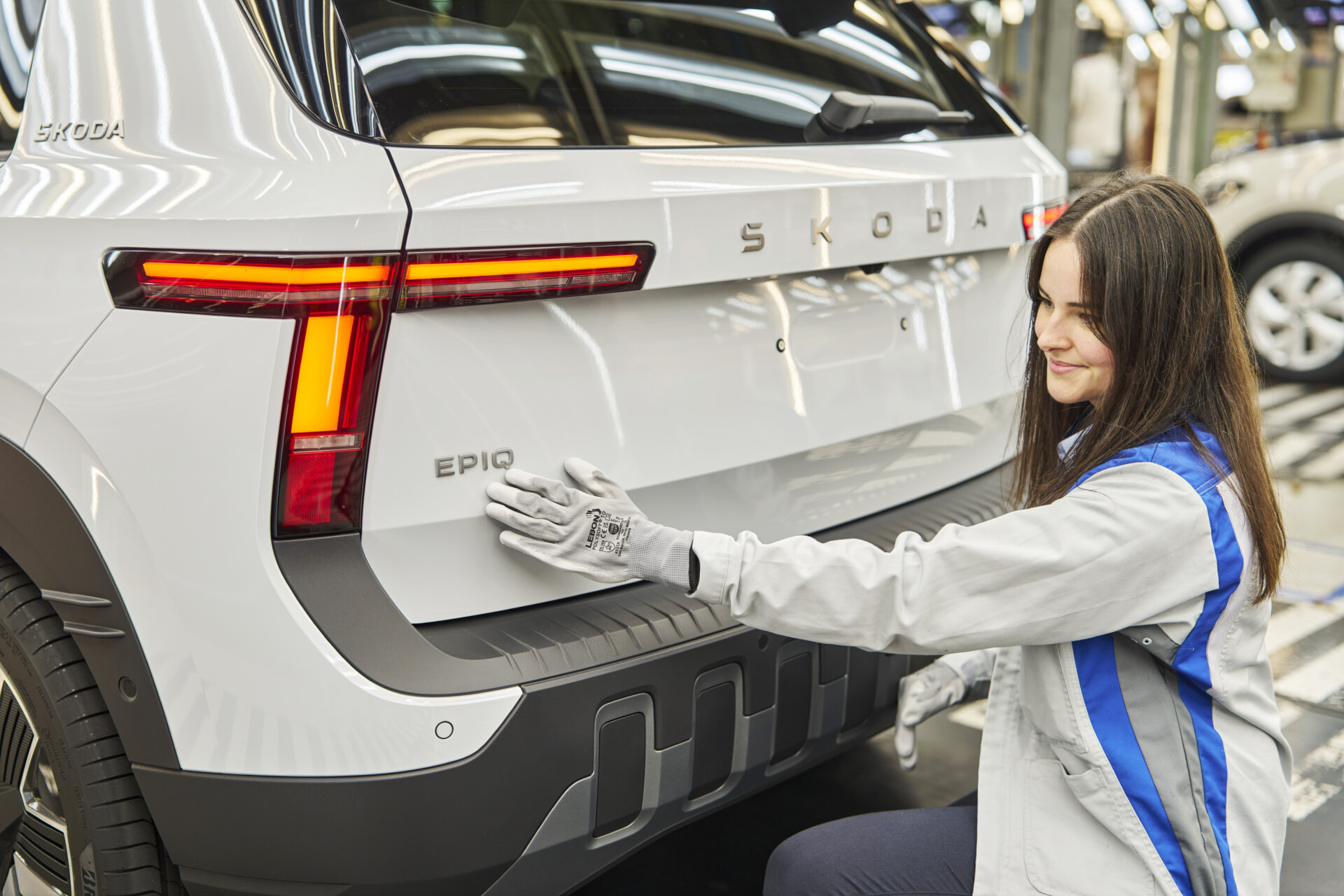
The largest domestic automaker, Škoda Auto, produced a total of 705,393 passenger cars (+4.8%) at its domestic plants in January-September 2025. 67,692 vehicles (+9.8%) were placed on the Czech market, while 637,701 cars (+4.3%) were sent abroad. Production at all Czech plants during the third quarter proceeded according to plan and the automaker reports breaking historical records. Daily production in the third quarter exceeded 4,000 cars per day for the first time, which is the highest level in the brand’s more than 130 years of existence. September’s production volume was also a record – 95,119 vehicles produced, with the monthly average since the beginning of the year being 76,284. September also became the most successful month in the history of Škoda Auto’s electric car production, when 19,728 purely battery BEVs and 3,084 plug-in hybrid PHEVs were produced, i.e. a total of 22,812 electric cars. Overall, the automaker increased its production of electric cars by 145.9% year-on-year in the first nine months of the year, to 158,831 units, which represents 22.5% of total production.
Hyundai’s Nošovice plant produced a total of 213,975 vehicles in the first nine months of the year, i.e. 39,475 vehicles fewer (-15.6%) compared to the same period last year. The lower production volume was caused by several planned shutdowns, which the automaker used to adapt production to the current market situation. Of the total number of vehicles produced, 25,605 were purely electric and 26,070 were plug-in hybrid. Electric vehicles thus accounted for more than 24% of the plant’s total production. 203,239 vehicles, or 95% of production, were destined for foreign markets, while 10,736 cars (5%) went to the domestic market.
A total of 170,048 vehicles rolled off the production line of the Toyota Motor Manufacturing Czech Republic in Kolín in the reported period, or 679 fewer than in the same period last year. Approximately half of the total volume is made up of Yaris HEV hybrid cars, the other half are models with a combustion engine. Almost all of the production – 168,561 vehicles, or 99.2% – was destined for export, mainly to Western European markets. 1,487 vehicles (0.8%) were registered in the Czech Republic. The production plan for this year is currently being fulfilled above original expectations, which is evidence of stable demand for both models produced by the plant, as well as effective production management. The Kolín plant is also preparing to start production of the new Aygo X HEV model, which will begin before the end of this year. Subsequently, it will produce exclusively hybrid electrified vehicles.
Buses
In the first three quarters, 4,114 buses were manufactured in the Czech Republic (+27.8%), 256 buses were intended for the domestic market (-60.2%), most of the 4,366 were destined for export (+24.1%). 3,798 buses were manufactured at Iveco CR in Vysokomyt. Another 94 built-up vehicles were completed at a sister plant in Foggia, Italy. 209 units were registered on the domestic market (-50.9%), 4,097 units were destined for export (+18.9%). SOR Libchavy completed 294 buses in the first nine months of the year, i.e. 11.4% more than last year, of which 47 units were intended for the domestic market and 247 buses of this brand were exported abroad. The manufacturer KHMC manufactured 22 buses during the mentioned period, all of which were intended for export.
Trucks
Tatra Trucks, the only truck manufacturer among the members of the Association of the Automotive Industry, produced 873 trucks in the first three quarters of the year, 248 fewer than last year (-22.1%). Nevertheless, the third quarter, with 323 vehicles produced, was the most successful period of the year so far, even surpassing the same quarter in 2024. The largest part of production was vehicles for the armies of the Czech Republic, NATO countries and beyond, followed by fire chassis and chassis for the mining industry in Australia. The company is gradually increasing its own and supplier capacities to respond to growing demand, especially from the defense sector.
Motorcycles
Jawa produced 567 motorcycles in the first nine months of the year, which is 256 fewer than in the same period last year (-31.1%). Production and sales remain roughly a third lower than last year. 261 motorcycles were placed on the Czech market (-27.3%), while exports amounted to 306 machines (-34.1%). With the end of the season approaching, further growth in sales is not expected, but the arrival of the new JAWA 350 CL 42 model in November could bring some revival.
Trailers
The trailer segment recorded a slight year-on-year decline. Between January and September, a total of 13,366 trailers and semi-trailers of all sizes were produced, i.e. 569 fewer than last year (-4.1%). In terms of volume, the majority of production was provided by Agados, a company specializing in small trailers up to 3.5 tons. It produced 11,773 of these (-4.9%), selling 7,267 in the Czech Republic (+8.1%), and 4,201 abroad (-19.2%).
In the large trailers and semi-trailers category, production increased by 2.8% year-on-year to a total of 1,593. Schwarzmüller produced 1,218 large trailers, i.e. 5% more than last year. It sold 218 in the Czech Republic (+35.4%), and 958 abroad (-5%). Another domestic manufacturer in the given category, Panav, produced 373 trailers and semi-trailers, i.e. 3.6% less than in the previous year. It placed 227 pieces of trailers on the domestic market (i.e. -18.3%), 45 pieces on the foreign market (-13.5%). In the given category, Agados also recorded the production of 2 pieces of trailers over 3.5t.
Contact